Believe Nothing You Hear, and Only Half of What You See — A memoir of Service, Shame and the Search for Truth
Orders to Return to the U.S. Army Chemical School
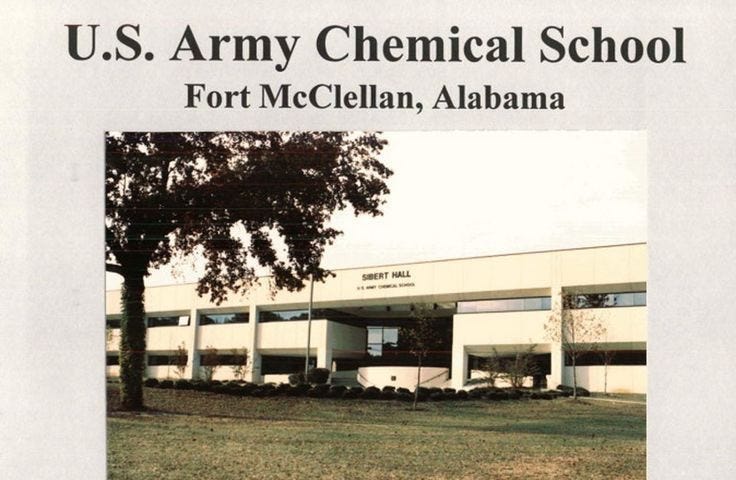
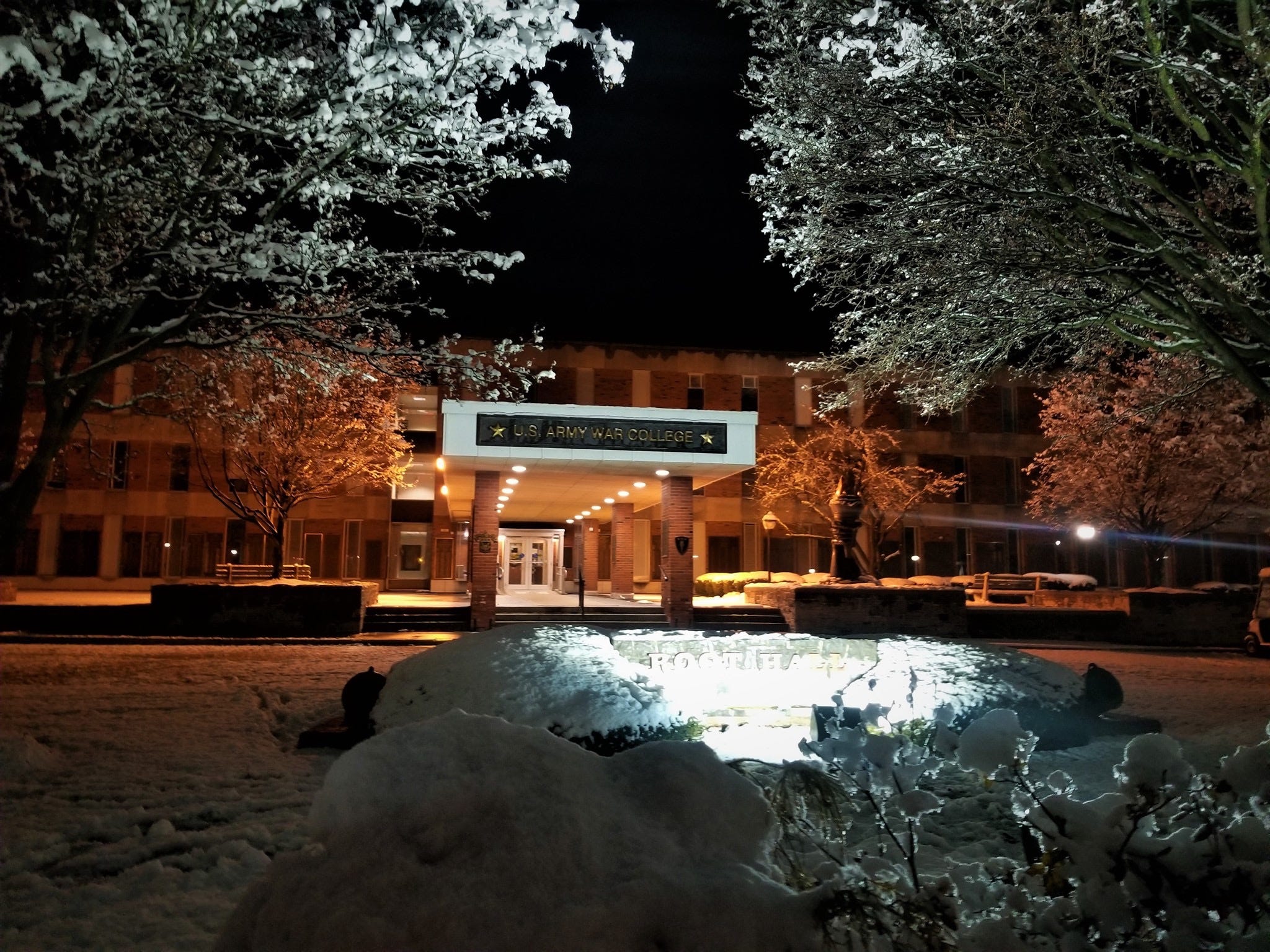
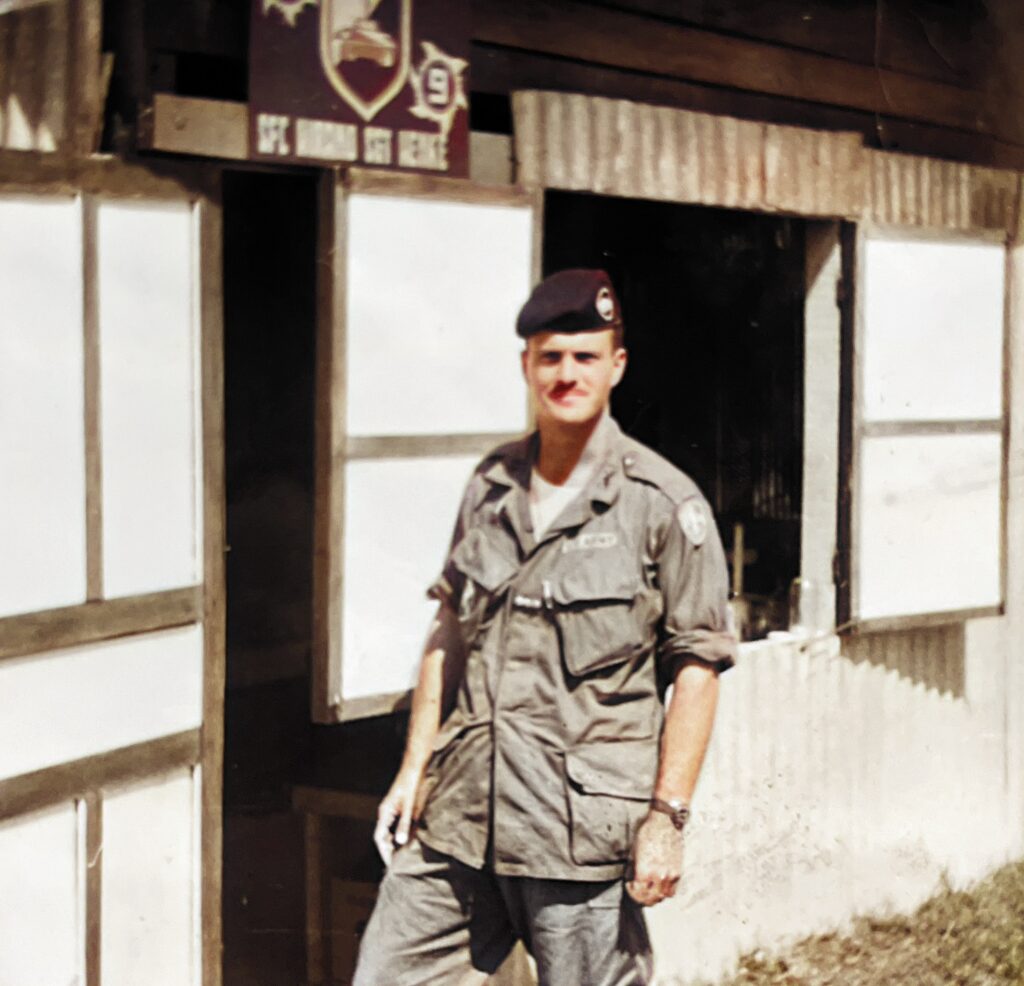
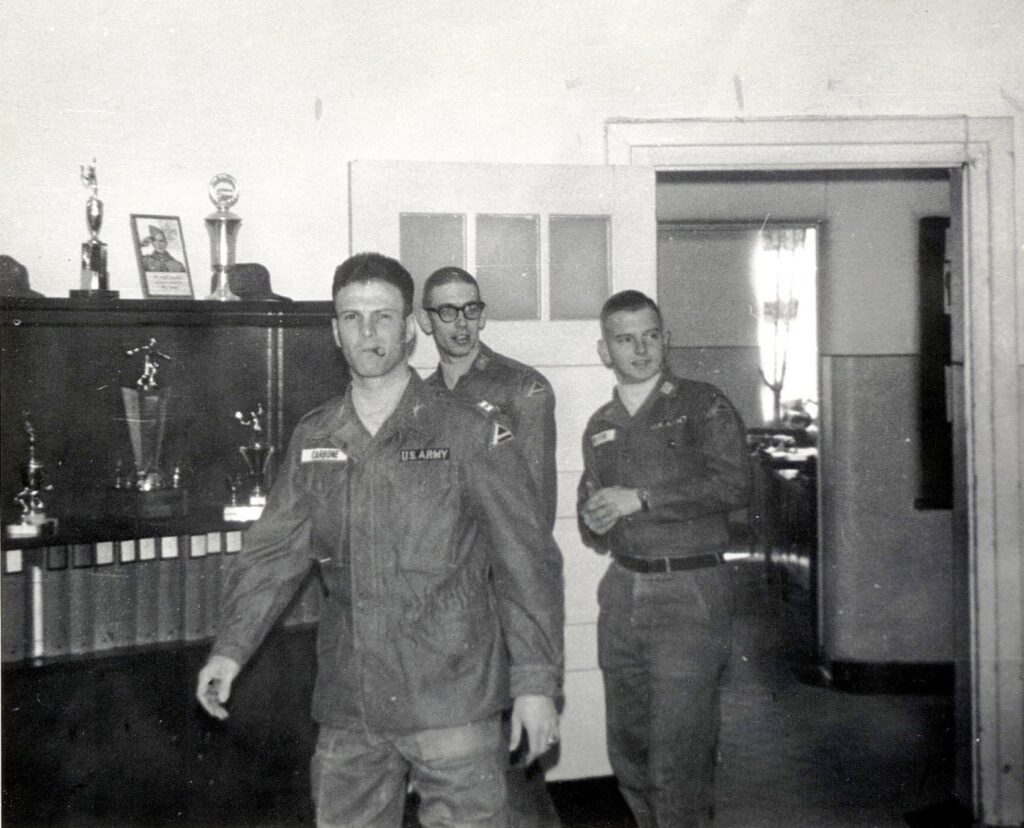
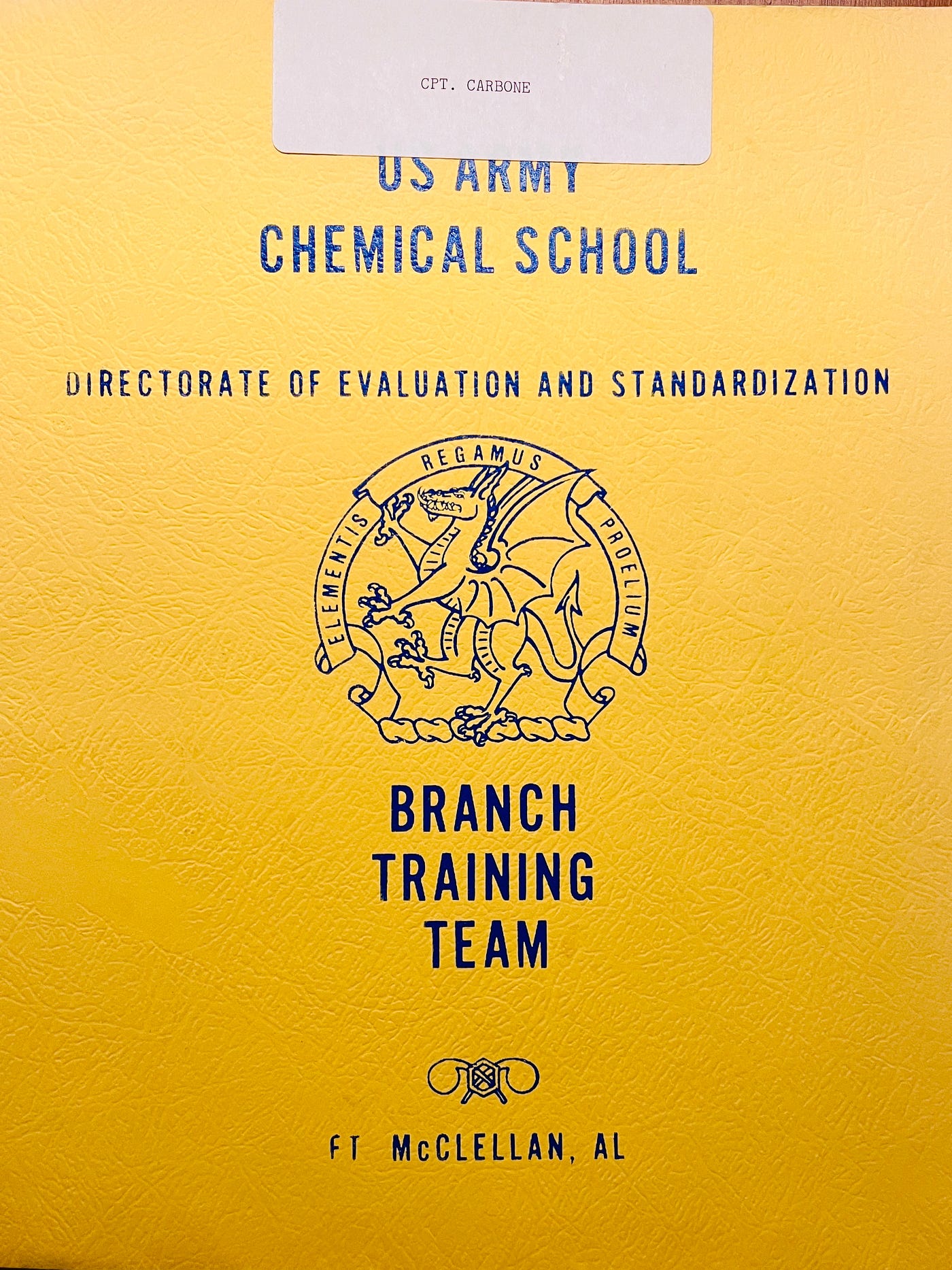
In August of 1984, I received orders to return to the U.S. Army Chemical School at Fort McClellan, Alabama — but this time, not as a student. The Directorate of Evaluation and Standardization (DOES) assigned me as Chief of Internal Evaluation.
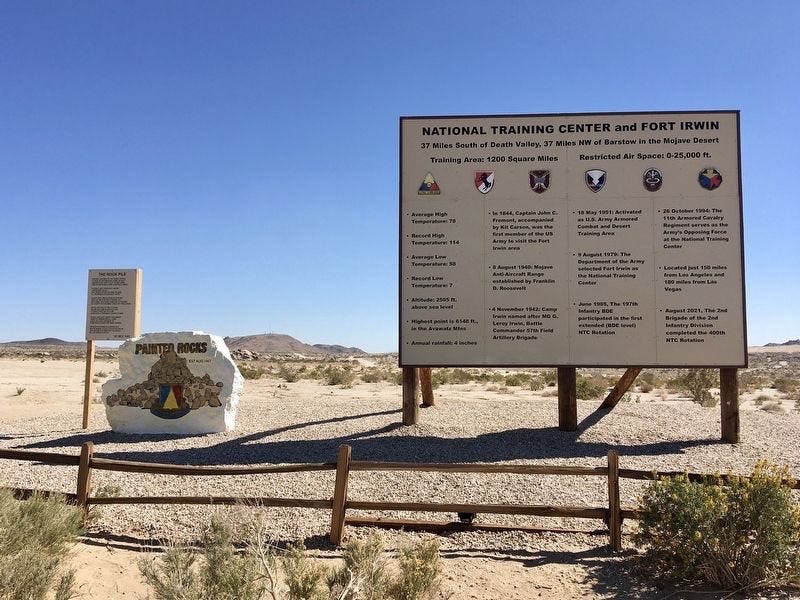
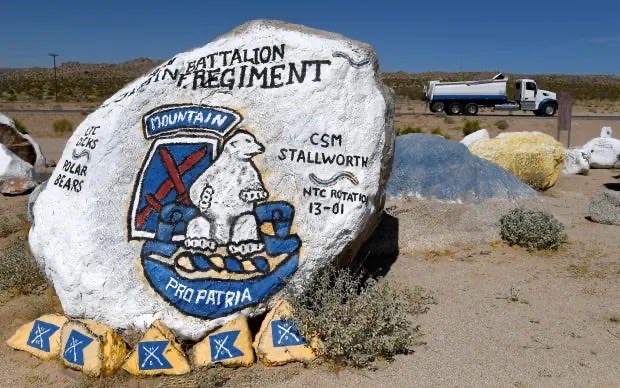
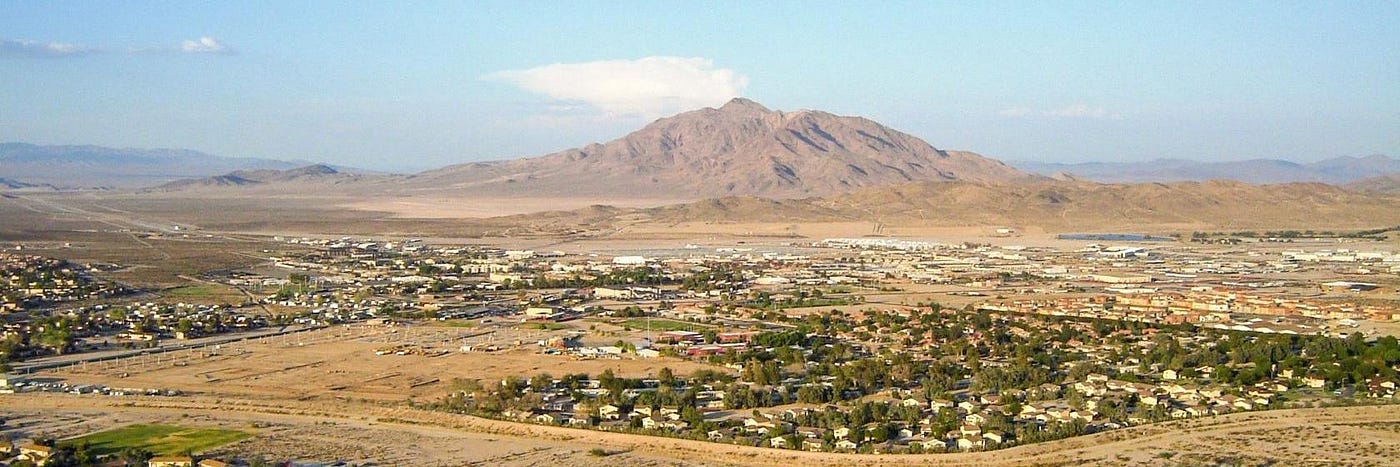
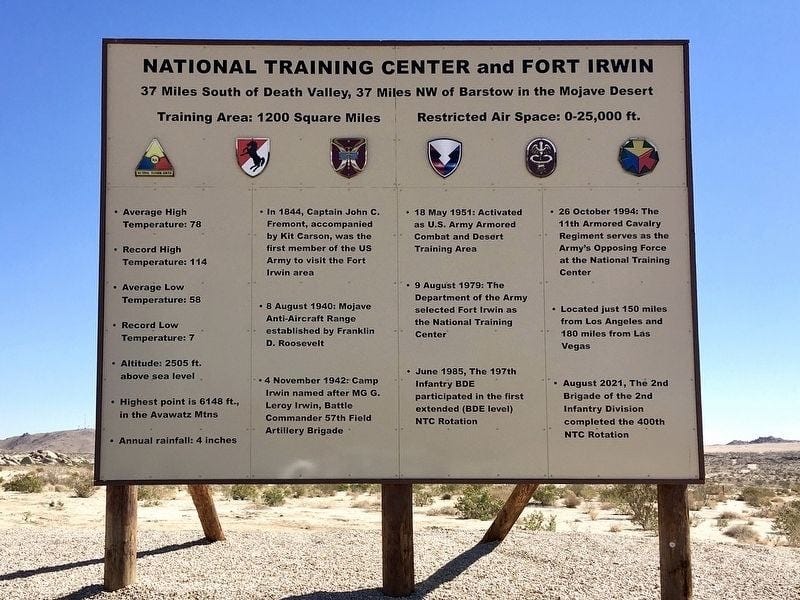
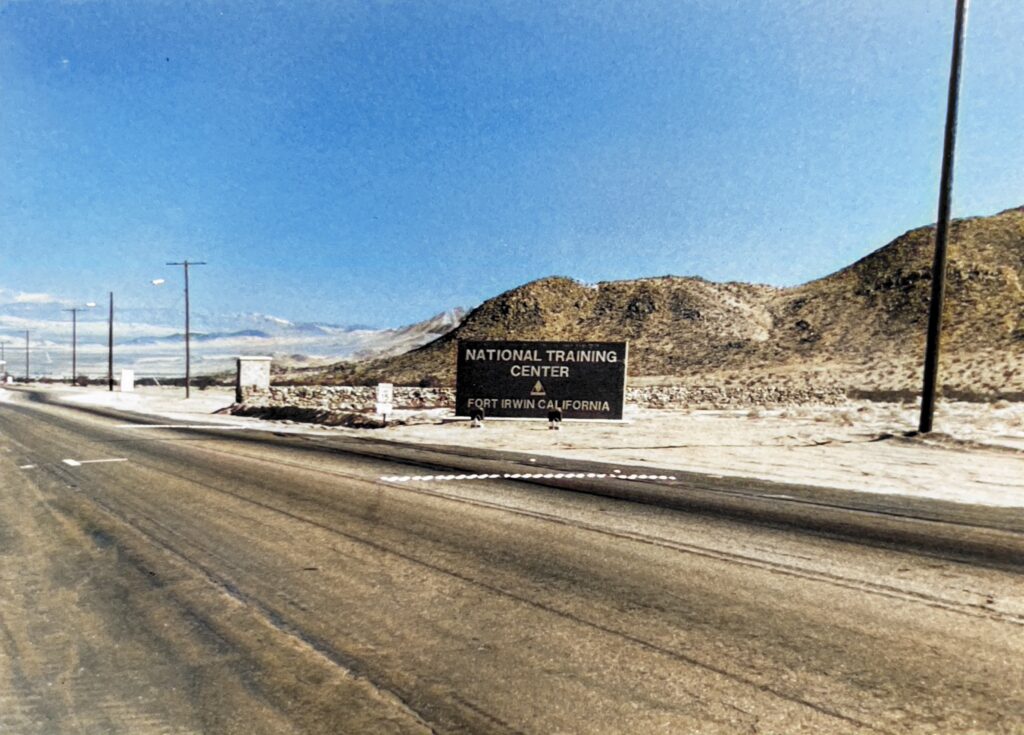
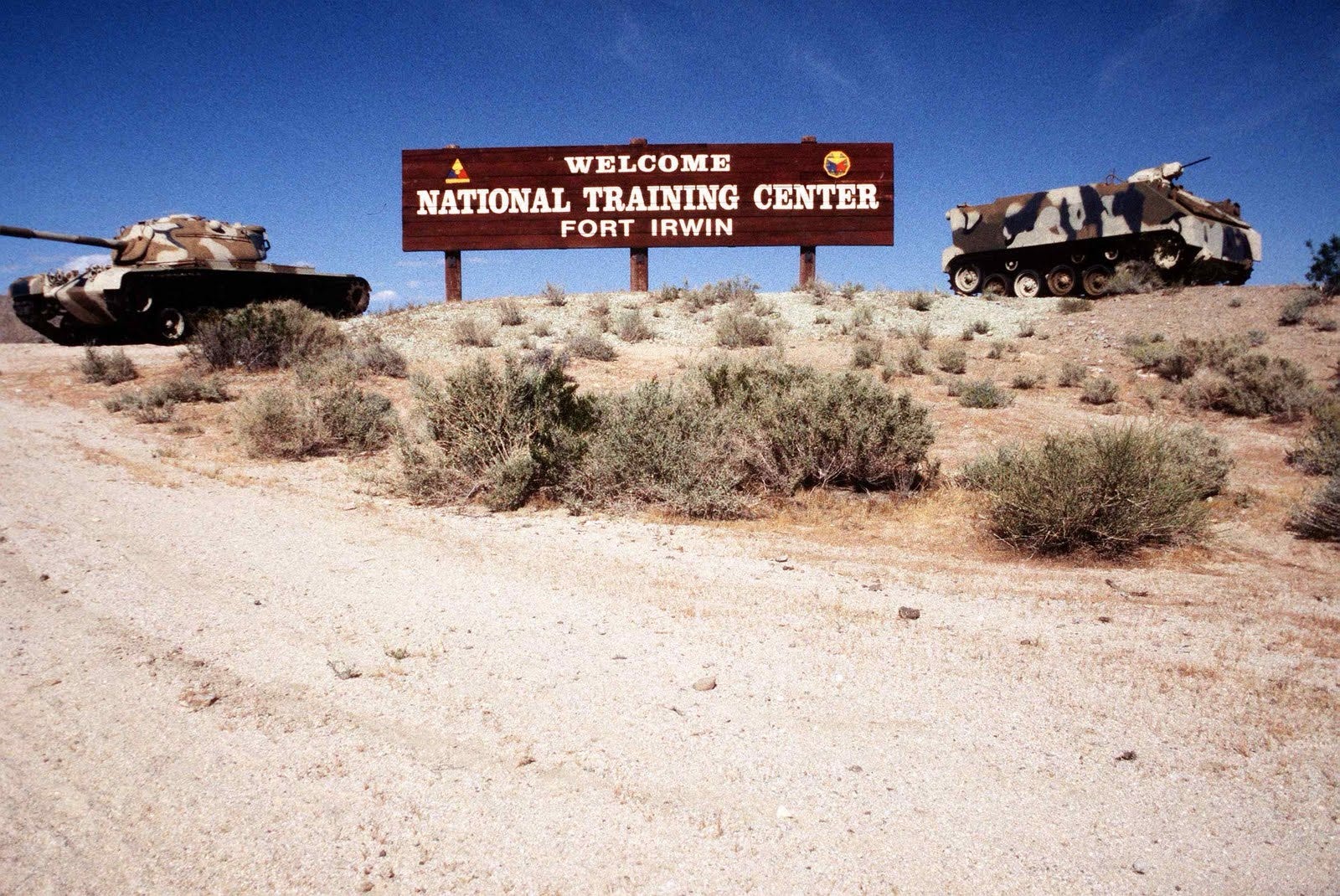
On the surface, the job didn’t sound nearly as exciting as my previous assignment at the National Training Center, where I had lived and breathed the part of a Soviet officer in simulated combat. But the position was far more important than it first appeared. Initially created to evaluate the school’s training programs and instructional materials, the role had evolved into something much larger: a mission that reached across the entire Army, influencing how chemical forces trained, operated, and prepared for war.
Return to Alabama
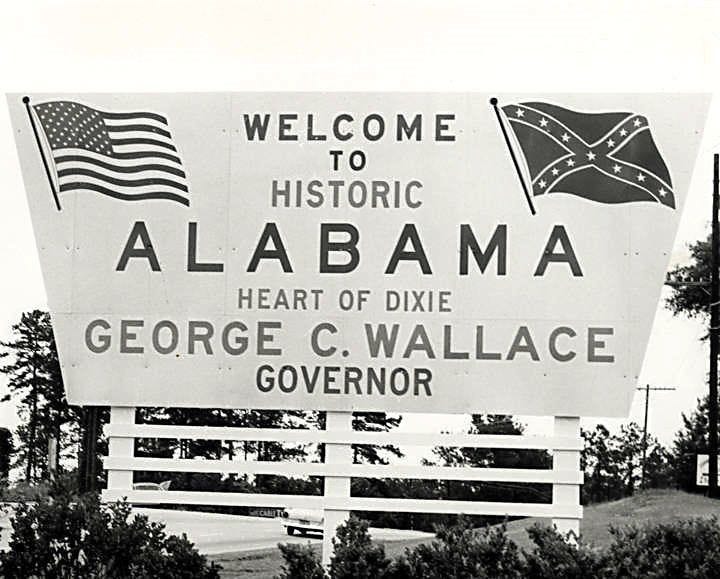
Crossing back into Alabama in the late summer of 1984, I saw the familiar sign as I drove across the state line: “Welcome to Historic Alabama — Heart of Dixie,” with “George C. Wallace, Governor” printed boldly underneath. American and Confederate flags flew side by side, a jarring reminder that, despite the decades that had passed since the Civil Rights Movement, progress here still moved at a slow, stubborn pace.
Return to Anniston and Fort McClellan, Alabama
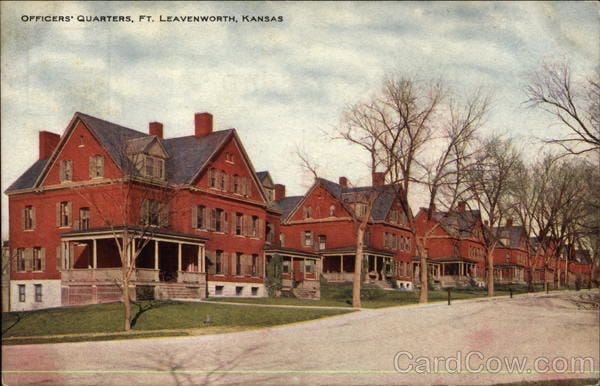
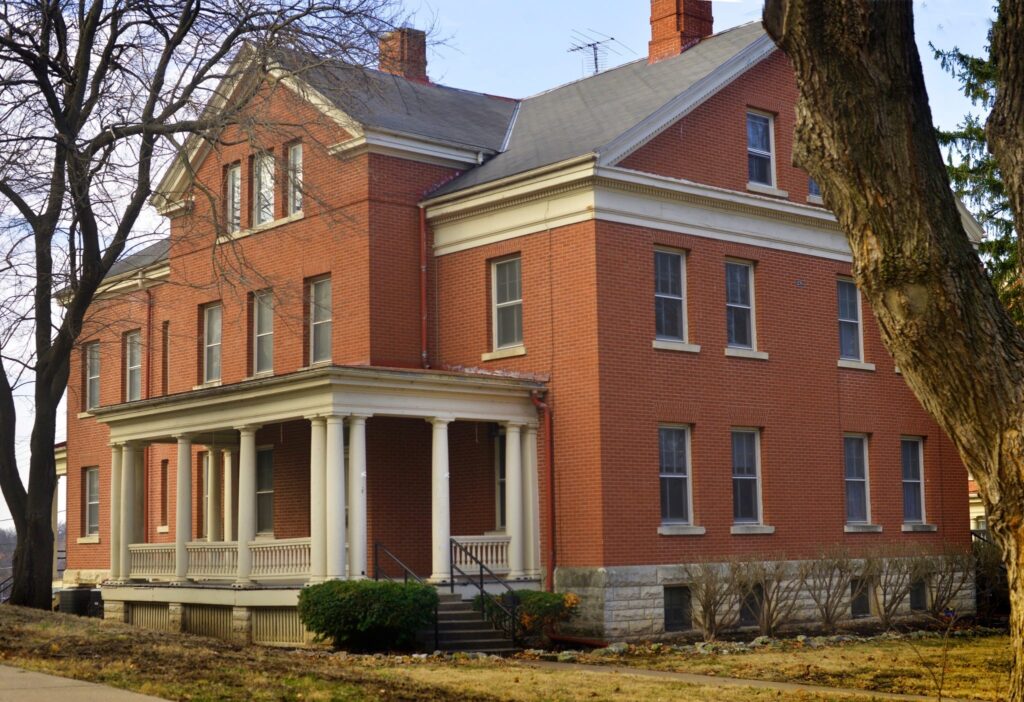
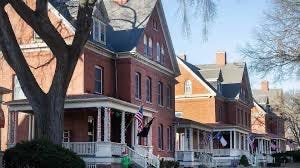
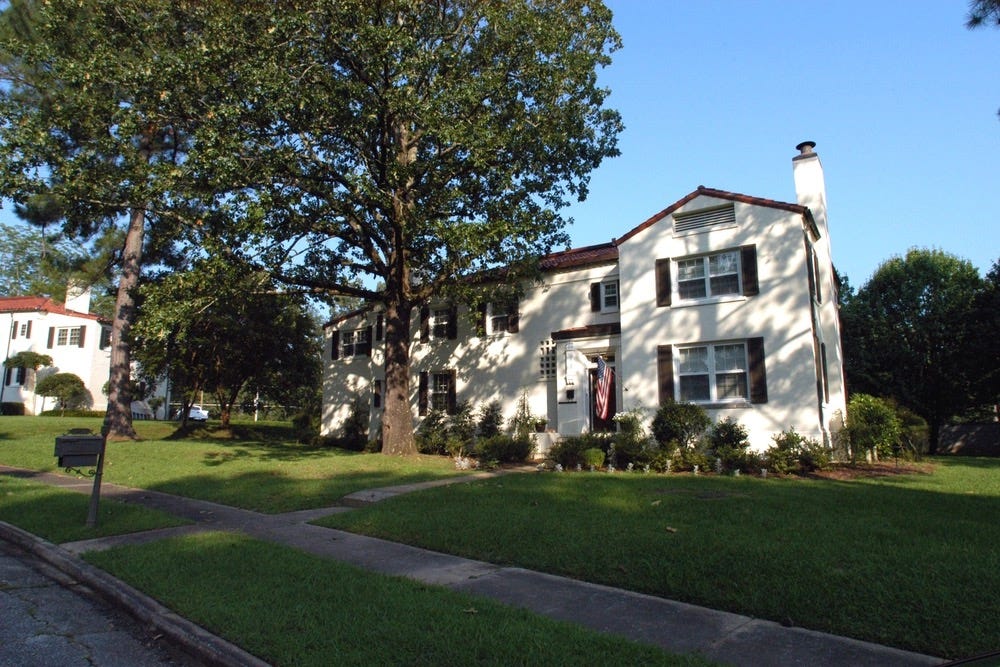
As I continued toward Anniston, I found myself reflecting on how much — and how little — had changed since my first time at Fort McClellan. The post itself was still beautiful, nestled in the green foothills of the Appalachians, and I wondered if I might someday return as a senior officer and live in one of the stately field-grade officer quarters I had once admired from afar. And if I realized my plans to become an Army physician, I hoped to serve as a field-grade medical officer, returning not just to the place where my Chemical Corps career began, but to a new chapter of service entirely.
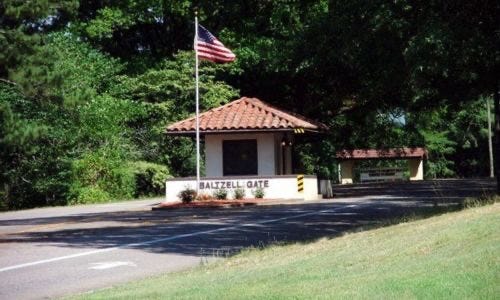
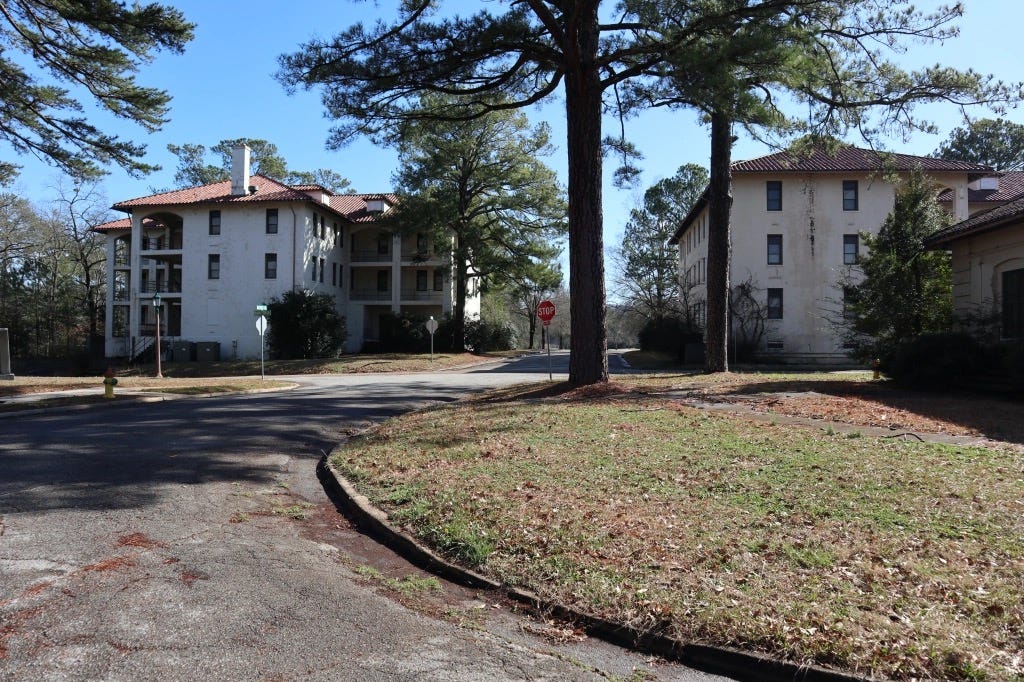
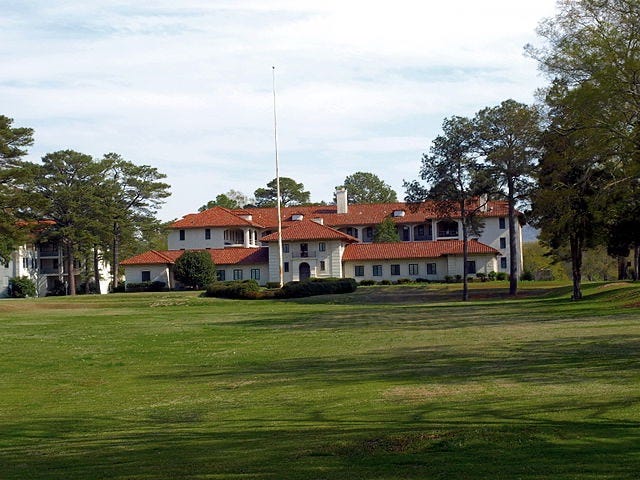
The transition back to Fort McClellan was an easy one. I had already spent more than four months there as a student and knew the post, the school, and even the nearby town of Anniston. This time, I wasn’t a rookie figuring things out — I knew the terrain, the routines, and the culture. I hit the ground running.
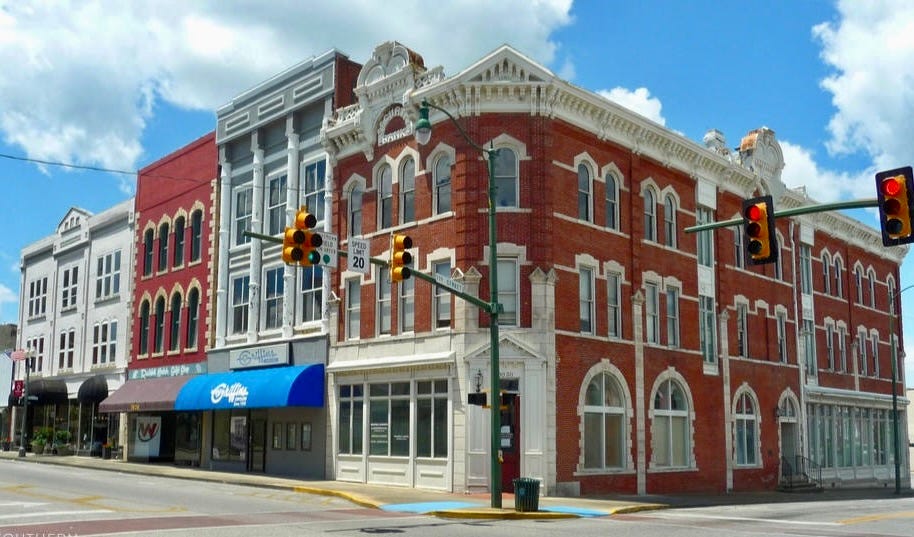
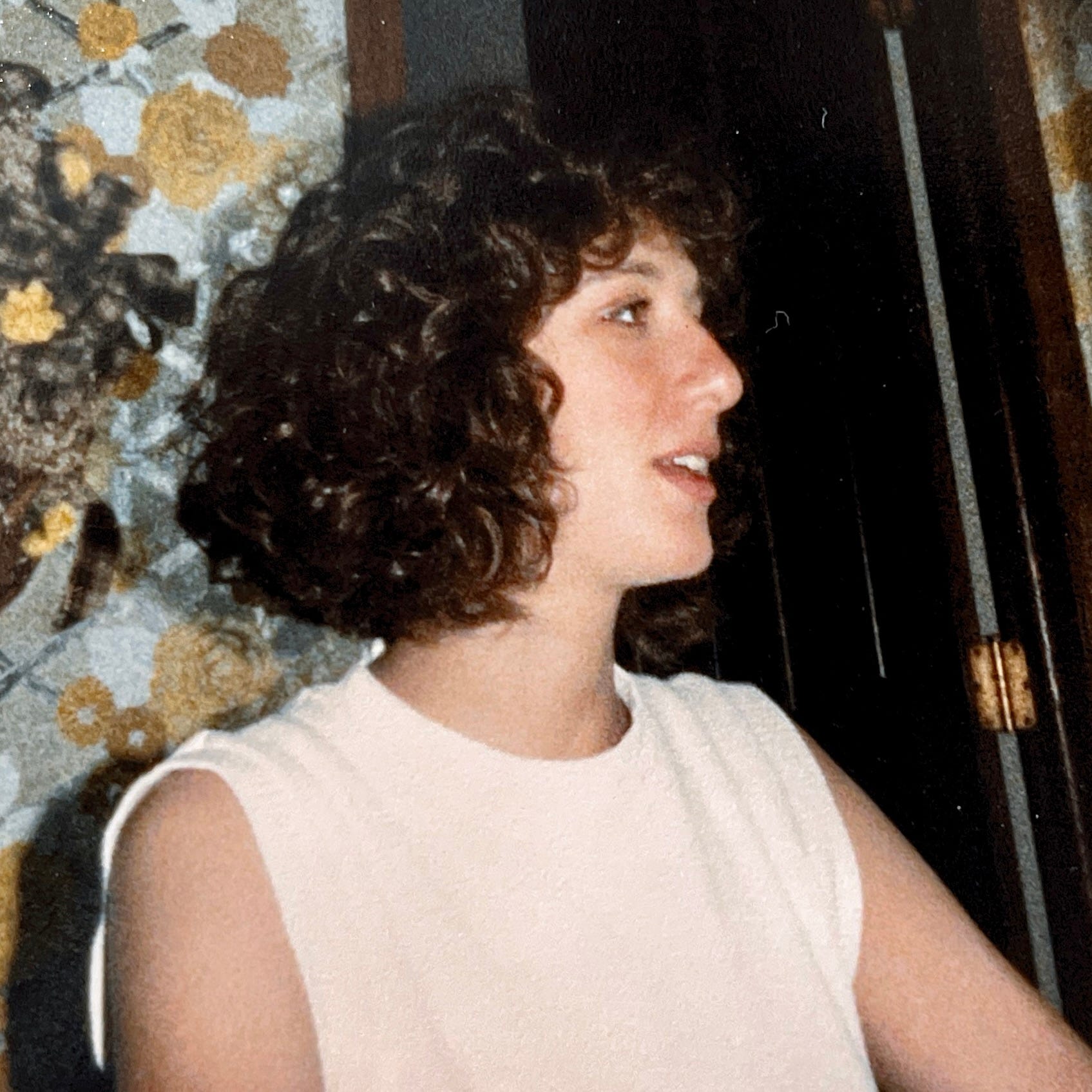
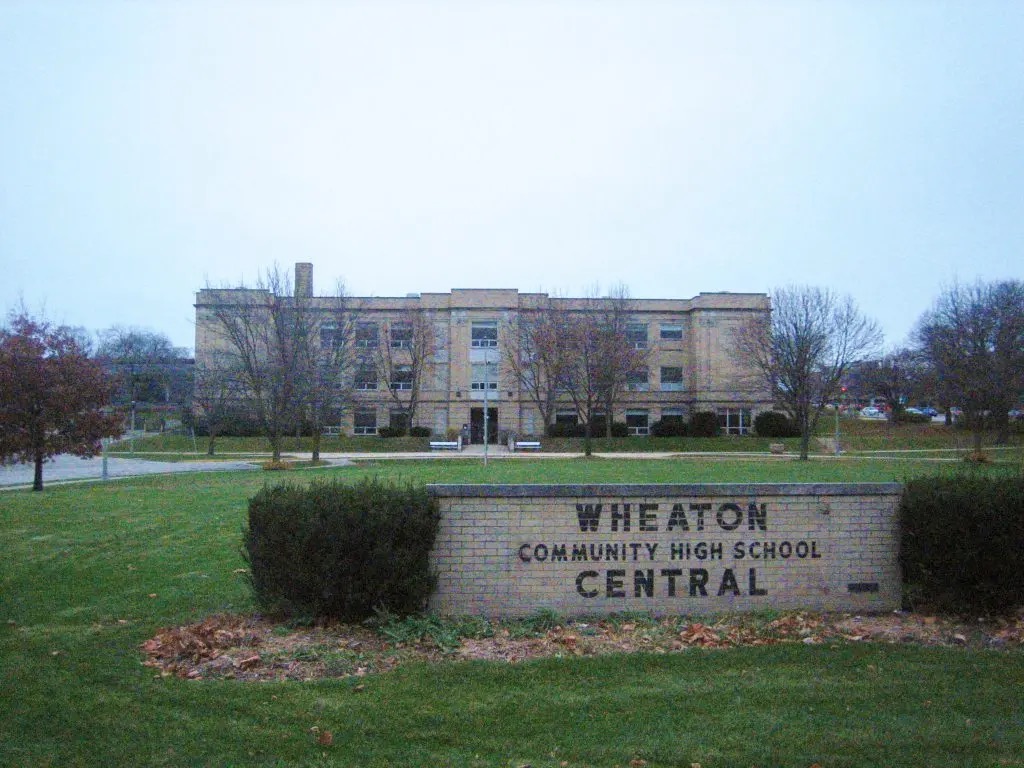
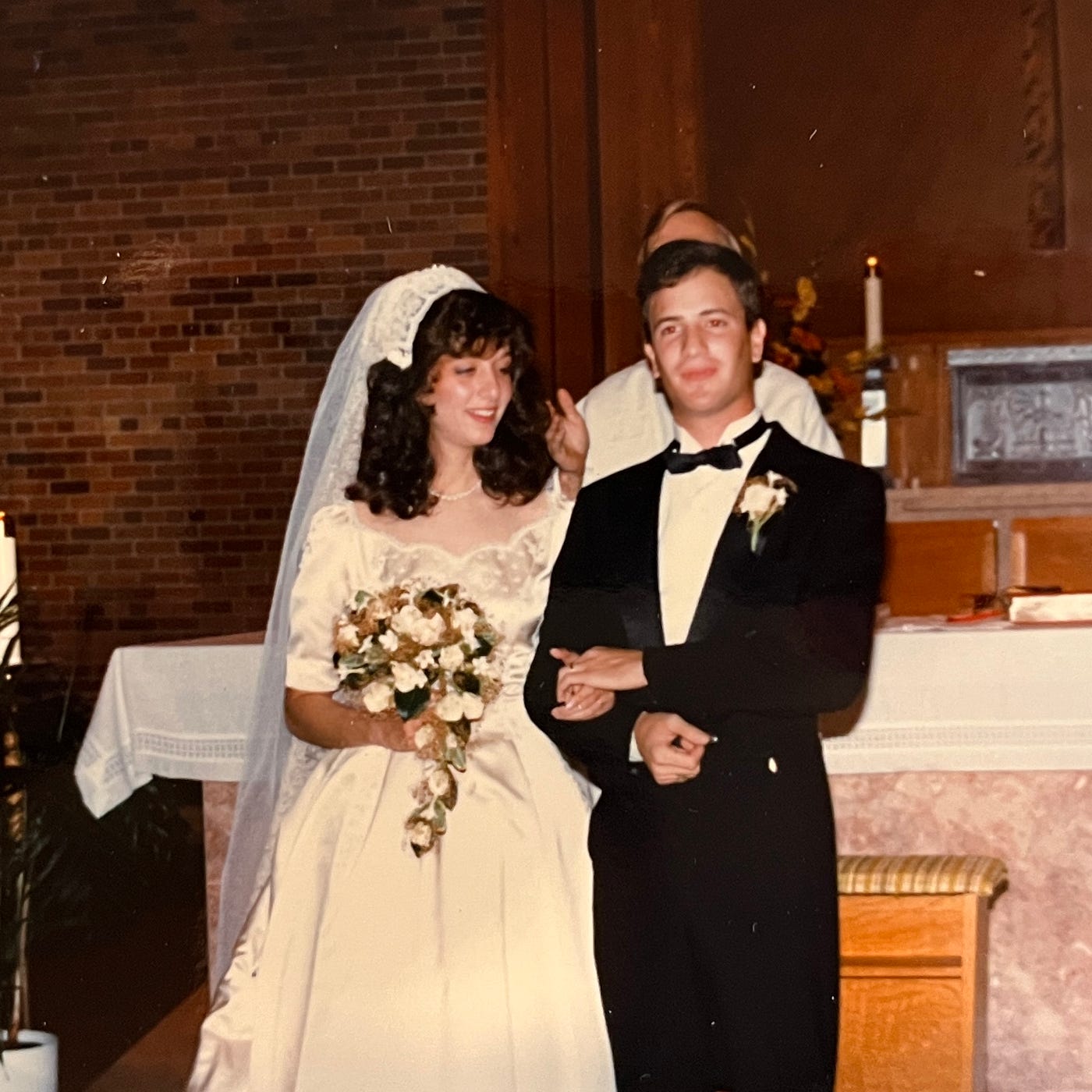
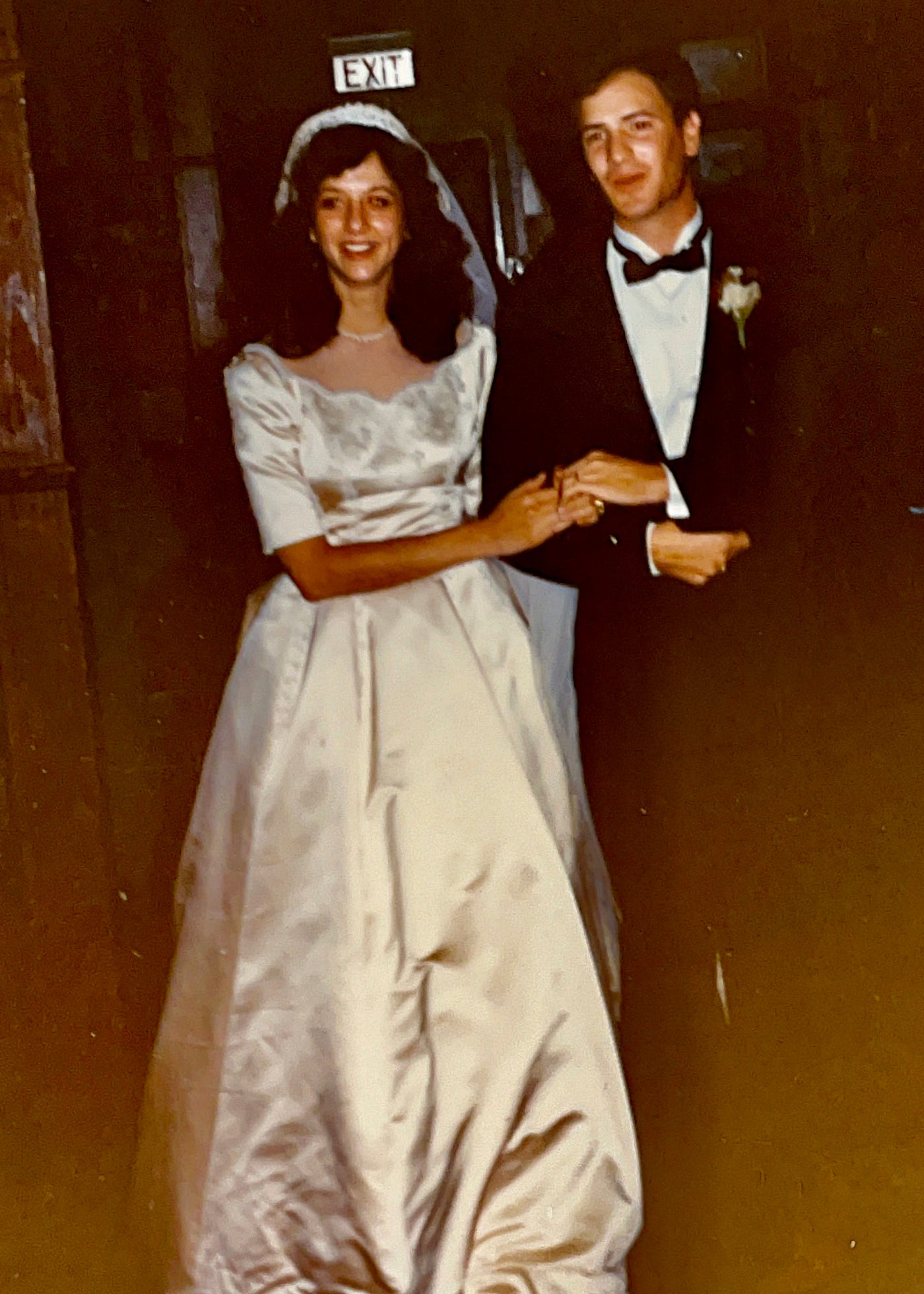
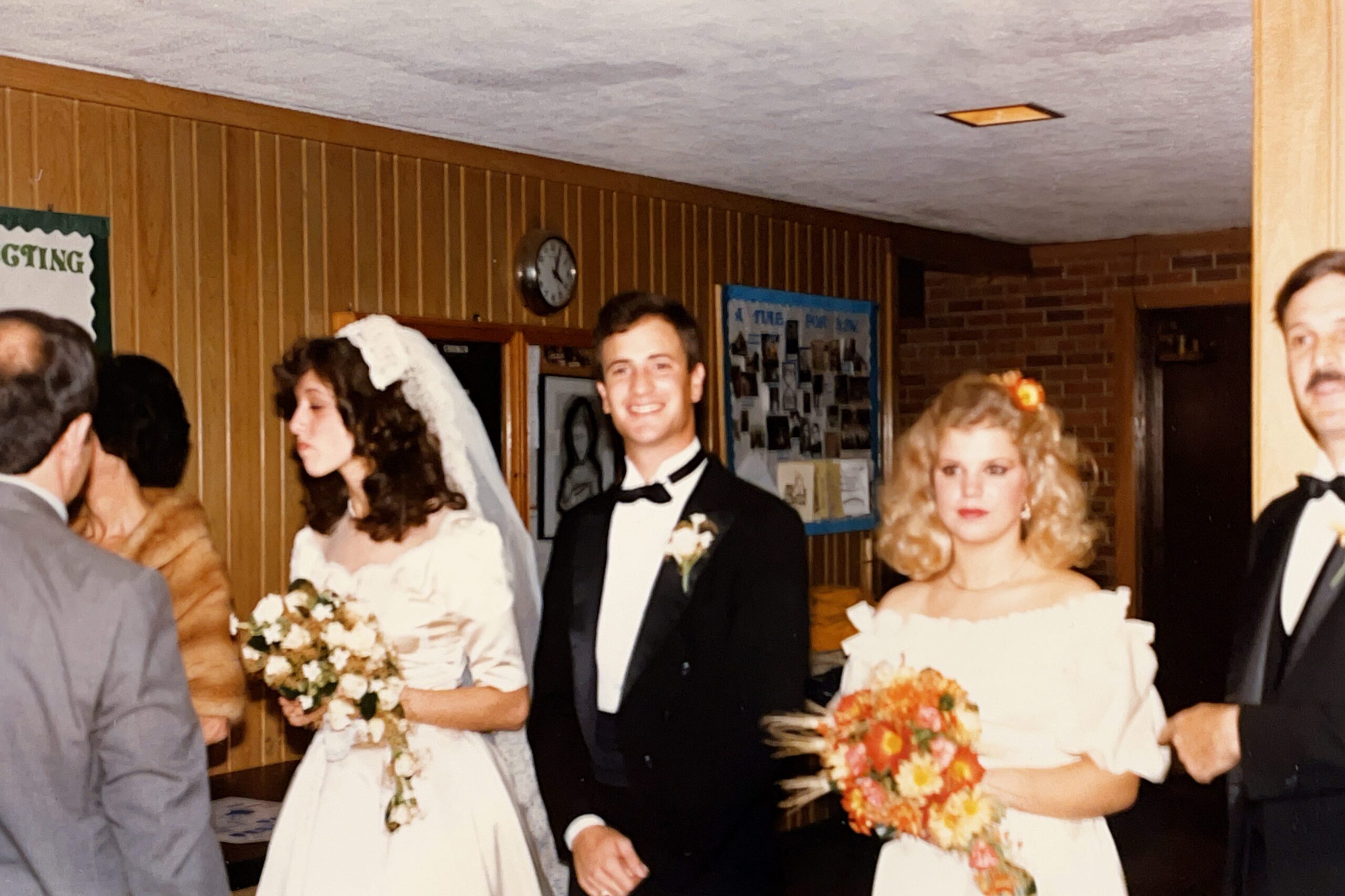
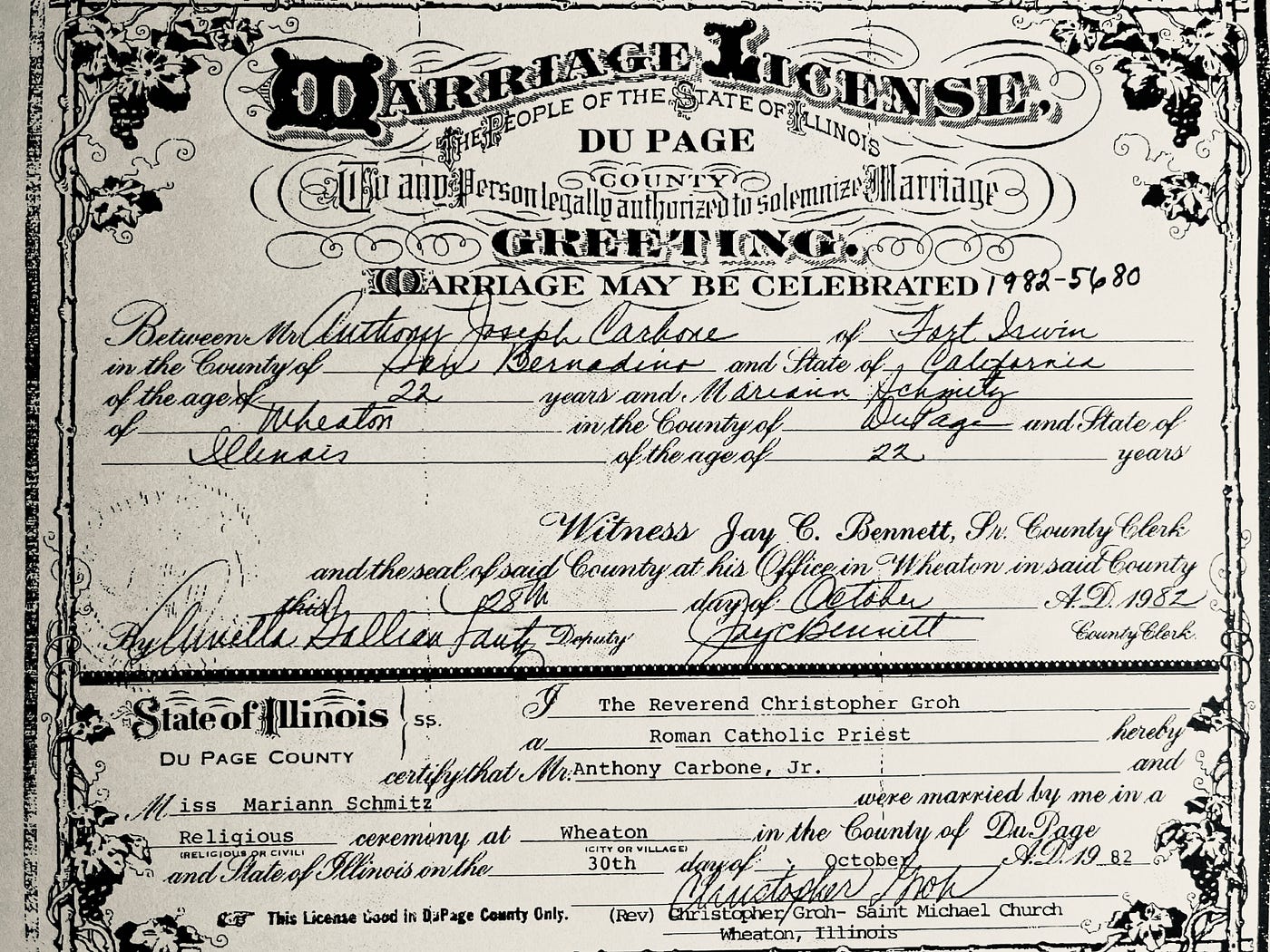
Mariann, however, was gone. She had moved back home to Wheaton to live with her family — without me. To my surprise and dismay, she had already started legal proceedings for a no-contest divorce and annulment — all without my knowledge or consent. I reported to the Chemical School as an “unaccompanied” officer. At first, I stayed briefly in the Bachelor Officer Quarters (BOQ) before renting a small ranch house just outside the main gate. I lived at 316 Lenlock Drive, Anniston, Alabama.

Reporting for Duty
I officially reported for duty on Friday, August 17, 1984, signing in, getting assigned a BOQ room, and receiving the usual administrative instructions. The following Monday, August 20, I met my new boss, Colonel Richard Craig, Director of Evaluation and Standardization.
I arrived in my Class A uniform, walked into his office, approached his desk, came to the position of attention, rendered a crisp hand salute, and announced:
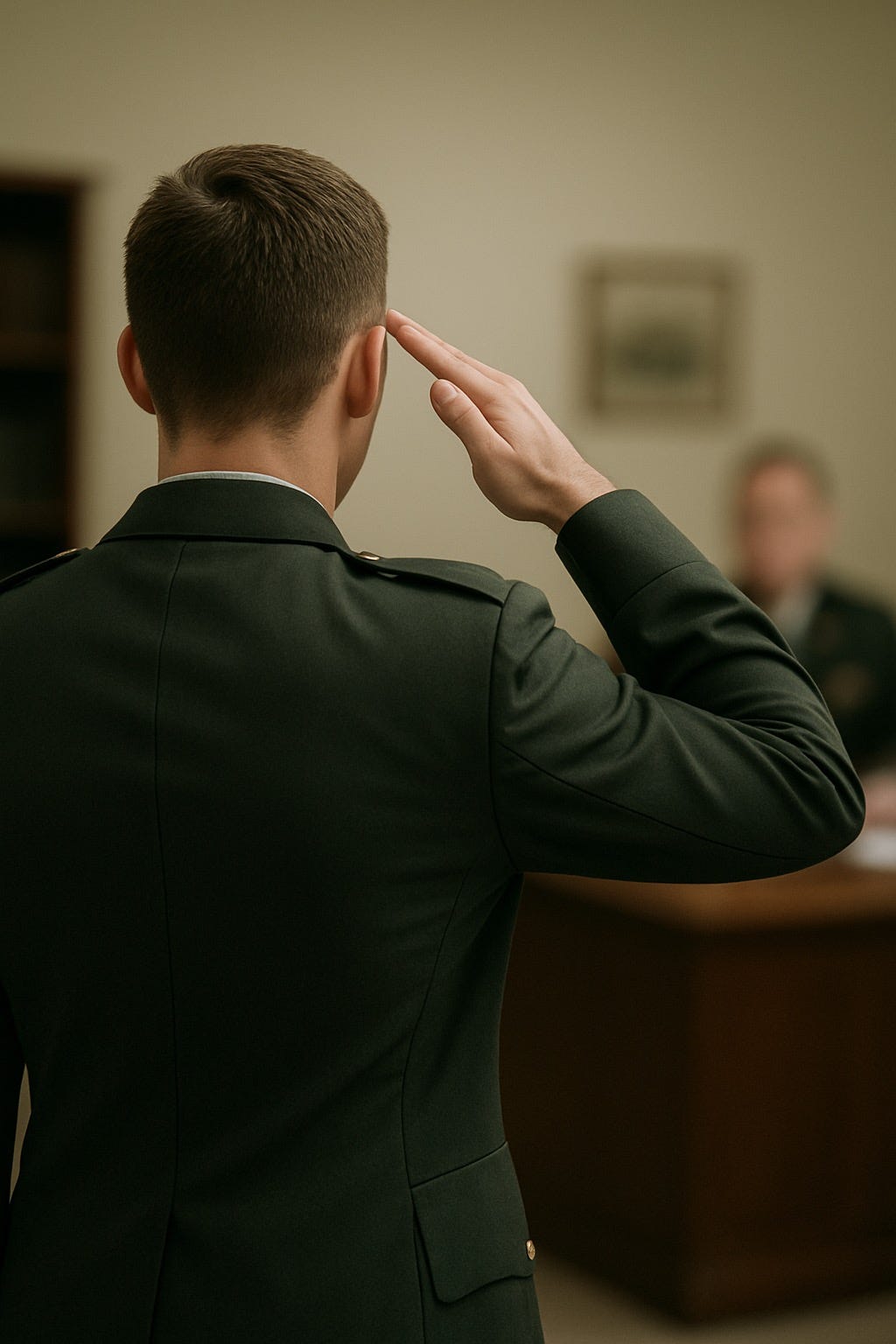
“Sir, Lieutenant Carbone reporting for duty.” Colonel Craig glanced up and said, “At ease, Lieutenant.” I shifted to parade rest, but he immediately cleared his throat and said again, more firmly, “Please, Lieutenant… at ease.” I loosened my posture a little more while still maintaining my military bearing. Then, with a serious expression and tone to match, he said, “Lieutenant, I have one mission for you.” “Yes, sir. What is that?” I replied. “I want you to fire my secretary.” I snapped back to attention. “Yes, sir! And what would you like me to do tomorrow?”
Colonel Craig burst into uncontrollable laughter. When he finally composed himself, he shook his head and said, “Lieutenant, Lieutenant… my dear naïve lieutenant. You have no idea. My secretary is a GS-7 federal employee. It’ll take you longer than you think.” I saluted and replied, “My pleasure, sir. I’ll get busy on this immediately.”
He chuckled again and told me to keep him updated. Once I completed my official orientation, he said, we would sit down together to discuss our mission and long-term goals.
Directorate of Evaluation & Standardization (DOES)
The Directorate of Evaluation and Standardization had a vital mission within the Chemical School. Our primary responsibility was to ensure that all chemical training programs, instructional materials, and operational practices across the Army were standardized, doctrinally sound, and focused on real-world missions. The work supported the development of skilled chemical soldiers and leaders capable of protecting the force from chemical, biological, and radiological threats on the modern battlefield.
This mission involved evaluating programs of instruction for initial entry and professional military education courses, ensuring compliance with TRADOC training standards, and conducting performance assessments to identify gaps in readiness, training, and equipment operation. We developed recommendations to improve decontamination procedures, reconnaissance capabilities, and unit-level training practices.
During my tenure, Colonel Craig and I also conducted installation visits — a more hands-on approach than is common today. We visited chemical units in the field across the nation to observe their operations, assess their readiness, and provide direct feedback to commanders. These visits bridged the gap between classroom instruction and real-world requirements, ensuring that the Chemical Corps remained ready for the evolving threat of weapons of mass destruction.
Inside the Directorate
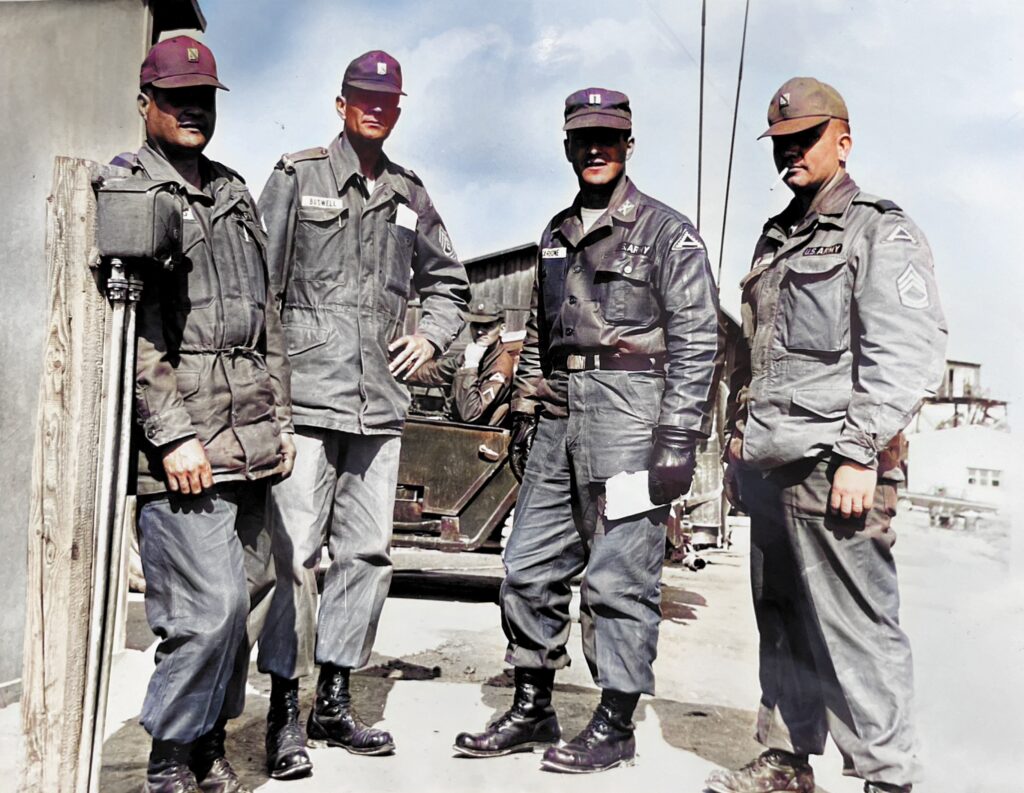
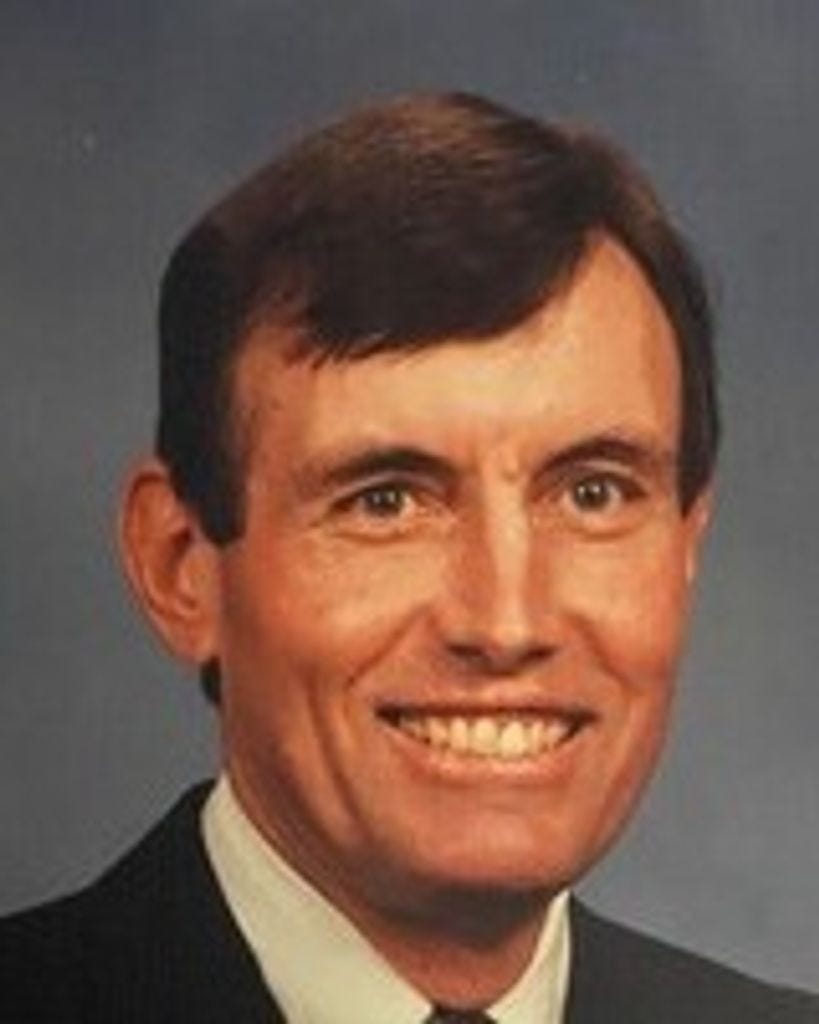
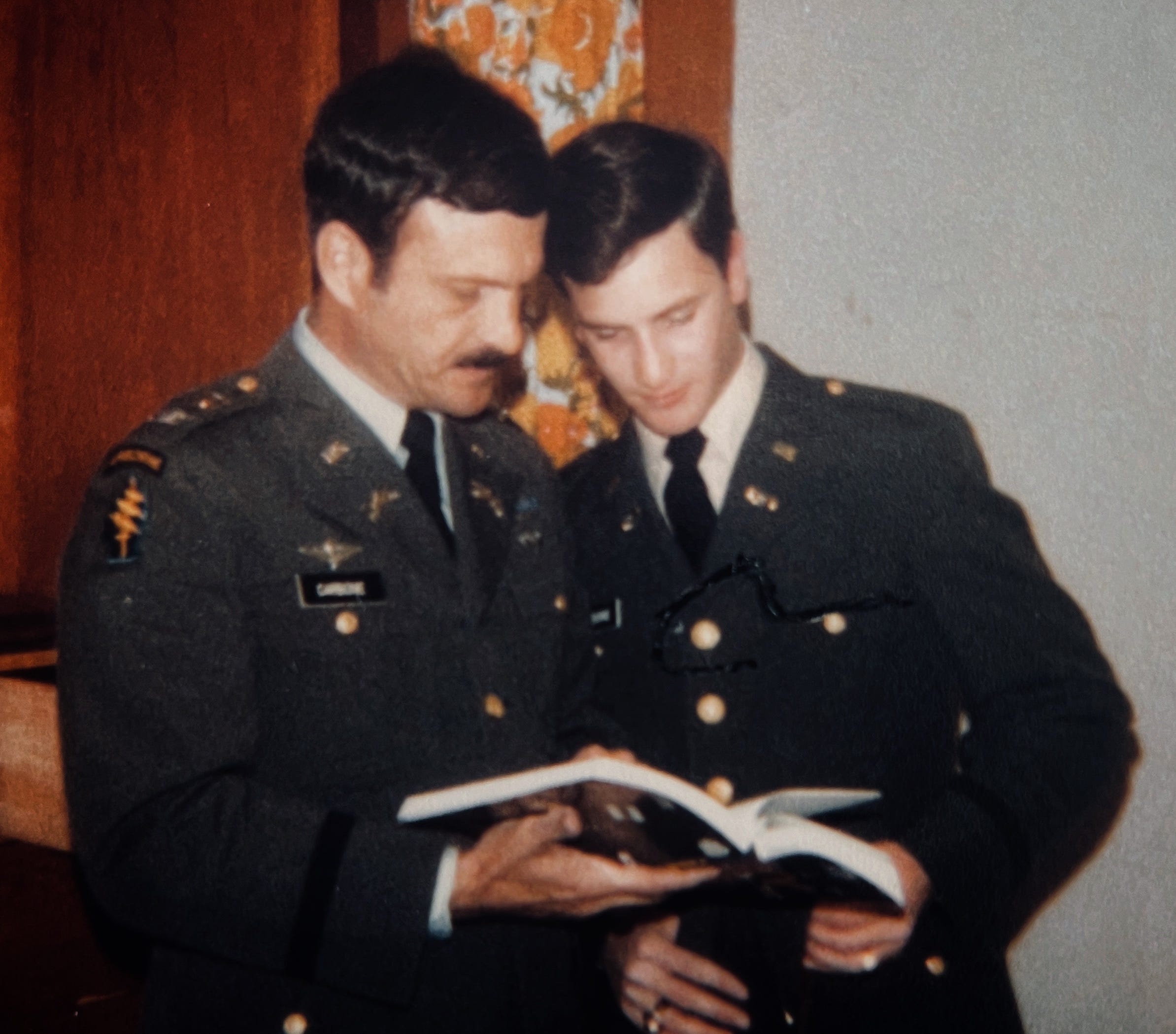
The Directorate of Evaluation and Standardization (DOES) at the Chemical School was led by our director, Colonel Richard Craig. He was a classic Southern gentleman — polite, deliberate, and passionate about two things: training the Chemical Corps and fishing. My immediate supervisor and official rater was Major William Magowan, the Chief of the Evaluation Division, but to my surprise, I had very little direct interaction with him. Most of my workday — and nearly all the major decisions — involved Colonel Craig personally.
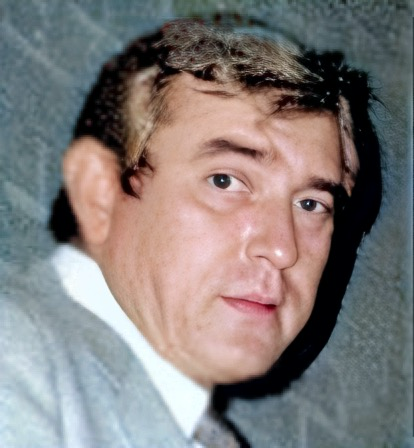
The section itself was a sizable operation. I had roughly forty or fifty noncommissioned officers (NCOs) working under me, and they were the easiest part of my job — disciplined, competent, and professional. I also had one Department of the Army civilian, Dr. Peter Filipov, a GS-13 education specialist with a Ph.D. in instructional design. Pete’s official job was to review and refine educational materials for the Chemical School, but in practice, he spent most of his time figuring out how to save the government money. At the time, there was a federal incentive program that paid employees a percentage of the cost savings from any money-saving proposal they submitted. It seemed like Pete was cashing a new check almost every week, and he was always eager to show me the latest one.
Battle of the Secretaries
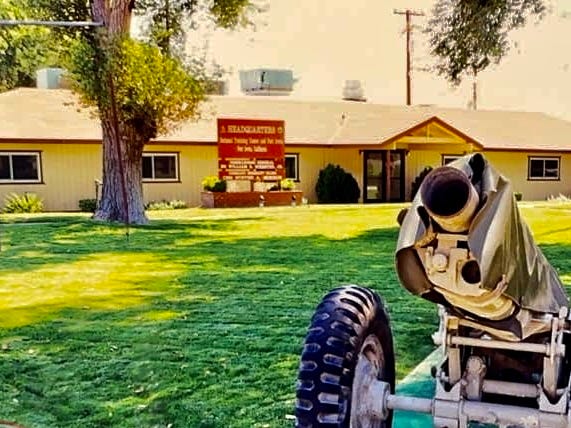
Where things got complicated was with the two secretaries — one assigned to Colonel Craig and one to me. The two women absolutely despised each other and fought like cats daily. I eventually had to station them at opposite ends of our mile-long building just to keep them from going at each other. Our workspace itself was a throwback to an earlier era — one of those old, Army buildings with a central aisle flanked by long rows of gray metal government desks. It wasn’t glamorous, but it functioned — as long as I could keep the secretaries separated.
Unfortunately, keeping them apart didn’t solve everything. Colonel Craig’s secretary refused to do any actual work — she spent most of her time polishing and buffing her fingernails. As a result, I had to give both my typing and the colonel’s to my secretary, which meant she was constantly frustrated with me on top of everything else.
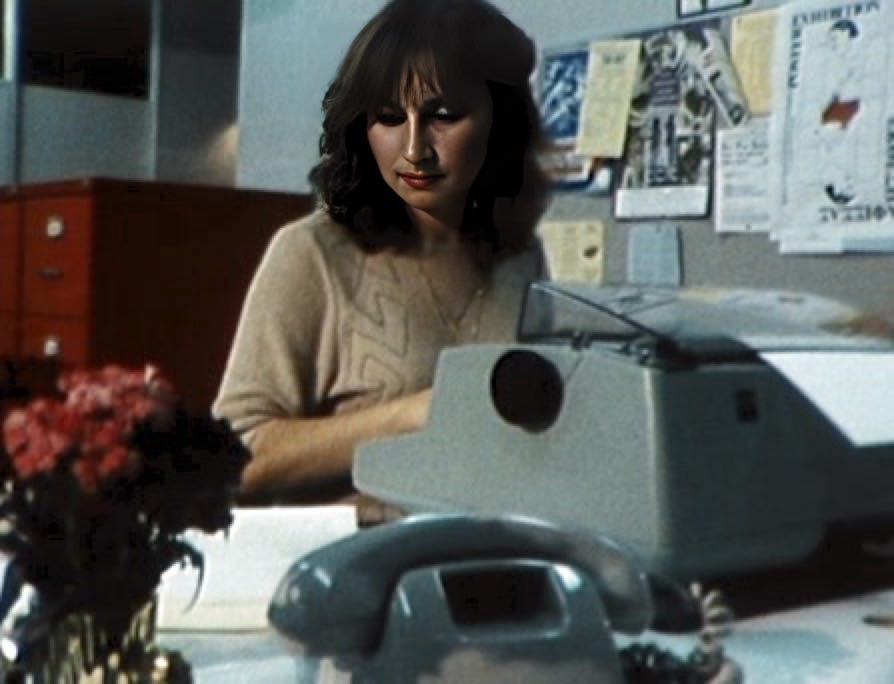
To make matters even more complicated, both women flirted with me shamelessly, and I had to reprimand them more than once. I made it absolutely clear that I would never date either of them — not now, not ever. I was smart enough to see that their rivalry had more to do with each other than with me, and I had no intention of committing professional suicide by getting involved with someone who worked for me.
With fraternization rules prohibiting casual socializing with the NCOs, Pete Filipov was really the only person I could relax and talk with during the workday. We often chatted about training, bureaucracy, or his latest money-saving scheme.
Colonel Craig the Fisherman
Meanwhile, Colonel Craig’s focus rarely strayed far from fishing. On every official trip we took — whether to inspect a chemical unit or evaluate a training exercise — I had to make separate arrangements for a side fishing excursion for the colonel. On plane rides, he would talk endlessly about fishing lures — which color worms to use at twilight, which ones worked best at dawn, and other “vital intelligence” on fish behavior. I barely understood half of it, but the trips made him happy, and that made my job easier.

Promotion to Captain
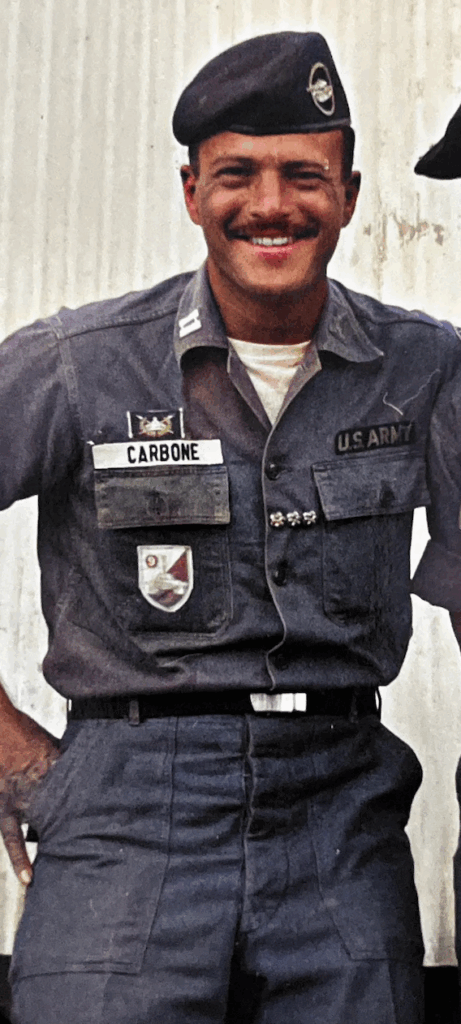
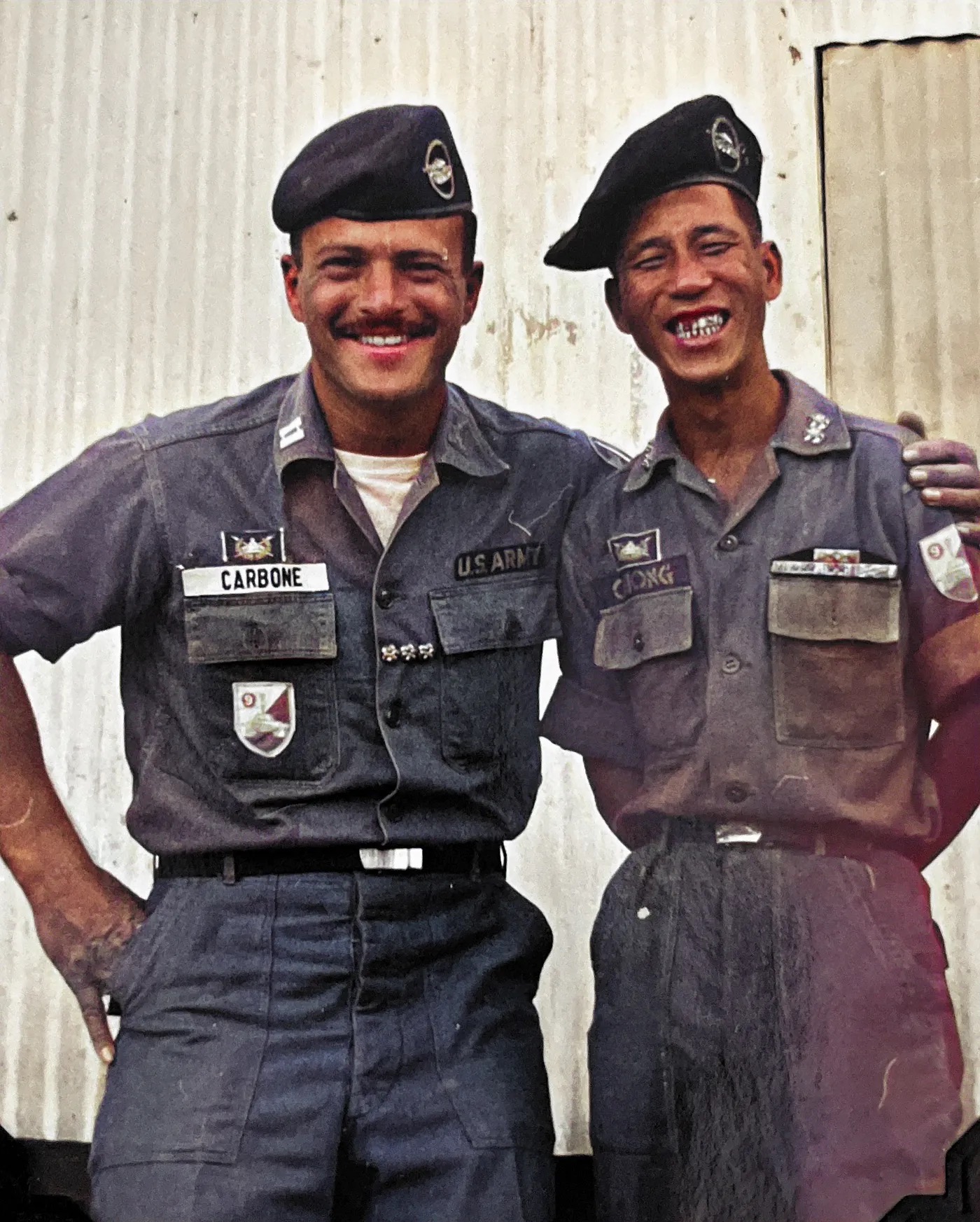
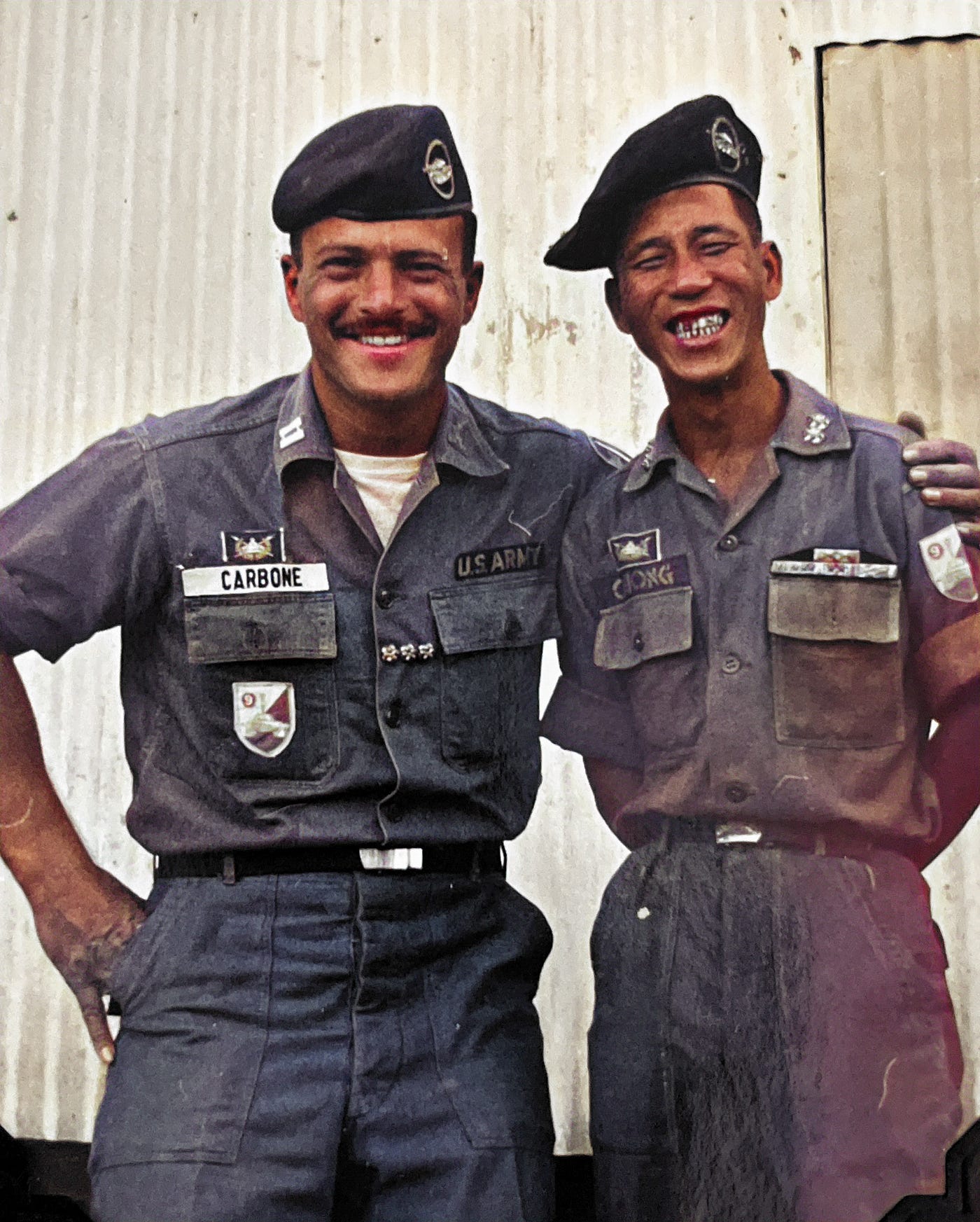
On 8 November 1984, I received official orders from the Department of the Army notifying me that I had been selected for promotion to the rank of Captain in the Chemical Corps, with an effective date of rank of 1 December 1984. I was in Heaven. Lieutenant is a great rank because, no matter how badly you screw up, people will say, “Give him a break — he’s just a lieutenant!”But when you’re promoted to Captain (O-3), everything changes. You’re a full-fledged officer now. No excuses. Captains are expected to lead, to command, and to carry the weight of responsibility. It’s a rank respected from generals down to privates, because captains are the fighting field commanders — the ones who stand on the line with their troops.
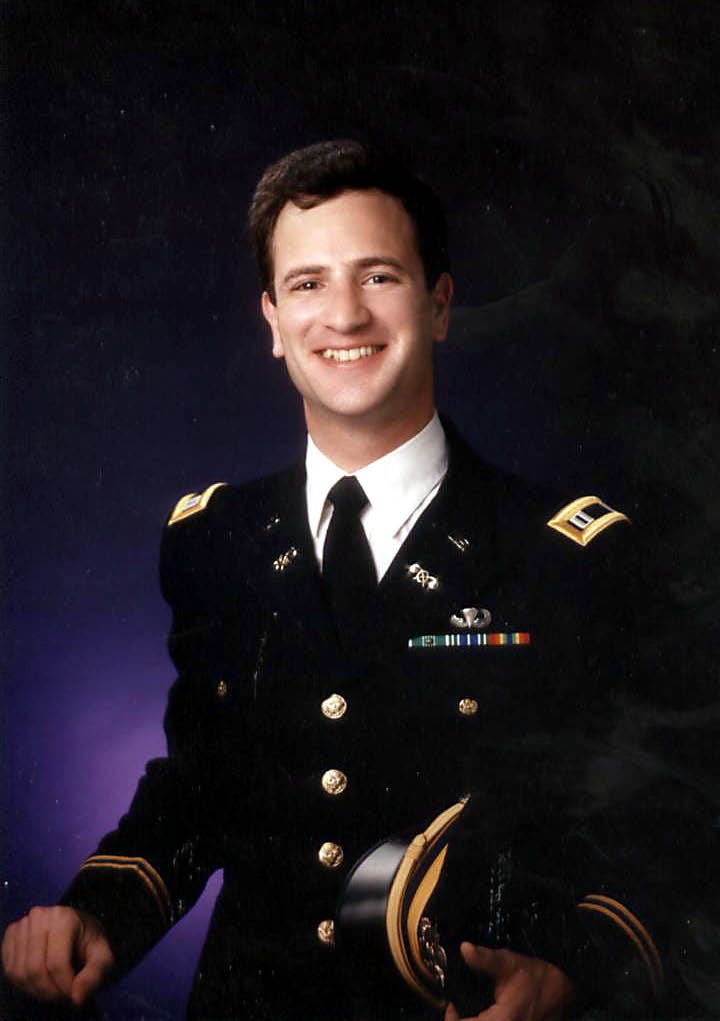
My promotion came just as I was settling into my new role at the Directorate of Evaluation and Standardization, where I’d soon find myself representing Colonel Craig at my very first official meeting.
My First Meeting at the Chemical School
Colonel Craig once asked me to attend a meeting on his behalf somewhere within the U.S. Army Chemical School. He told me simply, “Bring back the three most important points from the meeting.” I wasn’t exactly thrilled about the prospect of sitting through a three-hour meeting with a room full of Department of Defense civilians, but orders were orders.
When I arrived, I found a long wooden conference table already surrounded by senior school officials. Without question, I was the newest and youngest person in the room. Someone pointed me toward Colonel Craig’s chair — right at the head of the table — and told me to sit there.
I sat down nervously, scanning a sea of unfamiliar faces. The room eventually quieted, signaling that the meeting had begun. So, I spoke up. “Good morning. I’m Captain Anthony Carbone, the new Chief of Internal Evaluations. Colonel Craig asked me to attend in his place and report back on the three most important points from today’s meeting.” I paused, then added, “So — what are the three most important takeaways from this meeting?”
There was a moment of silence, followed by three different civilians offering up their summaries. I listened carefully, made a quick note of each, then stood up, closed my folder under my arm, and said, “Thank you, gentlemen, for the information.”
They looked at me in disbelief and asked, “Where are you going, Sir?” I replied matter-of-factly, “I got what I came for. I’m heading back to DOES to brief Colonel Craig.” And with that, I walked out, mission accomplished.
My Assignment Without Mariann
As I mentioned earlier, Mariann had gone back home to Wheaton and filed for a no-contest divorce — along with one of those instant annulments. I didn’t fight it. I didn’t do anything at all. The truth is, it broke my heart in a way that’s hard to put into words even now.
What made it even stranger was how bizarrely normal some parts of it felt. Despite the divorce proceedings, Mariann and I continued to talk to each other every night on the telephone, just as we always had. We wrote letters to one another regularly. She even stayed in touch with my sisters — calling and writing to them — and, most painfully, she spoke with my father far more often than I was comfortable with. That was a deep wound for me. At one point, he even visited her in Chicago — at a time when I wasn’t allowed to see her myself. My father stayed in my old home with Mariann, and that was an unforgivable betrayal that stayed with me for years.
Everyone in my family loved Mariann. Everyone at Notre Dame adored her. And it seemed like they all blamed me. I was the villain. I was the one who had failed. The shame of that was so heavy that I eventually cut off all contact with my friends from Notre Dame, unable to face them or their questions.
It was an awkward, painful existence — this strange limbo I was living. And yet, through it all, talking to Mariann every day still felt completely natural, just as it had when we were married. I realized I was still deeply, hopelessly in love with her. It was as if I were living two lives at once — one with her, one without her — and neither of them felt whole.
Bobbie Sue from Sylacauga, Alabama
While I was back at the Chemical School, I made it a strict rule not to date anyone assigned to the U.S. Army Chemical School or anyone else stationed at Fort McClellan. I’d learned enough by then to keep my personal life completely separate from my professional one. Still, even with that rule, life had its surprises.
There was one local girl in Anniston who caught my eye — a beautiful, busty Southern belle named Bobbie Sue who worked as a waitress at a local catfish restaurant called Top O’ the River. I have no idea what even brought me into that place, because I’ve never liked fish, but somehow I found myself there a couple of times a week, ordering catfish, cornbread, and sweet tea. I always made sure to sit in Bobbie Sue’s section. It took me about half a dozen visits before I finally got the nerve to ask her out.

Trip to Sylacauga, Alabama
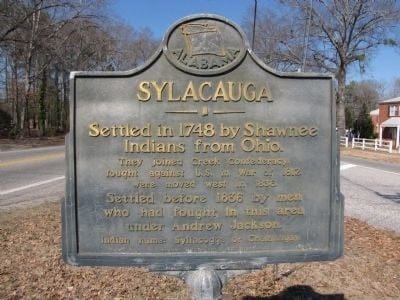
Our relationship was fairly casual, but she did manage to talk me into visiting her parents at their home in Sylacauga, Alabama — a small, working-class town of about twelve thousand, proudly known as “The Marble City.” She drove us there in her pickup truck, about an hour southwest of Anniston. Her family’s home was a small, white ranch-style house, neat and simple.
When we arrived, we sat awkwardly in the living room, trying to make polite small talk with her parents while the television blared a University of Alabama football game. Out of nowhere, Bobbie Sue turned to her father and said, “Daddy! What’s the one school in the whole wide world that you can’t stand more than any other?” Without hesitation, her father shouted, “That boy better not be from Notre Dame! Get the hell out of my house!”
At first, I thought he was joking. But when Bobbie Sue grabbed my hand and pulled me toward the door, I realized he wasn’t. We found ourselves standing outside on the front lawn, the sound of the football game still echoing from the house. I turned to her and asked, “Is he serious?” She laughed and said, “Don’t worry, Anthony. He’ll calm down in a few minutes.”
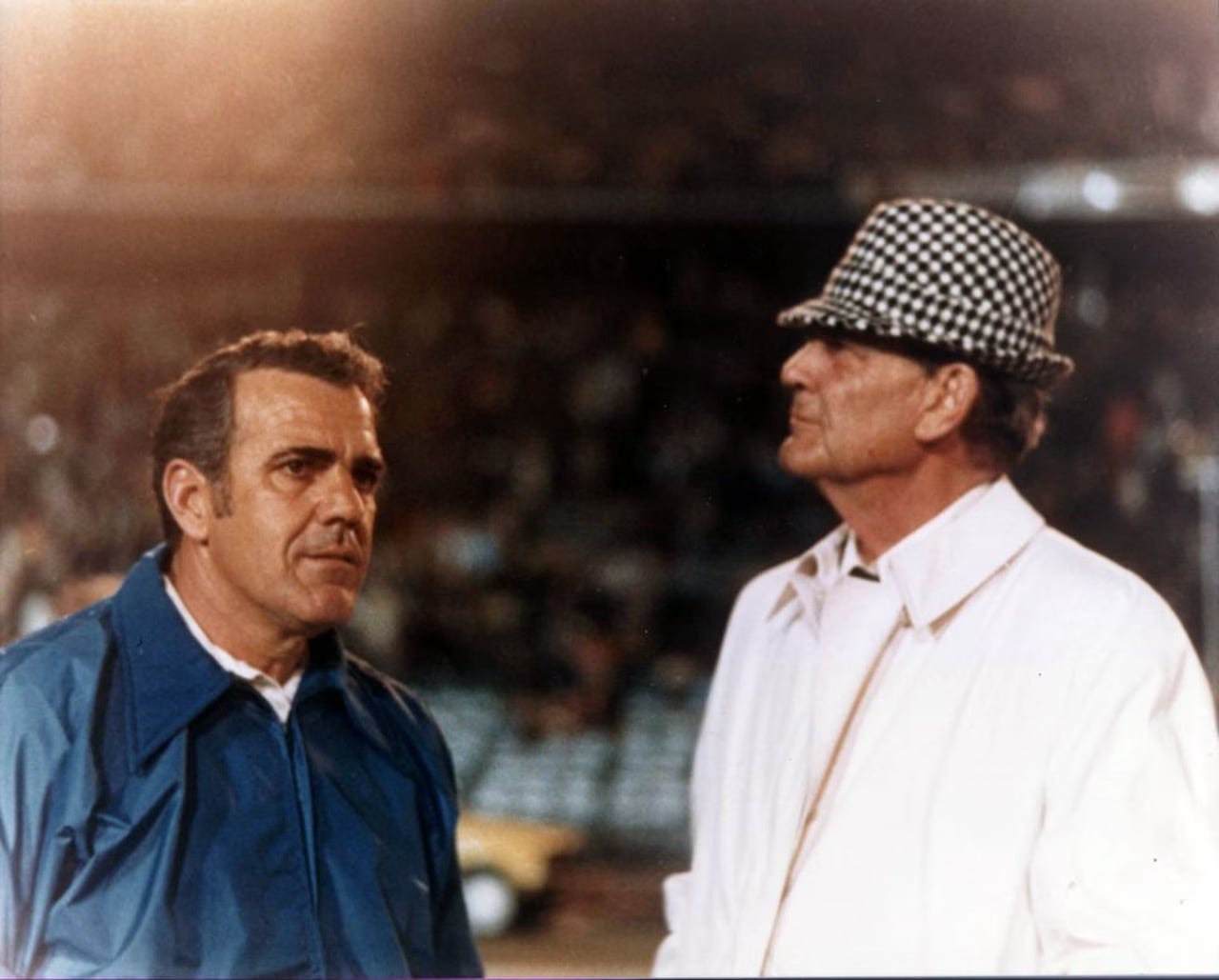
Bear Bryant of the University of Alabama never beat the Fighting Irish
As we stood there, she explained how her father worshiped the Crimson Tide and their legendary coach, Bear Bryant. It turned out that Alabama had played my alma mater, Notre Dame, four times between 1973 and 1980 — and lost all four. The last thing her father needed was another reminder of those defeats sitting in his living room. That was the first and last time I ever visited Bobbie Sue’s family.
Karen — The Real Love Affair of My Life
The real love affair of my time at Fort McClellan was Karen. I had first met Karen back at Fort Irwin, almost as soon as I arrived on post. She was the daughter of the commander of the 1st Battalion, 73rd Armor — the armor half of the 32nd Guards Motorized Rifle Regiment (OPFOR) at the National Training Center. They lived just across the field that separated the Bachelor Officer Quarters (BOQ) from the field-grade officer housing. Their home was right next door to my first boss, Lieutenant Colonel Billy Joe Piper.
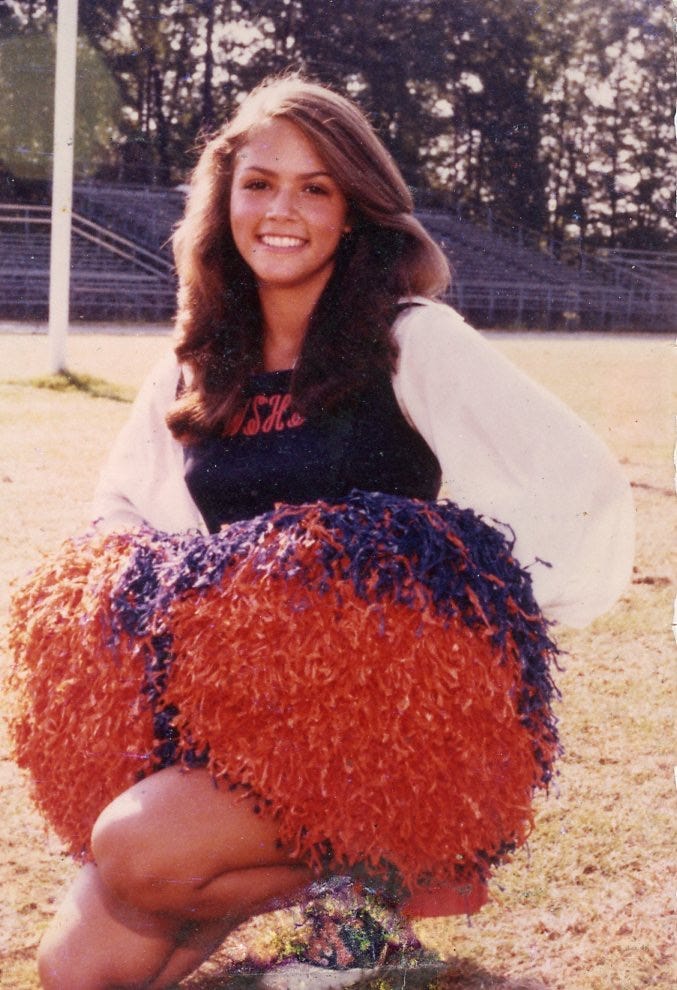
If I am to be completely honest, Karen deserves her own book. For now, please forgive me as I leave out most of the details of our relationship.
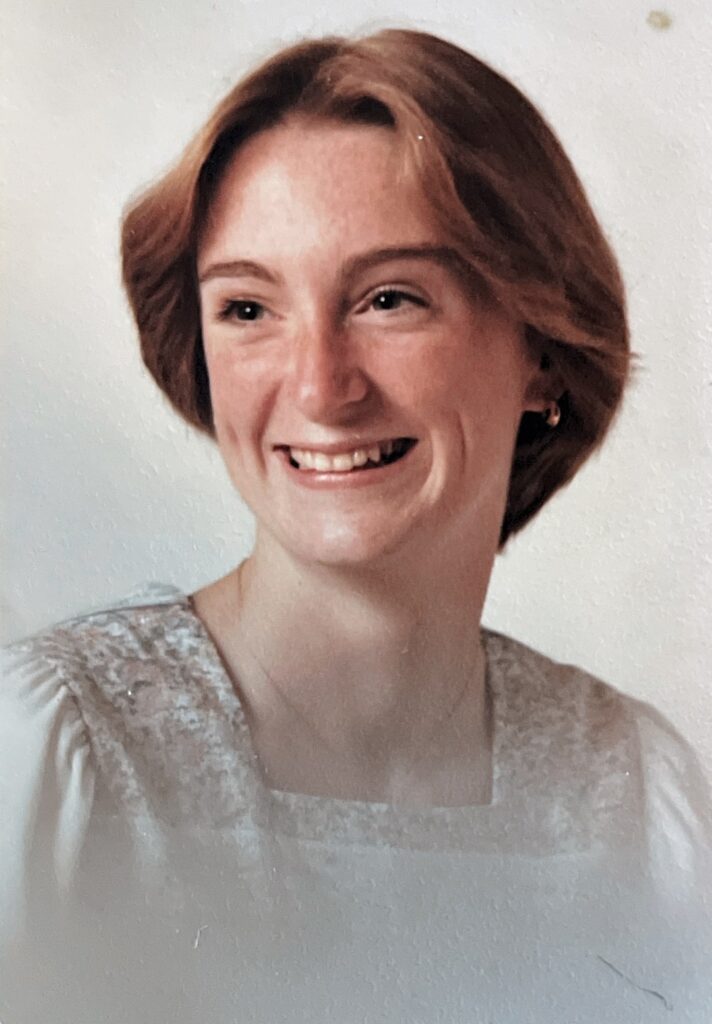
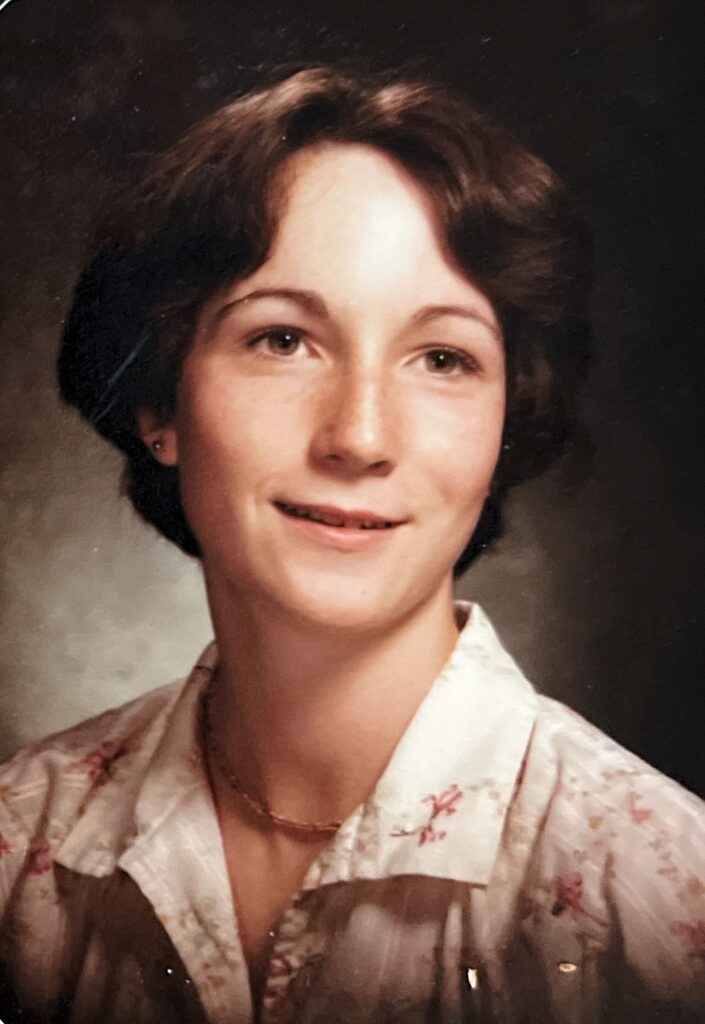
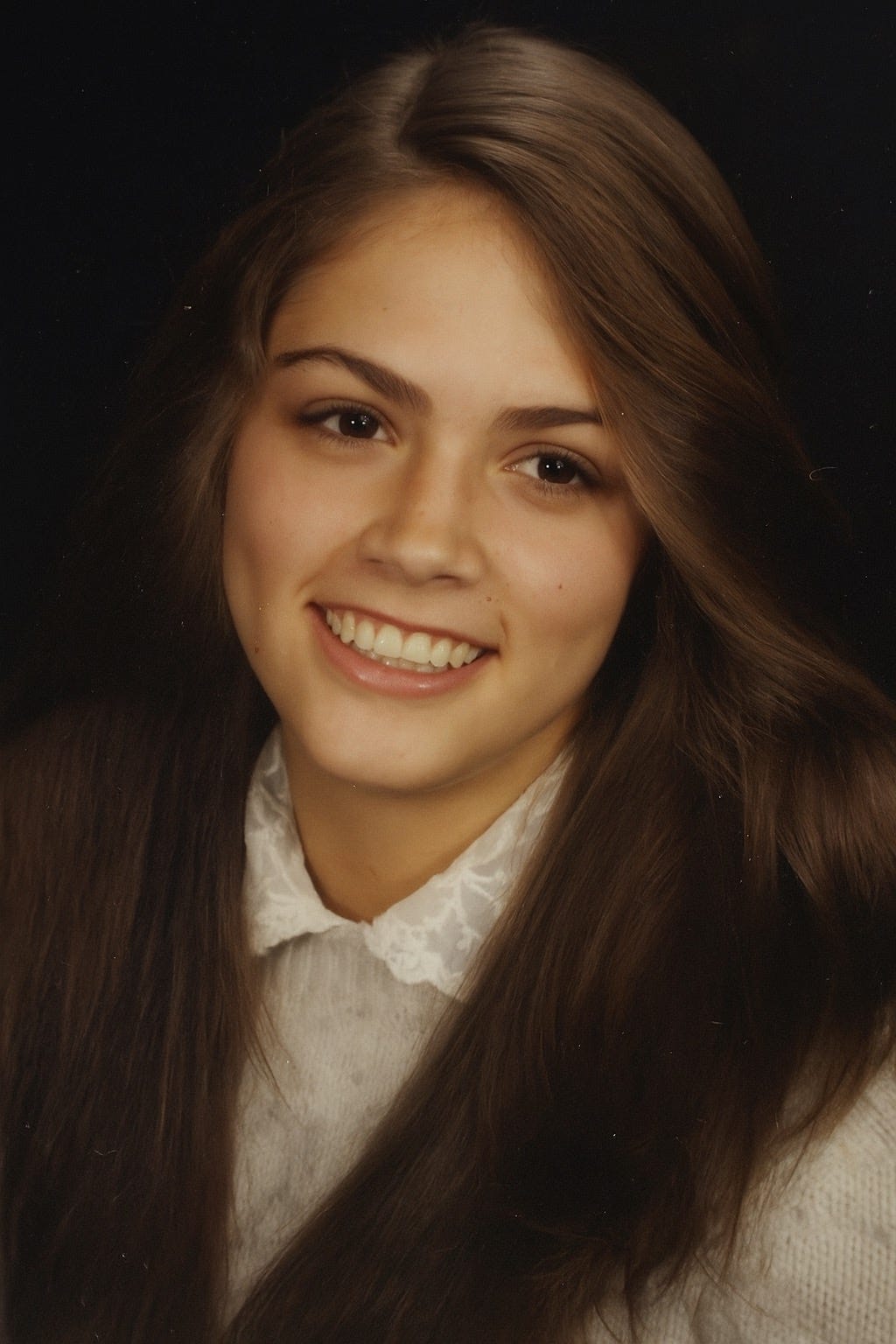
This is one of those chapters in my life that’s hard to explain, even to myself. From the moment I met Mariann Schmitz at Notre Dame in 1978, I was completely devoted to her. Yet, when I met Karen, I couldn’t deny that she caught my eye immediately. She had a brightness about her — a mix of confidence, beauty, and warmth — that was impossible to ignore. She stole my heart, and I was a mess from that moment on.
Karen at the University of South Alabama (USA)
After Mariann left me at Fort Irwin, I did find reason to visit Karen at the University of California, Riverside, where she was studying at the time. Years later, when I was reassigned to Fort McClellan, I was genuinely delighted to learn that she would be transferring to the University of South Alabama (USA) in Mobile. It felt like fate had given me another chance — though I wasn’t sure for what.

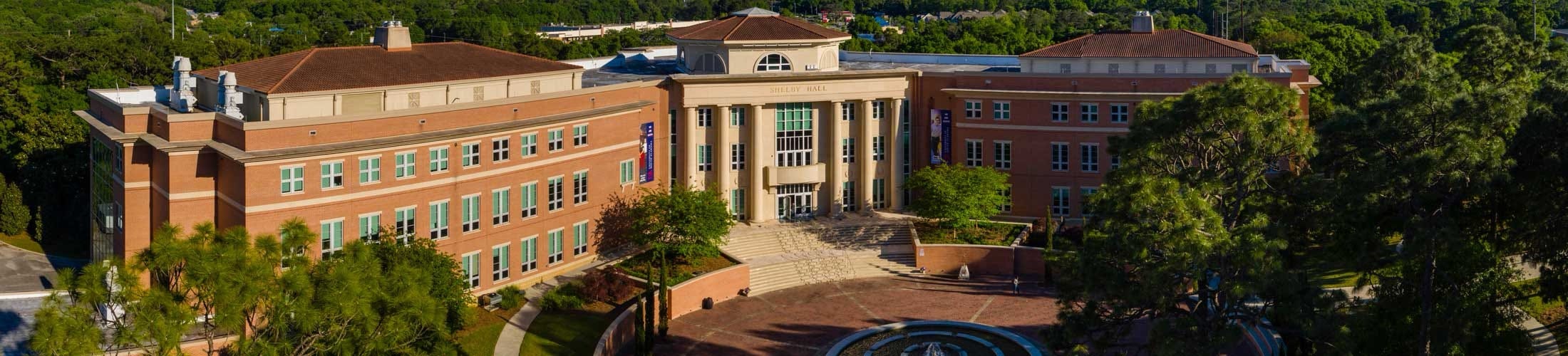
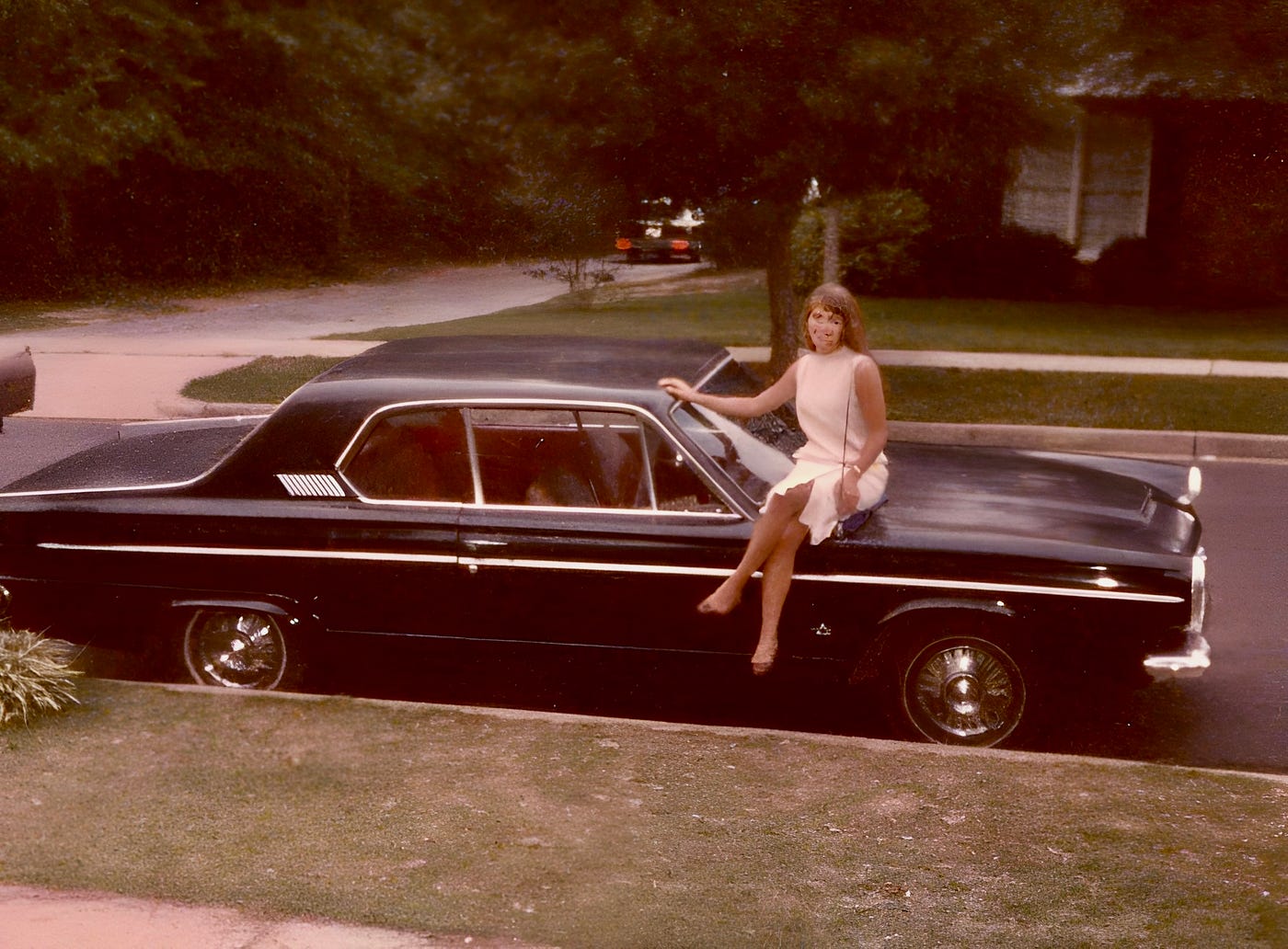
Those months were emotionally tangled beyond words. I was still grieving Mariann’s loss, still calling her nearly every night, even though she insisted I promise not to visit her in Illinois. At the same time, I was completely smitten with Karen. Whenever I could manage it, I would get in my car and make the long four-and-a-half-hour drive from Fort McClellan to Mobile just to see her.
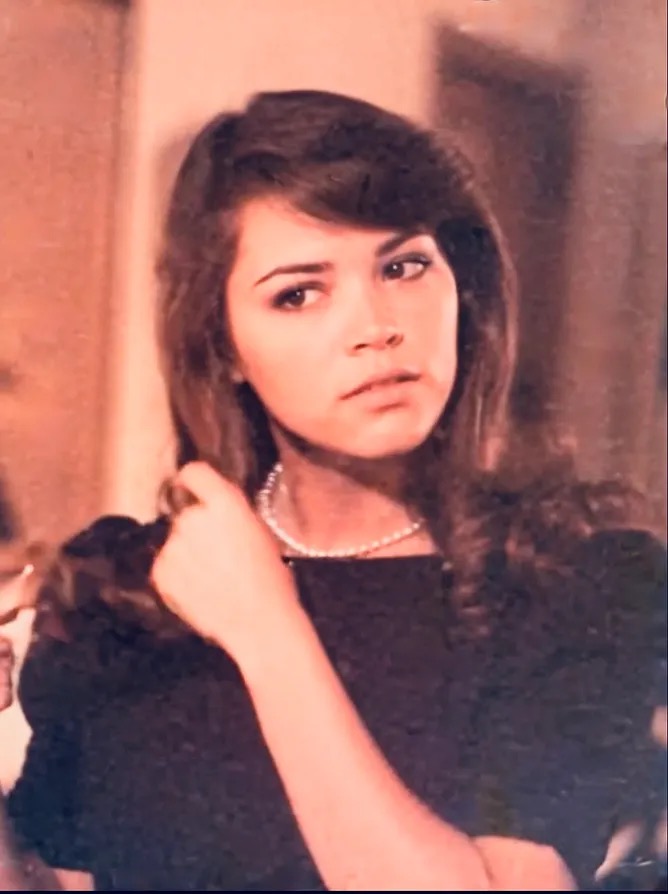
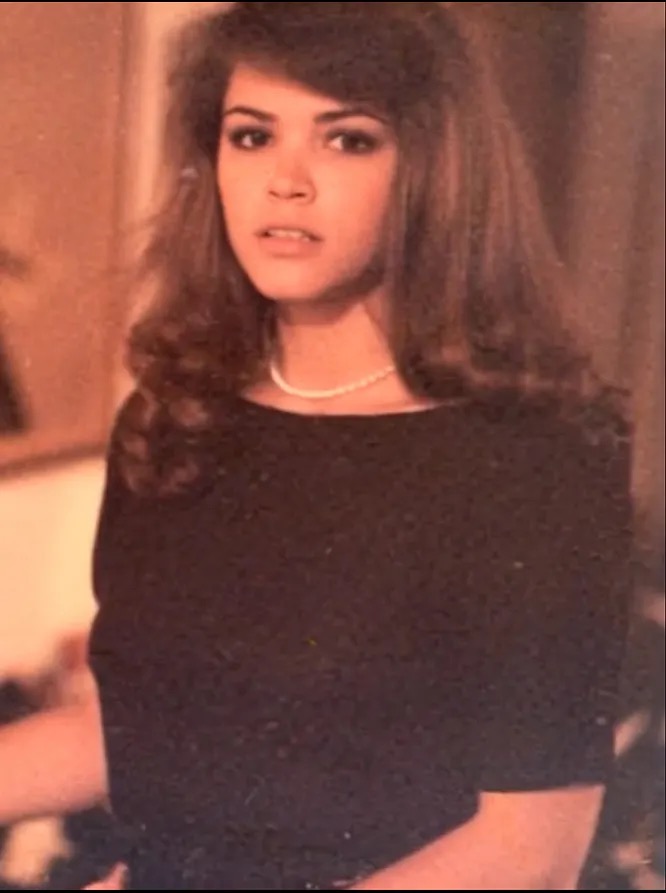
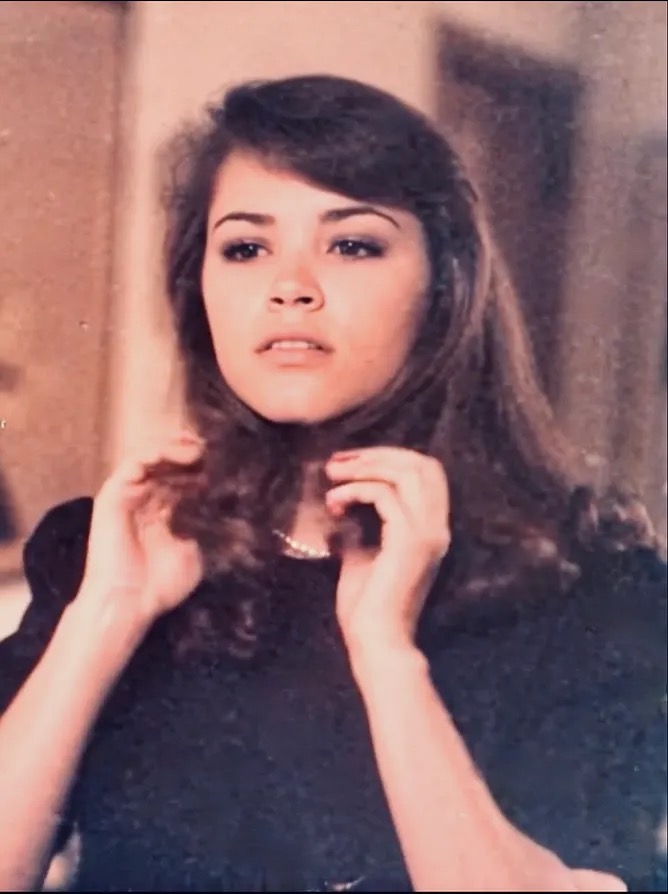
’ll leave out most of the details of that relationship, except to say this: I have never been more powerfully attracted to another woman in my life. Karen brought out something in me that was both exhilarating and deeply unsettling. I believe she cared for me, too — at least for a time — but I couldn’t balance my growing responsibilities at the Chemical School with her busy sorority life at USA. And no matter how hard I tried, I never truly got over Mariann or Karen.
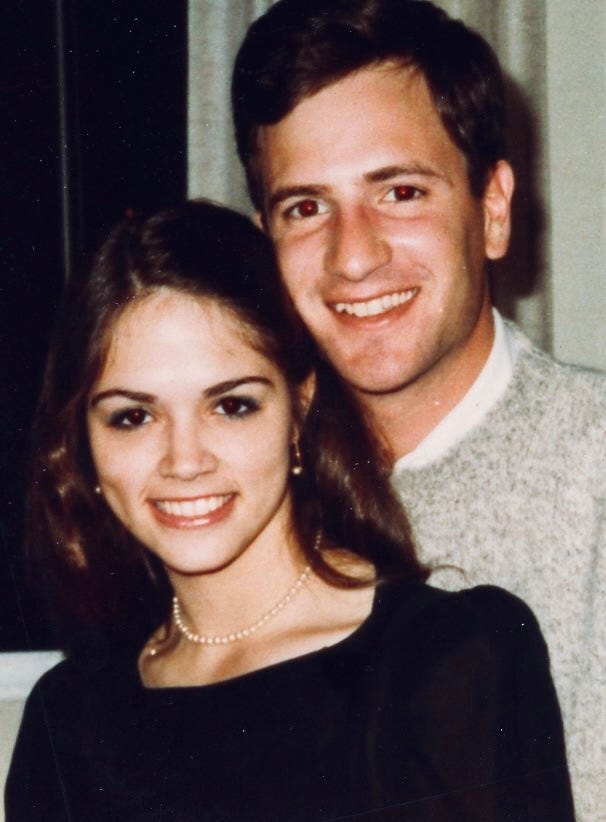
It was a wild, confusing, and unforgettable time — one where love, loss, and longing all seemed to collide at once. I’m not proud that I was in love with two women at the same time, but that was an inevitable fact.
Next Mission: The Central Intelligence Agency
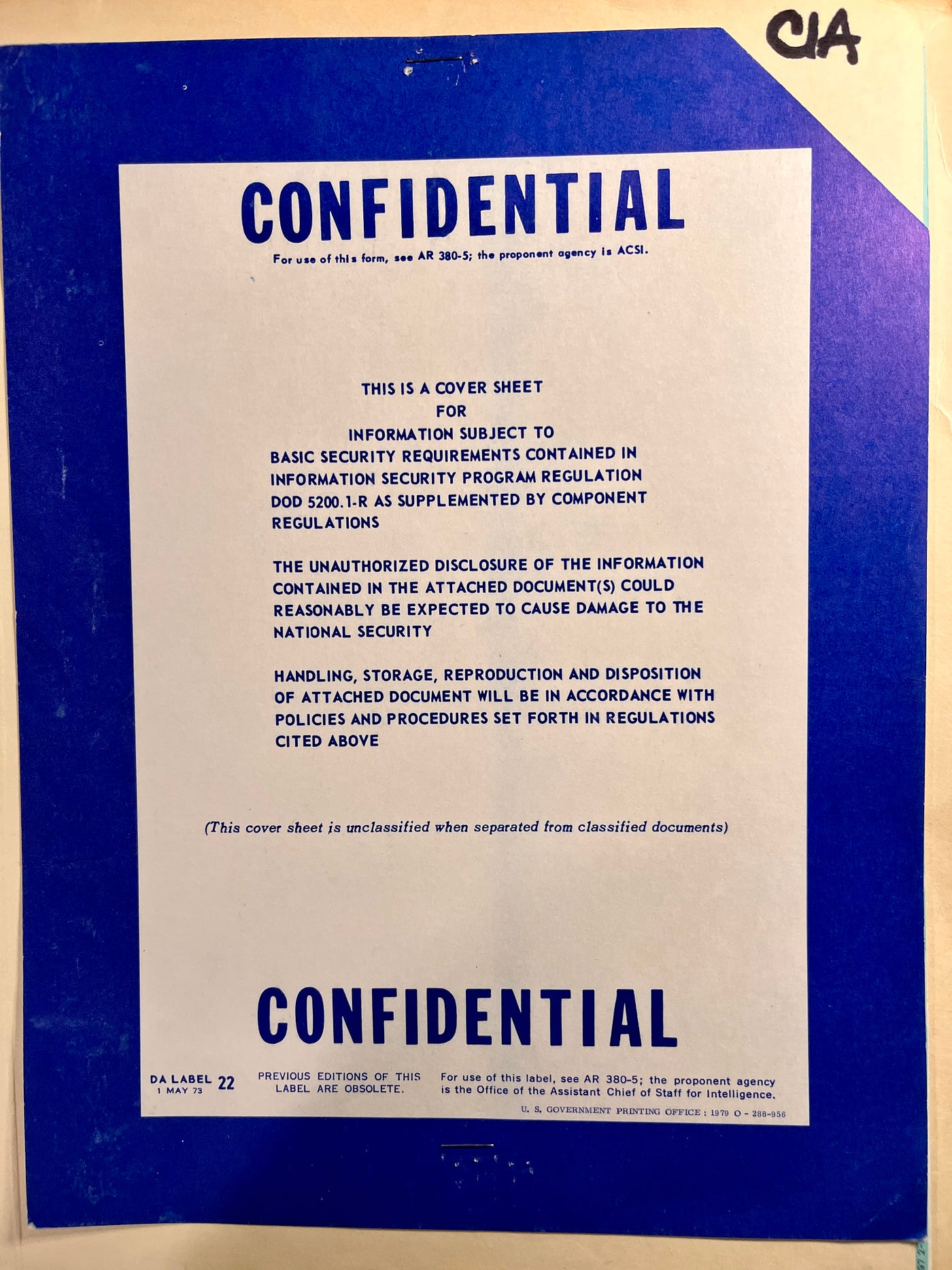
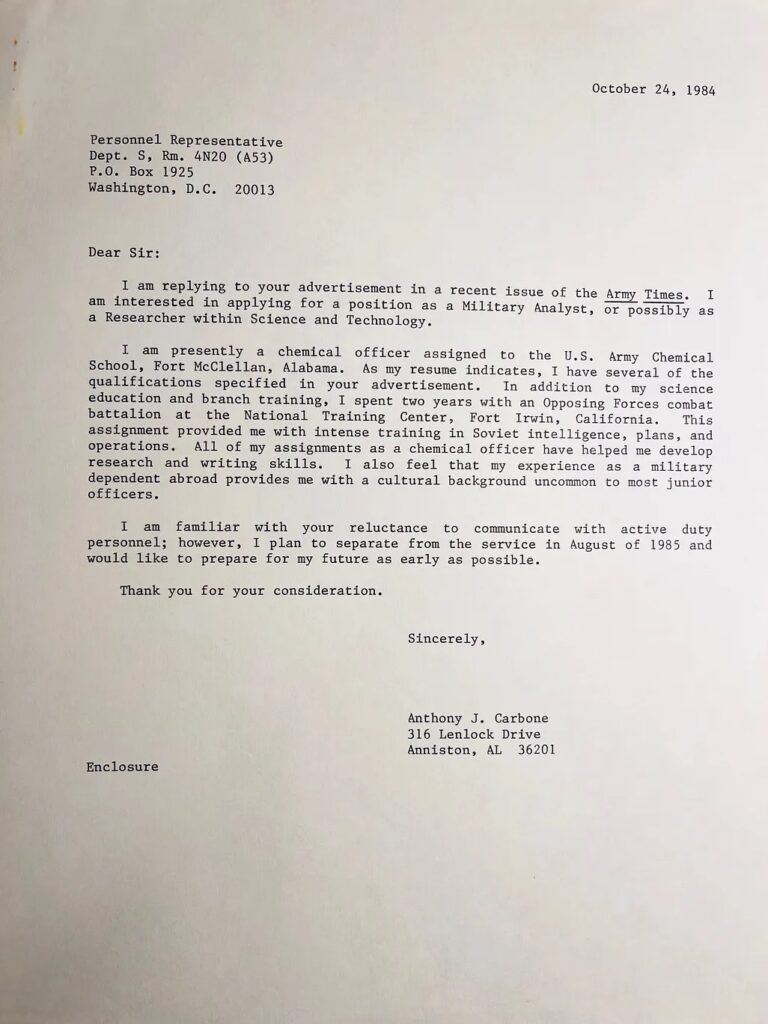
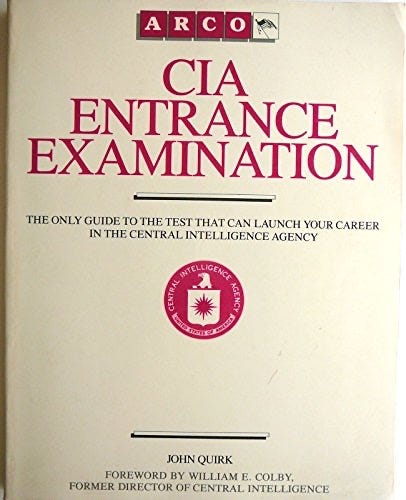
As if my personal life weren’t already complicated enough, I decided to apply to the Central Intelligence Agency (CIA). I recently found my CIA packet in my footlocker.
My file still included the letter I mailed to the CIA stating that I was responding to their ad in the Army Times.
The CIA Application Process Begins
I soon received a nondescript, small, manila envelope from the CIA saying, “Some people here are interested in you,” and filled with instructions and documents to fill out.
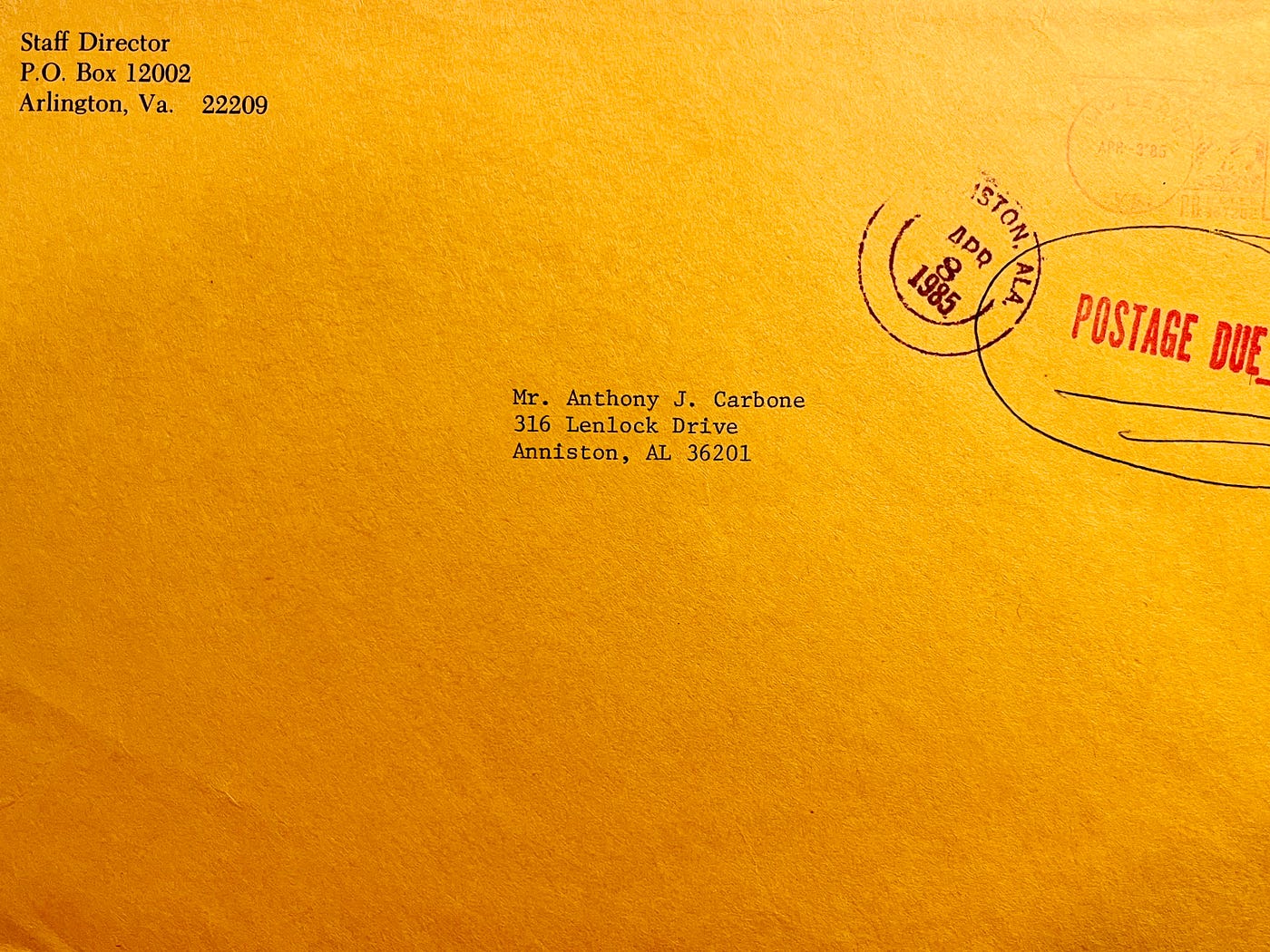
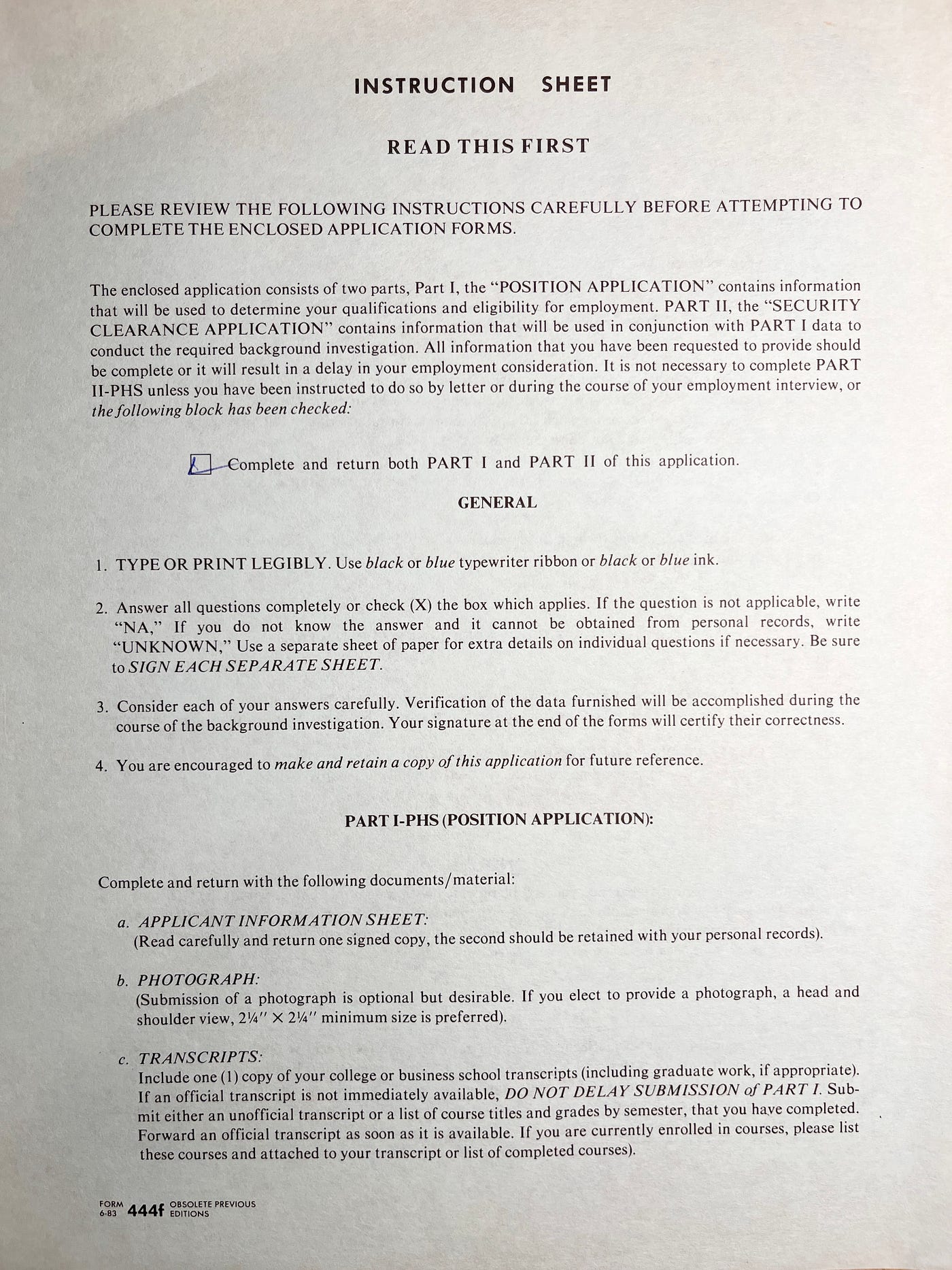
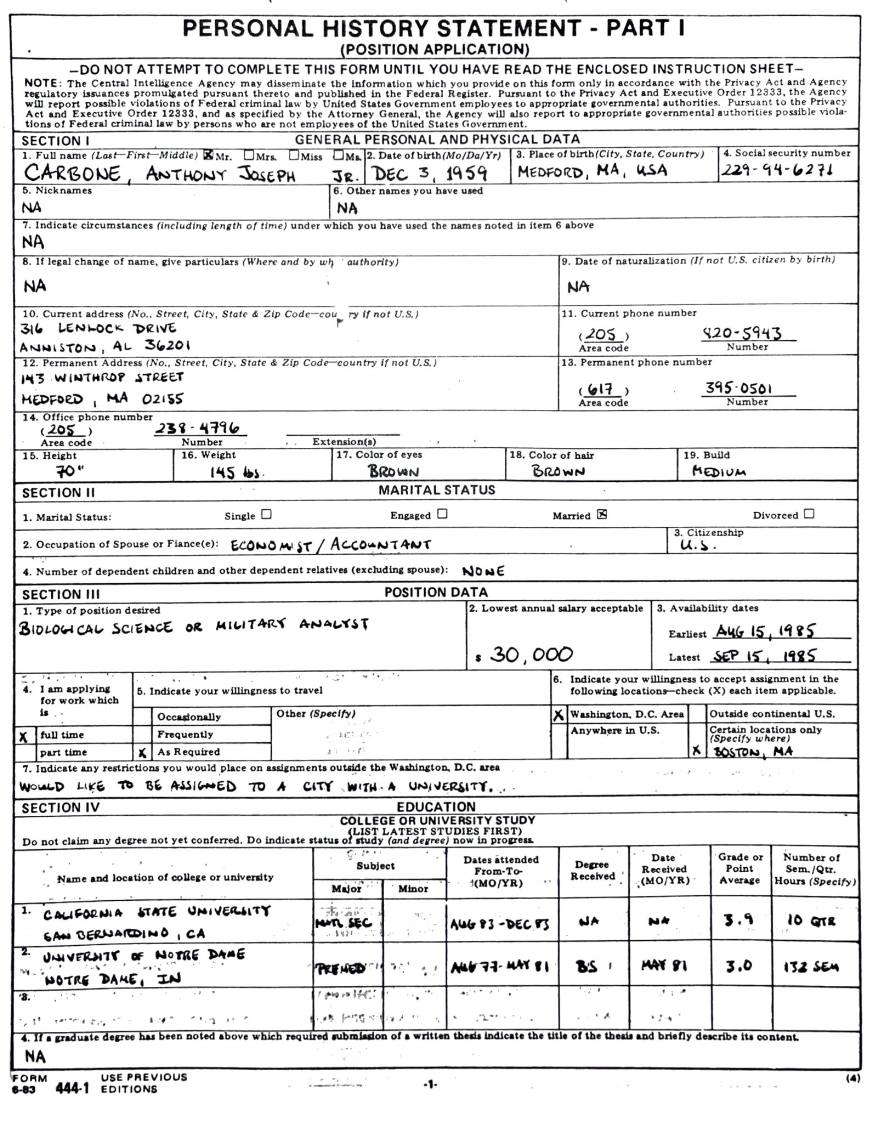
I filled out their initial documents and mailed them back, and soon I was called by a man who simply introduced himself to me as “Bill,” who served as my CIA “Case Officer.” That’s not the term typically used in the Intelligence Community for handling new applicants, but it worked for us. Bill was my point of contact through every step of the application and placement process.
Need a New Top Secret Clearance for CIA
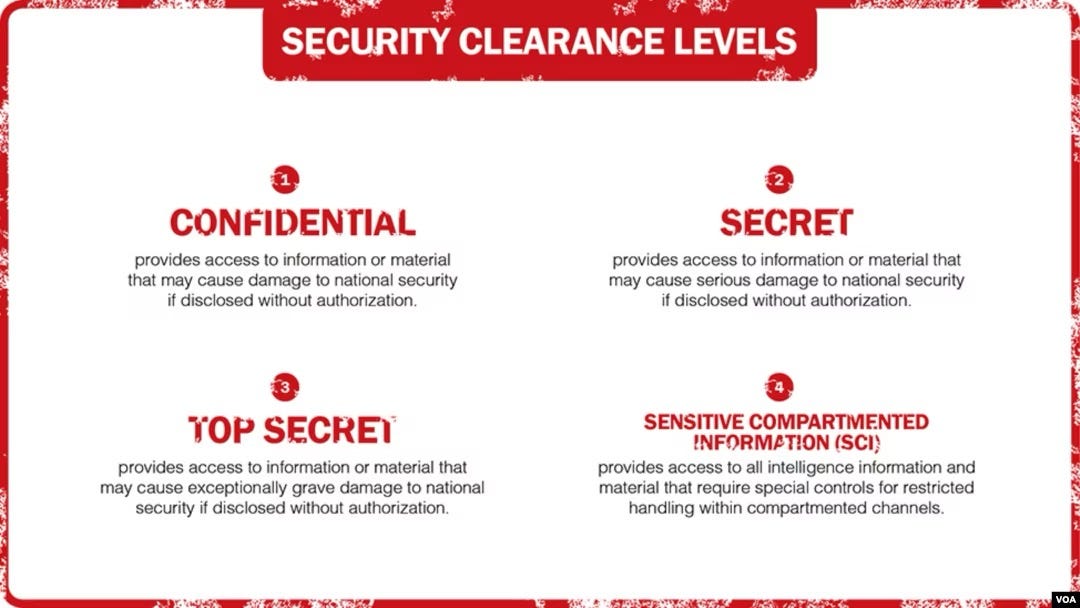
At the time, I already held a Top Secret (TS) Clearance with a Special Background Investigation (SBI) from my time as an Army Chemical Corps officer with a secondary in military counterintelligence, but this was different. When I reflect on my journey into the shadowy world of intelligence, one of the most surreal chapters was undergoing the Special Background Investigation conducted by the CIA’s Office of Security. This wasn’t just a routine check; it was an exhaustive probe required for my Top Secret (TS) clearance with a Special Background Investigation (SBI) with Sensitive Compartmented Information (SCI) access — designed to unearth every skeleton in my closet and ensure I posed no risk to national security.
The CIA Security Clearance Process
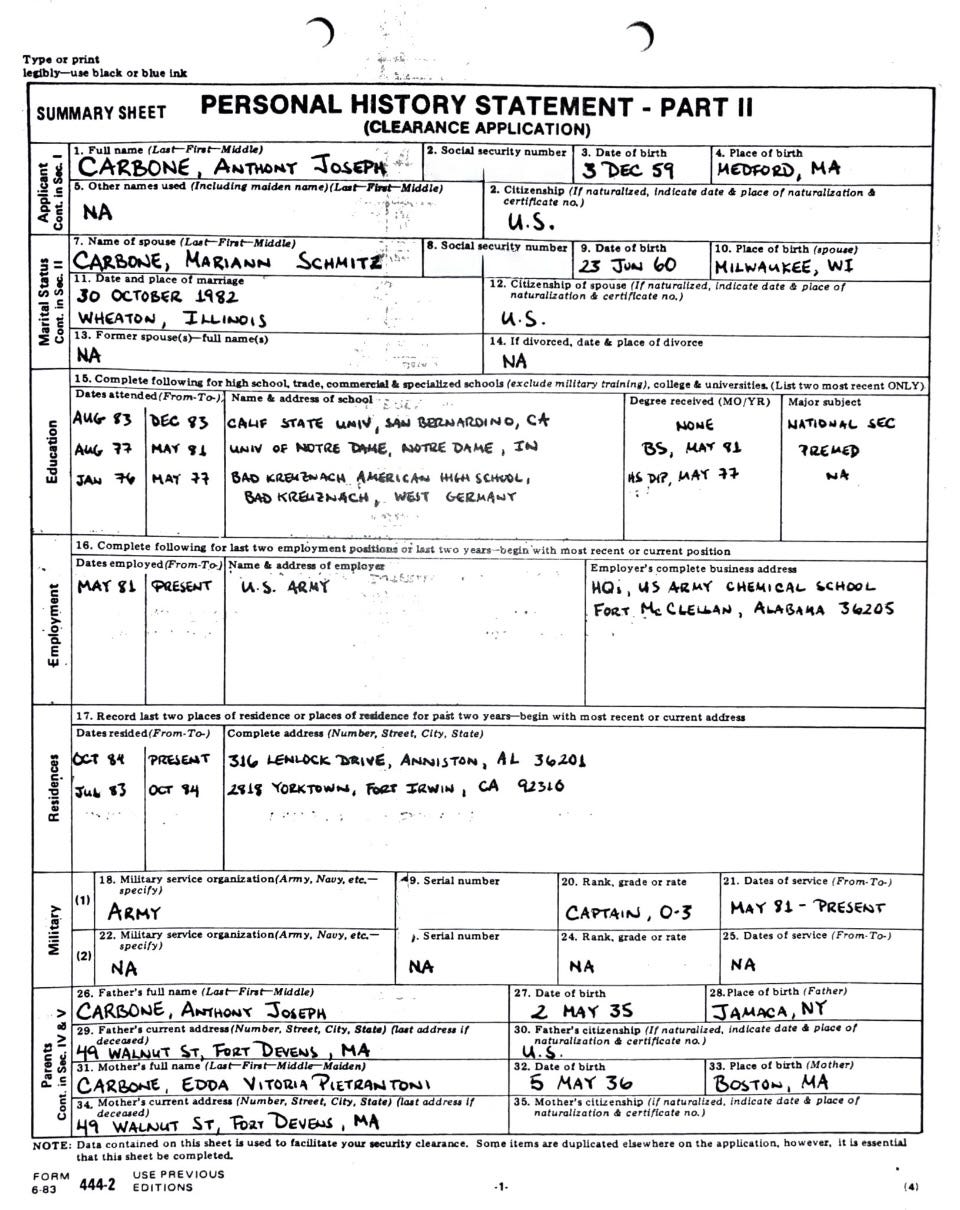
The process kicked off after my conditional job offer, involving a labyrinth of forms like the SF-86 questionnaire, where I had to detail every residence, job, travel, and association from the past decade or more. The CIA Office of Security, a fortress of vetters and investigators, then dispatched agents to verify my life story through records checks, credit reports, and personal interviews. It felt like my entire existence was being dissected under a microscope, complete with polygraph exams that tested my truthfulness on everything from foreign contacts to drug use.
This rigorous vetting — often called a Single Scope Background Investigation in intelligence circles — could take months, and in my case, it stretched into a painstaking twelve-month ordeal that left me both anxious and oddly introspective about my past. What truly amazed me was the sheer depth of their inquiries, reaching back to the earliest corners of my life. The investigators didn’t stop at recent Army commanders and colleagues, or college professors; they interviewed virtually everyone of significance who’d crossed my path, from childhood neighbors to distant relatives. I remember the day I learned they’d tracked down my kindergarten teacher, Mrs. Collins, from the Dame Elementary School in Medford.
CIA Personal History Statement (Form 6-83)
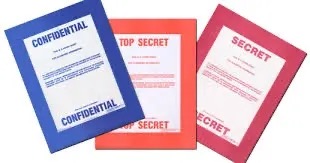
Types of Security Clearances in the US
For a Top Secret clearance, investigators typically examined the past ten years of your life. Yet even the more sensitive Special Background Investigation (SBI) sometimes reached back fifteen years or longer, especially for access to Sensitive Compartmented Information (SCI) Access. Agents performed manual record checks with federal and local law enforcement agencies, credit bureaus, schools, and employers. They verified everything. It felt as if no part of my life, no memory, no relationship, was too distant or insignificant to be examined.

The Background Investigations
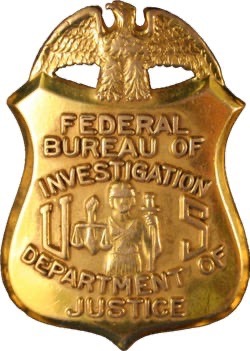
Then came the fieldwork — what many of my colleagues later called “the neighborhood knock.” FBI, DIS, and CIA Office of Security investigators interviewed neighbors at every address I’d lived, teachers, coworkers, and even friends from college. Each one was asked about my habits, my reliability, and whether I might be vulnerable to coercion. It was old-fashioned legwork — the kind of thing no database could replicate.
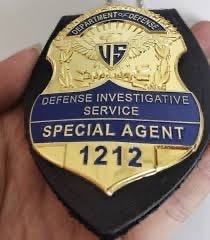
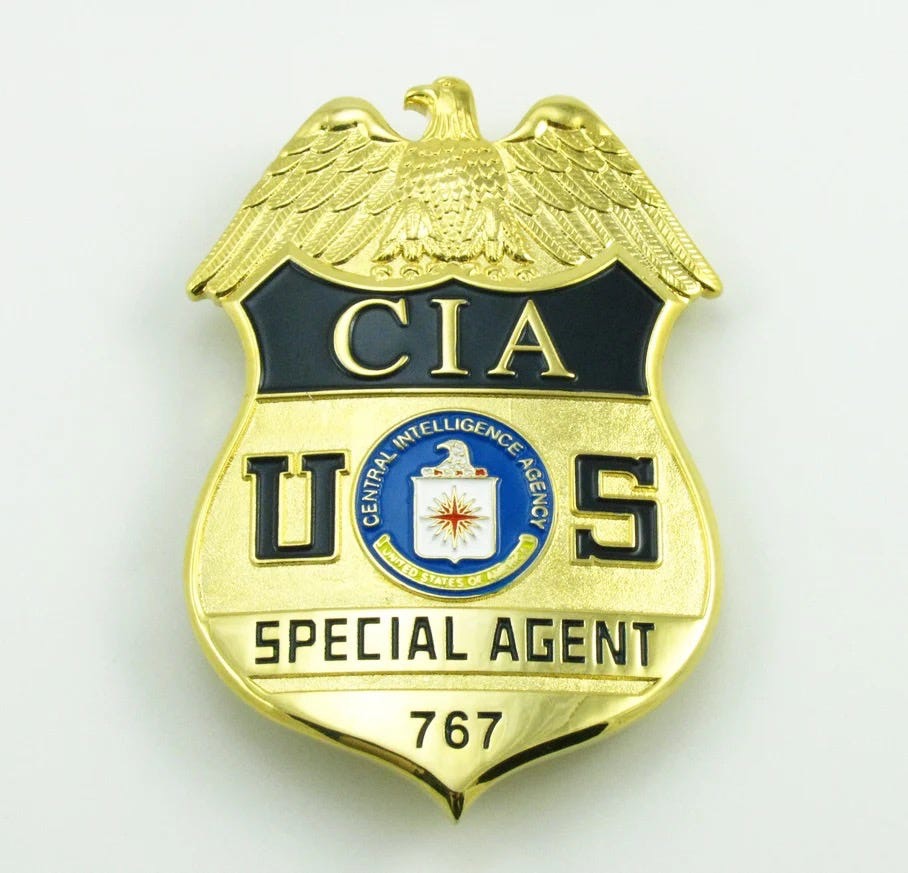
And for me, each step of that investigation drew me further into the invisible machinery of national security — one foot still in the Army, the other testing the waters of the intelligence community.
CIA Interviews My Nosey Alabama Neighbor
At the time of my application to the CIA, I was living in a small house just off post. I was so busy with work, flying on assignments, and driving down to visit Karen that I was rarely home. One afternoon, my neighbor — a tiny, elderly lady who lived alone next door — walked over to me in my yard. She leaned in close and whispered, “The ‘Federalies’ were here asking questions about you. Is everything okay?”
I told her that I was applying for an important position with the government and that investigators would be doing a background check. She nodded but seemed eager to share more. “They asked if you had lots of parties,” she said. “Or if I saw lots of girls coming and going. They even asked if I ever seen you with boyfriends.” Then she peered up at me, genuinely concerned. “You aren’t homosexual, are you?” I smiled and said, “No, ma’am. Not at all.” “I didn’t think so,” she said proudly. “I told them you were quiet and never caused any trouble — that I never saw you with anyone.” “Thank you, ma’am,” I said, trying not to laugh.
CIA Psychological & Political Science Exams
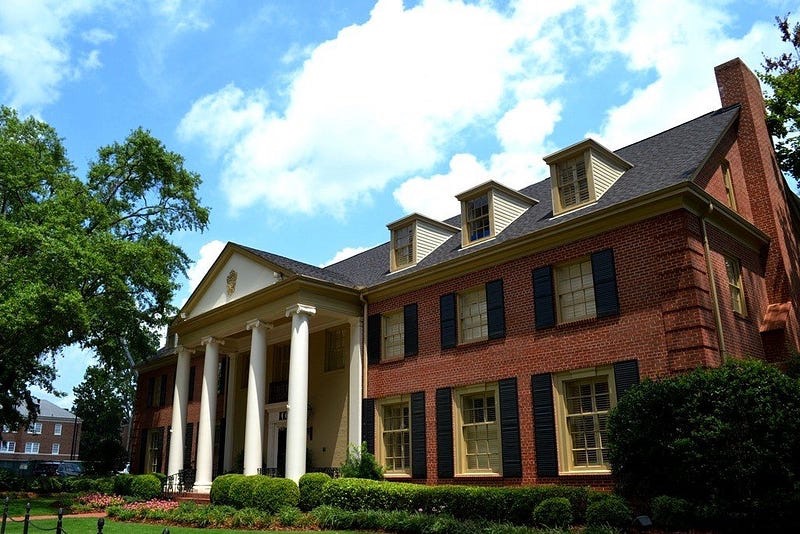
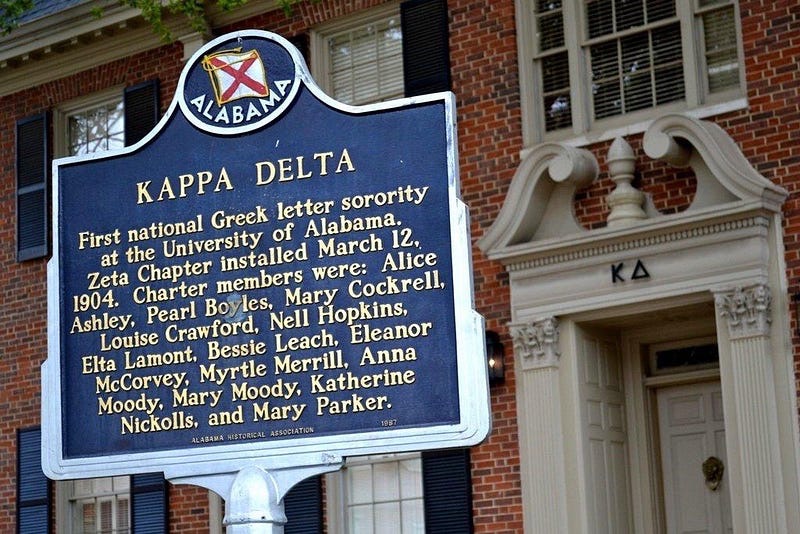
At one point, I was scheduled for a series of examinations at the University of Alabama in Birmingham — about an hour’s drive from Fort McClellan. One of the tests took up an entire Saturday, so I drove down that morning, curious about the campus and its reputation. I was immediately struck by the rows of beautiful antebellum mansions, each one adorned with Greek letters proudly displayed above the doors. I was amazed because Notre Dame didn’t allow fraternities. It was clear that fraternity and sorority life was a major part of the university’s culture, right up there with their legendary Crimson Tide football program.
Greek Life at the University of Alabama
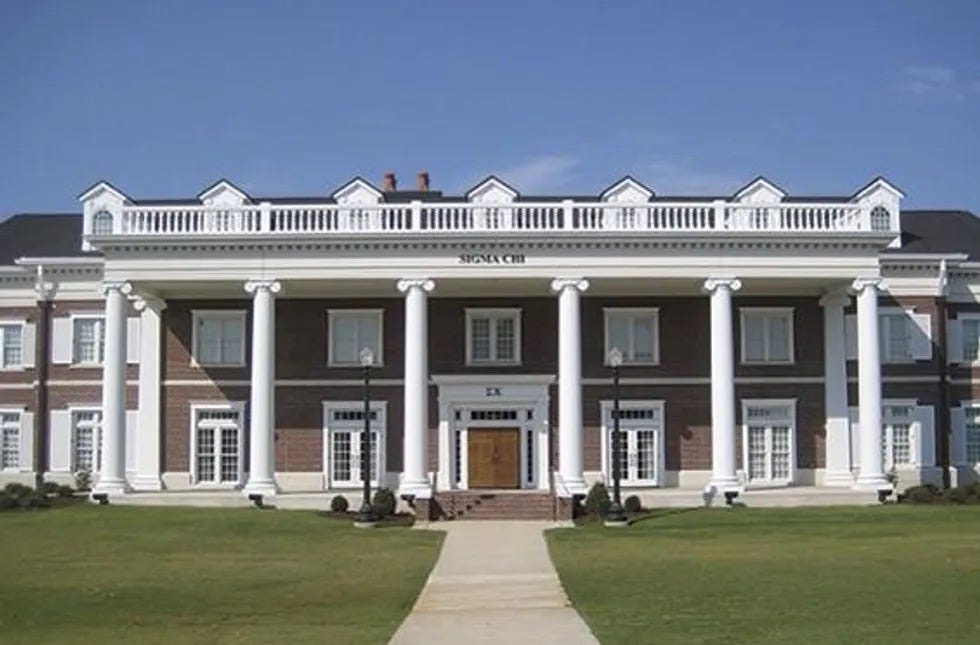
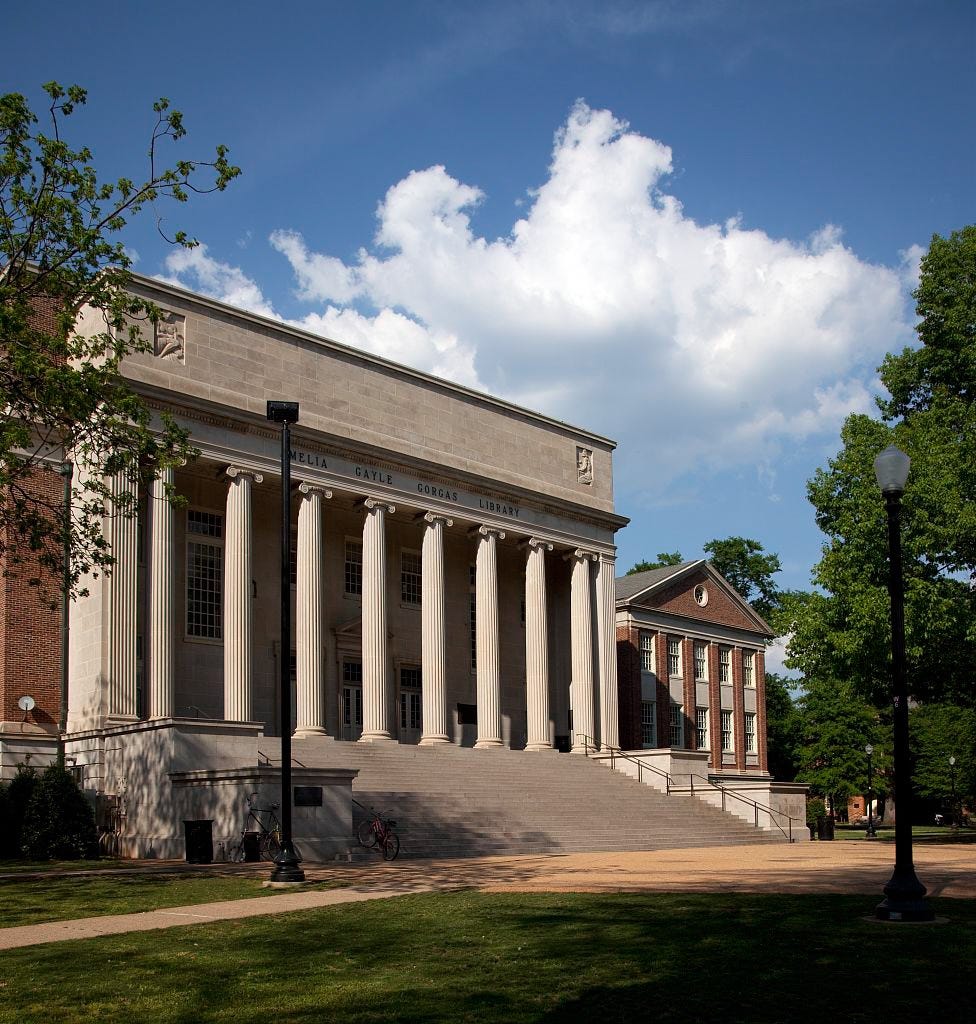
Looking for the Library on Campus
I remember wandering across campus looking for the library. At one point, I stopped a very attractive young lady and asked where the Main Library was located. She smiled, turned, and pointed toward a stately building in the distance, then started laughing. I asked what was so funny. She said, “The library’s closed on Saturdays.” I just laughed to myself — how strange it seemed that a university would close its library on a weekend. But that was Alabama in the 1980s, and I left it at that.
The CIA Examinations
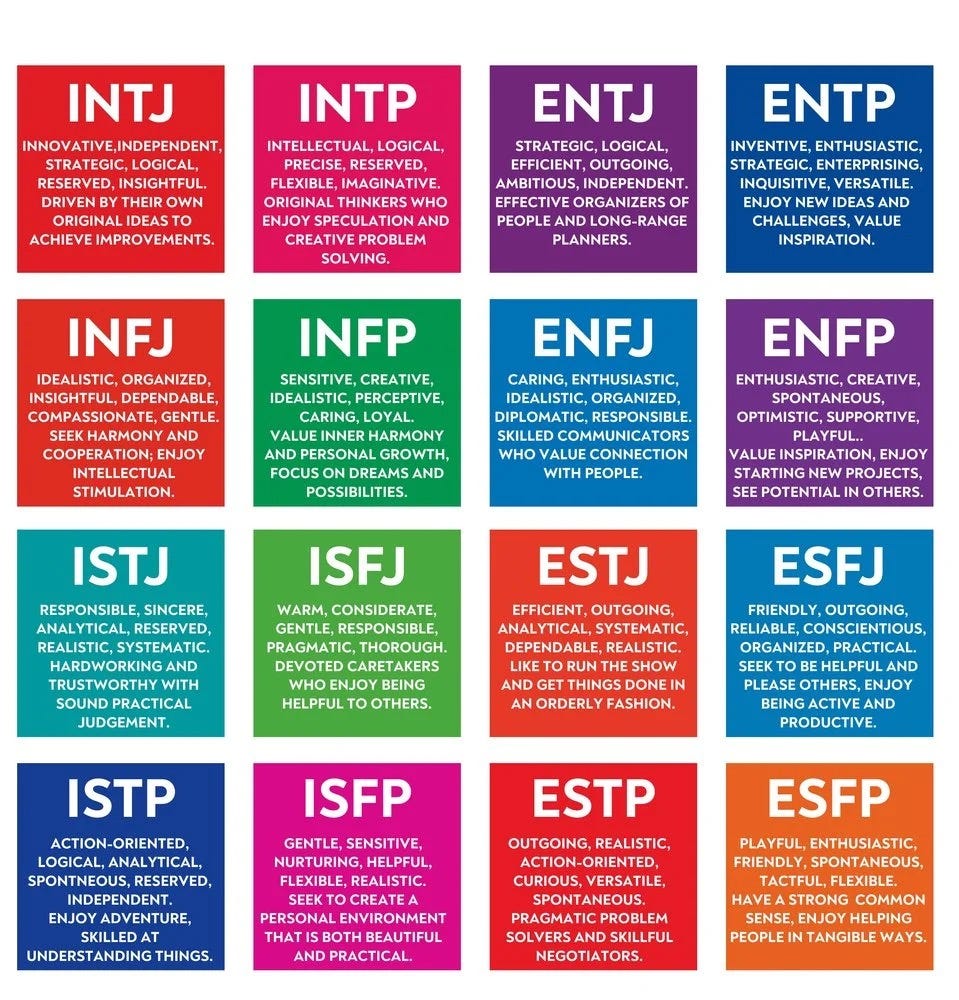
Personality Tests
Eventually, I found my way to one of the academic buildings where they were conducting the CIA examinations. I was the only person there. It was just me, a stack of test booklets, and a proctor who hardly said a word. Some of the tests were familiar — standard personality inventories I had seen in college, like the Myers-Briggs Test that tried to categorize people as introverts or extroverts, thinkers or feelers.
Roschach Inkblot Test
Then, there was the classic Rorschach inkblot test with a psychologist.
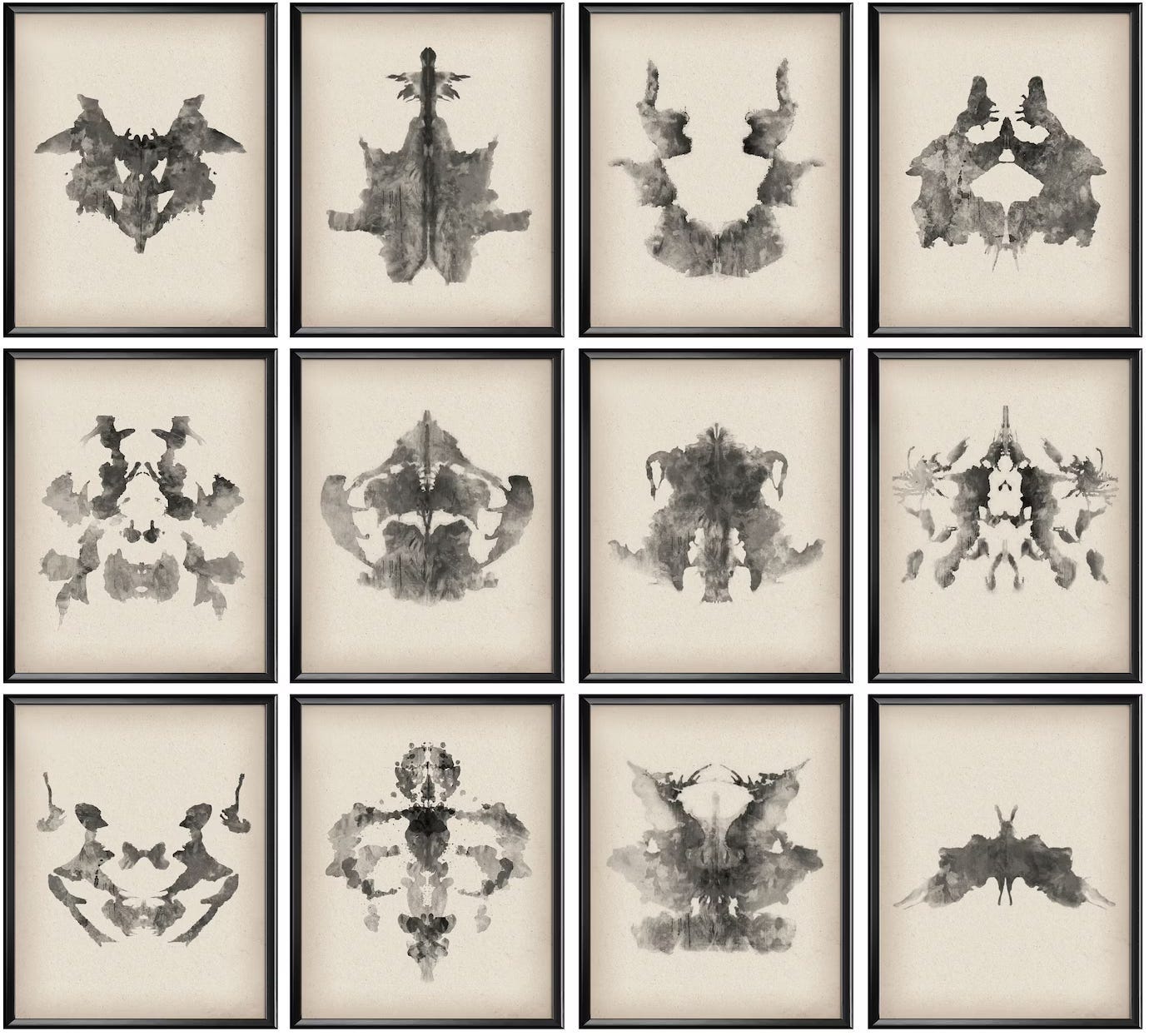
But some tests I had never seen or heard of, and were downright strange and unsettling. One of them had about five hundred questions arranged in two columns labeled “A” and “B.” You had to choose an answer for every question — no skipping, no neutral answers. At first, the questions were simple enough: Would you rather work indoors or outdoors? Do you prefer crowds or solitude? Are you closer to your mother or your father? Do you like reading books or working with your hands?
Bizzare Tests
But as I progressed, I noticed that questions kept repeating in slightly different forms. That was deliberate — it was a test of consistency, a way to detect contradictions or signs of dishonesty. The longer I went, the stranger the questions became. More than once, I was forced to answer, “Would you rather kill your mother or your father?” And then, many pages later, the same question would appear again, reversed: “Would you rather kill your father or your mother?” It was deeply unsettling, but you had to answer, and you had to keep going. I began to wonder if this was the test? Would a normal person stand up and say, “This is crazy! I’m out of here!”

Political Science & Current Affairs
There was also a series of political science tests that caught me completely off guard. Some questions were straightforward: “Who was the leader of Iran?” But as the test went on, it became more nebulous and difficult. There was a section that would begin with a dense paragraph describing an international situation or a political figure, followed by a blank world map — no country borders, no labels, nothing but the rough outlines of continents. I was asked to mark an X where the event took place or where that leader was from.
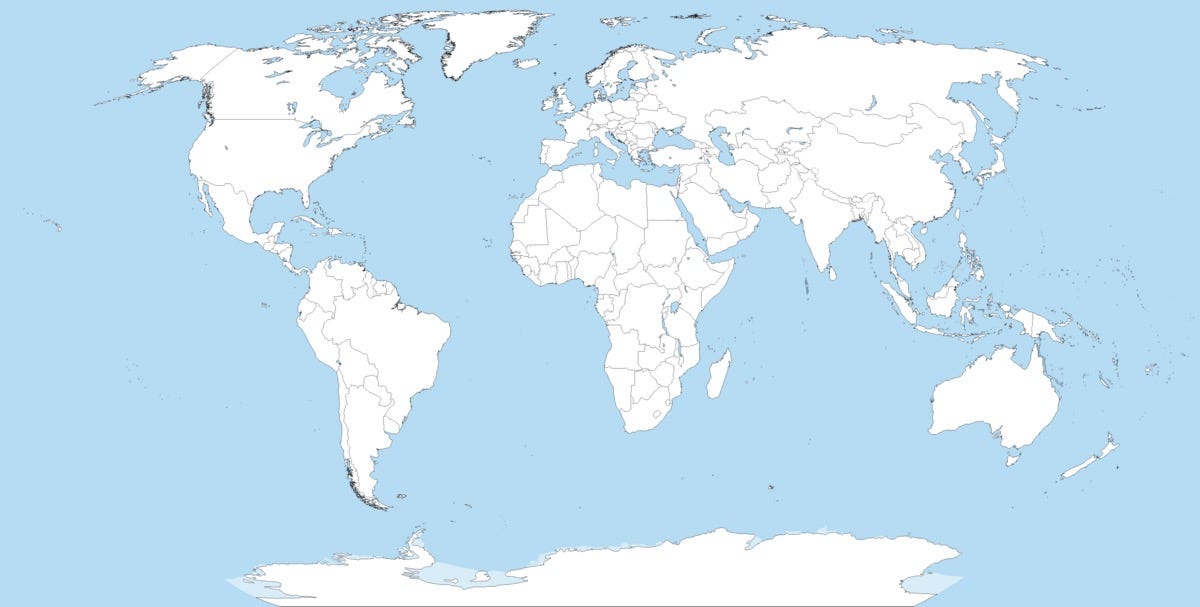
I was reasonably familiar with Europe, but even then, it was tricky trying to pinpoint exact locations on a map stripped of all borders. When it came to the Middle East, I could only guess. Africa might as well have been a mystery. Still, I did my best, filling in Xs until the proctor finally called time.
By the end of the day, I was mentally and emotionally drained. I’d been sitting there for hours, answering questions at a relentless pace, never allowed to pause or think too long. By the time I left the building that afternoon, I felt like my brain had been put through a wringer. I don’t remember much of the drive back to Fort McClellan. I must have gone straight to bed when I got home, because the next thing I remember was waking up Monday morning and putting on my uniform to report for duty.
Call from Bill
After I had finished all those tests the CIA had set up, I received another call from my handler, Bill. All of his calls started the same way. “Hello, Anthony.” “ Yes, sir?” “ This is Bill. Can you speak?” That last part was always the same — his way of asking if I had privacy. I would answer, “Yes, I can,” and only then would he continue with whatever business we had for the day.
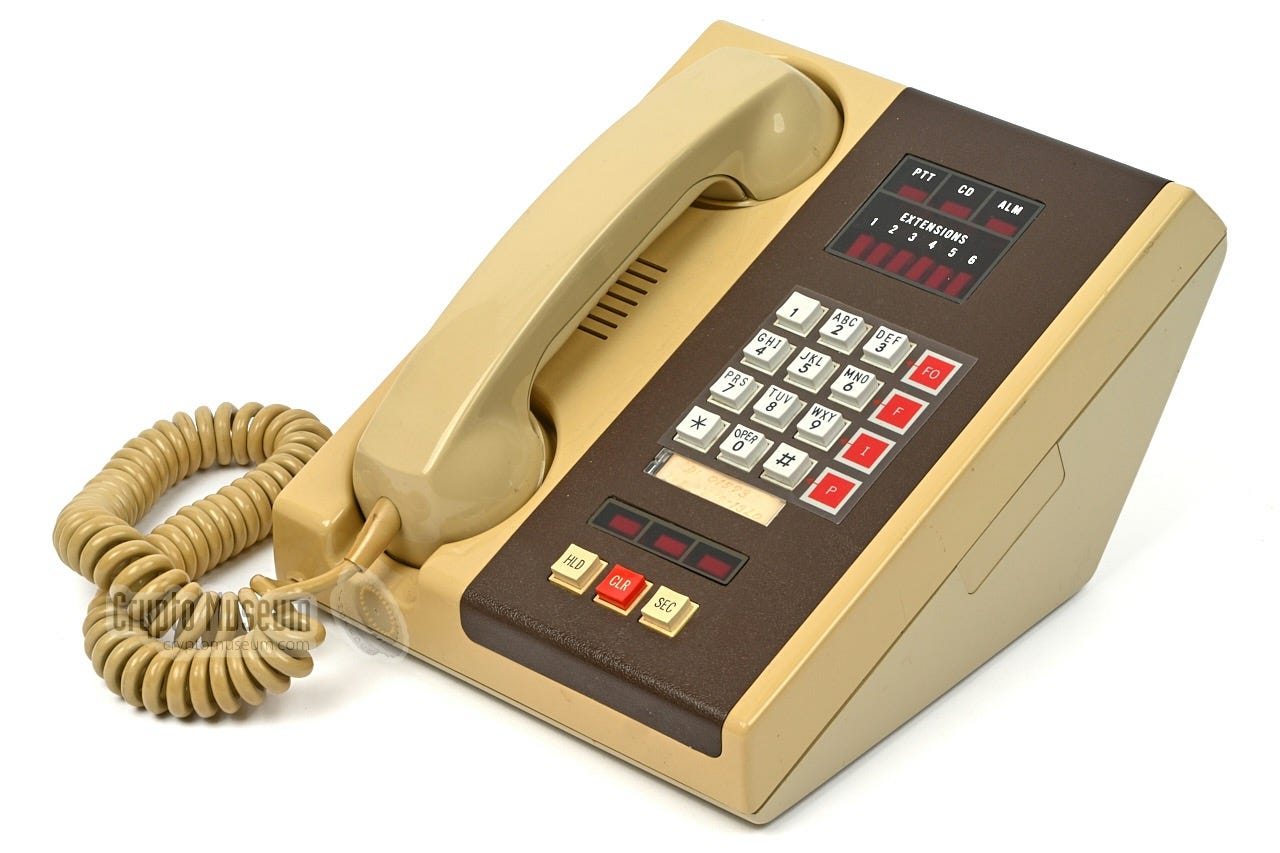
On this particular call, his tone sounded lighter, more upbeat. He told me I had done well on all of my examinations and that the Agency was ready to move me on to the next step — an in-person round of interviews. He said they’d be sending me a packet of instructions and that I was to follow them to the letter. Everything was to be handled exactly as written, no deviations.
Bill also explained that they would be contacting the U.S. Army Chemical School to have official military orders cut for me. The orders would direct me to attend an interview at the CIA headquarters in Langley, Virginia — just outside Washington, D.C. Hearing that made it all suddenly feel very real.
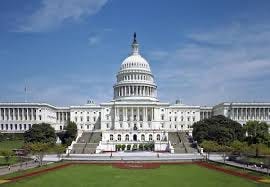
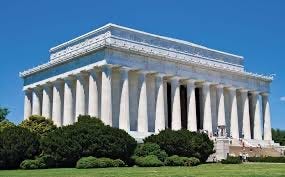
Headed for Washington, DC
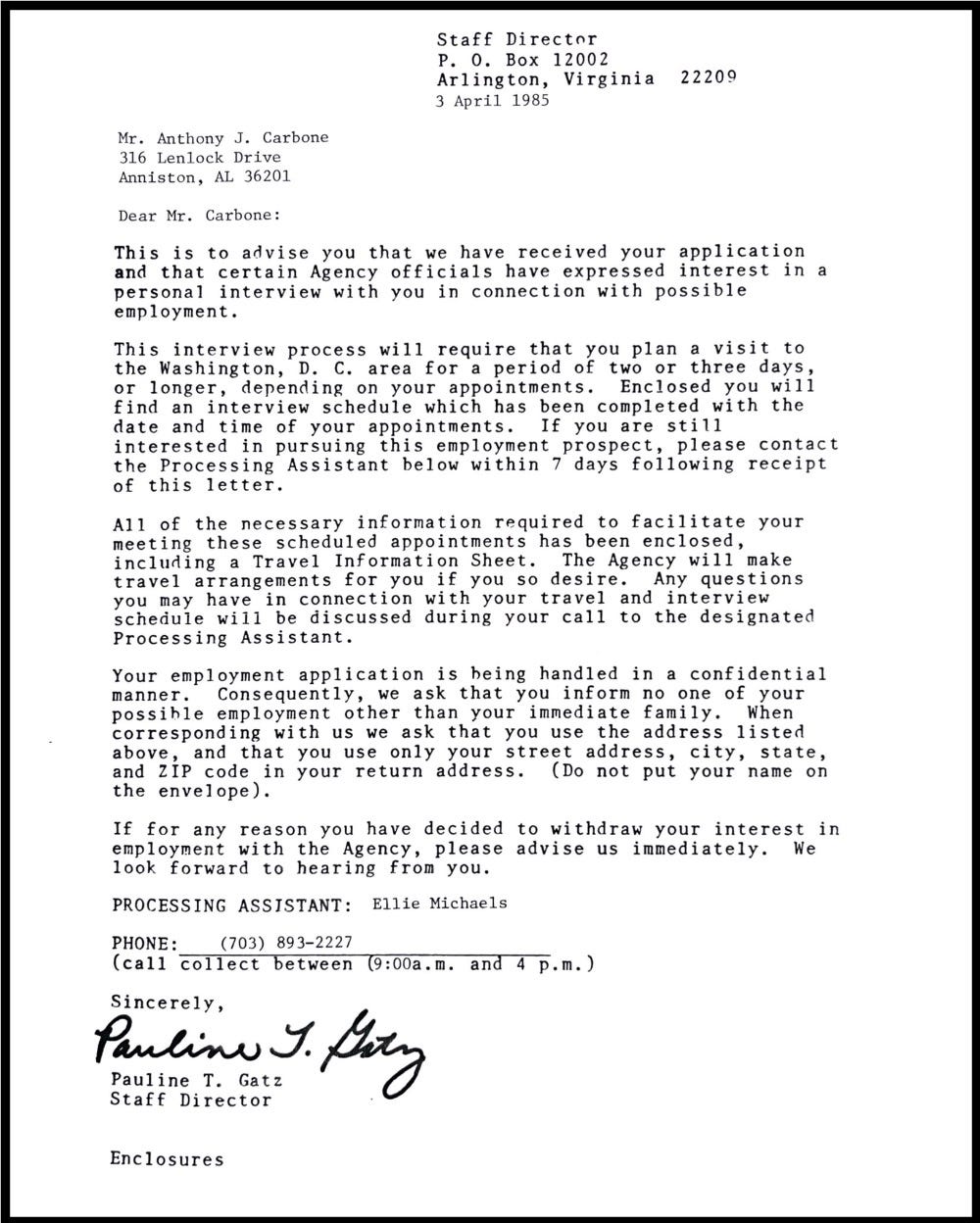
Sometime later, I received another nondescript manila envelope from a post office box in Arlington, Virginia. Inside was a letter that said, “that certain Agency officials have expressed interest in a personal interview with you in connection with possible employment.” — a simple sentence that sent a chill of excitement down my spine. The packet included a map of the area, directions from the airport, a list of recommended hotels, and the location of the Central Intelligence Agency headquarters in Langley, Virginia.
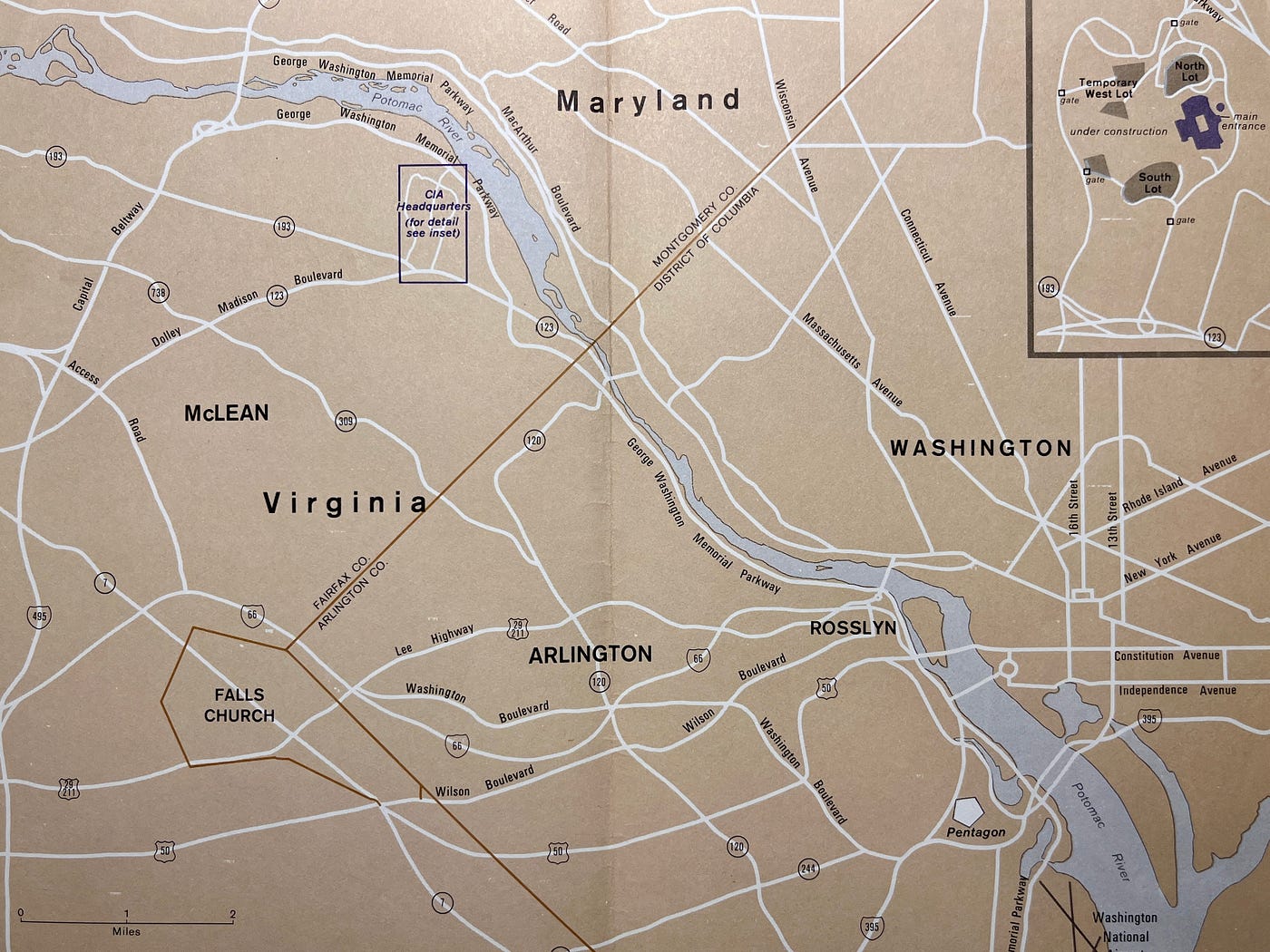
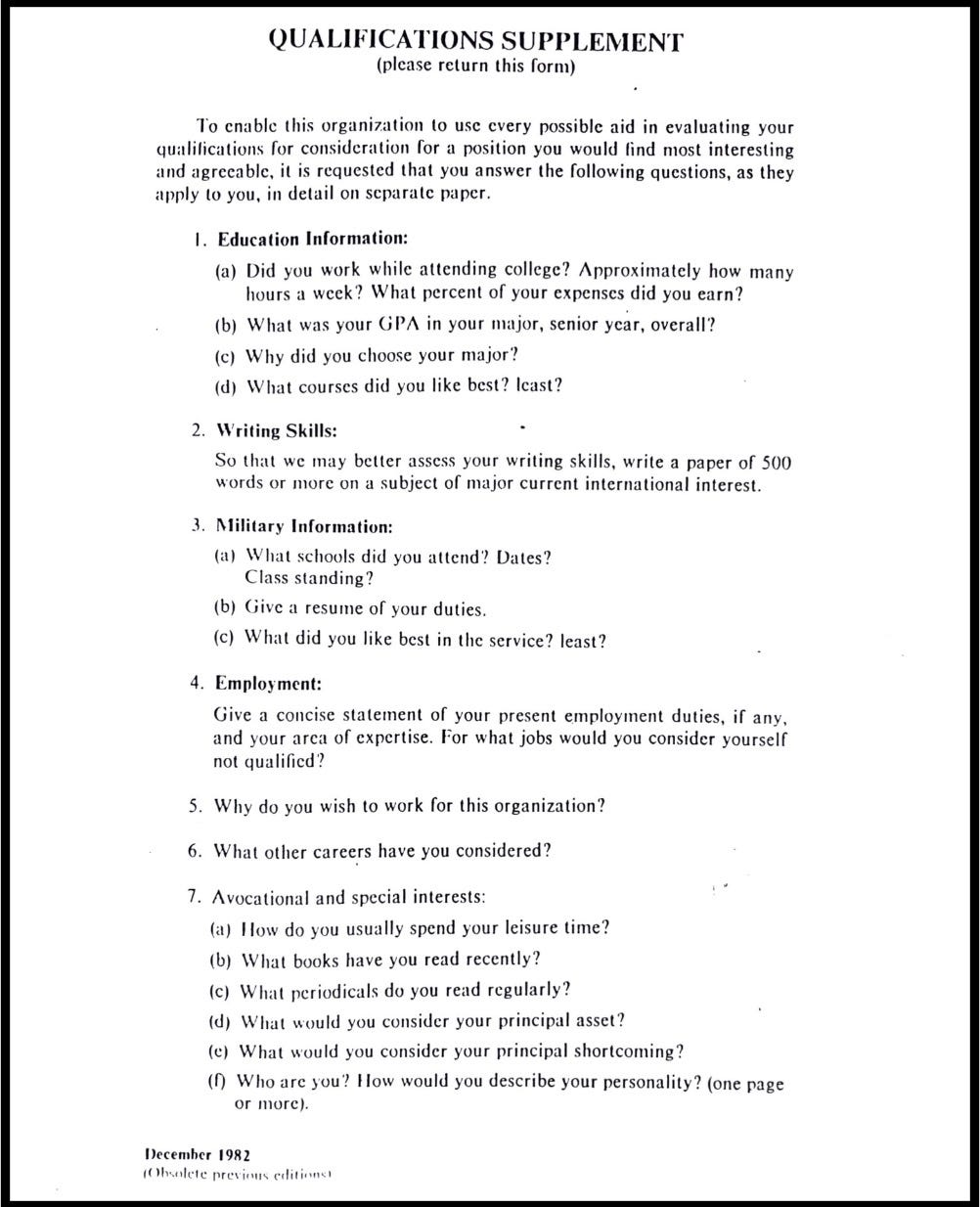
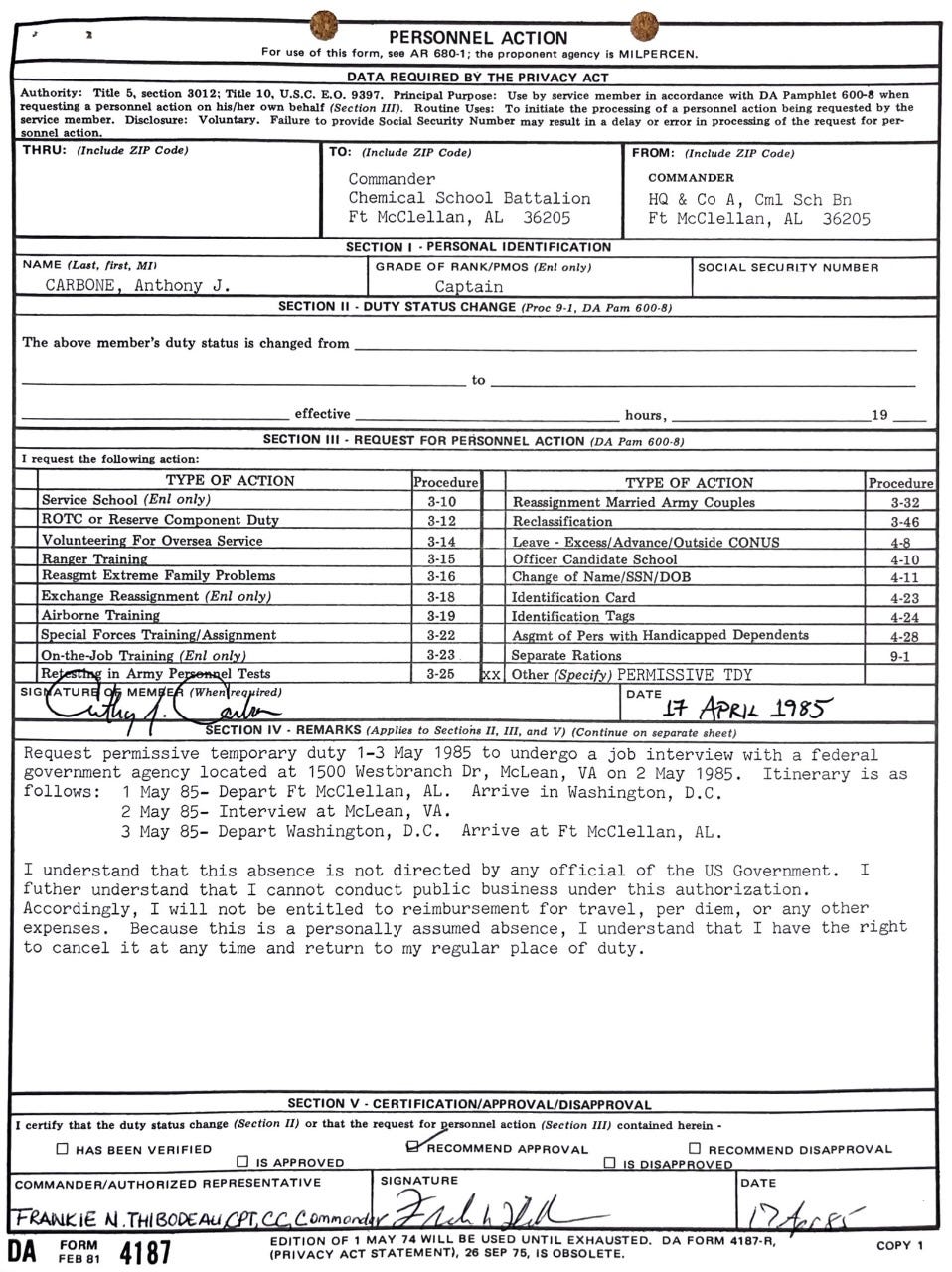
Someone at CIA Headquarters had already coordinated with the U.S. Army Chemical School to issue me official military orders for temporary duty at Langley to attend the interviews. I quickly obtained approval from Colonel Craig, my commandant, and arranged for my flight from Birmingham International Airport to Washington National. I was told to wear civilian clothes for the visit, so I sent my navy-blue suit to the dry cleaners. And, I made sure my military ID and passport were ready and kept all of my paperwork organized in a neat leather attache case.
CIA Essay Questions
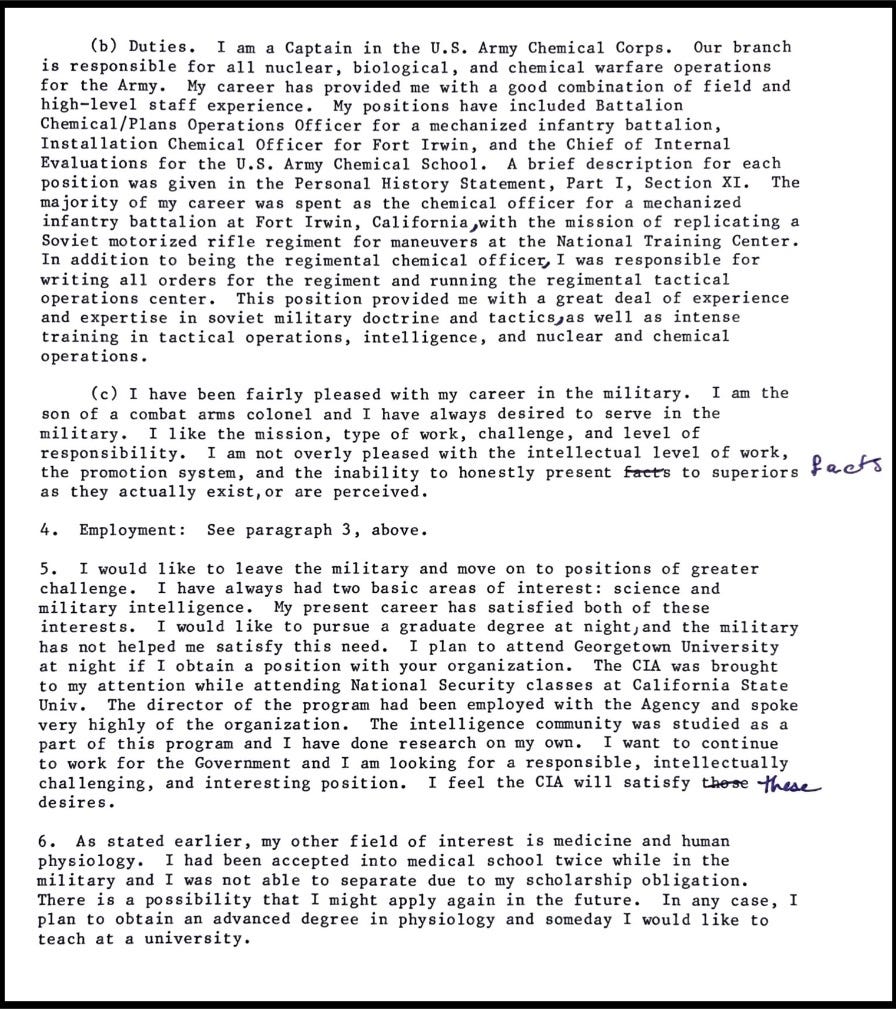
Before I departed, I had to answer several essay questions as part of my CIA application. I mailed my handwritten responses to Bill, who returned them with inked notes crowding the margins — his tidy script tightening my arguments, correcting my phrasing. Remember, this was before the Internet or even personal word processors. Everything was done by hand, which somehow made the process feel more intimate and personal.
Note From my Father
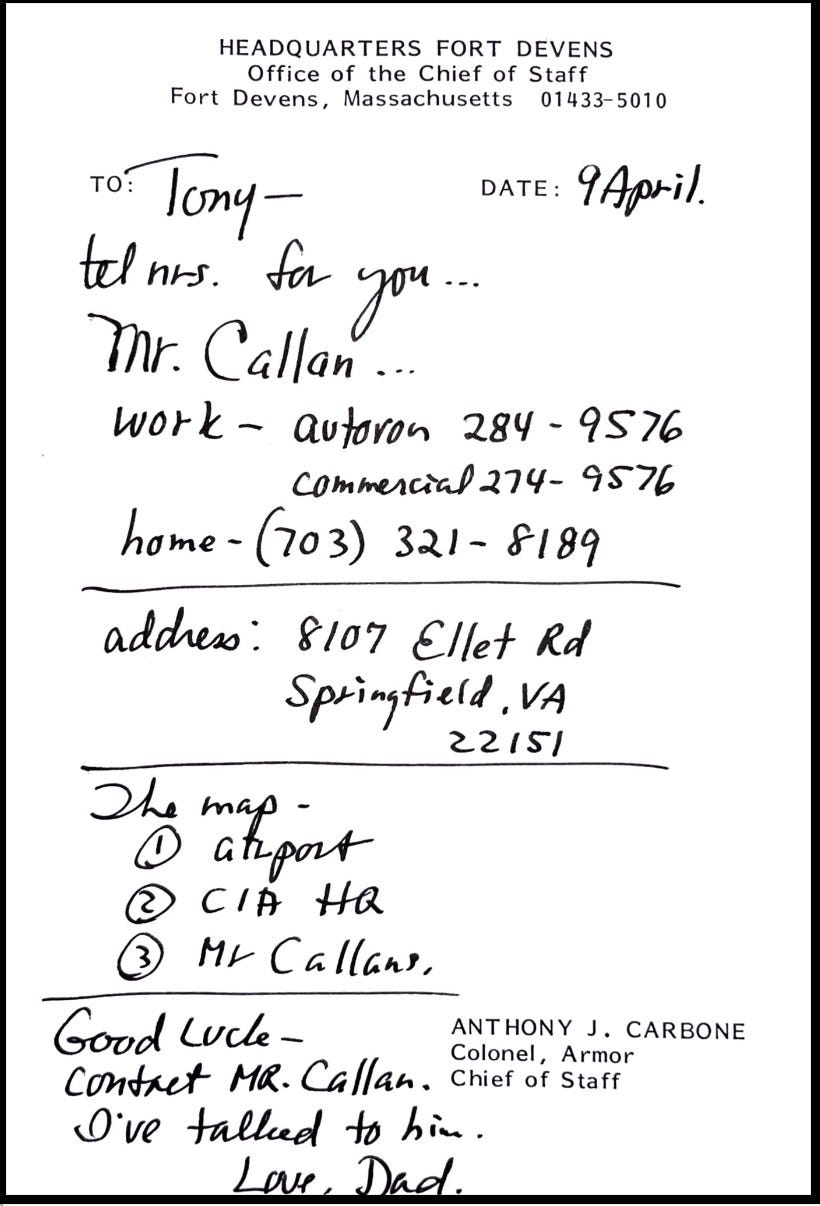
Around the same time, my father sent me a short letter enclosing a small, hand-drawn map of the Washington area. He noted the location of National Airport, the CIA compound at Langley, and the home of our family friend, Mr. Richard Callan, a Department of Defense civilian we’d known for years from our days in Dale City, Virginia. “If you need anything,” my father wrote, “Call Mr. Callan.”
Flight to Washington, DC
So, on the morning of 1 May 1985, I boarded my flight from Birmingham bound for Washington National Airport. I had a window seat — always my preference — because I wanted to catch a glimpse of the capital as we descended. The man sitting beside me was a thin, well-dressed businessman in a dark suit. For the sake of this story, let’s call him Mr. Smith.
We exchanged polite small talk as the plane climbed through the clouds. He asked about my work at Fort McClellan, and I mentioned my position at the U.S. Army Chemical School. When I asked what he did, he smiled faintly and said only, “I work for the government in Washington.” From that moment on, our conversation turned subtly coded, like a chess match played between two people who already knew the rules but not each other’s next move. I began to understand that Mr. Smith worked for one of the intelligence agencies.
Mr. Smith offered bits of advice that mirrored what Bill had already told me. “The CIA already knows everything about you,” he said. “Don’t try to hide or lie about anything. They’re not testing what you know — they’re testing whether you can be trusted. If you’ve got nothing to hide, no one can ever coerce or bribe you.” I nodded, appreciating the candor.
When we landed, Mr. Smith asked where I was staying, and I told him near the shopping district close to Langley, where several small hotels catered to visiting officials. He offered me a ride, and when we stepped outside, a black sedan was waiting with a driver. I might have been nervous about the whole encounter, but my instincts told me I was in good hands.
Seeing CIA Director William Casey
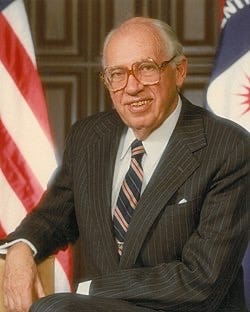
As we drove along the George Washington Memorial Parkway, a small motorcade passed us — three black vehicles in tight formation: a black limousine led and tailed by two black Chevy Suburbans. Mr. Smith perked up and urged me to look. “Do you know who that is?” he asked, excitement rising in his voice. “That’s CIA Director William Casey himself! You’ve only been in town a few minutes, and you’ve already seen the Director!” I glanced out the window, astonished by the coincidence. It was as if the capital itself had decided to greet me personally.
That evening, I checked into my hotel, prepared my freshly cleaned suit, and laid out my documents in my attache case for the morning. I called Mr. Callan, as my father had asked, then phoned my father to let him know I’d arrived safely. True to form, I also called both Karen and Mariann — two voices from two different worlds I couldn’t quite separate. Later, I grabbed a quick burger and a Coca-Cola from a nearby diner, returned to my room, and set my alarm for 0600, Thursday, 2 May 1985 — my father’s birthday and the day of my interview at CIA Headquarters.
CIA Interviews at Langley
I woke up the morning of May 2, 1985, showered, and called my father to wish him a happy birthday. He’s always been a man of few words with me, but he did wish me “Good luck” with my interviews. Then I called a taxi to take me to Langley.
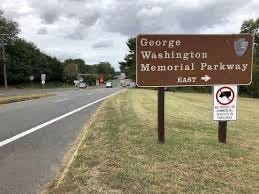
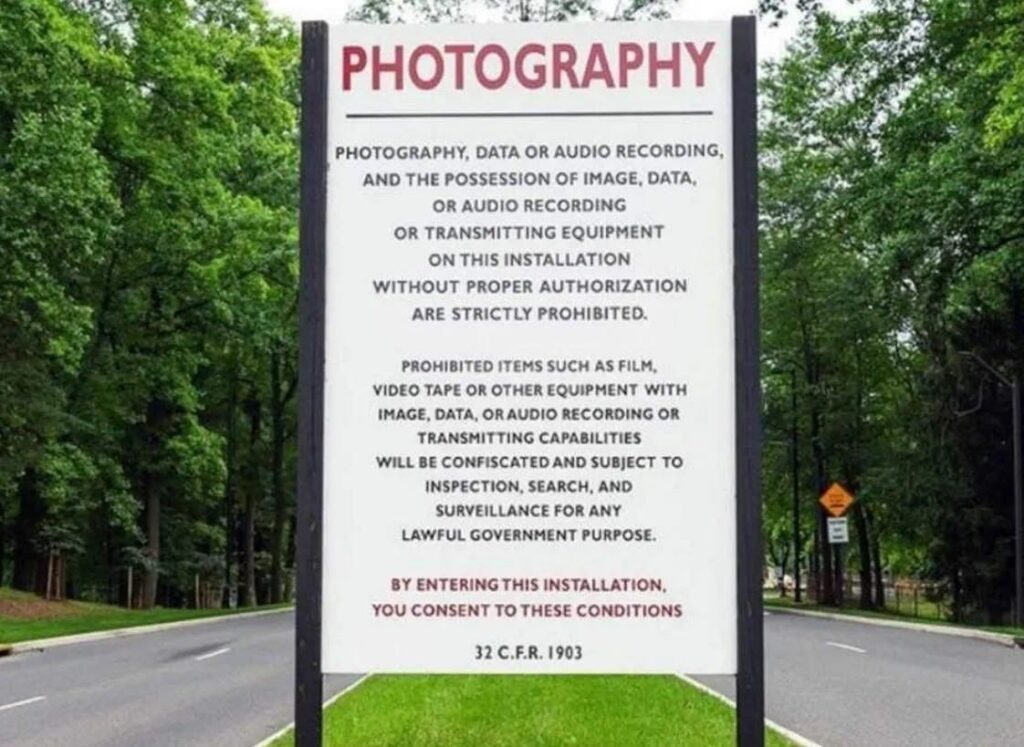
I was surprised that the entrance to CIA Headquarters at Langley was marked on the George Washington Memorial Parkway, even if only with a simple sign. I’d had a more difficult time getting onto some Air Force bases than I did driving onto the CIA campus that morning. But the Headquarters Building itself was another matter entirely. It was the most secure facility I had ever entered in my life.

The CIA Bubble
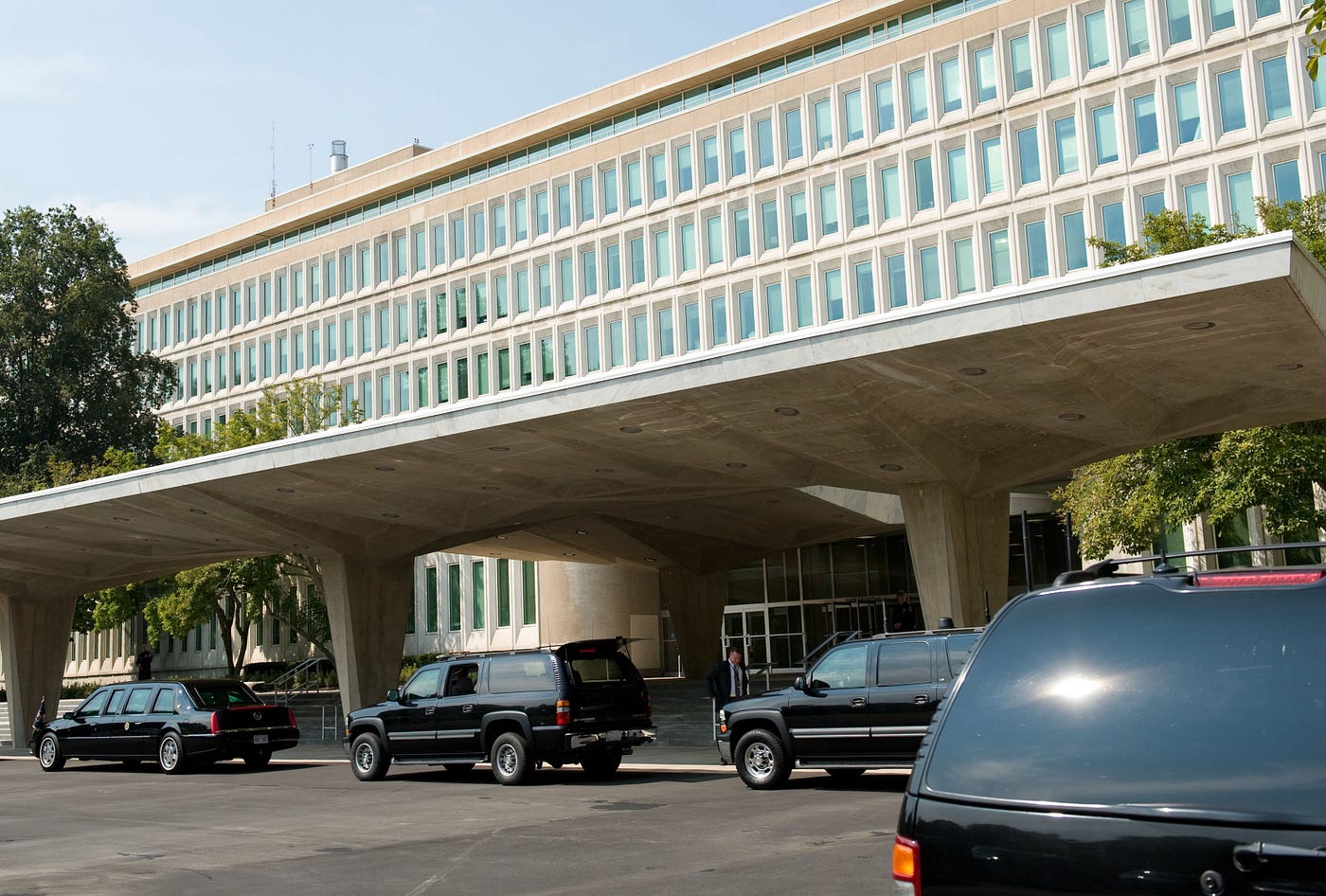
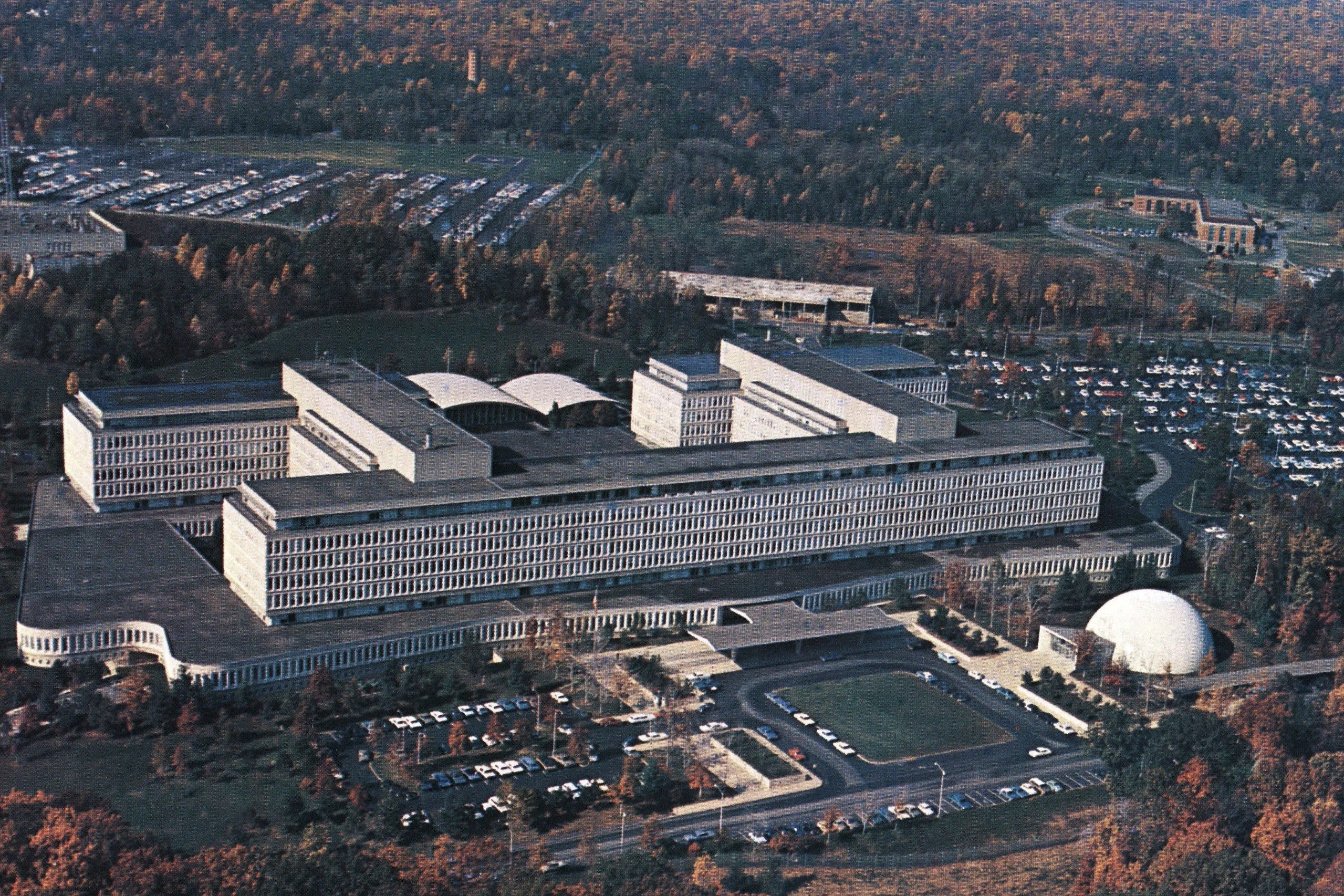
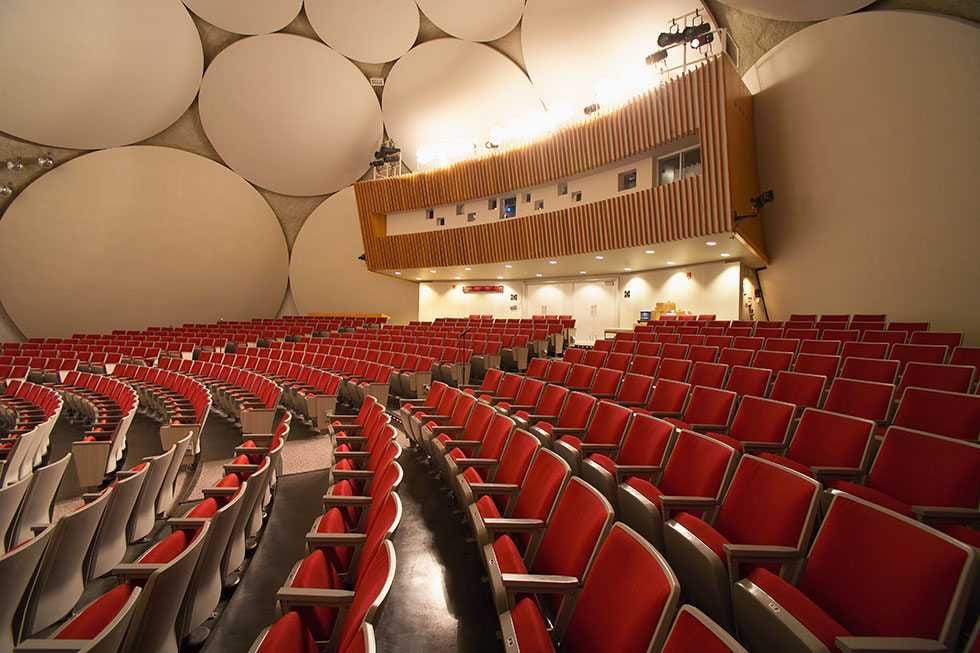
The process began in the Headquarters Auditorium — better known as “The Bubble” because of its massive white golfball architecture. The first step was Security, where I was questioned, fingerprinted, photographed, and issued a visitor’s badge within minutes.
Inprocessing with Security & HR
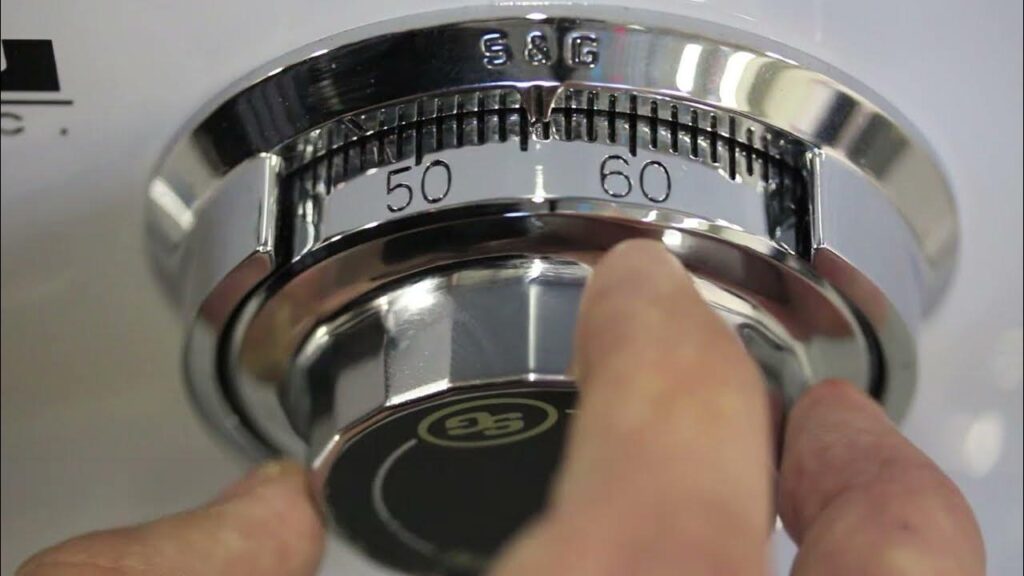
My first session was with a Human Resources officer who reviewed my background and credentials and explained a little of my agenda for the day. Then I was taken upstairs within the main building and escorted down a long corridor where every office door looked like the entrance to a bank vault, complete with a combination dial lock.
CIA Organizational Chart
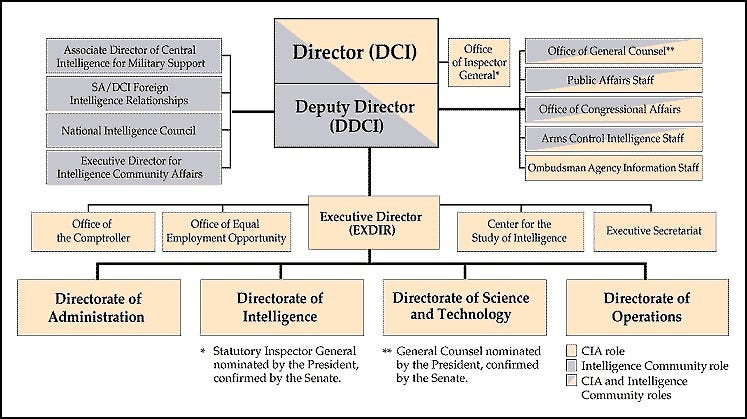
Deputy Directorate of Operations (DDO)
My first real interview was with a female CIA officer from the Directorate of Operations (DDO). She spent much of our conversation trying to recruit me into the Clandestine Service as a trainee at Camp Peary, better known as “The Farm.” She described a life of field training — mastering weapons, attending Airborne School, and learning explosives. I told her, with a smile, that I was already trained in all of those. She noted that my Defense Language Aptitude Battery (DLAB)score was very high and said the Agency wanted to send me to the Defense Language Institute (DLI) in Monterey, California, to study Russian.
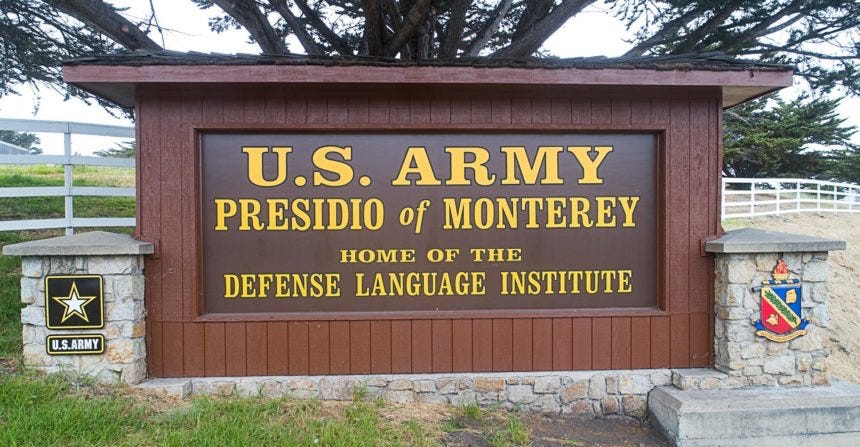
At that time, however, I was an emotional mess — torn between my feelings for Mariann and Karen — and not ready to disappear for months into clandestine training or to be shipped off to Afghanistan or some other far-flung assignment. Looking back, I realize this was the first of several poor career decisions I allowed to be influenced by love. In hindsight, I know I would have thrived studying Russian formally and working as a career CIA officer in Moscow, gathering strategic intelligence and running agents in the Soviet Bloc.
At one point, the interviewer’s tone grew serious. She looked directly at me and asked, “Would you be willing to kill for your country?” I laughed and replied, “Ma’am, I’m a captain in the United States Army. I think I already answered that question a long time ago.”
Deputy Directorate of Science & Technology (DDST)
After that, I had two more in-depth interviews. One was with a CIA officer from the Directorate of Science and Technology (DDST). That conversation was brief and somewhat disappointing; he seemed to be looking for a PhD-type scientist, not a field-hardened Army officer.
Deputy Directorate of Intelligence (DDI)
But the final interview was absolutely fascinating to me. It was with a senior CIA officer from the Directorate of Intelligence (DDI), Soviet Bloc Division. He told me he was looking for a military analyst — and thought I was an ideal candidate. I agreed. My experience portraying a Soviet officer with the 32nd Guards Motorized Rifle Regiment at the National Training Center, studying Soviet military tactics, and writing Soviet battle plans had prepared me perfectly for that kind of analytical work. We spoke for nearly two hours, maybe longer. I left his office feeling confident — optimistic that I might have a place in the Agency.
CIA Headquarters Lobby
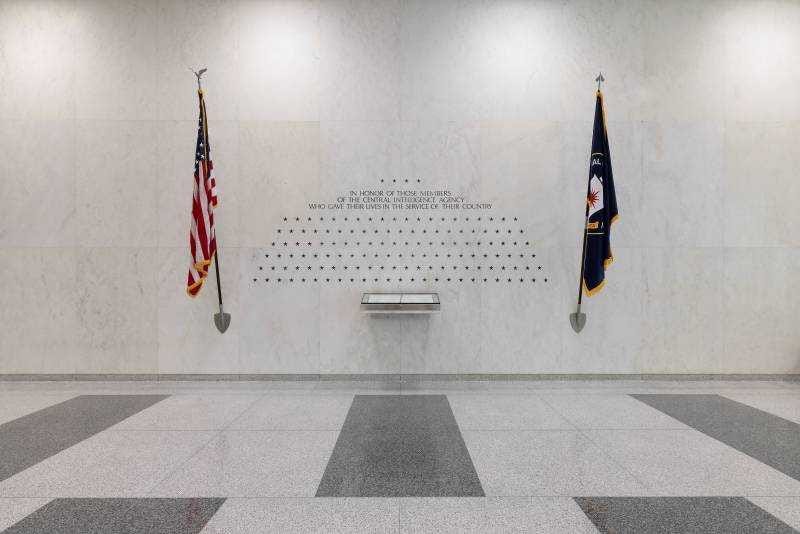
I was escorted back to the HR Office, where I signed several non-disclosure forms and other documents. Then they walked me to the main lobby of the Original Headquarters Building — the one featuring the iconic CIA seal, the Office of Strategic Services (OSS) Memorial, the statue of General William Donovan, and the Memorial Wall with stars honoring CIA officers who had died in the line of duty. Standing there gave me chills and an intense rush of adrenaline that stayed with me all the way back to my hotel.
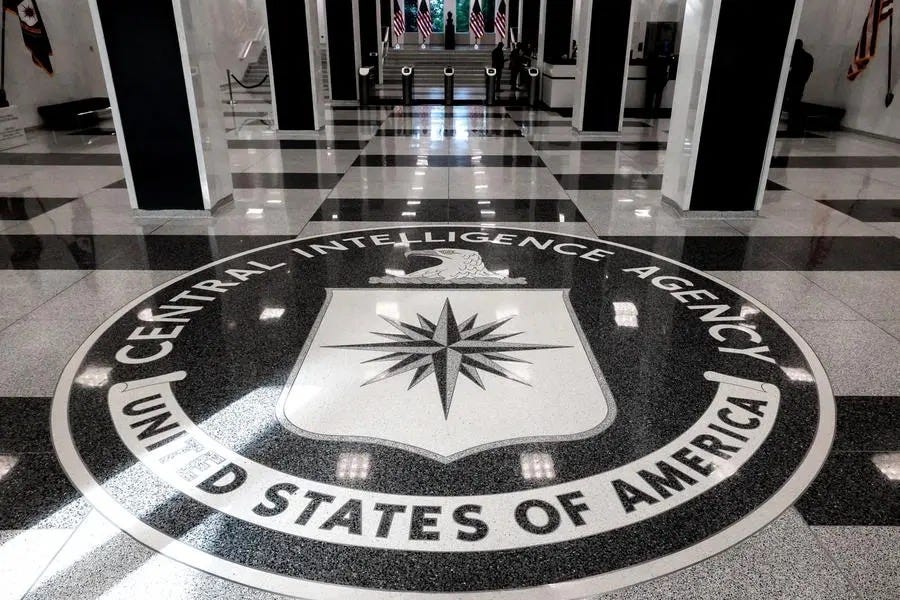
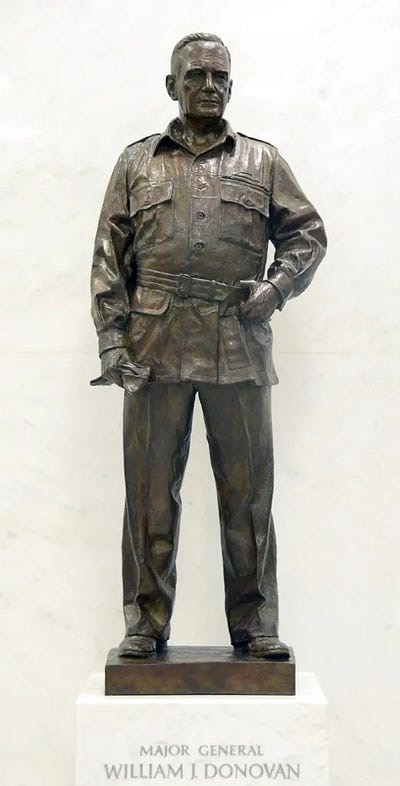
Once in my room, I ripped off my necktie, tossed my suit jacket aside, and dropped onto the bed to make my calls — to my father, to Mariann, and to Karen — to tell them how well the day had gone. I packed for my departure the next morning, set my alarm, and, exhausted, fell asleep without even eating dinner.
Back to Business at the Chemical School
I returned to duty at the Directorate of Evaluation & Standardization (DOES), which meant dealing with the feuding secretaries, listening to Pete Filipov tell me about his latest check from the government, and attending meetings for Colonel Craig.
The CIA Wants Me Back
Soon after my return to Fort McClellan, I received another nondescript manila envelope from Arlington, Virginia. This packet said that the Agency wanted me back for additional interviews and for my medical and polygraph examinations.
I went through the same routine of getting orders cut, arranging airline tickets, and reserving a hotel in the Langley area. But this time felt different. My first visit had been about possibilities — about the excitement of a career that could take me anywhere in the world. This visit, however, felt more like an investigation. The tone of the letter, the schedule, and the series of clearances I was told to expect all made it clear: I wasn’t being courted now. I was being examined.
As I packed my bags, I kept thinking about the advice I’d received from both Bill, my CIA handler, and from Mr. Smith, the mysterious man I’d met on my first flight to Washington. Each had told me almost the same words: “The CIA already knows everything about you. Don’t try to hide or lie about anything.”
That warning stayed in my head like a mantra. I knew that the Agency’s Office of Security conducted polygraph examinations that could last for hours — sometimes all day — and that the purpose wasn’t simply to catch liars, but to understand the mind of the person sitting in the chair.
When I arrived at CIA Headquarters, I went through the same strict security procedures — fingerprinting, ID checks, metal detectors, and the issuing of a temporary badge — before being escorted to another section of the building I hadn’t seen before. The corridor felt clinical, quiet, and deliberately impersonal. I was met by a polite but expressionless man who introduced himself as my polygraph examiner.
The CIA Polygraph Exam
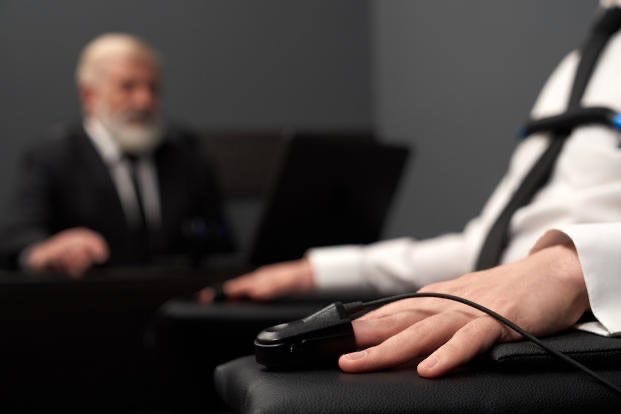
He led me into a small, windowless room furnished with a simple table, two chairs, and a tangle of wires attached to a large metal console. He explained the process in a calm, almost rehearsed tone: they would measure my breathing, pulse, blood pressure, and perspiration response while I answered a series of questions.
Before the exam began, he gave me an important speech. “We’re not here to trick you, Captain Carbone. We’re here to confirm what we already know about you. The polygraph helps us measure your honesty, your integrity, and your ability to remain composed under pressure.” It was almost word-for-word what Bill and Mr. Smith had told me.

The Polygraph Process
As the sensors were attached to my fingers and chest, I tried to relax, remembering to breathe evenly. The test began with simple baseline questions: my name, my date of birth, my military rank, and whether I was sitting down. Then the questions shifted — slowly, almost imperceptibly — from neutral to personal.
“Had I ever used illegal drugs? Ever been involved in a crime? Had I ever lied to a superior officer? Had I ever shared classified information?”
The examiner asked the same questions multiple times, worded slightly differently, circling topics like loyalty, sexual behavior, and foreign contacts. I could feel my pulse quicken each time a question touched on something sensitive — not because I was hiding anything, but because I knew the machine would register my anxiety.
At one point, the examiner stopped and looked at the readout. “You seem nervous, Captain,” he said quietly. “Yes, sir,” I admitted. “Because I know that this thing is more sensitive than my conscience.” He actually smiled at that.
After what felt like several hours, he turned off the machine and told me to wait in the hall. When he returned, he said simply, “You’ve passed.” Then, after a pause, “Not everyone does.”
Interviews Finished
I left the room physically exhausted but strangely exhilarated. I remembered what Bill and Mr. Smith had said — admit to everything true, hide nothing — and they were right. The truth had carried me through.
That evening, back in my hotel room, I loosened my tie, sat on the edge of the bed, and felt the weight of the day settle in. Whatever direction my life would take next, I knew I’d just crossed a threshold few ever see from the inside.
Back to the Chemical School for my Final Days on Active Duty
I returned to Fort McClellan for what would turn out to be my last time. Not long after settling back in, I received a call from Bill. As always, his voice was calm and deliberate. “Hello, Anthony?” “ Yes, sir?” “This is Bill. Can you speak?”
Once I confirmed I had privacy, his tone shifted. “I wanted to let you know that your interviews and polygraph examination went very well. The Agency would like to offer you a position as a Military Analyst for the Soviet Bloc.”
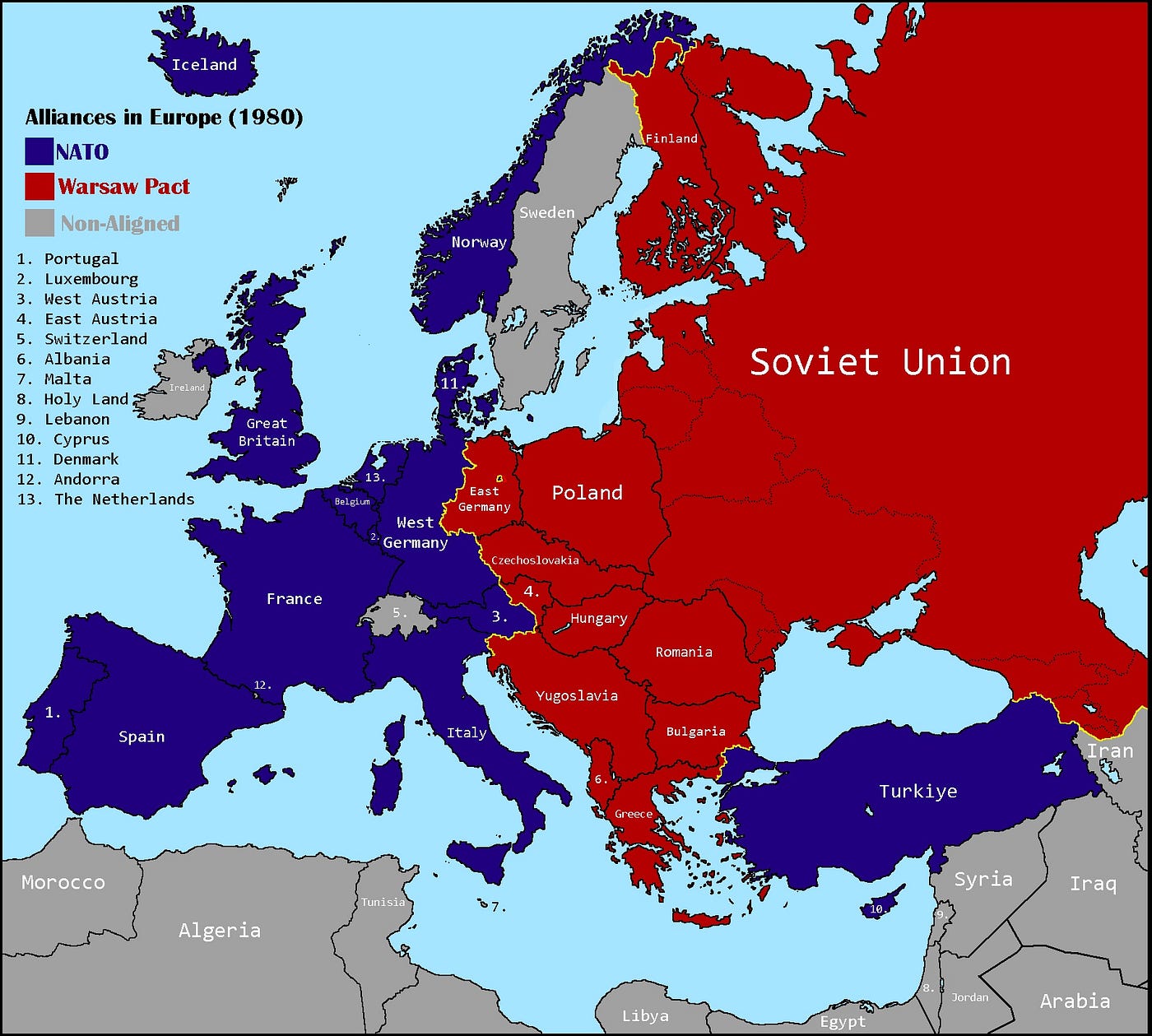
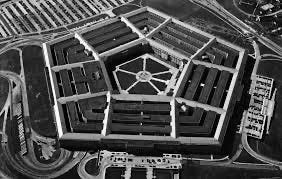
I could hardly believe what I was hearing. After months of background checks, psychological testing, and those long, exhausting interviews at Langley, this was it — the call I’d been waiting for. Bill went on to explain that the Directorate of Intelligence required all of its analysts to be enrolled in graduate-level coursework. On his recommendation, I applied to Georgetown University’s Security Studies Program with the School of Foreign Service at the Pentagon.
I was beaming with excitement about the future. My mind kept racing ahead to Washington — graduate school, the Agency, the work I would be doing — while the daily grind at the Chemical School suddenly felt mundane, almost irrelevant.
Leaving the Army
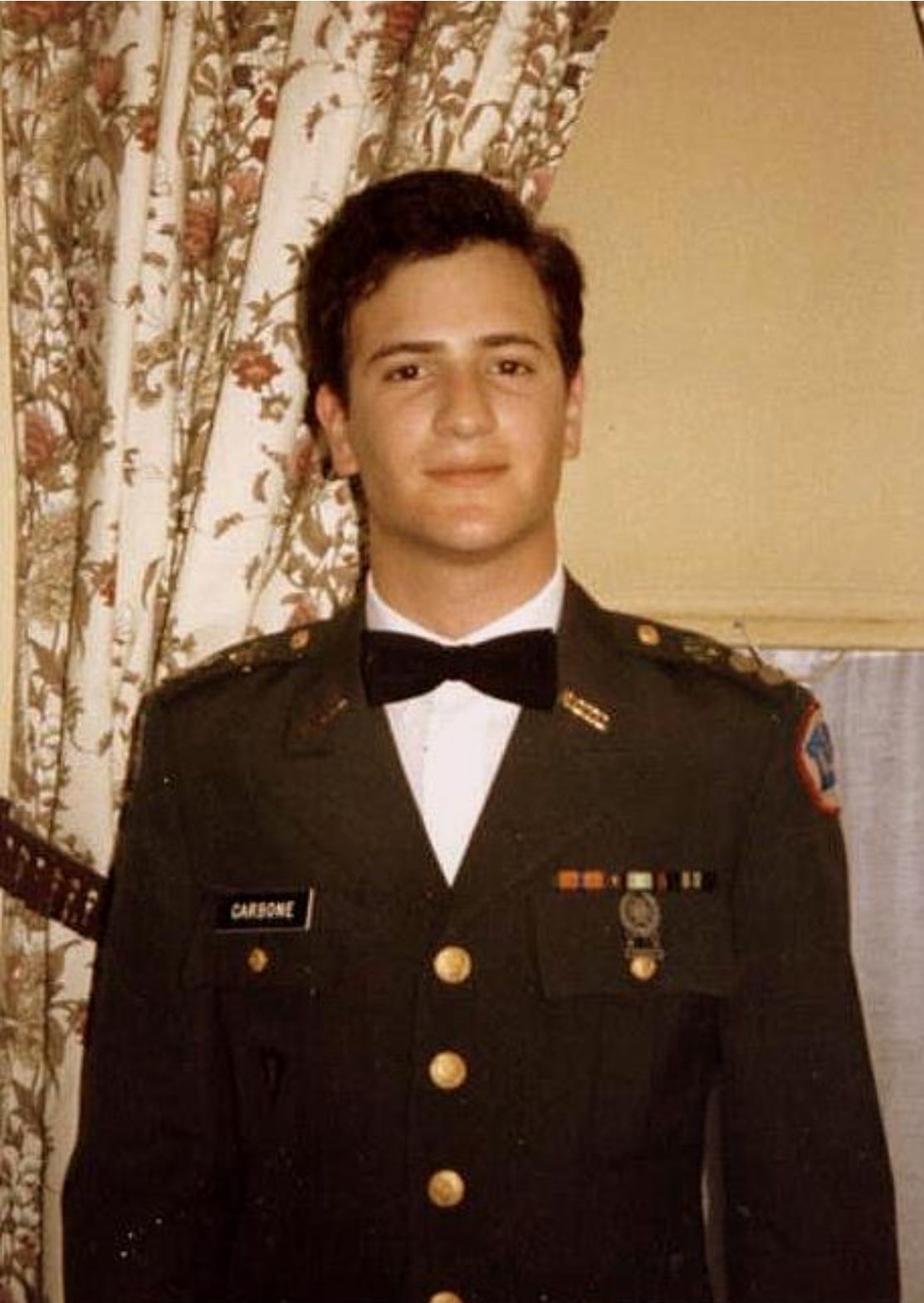
Before I knew it, my last day of active duty — 1 August 1985 — had arrived. I was proud to be leaving the service on my own terms, with an open path ahead and a promising new role waiting for me in the intelligence community. Even though I was separating from active duty, I was comforted knowing that I would remain in the Army’s Active Ready Reserve, still part of the larger mission.
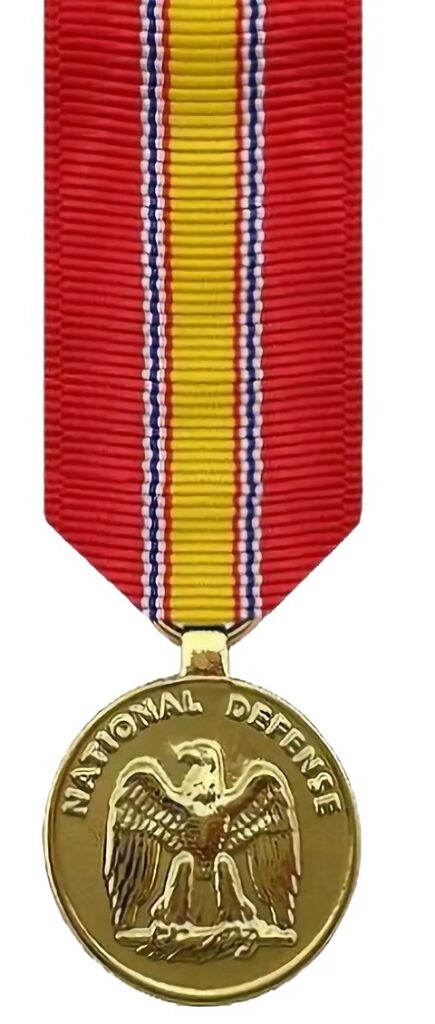
Receiving A Departing Decoration (Medal)
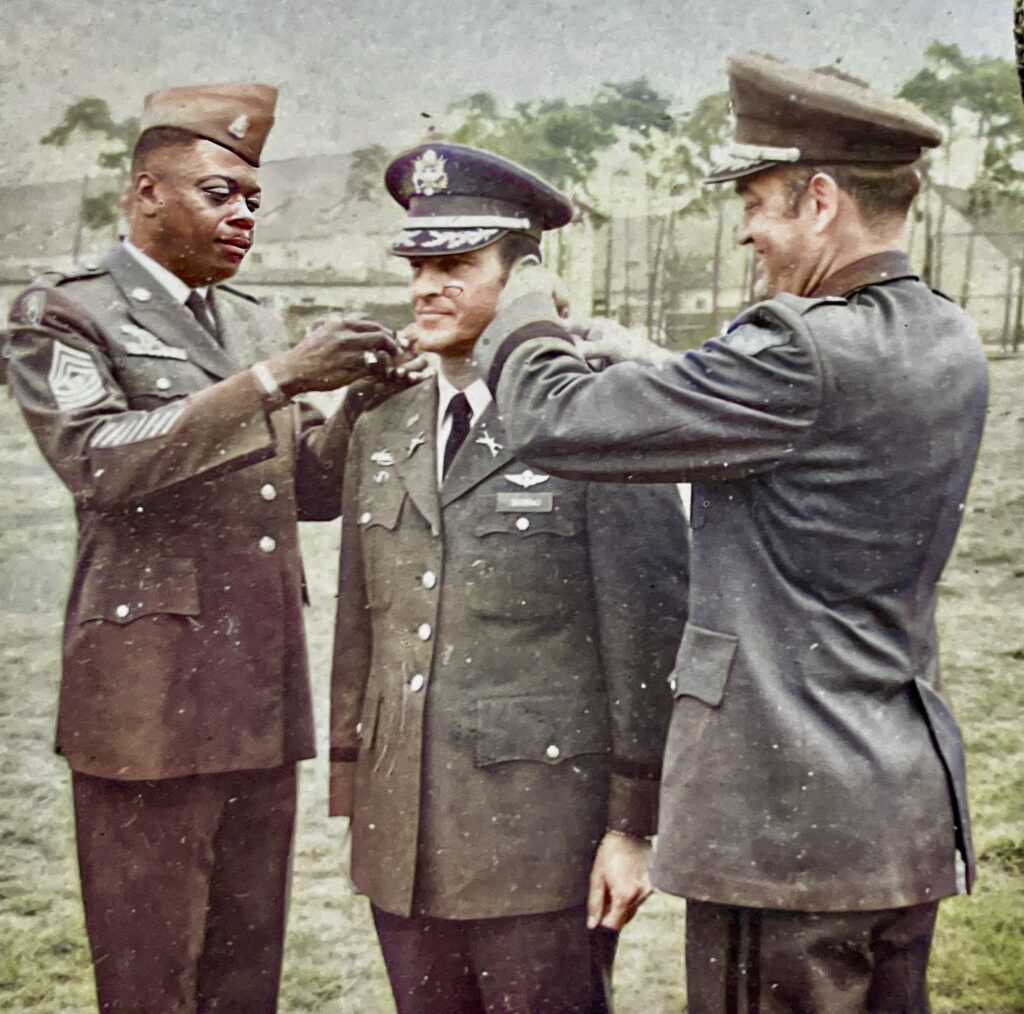
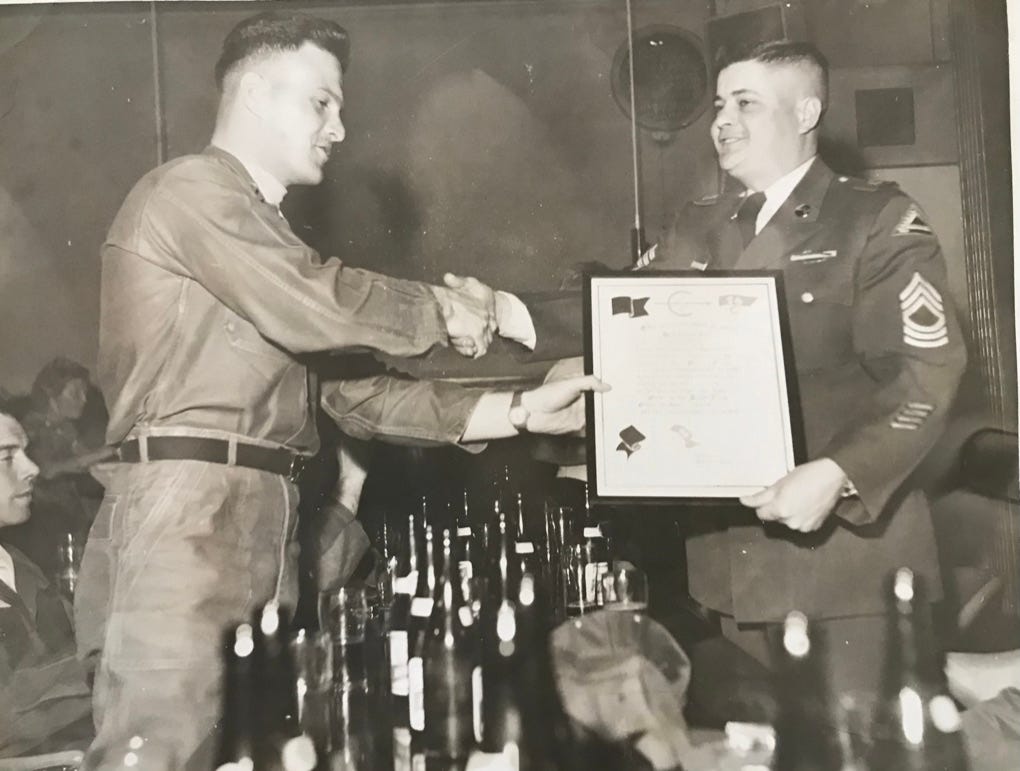
A few days earlier, on 23 July 1985, I was summoned to report to Colonel Craig’s office. When I stepped inside, the room was filled with senior members of the Directorate. Standing near the front was an officer holding a familiar green folder — the kind used for award certificates and orders. I immediately knew what it meant.
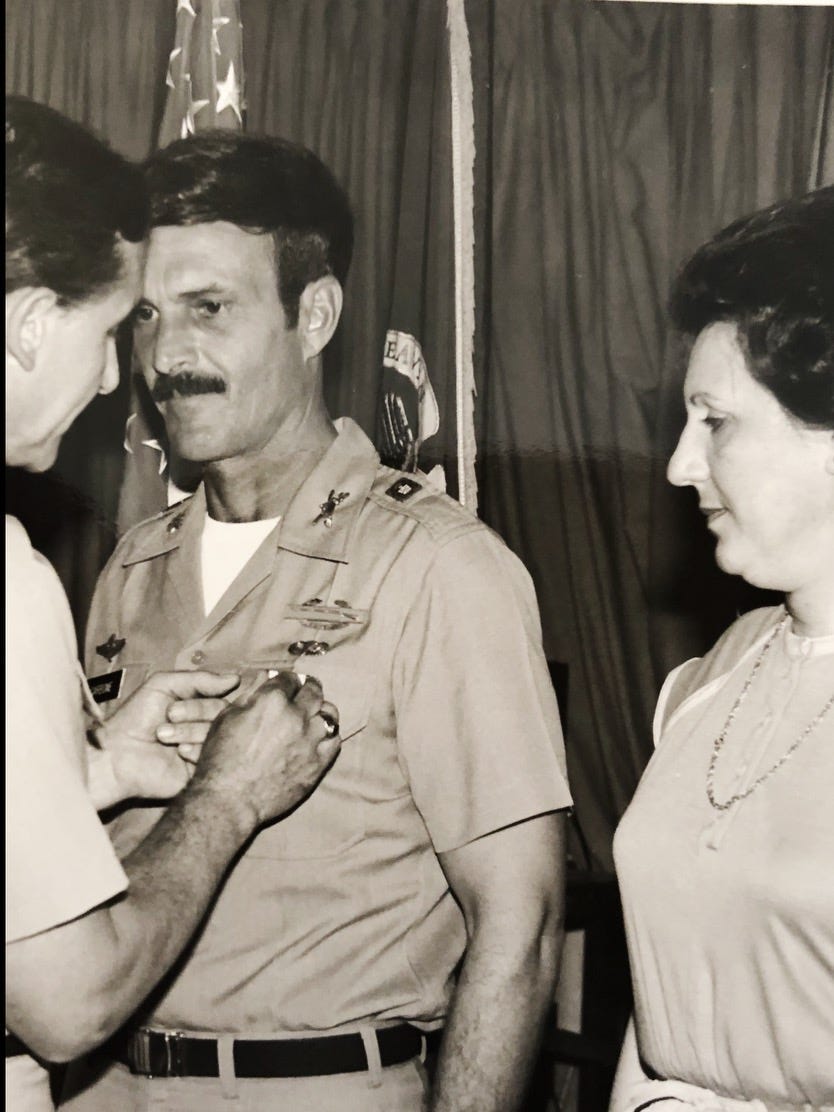
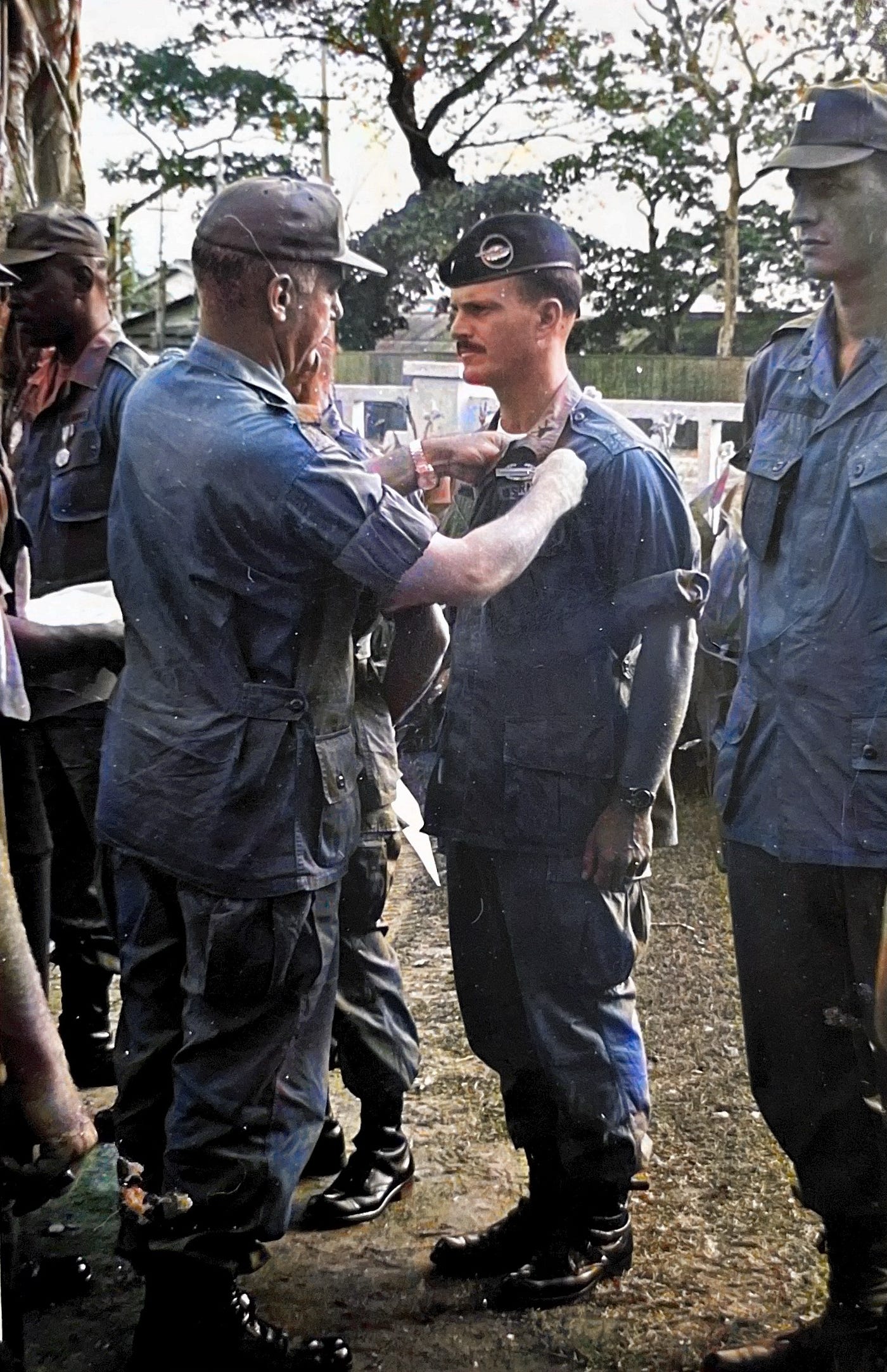
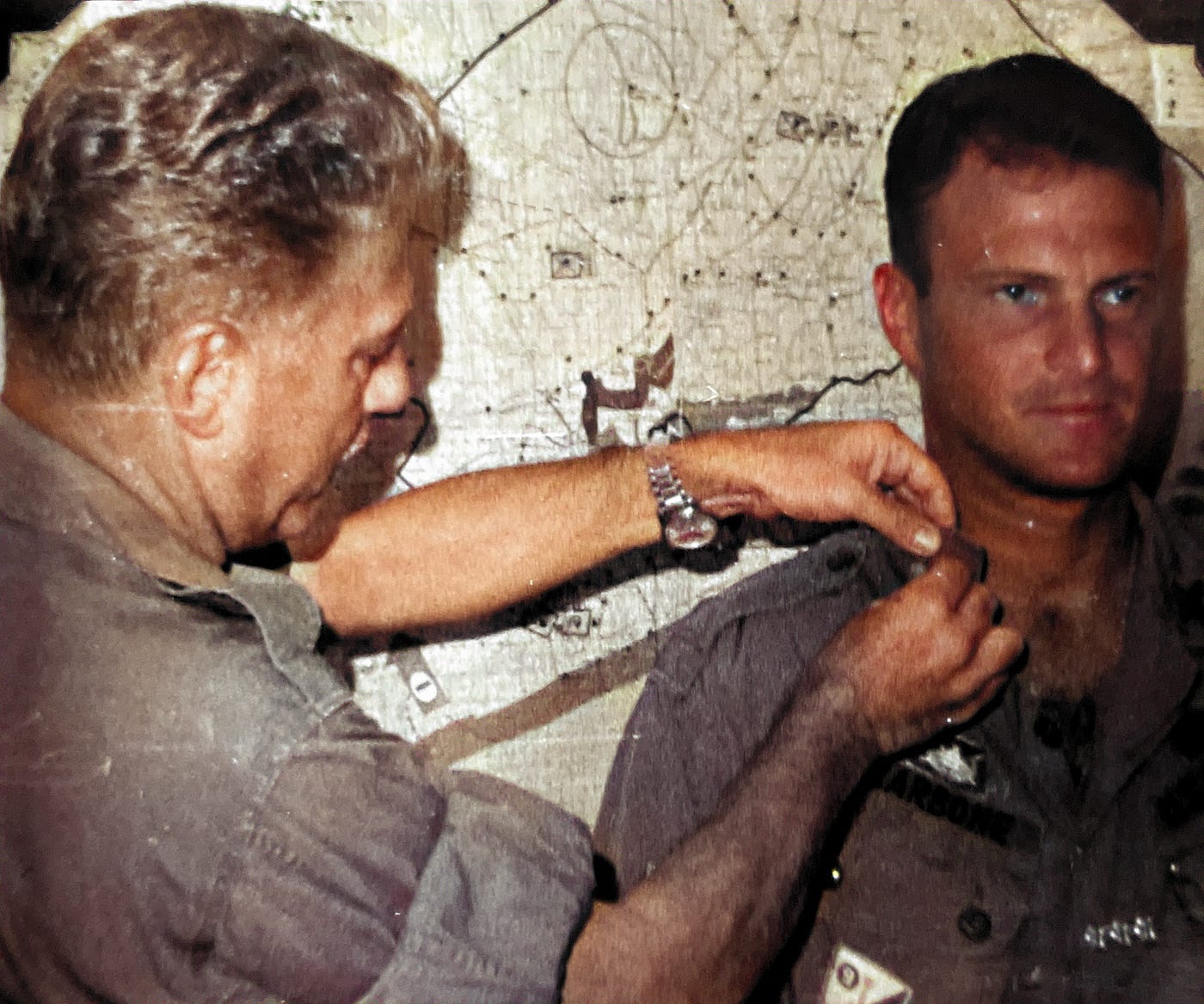
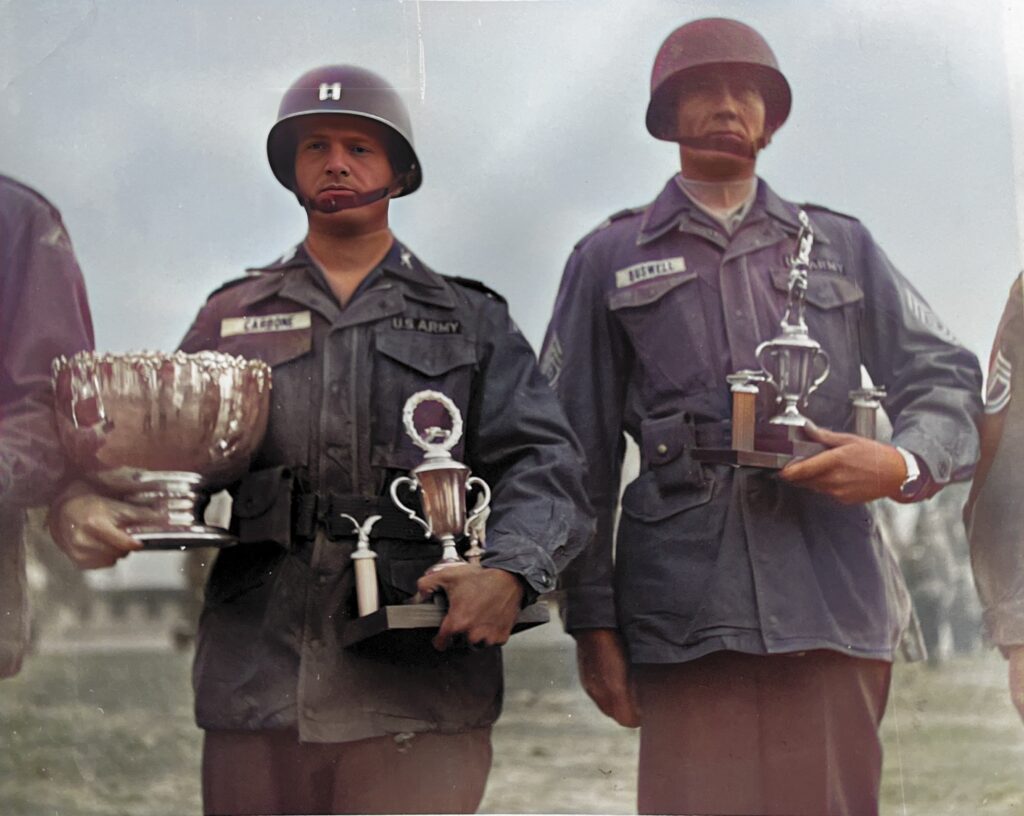
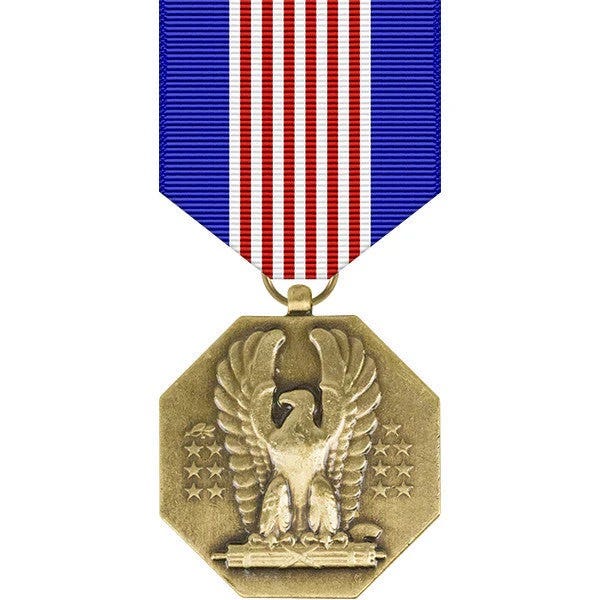
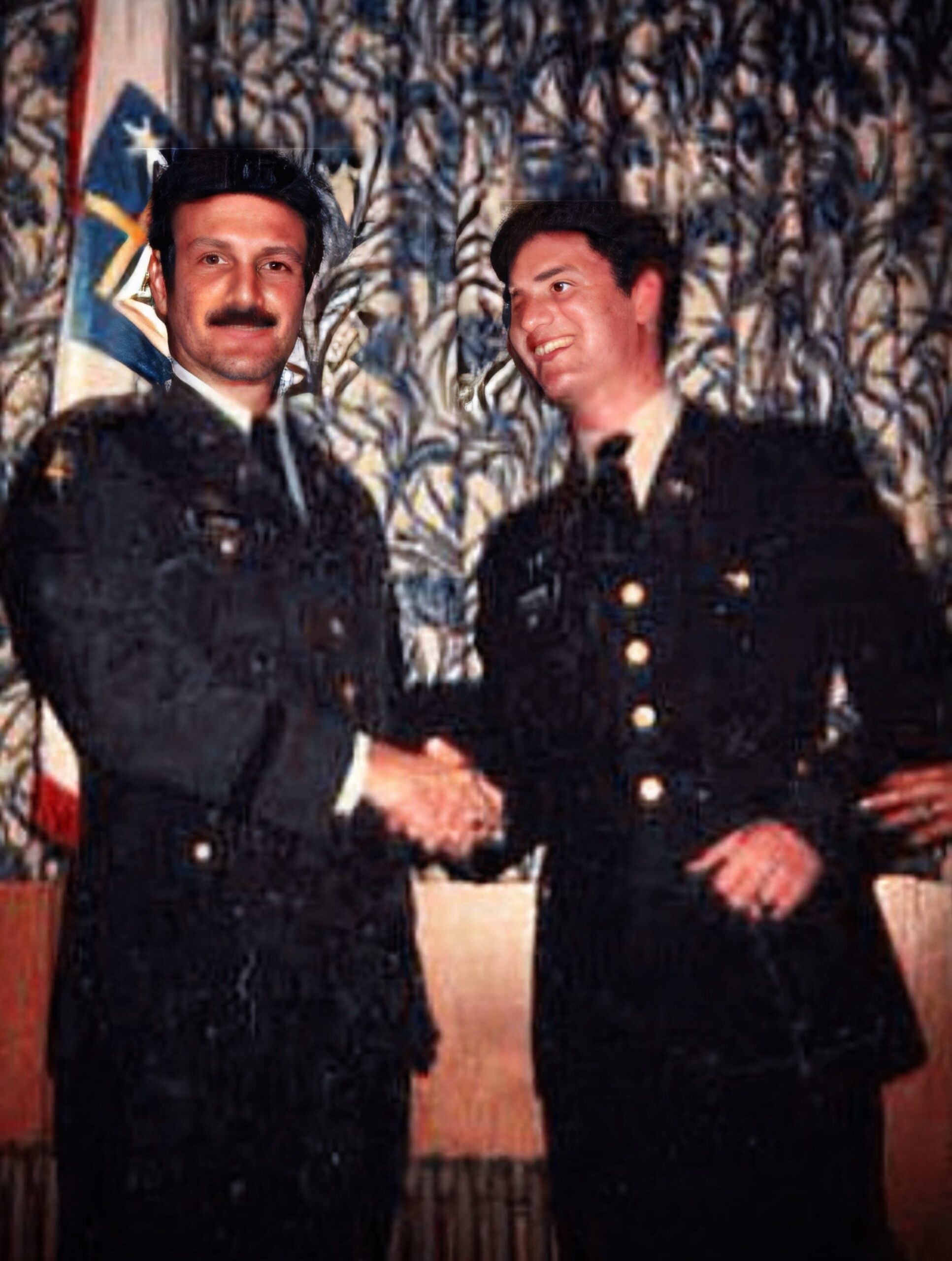
I was asked to come forward and stand beside Colonel Craig, facing the group. The officer called the room to attention. “Attention to orders! This is to certify that the Secretary of the Army has awarded the Army Commendation Medal with First Oak Leaf Cluster to Captain Anthony J. Carbone, United States Army…”
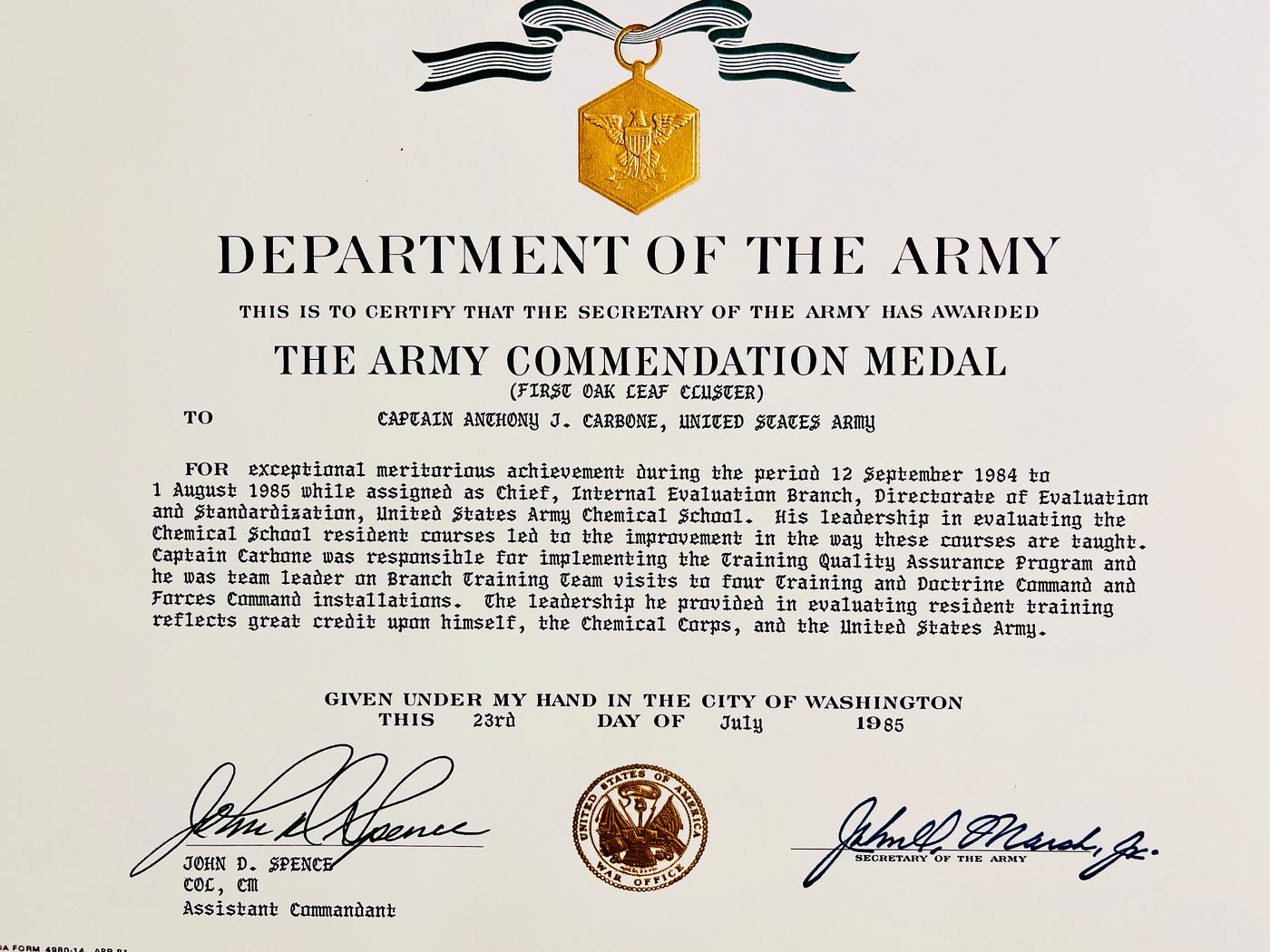
When Colonel Craig took the medal and pinned it to my chest, he leaned in close and whispered, almost under his breath, “This is for firing my secretary.” We both smiled and chuckled because we knew it was probably true.
Saying Goodbye to the Directorate and Active Duty
After the applause died down, I shook hands with the officers and NCOs around the room, said my goodbyes, and returned to my quarters to finalize clearing the post — and to prepare to leave the Army itself. I was relieved to know that I would remain in the Active Ready Reserves for several years.
It was an emotional moment. I had grown up in uniform, and this chapter of my life had defined who I was. Yet I was filled with energy and anticipation for what lay ahead — new challenges, new responsibilities, and perhaps a new calling in the shadowy corridors of intelligence.
For the first time in years, I felt both free and certain of my direction. The Army had shaped me, but now it was time to step into the next phase of my service — to my country, and to something far more secret. Well, I thought that I knew what I was doing….
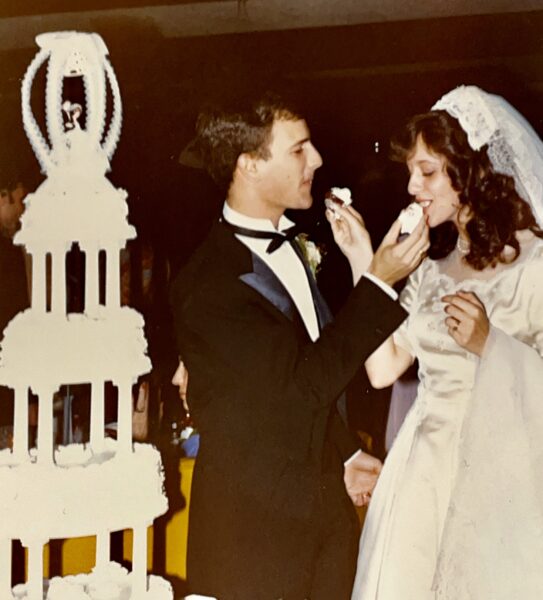


































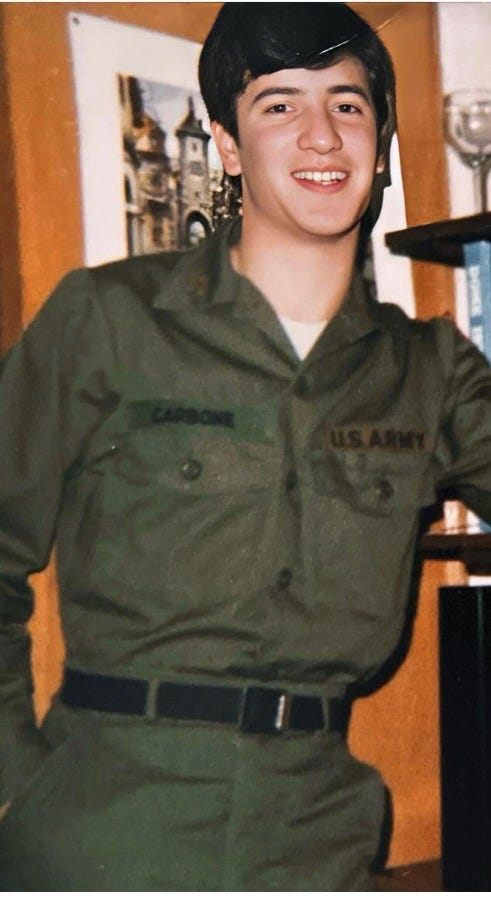
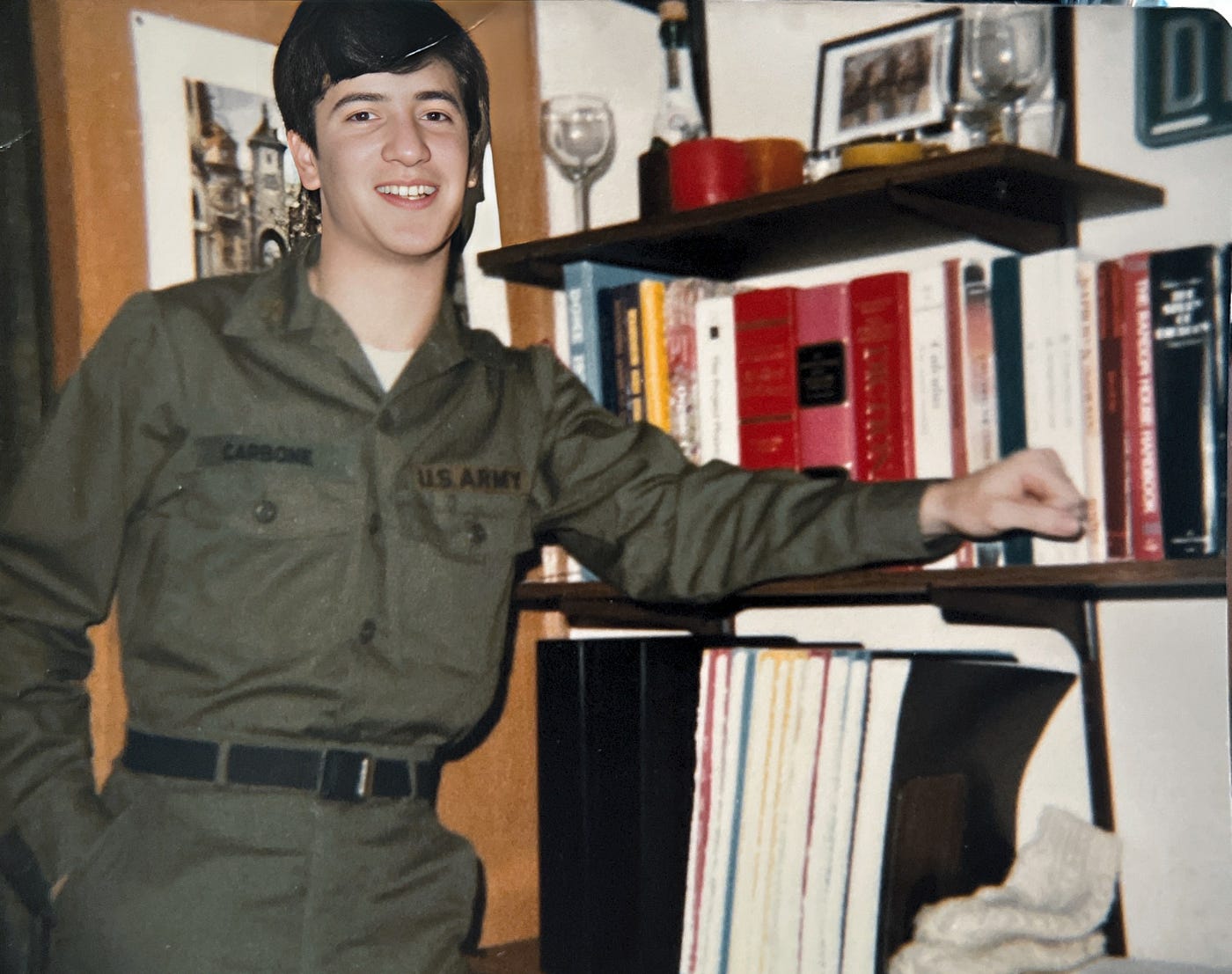
![In my Army ROTC fatigue uniform in my room at Fisher Hall, University of Notre Dame. Autobiography of Dr. Anthony J. Carbone. [Young Army ROTC cadet wearing olive drab fatigue uniform. In his college dormitory room. Floating shelves on wall filled with text books, notebooks, candles and souvenirs from Germany.]](https://anthonyjcarbonemd.com/wp-content/uploads/2025/08/1Og0VkV2HjO45XUpbslw1EQ-1.jpg)
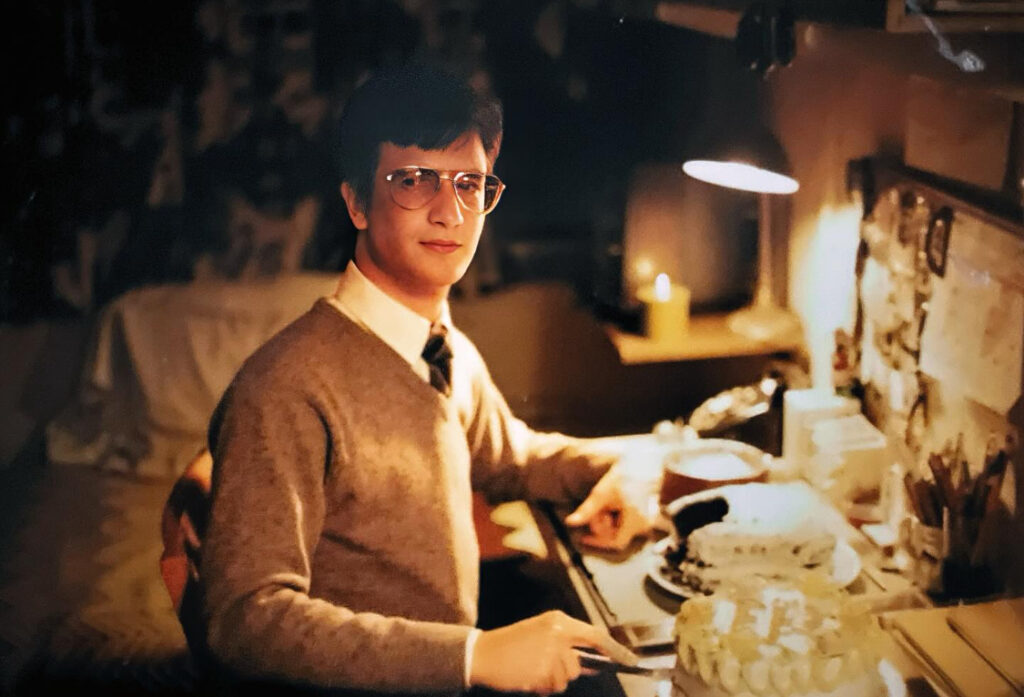
![My dorm room at Fisher Hall on my birthday. University of Notre Dame. Autobiography of Dr. Anthony J. Carbone. [Student wearing glasses in white shirt and necktie wearing a grey V-neck sweater with two birthday cakes in front of him. Dormitory room with desk, lamp, bed, and small tv.]](https://anthonyjcarbonemd.com/wp-content/uploads/2025/08/10ZEWuIuDXxT2PTgUrzFttw-1.jpg)