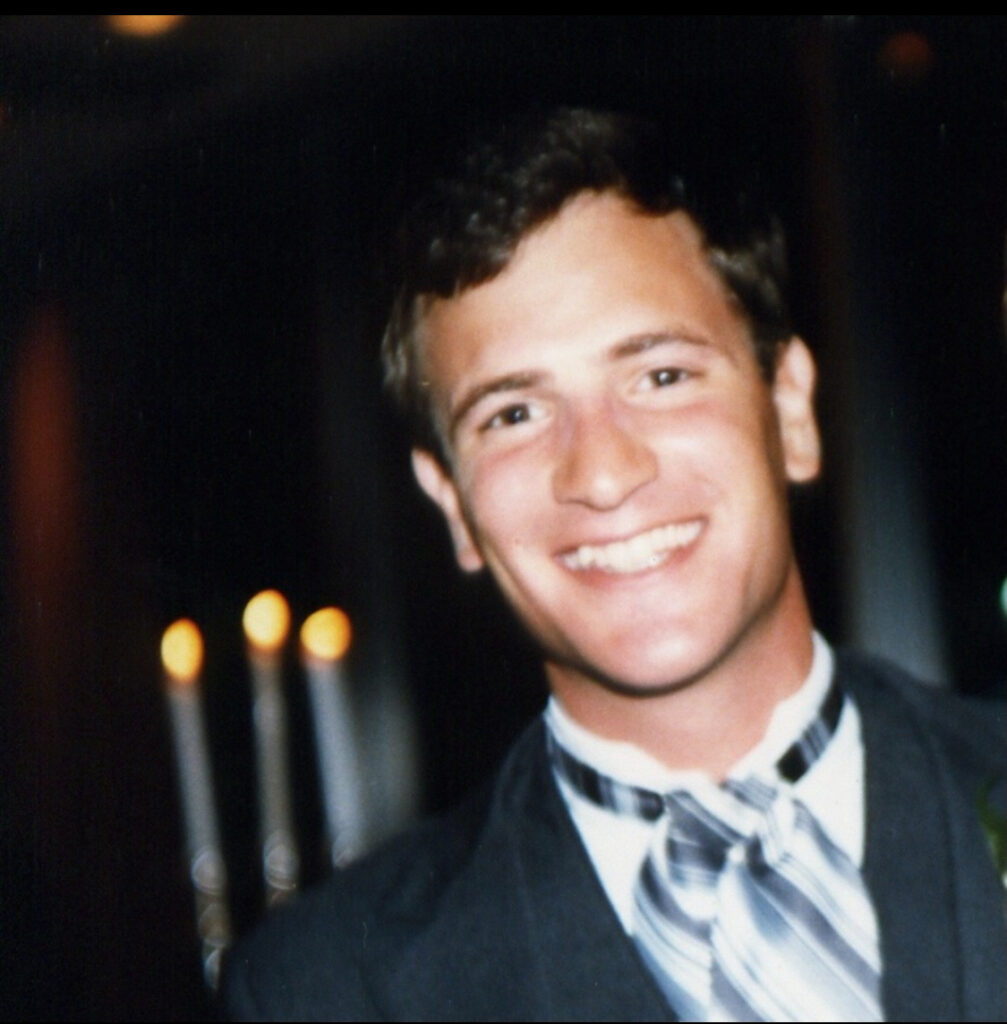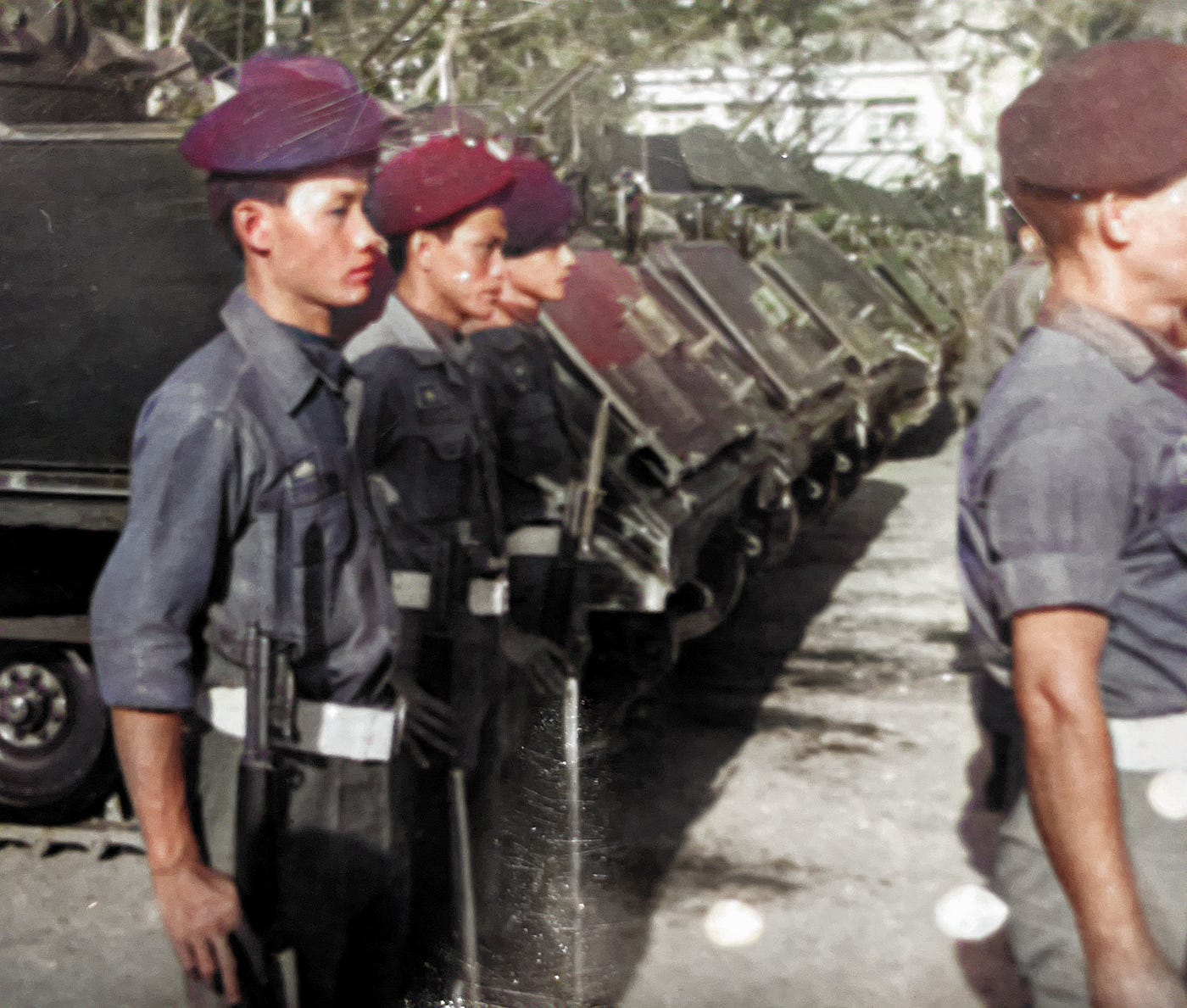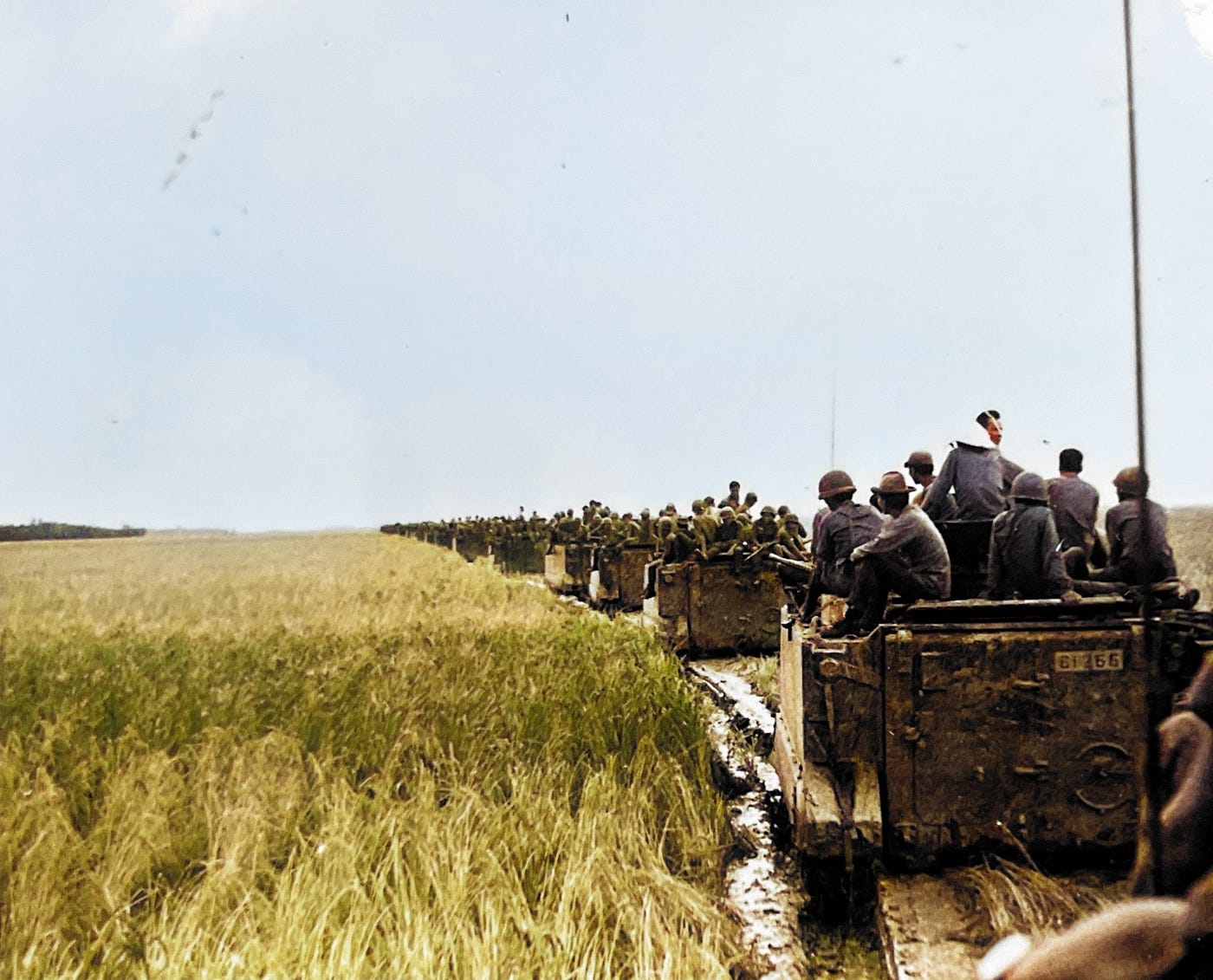
Chapter 26 — Joining the Soviet 32nd Guards Motorized Rifle Regiment (OPFOR) at Fort Irwin (1982–1984)

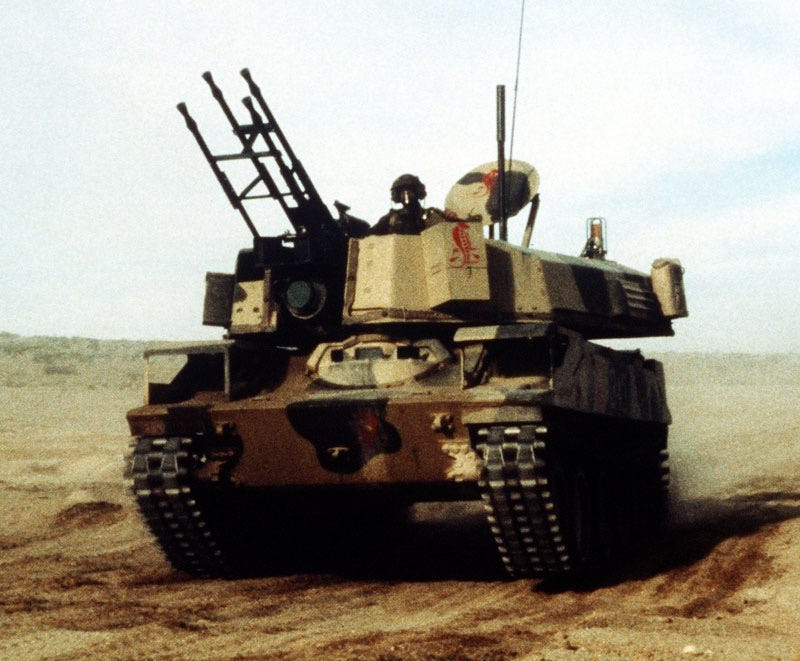
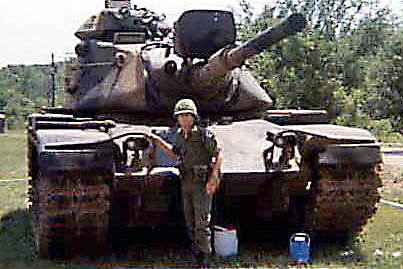
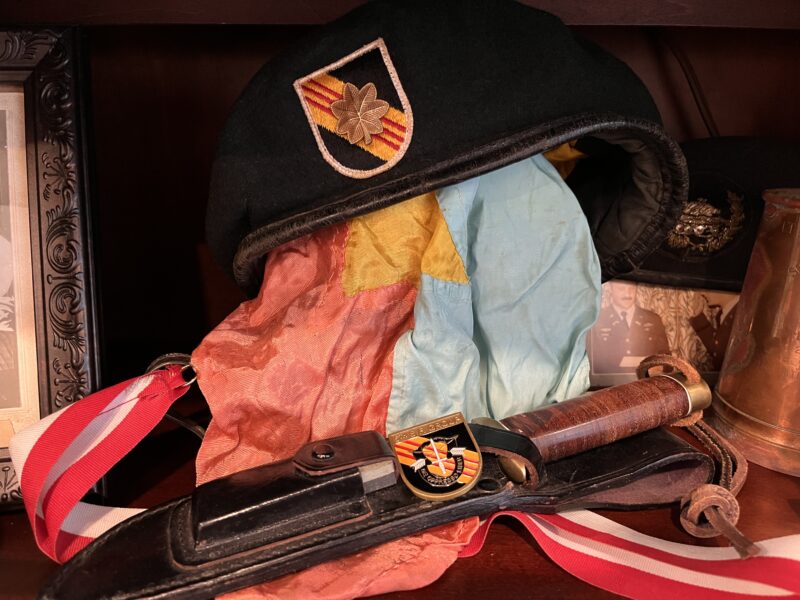
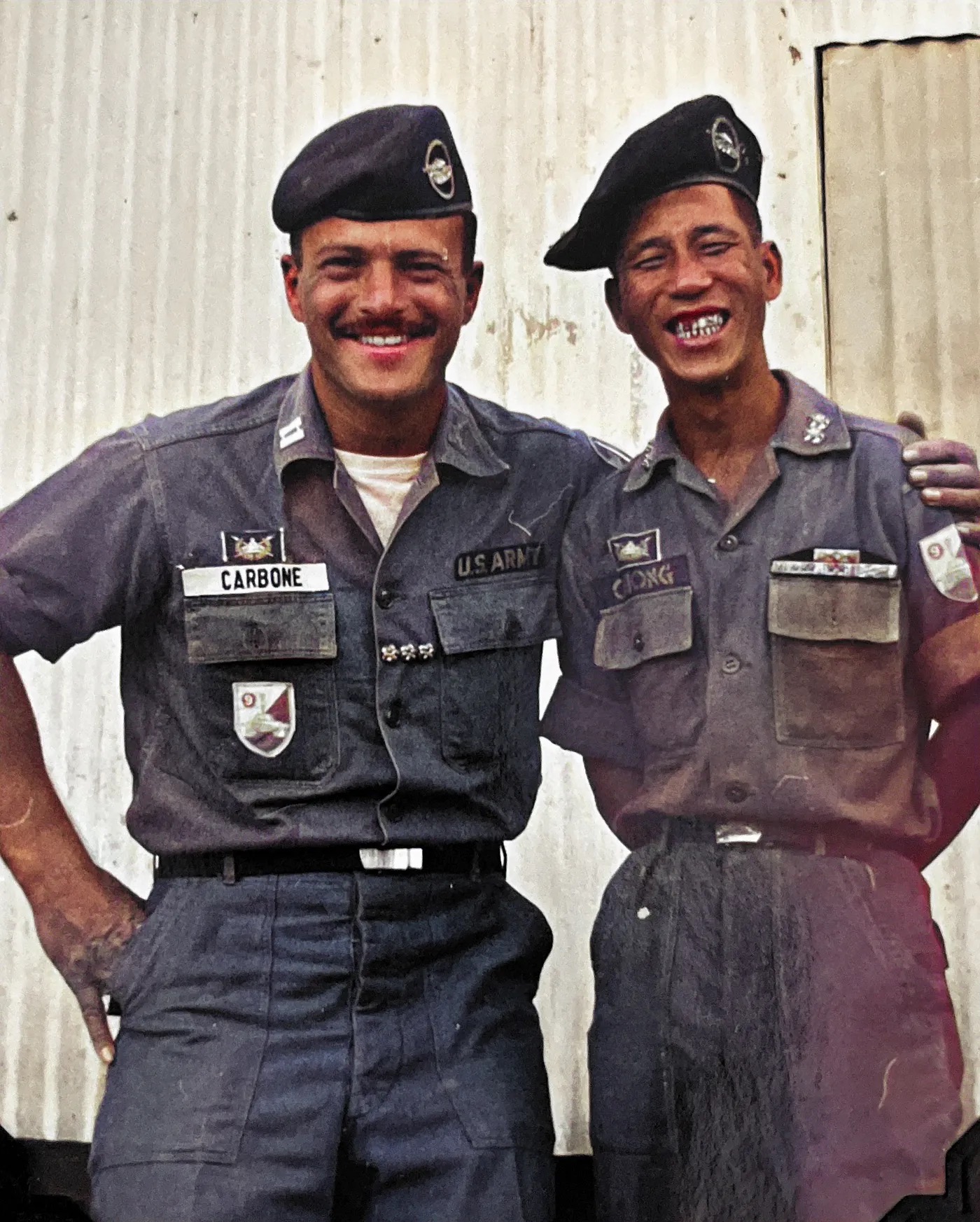
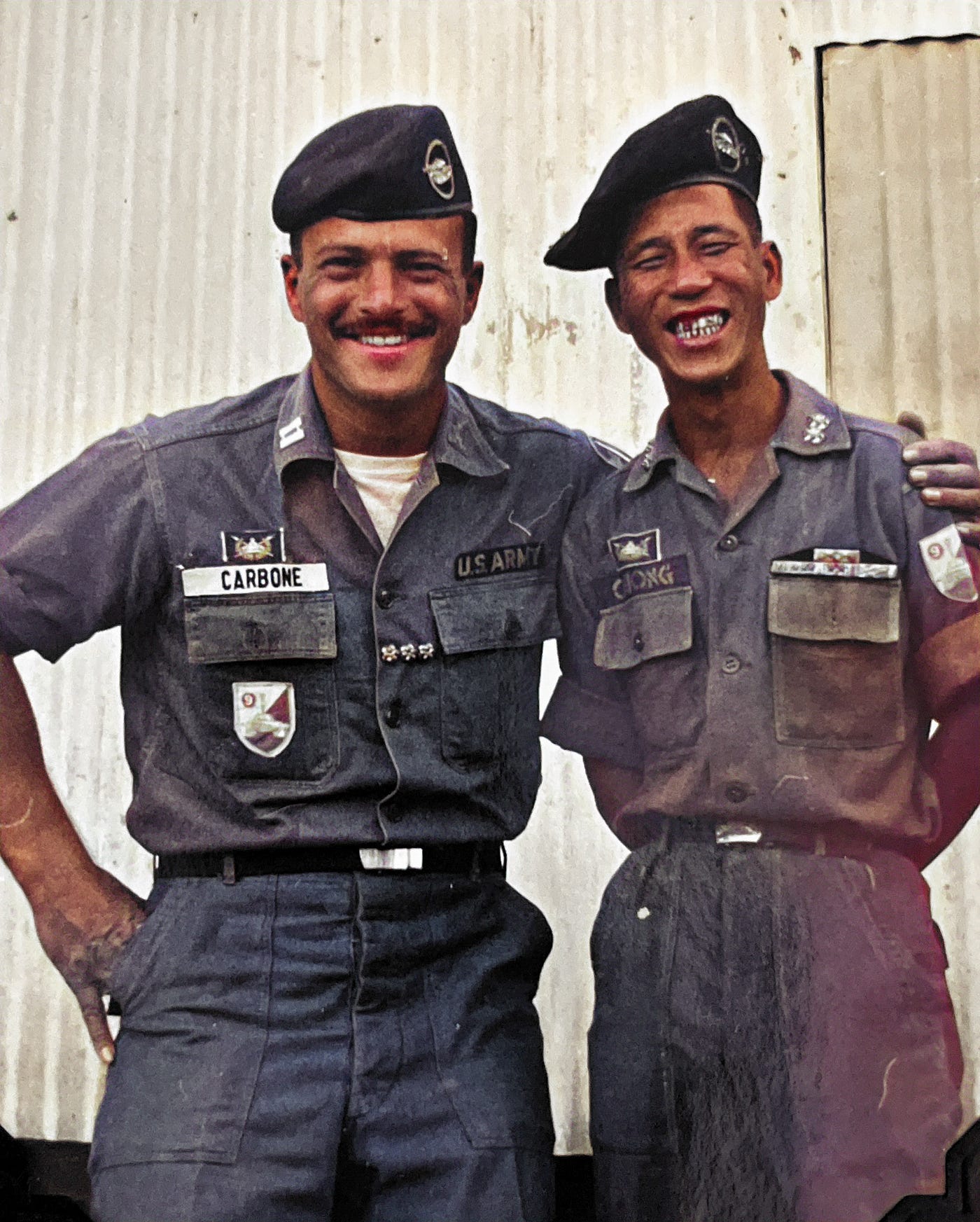
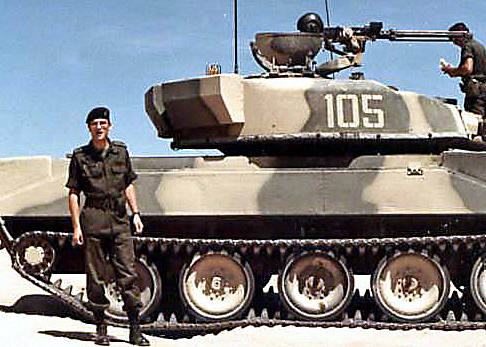
1LT Anthony Carbone in OPFOR uniform in front of a Soviet style T72 VISMOD at the National Training Center at Fort Irwin, California.

Believe Nothing You Hear, and Only Half of What You See — A memoir of Service, Shame and the Search for Truth

A New Life Begins

Mariann and I were married October 30, 1982. For the first time in my life, I felt the weight and joy of building a life with someone else. The Army, of course, had no intention of slowing down to let me savor it. As soon as the wedding was behind us, I was already thinking about orders, logistics, and the next assignment. I had been stationed at the National Training Center at Fort Irwin, California, since November 1981. Now it was time to bring my new bride west and set up our first home together.
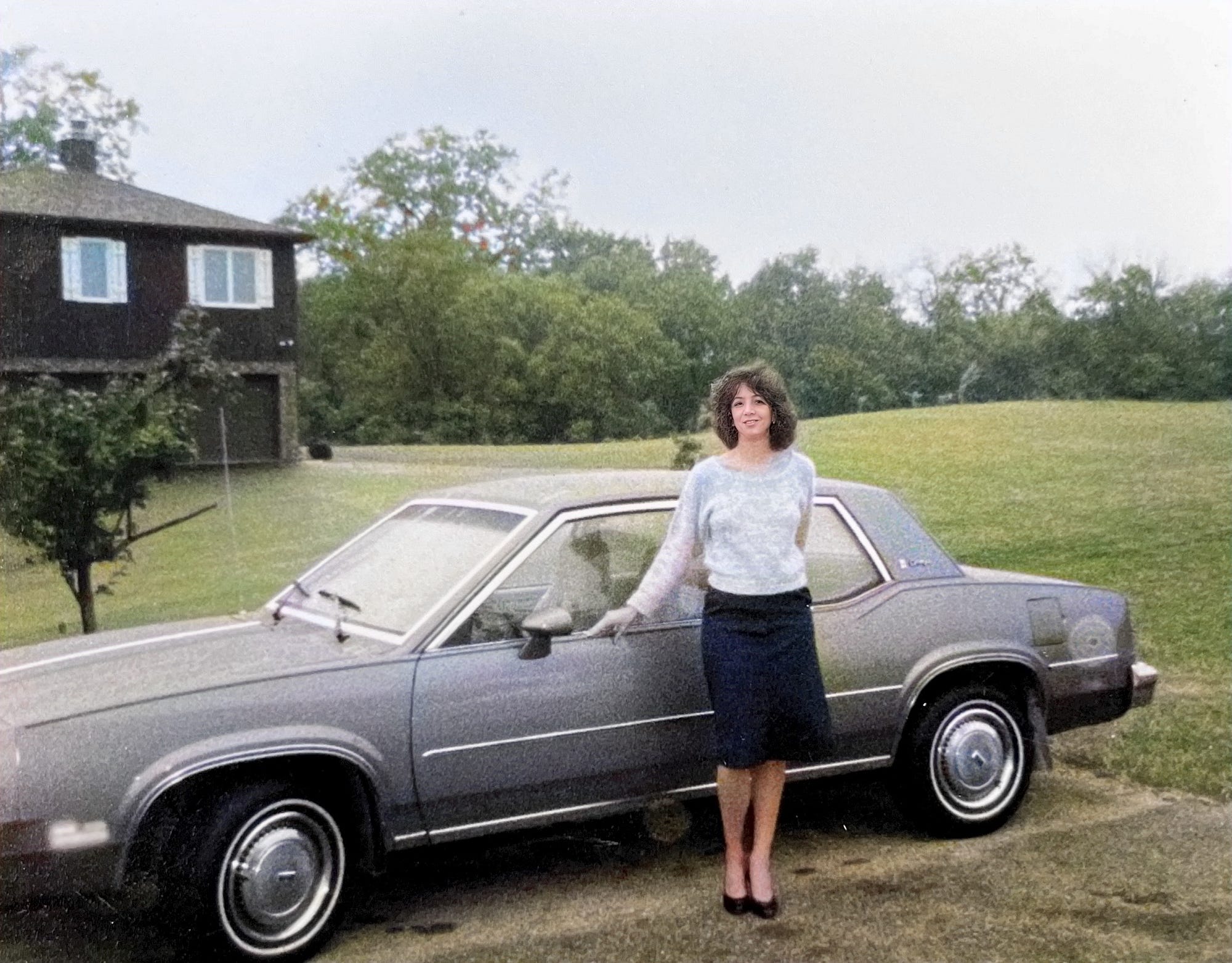
Mariann Schmitz Carbone at her home in Wheaton, Illinois before moving to Fort Irwin, California with her new husband, 2LT Anthony J. Carbone in November 1982.
Mariann in front of her car at her home in Wheaton, Illinois before leaving for Fort Irwin, California

Visit to Naval Station Great Lakes to Ship Our Household Goods

I had to arrange for the shipment of our household goods from Mariann’s hometown of Wheaton, Illinois. Armed with a folder of official orders, I drove to the Naval Station Great Lakes. I found the Personal Property Department. It was barely 0700, but a long line of service members — at least a hundred — had already formed. I dutifully took my place at the end of it.
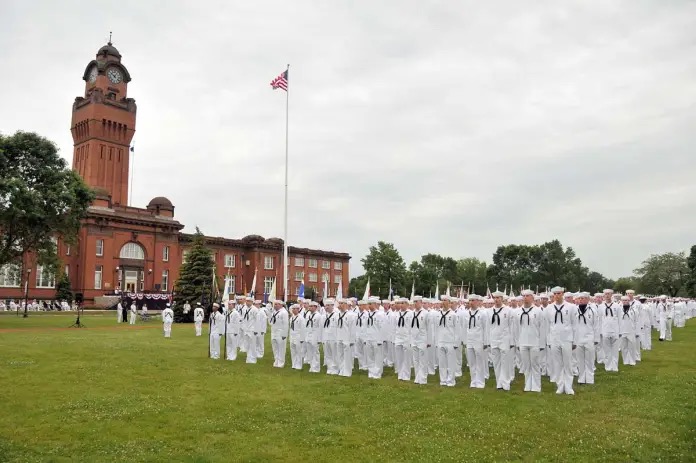
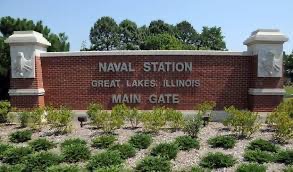
A Navy Petty Officer soon noticed me and walked over with a puzzled expression. “Sir, what are you doing?” he asked.  “I’m in line to get my household goods shipped,” I replied. He tilted his head, squinting as if he hadn’t heard me correctly.  “But, Sir… what are you doing here?” Again, I repeated myself, and this time he shook his head.  “Sir, please follow me. Officers do not wait in line.”
Learning the Navy Way

He led me to his desk and motioned for me to sit down. After reviewing my orders, he began a rapid-fire series of questions: How much did I plan to ship? How many dependents? How many bedrooms? Any vehicles or heavy equipment? I answered them as best I could.

Then he asked when I wanted my household goods picked up. “How much warning time do you need?” I asked. His tone sharpened. “That is not what I asked you, Sir. I asked you when you want your household goods picked up.”  I hesitated.  “Is tomorrow morning possible?” He nodded. “No problem. The packers will be there at 0700. You’ll also see someone from this office to check on the move. Good luck, Sir.”

And sure enough, the next morning, a team of professional movers arrived at Mariann’s home right on time. As I watched them pack and load our things, I couldn’t help but think that maybe I had joined the wrong branch of service. The U.S. Navy certainly treated its officers differently from the Army.

A Hasty Journey West

Unlike the carefree solo trip I had taken along Route 66 just a year earlier, the drive west with Mariann was hurried and utilitarian. There was no time for sightseeing or detours this time. Duty was calling, and I was eager to get back to work. We drove nearly straight through to California. Mile after mile, trading the familiar Midwest landscapes for the vast, empty expanses of the Mojave Desert.

New Government Quarters at Fort Irwin

When we finally arrived at Fort Irwin, I checked us into the Visiting Officers’ Quarters. We stayed until I could sign for on-post housing and our household goods arrived. Soon, we were given a small yellow stucco house in the company-grade officers’ neighborhood. It wasn’t large, but it was ours. A palm tree stood proudly in front of the house, and low desert shrubs circled the yard. Over time, I even managed to coax a small patch of green lawn from the dry ground. It was a small victory that earned us the “Quarters of the Month” award.
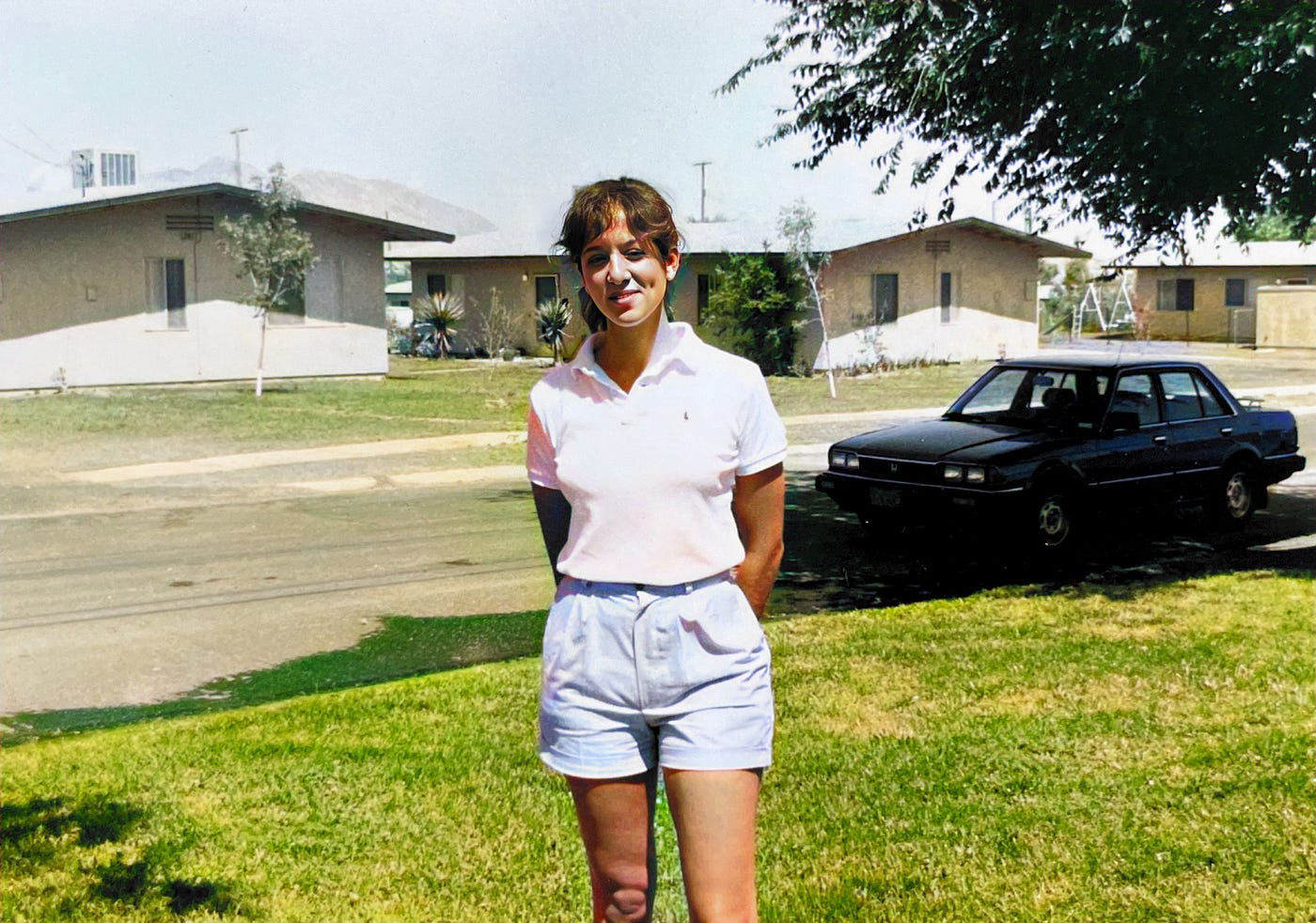
Mariann in front of our quarters in the Company Grade Officer housing area at Fort Irwin.  Biography of Dr. Anthony J. Carbone.
Our Company Grade Officer Quarters at Fort Irwin
Mariann near the big palm tree on our quarters property at Fort Irwin.  Biography of Dr. Anthony J. Carbone.

Mariann Fixes Up Our Home

Mariann threw herself into making the house a home. She transformed that little stucco building into a cozy, welcoming space — curtains on the windows, our wedding gifts neatly arranged, the smells of her cooking drifting through the rooms. It felt like the beginning of something hopeful and new.
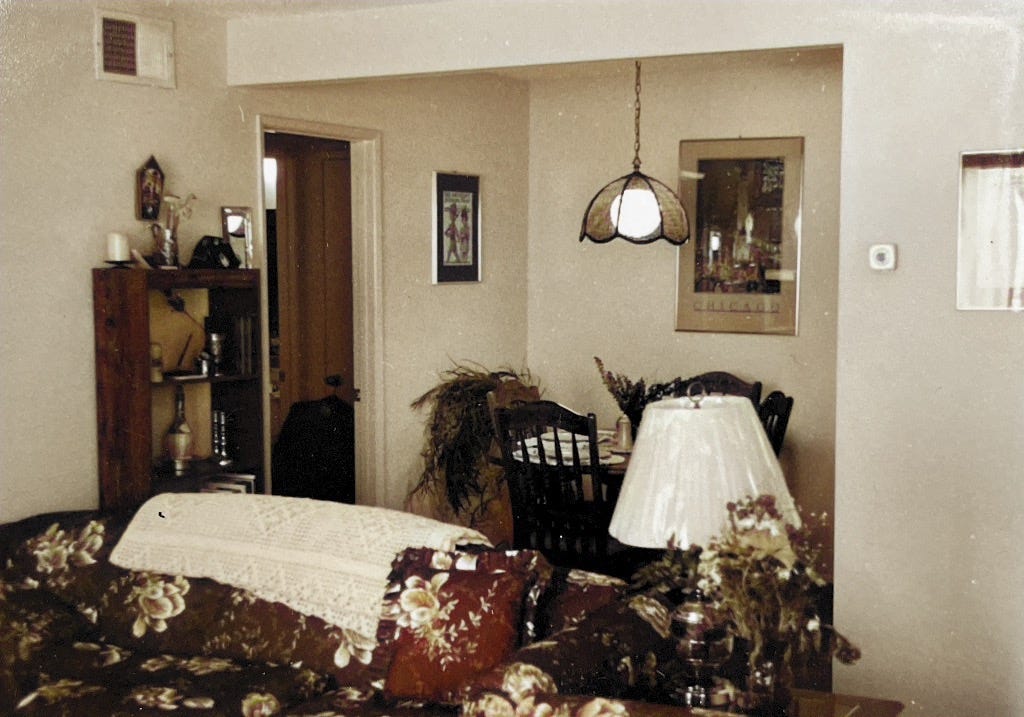
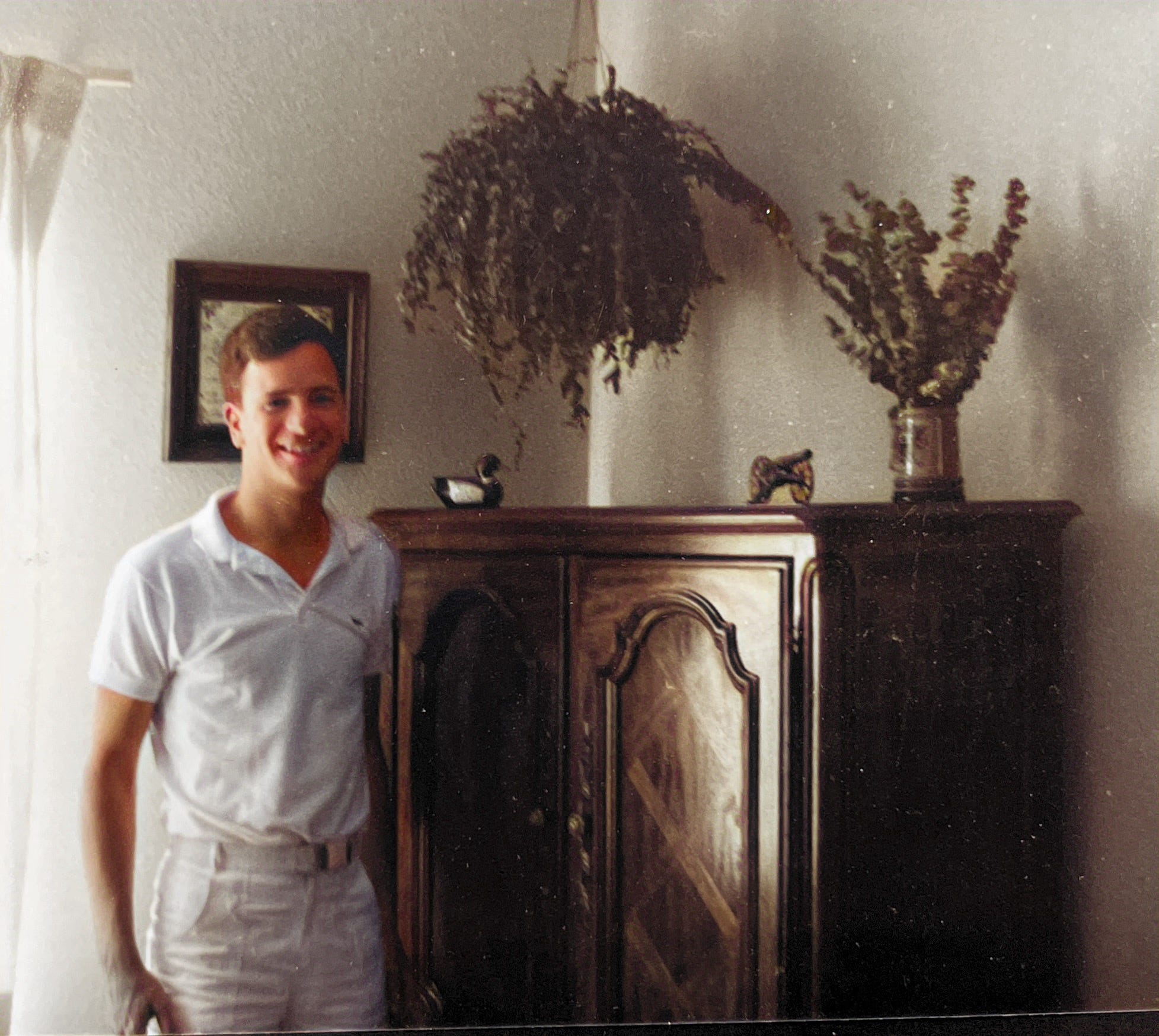
Interior of our government quarters at Fort Irwin, California.  Biography of Dr. Anthony J. Carbone.
Interior of our quarters at Fort Irwin
Interior of our government quarters at Fort Irwin, California.  Biography of Dr. Anthony J. Carbone.

But that hope was quickly overshadowed by the reality of my job. Almost as soon as we had unpacked, I received new orders: I was being reassigned to the Opposing Forces — the OPFOR — to join the Soviet 32nd Guards Motorized Rifle Regiment. I was excited by the professional opportunity. This was a chance to prove myself in a real combat unit and to learn the art of large-scale battle from the inside out. But it also marked the start of a grueling new phase of life.
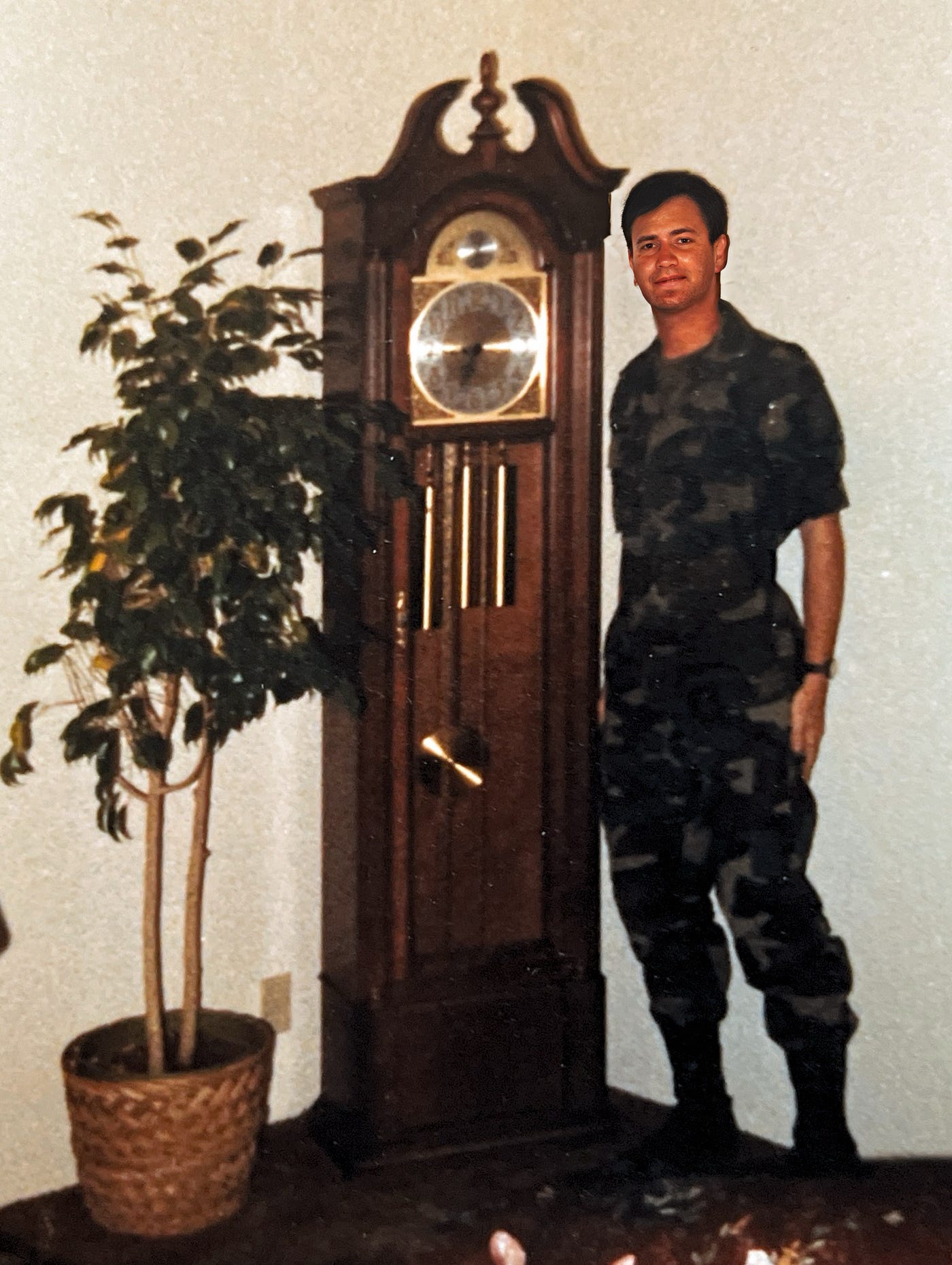
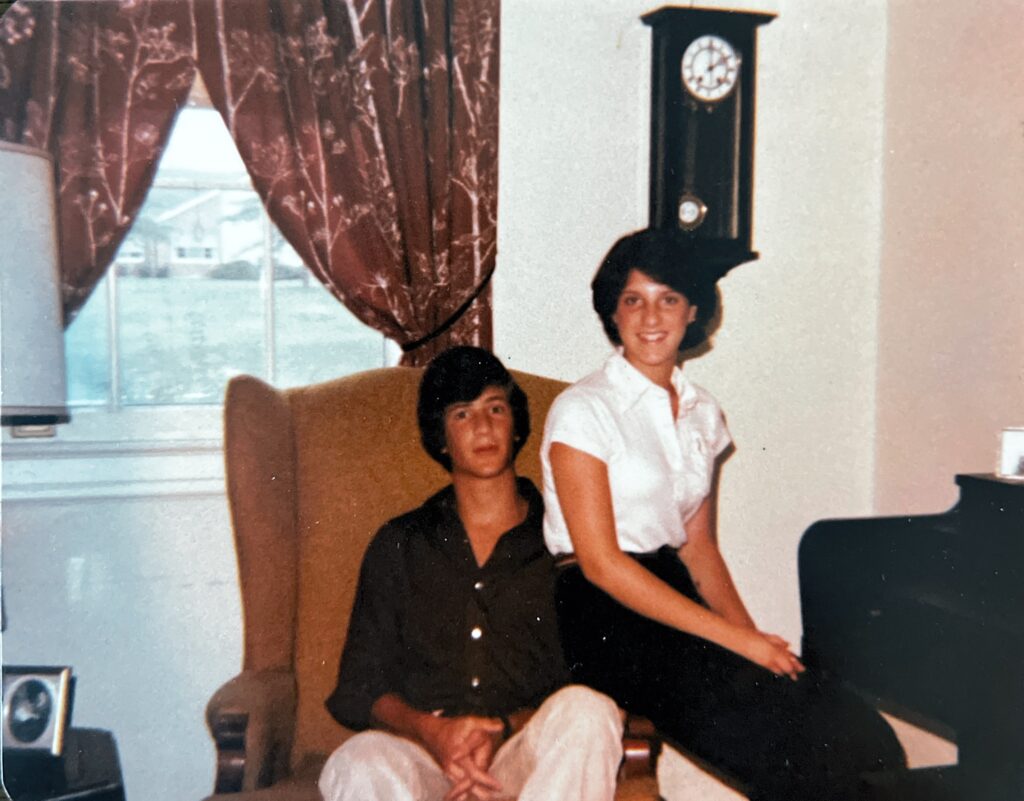
2LT Anthony J. Carbone in Battle Dress Uniform (BDUs) in our government quarters at Fort Irwin.  Grandfather clock was a wedding gift from my father.
The last time I had a 28-inch waist. Grandfather clock was a wedding gift from my father.

The irony was not lost on me: while Mariann was pouring her heart into creating our first home together, I was already being pulled away from it. In truth, I can barely remember being there after that. The OPFOR’s mission consumed nearly every waking hour. The National Training Center was the most realistic, intense combat training environment in the Army, and once I stepped into that world, the rhythms of normal life seemed to vanish.

New Wife, New Boss, New Rank

In the midst of all these changes, leadership at the National Training Center was shifting too. My boss, LTC Billy Jo Piper, received new orders and departed, and LTC Gary Roderick assumed command of DPTSEC (Directorate of Plans, Training, Security, and Evaluation Center). Under his leadership, the tempo of operations only increased.

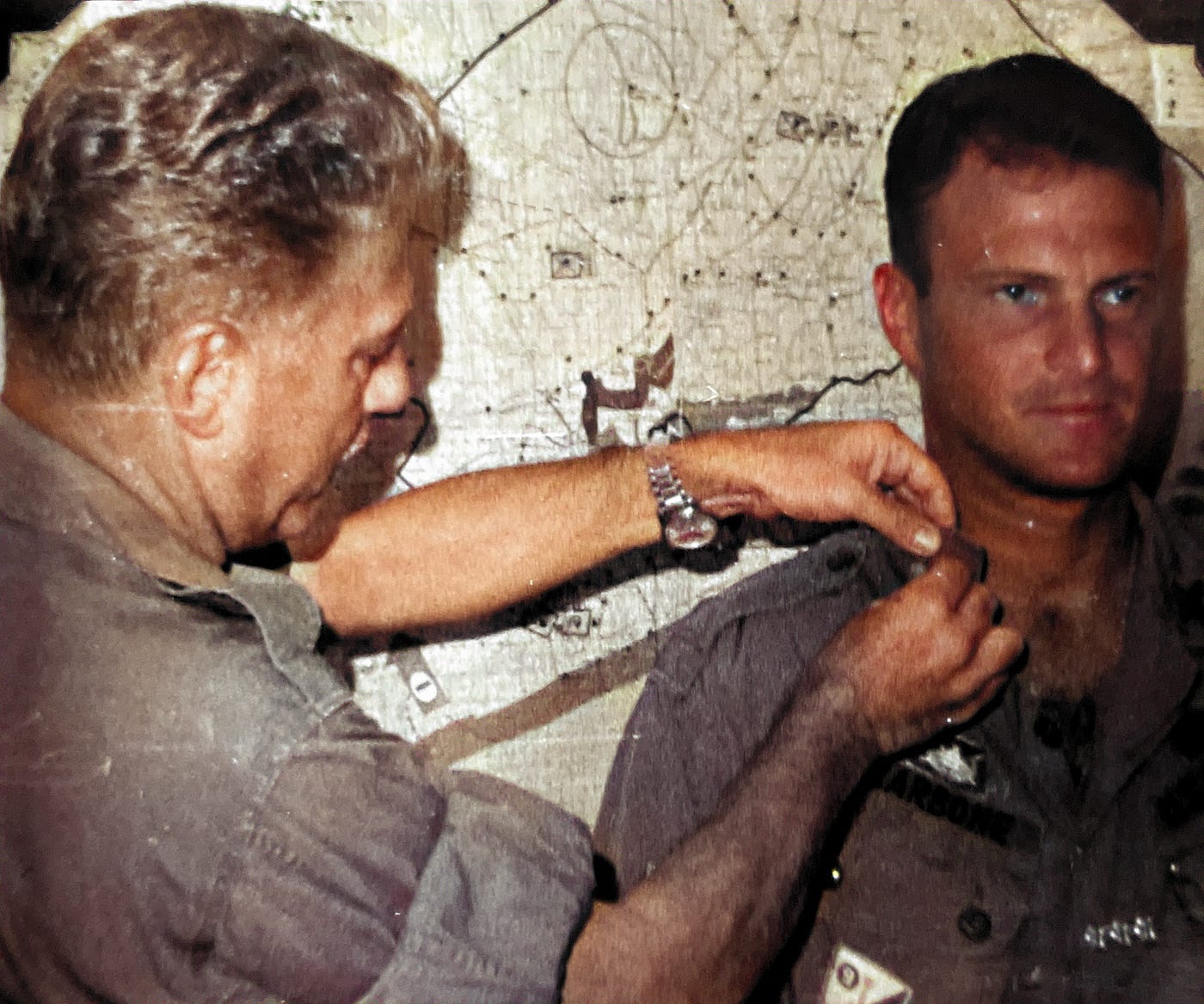
On 24 November 1982, LTC Roderick promoted me to First Lieutenant, a milestone that Mariann proudly witnessed. She pinned the silver bars onto my shoulders herself — a simple gesture that meant a great deal to both of us.
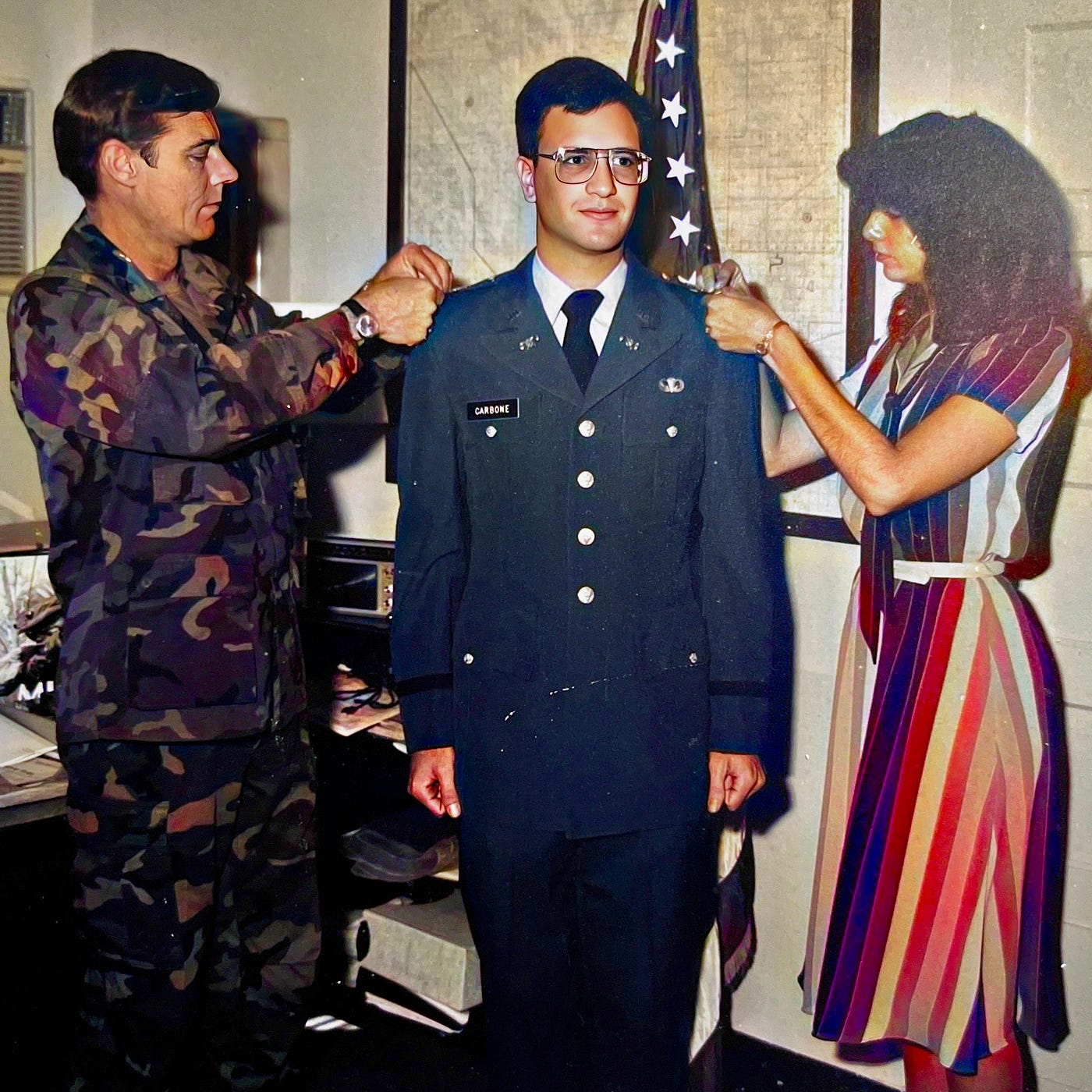
2LT Anthony J. Carbone being promoted to First Lieutenant by his boss LTC Gary Roderick (Chief of DPTSEC) and wife Mariann Carbone pinning on new silver bar.
LTC Roderick promoting me to 1st Lieutenant (with Mariann pinning on one of my new silver bars).

Assigned to the Polar Bears

Just a week later, on 30 November 1982, I received orders assigning me to the 6th Battalion, 31st Infantry Regiment (Mechanized) — the storied “Polar Bears.”
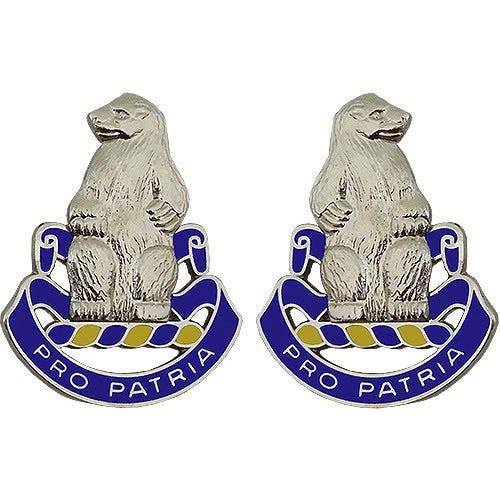
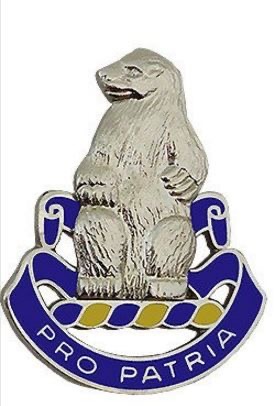
6th Battalion, 31st Infantry (Mechanized), Polar Bears wiith motto “Pro Patria” (For Country).  Biography of Dr. Anthony J. Carbone
6th Battalion, 31st Infantry (Mechanized), Polar Bears wiith motto “Pro Patria” (For Country)

The 6th Battalion, 31st Infantry had a long and distinguished lineage, stretching back to the early 20th century. Nicknamed the “Polar Bears” for their service in the bitter cold of the Russian Civil War, they had fought in the Philippines, Korea, and Vietnam. Our history included the surrender to the Japanese forces at Bataan, Philippines, on April 9, 1942, with members of the regiment forced to march and die in the infamous Bataan Death March. Now, at Fort Irwin, they carried on that legacy in a new and unconventional way: by becoming the Soviet enemy.

I was stepping into my role as Battalion Chemical Officer and Assistant S3 (Operations Officer) just as the OPFOR mission was hitting its stride. What lay ahead was unlike anything I had ever experienced in the Army — a world where the Cold War was fought every day in the blazing Mojave sun, where we wore the enemy’s insignia, studied their doctrine, and became the adversary our own Army would have to defeat.

Chemical Officer for the 6th Battalion 31st Infantry

When I received my assignment orders to the Headquarters & Headquarters Company (HHC) of the 6th Battalion, 31st Infantry (Mechanized), I knew my life was about to change. This wasn’t headquarters-level planning work anymore. This was the heart of a real combat unit — the OPFOR battalion that served as the spearhead of the Soviet 32nd Guards Motorized Rifle Regiment. My official title was Battalion Chemical Officer and Assistant S3 (Plans, Operations, and Training), but in reality, my job was to immerse myself completely in the mindset, doctrine, and tactics of the Red Army.

6th Battalion 31st Infantry Chain of Command

don’t even recall much interaction with the Headquarters Company commander — our paths rarely crossed. My daily life revolved around the battalion leadership and the small, tightly knit team that made up the S3 shop. At the top was LTC Joseph Stull, our battalion commander and my senior rater. He was a big, burly African-American infantry officer — the kind of man whose physical presence filled a room before he even spoke. A combat veteran with the intellect and bearing of a scholar (I swear he had his Ph.D.), LTC Stull commanded with authority, calm confidence, and an unwavering focus on combat readiness. Every conversation with him left me sharper, more focused, and more determined to measure up.
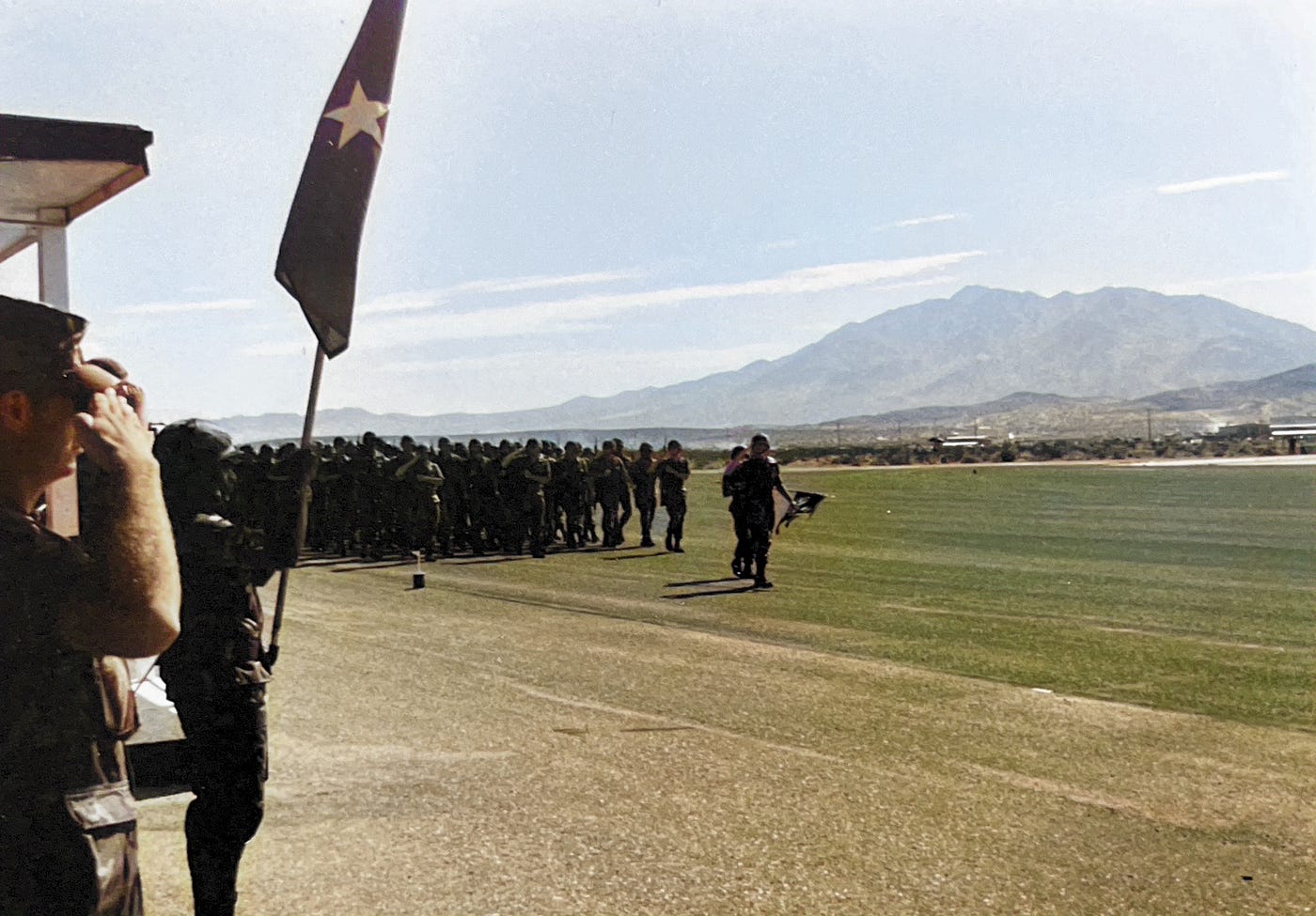
Parade field at Fort Irwin, California.  I am one of the officers in the first rank of HQs & Headquarters Company, 6–31st Infantry Pass-In-Review.  Biography of Dr. Anthony J. Carbone.
I am one of the officers in the first rank of HQs & Headquarters Company, 6–31st Infantry Pass-In-Review

S3 Major David Ozolek

My direct boss — and the single most influential officer of my early career — was Major David J. Ozolek, our S3. If LTC Stull was the embodiment of battlefield command presence, Major Ozolek was the strategic mind that made our OPFOR battalion so formidable. He was a crusty, no-nonsense Vietnam veteran infantry officer — but also an Ivy League–educated intellectual with a deep, almost academic grasp of Soviet doctrine. Major Ozelek had studied their playbook inside and out and could think like a Soviet commander. He authored dozens of articles in Armor Magazine on Soviet mechanized and armored operations in desert warfare, and every one of them reflected the brilliant, unconventional mind that I saw at work every day.
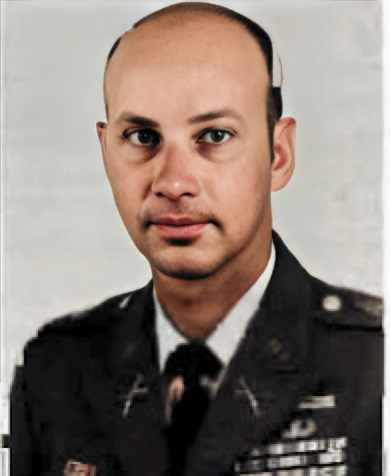
My immedicate boss/rater, Major David Ozelek, S3 of the 6th Battalion, 31st Infantry at Fort Irwin, California.  Biography of Dr. Anthony J. Carbone.
Major David Ozelek, S3, 6–31st Infantry

Major Ozolek became my teacher, mentor, and model. He taught me how to write operations orders and fragmentary orders with precision and clarity, how to anticipate an enemy’s maneuver two steps ahead, and how to think like a Red Army staff officer. He taught me what it truly meant to be a junior officer in a combat unit — not just the tactics and doctrine, but the character, discipline, and grit it required. I never told him how much I admired him, but to this day, I measure much of what I know about leadership against the standard he set.

MSG Aikens (S3 NCO)

We had another officer in the S3 shop — a Captain Scott, who served as the assistant S3 — who had been living in the BOQ with me, Major Zupan, and Lieutenant Hong. But the soul of our team, the man who made everything work, was Master Sergeant Aikens, our senior NCO.

I had met Aikens a year earlier, on my very first day at Fort Irwin, when he had greeted me with a booming “Airborne, Lieutenant!” He was the walking embodiment of an Airborne infantryman — lean, carved out of steel, with a waist that couldn’t have been more than twenty-eight inches and the strength to do a hundred pushups without breaking a sweat. He radiated confidence and positivity, the kind that made even the toughest days feel manageable.

MSG Aikens took me under his wing and taught me how to survive — not just in the field, but in the Army. How to navigate the unspoken rules of the officer–NCO relationship, how to prepare for the unexpected, and how to stay one step ahead. I owe much of my survival — and my success — in the Army to him.

My Driver, Corporal Ricky Loftis

And then there was Corporal Ricky Loftis, my jeep driver. Ricky was a pale, freckle-faced redhead from Tennessee, a country boy with a GED and a mechanical mind that could put any engineer to shame. He could disassemble our M151 jeep and every piece of its communications gear blindfolded, then reassemble it faster than most soldiers could read the manual. With Ricky on my team, I never had to worry about our equipment failing — or about finding my way to the next meeting on time.
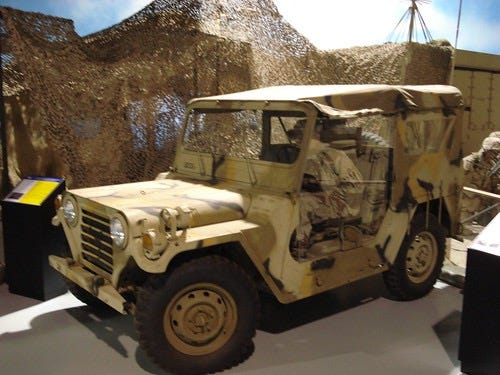
M151 quarter ton truck, better known as the Jeep, in desert camouflage.  Biography of Dr. Anthony J. Carbone.

With a team like that — Ozolek, Scott, Aikens, Loftis, and the rest — I couldn’t help but excel. Every day was an education, a test, and an adventure rolled into one.

A Day in the S3 Shop

Life in the S3 shop moved at a relentless pace. We weren’t just simulating war — we were living it, planning it, breathing it. Every day was structured around operations orders, rehearsals, staff meetings, and briefings. The mission was constant: prepare for the next rotation, sharpen our tactics, and ensure the OPFOR was ready to give every visiting U.S. unit the toughest, most realistic fight of their careers.
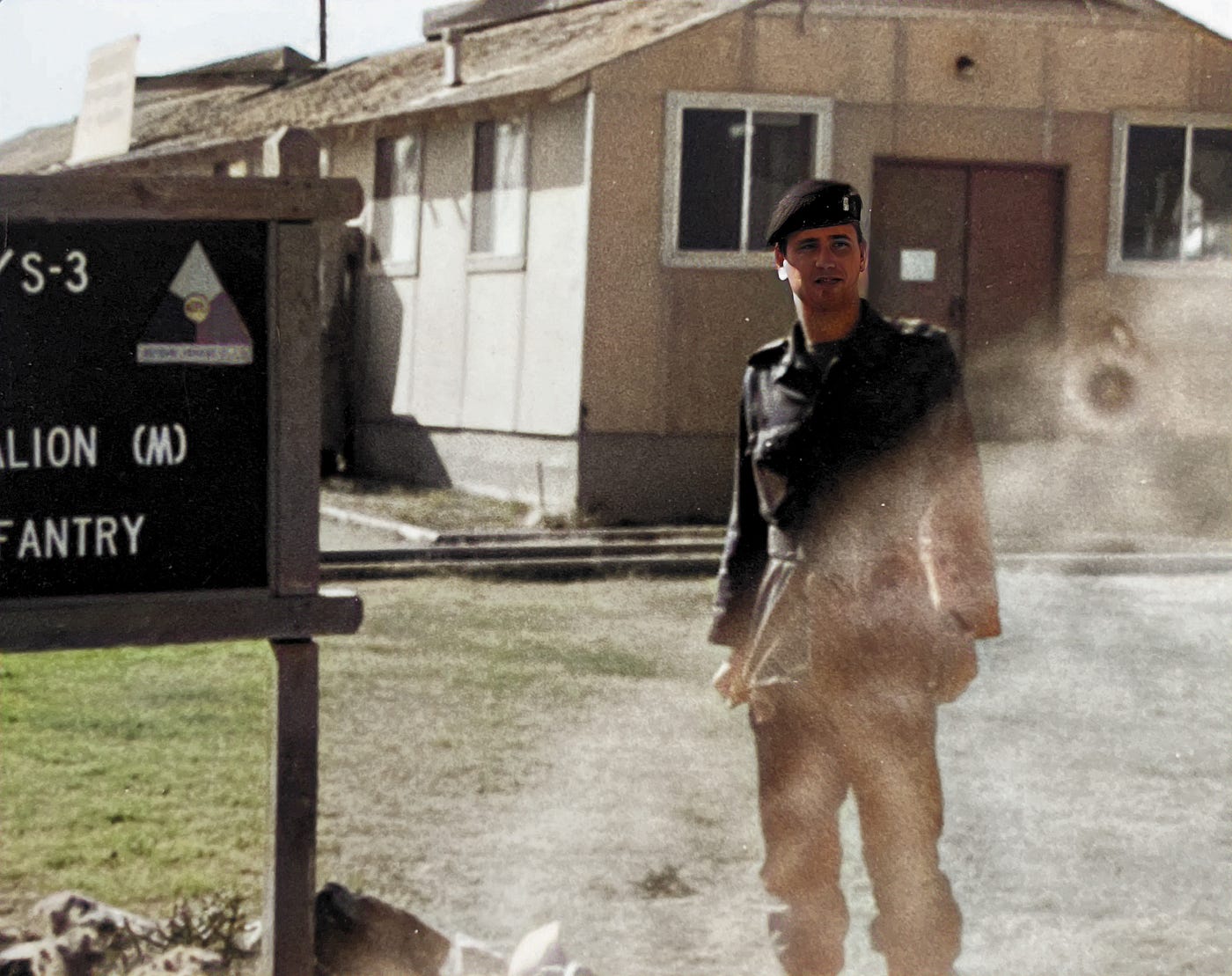
1LT Carbone, Battalion Chemical Officer/Assistant S3, 6–31st Infantry outside S3 Shop. At the National Training Center at Fort Irwin, California.  Wearing OPFOR uniform.
1LT Carbone, Battalion Chemical Officer/Assistant S3, 6–31st Infantry outside S3 Shop.

A typical day might start with MSG Aikens glancing at his watch — which he always wore with the face on the underside of his wrist, just like my father — and barking, “LT! You’ve got a meeting with the Post Commander in fifteen mikes!”

“About what?” I’d shout back, scrambling to gather my notes.

“Ricky’s got your folder in the jeep. Your call sign’s written on the windshield,” Aikens would reply without missing a beat.

I’d thank him and head for the door. “LT!” he’d call after me again, tossing me a cold canteen of water. “Thanks, Top!” I’d reply with a grin as I hustled out the door.

Sure enough, Ricky would be waiting by the jeep, engine running, folder ready. “Here’s your briefing packet, sir,” he’d say, handing me exactly what I needed before I even had to ask. Everything was thought of, planned for, anticipated. All I had to do was climb in and focus on the mission.

It was a great feeling — to be part of a team that worked so seamlessly, so professionally, that I felt unstoppable. It wasn’t just that they were good at their jobs. They believed in what we were doing. We weren’t just playing war. We were preparing the U.S. Army for the real thing.

My Office in the S3 Shop
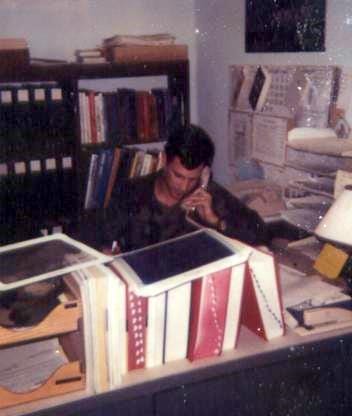
Sitting at my desk in the S3 Shop, writing battle plans and working on the monthly SECRET Unit Status Report for the Pentagon.  Biography of Dr. Anthony J. Carbone.
Sitting at my desk in the S3 Shop, writing battle plans and working on the monthly SECRET Unit Status Report for the Pentagon

Operation of the 32nd Guards Motorized Rifle Regiment

Although my official Army orders identified me as a First Lieutenant, Chemical Officer and Assistant S3 assigned to Headquarters and Headquarters Company, 6th Battalion, 31st Infantry, my real assignment — the one that would define my life at Fort Irwin — was far stranger and far more immersive.

My operational posting was as a Senior Lieutenant in the Regimental Headquarters of the 32nd Guards Motorized Rifle Regiment of the People’s Democratic Republic of Krasnovia — a fictional Soviet-bloc country invented by the U.S. Army. Krasnovia didn’t exist on any map, but at the National Training Center it was treated with the seriousness and gravity of a real-world adversary. Its purpose was clear: to provide American troops with the most realistic enemy possible in large-scale Cold War training scenarios.

Socialist Republic of Krasnovia
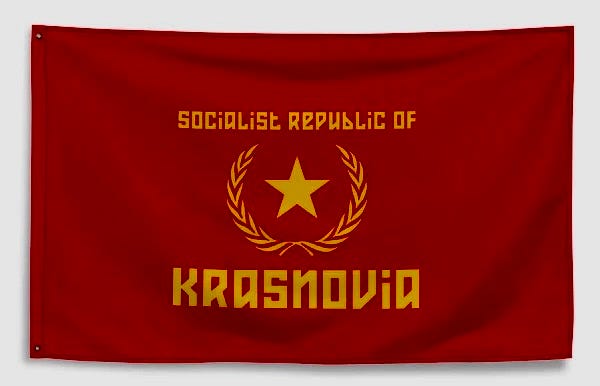
Flag of the Socialist Republic of Krasnovia, the fictional country of the Opposing Forces (OPFOR) at Fort Irwin, California.  Biography of Dr. Anthony J. Carbone.
Flag of the Socialist Republic of Krasnovia

In this alternate universe, Krasnovia was a hostile, expansionist state bent on destabilizing its democratic neighbor, the Republic of Mojave — a thinly veiled stand-in for Western-aligned nations. Our job was to embody the Warsaw Pact threat in every conceivable way: tactics, language, doctrine, even appearance. And we did.
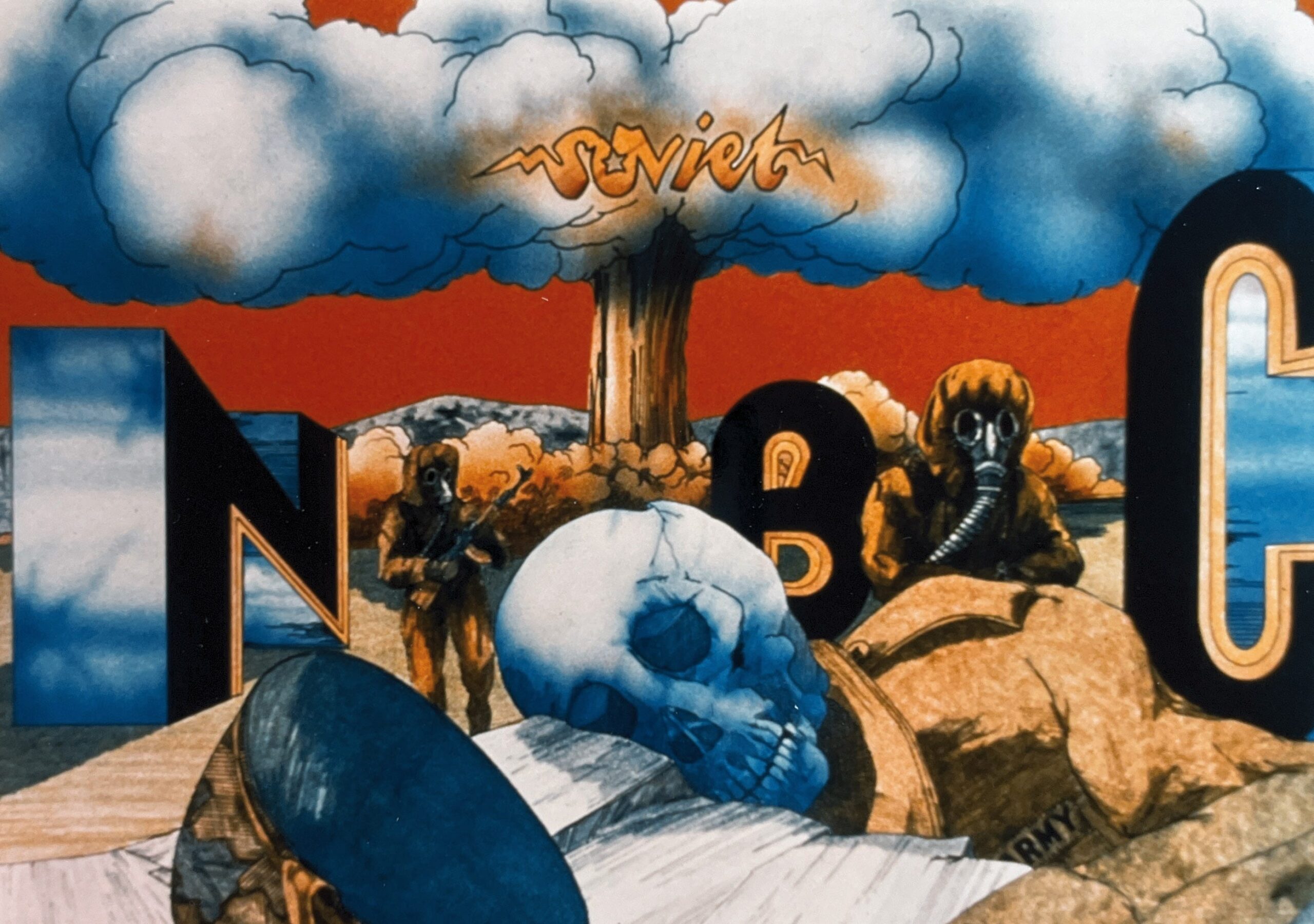
Slides from the briefing on Soviet Nuclear, Biological and Chemical Warfare that I used at the National Training Center at Fort Irwin, California.  BIography of Dr. Anthony J. Carbone.
Slides from the briefing on Soviet Nuclear, Biological and Chemical Warfare that I used at the National Training Center

32nd Guards Motorized Rifle Regiment

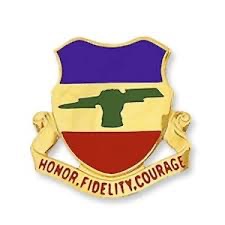
The 32nd Guards Motorized Rifle Regiment (MRR) — the backbone of the OPFOR (Opposing Forces) — was made up primarily of two U.S. combat units: the 6th Battalion, 31st Infantry (Mechanized) and the 1st Battalion, 73rd Armor. Supporting us was a specialized technical intelligence detachment. In 1982, a small group from the 11th Military Intelligence Company was permanently assigned to Fort Irwin. Their mission evolved into what became the 203rd Military Intelligence Battalion (Provisional) — a unique organization tasked with providing the most accurate Soviet capabilities possible on American soil.
11th Military Intelligence Company

The TECHINT (technical intelligence) soldiers were unlike anyone else at the National Training Center. They operated genuine Soviet equipment — from communications intercept systems to armored vehicles — and they were deeply involved with the Army’s Intelligence and Threat Analysis Center, ensuring that everything we did mirrored Soviet doctrine. Their work extended beyond training: they analyzed captured foreign weaponry, reverse-engineered systems, and advised on how real Soviet units might respond in battle.
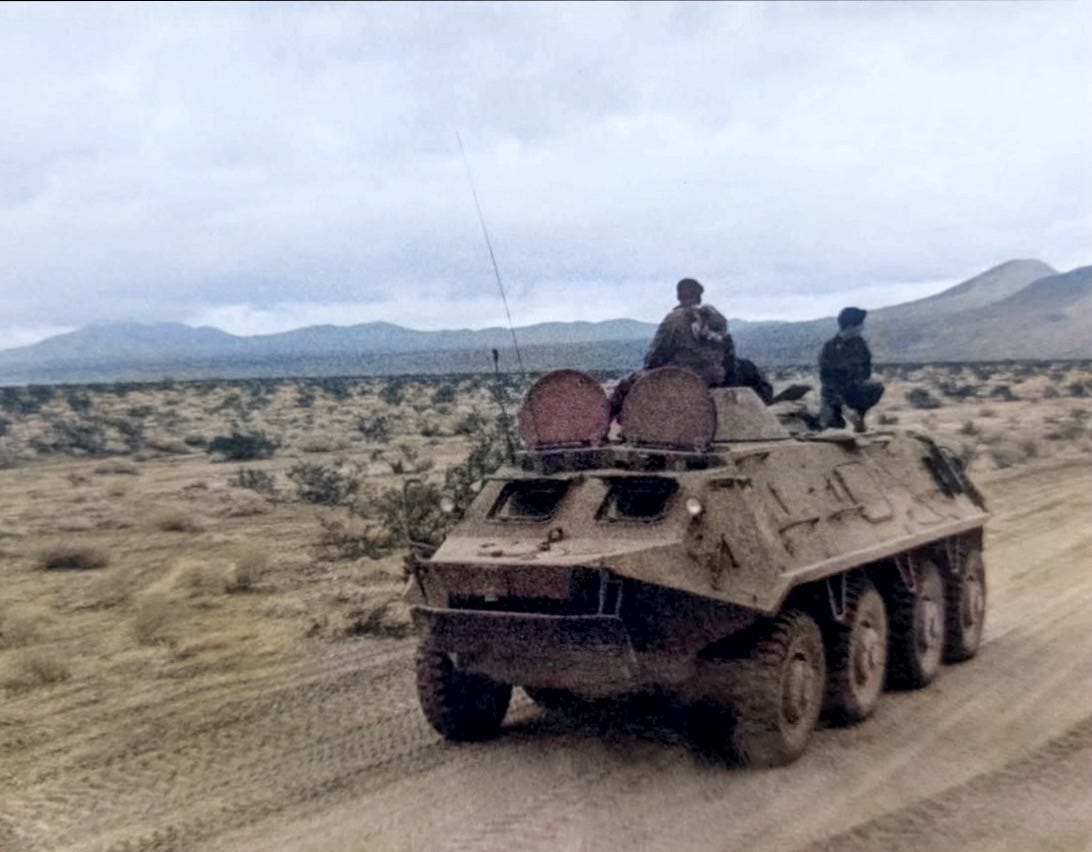
Authentic Soviet BTR 60-PB at the National Training Center operated by the 11th Military Intelligence Company.  Biography of Dr. Anthony J. Carbone
Authentic Soviet BTR 60-PB at the National Training Center operated by the 11th Military Intelligence Company

OPFOR Uniform

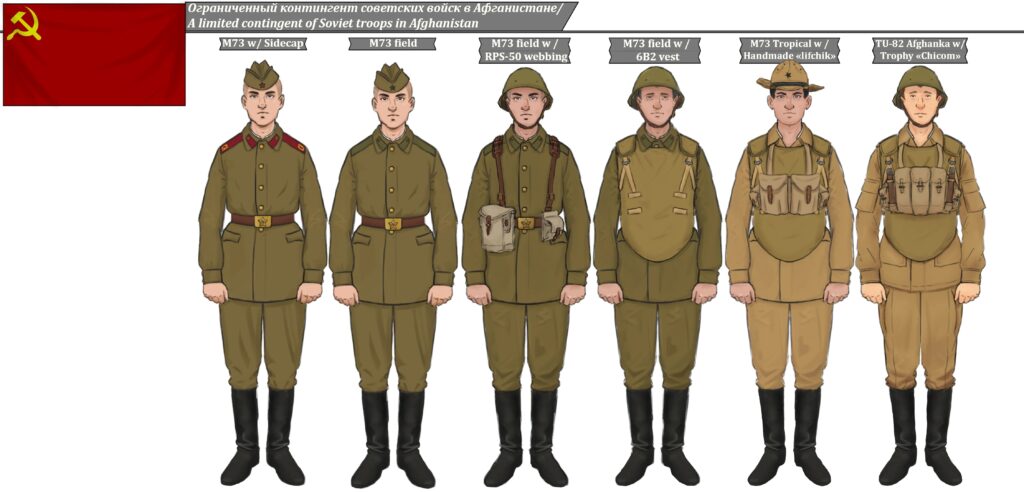
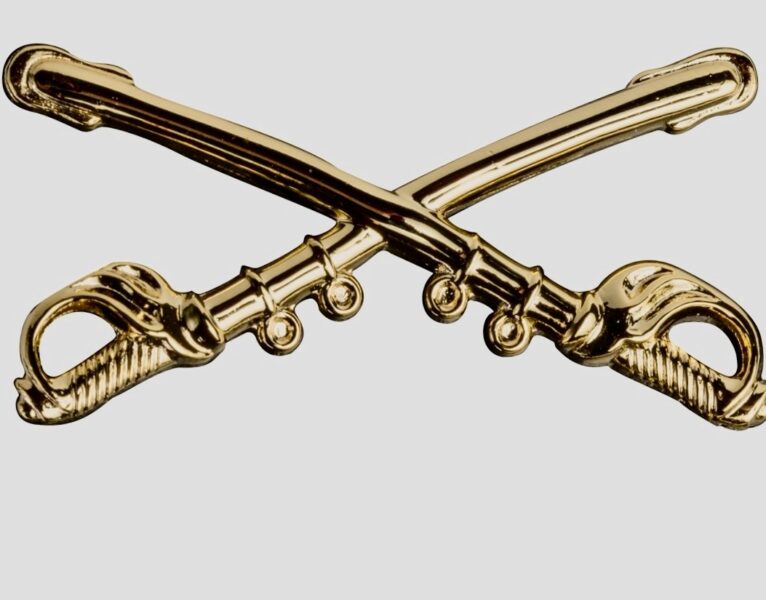
For us in the OPFOR, this meant immersion on a level that bordered on theatrical. We didn’t just “play” Soviets — we became them. We wore Soviet-style uniforms: simple olive-drab fatigues, black berets adorned with a red star, and brass insignia representing our branch. Infantry soldiers bore crossed rifles. Tankers wore the armored branch symbol. And I, as the regimental chemical officer, proudly displayed the crossed retorts and benzene ring — the traditional insignia of the Chemical Corps.
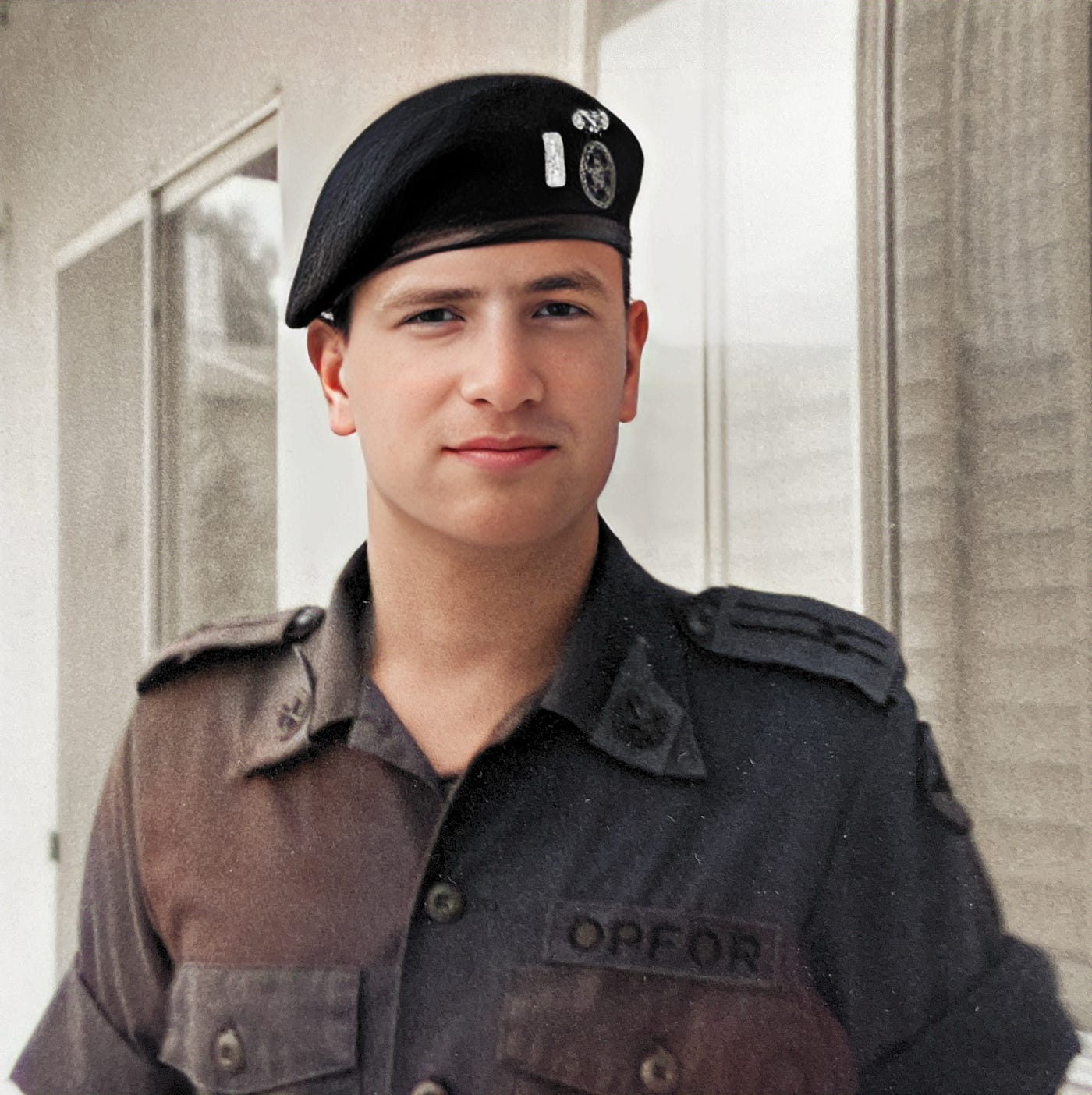
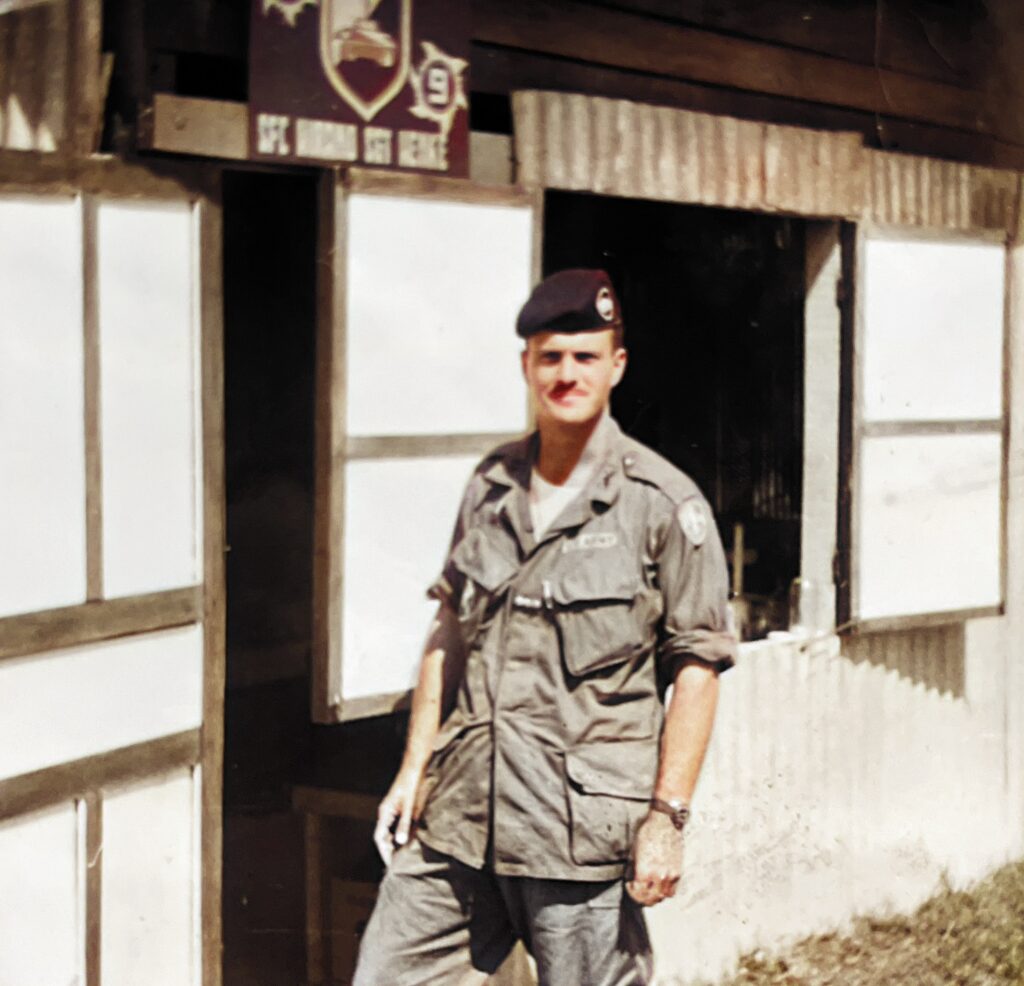
1LT Anthony J. Carbone wearing his  OPFOR uniform with a black beret with my 1LT silver bar and Chemical Corps crossed retorts. The three dots on my epaulettes indicate that I am a “Soviet” Senior Lieutenant.
Wearing my OPFOR uniform with a black beret with my 1LT silver bar and Chemical Corps crossed retorts. The three dots on my epaulettes indicate that I am a “Soviet” Senior Lieutenant.

Soviet VISMODs

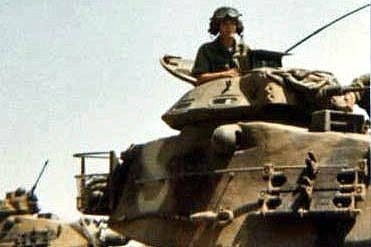
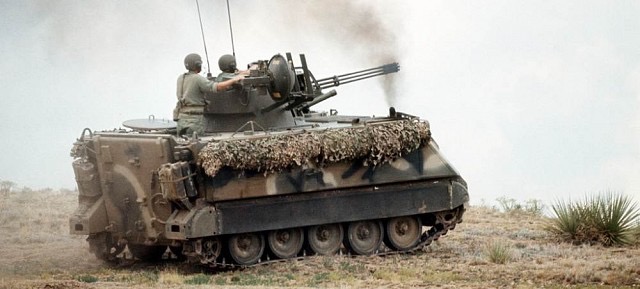
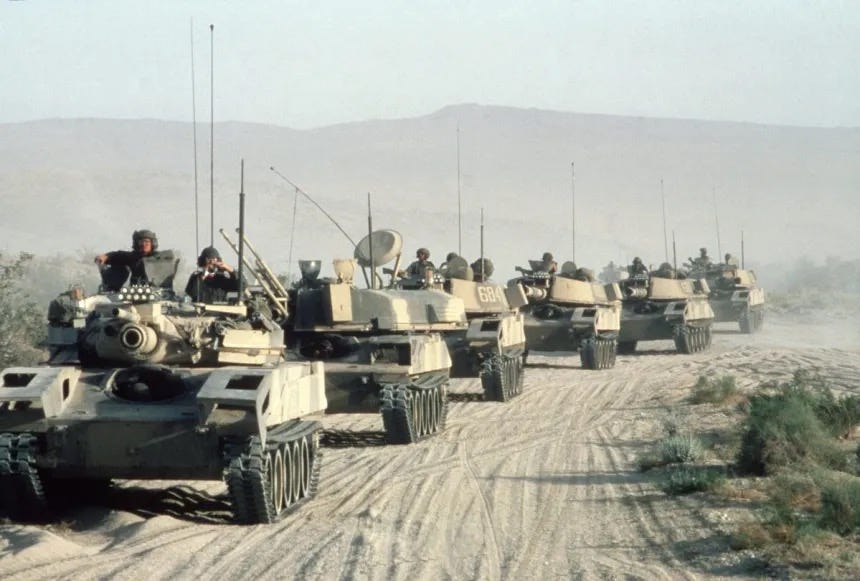
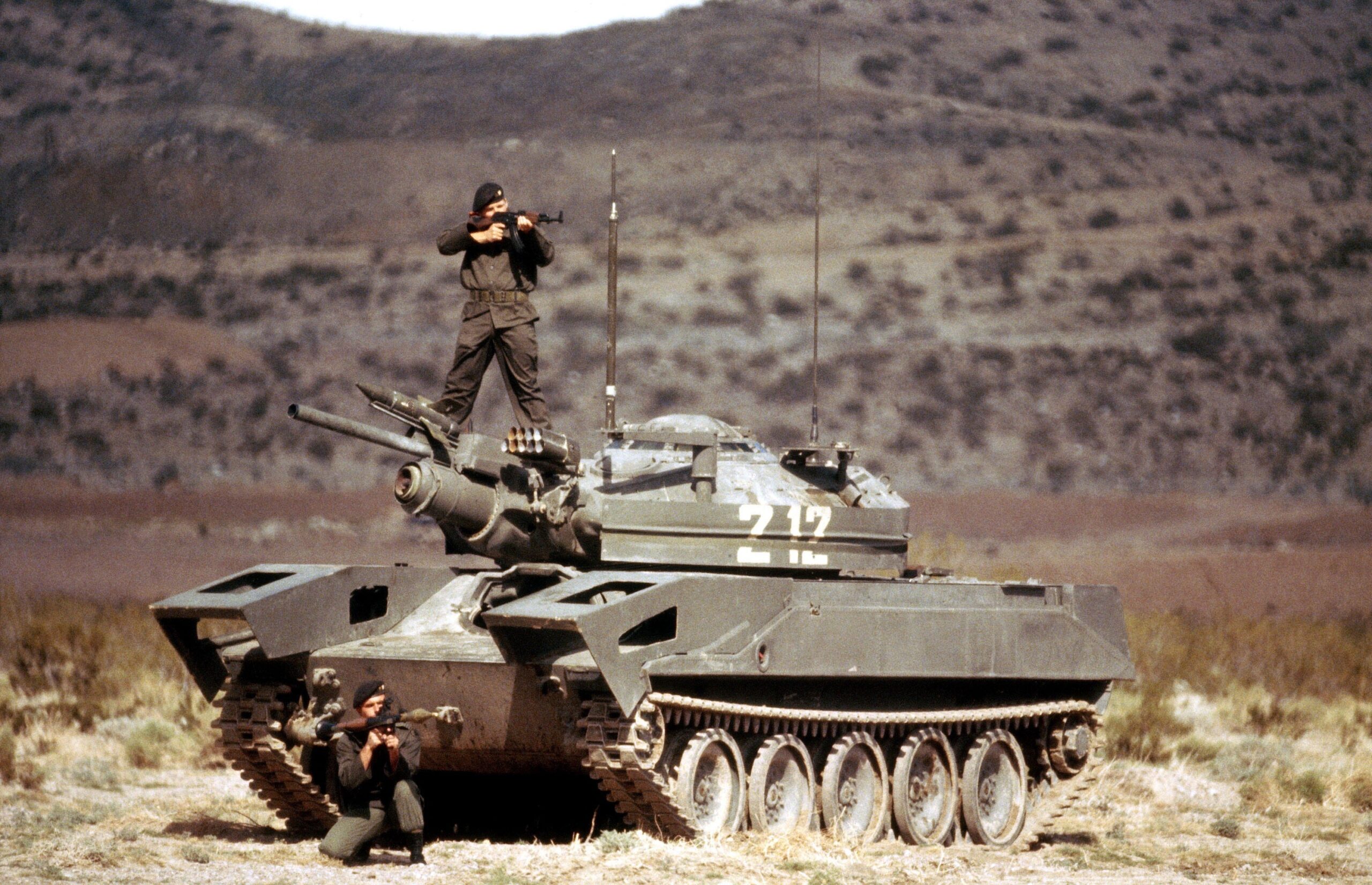
Our vehicles were a story unto themselves. While we had a handful of actual Soviet systems, most of what we used were American platforms converted into lookalikes through a clever system of fiberglass shells and external modifications known as VISMODs (visually modified vehicles). The old M551 Sheridan light tanks were our workhorses, transformed into mock Soviet T-72 main battle tanksBMP infantry fighting vehicles, and even ZSU 23–4 Shilka anti-aircraft platforms. From a distance — especially through the dust and chaos of battle — they were almost indistinguishable from the real thing.
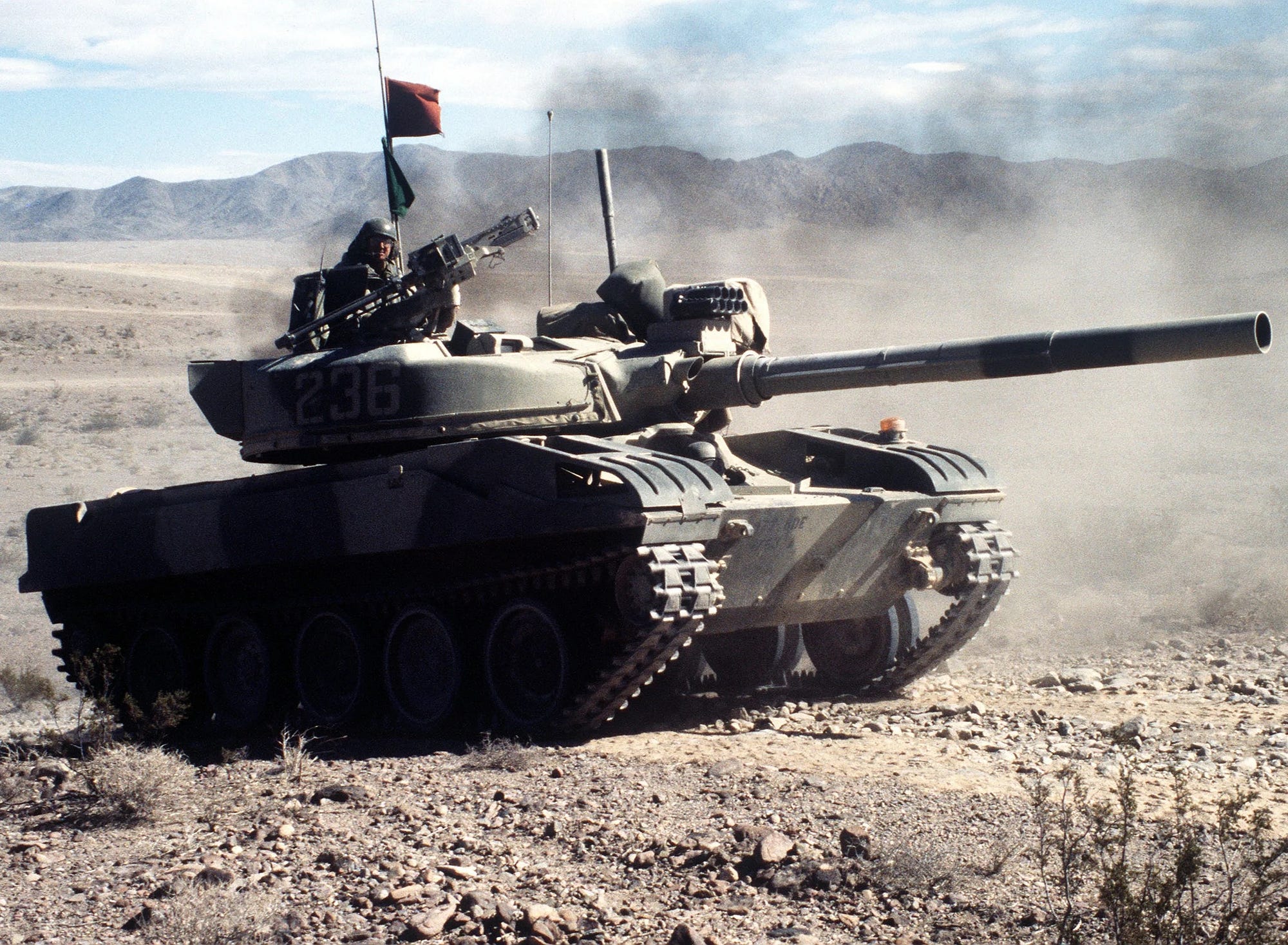
M551 Sheridan Tank as a Soviet T-72 Main Battle Tank (VISMOD).  National Training Center at Fort Irwin, California.  Biography of Dr. Anthony J. Carbone.
M551 Sheridan Tank as a Soviet T-72 Main Battle Tank (VISMOD)
Line of M551 VISMODs with Soviet BMP followed by ZSU 23–4 and several T-72 Tanks.  National Training Center at Fort Irwin, California.  Biography of Dr. Anthony J. Carbone.
Line of M551 VISMODs with Soviet BMP followed by ZSU 23–4 and several T-72 Tanks
M551 Sheridan Tank as a Soviet ZSU 23–4 Shilka Anti-Aircraft Tracked Vehicle.  National Training Center at Fort Irwin, California.  Biography of Dr. Anthony J. Carbone.
M551 Sheridan Tank as a Soviet ZSU 23–4 Shilka Anti-Aircraft Tracked Vehicle

What impressed me most was how seriously everyone took the deception. This wasn’t a game. Units arriving from across the Army — infantry, armor, aviation, logistics, special forces — were coming here to test themselves against the most dangerous enemy they might ever face. And it was our duty to be that enemy: ruthless, cunning, unpredictable, and thoroughly Soviet in doctrine and execution.

Soviet Tactics

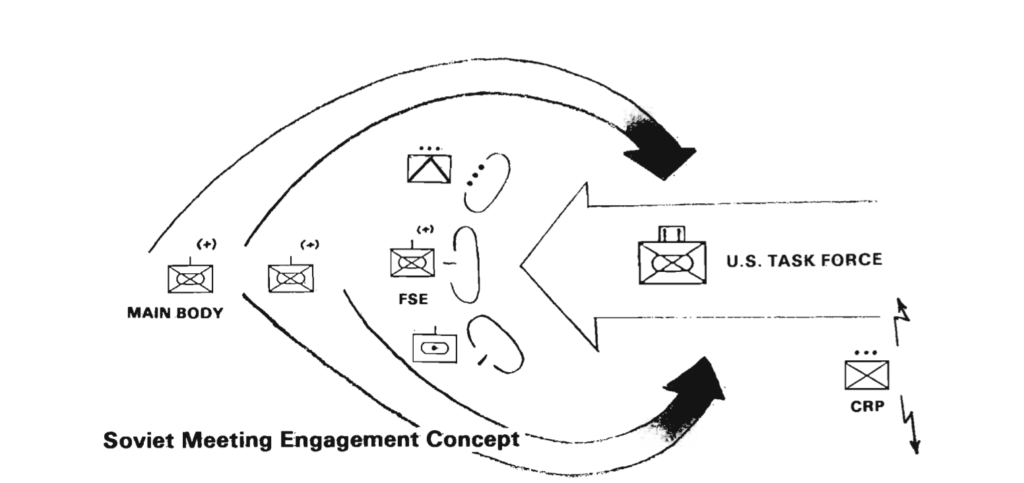
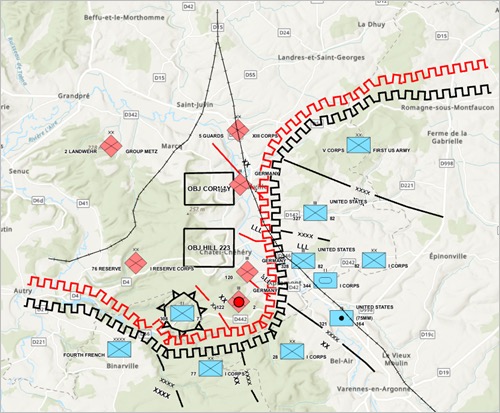
The 32nd Guards MRR operated like a true Soviet regiment. We organized our forces into motorized rifle battalions supported by tank companiesartillery batteries, and air defense assets. Operations were planned according to Soviet tactical manuals, and battle plans were written in the language and logic of Warsaw Pact doctrine. We used map symbols, terminology, and radio procedures that mirrored those of the Red Army. Even our command briefings and field orders followed Soviet structure and emphasis.

Although my primary billet was as the regimental chemical officer, my responsibilities extended well beyond that. In many ways, I functioned as a regular combat officer. I was trained intensively in Soviet operational doctrine by Major Ozelek, our Regimental S3 (operations officer), and by Lieutenant Mike Pierson, our brilliant S2 (intelligence officer). Together, we pored over unclassified translations of Soviet field manuals — dense, doctrinal texts that detailed how Soviet regiments planned, maneuvered, attacked, and exploited weaknesses. That knowledge became the backbone of the battle plans and orders we wrote for the 32nd Guards MRR.
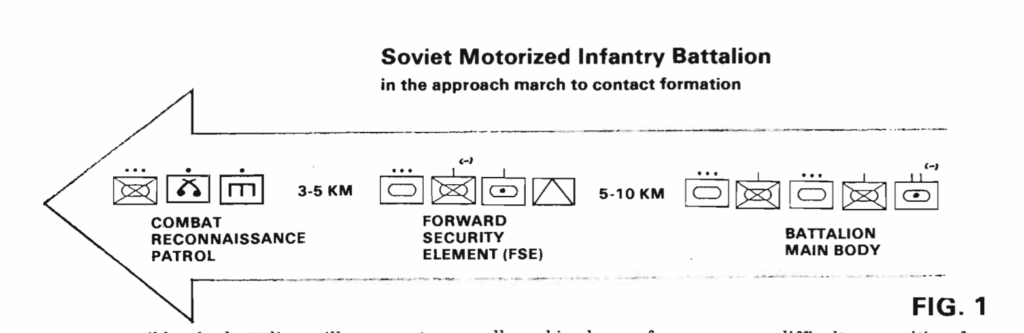
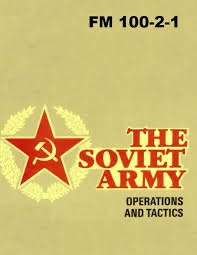
Soviet Motorized Infantry Battalion formation diagram from FM 100-2-1 "The Soviet Army--Operations and Tactics" used at the National Training Center at Fort Irwin, California.  Biography of Dr. Anthony J. Carbone.

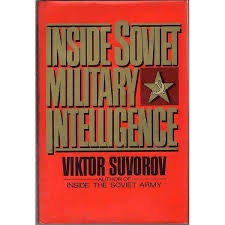
I studied the Soviet Military, with focus on both Soviet Nuclear, Biological and Chemical Warfare operations, as well as Soviet Military Intelligence. I read everything that I could both classified and unclassified. Some of my favorite books were written by a Soviet GRU Officer, Viktor Suvorov, who defected from the Soviet Army in 1978 and wrote famous books about the inner workings of Soviet military and intelligence operations. I ended up with secondary specialties in Nuclear Target Analysis and Soviet Counterintelligence.
Tactical Operations Center (TOC)

When the training rotations shifted into high gear and the mock wars began, my battlefield role intensified. During those weeks, I ran the Regimental Tactical Operations Center (TOC) — a tracked command vehicle connected to a sprawling tent complex that housed the nerve center of our operations. Inside were dozens of military radios, map boards, grease-pencil overlays, and situation charts — a chaotic symphony of information flowing in from every corner of the desert battlefield.
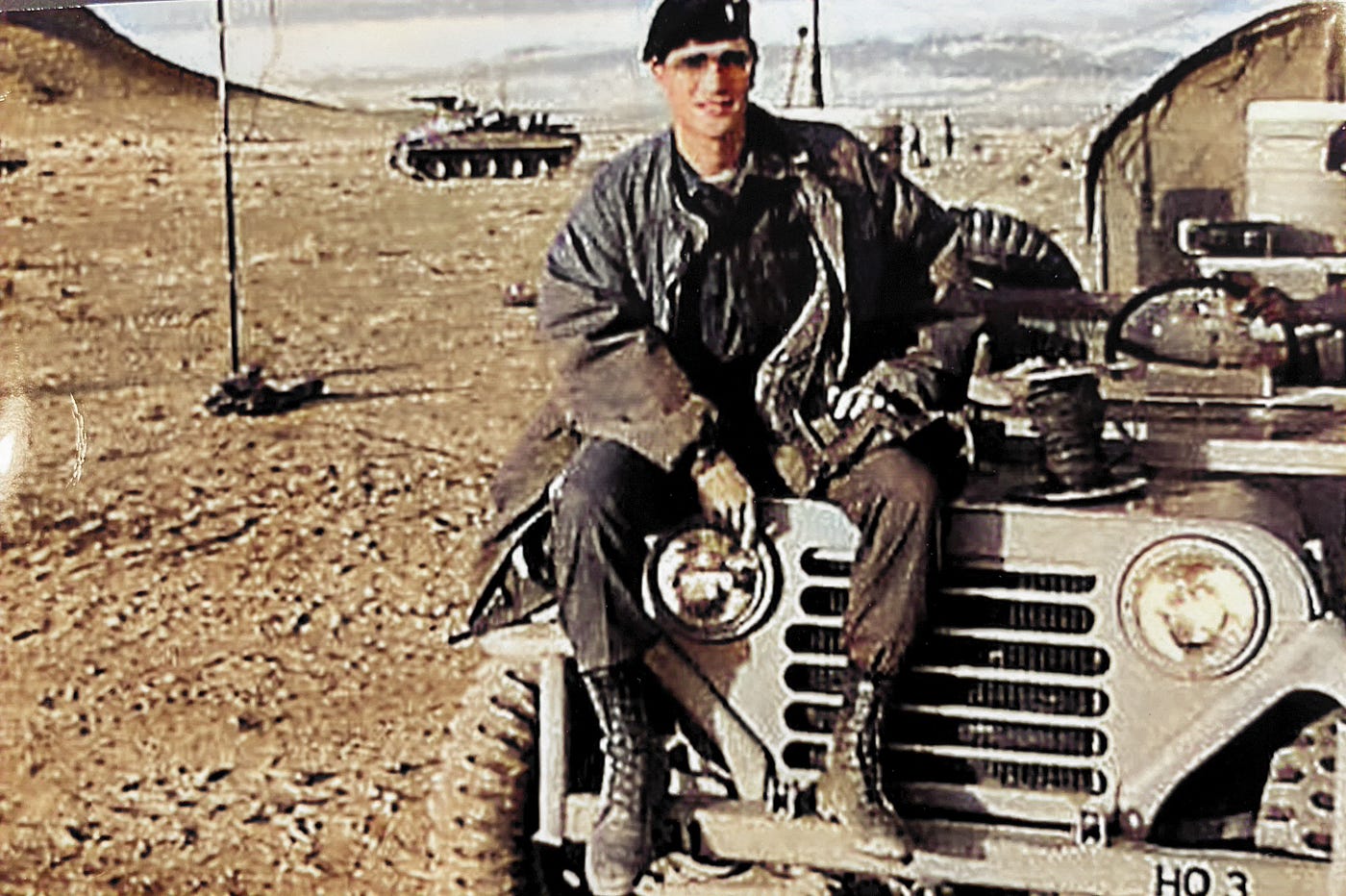
1LT Anthony J. Carbone (Battalion Chemical Officer/Assistant S3) Sitting on the S3’s Jeep at the Tactical Operations Center (TOC) somewhere near Death Valley
Sitting on the S3’s Jeep at the Tactical Operations Center (TOC) somewhere near Death Valley

From the TOC, 1LT Mike Pierson and I worked side by side, collecting intelligence from forward scouts, electronic intercept teams, and reconnaissance patrols. We processed and analyzed the information, building a real-time picture of the battlefield that shaped our decisions and influenced the regimental commander’s next moves. We briefed commanders, directed maneuver units, and issued fragmentary orders as the situation evolved — all while operating under the guise and doctrine of a Soviet staff.
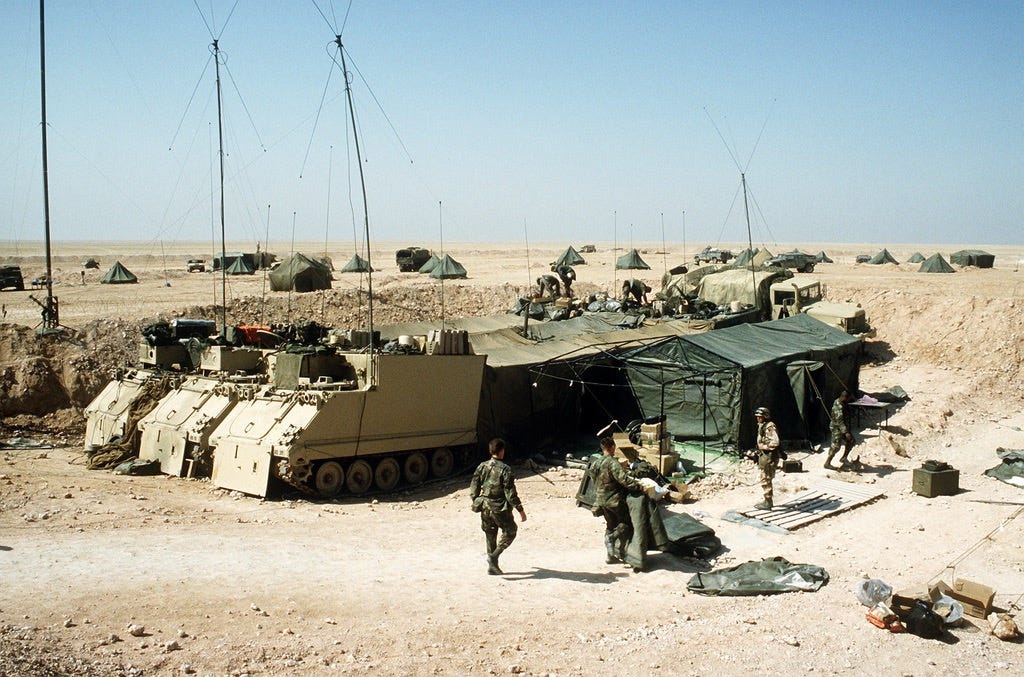
M577 Command Post Carriers lined up to form a large Tactical Operations Center (TOC)

24/7 Operations

It was exhausting, high-tempo work. Days bled into nights, and nights into days, under the relentless Mojave sun and freezing desert nights. I would emerge from the TOC after a 20-hour shift covered in dust and sweat, only to crawl into a sleeping bag for a few hours before returning to the radios. Month after month, this became my existence — an intense, almost dystopian cycle of planning, fighting, analyzing, and fighting again.
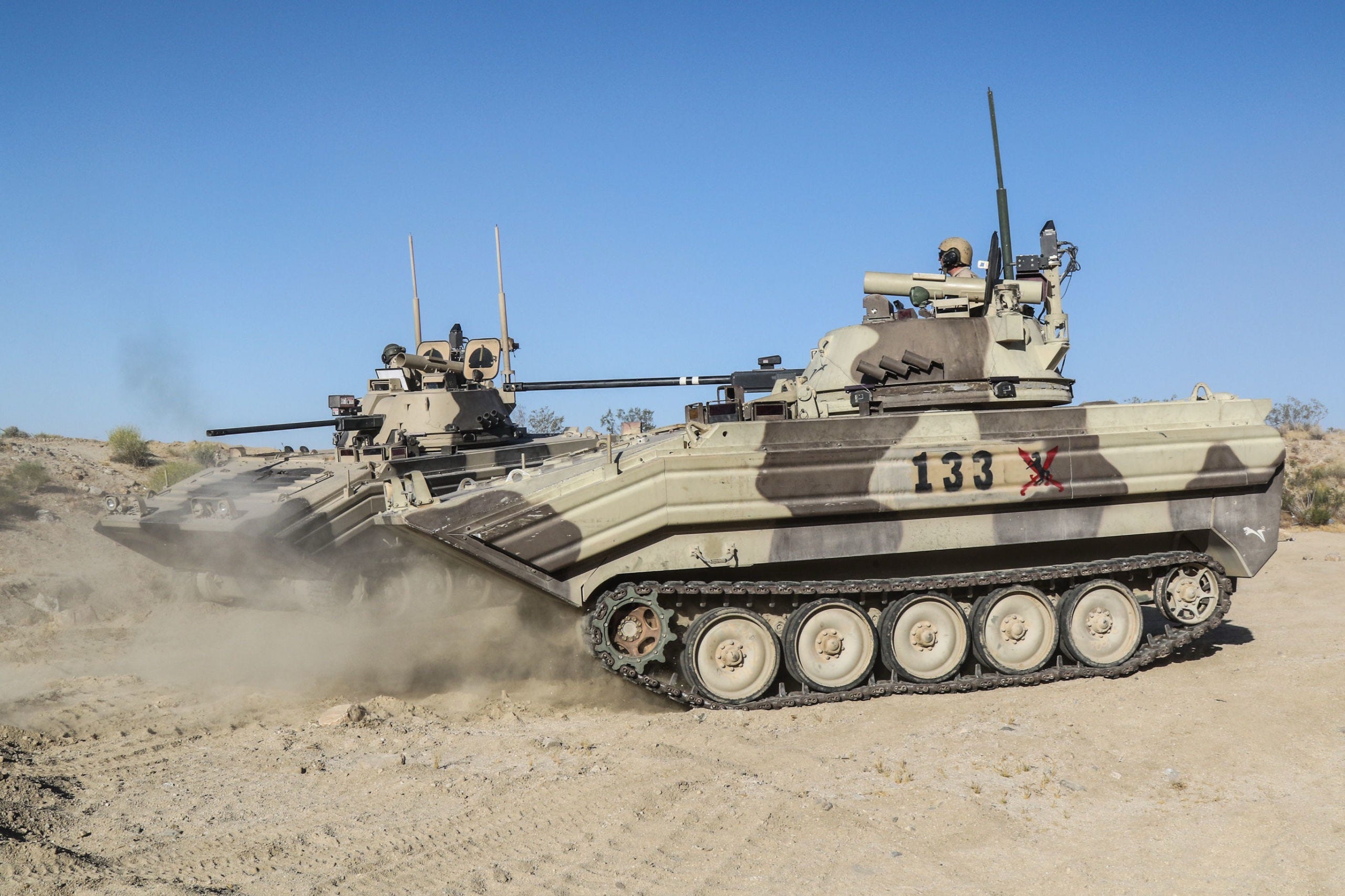
U.S. vehicles visually modified (VISMODs) to look like Soviet BMPs (Infantry fighting vehicles). At the National Training Center at Fort Irwin, California.  Biography of Dr. Anthony J. Carbone
U.S. vehicles visually modified (VISMODs) to look like Soviet BMPs (Infantry fighting vehicles).

And in that strange, alternate reality — where I was an American officer living as a Soviet regimental staff officer in a fictional country — I learned more about warfare, intelligence, and command than I ever had in any classroom. It was, in every sense, the sharp edge of Cold War training.
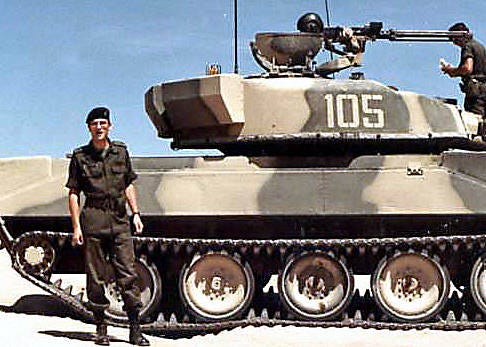
I’m stanging in front of a Soviet style T-72 VISMOD Tank in my OPFOR uniform.  Biography of Dr. Anthony J. Carbone.
I’m stanging in front of a Soviet style T-72 VISMOD Tank in my OPFOR uniform.

Our New Marriage on Post

The brutal tempo of life in the 32nd Guards Motorized Rifle Regiment took a heavy toll on my personal life — especially on my new marriage. Mariann and I had just moved into our cozy yellow stucco house when the OPFOR mission’s relentless demands consumed me. For weeks, I rarely saw her. After staggering home from the field, exhaustion overwhelmed me, leaving me only enough energy to shower, eat, and collapse into bed.
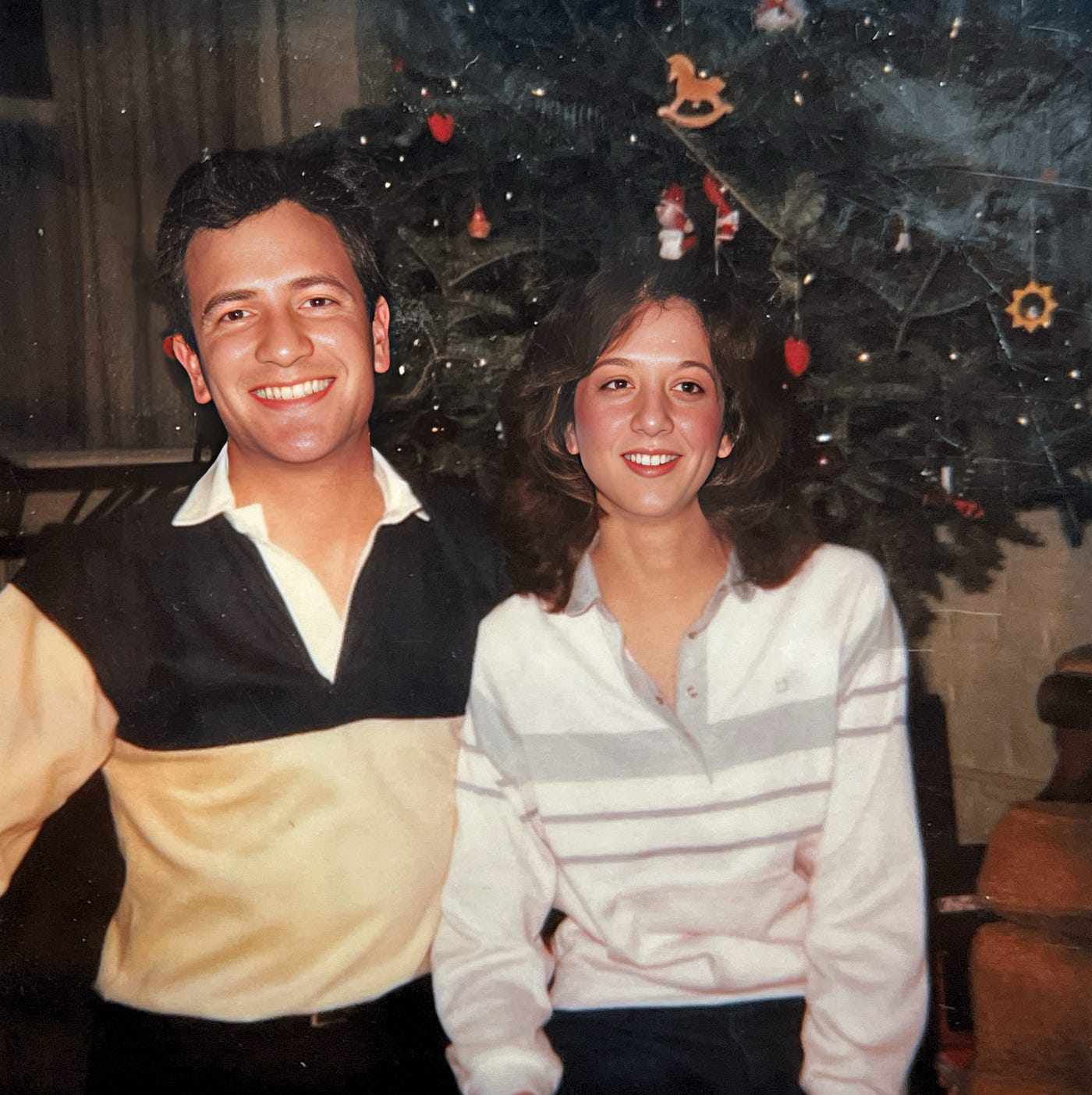
Our first Christmas together as Lt & Mrs. Carbone.  At Fort Irwin, California.  Christmas 1982.  Biography of Dr. Anthony J. Carbone.
Our first Christmas together as Lt & Mrs. Carbone

It was an especially lonely and bewildering reality for her. Mariann’s father hadn’t served in the military, and none of her close relatives had, either, so there was no family frame of reference for this strange and punishing lifestyle. The Mojave Desert — stark, isolated, and lifeless — contrasted sharply with the idyllic stories I shared with her about my childhood in Europe. Life here was not about strolling through cobblestoned streets or sipping coffee at outdoor cafés; it was about enduring blistering heat, sandstorms, and weeks of near-total solitude while her husband fought mock wars in a fictional Soviet regiment. Looking back, I honestly don’t know how she survived as long as she did.

Studying and Teaching at California State University 

To make matters worse, as if the demands of field duty weren’t enough, our battalion commander, LTC Stull, launched a college program in partnership with California State College in San Bernardino to offer classes for the soldiers of the 6th Battalion, 31st Infantry during their off-duty hours. He asked Major Ozolek and me to obtain teaching credentials with Cal State so we could serve as instructors.

I qualified to teach math and basic sciences — and while I was proud of that accomplishment, it came at a steep personal cost. The teaching hours further cut into what little time I had with Mariann, and the university was nearly a two-hour drive from Fort Irwin. It meant even the rare evenings or weekends we might have spent together were swallowed up by long drives and lecture halls, widening the distance between us in ways neither of us knew how to fix.
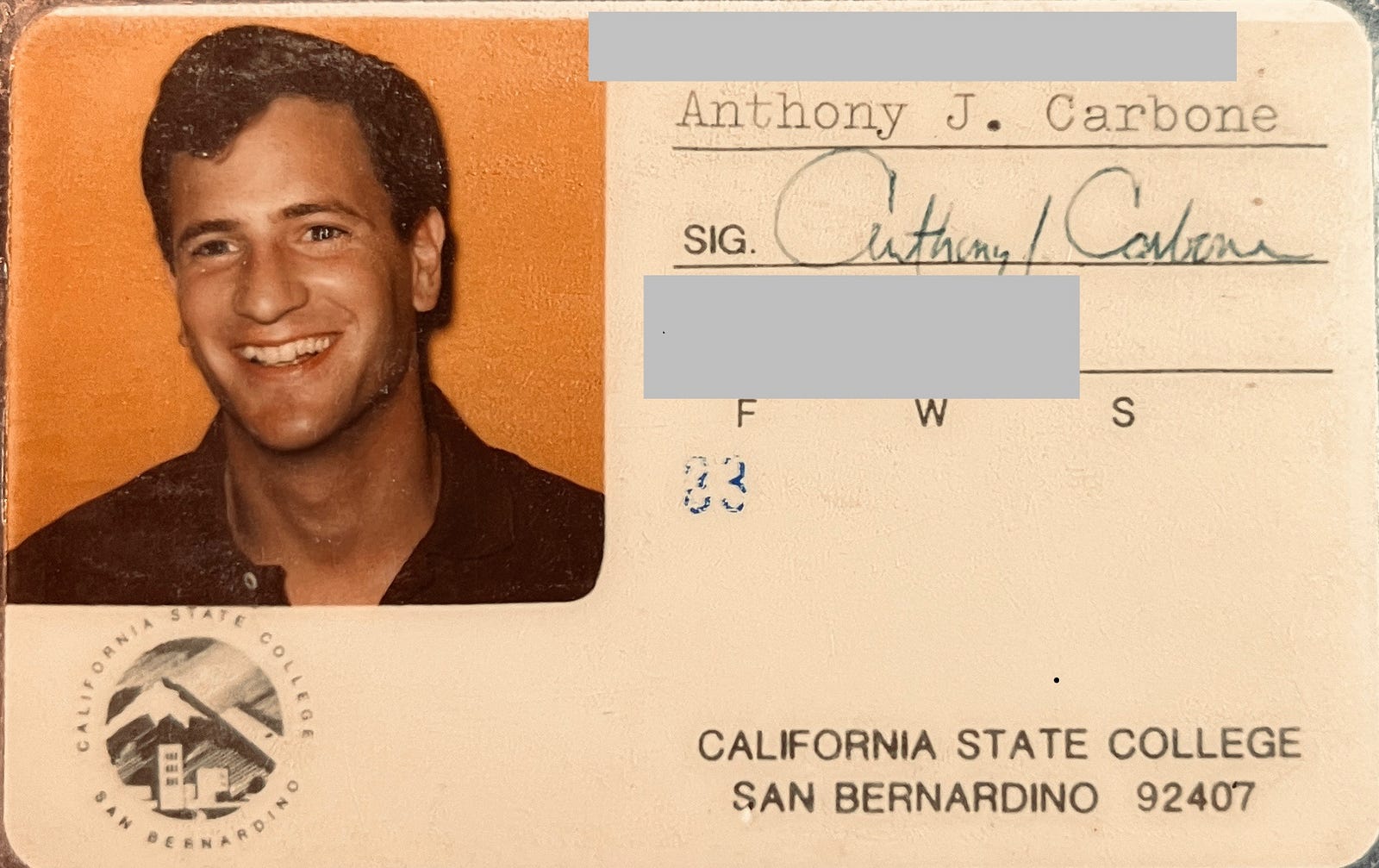
My faculty Identification Card from California State College, at San Bernardino. Biography of Dr. Anthony J. Carbone.

At the same time I was teaching at Cal State, I was also enrolled in their graduate program in National Security. Alongside that, I was taking U.S. Army courses that qualified me as a Counterintelligence Officer and in Nuclear and Chemical Target Analysis. Looking back, I honestly don’t know how I found the time or energy to manage it all. What I do know is that none of it helped my marriage. I was so determined to prove myself — to follow in my father’s footsteps and become a successful Army officer — that I didn’t see the toll it was taking on my health, or on Mariann. By the time I realized what was happening, both were breaking under the strain.

Back to the War: Observer/Controller Group, Laser Tag, GPS and the Star Wars Building

I’ll never forget one particular After Action Review (AAR) session I attended inside the so-called “Star Wars Building.” The Observer/Controller (O/C) team was debriefing a recent battle with one of the visiting task force commanders, and the atmosphere was tense. The Observer/Controller, a calm but razor-sharp major, told the commander bluntly that he had lost control of his unit in the fight. The captain immediately launched into a passionate defense of his decisions, insisting that the chaos had been beyond his control. The major let him speak, then quietly said, “Let’s take a look together.”

Star Wars Building

On the enormous flat-screen monitor — something almost no one had ever seen back in 1982 — the entire battle unfolded in real time. The American plan appeared in blue graphics, the OPFOR plan in red. Each vehicle’s GPS position was displayed on the screen, complete with its unit designation. The controller pointed to one particular blue icon labeled A66 — the Alpha Company commander’s tank — and asked, “Is this your tank, Captain?” “Yes, sir. I assume so,” the officer answered, his voice suddenly less certain.

The O/C signaled for the radio transmissions to be played. Through the speakers, we could hear the frantic shouting inside that tank: “Driver, left! No — right! Driver, left! Halt! Gunner, HEAT, tank!” Then the gunner’s reply: “Identified” followed by the commander’s “Fire!” Gunner: “On the way!……. Target hit!”

On the screen, a thin blue line traced the shot’s path — from A66 straight into another blue tank labeled A42. Seconds later came the high-pitched wail of the “dead tank” screaching signal echoing through the speakers. The room fell silent. Then the O/C queued up the next engagement. Again, the commander’s tank fired — and destroyed another one of his own. And then a third. By the time the recordings ended, no one in the room doubted what had happened. The captain stared at the floor, shook his head slowly, and said in a quiet voice, “It seems obvious that I lost control of my team.”

Training Reveals The Reality of War

This was the genius — and the brutal honesty — of the National Training Center. Gone were the days of umpires pointing fingers and shouting, “You’re dead!” only to have the other side yell back, “No, I’m not!” Here, the truth was undeniable. Every movement, every order, every shot could be seen, heard, and replayed. In today’s world, with laser tag, GPS, and digital tracking systems, this might not sound remarkable. But in 1982, this was cutting-edge, science-fiction-level technology. And for those of us watching in the Star Wars Building, it was a stark reminder that the battlefield — even a simulated one — showed no mercy for confusion, ego, or excuses.

Watching that AAR unfold left a lasting impression on me. It drove home just how real this training was — and how close it came to the brutal reality of war. On that screen, those red and blue symbols weren’t just graphics; they represented men’s lives, and the decisions made in seconds that determined who lived and who died. There was no hiding from the truth, no way to explain it away. You could literally see the consequences of confusion, hesitation, or poor leadership play out before your eyes. That was the power of the NTC system — it stripped away the illusions and forced us all, from the newest lieutenant to the most seasoned commander, to confront the unforgiving nature of combat. And it taught me that every decision mattered. Every single one.

The Plagiarizing Captain and Motorcycle Messenger

Not every lesson I learned at Fort Irwin was about tactics, Soviet doctrine, or running a TOC under pressure. Some were about human nature — about integrity, ego, and the kind of officer I did not want to become.

My good friend Scott, the captain in the S3 shop, had been given a company command, and his replacement was a new officer named Captain Kazzo. From the moment I met him, my gut told me he was trouble — a scrawny, desk-bound nerdy type who struck me as more interested in career advancement than soldiering. Unfortunately, I was soon proven right.

Whenever we reported to Major Ozelek or Lieutenant Colonel Stull to brief them on a new order, plan, or policy — something I had spent hours drafting — Captain Kazzo would present it as if he had written it. He never once gave me credit. I was furious. I tried to bring it up with Major Ozelek, but he brushed me off, telling me to quit whining and “suck it up.

Frustrated, I called my father at Fort Dix and asked his advice. He told me the same thing: “Suck it up. Stay quiet. The truth always comes out eventually.” I didn’t like it, but I listened. Even so, the plagiarism gnawed at me.

Motorcycle Messenger to the Rescue

One afternoon, I was out in the desert running the Tactical Operations Center during a lull in operations when one of our motorcycle messengers — just like the Soviet scouts used — roared up beside the tent. “Sir,” he said, “he’s doing it again. Captain Kazzo, sir. He’s briefing the CO on your plans.”
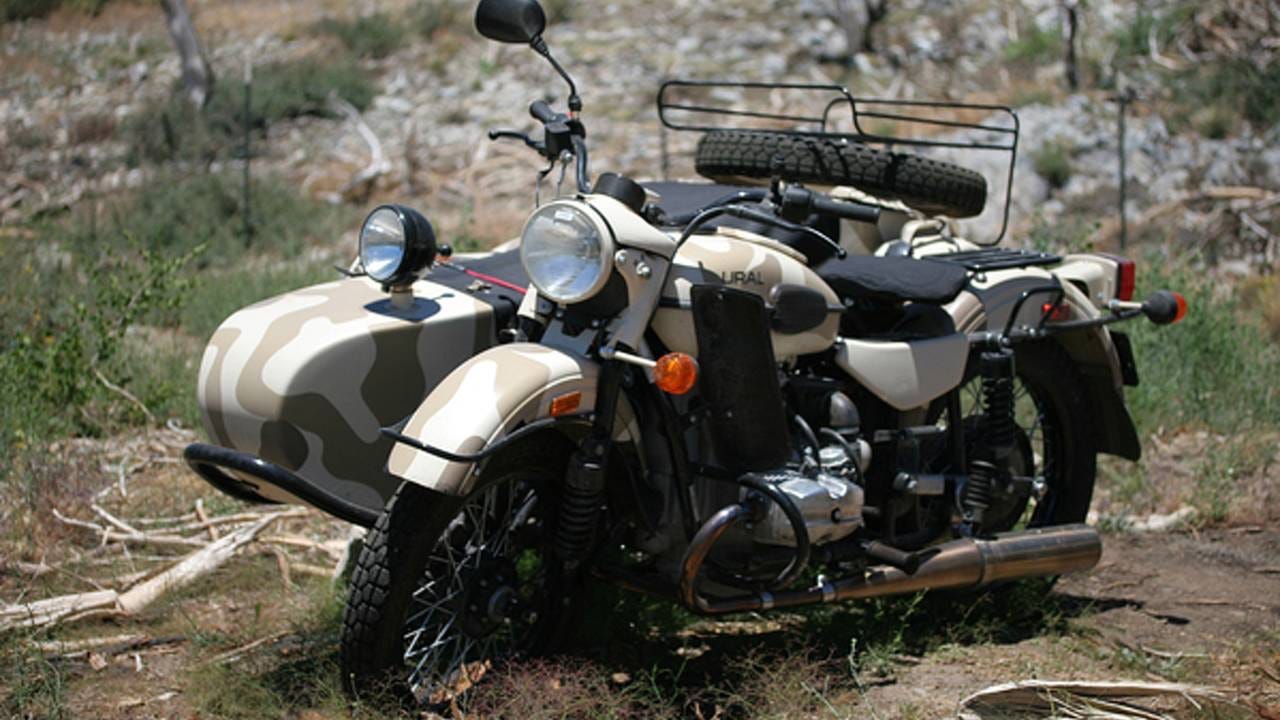
Soviet motorcycle with sidecar used by Soviet messengers.  Biography of Dr. Anthony J. Carbone.

I jumped into the sidecar of his motorcycle and we tore across the desert back to headquarters. When I walked into the command post, the battalion commander was seated in his leather chair just to the left of the doorway, listening intently as Captain Kazzo stood before the map board — my map board — and briefed my plan as if it were his own.
I stood silently in the doorway, staring him dead in the eyes while he spoke. He avoided my gaze, but I didn’t blink. Without a sound, I mouthed the words, “You son of a bitch, sir.” And then I walked away. I followed my father’s advice — I let it go.

Captain Kazzo was eventually rewarded with a company command. I was still in the S3 shop, still writing battle plans. But I had one small measure of control left: I put his company in the field first and brought them in last. I gave them every miserable job I could dream up.

One day he came storming into my office, livid. “Lieutenant,” he barked, “I know exactly what you’re up to. I know what you think of me — but think about my men.” “I am thinking about your men, sir,” I told him calmly. “The best thing I can do for them is to get you relieved of command as soon as possible.”

The Truth is Eventually Revealed

Eventually, Major Ozelek called me into his office. He remembered the complaint I had made months earlier. “Was it true?” he asked. “Was he plagiarizing your work?” “Yes, sir,” I said. “And I didn’t know what to do about it.” Well,” Ozelek replied, “you don’t have to worry about him anymore. He’s been relieved of command and will be leaving the battalion.”

It was a hard lesson in patience, pride, and integrity. I learned that in the Army — just like in war — there are battles worth fighting and others you win simply by standing your ground and waiting for the truth to catch up.

Staff Duty Officer and the Barracks Thief

One night, while serving as the Staff Duty Officer for the 6th Battalion, 31st Infantry, I had one of those experiences that reveal a lot about a person’s instincts and sense of justice. Sometime after midnight, a visiting Army captain came into the battalion headquarters and asked if it would be possible to grab a quick shower before heading back out to the field. I told him to use the Headquarters Company barracks — it was quiet that night, and I figured it would be no problem.

Missing Wallet

He was gone, maybe ten minutes, when the door to my office burst open. The captain stood there in nothing but a towel, dripping wet and clearly furious. “Lieutenant,” he barked, “someone stole my wallet while I was showering!

I turned to the Staff Duty NCO and said, “Call the MPs and meet me at Headquarters Company — now.” Within minutes, we were sprinting through the night toward the barracks, joined soon after by two MPs. I ordered one to guard each exit and then called the barracks to attention. Every soldier froze at their racks, backs straight, eyes forward.

I began inspecting footlockers one by one. At the third bunk, I flipped open the lid — and there it was, a wallet lying right on top. I held it up. “Sir, is this your wallet?” I asked the captain. He nodded, visibly relieved. I looked at the soldier standing stiffly at attention beside the bunk. “Whose footlocker is this?” “Mine, sir,” the private stammered. “Private Schmedlap?” “Yes, sir.

I continued checking through his footlocker. Inside, I found a stack of letters, the top one addressed to “PFC Johnson,” complete with hearts drawn in red ink and still faintly scented with perfume. I held it up and said, “PFC Johnson, come get Julie’s letter.” The barracks erupted in nervous laughter. As I dug deeper, I found more stolen letters, personal items, and keepsakes — small things that meant the world to the men who’d lost them.

Barracks Thief is Caught–Now what?

I looked around the room and could feel the anger simmering beneath the surface. Knowing what these men were thinking, I turned to the MPs and quietly said, “Step outside and guard the doors.” Then I looked at my watch. “You have three minutes,” I told the barracks.

I walked outside with the captain and waited. Three minutes later, I told the MPs to go back in. When we entered, Private Schmedlap was lying on the floor with a bloody nose and a look of regret that didn’t need explaining. I knelt beside him and said calmly, “Private Schmedlap, you are under arrest for larceny. You have the right to remain silent. Anything you say can and will be used against you…” The MPs cuffed him and led him out to the jeep.

The men of Headquarters Company nodded their thanks. They didn’t cheer — they didn’t have to. Justice, in their eyes, had been served. The captain got dressed, shook my hand, and thanked me more times than I could count. The Staff Duty NCO and I walked back to headquarters in silence and filed the report.

Secretary of the Army and the Napalm Night Battle

If the Captain Kazzo episode showed me the worst side of human nature in the Army, what happened next revealed the very best.

Our Opposing Force had been humiliating visiting Blue Force units for months — brigade after brigade came to the Mojave and left in defeat. We were so effective at simulating Soviet tactics that the Pentagon was starting to worry that the U.S. Army itself wasn’t ready for high-intensity war. Word of our dominance spread all the way to Washington, and soon the Secretary of the Army himself decided to fly out to Fort Irwin, entourage and all, to observe our regiment in action.
Official seal of the Department of the Army.  Biography of Dr. Anthony J. Carbone.

Special Night Operation

I had been tasked with writing a special battle plan for the exercise, which was scheduled for a night under a new moon — pitch-black conditions. Studying the terrain and our intelligence reports collected by Lieutenant Mike Pierson, I had a hunch about where the American main battle tanks would line up: hull-down, behind the ridgelines, with their barrels aimed toward our defensive positions. I decided to turn that assumption into their downfall.

Before the battle, I had 55-gallon drums of napalm emplaced behind each of those hilltops. And when the Blue Force tanks maneuvered into position exactly as predicted, I gave the order to ignite the drums. Instantly, the night sky exploded into a hellish orange glow. The silhouettes of every single tank were perfectly illuminated against the flames. Our gunners didn’t hesitate. One by one, the enemy vehicles were destroyed — a slaughter made possible by preparation, deception, and a little creative thinking.
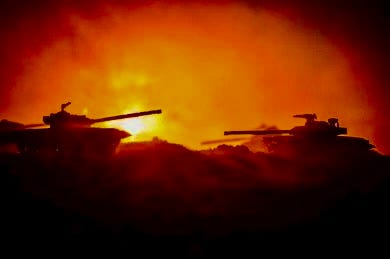
Main battle tanks illuminated at night by incendiary devices at the National Training Center at Fort Irwin, California.  Biography of Dr. Anthony J. Carbone.
Incendiary devices illuminate tanks on the horizon during night battle at Fort Irwin.

Debriefing the Secretary of the Army

When the battle ended, the Secretary of the Army gathered with our leadership to hear the after-action review. He was clearly impressed. “No wonder you’re kicking the Blue Force’s asses out here, Colonel!” he said with a hearty laugh, turning to our battalion commander, Lieutenant Colonel Joseph Stull. The crowd erupted in polite laughter and applause.

But LTC Stull didn’t smile. He cleared his throat and gestured toward the back of the crowd, where I was standing quietly, barely visible among the rows of officers and dignitaries. “Sir,” he said, “this wasn’t my plan. Lieutenant Carbone wrote this one. That’s him in the back there.”

Every head in the room turned toward me. I could feel my face flush with pride. The Secretary nodded approvingly and gave me a smile, but the moment wasn’t about me — it was about LTC Stull.

It would have been easy — expected, even — for a battalion commander to accept the praise and move on. But LTC Stull was a different kind of leader. In a profession where credit often flows upward and blame flows down, he did the opposite. He gave the credit where it belonged. I never forgot that moment. It taught me a lesson I’ve carried throughout my life: that real leadership isn’t about claiming glory. It’s about recognizing and elevating the people who make success possible.

Two Great Lessons of Leadeship

Those two experiences — Captain Kazzo on one end of the spectrum and Lieutenant Colonel Stull on the other — shaped the way I understood leadership for the rest of my career. Kazzo taught me how corrosive selfishness and ambition can be when they’re untempered by integrity. Stull showed me the opposite: that true leaders don’t hoard recognition; they pass it down to the people who earned it. One man made me determined never to treat others the way he treated me. The other inspired me to lead the way he led — by giving credit, sharing responsibility, and remembering that no victory is ever the work of one person alone.
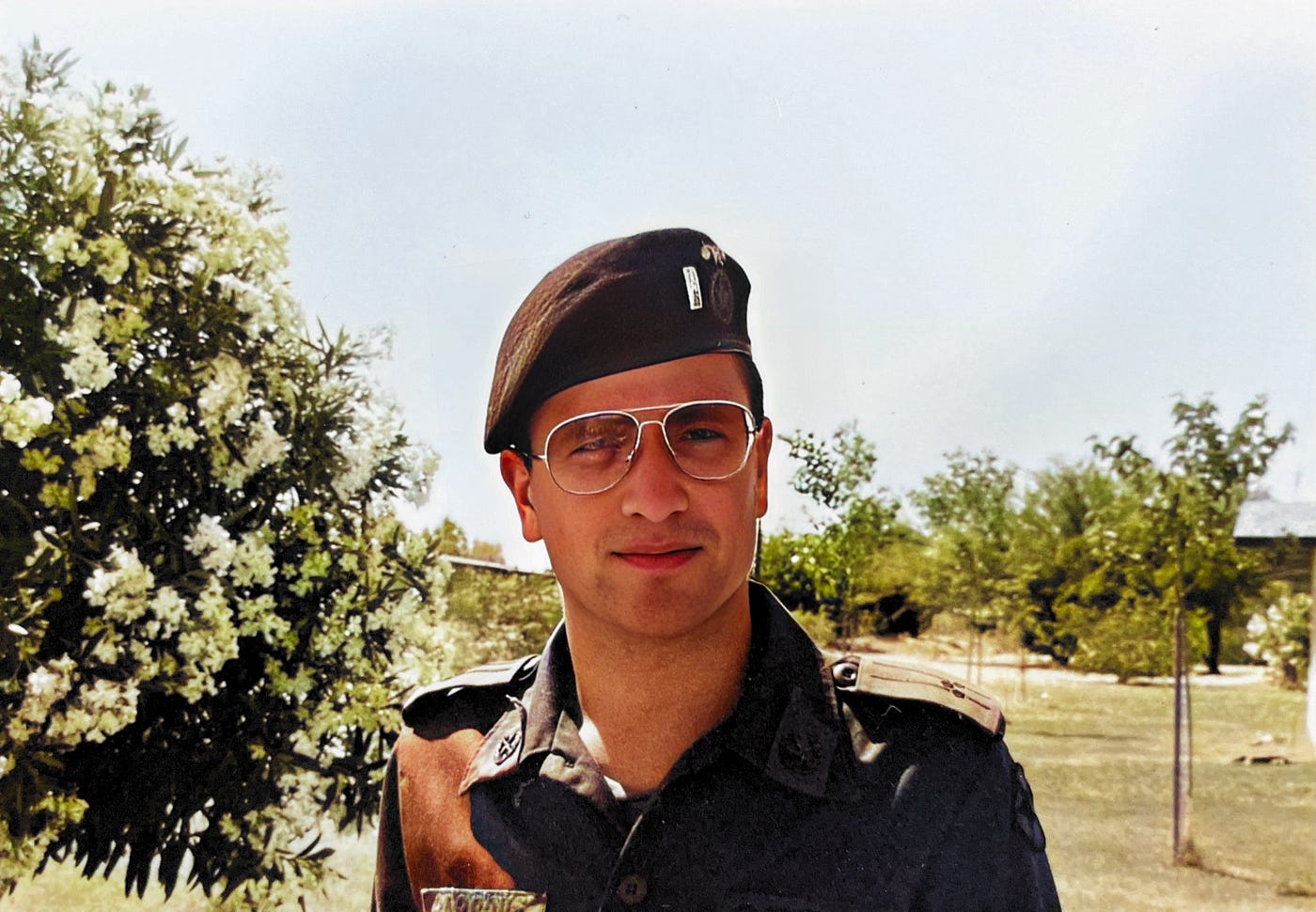
1LT Anthony J. Carbone in OPFOR uniform with black OPFOR beret with silver bar of 1st lieutenant and gold crossed retorts of the Chemical Corps.

Training is Dangerous

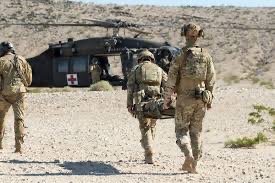
For all its simulated nature, the training we conducted at the National Training Center was anything but a game. These were full-scale, mechanized battles fought across thousands of square miles of unforgiving desert, often under the cover of darkness, and the danger was real. Every rotation brought injuries — broken bones from vehicle rollovers, burns from equipment failures, concussions from explosions — and occasionally, soldiers were killed. Massive armored vehicles maneuvered through rocky ravines and steep washes at night with limited visibility, and even a moment’s lapse could turn deadly.
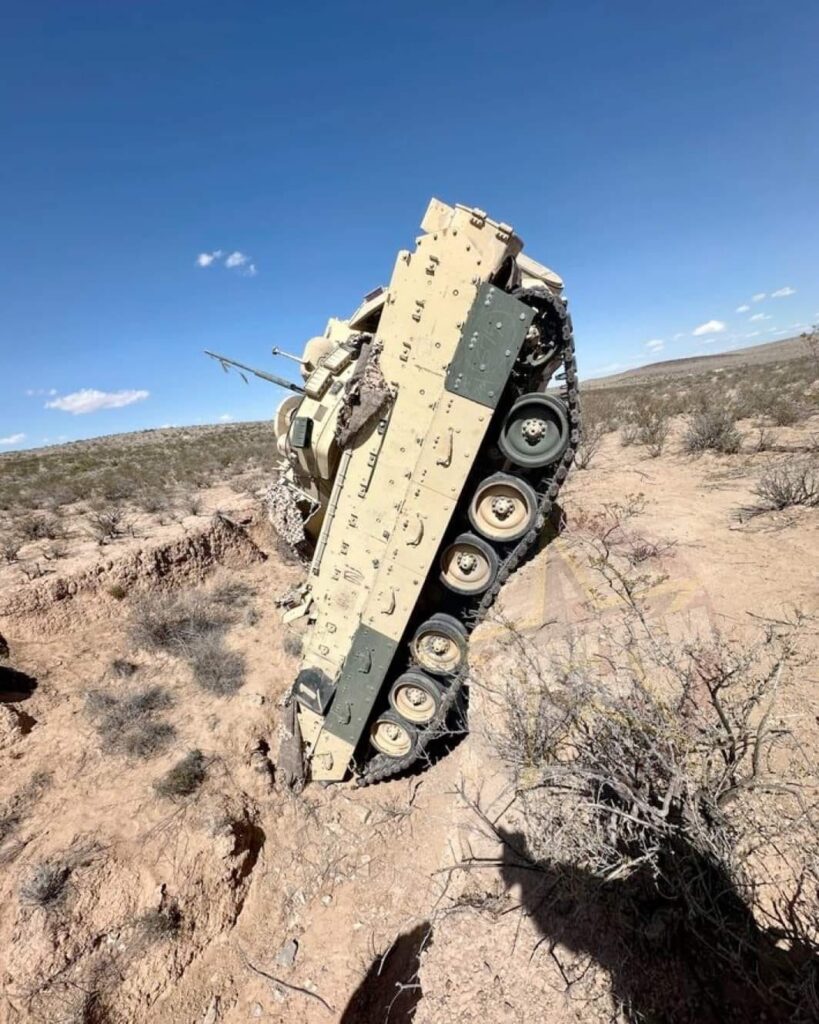
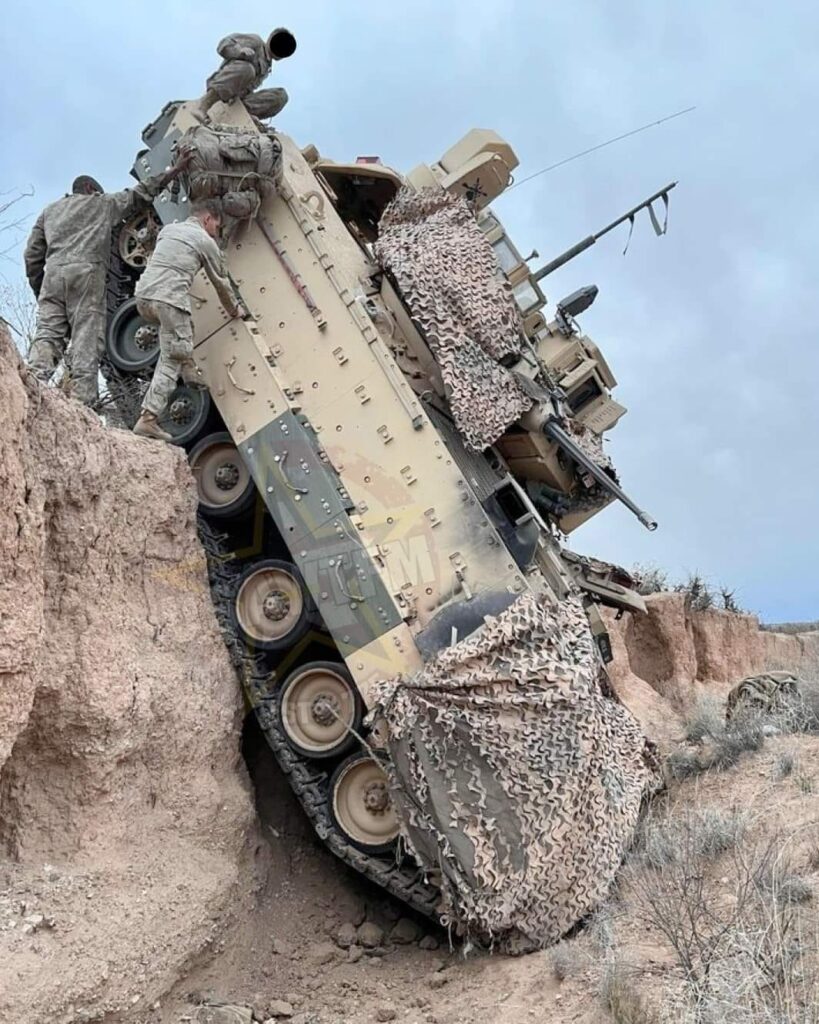
Chemical Smoke Platoon

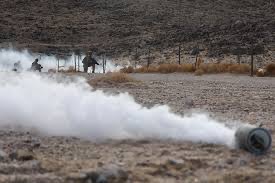
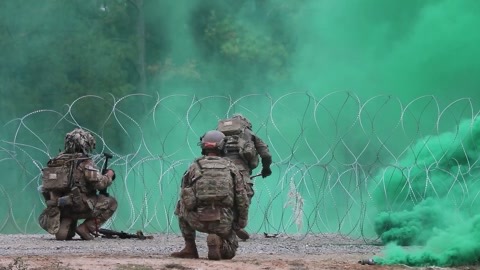
As the battalion’s chemical officer, I worked constantly to make the battlefield even more chaotic, coordinating with chemical units to lay down dense smoke screens, simulate gas attacks, and ignite fuel for flame effects. It was all in the name of realism — and it drove home the point that even in training, war was dangerous business.
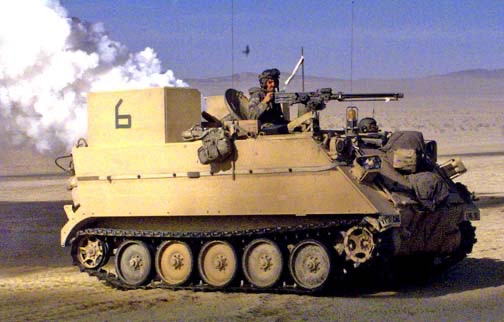
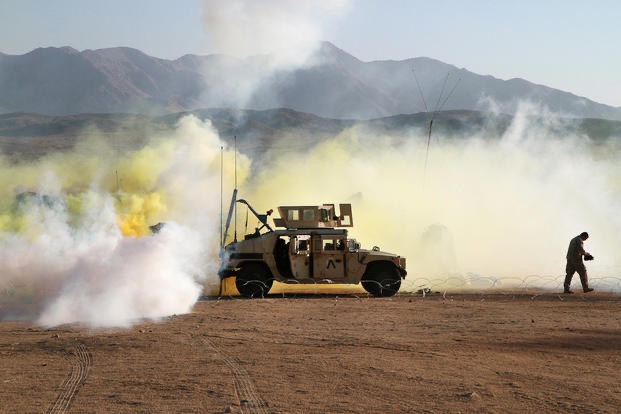
Live Fire Range

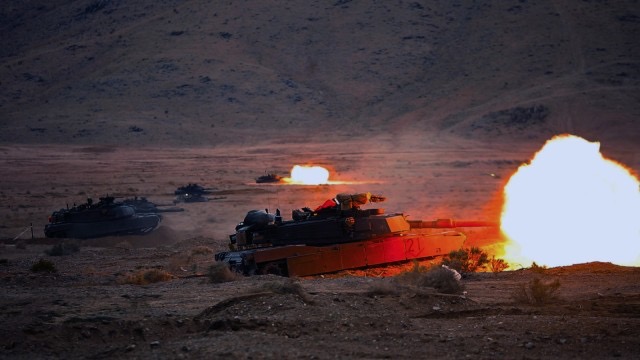
If the force-on-force battles with MILES lasers felt like a realistic preview of war, the live fire range was war itself. Nestled deep in the Mojave’s vast, jagged expanse, the National Training Center’s live fire complex sprawled across thousands of acres — a brutal, dusty crucible designed to strip away any illusions about what modern mechanized combat really meant. Here, units didn’t fight with lasers or simulated munitions. They fired real tank rounds, real artillery shells, and live mortars. The only thing we didn’t use was actual guided missiles. Everything else — the thunder of 120mm tank guns, the concussive blasts of high-explosive artillery, the roar of helicopter gunships overhead — was as real as it gets.
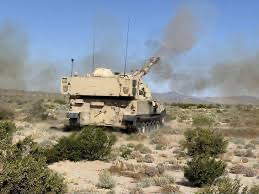
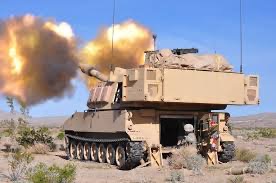
Every brigade that rotated through the NTC had to fight the OPFOR in realistic Force-on-Force MILES battles, but that was only half the test. Each unit also had to survive and succeed on the Live Fire Range before they could call their training complete.
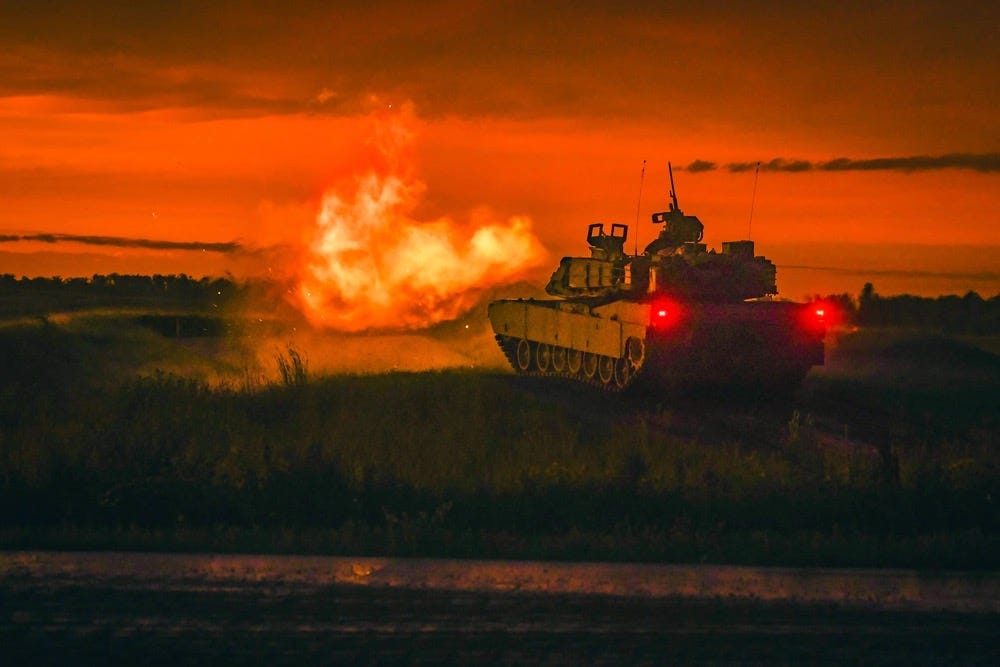
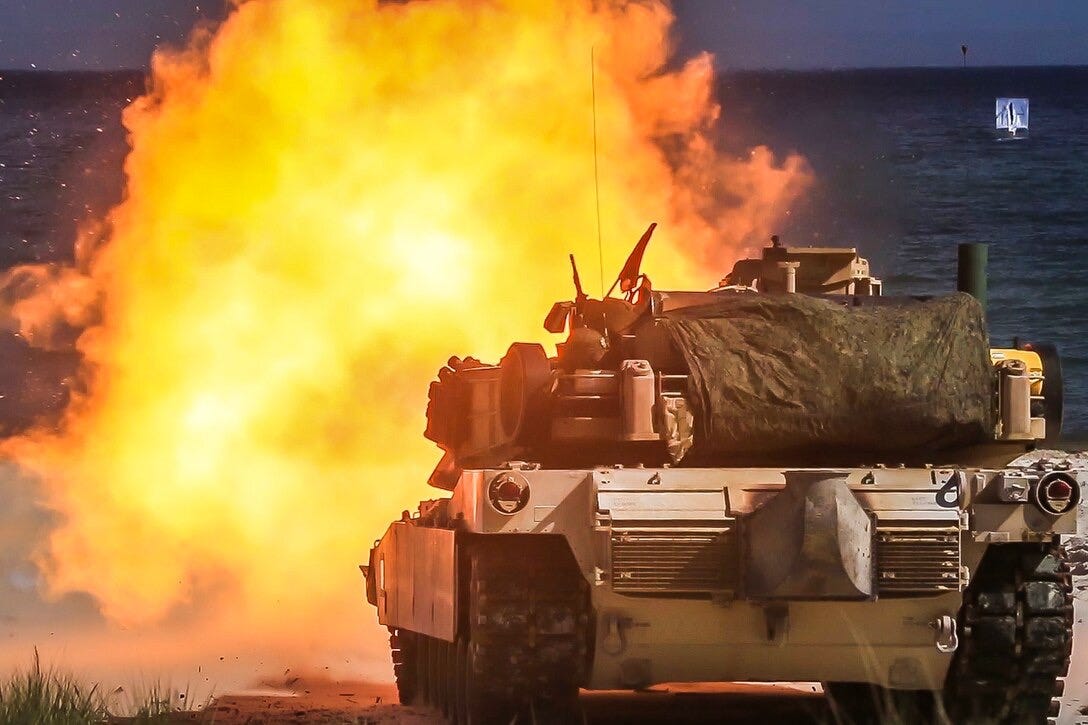
M1 Abrams tanks firing at night at the Live Fire Range at the National Training Center at Fort Irwin, California.  Biography of Dr. Anthony J. Carbone.

Our Battalion Faces the Live FIre Range

Even our own OPFOR regiment was required to run the gauntlet once a year, and those days were some of the most intense and unforgettable of my military career. Tank crews practiced coordinated gunnery while infantry advanced under the cover of real artillery fire. Engineers breached obstacles with live demolitions while smoke and flame roiled across the desert floor. It was an exhilarating spectacle — the Army’s vision of combined-arms warfare brought terrifyingly to life.
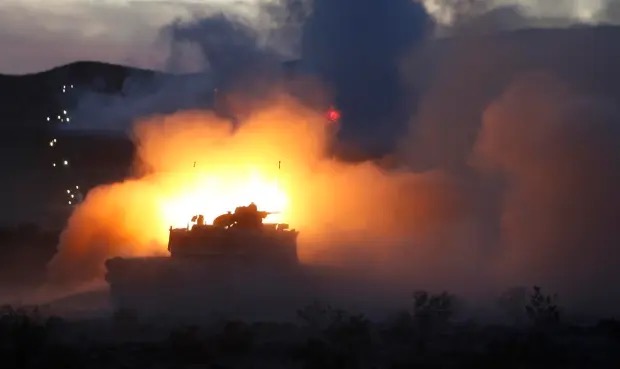
But that realism came with a steep price. Live fire training was dangerous — far more dangerous than anything in the MILES box — and no amount of planning or safety briefings could completely prevent tragedy. With hundreds of soldiers, vehicles, and weapons systems operating simultaneously across miles of broken terrain, mistakes happened. Friendly fire incidents were not rare. Men were wounded. And, on more than one occasion while I was stationed at Fort Irwin, soldiers were killed. Each death sent a shockwave through the community and reminded us all that the line between combat training and war was paper-thin.
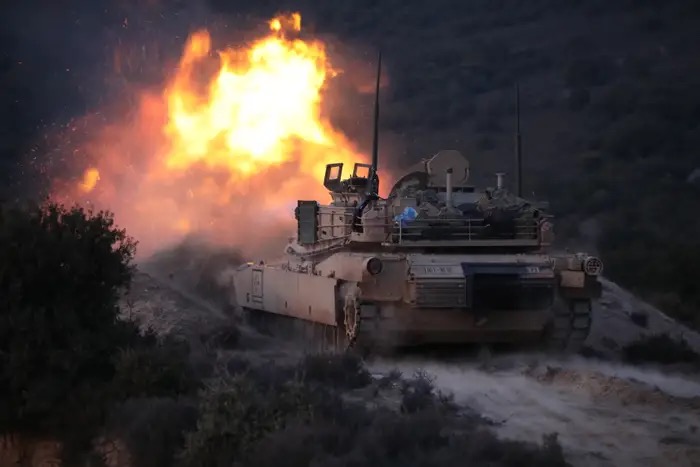
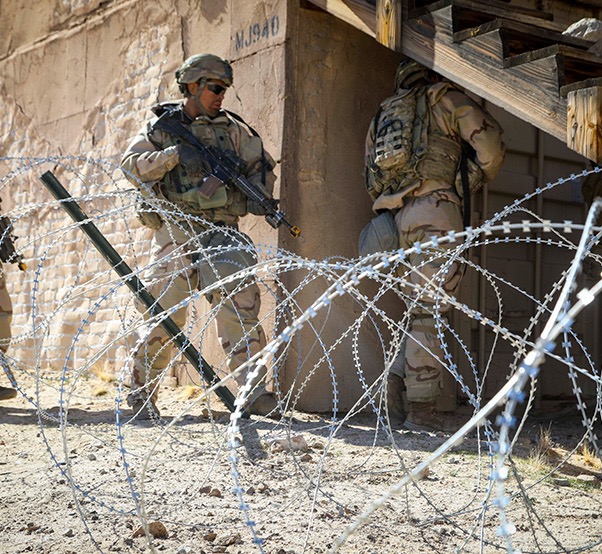
The most terrifying moments of all came when we had to dismount from the safety of our armored vehicles and advance on foot to breach obstacles under live fire. I can still remember stumbling forward through choking clouds of smoke and tear gas, wire cutters in hand, trying to slice through strands of barbed wire as tracer rounds zipped past just feet away.
USAF A-10 Warthogs at NTC

The air itself seemed to crack and sizzle as tank rounds slammed into distant targets and artillery shells screamed overhead. A-10 Warthogs circled above us, unleashing their 30mm Gatling guns in long, thunderous bursts that shook the ground beneath my boots. In those moments, we were fully exposed — vulnerable in a way no classroom or field exercise could ever replicate.
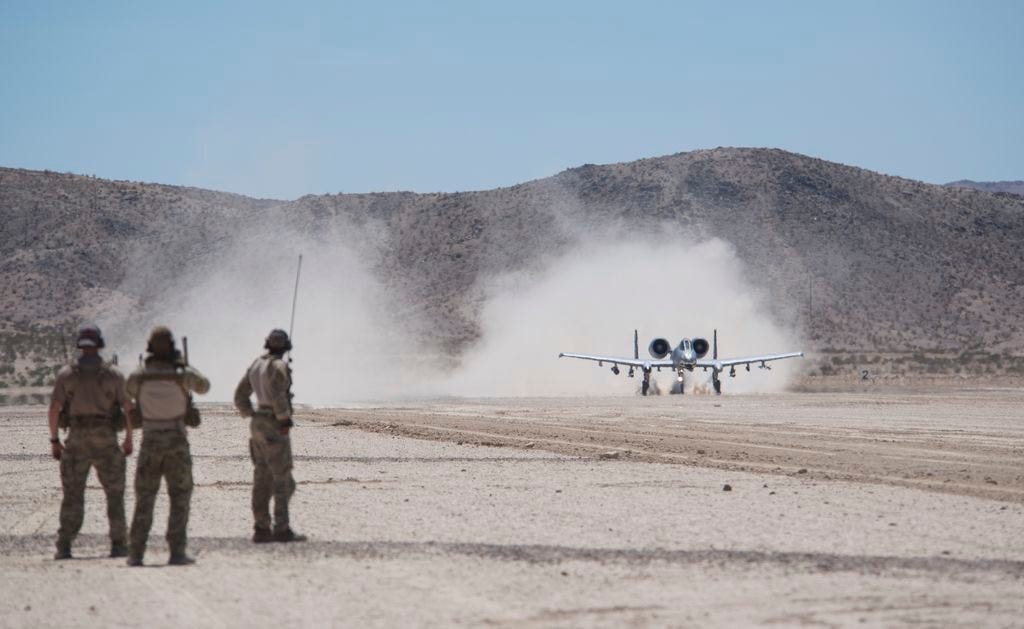
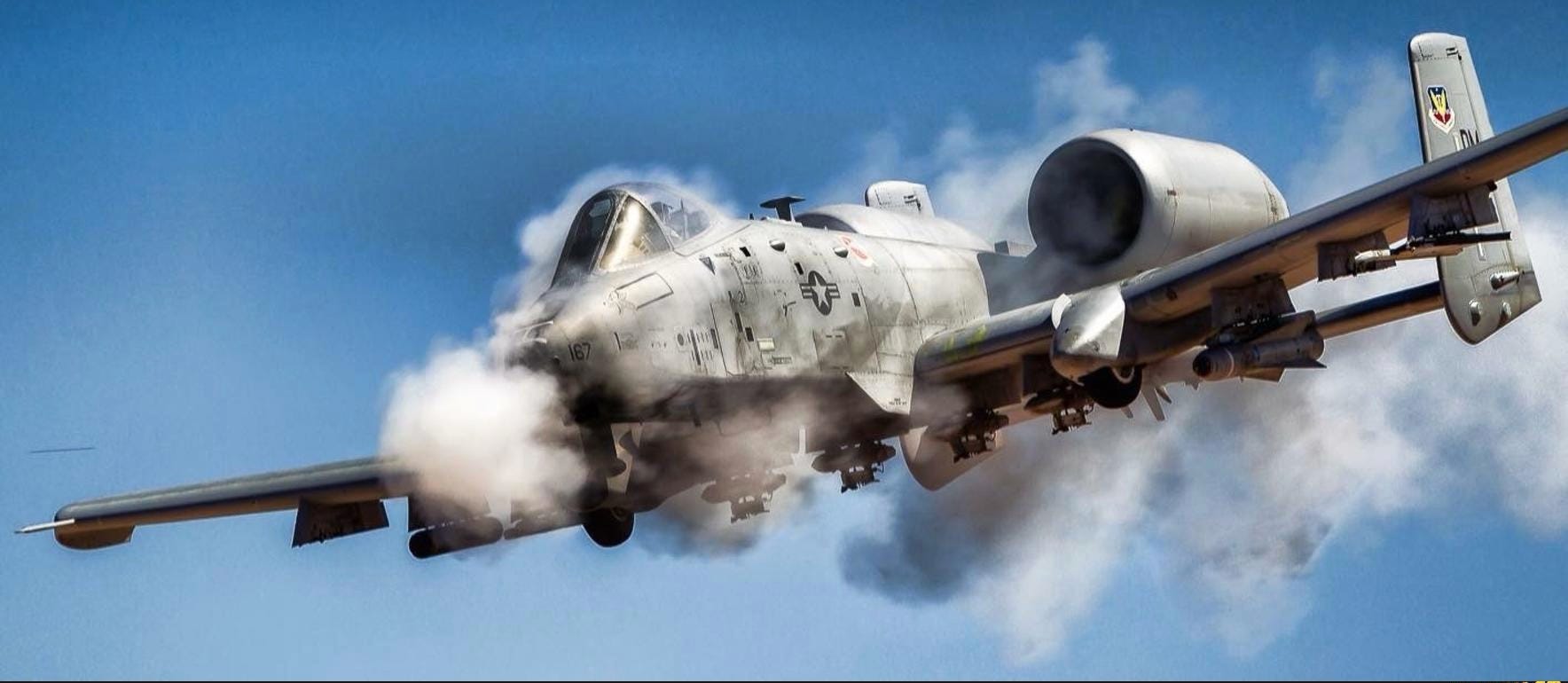
A-10 Warthogs at the National Training Center at Fort Irwin.  Biography of Dr. Anthony J. Carbone.
USAF A-10 Warthogs provided close-air support at National Training Center from bases in Indiana and South Carolina.

As an officer, I buried my fear as deep as I could, determined not to let the men see it. But the truth is, those experiences left their mark on me. They added to the weight of my growing PTSD — a burden I was far from ready to name at the time. Only now, as I sift through these memories to write my memoir, do I realize just how much I was carrying back then, and how deeply those days on the live fire range shaped me.
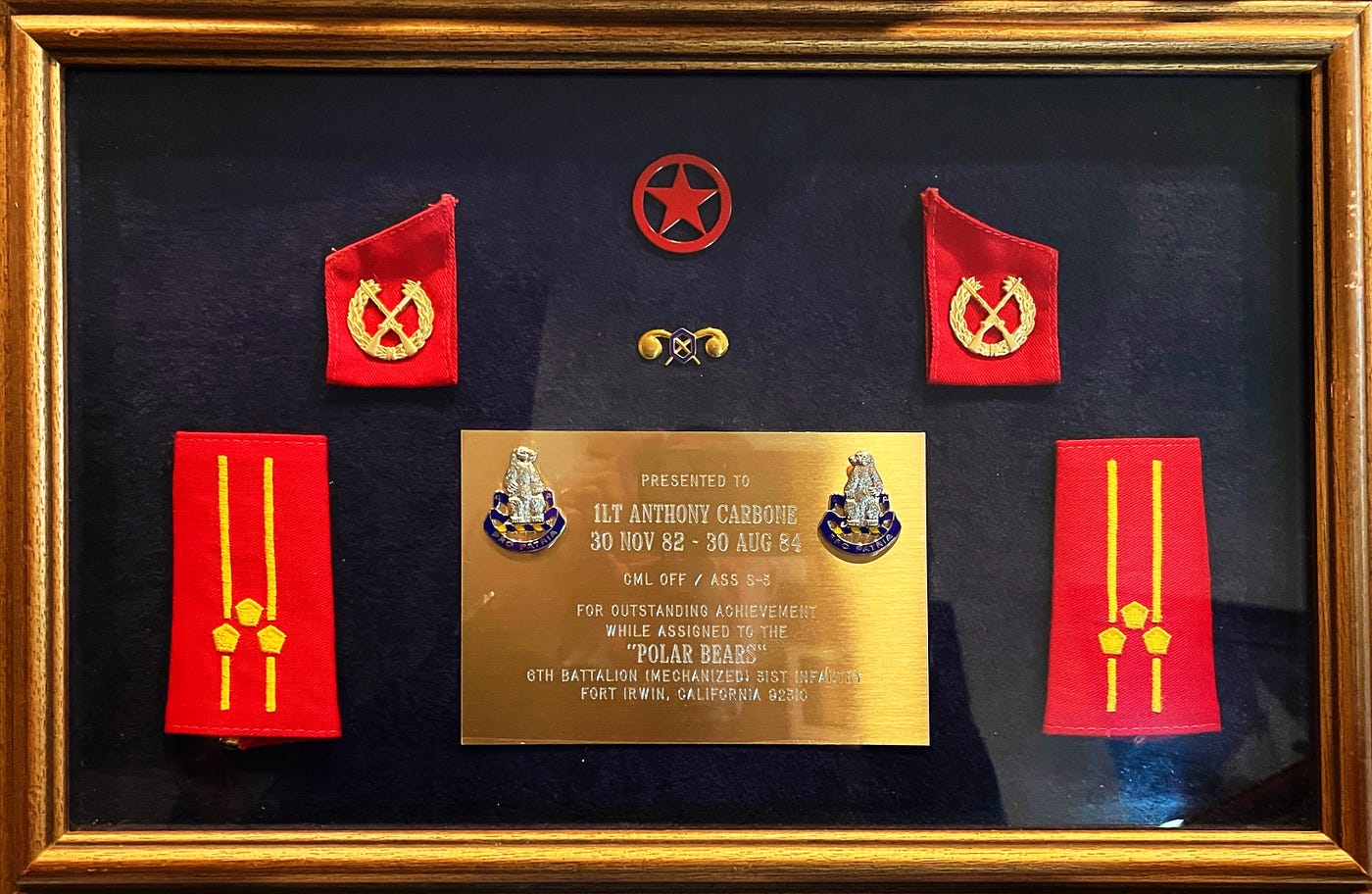
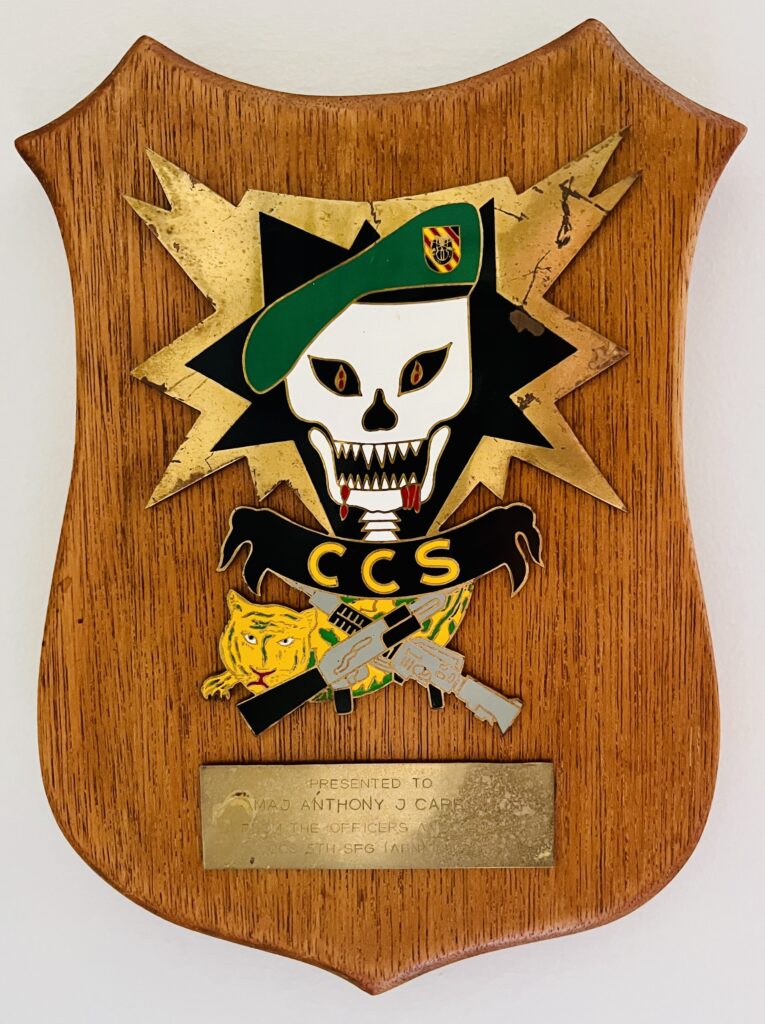
Departure Gift from Officers of 6th Battalion 31st Infantry (Polar Bears) Opposing Forces.  Biography of Dr. Anthony J. Carbone.
Departure Gift from Officers of 6th Battalion 31st Infantry (Polar Bears) Opposing Forces

Lynne & Chris’s Wedding

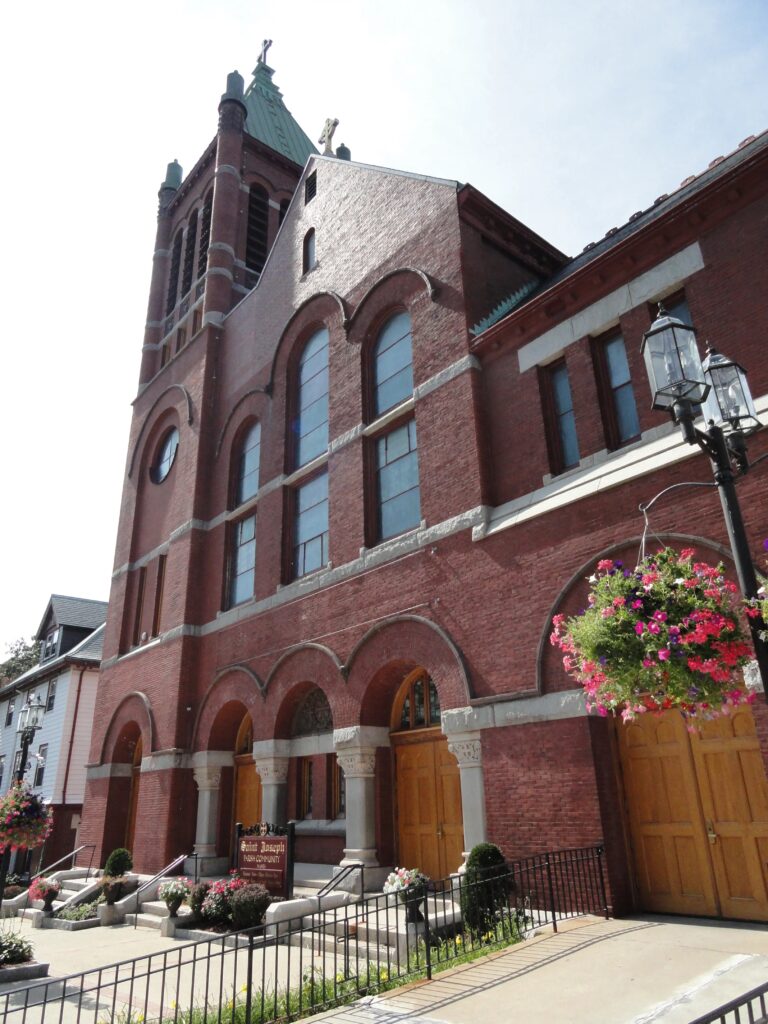
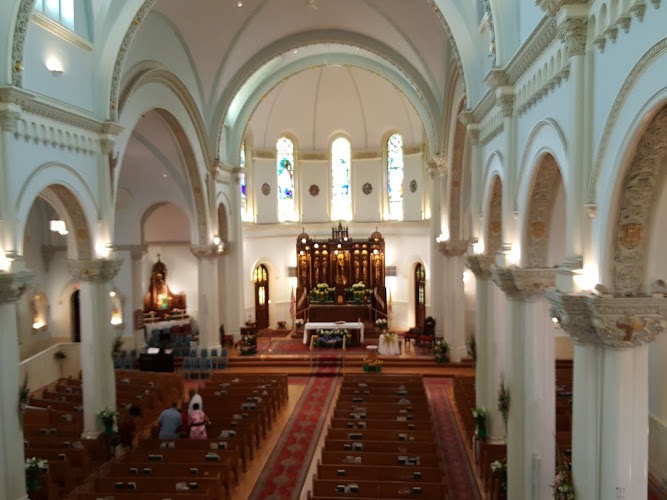
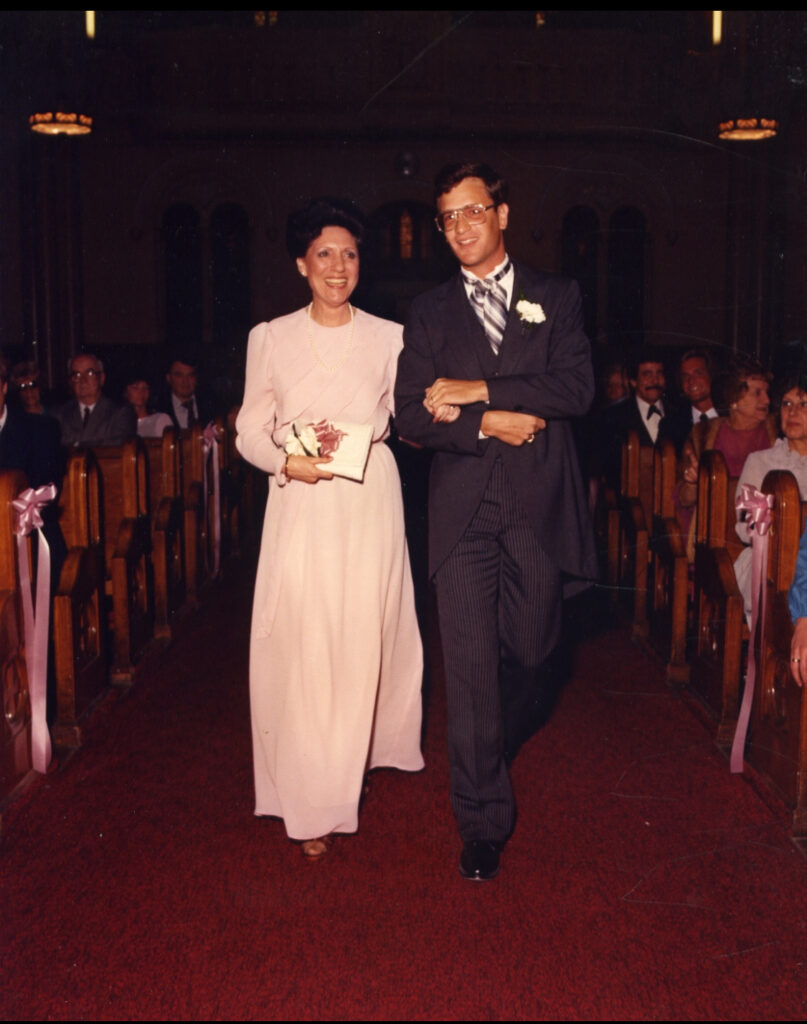
In the midst of that turbulent year, there was at least one bright moment for my family. My oldest sister, Lynne Elizabeth Carbone, was married to Chris Brown of Arlington, Massachusetts, on May 7, 1983, at Saint Joseph’s Catholic Church in Medford — the same church where we were all baptized, received our First Communions, and where my parents had exchanged their vows years earlier.
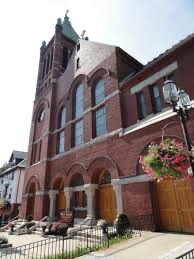
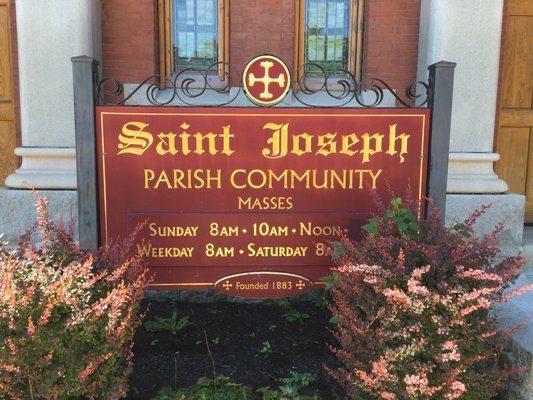
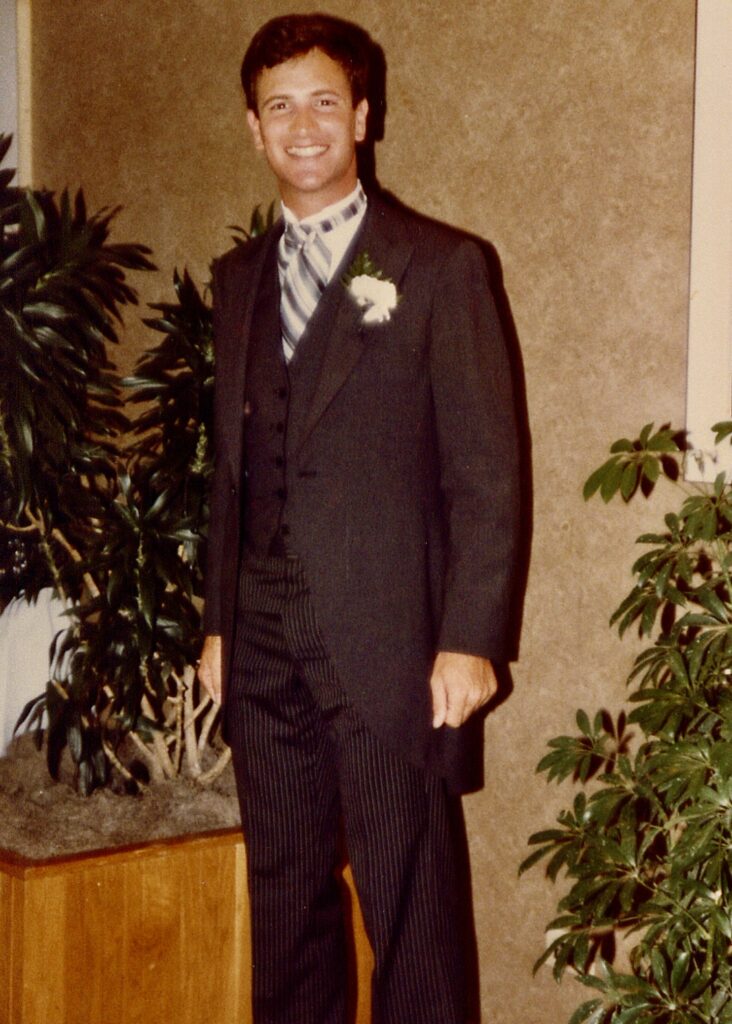
It should have been a day of joy and celebration, a moment to stand proudly beside my family. But the truth is, I don’t remember it. The exhaustion, the relentless schedule, and the emotional numbness brought on by my PTSD at Fort Irwin had hollowed me out. I only know that I was there because of a photograph — one that shows me walking my mother down the aisle. That image is my only proof that I hadn’t completely vanished from my family’s life, even though, in many ways, I already had.
The End of Our Marriage

The demands of Fort Irwin were draining, and the trauma I was enduring ran deeper than I ever understood at the time. Working through tactical problems and battlefield obstacles had become second nature to me — but there was no manual, no field exercise, to teach me how to maneuver through my personal life. I wasn’t in control. I let life happen to me — and poor Mariann had to sit there and watch it unfold.

Thank God, I wasn’t a drinker. I didn’t use drugs. I was never violent. But I know I hurt her terribly. I know now that I was dead inside, and she could feel it every single day. I saw the misery in her eyes, and it was killing me and I could sense her silent plea for me to stop — to step off the treadmill, to find my way back to the boy she fell in love with at Notre Dame. Of course, I wanted that too. I wanted to be that young man again — full of hope, joy, and love. But I was too sick. Too broken.

Taking Mariann Home

Eventually, Mariann asked me to let her go home, and with a heavy heart, I agreed. I couldn’t just put her on a plane by herself, so I flew home with her to Chicago. And then, in one of the most humiliating and heartbreaking moments of my life, I physically handed her back to her father like the day he handed her to me in marriage. That moment has haunted me ever since. I still have nightmares about it — the weight of failure, the unbearable shame, the realization that the Army had taken not just my peace of mind but the woman I loved.

There are nights when I still wish I had been the soldier killed in battle— that she could have gone home an honorable widow instead of a broken man’s abandoned wife. I never forgave myself for losing Mari. And for years afterward, I tried — desperately and hopelessly — to win her back.

Looking back now, I realize that losing Mariann was the deepest wound of all — one that never stopped bleeding. The Army had taught me how to lead soldiers, how to plan battles, how to survive chaos and death. But it had not taught me how to love someone through my own brokenness, or how to protect the person who needed me most. I failed her in every way that mattered. And the shame of watching her walk away — of knowing that I had driven her to that point — still haunts me. I would give anything to go back and rewrite that part of my life, but time offers no mercy. The truth is, I never stopped loving her. And I never stopped hating myself for letting her go.
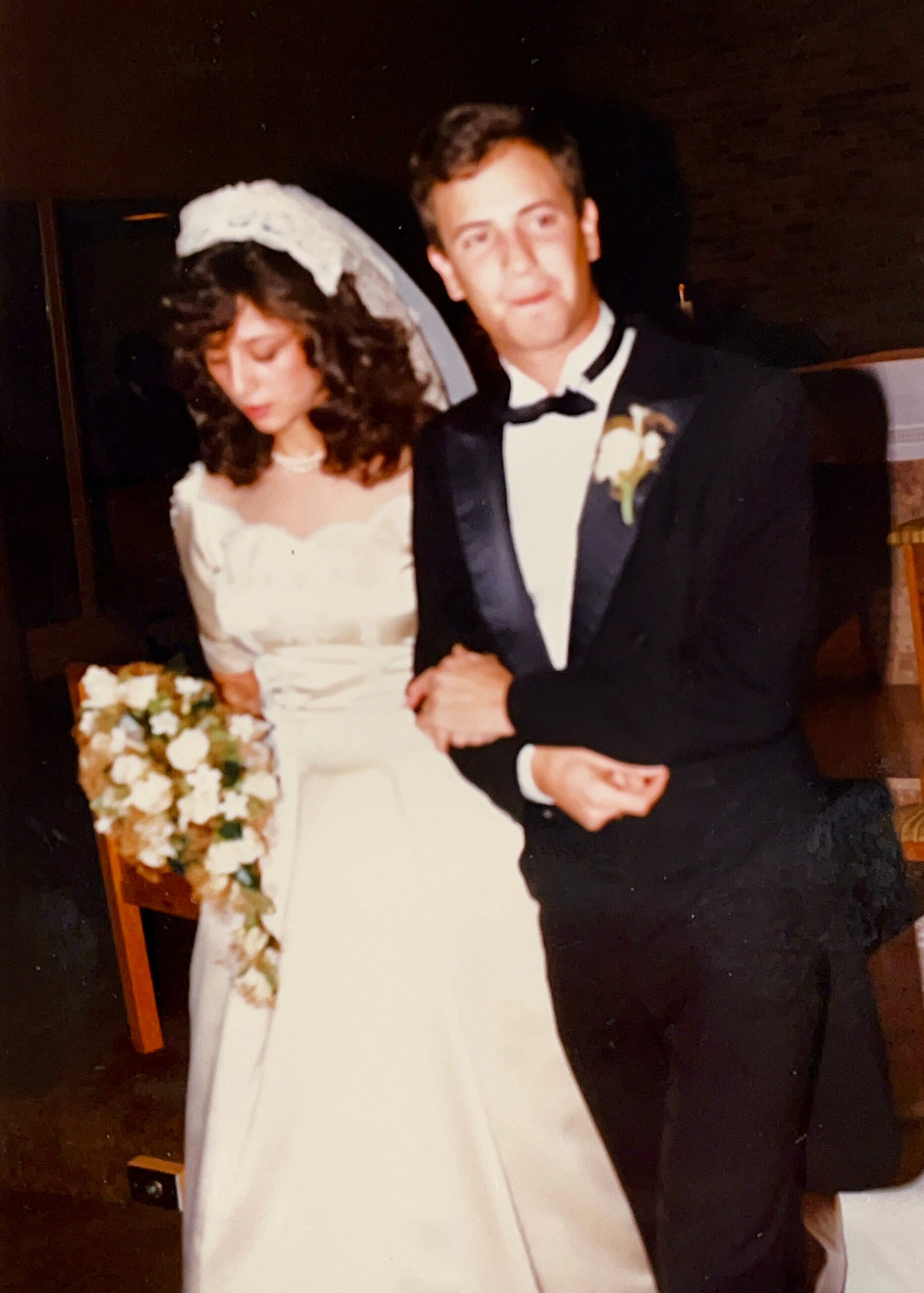
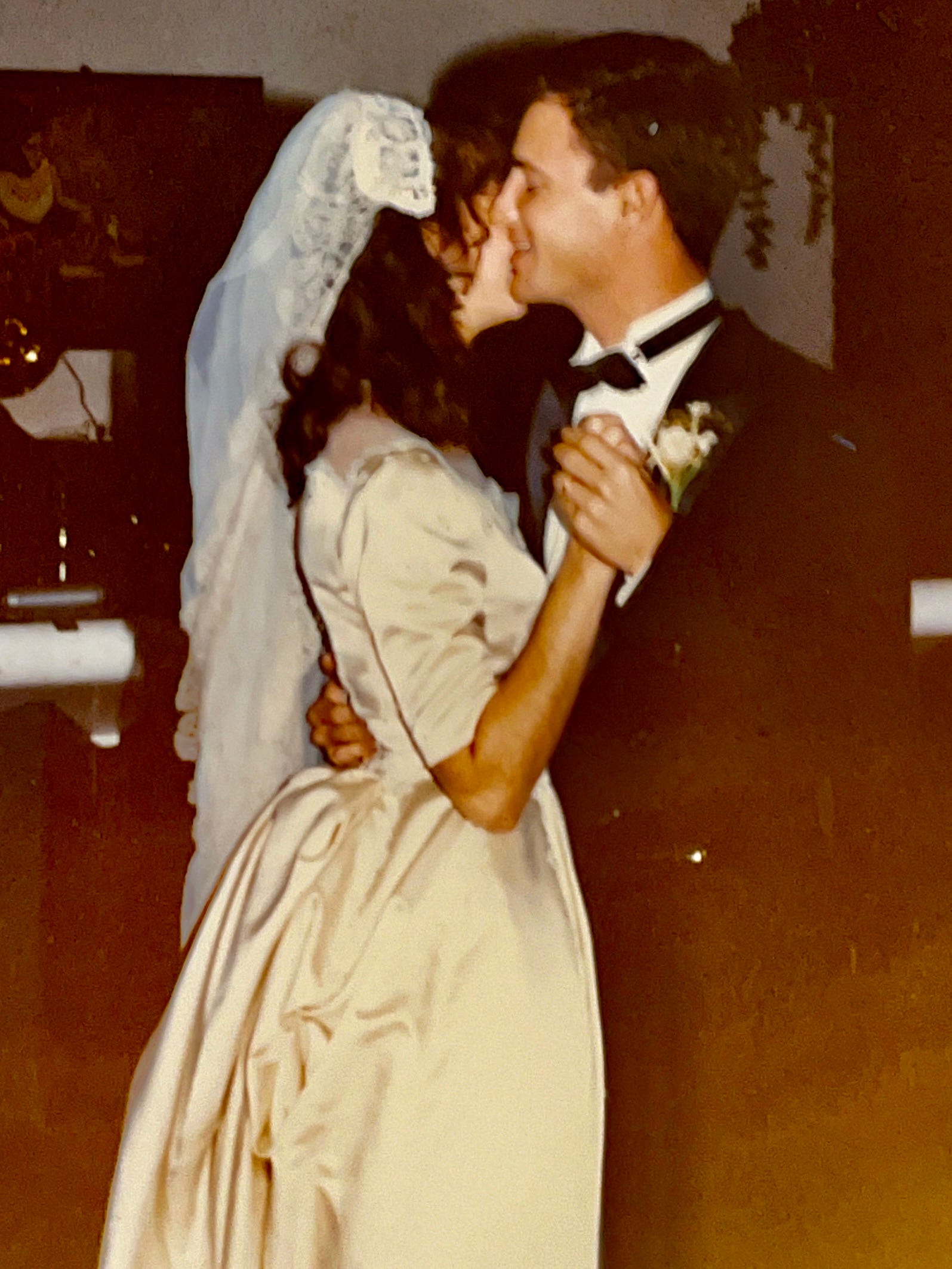
Lieutenant and Mrs. Anthony J. Carbone dancing at their wedding reception on October 30, 1982.

Home Page

Chapter 21: ROTC Advanced Camp — Summer of 1980

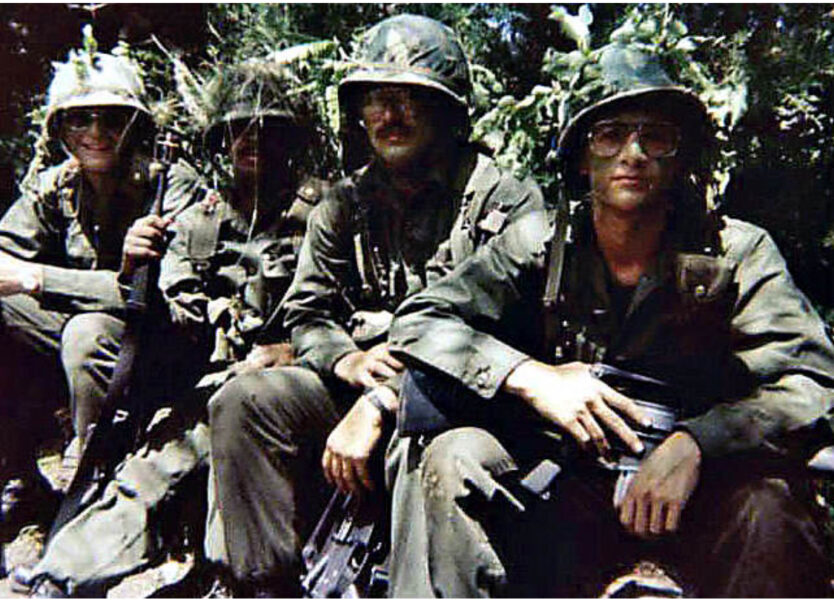
Photograph of me and 3 of my squad members in fatigues, camouflaged steel pot helmets, tactical gear and carrying our M16A1 rifles during tactical training at Army ROTC Advanced Camp.Biography of Dr. Anthony J. Carbone.

Believe Nothing You Hear, and Only Half of What You SeeA memoir of Service, Shame and the Search for Truth

Time for Army ROTC Advanced Camp

After finishing my junior year at Notre Dame — three years of increasingly difficult Military Science courses, drill, and early morning PT — it was finally time for the crucible of every Army ROTC cadet: Advanced Camp. This was the moment where all of the classroom lessons, field exercises, and countless hours in uniform were put to the test.

Army ROTC black and gold shoulder patch wit “Leadership” and “Excellence”. Autobiography of Dr. Anthony J. Carbone.

Report to Camp Forsyth

I reported to Camp Forsyth at Fort Riley, Kansas, in June of 1980 and would spend the next six weeks there. Notre Dame cadets trained side by side with the Aggies of Texas A&M and cadets from Army ROTC programs across the country. Today, Advanced Camp is held at Fort Knox, Kentucky, but in 1980, Fort Riley was the proving ground. The open Kansas plains — scorched by the summer sun, whipped by winds, and alive with biting insects — were where we would be pushed to our limits and measured against the Army’s highest standards.

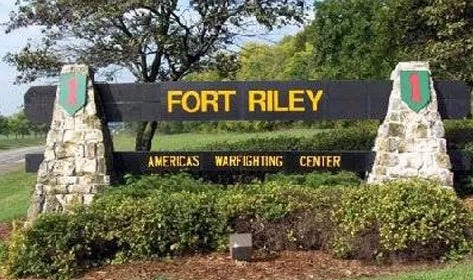
Fort Riley gate welcome sign saying "Fort Riley.  America's Warfighting Center" With the green patches with red numberal 1 for the 1st Infantry Division.  Biography of Dr. Anthony J. Carbone.

Inprocessing

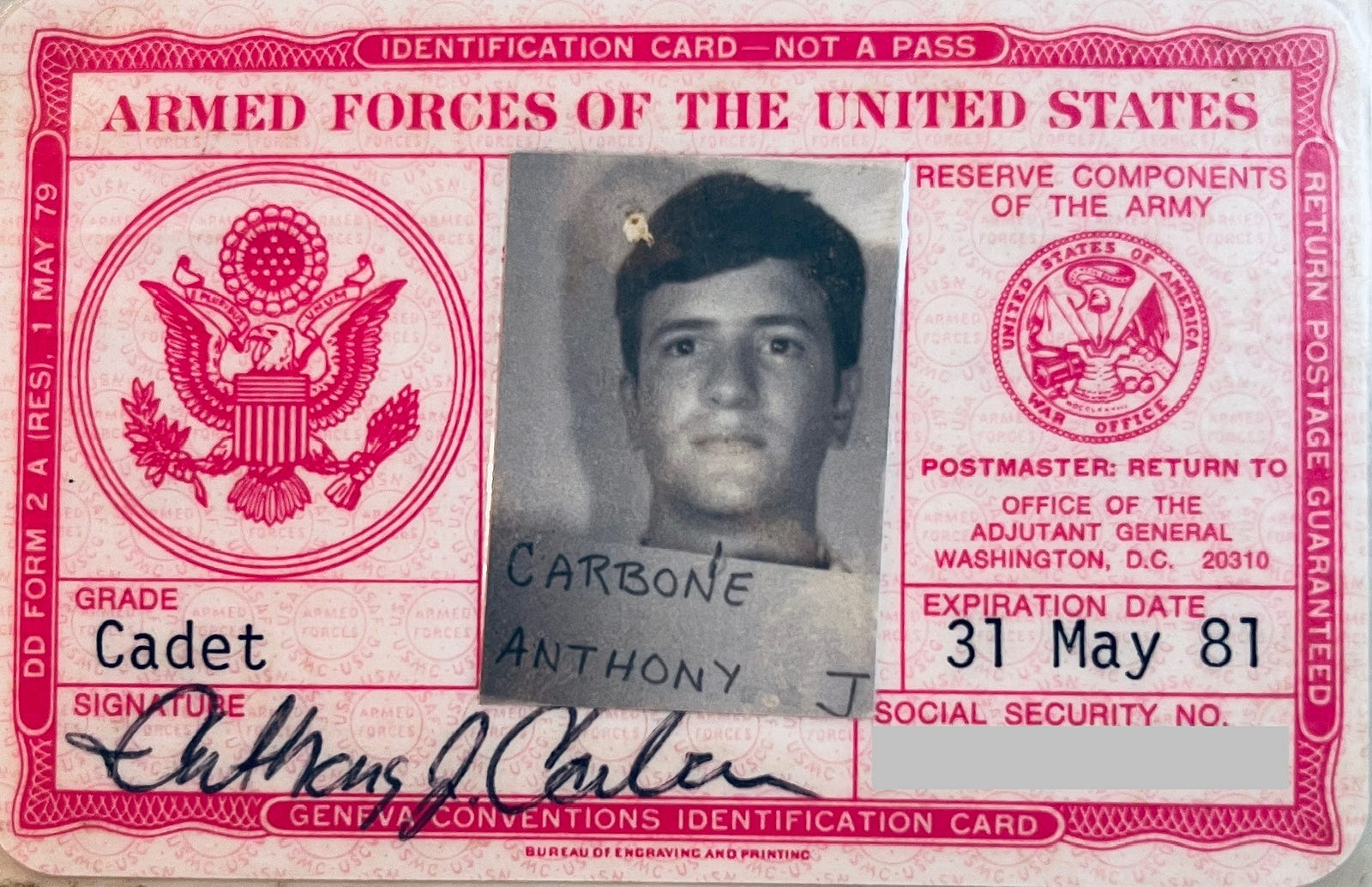
We ran through the usual in-processing: orders checked, medical paperwork signed, and the final cursory reminders that this was no longer just college ROTC. Then came issue day — the Basic Load: the old steel pot helmet, load-bearing equipment (LBE) with ammo pouches and suspenders, a poncho, canteen and cup, mess kit, a small first-aid pouch, entrenching tool, and extra socks and spare boots. They snapped our photos for the Cadet ID while we stood at parade rest, and holding that little card felt oddly official — proof we’d arrived at the Army’s doorstep.

My Cadet Geneva Conventions Identification Card issued at ROTC Advance Camp. For Cadet Anthony J. Carbone.
My Cadet Geneva Conventions Identification Card issued at ROTC Advance Camp

The Heat Wave

The summer of 1980 was brutal. A historic heat wave and drought gripped Kansas, and we felt every bit of it in our old steel pot helmets and full combat gear as we marched and trained. Day after day, the thermometer climbed past 100 degrees, with July delivering more than two weeks of triple-digit heat. The ground was dry and cracked, the air stifling, and shade was almost nonexistent. The oppressive heat wasn’t just uncomfortable — it was dangerous. For us cadets, it meant pushing our bodies through exhaustion and dehydration, learning to function in conditions that were as much a test of survival as they were of soldiering.

Cut Off From Home

Another reality of Advanced Camp in 1980 was how completely cut off we were from the outside world. This was a dozen years before personal cell phones existed. Letters were allowed, but only when we had a sliver of free time — and there wasn’t much of that. On weekends, we were marched to an area that had a dozen or so payphones lined up, each with a line of cadets waiting their turn. I would stand in the blazing sun, sometimes for over an hour, just for the chance to place a call.

Photograph of 4 Old Bell Telephone pay phone on a wall.  Biography of Dr. Anthony J. Carbone.

Every time I finally reached Mariann, my heart would race. The connection was scratchy, the time was short, but it didn’t matter. I would speak a mile a minute, trying to cram in everything I had just survived — the marches, the heat, the evaluations — and, most of all, to tell her how much I missed her. Those brief conversations sustained me. They were my lifeline.

Life in the Barracks

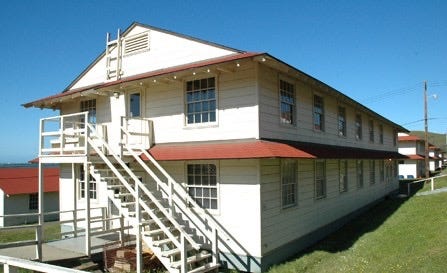
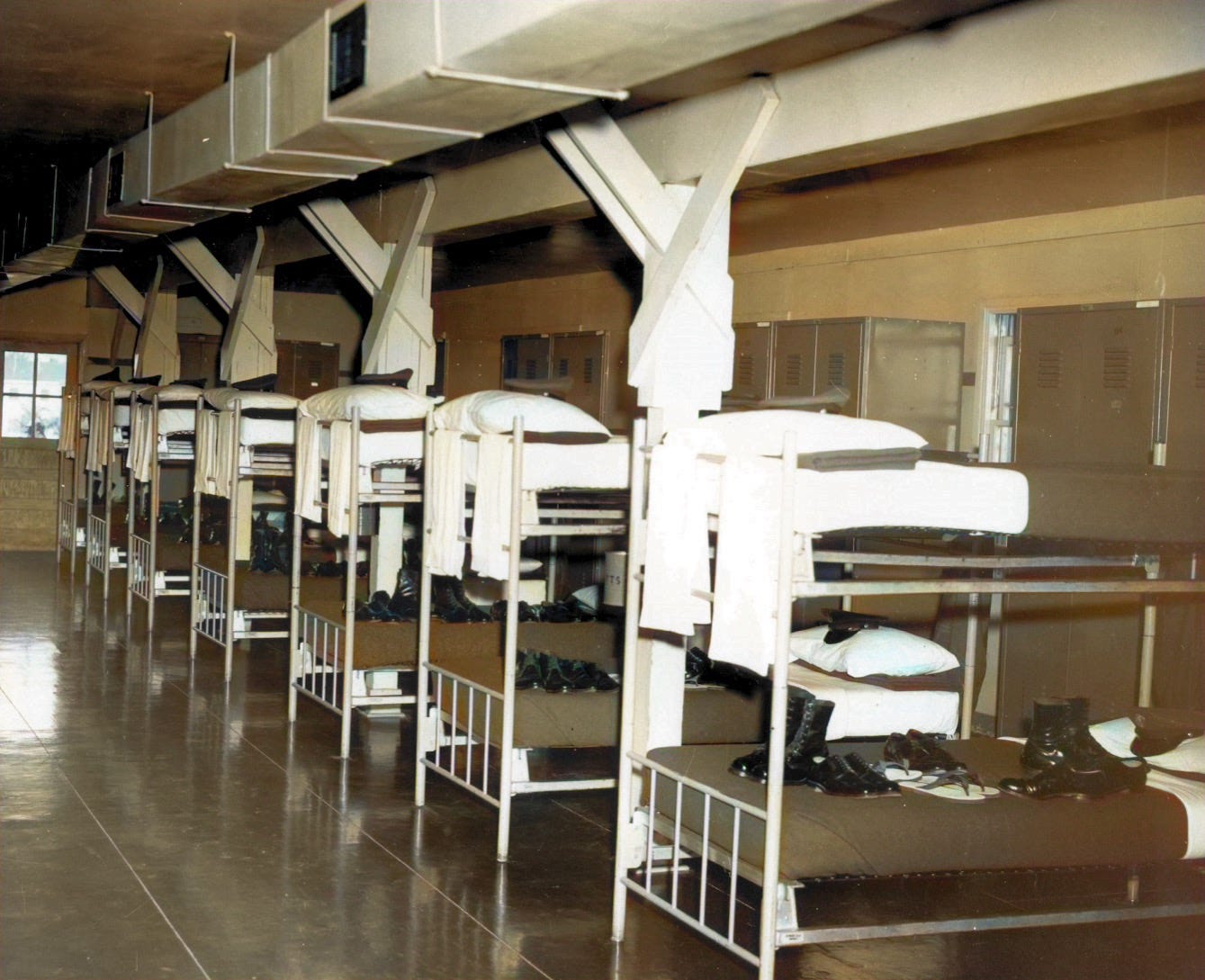
We were housed in old wooden World War II–era barracks — no frills and stripped bare of comfort. There was no air-conditioning, just two long rows of metal bunk beds. Each of us got a thin mattress, two white sheets, a goose feather pillow, and one rough-as-hell olive drab wool blanket that itched like crazy. A battered footlocker sat at the end of the bunk, with a metal locker nearby for uniforms and gear. Privacy didn’t exist. The showers were one big room with a dozen shower heads, and the toilets were lined up side by side — twelve seats in a row, no stalls, no doors. I used to sign up for Fire Guard duty around 2200 just so I could sneak to the latrine when most guys were asleep. That was the only way to find a little peace and privacy.

Exterior view of a typical World War II Army barracks, 2 stories with steps to second floor.  Found on Camp Forsyth for Army ROTC Advanced Camp.  Biography of Dr. Anthony J. Carbone
Interior view of a typical World War II Army barracks, Line of bunk beds with olive drab Army blankets and boots on bed.   Found on Camp Forsyth for Army ROTC Advanced Camp.  Biography of Dr. Anthony J. Carbone

Mornings were brutal. At the crack of dawn, the drill sergeant would storm in, flick on the lights, and bang something metal against the bunks as he marched down the aisle. We’d jolt awake, scrambling out of bed in our white boxers and t-shirts, and line up at the foot of our racks for headcount and instructions. Then it was a mad rush to throw on PT gear and fall into formation outside.

Physical Training and Jodies

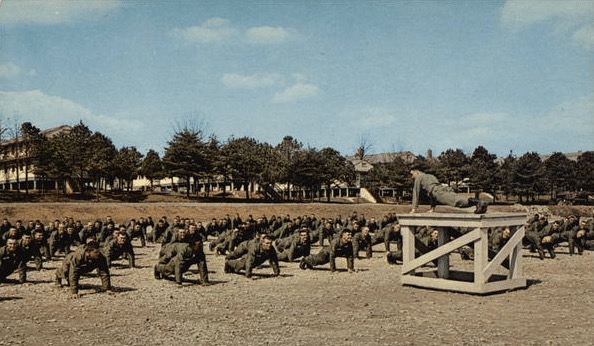
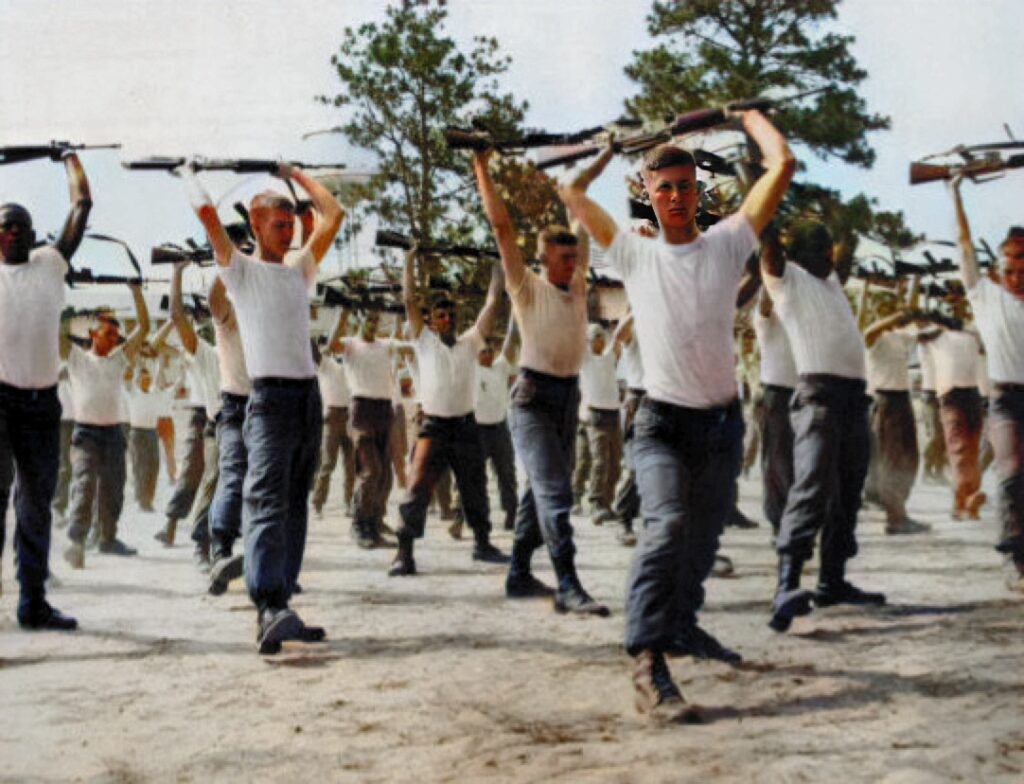
PT always ended the same way — running in step while the drill sergeant belted out Jodies. They were crude, funny, and loud, keeping us in cadence while building that strange mix of misery and camaraderie. For example, everyone has heard, “C-130 rolling down the strip. 64 Airborne on a one-way trip. Stand up, hook up, shuffle to the door. Jump right out and count to four.” Back at the barracks, just when you thought PT was over, there’d be more push-ups: “Front Leaning Rest Position! Move! One, two, three, four!” Over and over until our arms shook. Then five minutes — literally five minutes — to shower, shave, brush teeth, and dress into fatigues and boots. By the time we formed up outside and marched to the mess hall, the day had barely begun.

The Mess Hall

Getting chow felt like stepping into one of those old war movies. A long line of cadets in fatigues and combat boots stood at Parade Rest, hands clasped behind their backs. The chow hall itself was just another converted WWII barracks — bare, loud, and echoing with the clatter of trays. But with the aroma of chow.

Behind a wall of glass ran the chow line, steam curling up from metal pans. You grabbed a tray and tin dinnerware, then shuffled sideways as cadets on KP duty slapped food onto plates — scrambled eggs, greasy bacon, and a biscuit drowned in SOS (“Shit on a Shingle”). At the end, you snatched a cup of milk or juice, then dropped into a seat with your squad. You had maybe six minutes — no more — to eat, scrape your plate, and move. Not much time for chit-chat.

C-Rations

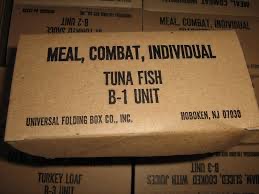
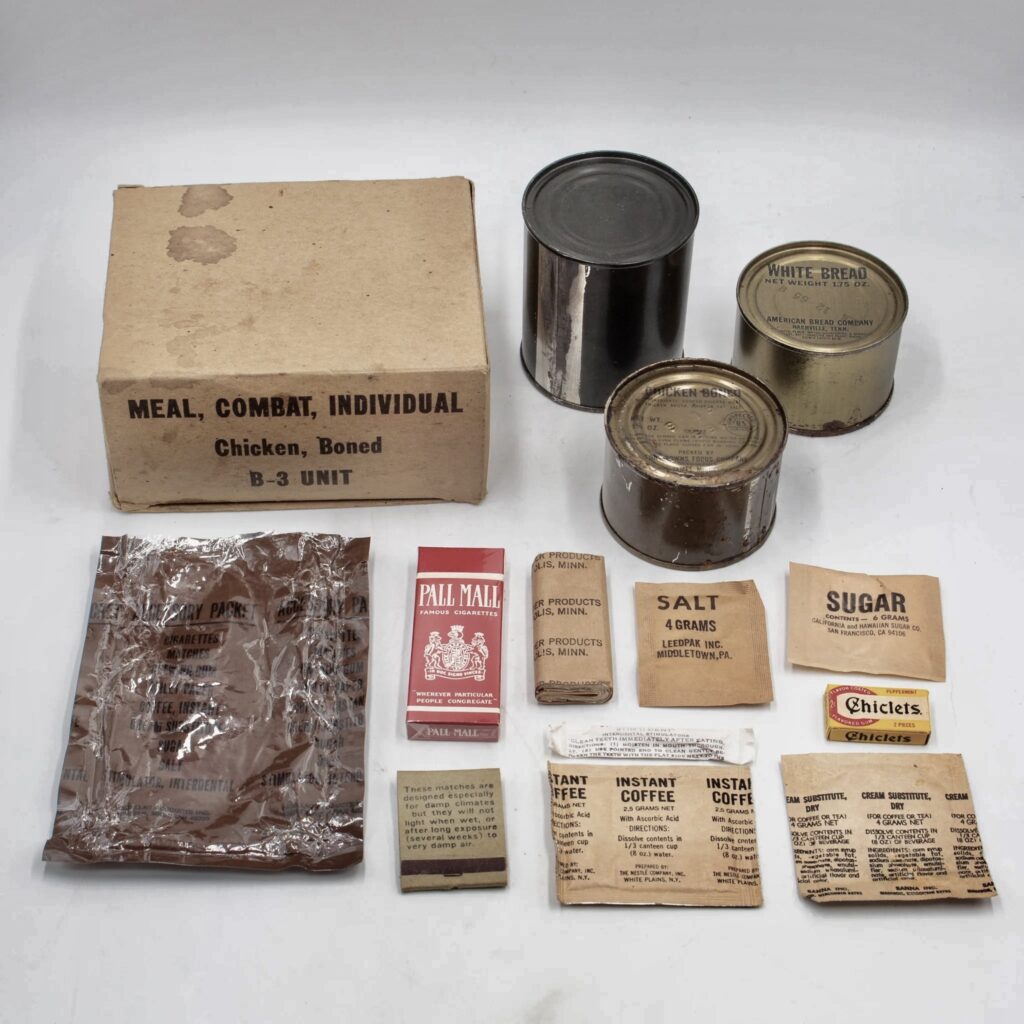
When we weren’t eating in the mess hall, the alternative was C-Rations in the field. Even on an empty stomach, most of those little brown boxes were tough to swallow. I quickly learned to sprint to the mess truck when it pulled up, fighting my way to the best meals before they were gone. My prize was B-1 Unit— a small can of tuna fish paired with a large can of fruit cocktail. Compared to the other canned meats, it felt like gourmet dining. My second choice was beans and franks, but only in a pinch. Since we almost never had the chance to heat our meals, the tuna and fruit were the safest bet. Everything else I was quick to trade, always hoping to score a pack of Chicklet gum, which was like gold in the field.

Learning to Be a Soldier

A large part of Advanced Camp was learning to be a soldier first, and an officer second. We learned to wear our uniforms and gear correctly, to stand in formation, and execute all the basic commands: Fall In, Attention, Parade Rest, Present Arms, At Ease, Fall Out. We drilled endlessly on marching and running in formation, our cadence echoing across the field.

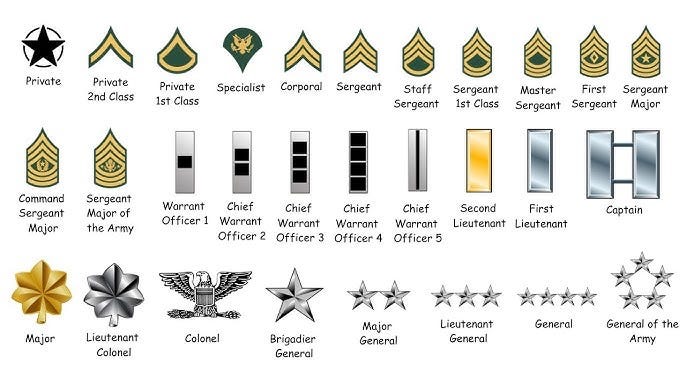
We had to learn the rank and branch insignia (something you already learned in basic ROTC).

Chart showing U.S. Army rank insignia from E-1 Private to O-11 General of the Army.  Biography of Dr. Anthony J. Carbone.

The M16 Rifle

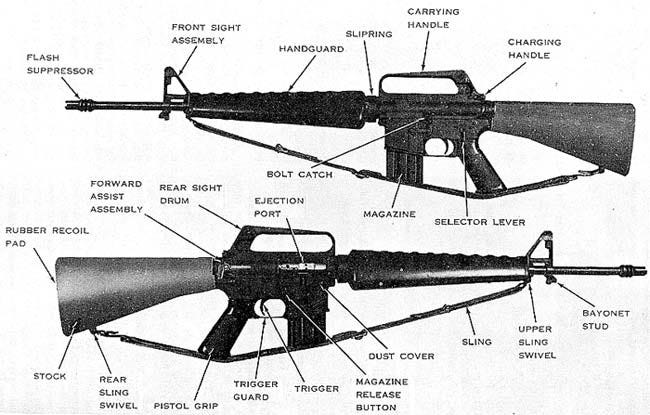
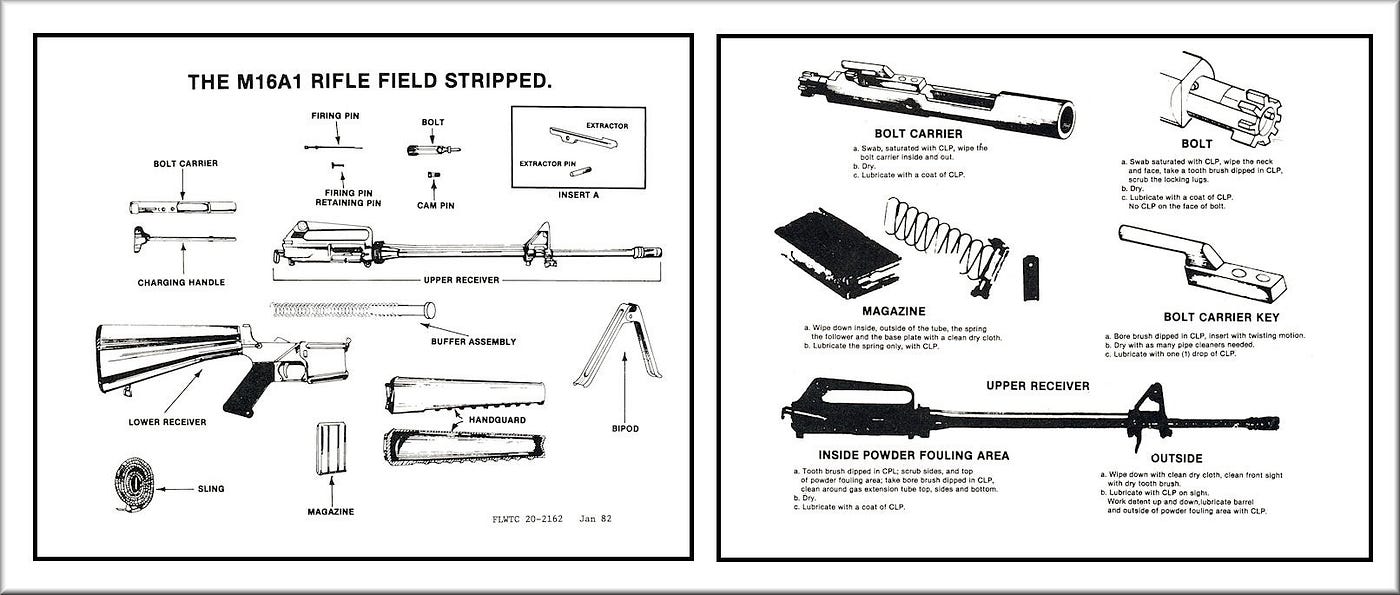
Then came the rifles. Each of us was issued an M16A1 rifle. We learned to carry it, field strip it, and reassemble it faster and faster.

Diagram of M16A1 Rifle with explanation of parts from Left and Right side views.  Biography of Dr. Anthony J. Carbone.

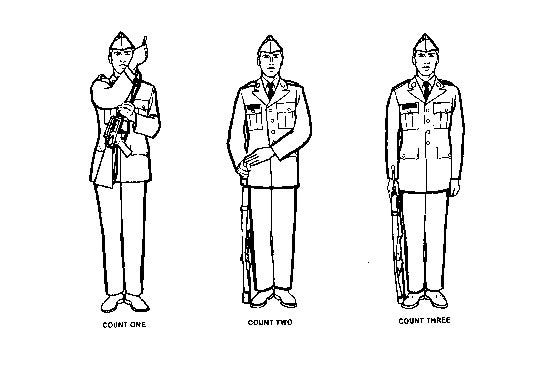
We practiced the 15-Count Manual of Arms. Right shoulder, Arms. Port, Arms. Left shoulder, Arms. Present, Arms. Order, Arms. Then something to the effect of singing, “This is my rifle, this is my gun. This is for fighting, this is for fun.”

Diagram of soldier in Class A uniform performing a part of the 15 Count Manual of Arms--Order Arms.  Biography of Dr. Anthony J. Carbone

Eventually, we moved to the firing range. The rules there were strict — no motion without a direct order. We learned to load, fire, and zero our weapons. Shooting from standing, kneeling, and prone positions, clearing jams, and obeying every command was terrifying — and exhilarating. After each round, the Range Officer called, “Are there any alibis?”Those with rounds left had to empty their magazines immediately.

Afterward, we marched back to garrison, rifles in arms, singing Jodies, only to face the dreaded cleaning of weapons. Practiced field stripping our M16A1. Tedious, meticulous work, but essential. An M16 that wasn’t spotless could fail when it mattered most.

M16A1 Rifle Field Strip Diagram.  Biography of Dr. Anthony J. Carbone.

The Water Hazards

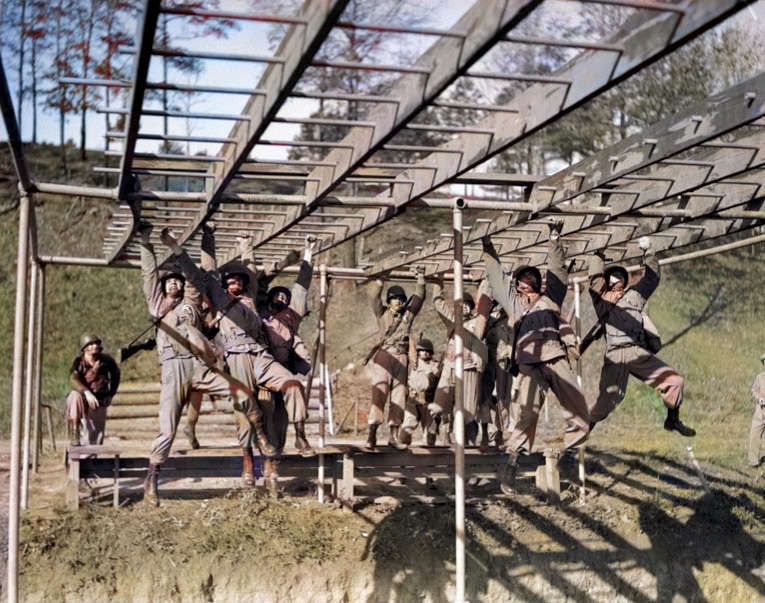
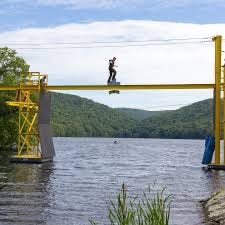
Army ROTC Advanced Camp seemed obsessed with water obstacles. No matter where we turned, there was always some new challenge over a lake, pond, or river. The cadre loved to test our courage and balance above the water, knowing full well that most cadets dreaded falling in.

U.S. Army cadet at Recondo water obstacle area.  Balancing on beam over water, with Recondo sign hanging from beam.  Biography of Dr. Anthony J. Carbone.

One of the first obstacles I faced was a balance beam stretched high over a lake. The beam wobbled with every step, and the thought of tumbling into the water below made it feel like a tightrope walk in the circus. Somehow, I managed to keep my footing and make it across.

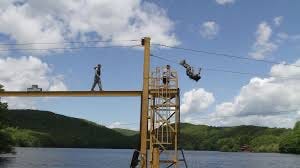
U.S. Army cadet at Recondo water obstacle area.  Balancing on beam over water, with Recondo sign hanging from beam.  Another cadet hanging from a rope. Biography of Dr. Anthony J. Carbone.

Rope Over Water

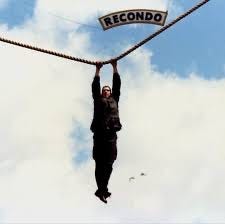
Another test was even more intimidating. I had to climb a wooden stand high above the lake, shimmy out onto a thick rope, and crawl to its midpoint where a “Recondo” sign dangled. Once I touched it, the special forces sergeant on shore barked through a bullhorn, “Hang from the rope, cadet, and request permission to drop!” I dangled from the rope and shouted, “Cadet Carbone, request permission to drop!” The sergeant’s reply stunned me: “Carbone? Like Major Tony Carbone of MACV-SOG? Carbone?” I yelled back, “Yes, Sergeant!” He paused, then shouted, “I know your father. Give me ten pull-ups before you drop, Cadet!” So I did my pull-ups, arms burning, before finally letting go and plunging twenty meters into the water.

U.S. Army cadet at Recondo water obstacle area.  Hanging over water holding onto a rope with Recondo sign.  Biography of Dr. Anthony J. Carbone.

Slide For Life

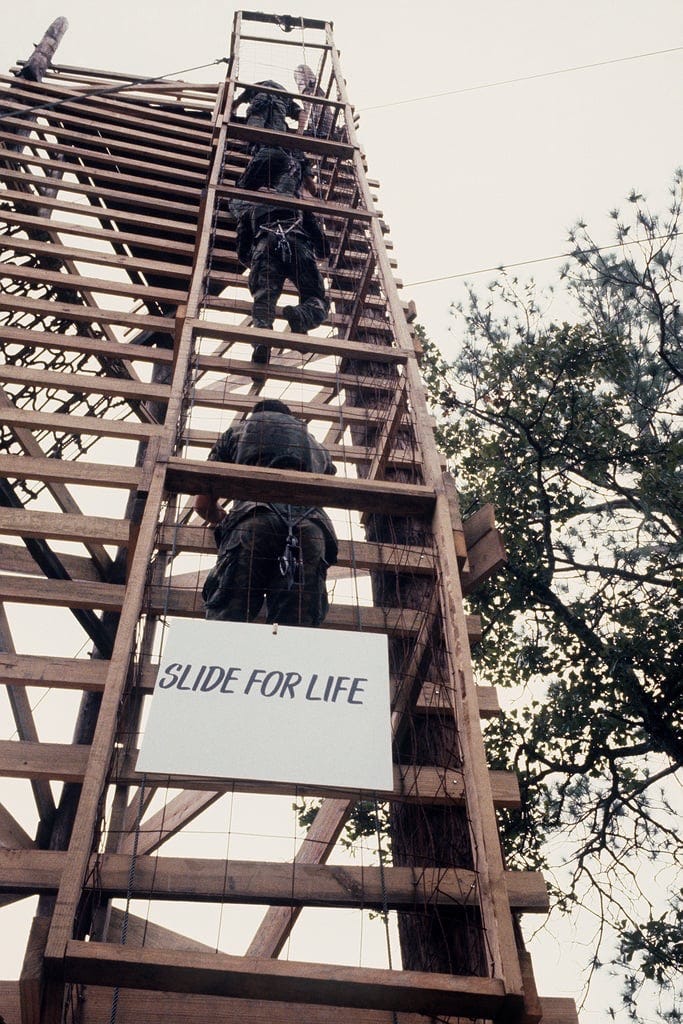
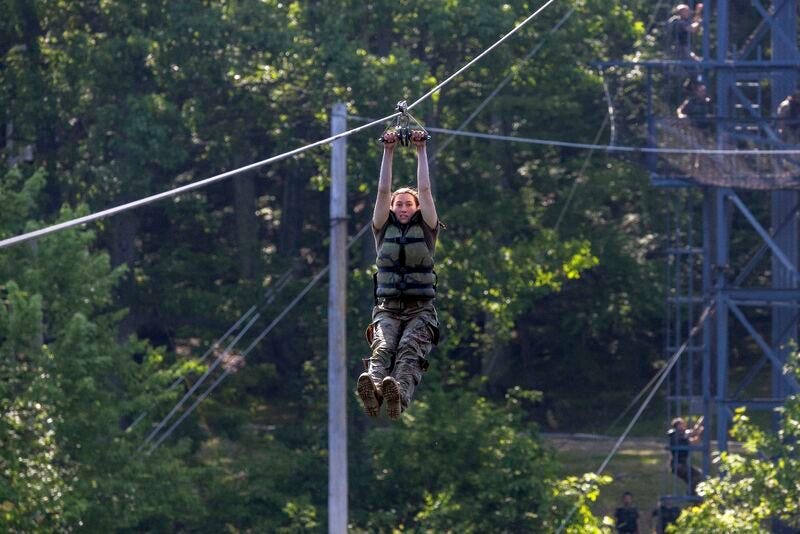
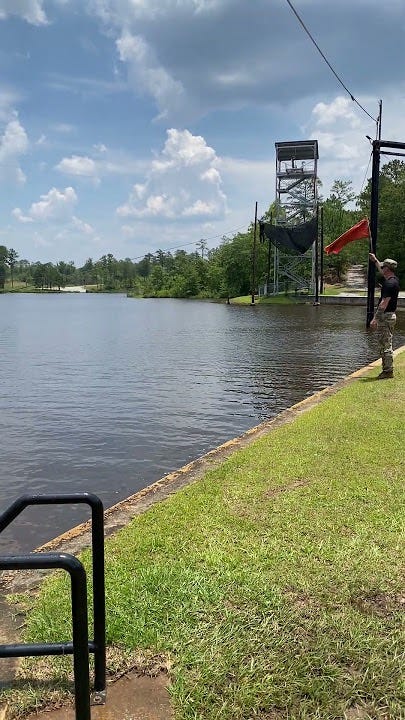
But the most famous challenge was the Slide for Life (zip line). First, we climbed what felt like a hundred meters up a tower. At the top, a special forces instructor handed me the handle to the zipline trolley. I sat down, ready to launch, but as I started to slip off too soon, he snatched me back by the shoulder and growled, “Not so fast, Cadet!” On my second try, I slid off the tower, hanging low under the rope, racing down toward the beach far below.

Cadets at ROTC Advance Camp climbing up wooden tower for the Slide For Life obstacle.  Biography of Dr. Anthony J. Carbone.
Cadet holding handles as she travels down the Slide for Life at U.S. Army ROTC Advanced Camp.  Biography of Dr. Anthony J. Carbone.

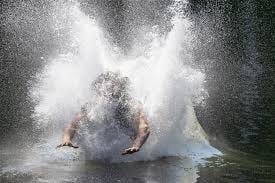
On shore, one sergeant shouted instructions through a bullhorn, while another waited with crossed flags. A crowd of cadets cheered from the beach. As I approached, the sergeant yelled, “Lift your legs into an L!” I did as told, gripping the handle until the flags crisscrossed. At that moment, I let go, tumbled into the air, and smacked the lake with so much force that I skipped across the surface, cartwheeling five times before finally sinking in. When I surfaced, sputtering but exhilarated, the other cadets broke into applause.

Slide for Life at U.S. Army ROTC Advanced Camp.  Instructor on bank holding a signal flag.  Slide For Life in the background.  Biography of Dr. Anthony J. Carbone.
Cadet slashing into the water at the end of the Slide For Life at U.S. Army ROTC Advanced Camp.  Biography of Dr. Anthony J. Carbone.

Weekend Guard Duty and Super Numero

Twice during camp, our platoon had weekend duty. No passes. No fun. Just preparation, inspection, and standing post. The first step was polishing boots. I had an advantage — years of polishing my father’s combat boots gave me a skill my platoon mates lacked.

Next came memorizing the General Orders and learning the Special Orders for that weekend. Then, the drill sergeant lined us up: “Fall In! Dress Right, Dress! Attention!” One by one, he inspected haircuts, shaves, boots, and uniforms, asking each of us to recite the General Orders. After reviewing the platoon, he announced the Special Orders and designated one cadet as Super Numero, relieved from guard duties for the weekend. I was chosen both times — a tremendous honor, though it didn’t make me popular with my platoon.

U.S. Army platoon in formation for inspection. Dress-Right-Dress command. Soldiers in olive drab fatigues with helmuts. Autobiography of Dr. Anthony J. Carbone.

Being Super Numero meant I was on my own. I used the time to call Mariann and my family. Standing there, I reflected on all the boots I had polished for my father and the lessons he had taught me. Everything he had instilled over the years had prepared me for this moment, and for the challenges ahead as a cadet — and eventually, an Army officer.

Leadership in the Field

Once we had mastered the basics of soldiering, the remainder of Advanced Camp focused on leadership development. Instructors began selecting a single cadet to serve as the leader for each task or exercise.

We were often broken into 12-man squads, and a squad leader would be chosen to plan and execute the mission. The instructors would give us a Warning Order (WARNO)— a preliminary notice of a mission — then we had to develop a detailed Operation Order (OPORD), outlining objectives, tasks, and support for execution.

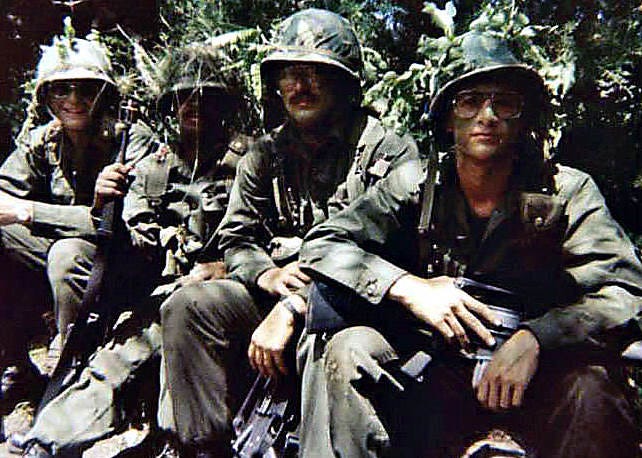
Photograph of me (in foreground) with 3 of my squad members during tactical training.  Wearing olive drab fatigues, camouflaged steel pot helmets, tactical gear and carrying our M16A1 rifles. Biography of Dr. Anthony J. Carbone
Me in the foreground with three of my squad members during tactical training at ROTC Advanced Camp

When it was my turn, the instructor pointed to an enemy position beyond a large hill. I had two options: the easy route around the hill, or a straight-up assault through a forest of thorn bushes. I chose the hard path.

It was brutal. Thorns tore at our uniforms and skin with every step. But the risk paid off — we completely surprised the enemy squad and ambushed them successfully. The instructors were impressed. I received an on-the-spot Special Recognition, one of only a handful awarded among the 5,000 cadets at camp that summer. Once again, my father’s lessons rang true: sometimes the hard route is the right route.

The Leader’s Reaction Course

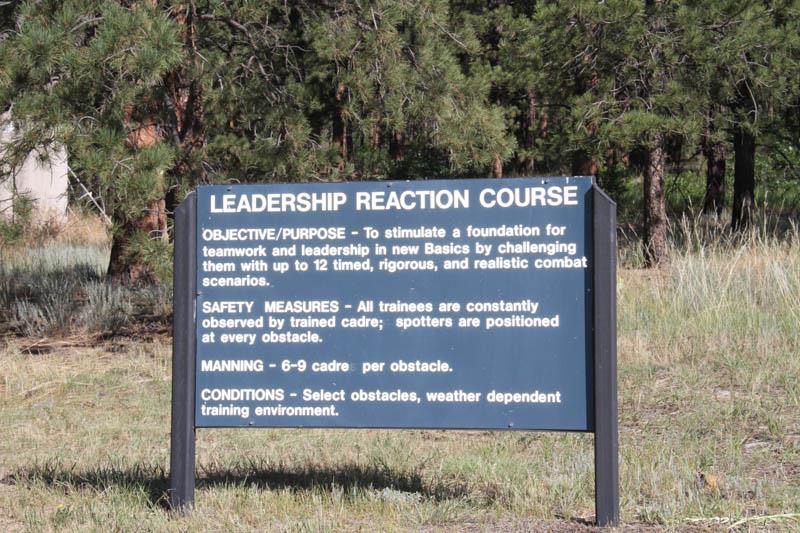
The next phase of Leadership Development was a full day at the Leader’s Reaction Course (LRC). Rumor had it the course had been developed by former German Field Marshal Rommel, though the origin didn’t matter once you were standing at the edge of a water obstacle with a squad waiting on you.

The course was designed to test everything a future officer needed: decision-making under pressure, clear communication, teamwork, initiative, and the ability to adapt on the fly. Obstacles were both physical and mental, forcing a cadet to think critically while leading a squad of varying strengths, weaknesses, and even injuries.

At Fort Riley, the LRC was a long series of water obstacles. Each challenge required that no one touch the water. A typical scenario involved a shallow pool of dark green water with a tall wall in the center, and we were given a bucket, a roll of rope, and a single wooden board. Fifteen minutes to get the entire squad across. Success required creativity, coordination, and making sure the slowest or weakest cadet crossed safely.

When I was chosen leader, I orchestrated each step, moving all twelve of us across successfully. For this, I earned my second on-the-spot Special Recognition. It was a defining moment, proving that leadership is as much about guiding your team as it is about completing the task.

Recondo

One of the proudest moments of my ROTC Advanced Camp at Fort Riley in 1980 was earning the prestigious Recondo badge. “Recondo” stood for reconnaissance and commando, and only a small percentage of cadets achieved it.

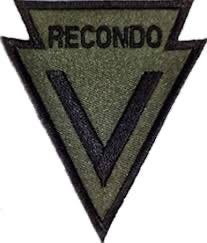
Subdued olive drab RECONDO badge with arrowhead.  Biography of Dr. Anthony J. Carbone.

To qualify, we had to exceed the already demanding standards in every graded event. That meant scoring well above average on the Army Physical Fitness Test, negotiating most of the obstacles on the Confidence Course, qualifying sharpshooter or higher on the rifle range, and excelling in land navigation both day and night. We had to complete a six-mile road march in under ninety minutes, pass the grenade assault course, and perform to standard on warrior skills and tactical evaluations.

There was no room for failure — every requirement had to be met on the first try, with no disciplinary blemishes along the way.

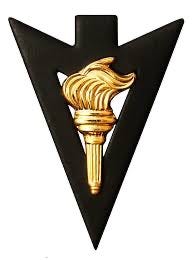
US Army Recondo Badge with black arrowhead and gold torch. Biography of Dr. Anthony J. Carbone.
Recondo Badge

Earning Recondo was about more than just physical ability. It demanded focus, consistency, and leadership under stress. By the time I pinned the badge on my uniform, I felt a deep sense of accomplishment. It wasn’t just another award — it marked me as someone who could be counted on to meet the toughest challenges head-on. To this day, I still remember how proud I was to walk away from Advanced Camp with that Recondo badge on my chest and the black and gold tab on my shoulder.

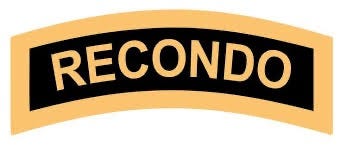
Black and Gold RECONDO tab to be worn on shoulder sleeve.  Biography of Dr. Anthony J. Carbone.

Branch Week

The final phase of Advanced Camp was my favorite — Branch Selection. This was the week when we got a taste of every major branch of the Army before returning to campus for our final year of college and ROTC. Soon, we would have to submit our top three choices for the branch we wanted to serve in after commissioning — a huge decision for any cadet.

Chart of U.S. Army Branch Insignia.  Biography of Dr. Anthony J. Carbone.

The cadre did their best to give us a realistic glimpse of each branch’s life, challenges, and responsibilities.

Infantry

“Queen of Battle”. The foundation of all soldiering. Everything we did at Advanced Camp was Infantry. Marching, maneuvering, firing weapons and leading squads reinforced everything we had learned.

Artillery

“King of Battle”. We learned to compute target acquisition and fire real Howitzer rounds. We put the fuses on the round. Filled the shell with explosives. Computed the elevation and deflection. And got to pull the lanyard. The recoil and thunder of a shell leaving the tube was unforgettable.

Armor & Cavalry

Combat Arms of Decision”. Tanks, tracked vehicles, and the chance to fire an M60 tank round. A female cadet was chosen for the live-fire demonstration, which was unusual given 1980s regulations. I knew tanks intimately from my father, and driving around fifty-two tons of steel was exhilarating. Watching them fire round downrange was even more thrilling.

Air Defense Artillery

“First to Fire”. Air-conditioned vans filled with radar screens were almost tempting after the heat wave we’d endured for weeks. But something told me that these guys were high-priority targets for the enemy.

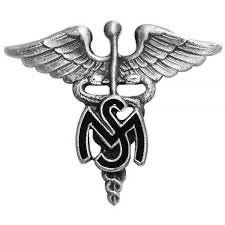
Medical Service Corps

To Conserve Fighting Strength”. Ambulances and field hospitals fascinated me, and I knew this branch would tie directly into my future in the Medical Corps.

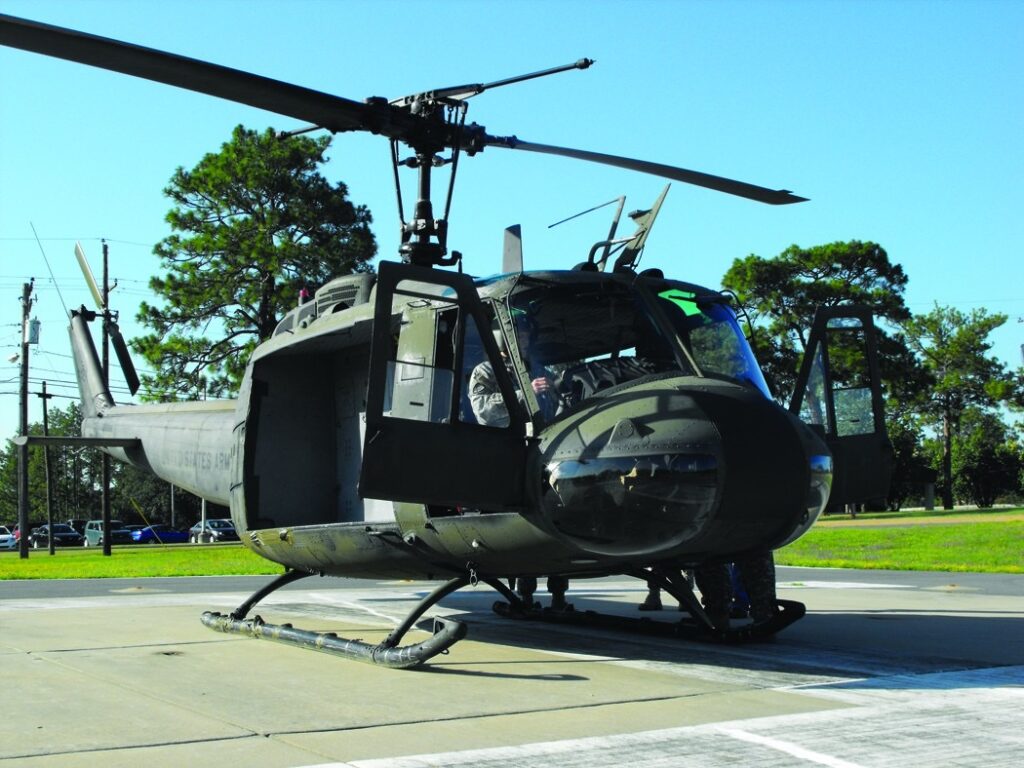
Aviation

“Above the Rest”. Army airplanes and helicopters were awe-inspiring. Everyone wanted to fly. I struggled between Aviation and Medicine until I realized I could become a Flight Surgeon — combining both passions.

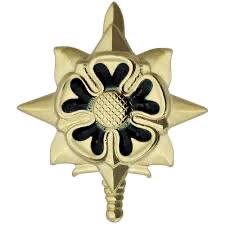
Military Intelligence

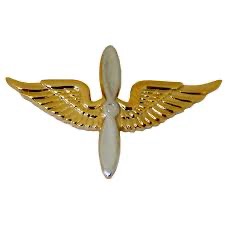
Always Out Front”. Their display of Soviet uniforms, AK-47s, maps, and Russian signage captivated me. I tried to decide between Medicine, Aviation, and Intelligence. In the end, practical limitations helped: I couldn’t apply for Aviation because I wore glasses.

Branch Choices

My final three branch choices were: (1) Military Intelligence, (2) Medical Service Corps, and (3) Armor Branch.

Graduation

Advanced Camp was six weeks of extremes — heat, exhaustion, and relentless training. It pushed us to the edge, testing everything from basic soldiering to leadership under pressure. For me, it was life-changing: it forged resilience, cemented friendships, and gave me clarity about the path I would follow as a future Army officer. When it was over, I graduated among the top five cadets out of the thousands at Advanced Camp — a recognition that validated the hard work, the sacrifice, and the determination it had taken to get there. More importantly, it marked the beginning of a professional journey that would carry me into greater challenges and responsibilities, shaping the course of my Army career in ways I was only beginning to imagine.

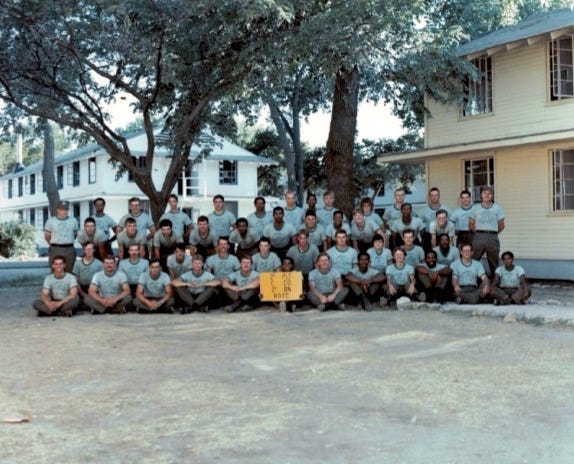
U.S. Army ROTC company at ROTC Advanced Camp with guidon and barracks in background.  Biography of Dr. Anthony J. Carbone.
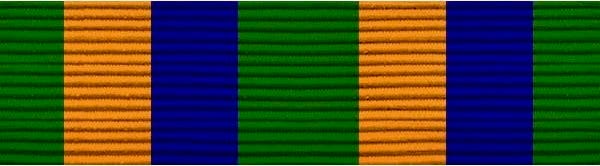
Green, Orange, and Blue ribbon awarded for completing U.S. Army ROTC Advanced Camp.  Biography of Dr. Anthony J. Carbone.
Ribbon for Completing ROTC Advanced Camp

Home Page

Chapter 17: Winter Break, Second Semester at Notre Dame & Summer Fun

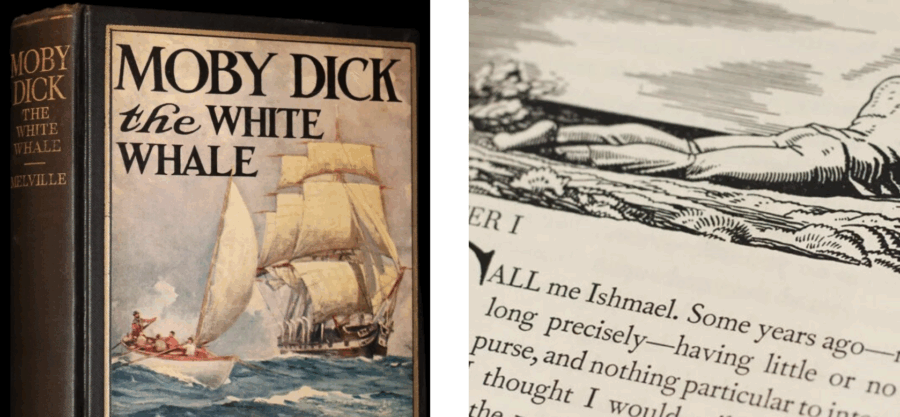
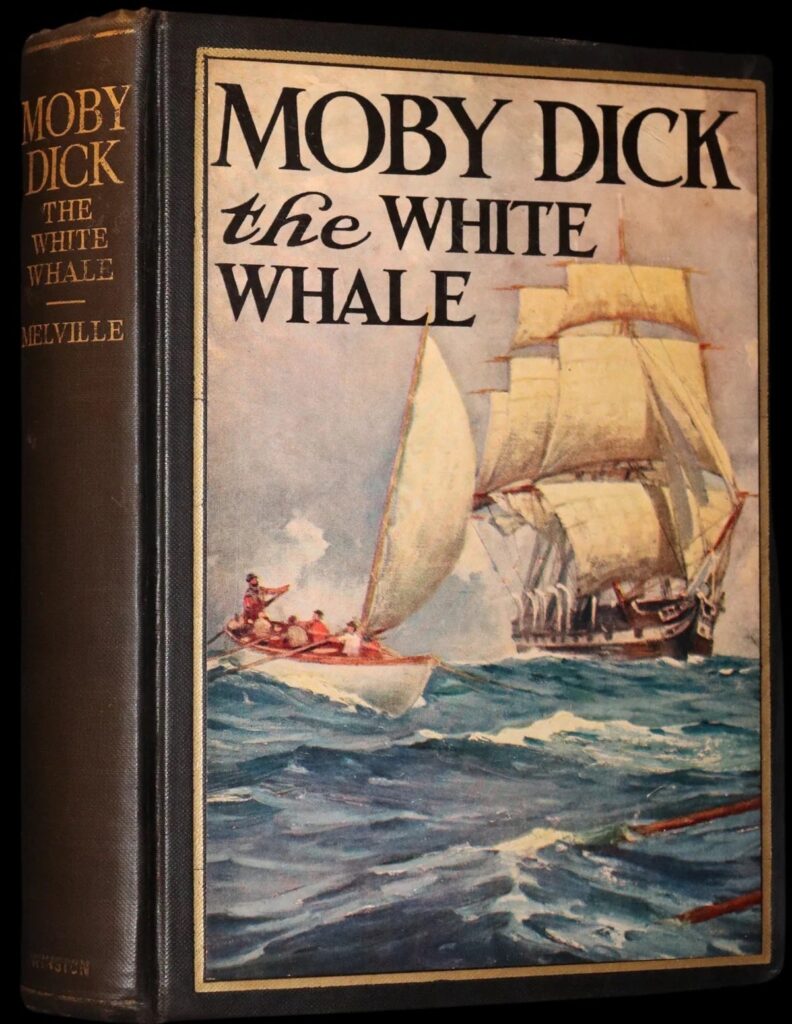
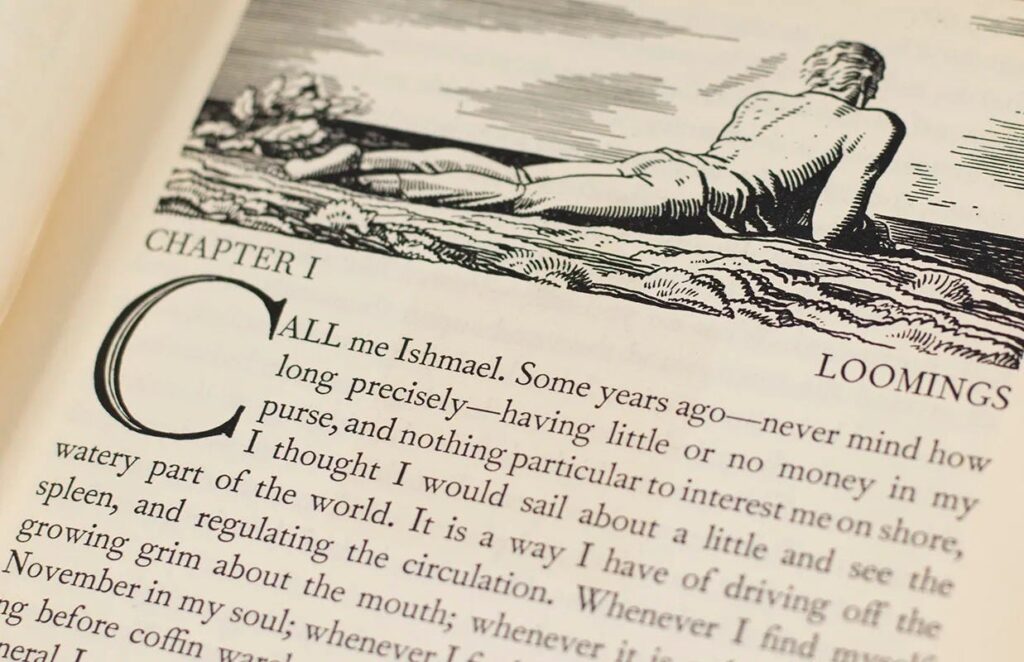
Copy of Moby Dick by Herman Melville and first page showing first line "Call me Ishmael". Part of autobiography of Dr. Anthony J. Cabone.

Believe Nothing You Hear, and Only Half of What You See — A memoir of Service, Shame and the Search for Truth

Christmas Break at Fort Leavenworth

As soon as I finished my last final examination at Notre Dame, which was on the absolute last day of finals on December 22nd, I ran back to Fisher Hall, grabbed my already packed suitcase, and called a taxi to take me to the South Bend Airport. I couldn’t wait to get home. My flight landed in Kansas City, where I was picked up and driven to our new home at Fort Leavenworth, Kansas.

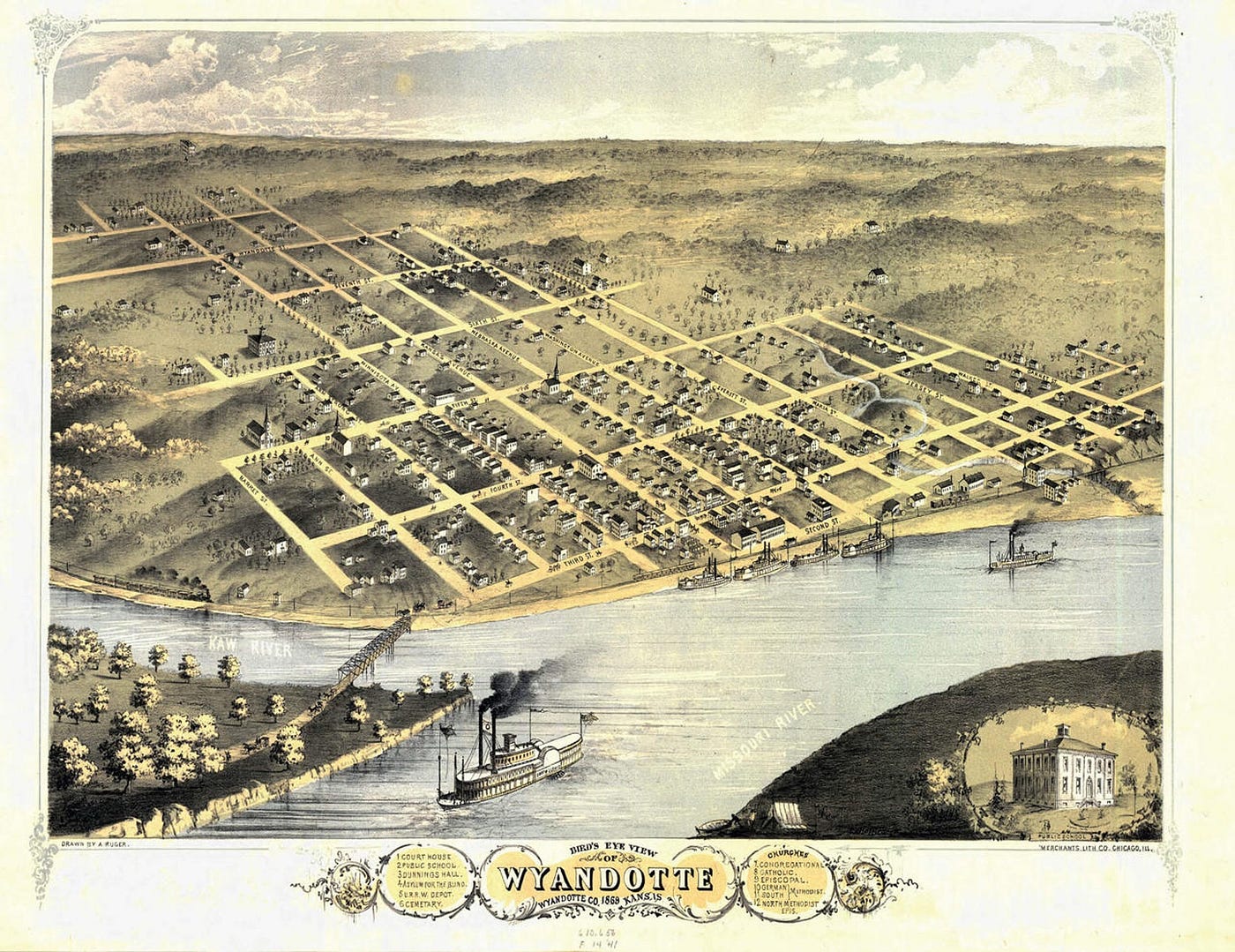
Antique map showing early Fort Leavenworth, Kansas on the Missouri River.  Autobiography of Dr. Anthony J. Carbone.
Antique Map of Fort Leavenworth, Kansas on the Missouri River

Father Assigned to US Command & General Staff College

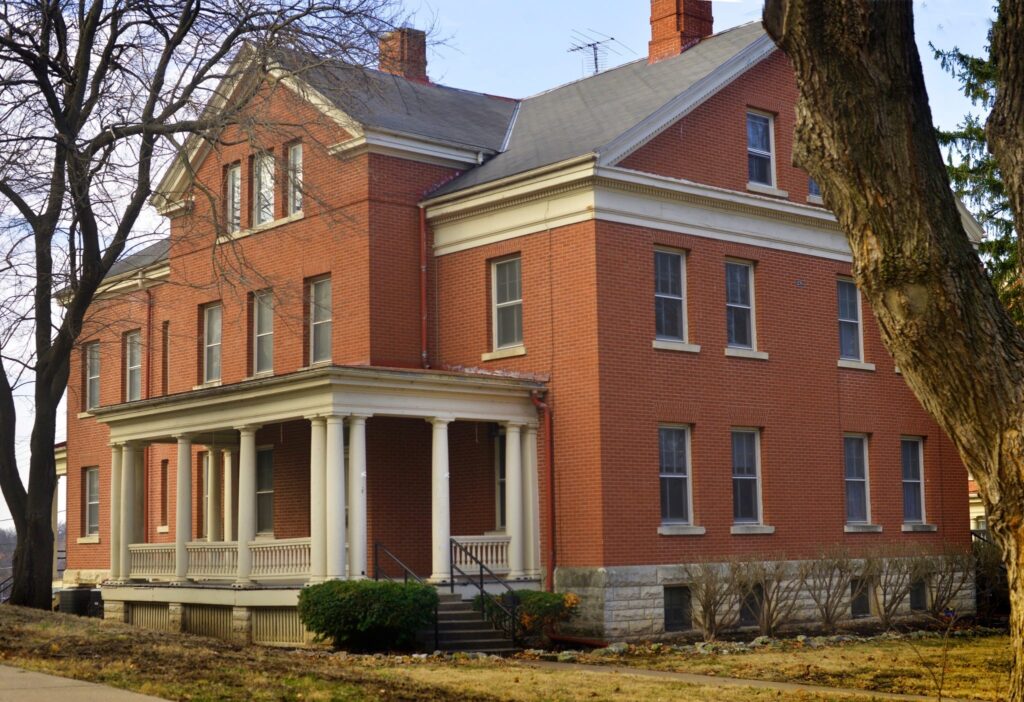
My father was now serving as a tactical instructor at the U.S. Army Command & General Staff College (C&GSC), and we lived on post in one of the older red brick cavalry-era townhouses.

Fort Leavenworth Coat of Arms.  Autobiography of Dr. Anthony J. Carbone.
Fort Leavenworth Coat of Arms

The Carbone Family Home at Fort Leavenworth

My mother had, as always, transformed the place into an exquisitely beautifully decorated home. From the moment I walked in, I was struck by how long the house was — narrow in width, but stretched out like a hallway that never ended. The living room was the first space you entered, decorated with her signature touches and filled with the familiar scent of eucalyptus. That aroma always meant home to me. I even had a bunch of eucalyptus hanging in my dorm room back at Notre Dame.

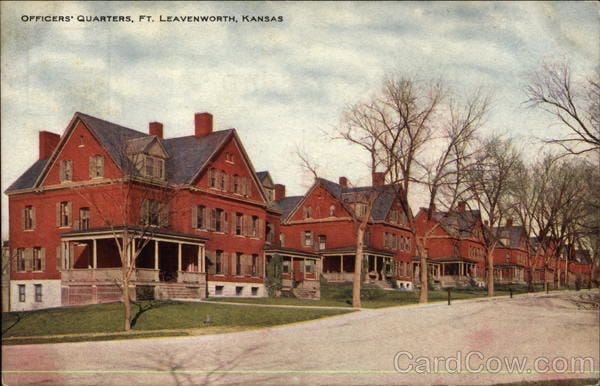
Postcard showing Officer's Quarters at Fort Leavenworth, Kansas.  Auto biography of Dr. Anthony J. Carbone.
Officers’ Quarters at Fort Leavenworth

The apartment was bright, thanks to unusually tall windows that let in generous light — even during winter. The large living room was flanked by two sets of white French doors. To the right, through one set, was a front sitting room that faced the main street. To the left, through the other, a large dining room that led into a long hallway running the entire length of the home. Off that hallway were the kitchen, four bedrooms, a bathroom, and finally, the back porch. All hardwood floors. Beautiful, classic Army housing.

The Fog of Finals

Strangely, I don’t remember much about that Christmas itself. That would become a recurring theme in the years ahead. After weeks of cramming for finals, followed by the intensity of the exams themselves and then the travel home, I was always in a kind of fog until well after Christmas. The exhaustion erased some of the joy. I remember things mostly through photographs — but I have almost none from this tour at Fort Leavenworth.

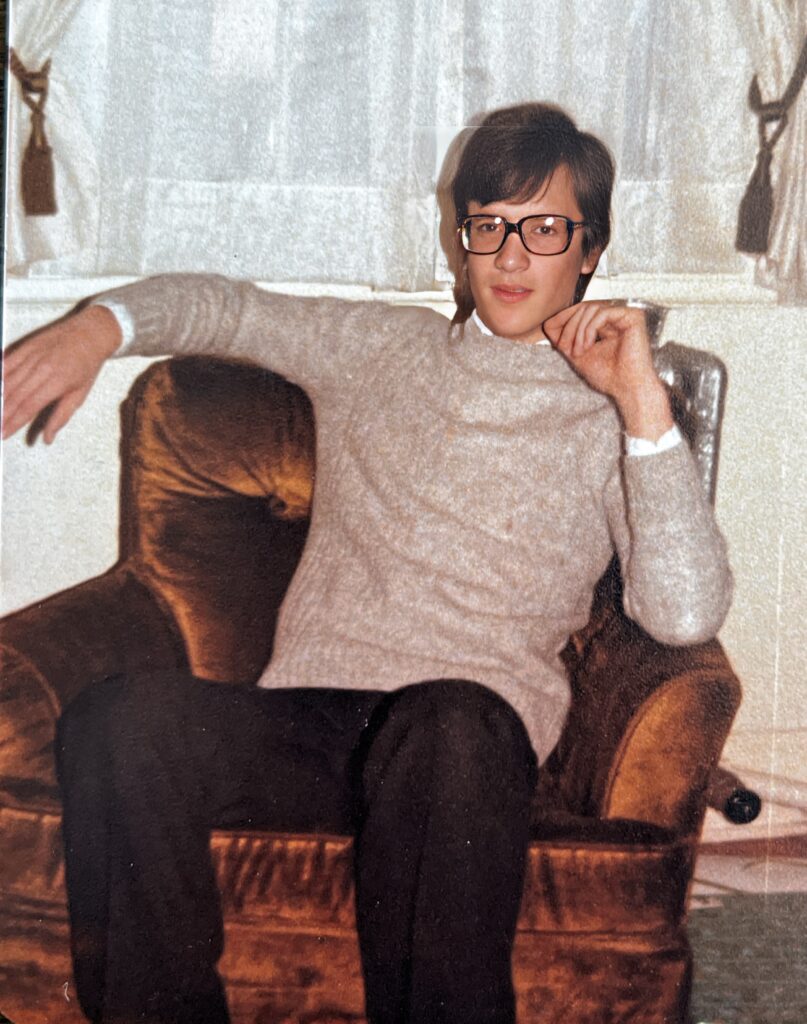
Me at home at Fort Leavenworth, Kansas, for Christmas Break (December 1977)

The Young Ladies on Post

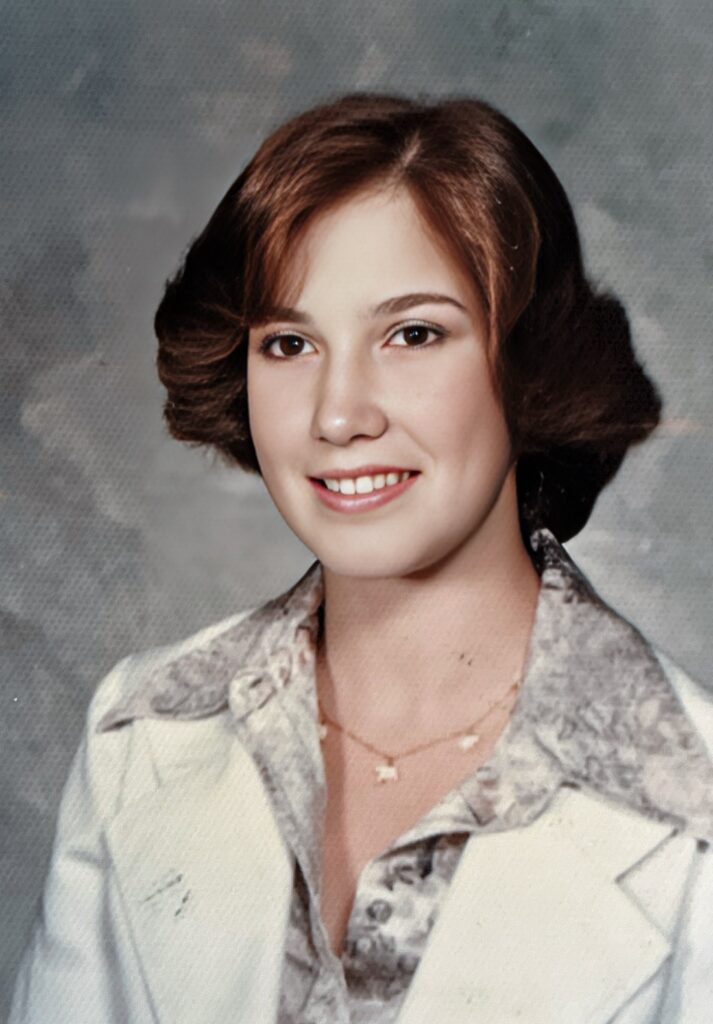
With the exception, of course, of three beautiful young ladies who managed to capture my attention. Upstairs from us lived a family with a daughter in her freshman year of college. I remember wanting to meet her. Looking out from our back porch to the right was another red brick townhouse, and I quickly learned that a high school senior named Becky Roberts lived there. Beautiful and poised, I knew I would be asking her out by summertime.

Officers' quarters at Fort Leavenworth.  Autobiography of Dr. Anthony J. Carbone.
The back porch of post quarters

The Morrison Family

Then there was the Morrison Family. Colonel Morrison was a friend and colleague of my father. His home was a warm, lively place. His wife, Mrs. Morrison, was gracious and generous, and her mother — whom everyone affectionately called “Abuela” — lived with them too. Best of all, the Morrisons had six daughters, each as beautiful and charming as the next. But it was the youngest, Cynthia, who quietly captured my attention. Because of my own shyness — and probably out of respect for the other girls — I never openly admitted which of the six daughters I favored most. I simply kept returning to their home and called upon all of them.
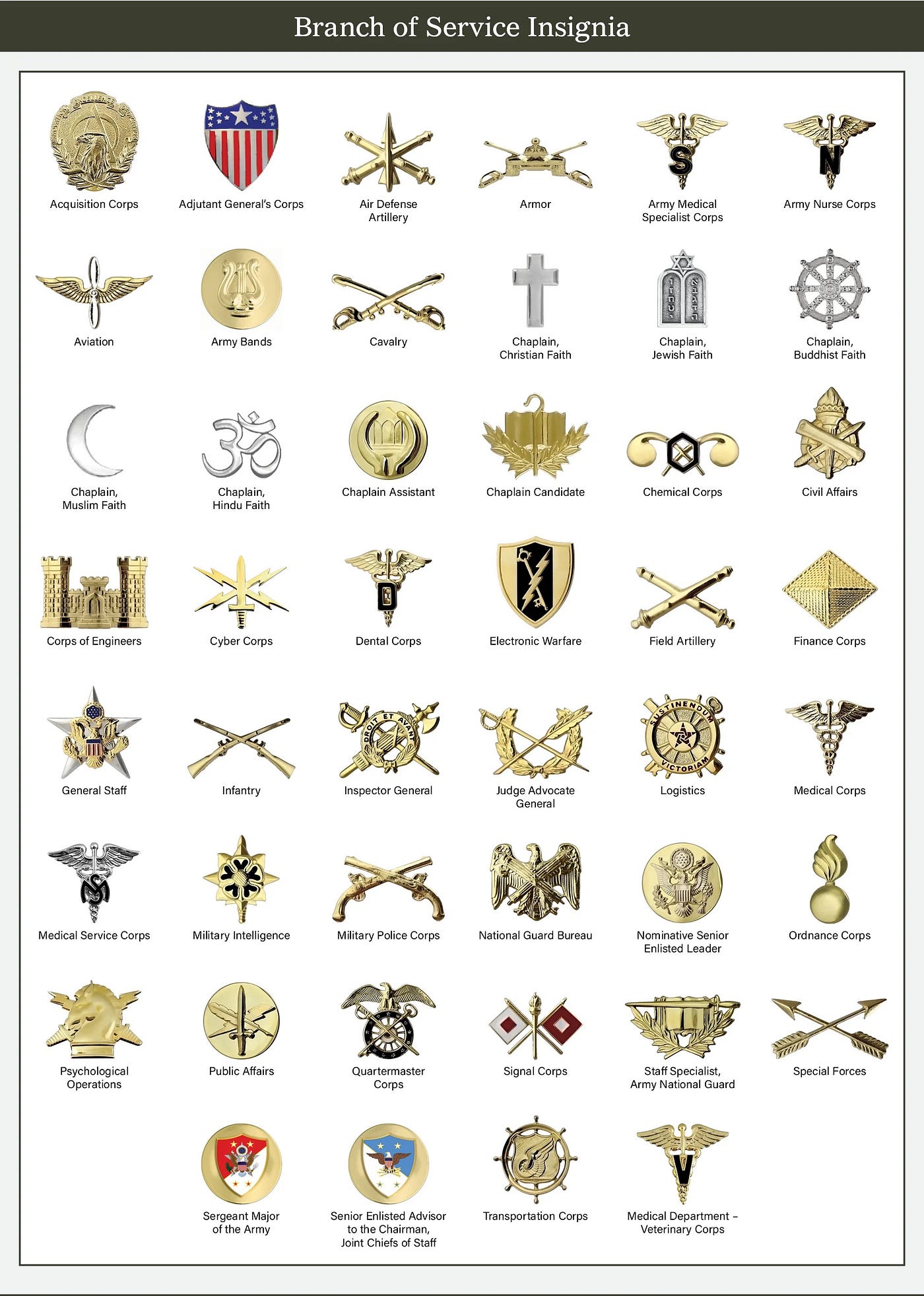
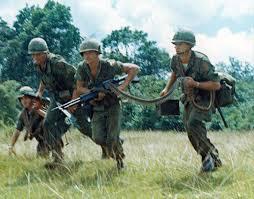
Cynthia Morrison from Fort Leavenworth, Kansas.  Biography of Dr. Anthony J. Carbone
Cynthia Morrison of Fort Leavenworth, Kansas

New Year’s Eve at the Morrison’s

The first clear memory I have of that Christmas break is actually New Year’s Eve at the Morrisons’. They introduced me to a Spanish tradition called Las Doce Uvas de la Suerte — The Twelve Grapes of Luck. As the clock struck midnight, you were to eat one grape with each chime, symbolizing good fortune for each month of the year. The tradition had originated in Spain in the late 19th or early 20th century and was still cherished in the Morrison household. It’s a tradition my oldest sister, Lynne, has adopted for her own family ever since.

The Spanish Traditions of the 12 Grapes of Luck “Las Doce Uvas de la Suerte”
Autobiography of Dr. Anthony J. Carbone.
The Spanish Traditions of the 12 Grapes of Luck “Las Doce Uvas de la Suerte”

The Morrison Home at Fort Leavenworth

I spent nearly the entire Christmas break visiting the Morrison girls. Every time I returned to Fort Leavenworth, their house was my second home. I’d sit at their long dining table, surrounded by all six daughters, talking and laughing for hours. Sometimes Abuela would sit quietly at the head of the table, listening in with a gentle smile. Then, like clockwork, Colonel Morrison would call from upstairs: “Anthony! Go home!” I’d spring up as ordered while the girls begged me to stay.

Living room set that reminds me of the beautiful home of Colonel & Mrs. Morrison.  Table where I would sit with the 6 Morrison girls and Abuela.  Autobiography of Dr. Anthony J. Carbone.

“Stay! We’ll be quiet!” they’d whisper. But I wasn’t about to get caught and reprimanded. I knew I was only allowed to be there unchaperoned because Colonel and Mrs. Morrison trusted me. I was a gentleman, and I wasn’t going to give them any reason to change their minds.

Clock at the Morrison’s house reminding me that it was time to go home. Autobiography of Dr. Anthony J. Carbone.

The Carbone Home and Rules

The Carbone Home had a curfew too. It was rare for any of us — Lynne, Diana, or me — to be out past 10 PM, even into adulthood. Pamela and Cynthia, who were younger, seemed to have grown up under a different, slightly more relaxed set of rules. But for us, it just wasn’t done.
Before I knew it, the days had passed. It was time to pack my suitcase again and return to Notre Dame for my second semester.

Back to Notre Dame: Second Semester Begins

Back to South Bend

Christmas break ended far too quickly. I was just beginning to get to know some of the young ladies on post, and I couldn’t wait to return for summer break. Still, I packed my bags and flew back to South Bend. From the airport, I headed straight to Fisher Hall. Despite the bitter cold, I was genuinely excited to see the guys in my section again and to hear about their Christmas adventures. What gifts had they received? Had any of them found romance over the holidays?

The Boys are Back in Town

I figured Andy Cordes had probably picked up a dozen new LPs — no doubt rare imports or something obscure and progressive. Matt Bedics, ever the deep thinker, had probably unwrapped some esoteric philosophy textbook. Al Emory, our resident metallurgist, almost certainly came back with the newest Texas Instruments TI-59 programmable calculator. I returned with a couple of crewneck sweaters and a few small odds and ends to brighten up my dorm room.

Registration for Second Semester Classes

Bob Terifay was back and eager to start the second semester with a fervor that I was lacking–I was nervous about the next round of classes. Registration was held on Tuesday, January 17th, and classes began the next morning. My second-semester schedule was just as grueling as the fall term: Basic Leadership (Military Science), with weekly Army ROTC drill, General Chemistry II, with weekly lab, Calculus B, Intermediate German II, English Composition & Literature, and Introduction to Philosophy.

University of Notre Dame Second Semester of freshman year schedule.  Autobiography of Dr. Anthony J. Carbone.

It was another heavy academic load, and I found myself constantly buried in study. What made it worse was how uneven the core curriculum felt. There were easier math and science tracks for non-STEM (Science-Technology-Engineering-Math) majors, but we — the pre-meds and engineers — had no such luxury. We were expected to hold our own in the same Humanities courses as English majors and philosophy buffs and write papers and essays at the Humanities Major level.

Typing Papers before Word Processing

This was long before laptops, Google Docs, or even word processors. At Notre Dame in the late 1970s, writing a term or research paper meant starting with a legal pad and pen, scratching out sentences by hand, and then heading over to the bulletin board in Fisher Hall to find a typist. Most of the ads were posted by coeds from the women’s dorms who earned extra cash typing papers for guys like me.

You would take your handwritten draft over to one of the girls’ halls, and for ten cents a page, they’d type it up. Revisions — of which I always had many — were typically five cents a page. I never thought of myself as a strong writer, but I was a pretty good editor. That meant I’d go back and forth with the typist again and again, burning through pages, coins, and much of my monthly stipend in the process. But I was determined to get each paper just right — even if it meant wearing out both my budget and my welcome.

College coed typing for money at University of Notre Dame.  Autobiography of Dr. Anthony J. Carbone.

The Blizzard of 1978

Return to Campus for Second Semester

Returning to campus in January meant facing another long stretch of South Bend winter. Snowbanks rose higher than the dorm windows, and cold wind whipped across the quads as we hurried to class bundled in every layer we owned. But there was one winter storm that would mark our semester forever: the Blizzard of 1978.

On January 26, 1978, the snow began falling — and didn’t stop for three straight days. In the end, 41 inches fell, bringing the month’s total to a record-breaking 85 inches. Snow drifts piled up to 20 feet in places. The University of Notre Dame, famous for never canceling classes, shut down for three days straight. That had never happened before.

Blizzard of 1978 while attending the University of Notre Dame. As part of the autobiography of Dr. Anthony J. Carbone.

Blizzard at Fisher Hall

Fisher Hall became our snowbound fortress. The wind howled outside, but inside we were checked on multiple times a day by nuns and nurses who came bearing medicine, hot soup, and tea. They brought comfort and compassion that warmed us more than the broken radiators ever could. If we dared to leave Fisher Hall, Verna the maid would insist that we wear at least 3 layers of clothing, a hat, and a hood.

Blizzard of 1978 while attending the University of Notre Dame. As part of the autobiography of Dr. Anthony J. Carbone.

Most of the roads into South Bend were impassable. Emergency vehicles were stuck, students from the Campus View Apartments tried to help a stranded woman in labor, and the Red Cross had to step in. Our food service workers and power plant staff slept in dining hall basements and locker rooms, doing all they could to keep the University running. In response, hundreds of students volunteered to shovel snow for local residents. We found ways to amuse ourselves: diving off porches into ten-foot snow drifts, building snow forts, and braving trench-like walkways carved between buildings.

Tunnels Through the Snow Across Campus

The Notre Dame groundkeepers worked endlessly moving snow. They carved out 3-foot wide paths in the 6 foot snow that led to major points on campus. One to the dining hall. Another to the library. One to the Science Building. You could only pray that you chose the right path, because you couldn’t see. I’ll never forget the sight of students walking to the basketball arena to watch Notre Dame play the University of Maryland — only their heads visible above the snow walls carved into campus walkways, like some winter World War I battlefield. We were cold, tired, and mostly trapped, but we were together.

Blizzard of 1978 while attending the University of Notre Dame. As part of the autobiography of Dr. Anthony J. Carbone.

Now Back to the Academic Grind

Back to Class

After the snow, classes resumed and second semester quickly fell into a rhythm. I became more focused. I knew what was expected and understood the system a little better. My grades improved, and I made more friends. I was studying like crazy and always tired. Still trying to prove myself. Still afraid of failing.

English Comp & Lit

I remember sitting in English Composition & Literature surrounded by students who had attended elite prep schools and taken AP Literature. Many of them had read Moby-Dick half a dozen times before college. I, on the other hand, was reading “Call me Ishmael” for the very first time — while they were already pondering the symbolic implications of the whiteness of the whale.

My Essay on Einstein’s Theory of Relativity Goes Unappreciated

For one assignment, we were required to read a novel and submit an analytical essay. I decided to take an interdisciplinary approach and crafted a thoughtful comparison between the novel’s theme and Einstein’s Theory of Relativity — a bold analogy that I felt reflected the character’s emotional disorientation. I was proud of the result and handed it in with confidence.

When the paper was returned, I was stunned to see a bold red F at the top of the page. Upset, and completely out of character, I marched straight to my professor’s office. “Why did you give me an F on my paper?” I asked. She glanced at me and said flatly, “Because I didn’t understand it. I don’t know anything about the Theory of Relativity.”

Albert Einstein Theory of Relativity. Autobiography of Dr. Anthony J. Carbone

I stood there, dumbfounded. “That’s not my fault,” I replied. “It’s a brilliant analogy, and I deserve a better grade. Can I have your permission to have my paper graded by a Physics professor?” She paused, gave a dismissive little harrumph, and said, “That won’t be necessary, Anthony. I’ll re-read your paper.”

She never did change the grade and that moment stayed with me — the frustration of being penalized for creativity, thinking outside the box, and for trying to bridge my scientific background with literature. That paper didn’t just represent my thoughts — it represented me. And at that moment, being misunderstood felt like a kind of failure I didn’t know how to fix. It’s a struggle that I have battled my entire life.

Calculus for STEM Majors

Unfortunately, English wasn’t my only challenge. I was especially struggling in Calculus. Bad Kreuznach American High School hadn’t offered it, and most of my classmates had already taken AP Calculus in high school. I was falling behind fast and trying to climb a wall without tools.

Calculus textbook. Autobiography of Dr. Anthony J. Carbone.

Summoned to See the Chairman of Pre-Med

Then I received the summons I had been dreading: I was to report to Father Joseph L. Walter, C.S.C., Chairman of the Department of Preprofessional Studies — the pre-med program.

Father Joseph L. Walter, C.S.C., Chairman of the Department of Preprofessional Studies — the pre-med program. Autobiography of Dr. Anthony J. Carbone.
Rev. Joseph L. Walter, CSC

I walked into his elegant office, trembling. It was imposing, with a massive polished mahogany desk that looked like it belonged in the Oval Office. Father Walter sat behind it like a judge in chambers. My heart was pounding.

Example of Dean Walter's wood paneled room at Notre Dame with his huge mohogany desk. Autobiography of Dr. Anthony J. Carbone.

Failing Calculus

He got right to the point. “Anthony, you’re failing Calculus,” he said. “You may want to consider whether medicine is truly the right path.” My heart dropped. My entire life plan — everything I had worked for — teetered on that one conversation. I was sweating. I could barely speak.

Blackboard of Calculus. Autobiography of Dr. Anthony J. Carbone.

Father Walter Gives Me a Calculus Tutor

Father Walter admirably chose not to cut me loose. He arranged for me to work with a Calculus tutor. But he also wrote a letter to my parents, advising them that perhaps I should consider another path within the health sciences — something more suitable, he implied, than medicine. That letter crushed what was left of my pride. But I kept it.

Calculus Tutor. Autobiography of Dr. Anthony J. Carbone.

Perseverance

Years later, when I was accepted into Georgetown University School of Medicine, I mailed Father Walter a copy of my acceptance letter — along with the letter he had written to my parents. I also wrote him a note of my own, reminding him that sometimes the best thing a struggling student needs is encouragement — not dismissal.

Georgetown University School of Medicine Seal. Autobiography of Dr. Anthony J. Carbone.

To his credit, he replied with a kind letter in return. “Anthony,” he wrote, “I admire your perseverance.” That word — perseverance — might be the one word that defines my rollercoaster life.

The Tenerife Disaster of March 1977

That meeting with Father Walter would stay with me for another reason. Behind his desk, mounted on the wall, was a framed airline ticket. Curious, I asked about it. He smiled. “Ah yes,” he said. “I survived the worst plane crash in aviation history.”

He explained that he had once booked a seat on Pan Am Flight 1736 to the Canary Islands. At the last minute, he missed the flight. That was the same flight that, on March 27, 1977, collided with a KLM 747 in the fog on the runway in Tenerife, killing 583 people in what remains the deadliest aviation disaster in history.

He had lived because of a twist of fate — a delay, a missed boarding call, a quirk of timing. I never forgot it. That moment planted a seed in me that would eventually grow into something more: the desire to become a Flight Surgeon. That day in Father Walter’s office, as painful as it was, became one of the sentinel events of my life. I have told the story of the Tenerife Disaster in a hundred lectures on Aviation Safety since becoming a flight surgeon. The bottom line of the story of the Tenerife Disaster was the junior officers’ fear of speaking out about the obvious danger to their superiors.

ROTC: Military Science

Not every course was astruggle that semester. Basic Leadership — my ROTC Military Science course — was practically effortless. I could do it in my sleep. That term we focused on map reading, which I had mastered years before. My father had taught me how to read maps from the time I was a kid, and before the invention of GPS, map reading was one of the most essential skills for a military officer. While others struggled to interpret topographic lines and grid coordinates, I was breezing through with confidence and even tutoring classmates.

Intermediate German mit Herrn Wimmer

Another class that came relatively easily to me was Intermediate German. I had studied German in high school while living in Germany, first at Mannheim American High School and later at Bad Kreuznach. My instructor, Professor Albert K. Wimmer, took an immediate liking to me. I was the only student in the class who had ever actually lived in Germany, and he complimented me often on my authentic German accent.

Albert K Wimmer. University of Notre Dame. Associate Professor of German. Autobiography of Dr. Anthony J. Carbone.
Professor of German & Russia Albert K. Wimmer, University of Notre Dame

Denied Study in Innsbruck, Austria

Professor Wimmer was soon to be appointed to the University of Notre Dame’s Program in Innsbruck, Austria, and he invited me more than once to join him there for a full academic year.

It was tempting — I love Austria, the Alps, the culture, the opportunity to study abroad with a professor who believed in me — but ultimately impossible. Neither the Pre-Med Program nor ROTC would allow a full year abroad, so I had to decline. Another door closed in the name of obligation.

The 1977–78 Fighting Irish Basketball Season

The 1977–78 University of Notre Dame men’s basketball season was exciting as well as a historic one, marking the program’s only appearance in the NCAA Final Four. Led by Coach Digger Phelps, the team finished with a 23–8 record and reached as high as №2 in the national polls. Key players included Rich Branning, Bill Laimbeer, Orlando Woolridge, Bill Hanzlik, Tracy Jackson, Bruce Flowers, Dave Batton, Kelly Tripucka, and Duck Williams. Notre Dame dominated their first three NCAA Tournament games, including a 23-point victory over Houston, before ultimately losing to Duke in the Final Four. Orland Woolridge lived in Fisher Hall and we saw him and the rest of the team often.

Freshman Kelly Tripuka #44 Fighting Irish Basketball team 1977-78 Season

Spring Break at Fort Leavenworth

Spring Break came before I knew it. This time, my family allowed me to come home to Fort Leavenworth for Easter break, which ran from March 18 to March 27. While most of my classmates headed south to warm beaches and wild parties in Fort Lauderdale, I returned to a chilly, gray Leavenworth, Kansas this March — rain, snow, and near-freezing temperatures all week.

Still, I was happy to be home. I caught up with my family, the Morrison girls, and my upstairs neighbor, and I appreciated the quiet. But much of my time was spent studying chemistry and calculus in preparation for final exams. I barely noticed how fast the week passed. Again, this was one of those moments where I was so sleep deprived from school, that vacation flew by before I came out of the fog.

Back to Notre Dame to Finish up 2nd Semester

Before I knew it, I was back in South Bend, grinding through another brutal exam schedule. It was a regrettable repeat of the fall semester — weeks of grueling preparation followed by equally grueling finals, with disappointing results.

Summer Break of Fun

As soon as my last exam was over, I hurried back to Fisher Hall and began packing up my dorm room for the summer. Notre Dame had a convenient system that allowed students to store their belongings on campus, which made the process easier. Within a couple of days, I was back home at Fort Leavenworth.

Me with my sister Cynthia in the sun room of my father's quarters at Fort Leavenworth, Kansas.  Autobiography of Dr. Anthony J. Carbone.

Got My First Driver’s License

First things first: I studied for and took the Kansas driver’s license exam. That’s right — I didn’t get my license until after my freshman year in college.

My first Driver's License from the State of Kansas issued back in 1978 while we were living in Fort Leavenworth, Kansas.  Autobiography of Dr. Anthony J. Carbone.

I passed the road test using our new Chrysler Cordoba, and from that day forward, I found every excuse to borrow it. I’d volunteer for errands to the commissary at least once a day. I made daily runs to the post exchange or the Shoppette — any excuse to cruise around in the Cordoba. And I have to give credit to my buddy Jeff Bell, who actually taught me to drive his VW Beetle in Germany back in 1976.

1977 Chrysler Cordoba. Carbone Family Car 1977–1980. Autobiography of Dr. Anthony J. Carbone.

First Time Asking a Girl Out on a Date

Now a college student with a driver’s license and a decent car, I figured it was finally time to go out on a real date. I worked up the nerve to ask Rebecca Roberts — a colonel’s daughter — if she’d like to go to the movies with me. I think it was the debut of Grease. She said yes, and I was over the moon.

Becky from Fort Leavenworth, Kansas.  Autobiography of Dr. Anthony J. Carbone.
Becky from Fort Leavenworth

Use of Car–Denied!

I ran home to tell my family the news. Then I waited for my father to come home from work so I could ask him for the car for the big date. I expected he’d be happy for me — but he wasn’t. His response was blunt: “No. You should have thought about asking to borrow the car before you asked out a young lady.”

That was it. In our household, you got one chance to ask my father for something. He never changed his mind, and you never asked twice. Timing was everything. My friends never understood this. They’d beg me to hurry and ask him if I could go to a party or a sleepover, and I’d always say, “Not yet.” I had to wait for just the right moment — after he’d taken off his boots, after dinner, after dessert. Only then would I ask. Because I only had one shot.

So, I had to do the painfully embarrassing task of calling Becky and asking if one of her parents could drive us to the movies. She agreed, but I was humiliated — and that might explain why I never asked her out for a second date. I went from feeling like a confident young premed student at Notre Dame, to a foolish young boy being scolded by my father.

End of Summer and Return to South Bend

Before I knew it, August was here again and it was time to prepare for my return to Notre Dame. I packed up my suitcase and a few more things for my dormatory room. Had a couple of boxes shipped to Fisher Hall. I said my goodbyes to Becky Roberts and the Morrisons — and of course, my family. My mother arranged to have me drive back to South Bend with two other Notre Dame upper classmen — complete strangers to me. All I remember about that trip is an overweight guy drove the car, there was a skinny girl between us, and I sat up front on the bench seat because the back seat was filled with suitcases and other things on their way to Notre Dame.

Home Page

Chapter 10: Dad Gets Assigned to the Pentagon and We Move to Woodbridge, Virginia

Cavalry Officer Branch Insignia US Army. Autobiography of Dr. Anthony J. Carbone

Believe Nothing You Hear, and Only Half of What You SeeA Memoir of Service, Shame, and the Search for Truth

Dad Gets Orders for the Pentagon & We Move to Woodbridge, Virginia

The Virginia is for Lovers sign

Part of autobiography of Dr. Anthony J. Carbone, Son in the Shadow of a Green Beret Hero
Virginia’s Logo for the 1970’s

Job at the Pentagon

In the late summer of 1971, we arrived in Woodbridge, Virginia, just in time for the start of the school year. My father had returned from Vietnam and was assigned to the Armor Officer Branch at the Pentagon. To the outside world, this seemed like a prestigious post — Washington D.C., the Pentagon, a desk job with influence. His section was eventually moved to the Hoffman Building in Alexandria, Virgina, but that didn’t make things any better for him — to my father, it was the worst assignment of his career.

His new job involved issuing deployment orders — sending fellow Armor officers into the very war he had just come home from. It was the kind of responsibility that haunted him. But what I believe truly embittered him were the officers who looked for ways to dodge their duty. He loathed cowardice. For a tanker who thrived in the field, where courage was tested in dust and diesel and sweat, being confined to an office, moving paper instead of people, was a kind of death. Gone were the tank engines, the battalion maneuvers, and the brotherhood of warriors. Now he was just one more suit commuting to a beige building full of bureaucracy.

New Friends the Callens

There was, however, one redeeming element of that year: Mr. Richard Callen. A civilian with a GS-11 rating, Mr. Callen lived nearby and carpooled with my father to the Pentagon. But he was more than a work buddy — he and his wife Karen became lifelong friends to my parents. The Callahans were kind, sincere, and the kind of people who asked real questions and listened to the answers. In a time when shallow relationships were the norm, theirs was a friendship that endured, shaped by mutual respect.

Dale City in Woodbridge, Virginia

We moved into a brand-new, single-family home in a sprawling Dale City subdivision, located at 4201 Harvest Court. The house was pistachio-green on the outside, with green shag carpeting and dark wood paneling on the inside. I hatedthat pistachio-green exterior, but this was our first home — the first one my parents actually owned.

Me in front of our house at 4201 Harvest Court, Woodbridge, Virginia

Part of autobiography of Dr. Anthony J. Carbone, Son in the Shadow of a Green Beret Hero
Me in front of our house at 4201 Harvest Court, Woodbridge, Virginia

After years of base housing and temporary quarters, just having a steady address for three full years felt like luxury. Harvest Court was a quiet little cul-de-sac with just seven homes, tucked away in a sleepy pocket of suburban Virginia.

Photograph of me with my four sisters at Christmas time with our stockings hanginf on the fireplace.  Lynne, Diana, Tony Jr, Cynthia & Pamela.  Biography of Dr. Anthony J. Carbone.

Washington DC Monuments & Museums

Another great advantage of living in Woodbridge, Virginia was that we were now close not only to Washington, D.C.and its historic monuments — the White House, Capitol Building, Smithsonian Museums, and all those gleaming marble landmarks — but also to our Carbone relatives, the Carluccios.

The Carluccios

My father’s cousin Lucille (Carbone) had married Uncle Joe Carluccio, and they lived within visiting distance. Their home was spotless, warm, and always welcoming — thanks in no small part to Auntie Lucille, who exuded quiet elegance and grace. She was pure Carbone: classy, demure, and always composed. Her husband, Uncle Joe, was more than family — he was one of my father’s closest friends. If you didn’t know better, you’d assume they were brothers by blood.

They had two daughters: Debbie and Donna. Debbie was just a year older than I was but in the same grade, and she looked like a college coed — tall, stunning, with long, dark hair parted straight down the middle in true 1970s fashion, and a dazzling smile. She had a cool-girl edge to her — tough on the outside, but genuinely sweet when you got to know her. Her younger sister Donna was her polar opposite: smaller, louder, and a bit of a brat. While Debbie exuded grace and maturity, Donna brought the chaos.

A fun genetic twist: Debbie and I were technically double first cousins, or whatever the proper genealogical term might be. Both of our grandfathers were brothers, and both of our grandmothers were sisters. We saw the Carluccios regularly — about once a month during our three years in Woodbridge — and those visits added a sense of family rootedness in what otherwise felt like a season of drift for my father. You’ll hear more about the Carluccios in chapters to come — they remained an important part of my story.

Camping with My Father

My father took full advantage of the U.S. Army’s Morale, Welfare and Recreation (MMR) which provided tickets to baseball games, boating and camping equipment and passes. We went camping often. My father was a gormet camping cook. We had meals like roasted chicken and spaghetti. And of course we did our best fishing.

Camping at DoD Camp Ground with my father. Note SONY cassette recorder on picnic table.

Part of autobiography of Dr. Anthony J. Carbone,
Camping with my father wearing my Cape Cod Boy Scout Council sweatshirt. Note the infamous SONY cassette recorder on the picnic table (that my father used to send us tapes from Vietnam)

My Friend, Tim Ring

My closest friend on the block was a younger kid named Tim Ring, though calling him “little” would be misleading — he was at least three times my size. Despite the age difference, we clicked instantly and spent countless afternoons riding bikes, tossing footballs, and watching cartoons. Tim had an older sister who looked like she had walked off the cover of a minidress catalog — exactly the kind of teenage beauty that defined the early 1970s. His older brother had been set to attend the U.S. Air Force Academy, only to drop out of high school at the last minute — a shocking move that reflected the strange, restless spirit of the time.

The Ring household was also one of the first I knew that fit the mold of a “modern” American family. I almost never saw his parents. He was a latchkey kid before the term became common — independent, self-sufficient, and raised more by circumstance than supervision. It left an impression on me.

Next door to Tim lived a man who spent most of his free time working on classic cars in his driveway. That summer, I watched him restore a 1955 Chevy Corvette from the ground up. Piece by piece, he brought it back to life — gleaming chrome, leather seats, flawless curves. The final touch came when he had it painted a beautiful metallic blue that shimmered in the sun like an oil slick. I was mesmerized. Then, one day, I stopped by and asked where the car had gone. “Sold it,” he said casually. I couldn’t believe it. How could you spend all summer creating something so beautiful, only to give it away? I didn’t understand it at the time. Maybe it was about the process, not the product. But to my young mind, it felt like watching someone build their dream — then hand it off to a stranger.

Mills E. Godwin Middle School

I started 7th grade that fall at Mills E. Godwin Middle School, a so-called “progressive” school that actually lived up to the label. It ran on a year-round 45–15 schedule — forty-five school days followed by fifteen off. This meant we got breaks in all four seasons, which I loved, but it made family planning chaotic since my sisters were on a traditional schedule at the local high school.

Mills E. Godwin Middle School in Woodbridge,Virginia.

Part of autobiography of Dr. Anthony J. Carbone, Son in the Shadow of a Green Beret Hero
Mills E. Godwin Middle School, Woodbridge, Virgina

The Progressive School

The school was divided into four rotating color-coded groups: Red, Yellow, Blue, and Green. I was in Blue, while kids just across the street from me were in Red, which meant we never had school at the same time. Only three groups were in session at any given time, which kept the building under control but gave everything a weird rhythm. The structure of the school itself was equally unconventional. Classes were co-ed, and all students took both Shop and Home Economics. Our main subjects were blended into a long “Block” session, mixing English, history, and science in one flowing period.

Even the physical layout was strange. Godwin was housed in a single massive room — basically an old auditorium — divided only by six-foot-high partitions. You could hear the teacher in the next “room” while trying to concentrate on your own. Students didn’t sit at desks either. Most of us sat cross-legged on the carpeted floor, grooving through the school day in true 1970s fashion.

Yearbook from Mills E. Godwin Middle School in Woodbridge, Virginia.

Part of autobiography of Dr. Anthony J. Carbone, Son in the Shadow of a Green Beret Hero
Yearbook from Mills E. Godwin Middle School in Woodbridge

The Watergate Hearings

Because I scored so well on my placement tests, I was exempted from most of the regular coursework and spent much of my time in the library, where I became completely absorbed in the Watergate Hearings on television. I didn’t fully understand the intricacies of the scandal, but I recognized that I was witnessing history. The drama, the questions, the fall of a president — it felt massive.

The Senate Watergate Hearings that I watched during middle school.

Part of autobiography of Dr. Anthony J. Carbone, Son in the Shadow of a Green Beret Hero
Senate Watergate Hearings on Television

IQ Testing & Genius IQ, But Can’t Memorize

Despite being an excellent student, I struggled constantly with memorization. Locker combinations, phone numbers, names — I forgot them all. Memorizing the Boy Scout Oath or prays for First Communion and Conformation terrified me. Spelling made no sense to me. I assumed something was wrong.

The school psychologist tested me repeatedly, and every time I scored a Genius IQ — 160 or higher. He was baffled and asked me, “How can a genius have trouble memorizing?!” I had no idea. I still don’t. It’s just how I am wired. I love learning, breezed through assignments, and earned straight A’s, but the basic act of remembering facts or phrases left me panicked. That contradiction — genius but with difficulty memorizing— has shaped my professional and social life ever since.

Middle School Activiites

Surprisingly, none of this ever made me feel like an outsider. I made friends easily–was even elected class representative by write-in vote, which surprised everyone, including me. Joined the school choir, where I discovered a passion and a gift for music. I eventually made regional and all-state choir as a first tenor, a rare honor for a middle schooler. Life at Godwin was strange and beautiful — a little chaotic, a little brilliant, like the 1970s themselves.

Visit From My Cousin Johnny

Another good memory is when my cousin Johnny Lakos from the Boston area came to visit us. Johnny was the oldest of the four boys of my godmother, Auntie Yole, my mother’s oldest sister. At the time, he was growing up in Billerica, Massachusetts, which had a reputation as a tough neighborhood. One summer when we were back in Medford, I broke my right hand after John got into a fight with a group of local tough guys at the corner store. Things might have turned out much worse if the store owner hadn’t come charging outside with a baseball bat to scatter the crowd.

Photograph of my cousin John Lakos when he visited us in Woodbridge, VA.  We are both wearing my father's green beret and saluting.  You can see a NASA model of a Mercury spaceship that was given to me from my Uncle Arthur McDonald, who worked for NASA and Grummun Aerospace.

Music of 1972

One of the things that sticks with me about our time in Woodbridge in 1972 was the music. Two songs that I’ll never forget from that year were “American Pie” by Don McLean and “Everything I Own” by Bread. Yes, I’ll admit it — I liked Bread, and David Gates had a voice that stuck with you. Lynne’s favorite that year was “Motorcycle Mama” by Sailcat, while she was trying to find her 1970s free-spirited nature. And Diana? She was still deep in her Donny Osmond phase, blasting “Go Away Little Girl” from her bedroom while gazing at his poster on the wall. Meanwhile, I found myself falling hard for Michelle Phillips of The Mamas & the Papas — her blonde hair and bohemian spirit were electric.

Entering Woodbridge Senior High School

By the time I entered Woodbridge Senior High School, the world around us felt just as chaotic. It was a wild time in America. The Vietnam War was reaching a painful crescendo before the Paris Peace Accords finally brought it to an end. Watergate was on every television, peeling away the illusion of presidential authority. The drug culture was roaring. The sexual revolutionwas in full swing, and so, it seemed, were my teenage hormones.

I was noticing girls for the first time — just in time to be thrown into the whirlwind that was Woodbridge Senior High. Unlike Godwin’s experimental vibe, Woodbridge was huge and traditional. My freshman class alone had over 1,000 students. The school was so overcrowded that we were placed on split-shifts: half the school attended from 0600 to noon, the other half from noon to 1800. My sisters and I drew the short straw — we were in the afternoon shift.

Eventually, though, a brand-new, modern, and massive school building was completed, large enough to accommodate us all. The moment we walked into that sleek, state-of-the-art campus, everything changed. We loved it. I was finally at the same school as my sisters, and for the first time, we could enjoy high school together. I had the same lunch break as my sister Diana, so I always ate with her and her girlfriends. So I got to know the sophomore girls easily.

New Woodbride Senior High School

Part of autobiography of Dr. Anthony J. Carbone, Son in the Shadow of a Green Beret Hero
Woodbridge Senior High School in Virgina

Taking Field Biology During the Summer

One of the biggest turning points for me came during summer school, where Diana and I were required to take a class because of our involvement in choir. We signed up for Field Biology — and I hit the jackpot. The class consisted of 26 girls and 1 lucky boy (me), many of them cheerleaders, majorettes, or fellow choir members. Every day we took field trips to local parks, where we studied flora and fauna and wrote reports. I quickly became known as the only student willing to do the dissections, which won me a strange kind of fame. I guess I was destined to become a surgeon.

9th Grade Field Biology Class
looking in microscopes.

Part of autobiography of Dr. Anthony J. Carbone, Son in the Shadow of a Green Beret Hero
9th Grade Field Biology Class

But let’s be honest — it was the bus rides and field trips with the girls that I loved most. Despite my shyness, I started to meet girls, and for a boy on the cusp of adolescence, there was no better time. Mini-dresses & skirts were still in fashion, and I fell in love ten times a day.

One of those girls, Sue Grizzard, who was a year ahead of me, even asked me to the Sadie Hawkins Dance. I was thrilled because it was my first real date with a girl. And Sue became my first high school crush.

My friend, Sue Grizzard, from Woodbridge Senior High School

The Changing Times of the 1970s

It was also a time when the cultural tides were shifting fast — even inside our own home. Diana had stacks of Tiger Beat Magazine posters of Donny Osmond and David Cassidy from The Partridge Family pinned to her bedroom wall, dreaming of clean-cut pop idols with pearly smiles. 

My musical tastes were evolving too. I was drifting away from folk music like the Mamas & the Papas and Don McLean’s American Pie, and moving into the hazy world of rock like The 5 Man Electrical Band’s “Signs” and psychedelic rock, hypnotized by songs like “Crimson & Clover” by Tommy James and the Shondells. The innocence of the 1960s was giving way to something more experimental, more sensual, and I was riding that wave right into high school.

Senior High Activities

That first year of high school also brought new freedoms. We were finally allowed to attend football gamesschool concerts, and other evening events. I especially loved Friday night varsity football games. The energy, the marching band, the lights on the field — it was everything high school was supposed to be.

In just a few short years, I had gone from watching Watergate on TV and wondering why I couldn’t remember a locker combination, to discovering music, girls, and football under the Friday night lights. And all of it — the political chaos, the cultural shifts, the awkward first steps into teenage life — was part of the strange and wonderful chapter we called Woodbridge.

Nixon Resigns August 9, 1974

My copy of the front page of the Stars & Stripes newspaper from 9 August 1974 showing "Nixon Resigning"

Part of autobiography of Dr. Anthony J. Carbone, Son in the Shadow of a Green Beret Hero.
I still have the 9 August 1974 edition of the Stars & Stripes announcing President Nixon’s resignation.
9th Grade Class Photo from Woodbridge Senior High School, Woodbridge, Virgina while Dad was assigned to the Pentagon.  Biography of Dr. Anthony J. Carbone.
9th Grade Class Photo from Woodbridge Senior High School

Home Page

Chapter 9: MACV-SOG: My Father’s Top Secret Mission as a Black Operations Green Beret

Green Beret with 5th SF Vietnam Flash with Viet Cong Flag and MACV-SOG Knife. Autobiography of Dr. Anthony J. Carbone.

Believe Nothing You Hear, and Only Half of What You SeeA Memoir of Service, Shame, and the Search for Truth

Distintivie Unit Patches, Flashes, and Badges of the Special Operations:

5th Special Forces (Vietnam) Green Beret Flash with Special Forces Unit Insignia (worn by enlisted members) with SF Motto "De Oppresso Liber" (To Liberate the Oppressed)

Part of the autobiography of Dr. Anthony J. Carbone, Son in the Shadow of a Green Beret Hero
5th Special Forces (Vietnam) Green Beret Flash with Special Forces Unit Insignia (worn by enlisted members) with SF Motto “De Oppresso Liber” (To Liberate the Oppressed)
Unit Shoulder Patch of the U.S. 5th Special Forces with Airborne and Special Forces specialty tabs.

Part of the autobiography of Dr. Anthony J. Carbone, Son in the Shadow of a Green Beret Hero
Unit Should Patch of the 5th Special Forces with Airborne and Special Forces specialty tabs.
Army of the Republic of Vietnam (ARVN) = South Vietnamese Special Forces Patch

Part of the autobiography of Dr. Anthony J. Carbone, Son in the Shadow of a Green Beret Hero
Army of Republic of Vietnam (ARVN) Special Forces Patch
Official MACV-SOG (Special Operations Group) Joint Patch

Part of the autobiography of Dr. Anthony J. Carbone, Son in the Shadow of a Green Beret Hero
Official MACV-SOG Joint Patch

Military Assistance Command Vietnam–Studies & Observation Group (MACV-SOG)

The Vietnam War was America’s longest and most controversial conflict, and at its murky core lay a secret war few even knew existed. MACV-SOG — Military Assistance Command, Vietnam — Studies and Observations Group — was the elite unit that waged that secret war. Established in 1964, it was composed of the best the U.S. military had to offer: Army Special Forces, Navy SEALs, Marine Recon, Air Force commandos, and CIA operatives. Their missions were so clandestine that, if captured, their government would deny any knowledge of them. These operatives conducted daring raids, reconnaissance, POW rescues, and psychological operations in Laos, Cambodia, and North Vietnam — places where we weren’t even supposed to be. My father was one of them.

Dad (MAJ Tony Carbone) as MACV-SOG Command & Control XO at Ban Mê Thuôt, Vietnam.

Part of the autobiography of Dr. Anthony J. Carbone, Son in the Shadow of a Green Beret Hero.
Dad (MAJ Tony Carbone) as MACV-SOG Command & Control XO at Ban Me Thuot, Vietnam
My father (MAJ Tony Carbone) with MACV-SOG (Special Operations Group) at Ban Mê Thuôt, Vietnam.


Part of the autobiography of Dr. Anthony J. Carbone, Son in the Shadow of a Green Beret Hero.
MAJ Carbone with MACV-SOG 5th Special Forces at Ban Mê Thuôt, Vietnam
Dad (MAJ Tony Carbone) in his quarters at Ban Mê Thuôt Camp with MACV-SOG 5th Special Forces Vietnam.

Part of the autobiography of Dr. Anthony J. Carbone, Son in the Shadow of a Green Beret Hero
Dad in his quarters at Ban Mê Thuôt Camp with MACV-SOG 5th Special Forces Vietnam
Photograph of a Typical MACV-SOG Team of 2 American Operatives and 5–12 Montagnard Soldiers.

Part of the autobiography of Dr. Anthony J. Carbone, Son in the Shadow of a Green Beret Hero.
Typical MACV-SOG Team of 2 American Operatives and 5–12 Montagnard Soldiers

Command & Control South (CCS) in Ban Mê Thuôt

Assigned to Command & Control South (CCS), the smallest and perhaps most dangerous of SOG’s field units, my father served as its Deputy Commander. CCS was based out of Ban Mê Thuôt and operated in the dense jungles of southern Cambodia. Recon teams, Hatchet forces, and SLAM companies under CCS conducted missions across invisible lines drawn in Washington but ignored by enemy troops. The Ho Chi Minh Trail was their target — a jungle superhighway of men, weapons, and supplies. And my father helped direct the effort to stop it.

MACV-SOG CCS Patch, Command & Control South, Ban Me Thuot, Dr. Carbone's Blog.  Anthony J. Carbone  autobiography.

Ho Chi Minh Trail

Map of Vietnam during the war c.1970 showing the Ho Chi Minh Trail and the routes used by the VC & NVA to enter and resupply their forces in South Vietnam.

Part of the autobiography of Dr. Anthony J. Carbone, Son in the Shadow of a Green Beret Hero.
Map of Vietnam during the war c.1970 showing the Ho Chi Minh Trail and the routes used by the VC & NVA to enter and resupply their forces in South Vietnam.

The Montagnard Tribes

The Montagnard people of Vietnam’s Central Highlands were among the fiercest and most loyal allies of MACV-SOG. These indigenous tribesmen, renowned for their jungle skills and unwavering courage, formed the backbone of many recon teams sent into Laos and Cambodia. On nearly every SOG mission, it was the Montagnards who shouldered the greatest burden — and suffered the greatest losses. They were often massacred by the dozen while shielding their American teammates. Yet their loyalty never wavered. Before battle, a Montagnard shaman would sometimes perform a sacred two-hour ritual to drive out evil spirits, sealing the warrior bond with a simple yet powerful gesture: placing a hand-forged copper or brass bracelet on the wrist of the Green Beret. That bracelet symbolized trust, brotherhood, and a vow to protect. My father wore his Montagnard bracelet for years after the war, a silent tribute to those who fought — and died — beside him.

Montagnard soldiers supporting MACV-SOG forces in Ban Mê Thuôt that supported U.S. special forces.

Part of the autobiography of Dr. Anthony J. Carbone, Son of a Green Beret Hero.
Montagnard soldiers supporting MACV-SOG forces in Ban Mê Thuôt that supported U.S. special forces.
Montagnard soldiers supporting MACV-SOG forces in Ban Mê Thuôt. One is demonstrating the use of the blowgun — another favorite of SOG operatives (along with the crossbow).


Part of the autobiography of Dr. Anthony J. Carbone, Son of a Green Beret Hero.
Montagnard soldiers supporting MACV-SOG forces in Ban Mê Thuôt. One is demonstrating the use of the blowgun — another favorite of SOG operatives (along with the crossbow)..

Parting Gift from the Officers & Men of MACV-SOG CCS 5th SF (Airborne)

Parting Gift (Plaque) Presented to Major Tony Carbone from the Officers & Men of MACV-SOG Command & Control South (CCS) 5th Special Forces (Airborne)

Family Lived at Otis AFB on Cape Cod While Dad Was At War

Unlike most American troops whose tours in Vietnam lasted twelve months, my father volunteered for an eighteen-month tour with MACV-SOG. It was dangerous, grueling, and top secret. While he lived in constant peril, commanding missions into the jungle with a rifle on his back, my mother and our family were stationed at Otis Air Force Base on peaceful Cape Cod. It was a stark contrast — he fought for his life daily while we played under blue skies on the lush grounds of one of New England’s most tranquil military bases.

My father arranged for us to live at 5356 Spaatz Street, Otis AFB, Massachusetts — just under two hours from our grandparents in Medford.

With my father at 5356 Spaatz Street, Otis Air Force Base, before he left for Vietnam.

We saw them often, and they visited us just as frequently. We lived across the street from another Army family — the Napolis — and their son Joe Jr. became my closest friend, and we did everything together.

First Class Support at Otis Air Force Base

Somehow, my father had left such an impression with the base leadership that the Air Force took remarkable care of us. Military police visited regularly to check in. We were treated with kindness and respect, like we mattered. Directly across the street lived USCG Commander Ferguson, a Coast Guard pilot who flew rescue helicopters and had two daughters and a trained military police dog.

USCG Sikorsky HH-52A Seaguard Rescue Mission

Commander Ferguson took Joe and me under his wing — he brought us to Little League, karate, Boy Scouts. For the first time, I started to really thrive in Scouts. I even attended summer camp at Camp Greenough on Nantucket Island with Joe. Commander Ferguson became a kind of surrogate father while my real dad was away. His influence planted the seed that would later grow into my desire to become a military Flight Surgeon.

Camp Greenough Scout Reservation sign on Nantucket Island off of Cape Cod, where I attended Boy Scout Summer Camp while my father was in Vietnam.

Part of the autobiography of Dr. Anthony J. Carbone, Son in the Shadow of a Green Beret Hero.
Camp Greenough on Nantucket Island off of Cape Cod

Most of our life at Otis was simple, safe, and full of joy. Blueberry picking became such a regular activity that I developed a lifelong dislike for blueberries. Our extended family stayed with us as often as they could. Our house was always filled with warmth, laughter, and love.

Tragedy Strikes the Elementary School

But not everything was light and carefree. I don’t remember much about sixth grade, but one winter morning is seared into my memory. My friends and I were walking to school, and they decided to take a shortcut across the frozen Osborne Pond. I hesitated. Something didn’t feel right. They laughed and called me a chicken as they stepped onto the ice. I chose to walk around the pond.

Satellite view of Otis Air Force Base on Cape Cod showing Spaatz Street (where we lived when my father was in Vietnam) and Osborne Pond where four of my 4th grade classmates drowned after falling through the ice.

Part of the autobiography of Dr. Anthony J. Carbone, Son in the Shadow of a Green Beret Hero.
Otis Air Force Base Showing Spaatz Street and Osborne Pond

Moments later, I heard cracking. Then screams. The ice gave way, and the boys plunged into the freezing water. I ran to the school and got our sixth-grade teacher. He sprinted back with me, then dove into the icy water without hesitation. I watched as he broke the ice with his bare hands and head, trying to reach the boys. Four of my classmates died that day. Class was canceled. I never went near that pond again. To this day, I won’t stand on a frozen pond or lake.

My 6th Grade Class at Otis AFB. I’m holding the sign in a yellow shirt. With our teacher, who dove into the icy water trying to save our classmates.

Commander Ferguson began flying his helicopter over Osborne Pond each morning, smashing the ice to make sure no child would ever take that shortcut again.

Vietnam War on Television

And while we experienced joy and tragedy on Cape Cod, my father was thousands of miles away, walking the line between life and death every day. Though I was only in sixth grade, I was old enough to understand what was going on. Every night, I watched the CBS Evening News with Walter Cronkite, who updated America on the war my father was living. I didn’t know the details of his mission, but I knew it was something different — something dangerous.

Music of 1970-1971

While my father was deep in the jungles of Vietnam in 1970 and 1971, the music playing back home felt like a snapshot of a world in flux. The Billboard Top 10 captured that contrast—The Partridge Family’s sugary “I Think I Love You” hit #1, while Edwin Starr’s explosive protest anthem “War” followed at #2.

I remember my cousin Johnny Antonelli Jr. visiting us at Otis AFB in early ’71. His arms full of 45s—Neil Diamond’s aching “I Am… I Said,” Rod Stewart’s raspy “Maggie May,” Isaac Hayes’ gritty “Theme From Shaft.” My sister Diana swooned over Donny Osmond’s “Go Away Little Girl” and “One Bad Apple,” while I was absorbing everything from the Beatles’ “Let It Be” to the 5 Man Electrical Band’s rebellious “Signs” and Tommy James and the Shondelle psychodelic “Crimson & Clover.” It was a strange, electric time—and the music captured every confusing, clashing note of it.

My Father’s Letters From Vietnam

My father wrote me often, sending handwritten letters filled with simple life messages and often with drawings he made of Viet Cong underground fortresses— little snapshots of life from halfway around the world.

Letter from my father (MAJ Tony Carbone) written on MACV-SOG CCS stationary while in Ban Mê Thuôt, Vietnam.  This one was written on my birthday, December 3rd.

Part of the autobiography of Dr. Anthony J. Carbone, Son in the Shadow of a Green Beret Hero.
Letter from Dad in Vietnam on my birthday, 3 December 1970
Newspaper article that my father (MAJ Tony Carbone) sent to me from Vietnam describing the complex underground Viet Con tunnel system.

Part of the autobiography of Dr. Anthony J. Carbone, Son in the Shadow of a Green Beret Hero.
Newspaper article describing the complex underground Viet Con tunnel system.

Cassette Tape Messages From Vietnam

And he continued to send us cassette tapes, his calm voice crackling through the speaker as he described his days. I remember one message clearly: “Hey, kids. Hope you’re being good to your mom. I had a quick trip back to Saigon last week… Tell Mrs. Napoli I saw Joe — he’s doing fine, probably buying up half of Saigon!” Then suddenly, in the background — dogs barking. Explosions. Sirens. Machine gun fire. “Whoops! Gotta go!” The tape cut off. When he returned minutes — or days — later, his voice was just as casual: “Now, where was I? Oh, right. Joe looks good. I also saw Bob Moscatelli. I love and miss all of you. Oh, and I sent some new photos. Kids, be good to your mother. Edda, I love you with all my heart.”

Photo of a Typical SONY cassette recorder that we used to send messages to each other during the Vietnam War.

Part of the autobiography of Dr. Anthony J. Carbone, Son in the Shadow of a Green Beret Hero.
Typical SONY cassette recorder that we used to send messages to each other during the Vietnam War.

Those tapes were more than updates — they were lifelines. We played them again and again. They made us feel close. They also gave me nightmares. In the photos he sent, I studied the barbed wire behind him, the machine gun nests, the rifles on the wall. It wasn’t abstract — it was real. And it was terrifying.

Rest & Recooperation (R&R) in Waikiki, Hawaii

Like all soldiers, my father received a short R&R during his deployment and spent it with my mother at the Hale Koa Hotel in Waikiki, Hawaii. I know they cherished that time, but I remember fewer photographs than from his earlier tour. Maybe that’s because this tour wasn’t just different. It was darker.

Parents (MAJ Anthony Carbone and Mrs. Edda Carbone) in Waikiki, Hawaii during my father's R&R from Vietnam War.

Part of the autobiography of Dr. Anthony J. Carbone, Son in the Shadow of a Green Beret Hero.
Parents in Waikiki, Hawaii for R&R from Vietnam

R&R Stateside

Because of the length of his deployment, he was also granted something almost unheard of — a one-week trip home. My mother planned a massive party at Otis. All the relatives came to Cape Cod. There was food, laughter, a sense of celebration. But I noticed something no one else seemed to. My father spent most of that party with his back pressed against a building, barely moving. He wasn’t himself. I told myself he was jet-lagged. But years later, I realized the truth: just days earlier, he had been hiding in the jungle, possibly fighting hand-to-hand with enemy soldiers. Now he was expected to make small talk over potato salad. Of course, he was on edge.

The moment I’ll never forget came when we took him to the airport. As he prepared to return to Vietnam, I saw something I’d never seen before: my father was nervous. Visibly so. He pulled a matchbook from his pocket, opened it, and began to read goodbye notes written on the cardboard striker. Then, quietly, he began to cry. My father — the Green Beret — was crying. In that moment, I knew: Vietnam was not just dangerous. It was hell. And he was walking straight back into it.

Matchbook Issued to GIs in C-Rations During Vietnam War.  My father read goodbye notes from a similar matchbook when he returned to Vietnam after visiting us at Otis Air Force Base on Cape Cod during his second tour in Vietnam.

Part of the autobiography of Dr. Anthony J. Carbone, Son in the Shadow of a Green Beret Hero.
Matchbook Issued to GIs in C-Rations During Vietnam War. My father read goodbye notes from a similar matchbook when he returned to Vietnam after visiting us at Otis Air Force Base on Cape Cod during his second tour in Vietnam.

The Secret Wars of SOG and its High Cost of Life

Years later, I read SOG: The Secret Wars of America’s Commandos in Vietnam by Major John L. Plaster. It told of the kinds of missions my father directed — Top Secret patrols into Cambodia, ambushes, pilot rescues, and cross-border raids. These missions had a staggering 100% casualty rate. Montagnards were slaughtered. American Green Berets would cover each other’s escape with machine gun fire, often dying in the process.

Copy of the cover of the Book SOG: The Secret Wars of America’s Commandos in Vietnam by John L. Plaster.

Part of the autobiography of Dr. Anthony J. Carbone, Son in the Shadow of a Green Beret Hero.
Book SOG: The Secret Wars of America’s Commandos in Vietnam by John L. Plaster

And then I understood. I understood my father’s survivors’ guilt. I understood his silence. He wasn’t a Rambo., he didn’t talk about the war, he didn’t wear shirts or pins or bumper stickers. He simply came home and tried to live.

The Rare War Stories

He once told a story in private, during a quiet evening with an old MACV-SOG buddy he had invited over to meet me. I was just newly commissioned into the Army as a Chemical Corps officer and I my father invited his SOG friend who was also a chemical officer over to talk to me. They spoke in low voices, laughing softly. I sat nearby, listening.

Photograph of 2 MACV-SOG HALO Jumpwe from a Huey Helicopter during the Vietnam War.

Part of the autobiography of Dr. Anthony J. Carbone, Son in the Shadow of a Green Beret Hero.
MACV-SOG HALO Jump from a Huey Helicopter

The Reason for the Porsche 911

He described a mission — a parachute jump into Laos, deep into enemy territory. He landed in a rice paddy, rolled up his chute, and lay in the water, waiting for the extraction birds to clear the area. Then he saw a Viet Cong soldier with an AK-47 walking straight toward him. He whispered to himself: “F***. I’m dead. He has to see me.” He begged God for survival and made a silent promise: “If I make it out of this alive, I’ll throw out every stitch of clothing I own and buy a Porsche 911.” The soldier turned and walked away. My father eventually made it home safely. When we moved to Germany for a third time, He tossed out all his clothes — much to my mother’s horror — and filled his closet with tacky 1970s leisure suits. Then he bought his Porsche 911.

Don’t Worry–They Won’t Get Away!

He never wore his story — but I carry it for him now. For years, his Green Beret sat quietly in a drawer, beside a well-worn Special Forces manual and a captured Viet Cong flag — silent relics of a war he rarely spoke about. But it was the plaque given to him by the officers and men of MACV-SOG Command & Control South that told me everything I needed to know.

Engraved on a placque using my father’s own commanding words in the heat of battle as they cried out to him: Sir, “THEY GOT US SURROUNDED” — and his legendary reply — “DON’T WORRY, THEY WON’T GET AWAY!” — it captured the unshakable courage and fierce resolve that defined his leadership. It’s not easy growing up in the shadow of a Green Beret hero. But when that shadow is cast by a man like my father, you don’t run from it. You stand in it with pride, hoping one day to be worthy of its strength.

MACV-SOG Mementos That My Father Gave Me

“THEY GOT US SURROUNDED. DON’T WORRY, THEY WON’T GET AWAY!”

My father’s photo in Ban Me Thuot, Vietnam, his Special Forces manual, Captured Viet Cong Flag, and Placque presented to him by the Officers & Men of MACV-SOG Command & Control South Upon His Departure.  With my father's famous quote:  "THEY GOT US SURROUNDED.  DON'T WORRY, THEY WON'T GET AWAY!"

Part of the autobiography of Dr. Anthony J. Carbone, Son in the Shadow of a Green Beret Hero.
My father’s photo in Ban Me Thuot, Vietnam, his Special Forces manual, Captured Viet Cong Flag, and Placque presented to him by the Officers & Men of MACV-SOG Command & Control South Upon His Departure. With my father’s famous quote: “THEY GOT US SURROUNDED. DON’T WORRY, THEY WON’T GET AWAY!”

It’s not easy growing up in the shadow of a Green Beret hero — but I wouldn’t trade that shadow for anything in the world.

A few more letters from my father in Ban Mê Thuôt, Vietnam

Letter from my father (MAJ Tony Carbone) written to me from Bon Mê Thuôt, Vietnam during the war on 17 June 1970.

Part of the autobiography of Dr. Anthony J. Carbone, Son in the Shadow of a Green Beret Hero.
Letter from my father (MAJ Tony Carbone) written to me from Bon Mê Thuôt, Vietnam during the war on 17 June 1970.

Part of the autobiography of Dr. Anthony J. Carbone, Son in the Shadow of a Green Beret Hero.
Letters from Dad in Vietnam 17 June 1970
Letter from my father (MAJ Tony Carbone) written to me from Bon Mê Thuôt, Vietnam during the war on 13 July 1970.

Part of the autobiography of Dr. Anthony J. Carbone, Son in the Shadow of a Green Beret Hero.
Letter from my father (MAJ Tony Carbone) written to me from Bon Mê Thuôt, Vietnam during the war on 13 July 1970.

Part of the autobiography of Dr. Anthony J. Carbone, Son in the Shadow of a Green Beret Hero.
Letter from Dad in Vietnam 13 July 1970
Letter from my father (MAJ Tony Carbone) written to me from Bon Mê Thuôt, Vietnam during the war on 5 November 1970.

Part of the autobiography of Dr. Anthony J. Carbone, Son in the Shadow of a Green Beret Hero.
Letter from my father (MAJ Tony Carbone) written to me from Bon Mê Thuôt, Vietnam during the war on 5 November 1970.

Part of the autobiography of Dr. Anthony J. Carbone, Son in the Shadow of a Green Beret Hero.
Letter from my father (MAJ Tony Carbone) written to me from Bon Mê Thuôt, Vietnam during the war on 19 November 1970.

Part of the autobiography of Dr. Anthony J. Carbone, Son in the Shadow of a Green Beret Hero.
Letter from my father (MAJ Tony Carbone) written to me from Bon Mê Thuôt, Vietnam during the war on 19 November 1970.

Part of the autobiography of Dr. Anthony J. Carbone, Son in the Shadow of a Green Beret Hero.
Letter from Dad in Vietnam 19 November 1970
6th Grade Class Photo at Otis Air Force Base while my father was in Vietnam.  Biography of Anthony J. Carbone.

Home Page

Chapter 5: Dad’s First Tour of Duty in Vietnam (1966–1967)

Dad as Tactical Advisor to ARVN Cavalry Unit in Vietnam. Autobiography of Dr. Anthony J. Carbone.

Believe Nothing You Hear, and Only Half of What You SeeA Memoir of Service, Shame, and the Search for Truth

Assignment to MACV as Cavalry Tactical Advisor in Vietnam

In 1966, the war in Vietnam escalated, and our family felt its reach personally. My father received orders from the Pentagon to deploy to the Republic of Vietnam, assigned to the Military Assistance Command, Vietnam — MACV — as a U.S. Army advisor. It was his first tour, and he would spend the next year embedded with Army of the Republic of Vietnam (ARVN) cavalry and armored units in the Mekong Delta, particularly near Bac LieuTan An, and Soc Trang. His mission was to help train, advise, and support the South Vietnamese military as they fought to reclaim and secure their homeland from the Viet Cong insurgency and the growing threat of the North Vietnamese Army.

U.S. Military Assistance Command Vietnam (MACV) Patch.  Worn by early American Tactical Advisors to the South Vietnamese.
Part of the autobiography of Dr. Anthony J. Carbone, Son in the Shadow of a Green Beret Hero.
U.S. Military Assistance Command Vietnam (MACV) Patch

Dad Enjoyed His First Tour in Vietnam as a Tactical Advisor to an ARVN Cavalry Unit

My father seemed to genuinely enjoy this first tour, especially compared to the more grueling Special Operations tour he would undertake later. He fell in love with the Vietnamese people — their resilience, their warmth, and especially their children. His photo albums from this era are full of beautiful, candid photographs of everyday life in the Mekong Delta: women carrying baskets at the market, children waving at the camera, families riding bicycles, soldiers resting between patrols. He always had a camera slung over his shoulder and took great pride in arranging these moments into carefully assembled albums that told his story. His affection for the people and the land of Vietnam is evident in every image.

Dad (Captain Tony Carbone) with one of the many South Vietnamese officers that he advised.  Both are wearing the Vietnamese Tankers Badge proudly over their right chest.
Part of the autobiography of Dr. Anthony J. Carbone, Son in the Shadow of a Green Beret Hero.
Captain Carbone with one of the many South Vietname officers that he advised.

Dad is Awarded the ARVN Armor Officer Black Beret & Tankers Badge

Dad was member of MACV Advisor Team #63 in Sóc Trăng

MACV Adviosry Team #63 in Soc Trang where Captain Tony Carbone was assigned during his first deployment to Vietnam.
Part of the autobiography of Dr. Anthony J. Carbone, Son in the Shadow of a Green Beret Hero.
MACV Advisory Team #63 in Sóc Trăng
Republic of Vietnam 17th Cavalry ready for inspection. This was the ARVN cavalry unit that my father (CPT Tony Carbone) served as tactical advisor.
Part of the autobiography of Dr. Anthony J. Carbone, Son in the Shadow of a Green Beret Hero.
Army of Republic of Vietnam (ARVN) 17th Cavalry ready for inspection.
Republic of Vietnam Armored Unit on Patrol in Mekong Delta.  Line of American made M113 armored personnel carriers (APCs) and M114 armored reconnaissance vehicles.
Part of the autobiography of Dr. Anthony J. Carbone, Son in the Shadow of a Green Beret Hero.
Republic of Vietnam Armored Unit on Patrol in Mekong Delta

The unenviable dangerous job of Tunnel Rat in Vietnam

Entrance to Viet Cong tunnel system.  The soldiers who took on the dangerous task of entering and clearing enemy tunnels were affectionately refered to as "Tunnel Rats".
Part of the autobiography of Dr. Anthony J. Carbone, Son in the Shadow of a Green Beret Hero.
Entrance to Viet Cong tunnel system.

My father had a special love for the Vietnamese children

Dad (CPT Tony Carbone) was always taking photos of young Vietnamese children.
Part of the autobiography of Dr. Anthony J. Carbone, Son in the Shadow of a Green Beret Hero.
Dad with one of the many Vietnamese children he loved.

Dad met a lot of celebrities visiting the troops in Vietnam

While the duties of a MACV advisor were serious — often dangerous — there were lighter moments as well. Being based closer to Saigon gave my father access to some unique opportunities. He met a number of American celebrities who visited the troops to boost morale, including Ann Margret, Chuck ConnorsJames GarnerHenry FondaEfrem Zimbalist Jr.Don DeForeBob Meredith of the Dallas Cowboys, Dick Bass of the L.A. Rams, and Jerry Wilson of the St. Louis Cardinals. My father always had a deep appreciation for film, sports, and storytelling, and these moments added a personal highlight to an otherwise austere and high-stakes assignment.

CPT Carbone with Actor Efrem Zimbalist Jr, one of the many celebrities who visited troops outside of the safety of Saigon.
Part of the autobiography of Dr. Anthony J. Carbone, Son in the Shadow of a Green Beret Hero.
Actor Efrem Zimbalist Jr
Dad spent time with Actor Henry Fonda outside of Saigon.
Part of the autobiography of Dr. Anthony J. Carbone, Son in the Shadow of a Green Beret Hero.
Actor Henry Fonda

Professionally, his accomplishments during this year were significant. On February 1, 1967, he was promoted to the rank of Major. That same year, he earned two prestigious badges: the Vietnamese Armor Badge and the U.S. Combat Infantry Badge, a testament to his active engagement in combat operations alongside the Vietnamese forces he advised. He often went out with ARVN cavalry units into hostile territory, coordinating air strikes and artillery, gathering intelligence, and supporting civil pacification efforts. He used to send me letters with drawings of the elaborate Viet Cong tunnel systems he discovered — complete with false walls, hidden entrances, and escape shafts. As a young boy watching the Vietnam War unfold on our television every evening, I was both captivated and proud. His war stories made him larger than life to me.

Dad awarded the Combat Infantry Badge (CIB) in Vietnam

CPT Tony Carbone receiving the Combat Infantry Badge while serving as an Advisor for MACV in the Republic of Vietnam.
Part of the autobiography of Dr. Anthony J. Carbone, Son in the Shadow of a Green Beret Hero.
Dad being awarded the U.S. Army Combat Infantry Badge (CIB)
U.S. Army Combat Infantry Badge (CIB)

Dad gets promoted to Major while in Vietnam

Dad (CPT Tony Carbone) being promoted to the rank of Major during his first tour of duty in Vietnam.
Part of the autobiography of Dr. Anthony J. Carbone, Son in the Shadow of a Green Beret Hero.
Dad being promoted to Major.

While Dad was in Vietnam, we moved back to Medford

Back in the U.S., we were living in Medford, Massachusetts, on the first floor of a multi-family home at 44 Frederick Avenue. The building belonged to the parents-in-law of my godfather, Uncle George Pietrantoni, and we lived just downstairs from them. It was a warm, close-knit Italian-American neighborhood, and I saw Uncle George and Auntie Carole often.

44 Fredrick Avenue, Medford, Massachusetts. Carbone home in 1966. Autobiography of Dr. Anthony J. Carbone.

Went to the Dame School

I was in second grade that year and attended the Lorin L. Dame School on George Street along with my sisters Dianaand Lynne. I had second grade with old Miss Collins.

The Dame Elementary School on George Street in Medford, Massachusetts. Where I attended 1st and 2nd Grades. Autobiography of Dr. Anthony J. Carbone.

The school was about halfway between our apartment and Nana and Papa Pietrantoni’s house on Winthrop Street, and I remember spending many weekends with my grandparents.

Nana & Papa Pietrantoni’s Home

My grandfather went grocery shopping every Saturday morning and always came home with fresh Scali bread and sliced Italian cold cuts. Sunday mornings were reserved for Mass at Saint Joseph’s Catholic Church, the same church where all of us kids were baptized, where I made my First Communion, and where three of my sisters would eventually marry.

After Mass, we’d gather at Nana & Papa’s for a traditional Italian Sunday dinner of spaghetti and meatballs. Uncle Aldo would show up just long enough to eat a couple of meatballs and play a tune or two on the upright piano in the dining room. Those weekends were loud, joyful, and full of love — and food.

My Godfather, George Pietrantoni

Uncle George was like a second father to me while mine was away. He’d often give me a quarter and send me down to the corner store to buy him a pack of Lucky Strikes. Back then, a six-year-old could do that without raising eyebrows.

If I was lucky, he’d give me an extra nickel or dime so I could grab a few pieces of penny candy. I felt so grown up, entrusted with money and a mission.

Buying penny candy from the corner store back in the 1960s. Autobiography of Dr. Anthony J. Carbone.

I also got to ride around with him in his stunning white 1960 Chevrolet Impala with red interior. I’d sit on his lap and “steer” the big red wheel while the windows were rolled down, the radio playing, and Lucky Strike smoke curling into the summer air. I remember those rides like they were yesterday.

Auntie Norma, meanwhile, was working at Harvard University and still living at home with Auntie Cynthia and Yvonne. She had just bought a beautiful record RCA console that played both 45s and 33 rpm LPs.

We’d all gather around to dance in the living room to songs like The Four Seasons’ “Sherry,” The Mamas and the Papas’ “Monday, Monday,”and The Seekers’ “Another You.” The music made our home feel alive and connected — even as we all missed my father terribly.

My mother wrote my father every night

At home, my mother did everything she could to keep the family strong and grounded during his year-long absence. She wrote to him every single night. Every. Single. Night. My father, in turn, wrote back faithfully to her and to each of us. His letters weren’t just updates — they were expressions of love, encouragement, and longing. They brought him home to us in every envelope. I still have many of those letters today, yellowed with time but full of heart. I am amazed by how my parents stayed so deeply in love during such a prolonged and uncertain separation and know that their love letters helped — that steady rhythm of writing and receiving, day after day, page after page, was their emotional lifeline.

Red, White, & Blue striped envelopes used to send Air Mail.
Part of the autobiography of Dr. Anthony J. Carbone, Son in the Shadow of a Green Beret Hero.

R&R in Waikiki, Hawaii

In the middle of his tour, they were reunited for a brief but beautiful week of R&R in Waikiki, Hawaii, paid for by the military. The photographs from that vacation are among my favorites. My parents looked like newlyweds again — smiling, tanned, holding hands on the beach. You can see it in their eyes: how much they missed each other, and how much they cherished every second of that week. Love, real love, endures like that.

Mom and Dad on R&R at Waikiki, Hawaii during his first tour of Vietnam.
Part of the autobiography of Dr. Anthony J. Carbone, Son in the Shadow of a Green Beret Hero.
Mom & Dad on R&R at Waikiki, Hawaii during his first tour of Vietnam.

The Apollo One Disaster (January 27, 1967)

I still remember one cold evening in our apartment at 44 Frederick Avenue in Medford. It January 27, 1967 around 6:30 PM, and we were gathered around the television as the Apollo 1 spacecraft was preparing for liftoff. In those days, America was captivated by the space race, and for young boys like me, NASA was nothing short of magical. But that excitement turned to horror. A fire erupted inside the command module during a pre-launch test, killing astronauts Gus Grissom, Ed White, and Roger Chaffee. The tragedy shocked the nation and forced NASA to halt manned missions until major safety changes could be made. I was just a boy, but I never forgot that night. It was the first time I realized that even heroes could be vulnerable, and that the pursuit of exploration carried real danger.

MARS Calls from Vietnam

On a happier note, every few months the Army arranged MARS (Military Auxiliary Radio System) calls so that soldiers could connect with their families. These long-distance conversations, relayed through ham radios, required us to speak in military fashion — ending each phrase with “Over.” One particular call still makes me laugh to this day. My father had said, “I’m making you a tape,” referring to a new cassette recording. But my mother misheard him and replied, “You want me to send you a cake? Over.” The radio operator, patiently relaying both sides, jumped in to clarify: “Ma’am, I believe your husband said he is making you a tape, not a cake.” We all burst into laughter on both ends of the line.

Military Auxillary Radio System (MARS) was a network of HAM radio operators used by the military in Vietnam to communicate with family back in the United States.
Part of the autobiography of Dr. Anthony J. Carbone, Son in the Shadow of a Green Beret Hero.
My mother on the telephone with my father, most likely using the MARS system.
Part of the autobiography of Dr. Anthony J. Carbone, Son in the Shadow of a Green Beret Hero.
My mother on the telephone with my father in Vietnam.

Cassette Tape Messages

That was a time when compact cassette recorders, newly developed in Japan, allowed us to exchange audio messages across continents. We’d record ourselves talking about school, daily life, or just saying, “I love you,” and mail them across the ocean. My father would send his replies back, and we would sit together and listen to his voice on the living room floor. I wish we still had those tapes today. I would give anything to hear my parents’ voices again — those tender, hopeful, loving voices carried across time and space

One of the early SONY cassette recorders used to make recordings of messages and conversations.
Part of the autobiography of Dr. Anthony J. Carbone, Son in the Shadow of a Green Beret Hero.

This first tour in Vietnam marked a profound chapter in my father’s career — and in our family’s life. It tested our endurance, but it also revealed the depth of our bonds. While he was advising and fighting alongside his ARVN brothers in the Mekong Delta, he was still husband, father, and family man — writing letters, making tapes, taking photographs, and dreaming of home.

Home Page

Prologue

BELIEVE NOTHING YOU HEAR, AND ONLY HALF OF WHAT YOU SEE — A Memoir of Service, Shame, and the Search for Truth

This prologue introduces the emotional and philosophical foundation of this memoir. While many of the events it alludes to are revealed later, it offers a glimpse of the deeper truths that shaped my life’s journey.

The Prologue

My father gave me that advice when I was a boy still learning to trust the world. “JR,” he said (short for Anthony Jr.), “believe nothing you hear, and only half of what you see.” I didn’t understand it then. I thought truth was obvious and justice inevitable. But as I got older, as life broke me down and built me back in ways I never expected, those words became my anchor.

I grew up in the long, complicated shadow of a Green Beret hero. My father was the kind of man little boys want to become, and grown men feel unworthy to follow. I spent my life trying to live up to his ideals—of duty, honor, country, family, courage—and paid a high price when I couldn’t.

I served my country–I wore the uniform. And later, I was a soldier and a healer. But under the surface, I was unraveling. Crushed by trauma I didn’t yet understand. Haunted by what I saw, by what I didn’t see, and worst of all, by what others chose to believe.

There’s a moment in every man’s life when he realizes the truth doesn’t always win. That moment came for me like a whisper—a rumor. One lie was enough to destroy a reputation I spent decades building. And it wasn’t the first. It wouldn’t be the last.

I’ve been judged for things I didn’t do. Lost friends, careers, my peace of mind. I’ve walked into rooms where the air went still. I’ve watched good people turn away because they heard something. That’s why I live by my father’s words now more than ever.

This memoir is not just about service—it’s about shame. It’s about how the system fails, how silence protects the wrong people, and how strength sometimes means learning to survive in your own skin.

I’m telling this story not to clear my name, but to reclaim my life. To show that even in the aftermath of lies, there is still truth worth telling—and a man still worth knowing.

So read what follows with open eyes. And remember what my father said.

Home Page: Believe Nothing You Hear, and Only Half of What You See