Believe Nothing You Hear, and Only Half of What You See — A memoir of Service, Shame and the Search for Truth
Christmas Break at Fort Leavenworth
As soon as I finished my last final examination at Notre Dame, which was on the absolute last day of finals on December 22nd, I ran back to Fisher Hall, grabbed my already packed suitcase, and called a taxi to take me to the South Bend Airport. I couldn’t wait to get home. My flight landed in Kansas City, where I was picked up and driven to our new home at Fort Leavenworth, Kansas.
Father Assigned to US Command & General Staff College
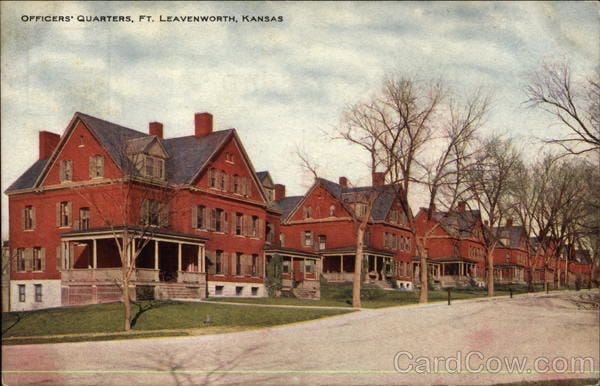
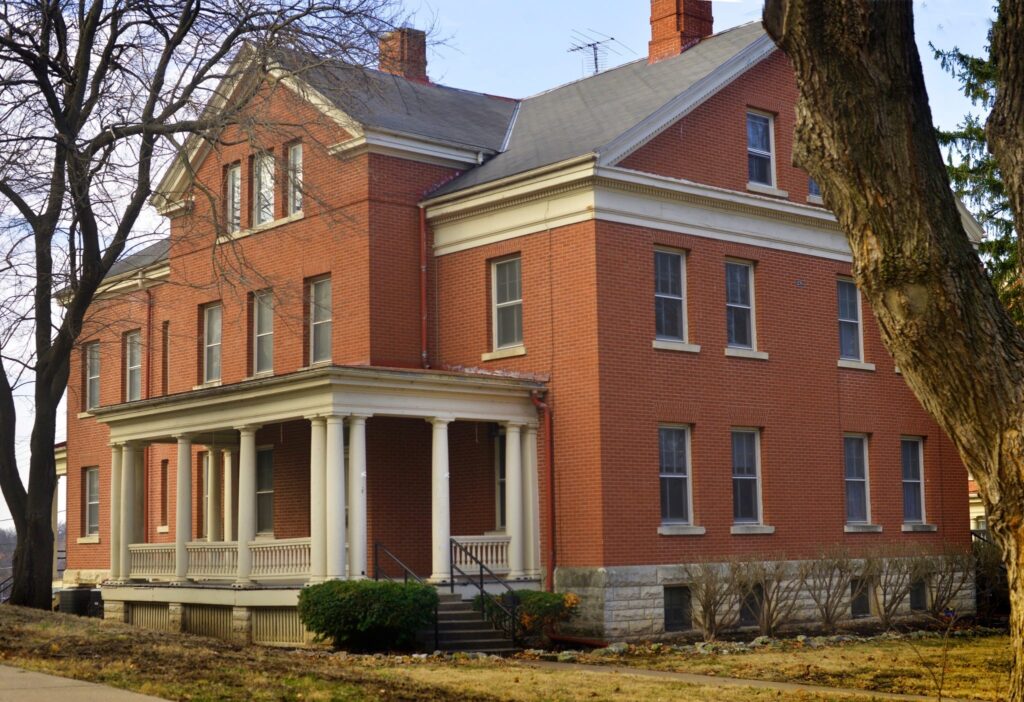
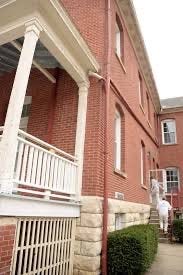
My father was now serving as a tactical instructor at the U.S. Army Command & General Staff College (C&GSC), and we lived on post in one of the older red brick cavalry-era townhouses.
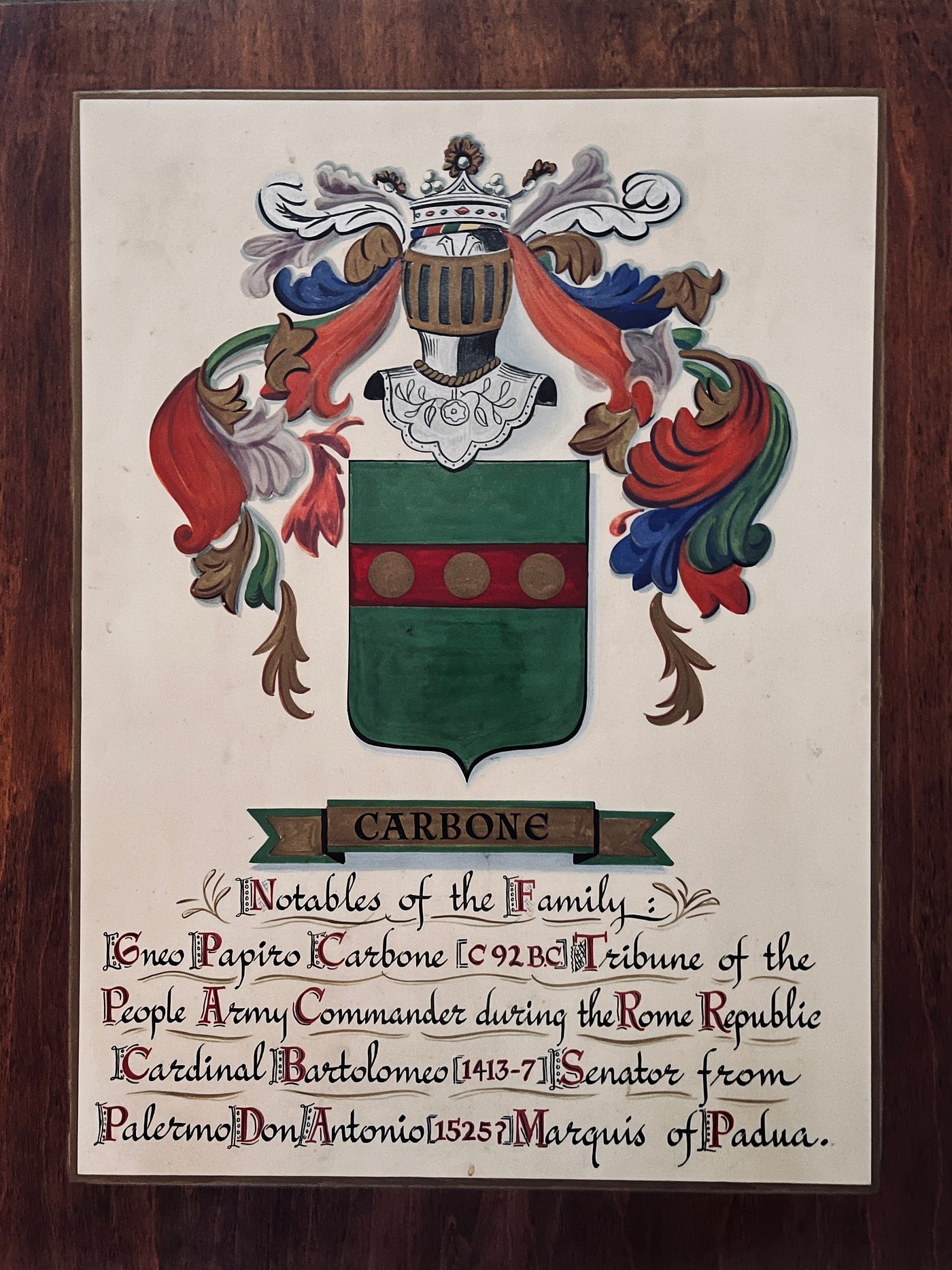
The Carbone Family Home at Fort Leavenworth
My mother had, as always, transformed the place into an exquisitely beautifully decorated home. From the moment I walked in, I was struck by how long the house was — narrow in width, but stretched out like a hallway that never ended. The living room was the first space you entered, decorated with her signature touches and filled with the familiar scent of eucalyptus. That aroma always meant home to me. I even had a bunch of eucalyptus hanging in my dorm room back at Notre Dame.
The apartment was bright, thanks to unusually tall windows that let in generous light — even during winter. The large living room was flanked by two sets of white French doors. To the right, through one set, was a front sitting room that faced the main street. To the left, through the other, a large dining room that led into a long hallway running the entire length of the home. Off that hallway were the kitchen, four bedrooms, a bathroom, and finally, the back porch. All hardwood floors. Beautiful, classic Army housing.
The Fog of Finals
Strangely, I don’t remember much about that Christmas itself. That would become a recurring theme in the years ahead. After weeks of cramming for finals, followed by the intensity of the exams themselves and then the travel home, I was always in a kind of fog until well after Christmas. The exhaustion erased some of the joy. I remember things mostly through photographs — but I have almost none from this tour at Fort Leavenworth.
The Young Ladies on Post
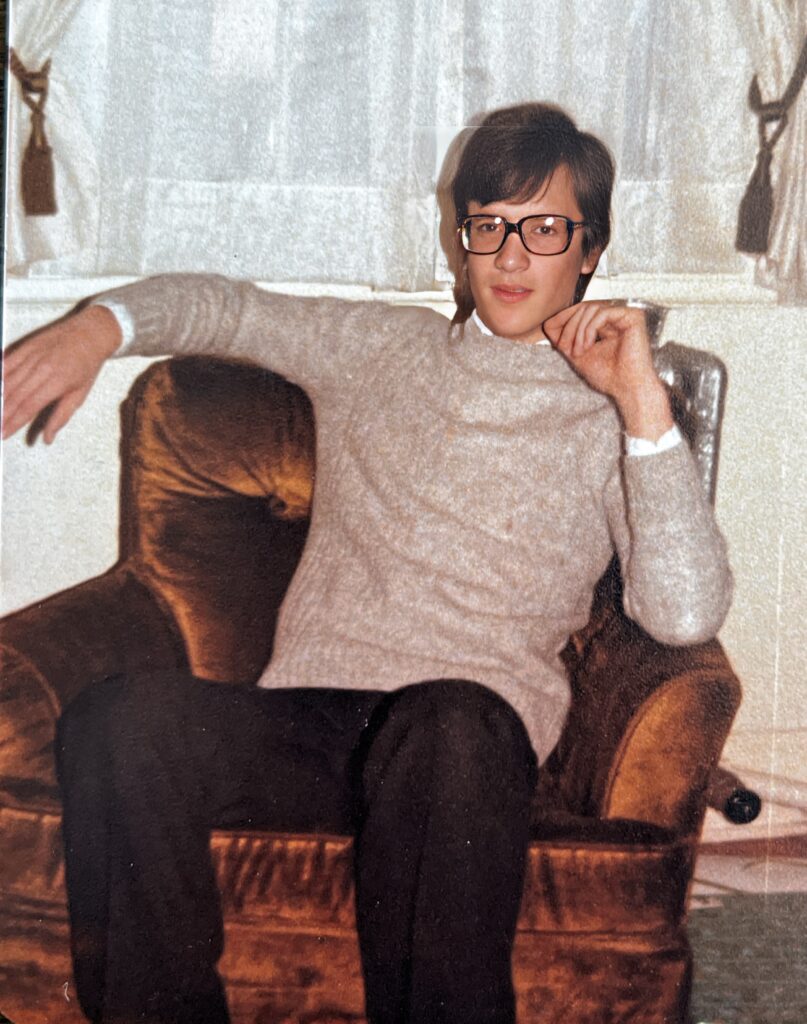
With the exception, of course, of three beautiful young ladies who managed to capture my attention. Upstairs from us lived a family with a daughter in her freshman year of college. I remember wanting to meet her. Looking out from our back porch to the right was another red brick townhouse, and I quickly learned that a high school senior named Becky Roberts lived there. Beautiful and poised, I knew I would be asking her out by summertime.
The Morrison Family
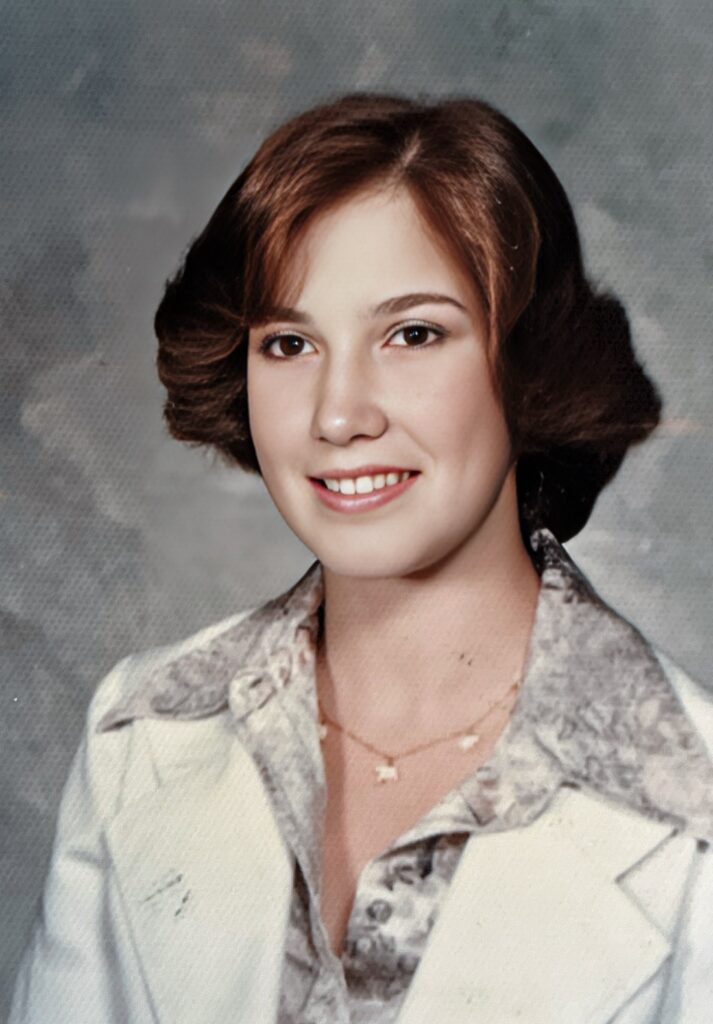
Then there was the Morrison Family. Colonel Morrison was a friend and colleague of my father. His home was a warm, lively place. His wife, Mrs. Morrison, was gracious and generous, and her mother — whom everyone affectionately called “Abuela” — lived with them too. Best of all, the Morrisons had six daughters, each as beautiful and charming as the next. But it was the youngest, Cynthia, who quietly captured my attention. Because of my own shyness — and probably out of respect for the other girls — I never openly admitted which of the six daughters I favored most. I simply kept returning to their home and called upon all of them.
New Year’s Eve at the Morrison’s
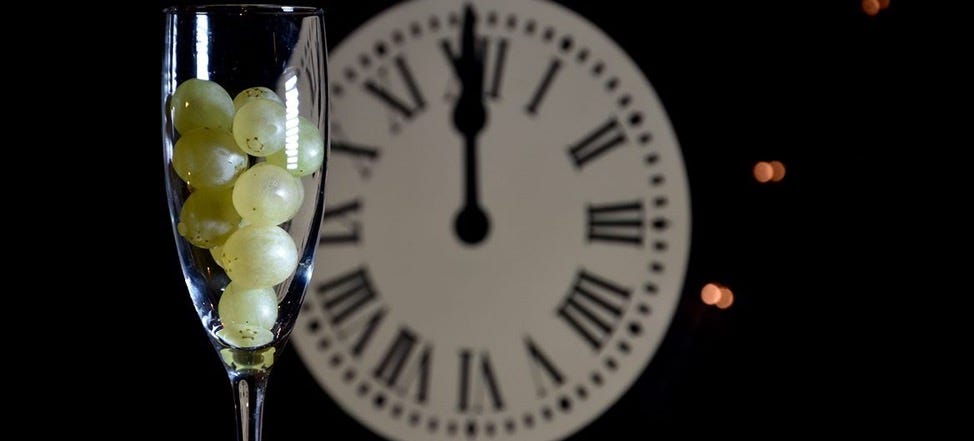
The first clear memory I have of that Christmas break is actually New Year’s Eve at the Morrisons’. They introduced me to a Spanish tradition called Las Doce Uvas de la Suerte — The Twelve Grapes of Luck. As the clock struck midnight, you were to eat one grape with each chime, symbolizing good fortune for each month of the year. The tradition had originated in Spain in the late 19th or early 20th century and was still cherished in the Morrison household. It’s a tradition my oldest sister, Lynne, has adopted for her own family ever since.
The Morrison Home at Fort Leavenworth
I spent nearly the entire Christmas break visiting the Morrison girls. Every time I returned to Fort Leavenworth, their house was my second home. I’d sit at their long dining table, surrounded by all six daughters, talking and laughing for hours. Sometimes Abuela would sit quietly at the head of the table, listening in with a gentle smile. Then, like clockwork, Colonel Morrison would call from upstairs: “Anthony! Go home!” I’d spring up as ordered while the girls begged me to stay.

“Stay! We’ll be quiet!” they’d whisper. But I wasn’t about to get caught and reprimanded. I knew I was only allowed to be there unchaperoned because Colonel and Mrs. Morrison trusted me. I was a gentleman, and I wasn’t going to give them any reason to change their minds.
The Carbone Home and Rules
The Carbone Home had a curfew too. It was rare for any of us — Lynne, Diana, or me — to be out past 10 PM, even into adulthood. Pamela and Cynthia, who were younger, seemed to have grown up under a different, slightly more relaxed set of rules. But for us, it just wasn’t done.
Before I knew it, the days had passed. It was time to pack my suitcase again and return to Notre Dame for my second semester.
Back to Notre Dame: Second Semester Begins
Back to South Bend
Christmas break ended far too quickly. I was just beginning to get to know some of the young ladies on post, and I couldn’t wait to return for summer break. Still, I packed my bags and flew back to South Bend. From the airport, I headed straight to Fisher Hall. Despite the bitter cold, I was genuinely excited to see the guys in my section again and to hear about their Christmas adventures. What gifts had they received? Had any of them found romance over the holidays?
The Boys are Back in Town
I figured Andy Cordes had probably picked up a dozen new LPs — no doubt rare imports or something obscure and progressive. Matt Bedics, ever the deep thinker, had probably unwrapped some esoteric philosophy textbook. Al Emory, our resident metallurgist, almost certainly came back with the newest Texas Instruments TI-59 programmable calculator. I returned with a couple of crewneck sweaters and a few small odds and ends to brighten up my dorm room.


Registration for Second Semester Classes
Bob Terifay was back and eager to start the second semester with a fervor that I was lacking–I was nervous about the next round of classes. Registration was held on Tuesday, January 17th, and classes began the next morning. My second-semester schedule was just as grueling as the fall term: Basic Leadership (Military Science), with weekly Army ROTC drill, General Chemistry II, with weekly lab, Calculus B, Intermediate German II, English Composition & Literature, and Introduction to Philosophy.
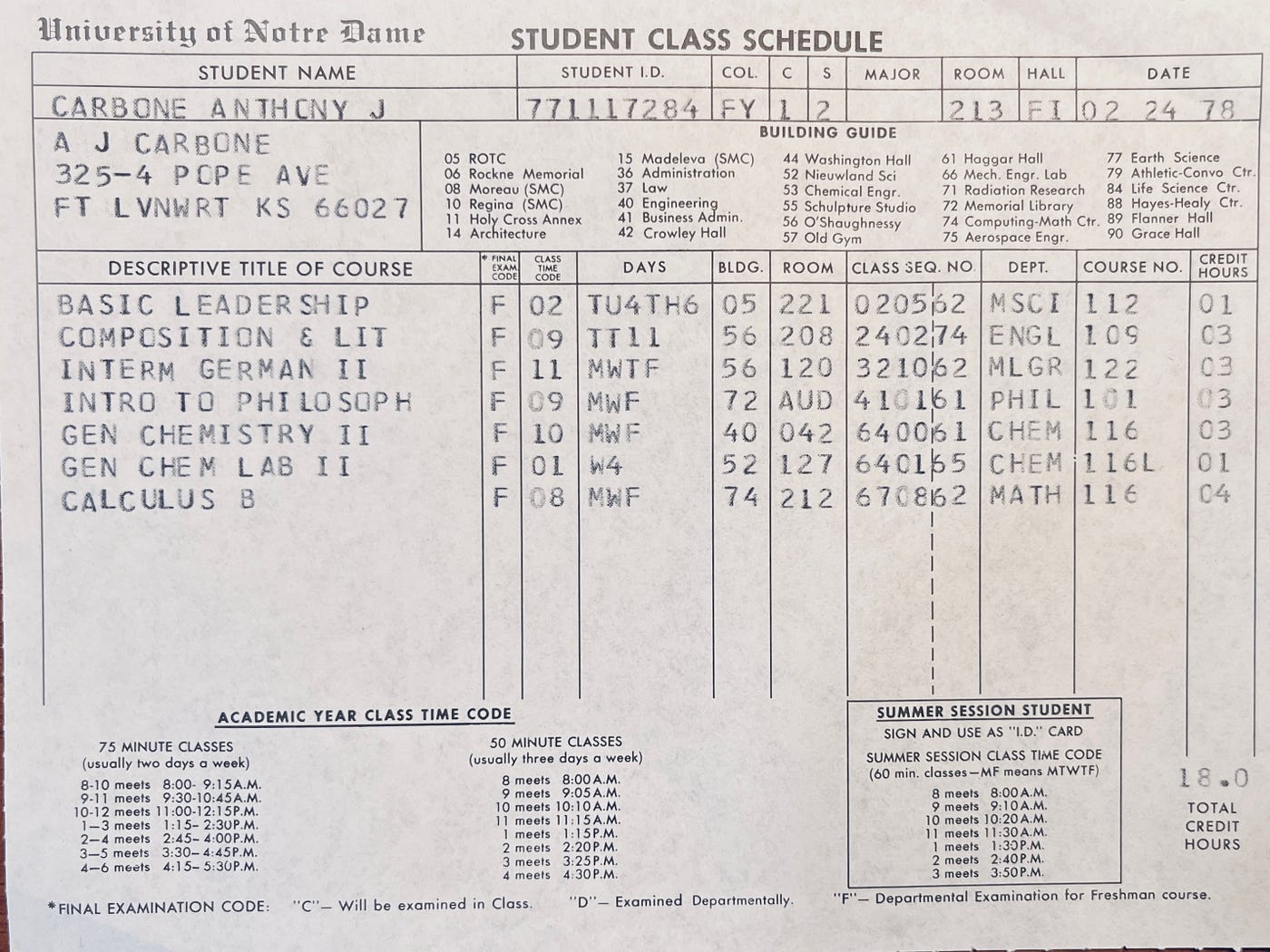
It was another heavy academic load, and I found myself constantly buried in study. What made it worse was how uneven the core curriculum felt. There were easier math and science tracks for non-STEM (Science-Technology-Engineering-Math) majors, but we — the pre-meds and engineers — had no such luxury. We were expected to hold our own in the same Humanities courses as English majors and philosophy buffs and write papers and essays at the Humanities Major level.
Typing Papers before Word Processing
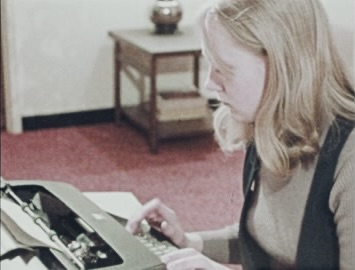
This was long before laptops, Google Docs, or even word processors. At Notre Dame in the late 1970s, writing a term or research paper meant starting with a legal pad and pen, scratching out sentences by hand, and then heading over to the bulletin board in Fisher Hall to find a typist. Most of the ads were posted by coeds from the women’s dorms who earned extra cash typing papers for guys like me.
You would take your handwritten draft over to one of the girls’ halls, and for ten cents a page, they’d type it up. Revisions — of which I always had many — were typically five cents a page. I never thought of myself as a strong writer, but I was a pretty good editor. That meant I’d go back and forth with the typist again and again, burning through pages, coins, and much of my monthly stipend in the process. But I was determined to get each paper just right — even if it meant wearing out both my budget and my welcome.
The Blizzard of 1978
Return to Campus for Second Semester
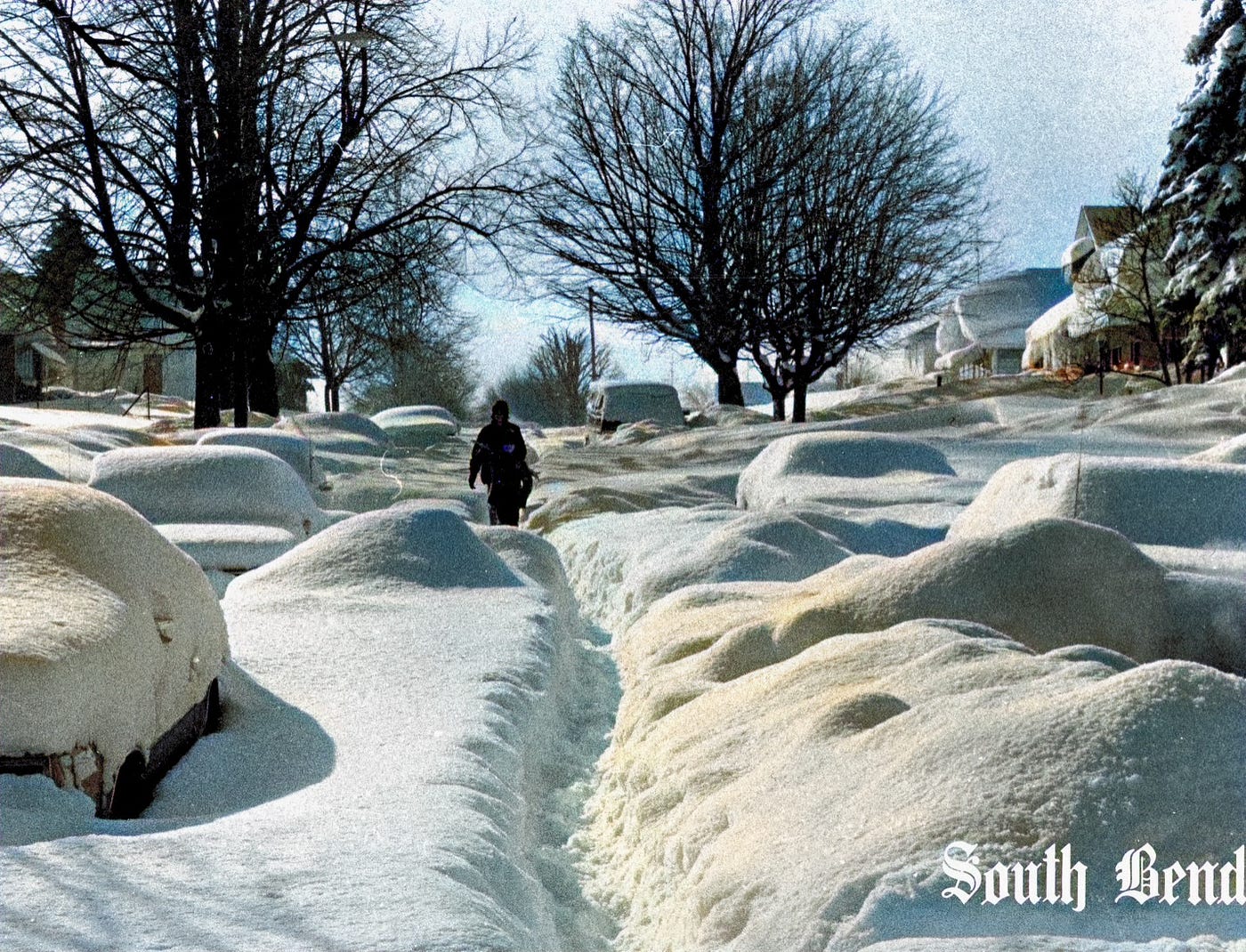
Returning to campus in January meant facing another long stretch of South Bend winter. Snowbanks rose higher than the dorm windows, and cold wind whipped across the quads as we hurried to class bundled in every layer we owned. But there was one winter storm that would mark our semester forever: the Blizzard of 1978.
On January 26, 1978, the snow began falling — and didn’t stop for three straight days. In the end, 41 inches fell, bringing the month’s total to a record-breaking 85 inches. Snow drifts piled up to 20 feet in places. The University of Notre Dame, famous for never canceling classes, shut down for three days straight. That had never happened before.
Blizzard at Fisher Hall
Fisher Hall became our snowbound fortress. The wind howled outside, but inside we were checked on multiple times a day by nuns and nurses who came bearing medicine, hot soup, and tea. They brought comfort and compassion that warmed us more than the broken radiators ever could. If we dared to leave Fisher Hall, Verna the maid would insist that we wear at least 3 layers of clothing, a hat, and a hood.
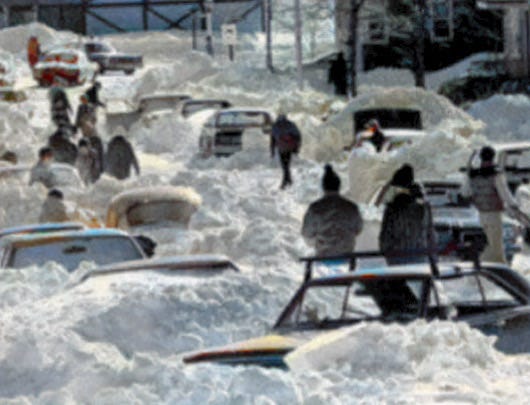
Most of the roads into South Bend were impassable. Emergency vehicles were stuck, students from the Campus View Apartments tried to help a stranded woman in labor, and the Red Cross had to step in. Our food service workers and power plant staff slept in dining hall basements and locker rooms, doing all they could to keep the University running. In response, hundreds of students volunteered to shovel snow for local residents. We found ways to amuse ourselves: diving off porches into ten-foot snow drifts, building snow forts, and braving trench-like walkways carved between buildings.
Tunnels Through the Snow Across Campus
The Notre Dame groundkeepers worked endlessly moving snow. They carved out 3-foot wide paths in the 6 foot snow that led to major points on campus. One to the dining hall. Another to the library. One to the Science Building. You could only pray that you chose the right path, because you couldn’t see. I’ll never forget the sight of students walking to the basketball arena to watch Notre Dame play the University of Maryland — only their heads visible above the snow walls carved into campus walkways, like some winter World War I battlefield. We were cold, tired, and mostly trapped, but we were together.
Now Back to the Academic Grind
Back to Class
After the snow, classes resumed and second semester quickly fell into a rhythm. I became more focused. I knew what was expected and understood the system a little better. My grades improved, and I made more friends. I was studying like crazy and always tired. Still trying to prove myself. Still afraid of failing.
English Comp & Lit
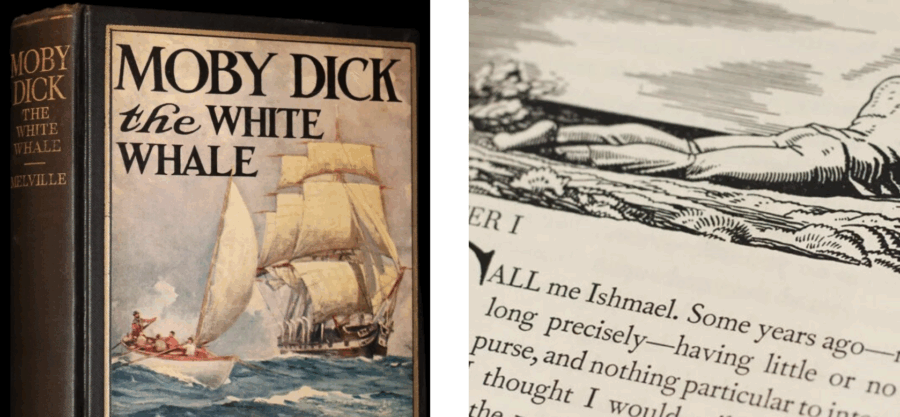
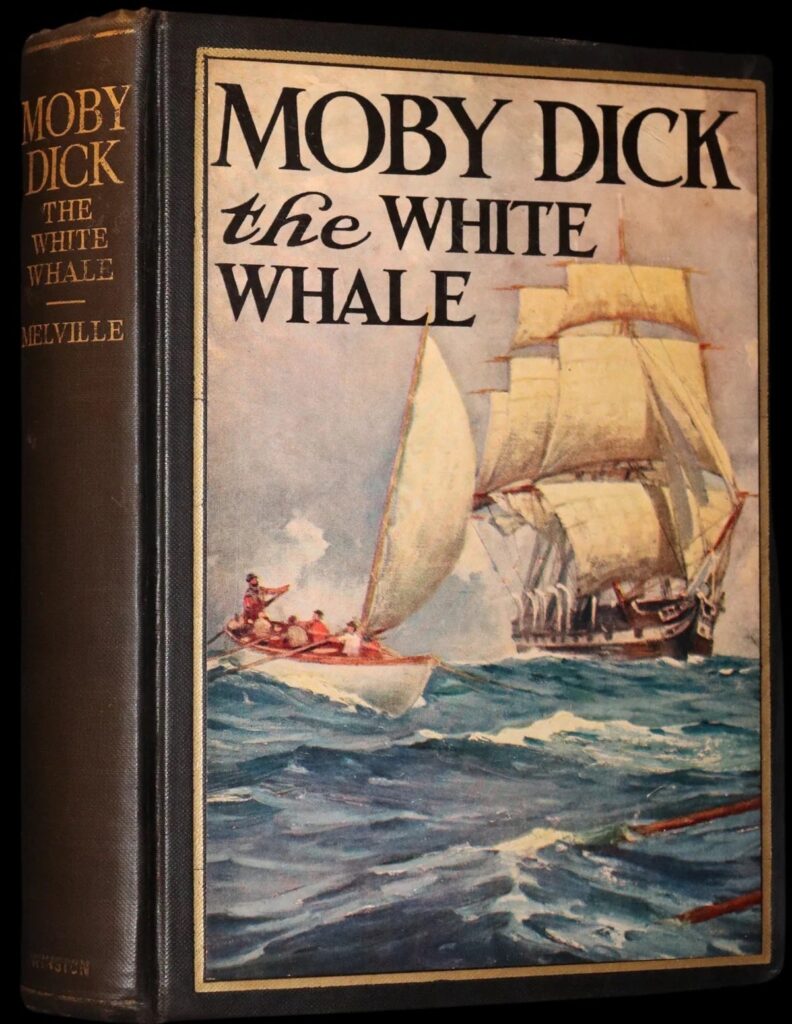
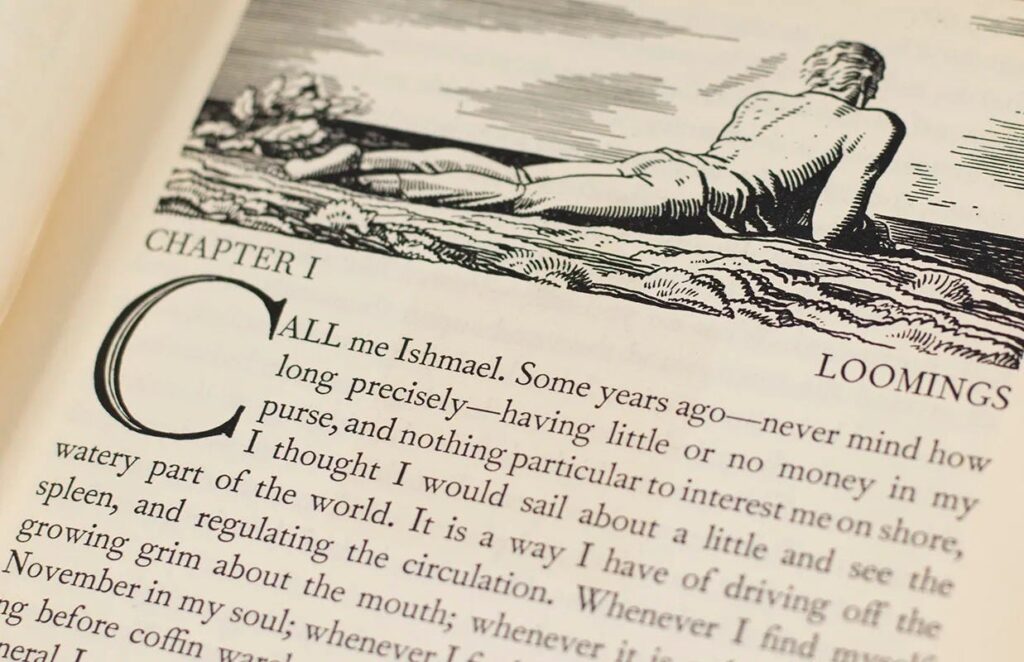
I remember sitting in English Composition & Literature surrounded by students who had attended elite prep schools and taken AP Literature. Many of them had read Moby-Dick half a dozen times before college. I, on the other hand, was reading “Call me Ishmael” for the very first time — while they were already pondering the symbolic implications of the whiteness of the whale.
My Essay on Einstein’s Theory of Relativity Goes Unappreciated
For one assignment, we were required to read a novel and submit an analytical essay. I decided to take an interdisciplinary approach and crafted a thoughtful comparison between the novel’s theme and Einstein’s Theory of Relativity — a bold analogy that I felt reflected the character’s emotional disorientation. I was proud of the result and handed it in with confidence.
When the paper was returned, I was stunned to see a bold red F at the top of the page. Upset, and completely out of character, I marched straight to my professor’s office. “Why did you give me an F on my paper?” I asked. She glanced at me and said flatly, “Because I didn’t understand it. I don’t know anything about the Theory of Relativity.”
I stood there, dumbfounded. “That’s not my fault,” I replied. “It’s a brilliant analogy, and I deserve a better grade. Can I have your permission to have my paper graded by a Physics professor?” She paused, gave a dismissive little harrumph, and said, “That won’t be necessary, Anthony. I’ll re-read your paper.”
She never did change the grade and that moment stayed with me — the frustration of being penalized for creativity, thinking outside the box, and for trying to bridge my scientific background with literature. That paper didn’t just represent my thoughts — it represented me. And at that moment, being misunderstood felt like a kind of failure I didn’t know how to fix. It’s a struggle that I have battled my entire life.
Calculus for STEM Majors
Unfortunately, English wasn’t my only challenge. I was especially struggling in Calculus. Bad Kreuznach American High School hadn’t offered it, and most of my classmates had already taken AP Calculus in high school. I was falling behind fast and trying to climb a wall without tools.
Summoned to See the Chairman of Pre-Med
Then I received the summons I had been dreading: I was to report to Father Joseph L. Walter, C.S.C., Chairman of the Department of Preprofessional Studies — the pre-med program.
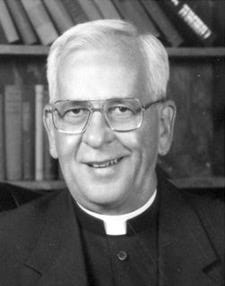
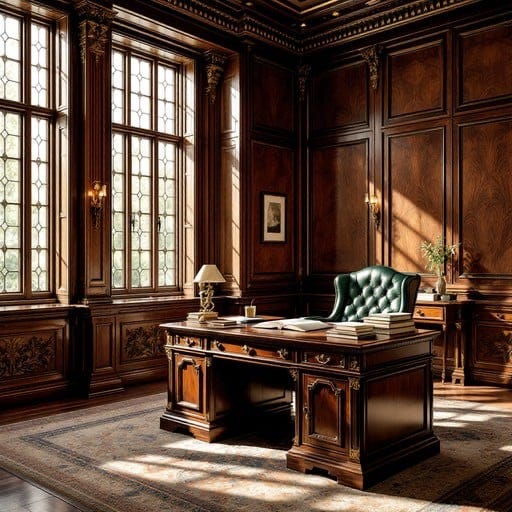
I walked into his elegant office, trembling. It was imposing, with a massive polished mahogany desk that looked like it belonged in the Oval Office. Father Walter sat behind it like a judge in chambers. My heart was pounding.
Failing Calculus
He got right to the point. “Anthony, you’re failing Calculus,” he said. “You may want to consider whether medicine is truly the right path.” My heart dropped. My entire life plan — everything I had worked for — teetered on that one conversation. I was sweating. I could barely speak.
Father Walter Gives Me a Calculus Tutor
Father Walter admirably chose not to cut me loose. He arranged for me to work with a Calculus tutor. But he also wrote a letter to my parents, advising them that perhaps I should consider another path within the health sciences — something more suitable, he implied, than medicine. That letter crushed what was left of my pride. But I kept it.
Perseverance
Years later, when I was accepted into Georgetown University School of Medicine, I mailed Father Walter a copy of my acceptance letter — along with the letter he had written to my parents. I also wrote him a note of my own, reminding him that sometimes the best thing a struggling student needs is encouragement — not dismissal.
To his credit, he replied with a kind letter in return. “Anthony,” he wrote, “I admire your perseverance.” That word — perseverance — might be the one word that defines my rollercoaster life.
The Tenerife Disaster of March 1977
That meeting with Father Walter would stay with me for another reason. Behind his desk, mounted on the wall, was a framed airline ticket. Curious, I asked about it. He smiled. “Ah yes,” he said. “I survived the worst plane crash in aviation history.”
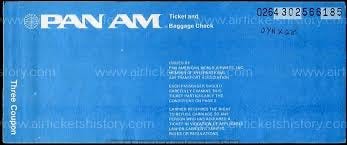
He explained that he had once booked a seat on Pan Am Flight 1736 to the Canary Islands. At the last minute, he missed the flight. That was the same flight that, on March 27, 1977, collided with a KLM 747 in the fog on the runway in Tenerife, killing 583 people in what remains the deadliest aviation disaster in history.
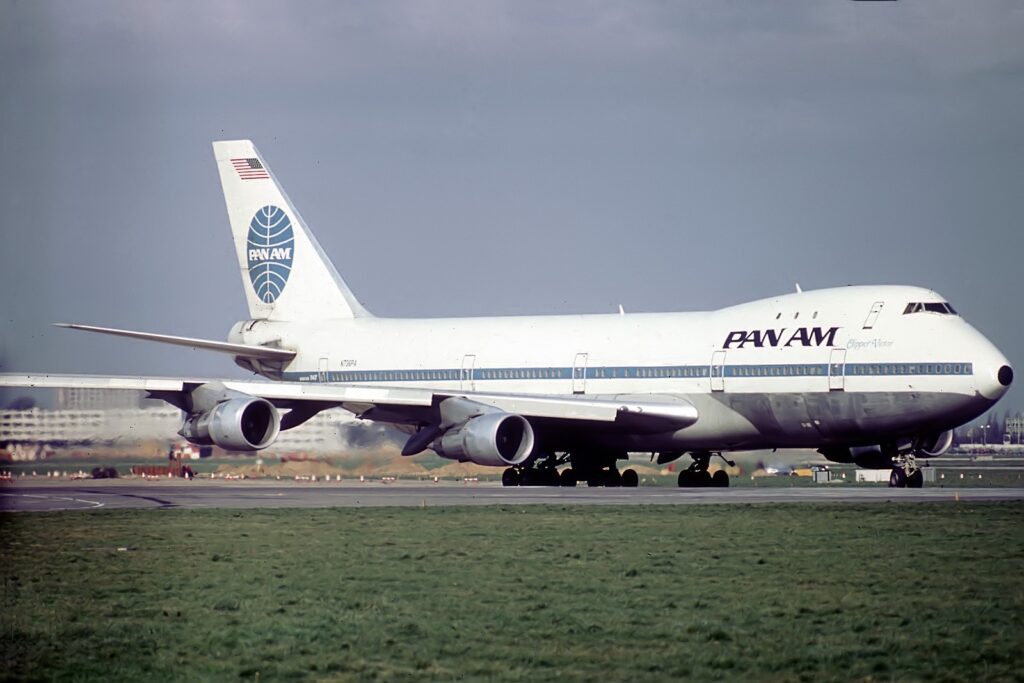
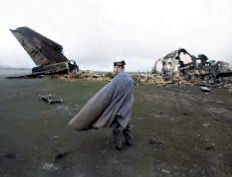
He had lived because of a twist of fate — a delay, a missed boarding call, a quirk of timing. I never forgot it. That moment planted a seed in me that would eventually grow into something more: the desire to become a Flight Surgeon. That day in Father Walter’s office, as painful as it was, became one of the sentinel events of my life. I have told the story of the Tenerife Disaster in a hundred lectures on Aviation Safety since becoming a flight surgeon. The bottom line of the story of the Tenerife Disaster was the junior officers’ fear of speaking out about the obvious danger to their superiors.
ROTC: Military Science
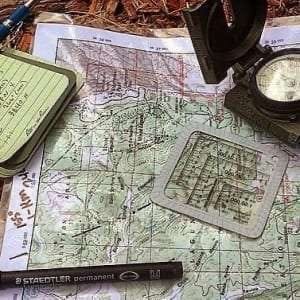
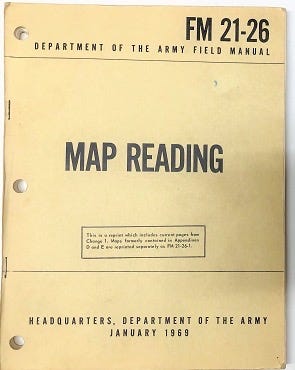
Not every course was astruggle that semester. Basic Leadership — my ROTC Military Science course — was practically effortless. I could do it in my sleep. That term we focused on map reading, which I had mastered years before. My father had taught me how to read maps from the time I was a kid, and before the invention of GPS, map reading was one of the most essential skills for a military officer. While others struggled to interpret topographic lines and grid coordinates, I was breezing through with confidence and even tutoring classmates.
Intermediate German mit Herrn Wimmer
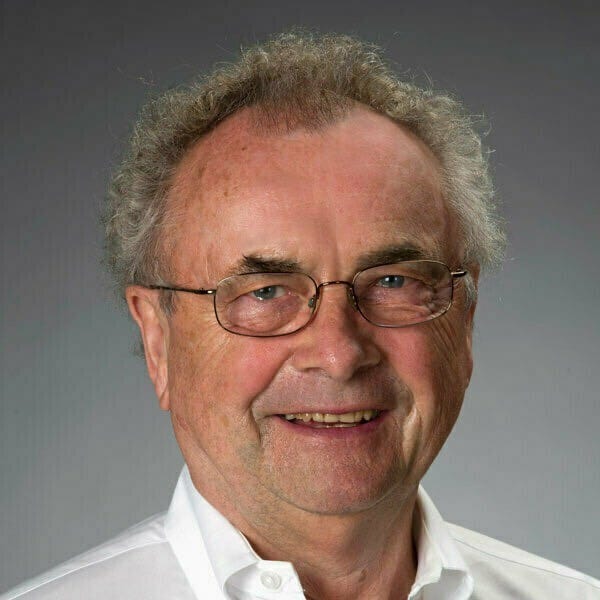
Another class that came relatively easily to me was Intermediate German. I had studied German in high school while living in Germany, first at Mannheim American High School and later at Bad Kreuznach. My instructor, Professor Albert K. Wimmer, took an immediate liking to me. I was the only student in the class who had ever actually lived in Germany, and he complimented me often on my authentic German accent.
Denied Study in Innsbruck, Austria
Professor Wimmer was soon to be appointed to the University of Notre Dame’s Program in Innsbruck, Austria, and he invited me more than once to join him there for a full academic year.
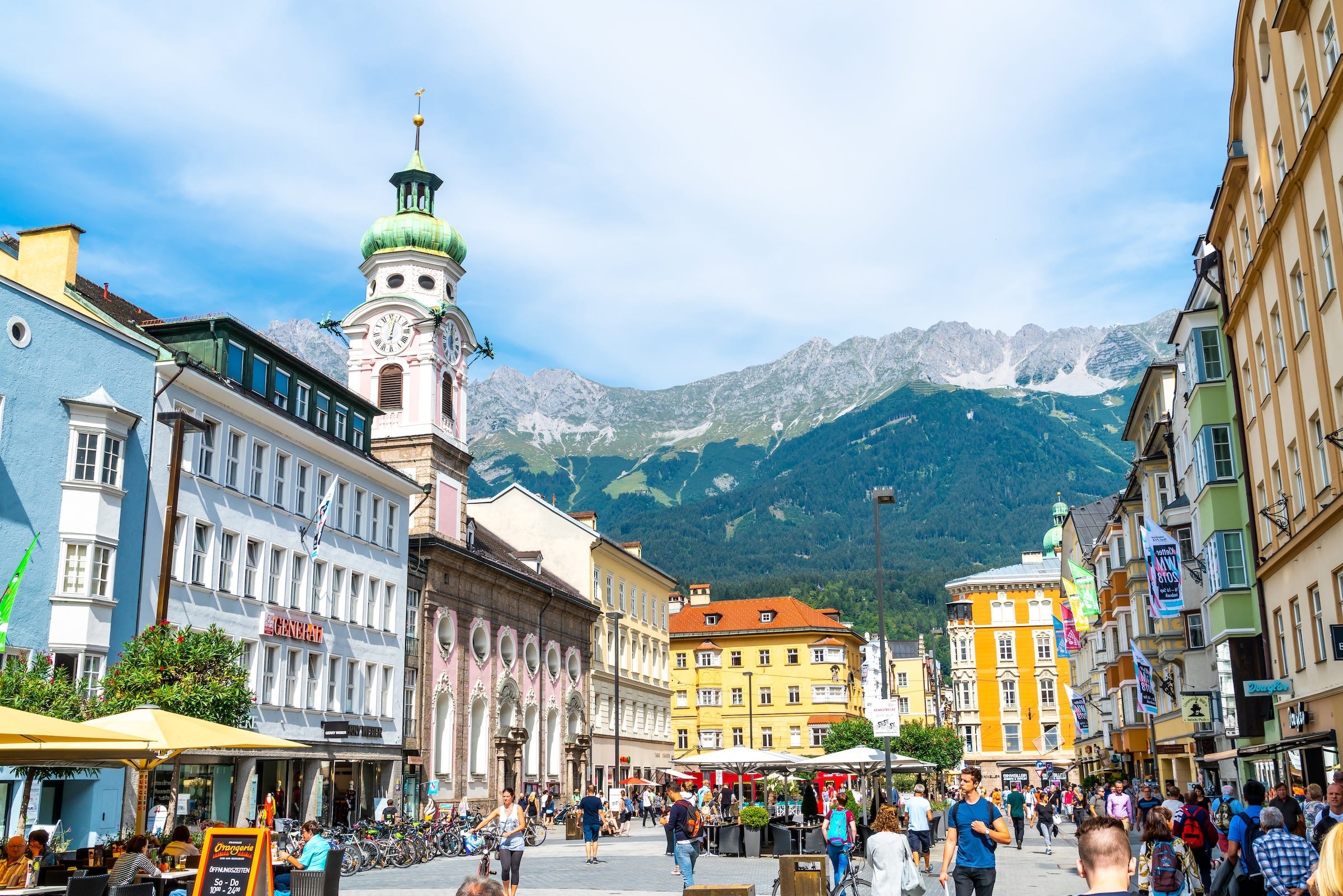
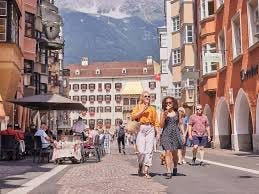
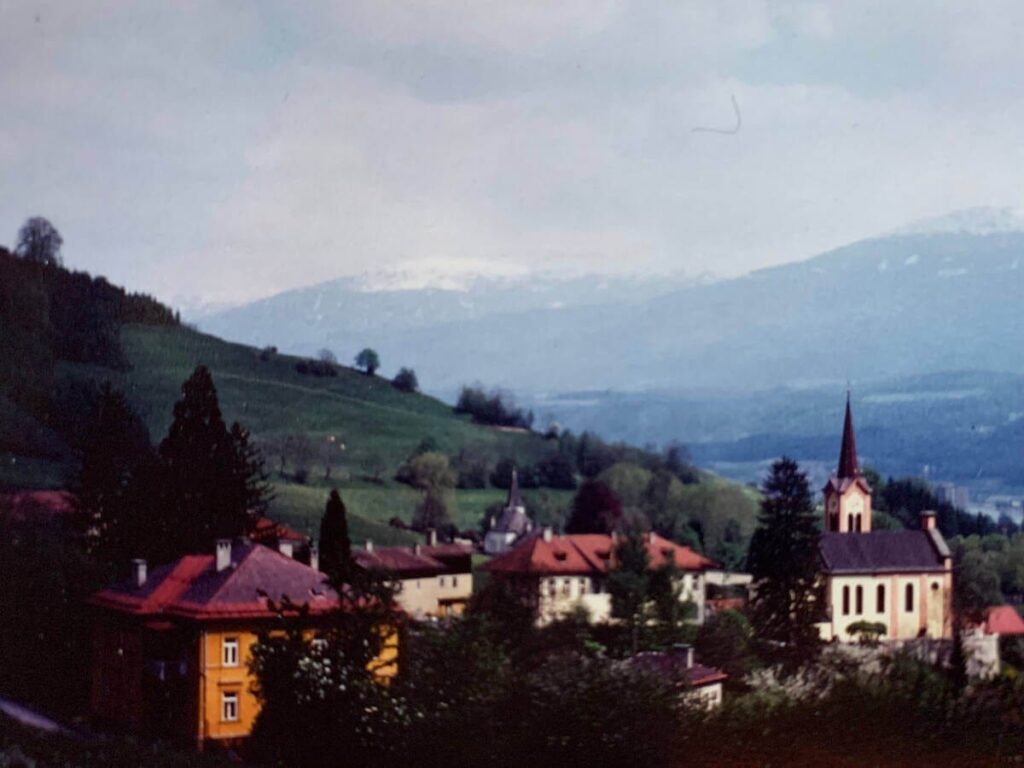
It was tempting — I love Austria, the Alps, the culture, the opportunity to study abroad with a professor who believed in me — but ultimately impossible. Neither the Pre-Med Program nor ROTC would allow a full year abroad, so I had to decline. Another door closed in the name of obligation.
The 1977–78 Fighting Irish Basketball Season
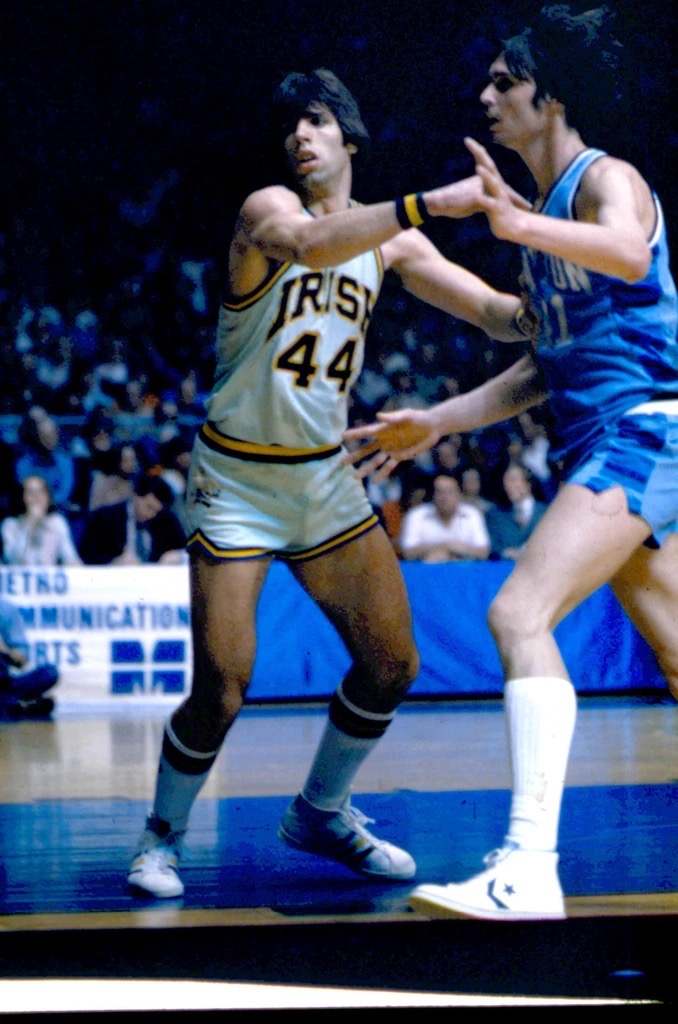
The 1977–78 University of Notre Dame men’s basketball season was exciting as well as a historic one, marking the program’s only appearance in the NCAA Final Four. Led by Coach Digger Phelps, the team finished with a 23–8 record and reached as high as №2 in the national polls. Key players included Rich Branning, Bill Laimbeer, Orlando Woolridge, Bill Hanzlik, Tracy Jackson, Bruce Flowers, Dave Batton, Kelly Tripucka, and Duck Williams. Notre Dame dominated their first three NCAA Tournament games, including a 23-point victory over Houston, before ultimately losing to Duke in the Final Four. Orland Woolridge lived in Fisher Hall and we saw him and the rest of the team often.
Spring Break at Fort Leavenworth
Spring Break came before I knew it. This time, my family allowed me to come home to Fort Leavenworth for Easter break, which ran from March 18 to March 27. While most of my classmates headed south to warm beaches and wild parties in Fort Lauderdale, I returned to a chilly, gray Leavenworth, Kansas this March — rain, snow, and near-freezing temperatures all week.
Still, I was happy to be home. I caught up with my family, the Morrison girls, and my upstairs neighbor, and I appreciated the quiet. But much of my time was spent studying chemistry and calculus in preparation for final exams. I barely noticed how fast the week passed. Again, this was one of those moments where I was so sleep deprived from school, that vacation flew by before I came out of the fog.
Back to Notre Dame to Finish up 2nd Semester
Before I knew it, I was back in South Bend, grinding through another brutal exam schedule. It was a regrettable repeat of the fall semester — weeks of grueling preparation followed by equally grueling finals, with disappointing results.
Summer Break of Fun
As soon as my last exam was over, I hurried back to Fisher Hall and began packing up my dorm room for the summer. Notre Dame had a convenient system that allowed students to store their belongings on campus, which made the process easier. Within a couple of days, I was back home at Fort Leavenworth.
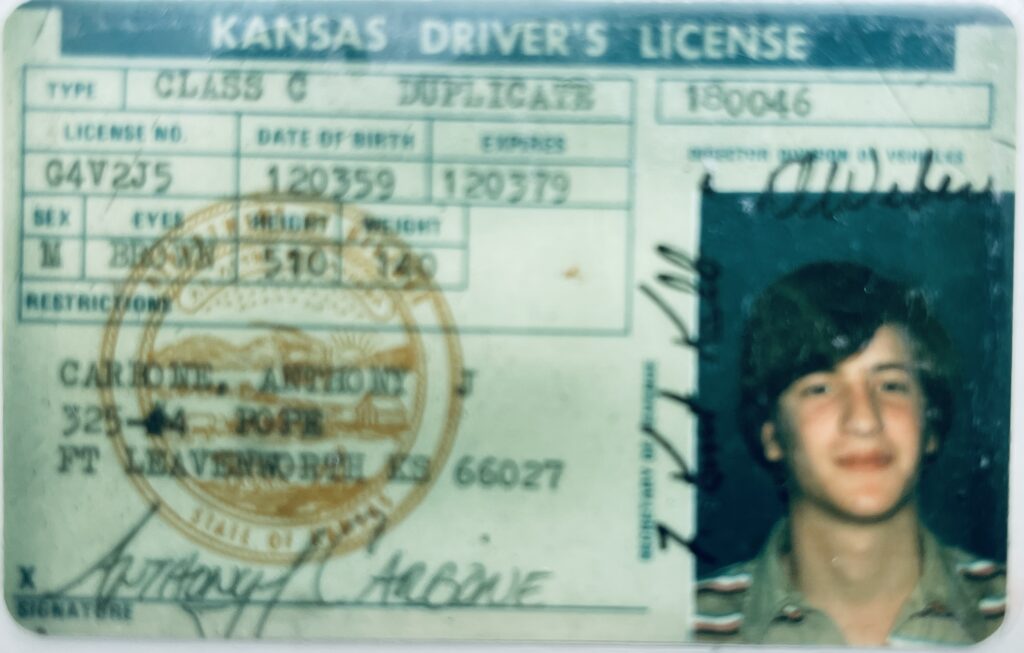
Got My First Driver’s License
First things first: I studied for and took the Kansas driver’s license exam. That’s right — I didn’t get my license until after my freshman year in college.
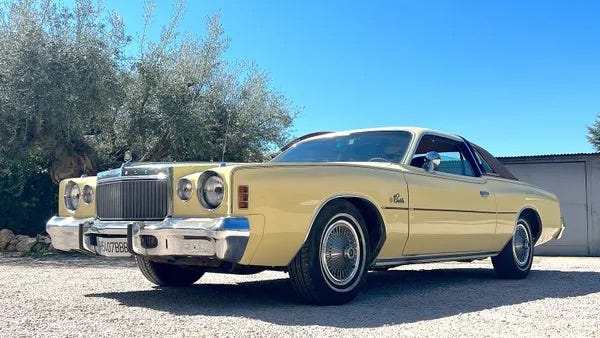
I passed the road test using our new Chrysler Cordoba, and from that day forward, I found every excuse to borrow it. I’d volunteer for errands to the commissary at least once a day. I made daily runs to the post exchange or the Shoppette — any excuse to cruise around in the Cordoba. And I have to give credit to my buddy Jeff Bell, who actually taught me to drive his VW Beetle in Germany back in 1976.
First Time Asking a Girl Out on a Date
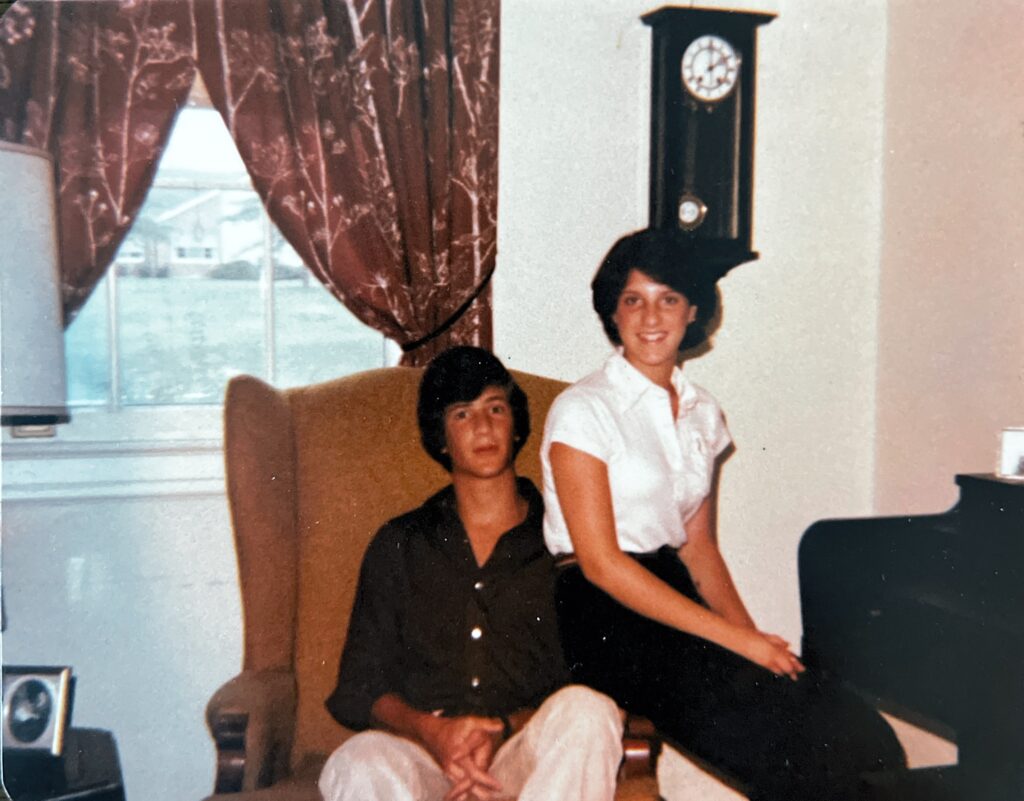
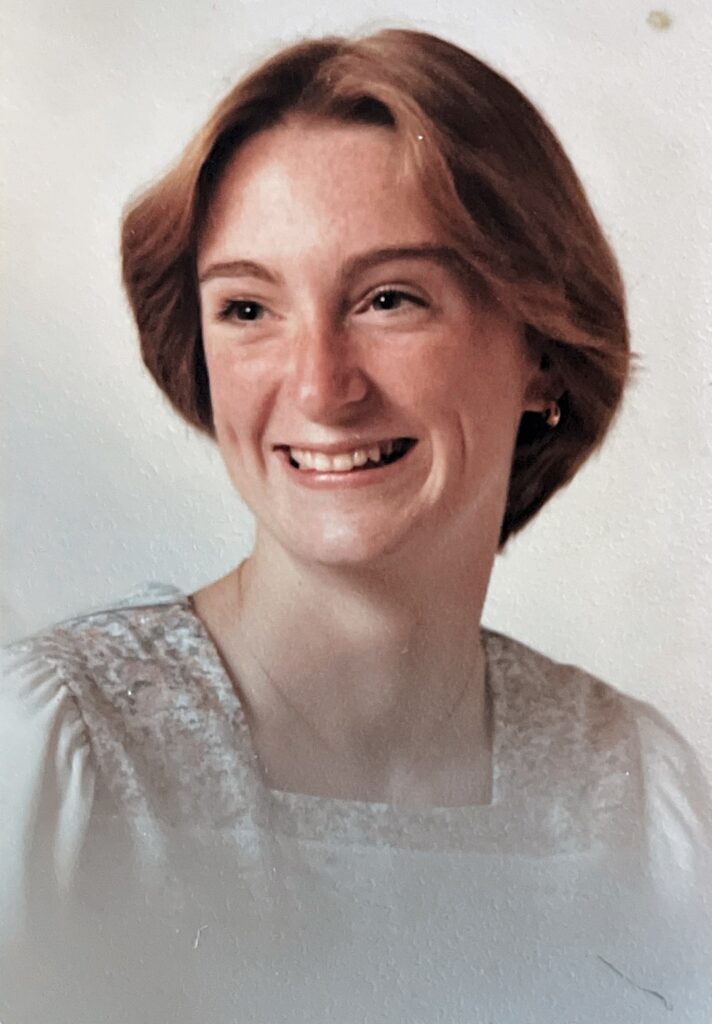
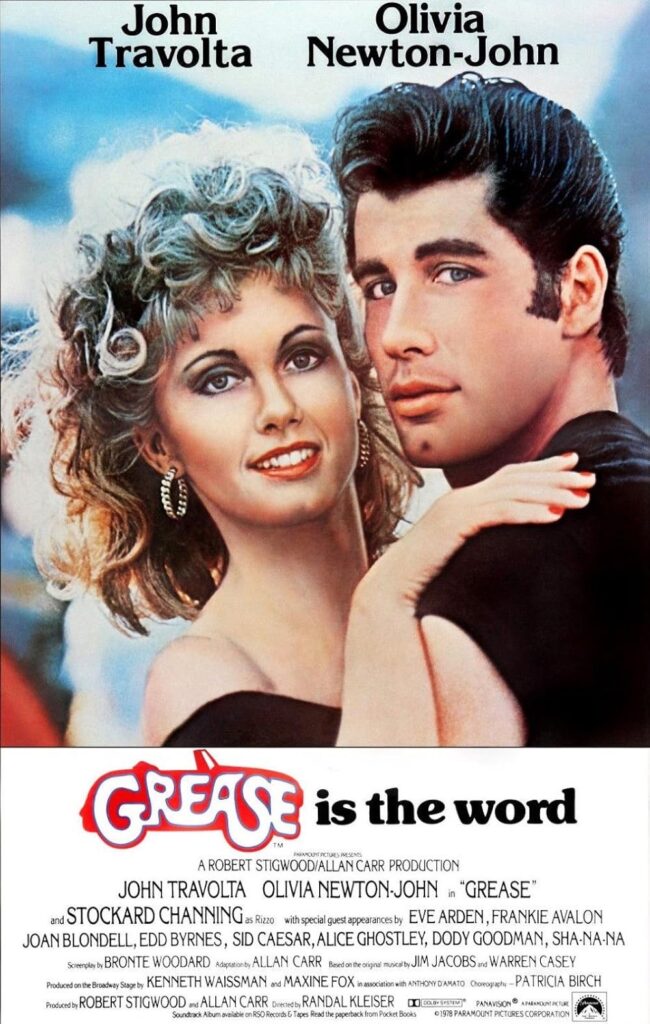
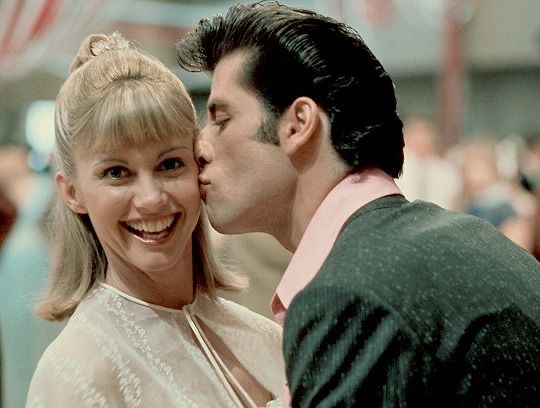
Now a college student with a driver’s license and a decent car, I figured it was finally time to go out on a real date. I worked up the nerve to ask Rebecca Roberts — a colonel’s daughter — if she’d like to go to the movies with me. I think it was the debut of Grease. She said yes, and I was over the moon.
Use of Car–Denied!
I ran home to tell my family the news. Then I waited for my father to come home from work so I could ask him for the car for the big date. I expected he’d be happy for me — but he wasn’t. His response was blunt: “No. You should have thought about asking to borrow the car before you asked out a young lady.”
That was it. In our household, you got one chance to ask my father for something. He never changed his mind, and you never asked twice. Timing was everything. My friends never understood this. They’d beg me to hurry and ask him if I could go to a party or a sleepover, and I’d always say, “Not yet.” I had to wait for just the right moment — after he’d taken off his boots, after dinner, after dessert. Only then would I ask. Because I only had one shot.
So, I had to do the painfully embarrassing task of calling Becky and asking if one of her parents could drive us to the movies. She agreed, but I was humiliated — and that might explain why I never asked her out for a second date. I went from feeling like a confident young premed student at Notre Dame, to a foolish young boy being scolded by my father.
End of Summer and Return to South Bend
Before I knew it, August was here again and it was time to prepare for my return to Notre Dame. I packed up my suitcase and a few more things for my dormatory room. Had a couple of boxes shipped to Fisher Hall. I said my goodbyes to Becky Roberts and the Morrisons — and of course, my family. My mother arranged to have me drive back to South Bend with two other Notre Dame upper classmen — complete strangers to me. All I remember about that trip is an overweight guy drove the car, there was a skinny girl between us, and I sat up front on the bench seat because the back seat was filled with suitcases and other things on their way to Notre Dame.