Chapter 24: U.S. Army Airborne School (October 1981) Fort Benning, Georgia

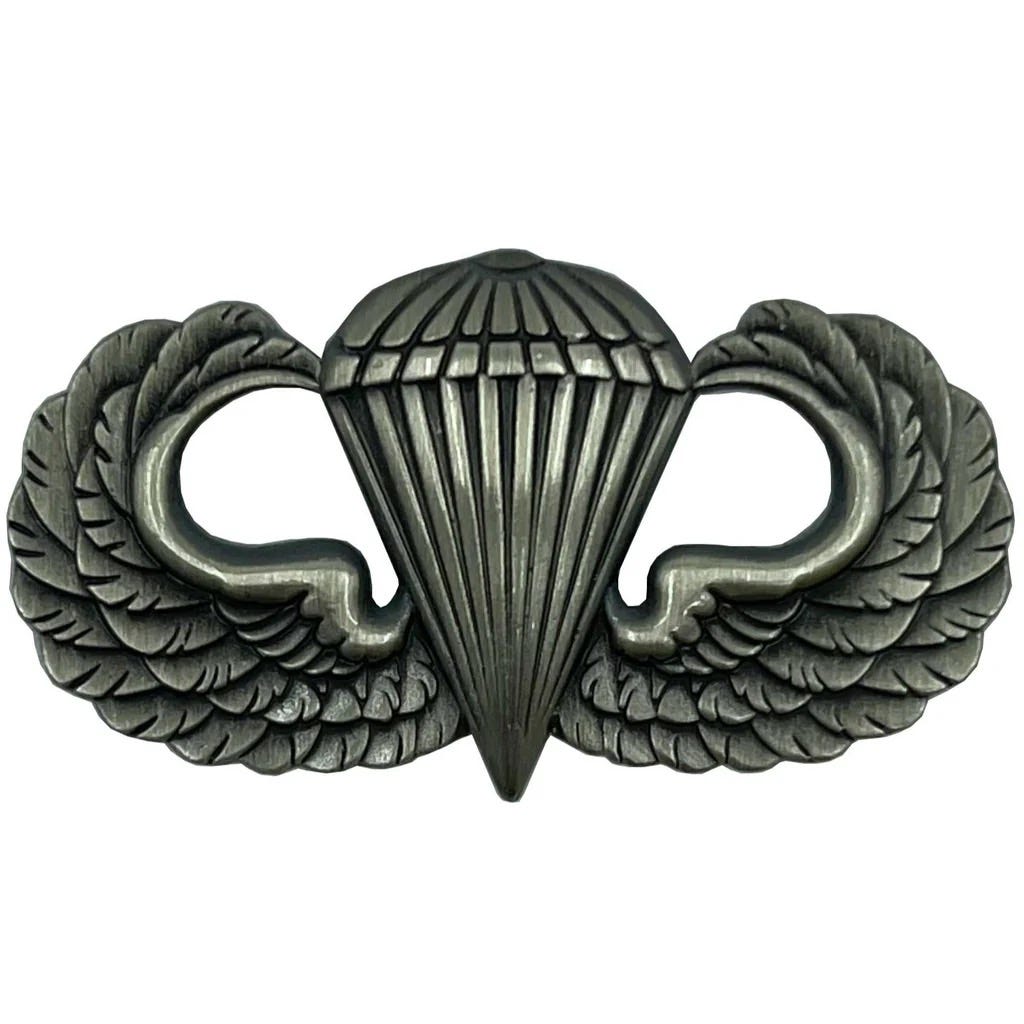
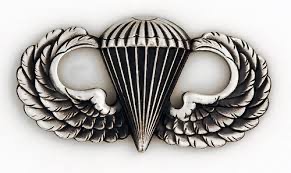
U.S. Army Parachutist Badge of silver wings with a parachute. Biography of Dr. Anthony J. Carbone

Believe Nothing You Hear, and Only Half of What You SeeA memoir of Service, Shame and the Search for Truth.
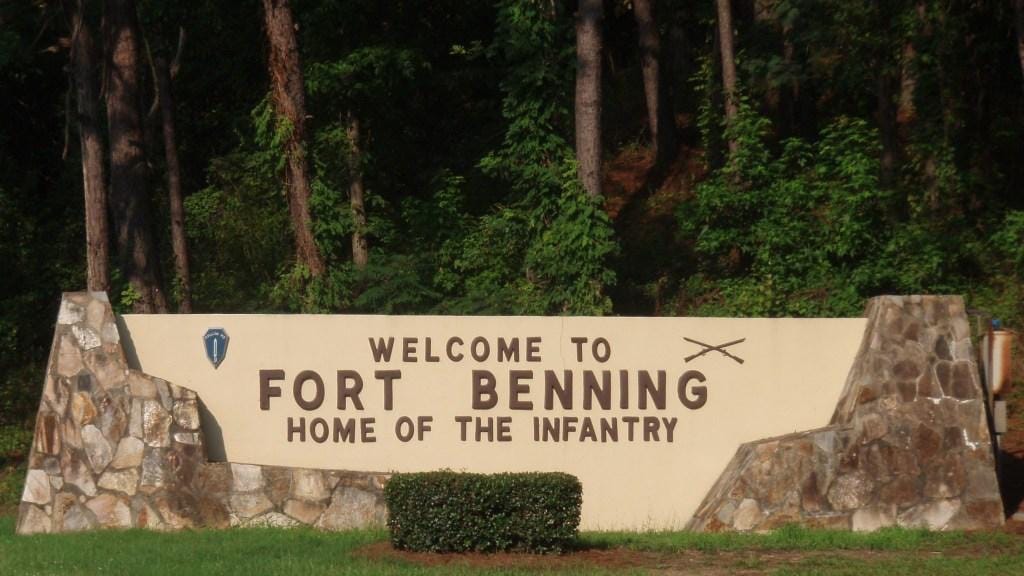
Welcome to Fort Benning--Home of the Infantry.  Biography of Dr. Anthony J. Carbone

Orders for Jump School — Fort Benning

The U.S. Army Airborne School at Fort Benning, Georgia, was one of the most grueling yet exhilarating experiences of my military career. Known simply as “Jump School,” this four-week crucible transformed me into a qualified paratrooper, earning the coveted Parachutist Badge.
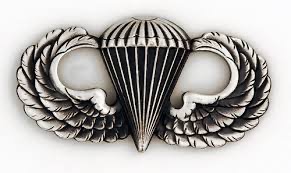
U.S. Army Parachutist Badge. Biography of Dr. Anthony J. Carbone.

I would be attending Jump School alongside three of my classmates from the Chemical Officer Basic Course at Fort McClellan: James Piner, Perry Williams, and Ron Snyder. My roommate in the Bachelor Officer Quarters (BOQ) would be Perry, while James and Ron shared a room. Together, the four of us reported to 43rd Company, 4th Student Battalion (Airborne), The School Brigade, Fort Benning, Georgia.
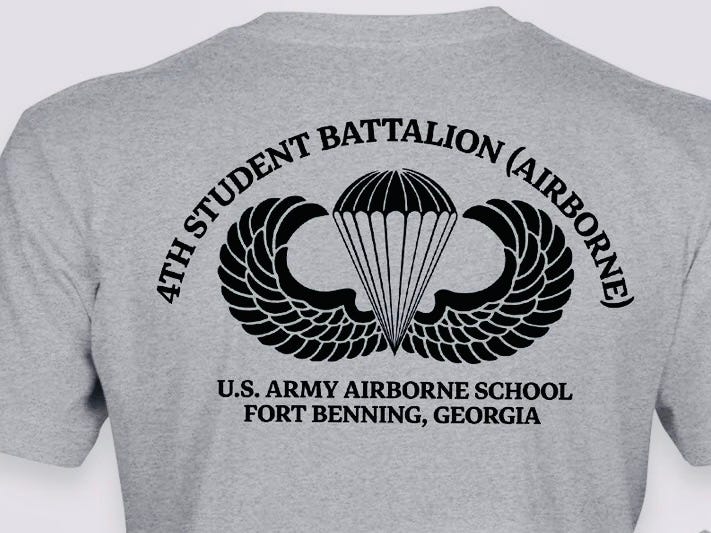
T-shirt with "4th Student Battalion (Airborne) U.S. Army Airborne School, Fort Benning, Georgia."   Biography of Dr. Anthony J. Carbone

43rd Company (Airborne)

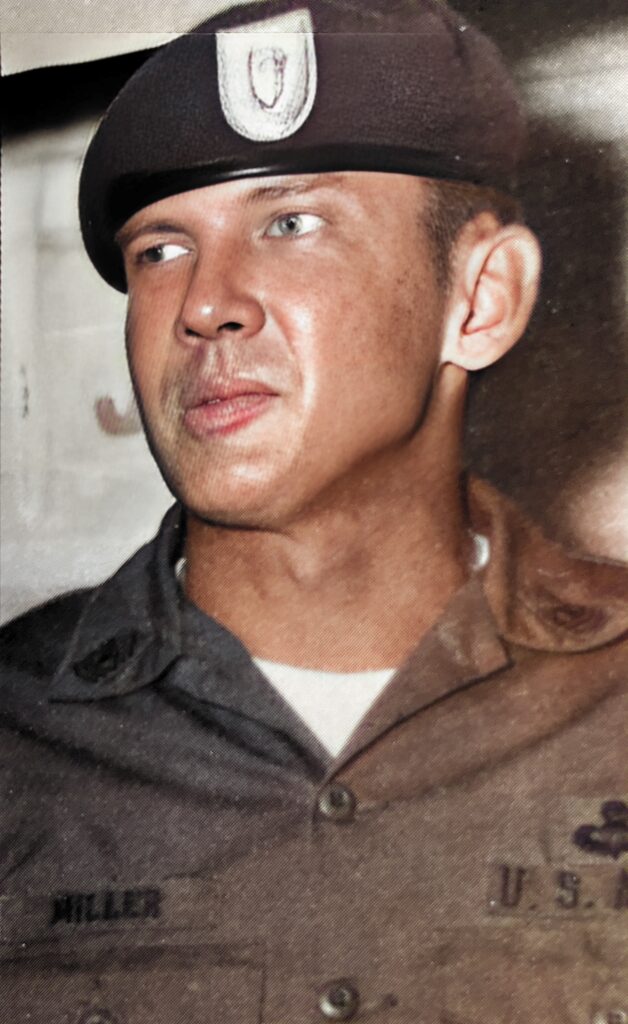
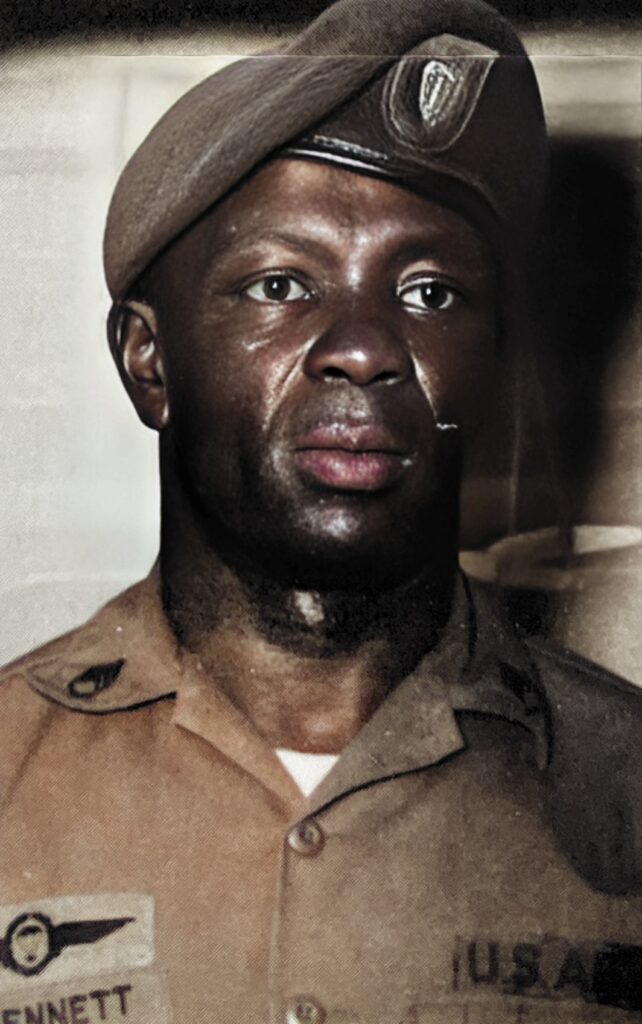
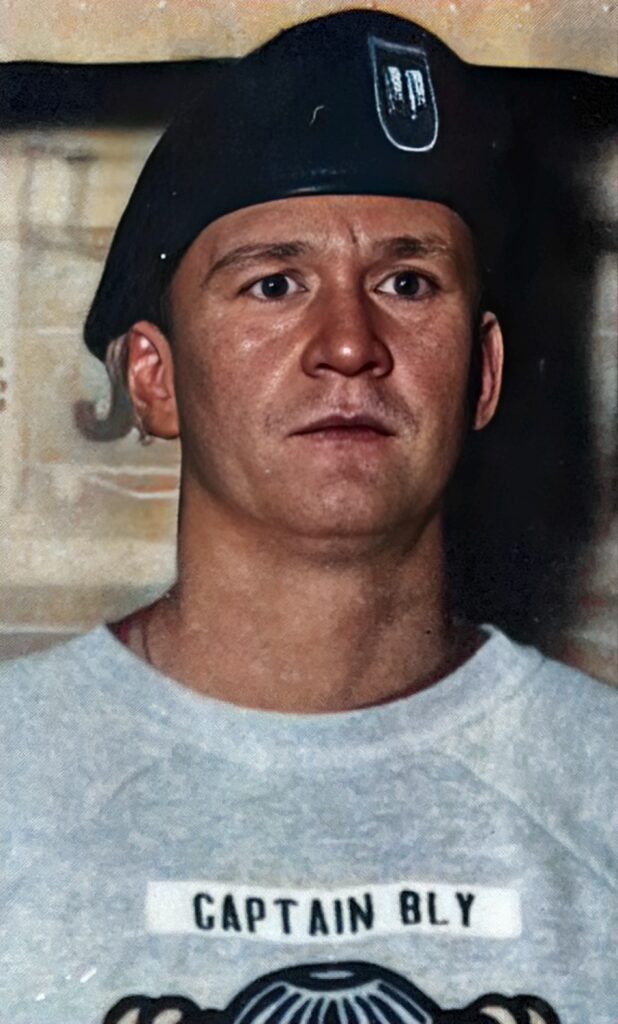
Our company commander was CPT James Bly, as strict as a pirate. The first sergeant was 1SG Riley Miller, but the man who ran the show was Staff Sergeant Trevor Bennett — nicknamed “Idi Amin” who had an eiry resemblance to “The Butcher of Uganda.”
The company had two massive platoons, each led by a student officer. Our platoon was led by a Navy ensign on the verge of becoming a SEAL, with five other SEALs sprinkled throughout. Whenever a Black Hat ordered “Drop and give me 10!” our leader would snap his head and shout over his right shoulder, “Make it 20!” We would drop, do 20 push-ups, return to attention, then clap and bark like seals (trademark of the US Navy SEALS). The Black Hats would retaliate, and our SEAL leader would double down. Push-ups stacked into triple digits, building both physical and mental endurance while keeping us motivated.
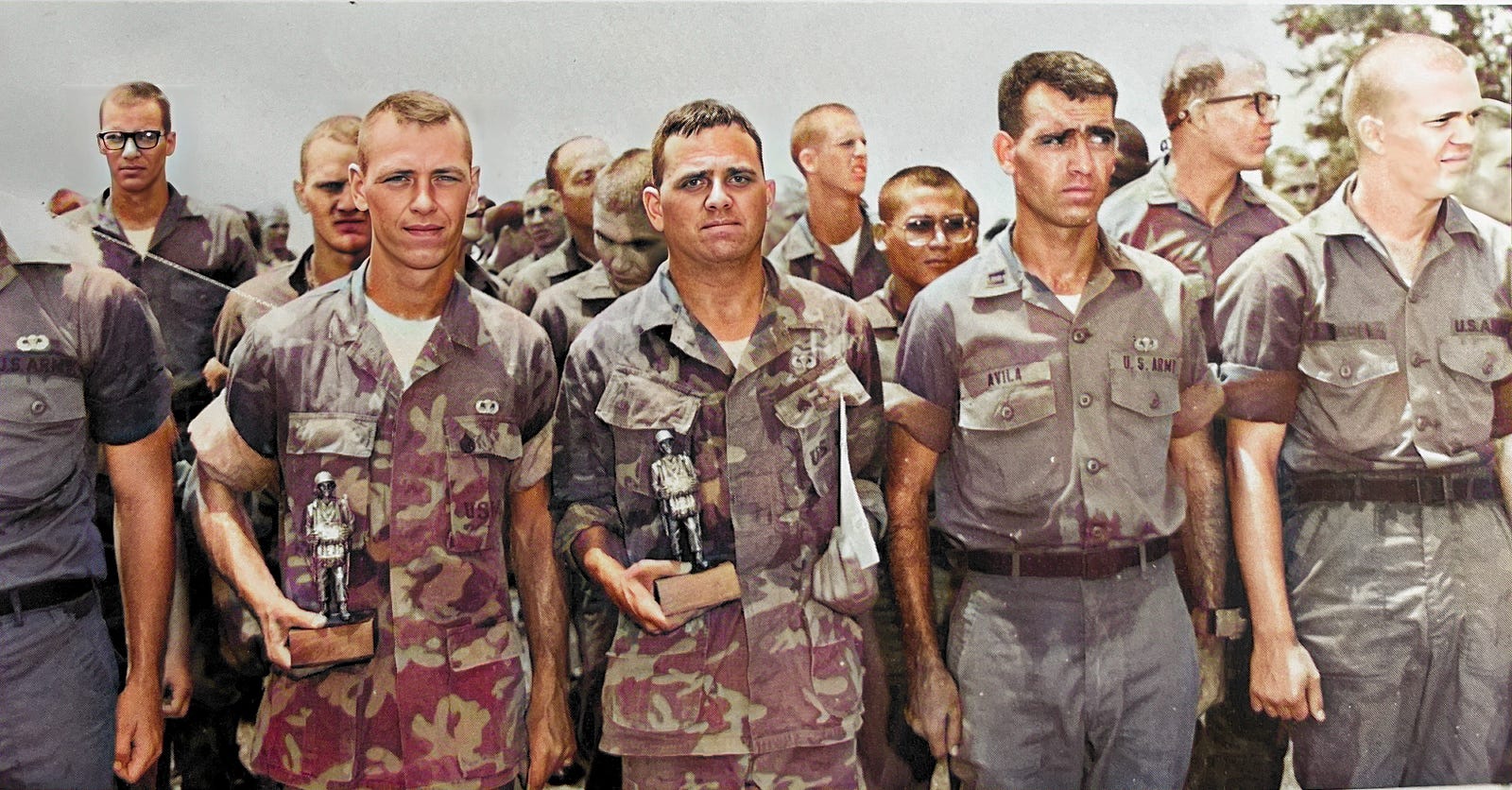
Graduation photo with course honor grads showing our platoon leader, U.S. Navy SEAL ensign.  Biography of Dr. Anthony J. Carbone
That is our Navy SEAL Platoon Leader holding the Honor Graduate Statue with his diploma.

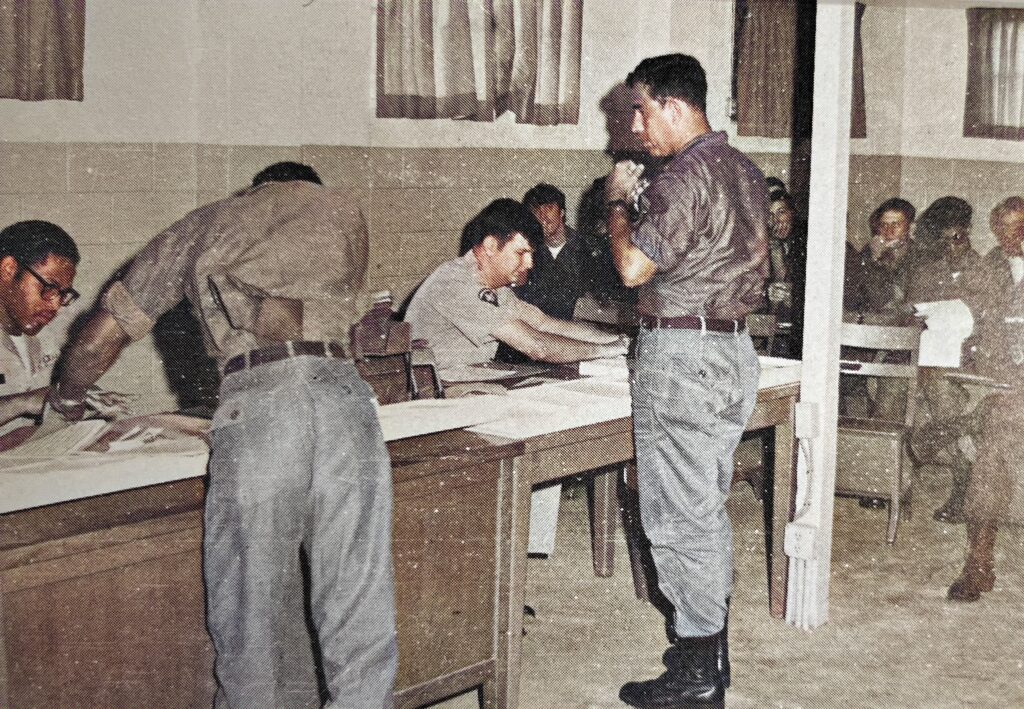
Airborne School Inprocessing

Our first stop was Inprocessing. We were issued an Orientation Packet and a billeting assignment at Abrams Hall, where bachelor officers were typically housed. The packet included instructions for drawing some of our combat gear, such as a steel pot helmet and load-bearing equipment (LBE). I’ll never forget the helmet they handed me — it had a huge dentright in the top. Later, during Jump Week, I would learn exactly how that dent may have been made.

We Receive Our Student Numbers

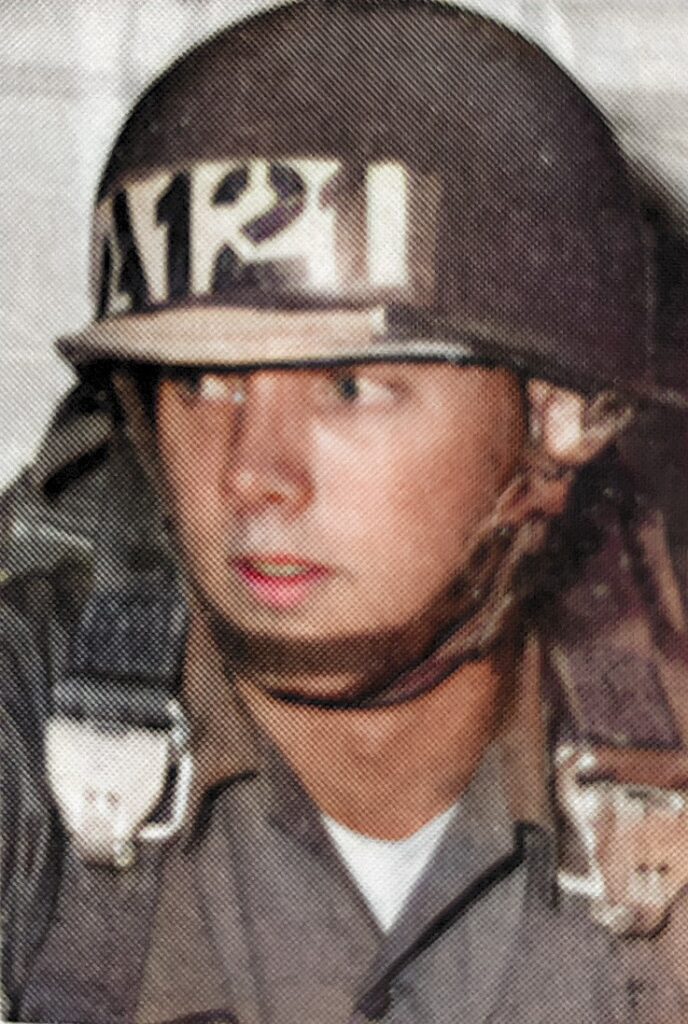
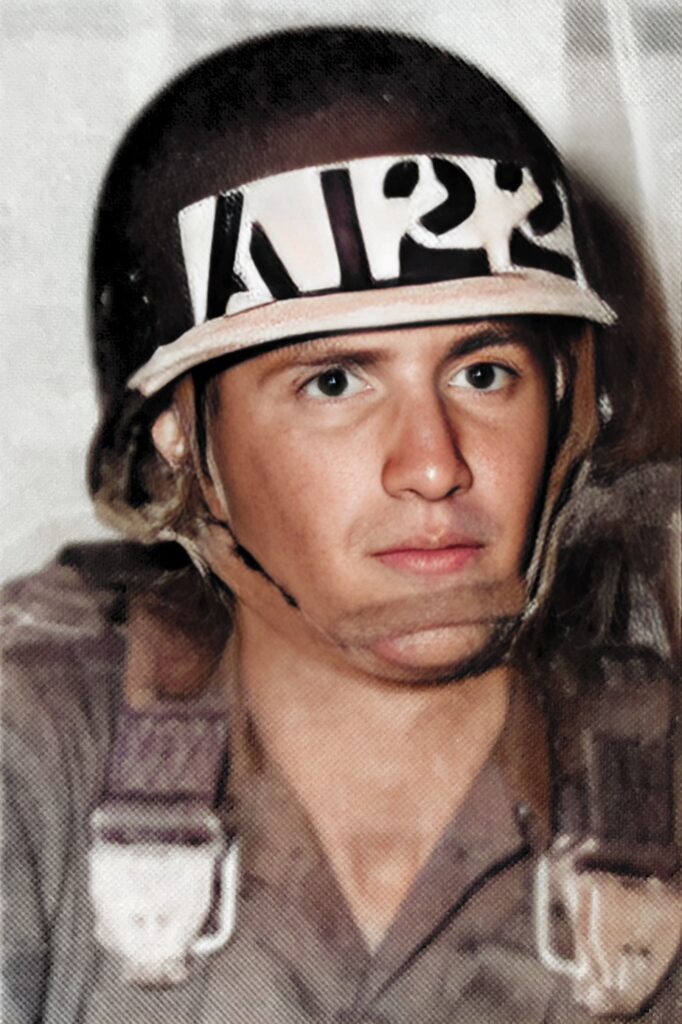
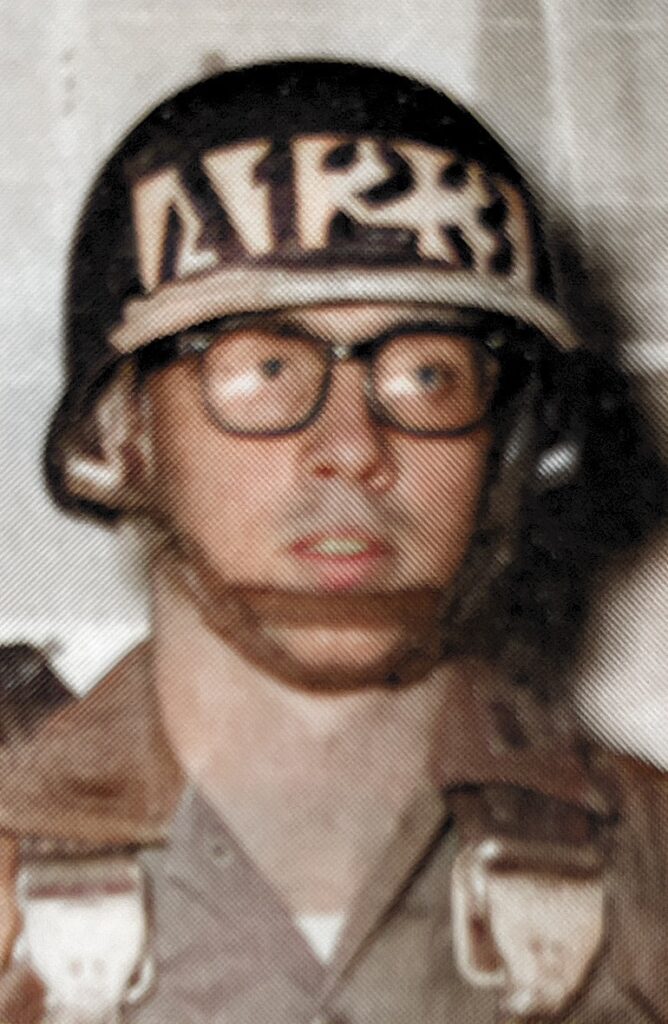
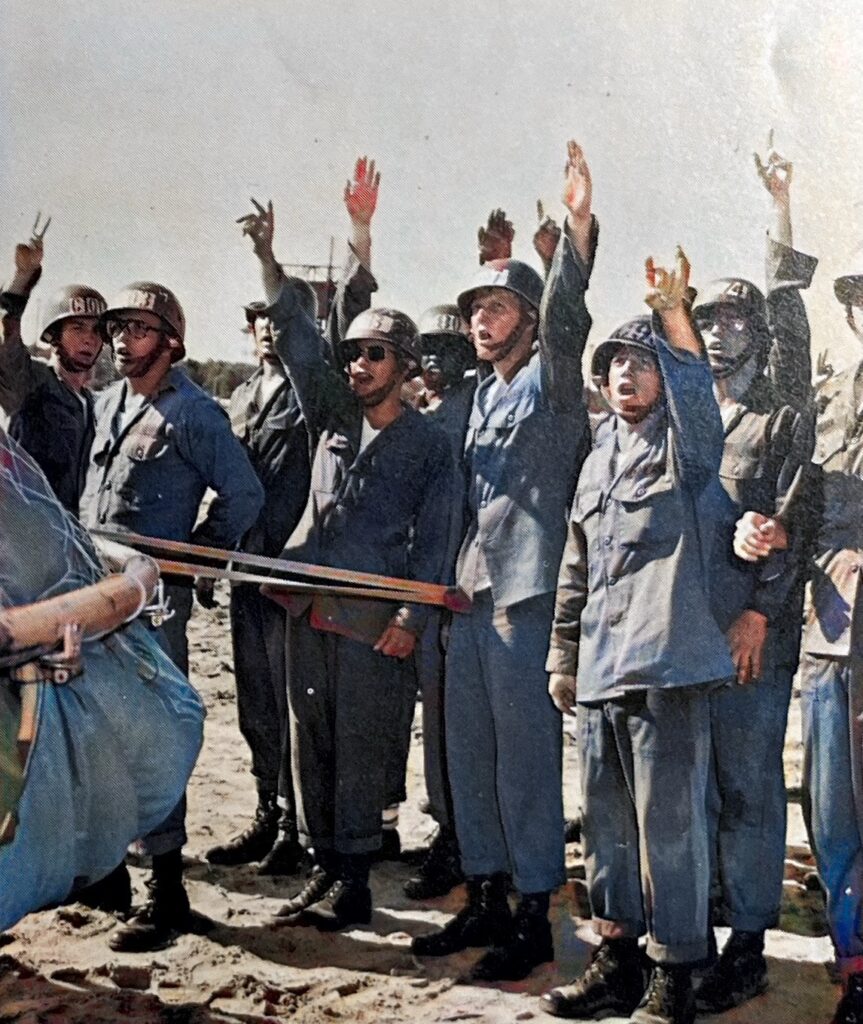
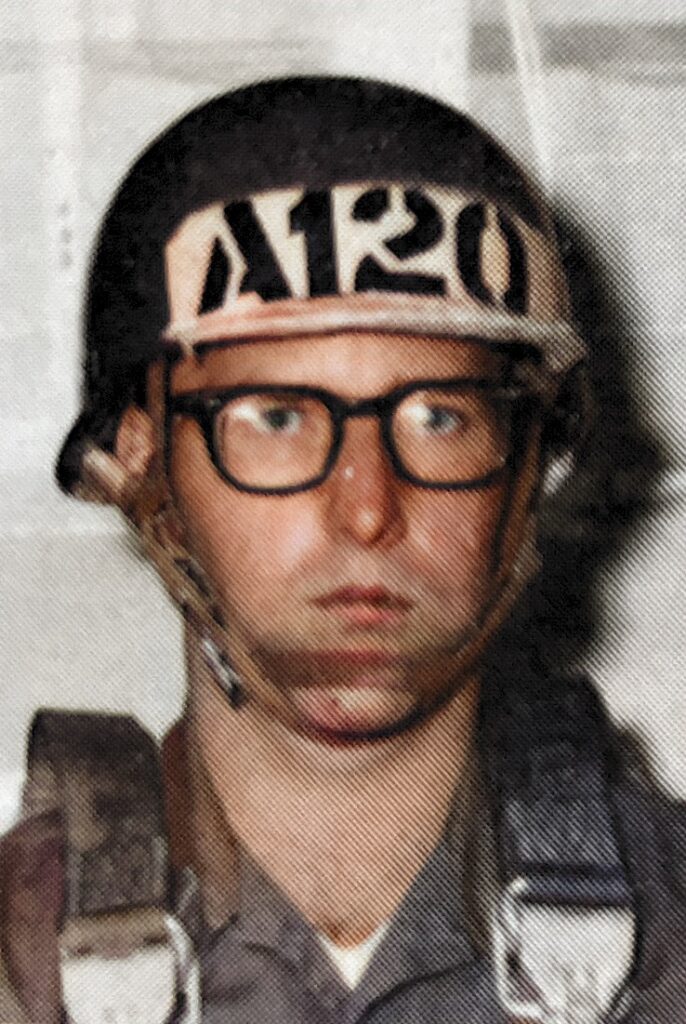
When we shuffled through the Arrival and Inprocessing line, Ron, James, Perry, and I stuck together and ended up with consecutive student numbers: A120, A121, A122, and A123. These numbers were painted boldly on the fronts of our helmets. From that point forward, I wasn’t “Carbone” anymore — I was “Alpha-122.” Officers’ numbers all began with the letter “A.” Non-commissioned officers (NCOs) started with “N,” and enlisted soldiers had just three digits. Anyone who had previously failed Jump School was forced to wear the letter “F” after their number — a daily mark of humiliation.
BOQ, Boot Black & Corcoran Jump Boots

After we finished in-processing, the four of us reported to our rooms at the Bachelor Officer Quarters (BOQ) in Abrams Hall. That’s where we first discovered the “Boot Black” — a man who made his living shining boots for officers, and only officers. His work saved us a precious hour each day, and the results were almost unreal.
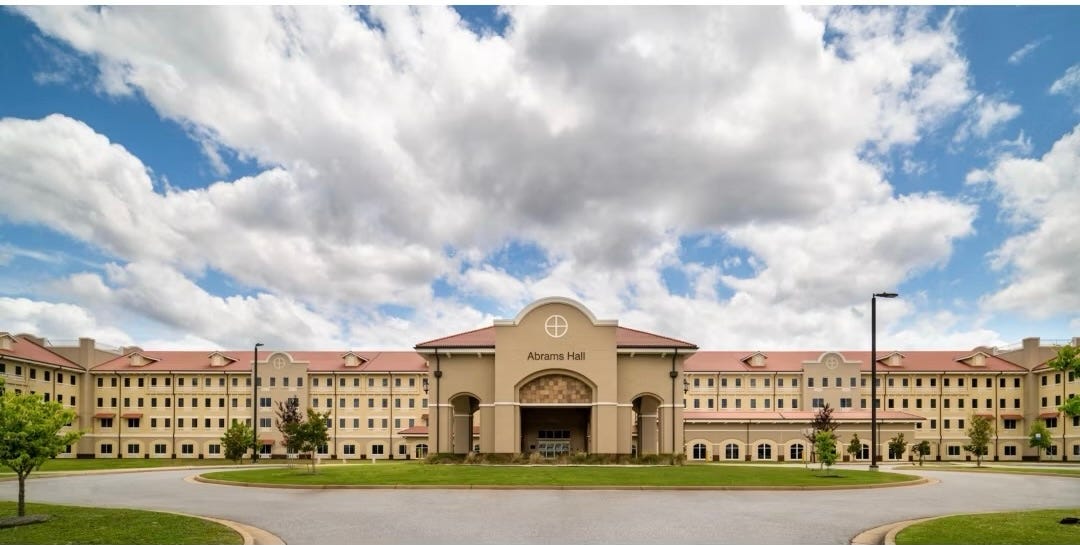
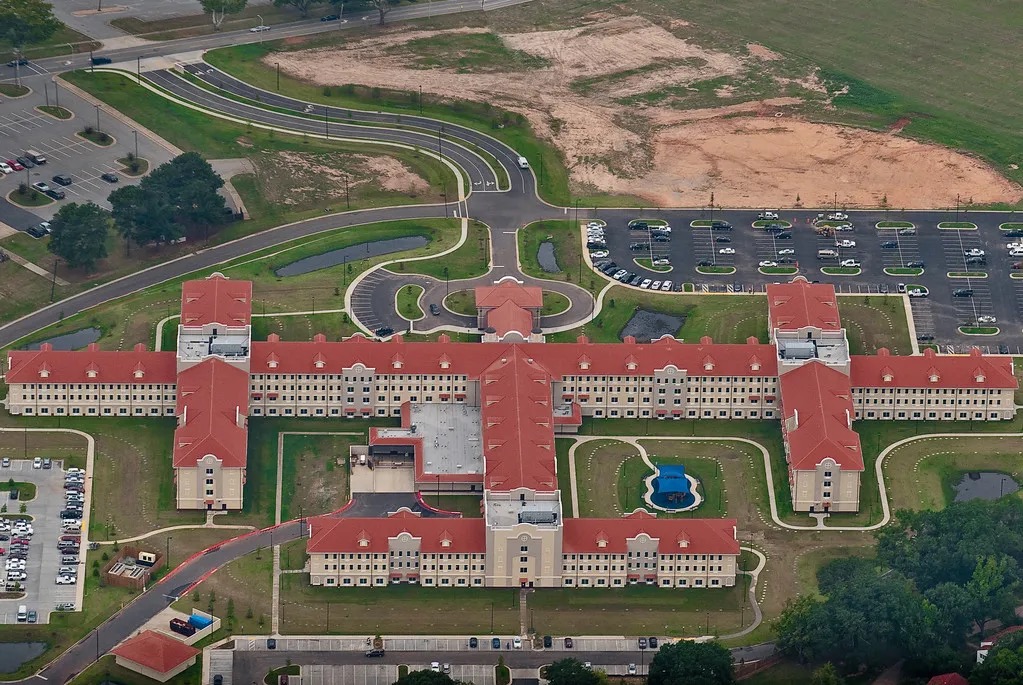
Abrams Hall that contained the Bachelor Officer Quarters (BOQ) at Fort Benning, Georgia.  Biography of Dr. Anthony J. Carbone.

Abrams Hall that contained the Bachelor Officer Quarters (BOQ) at Fort Benning, Georgia.  Biography of Dr. Anthony J. Carbone.

The shine he put on our leather made them look like patent leather, gleaming so bright they seemed untouchable. Jim, Perry, and Ron had already bought their classic Corcoran Jump Boots, the iconic footwear of paratroopers. I, however, held back. I told them I was too superstitious to buy a pair before I’d actually earned my wings. Once those silver Jump Wings were pinned on my chest, I promised myself I’d head straight to the PX and buy a couple pairs of Corcorans to wear proudly every day. I couldn’t wait.
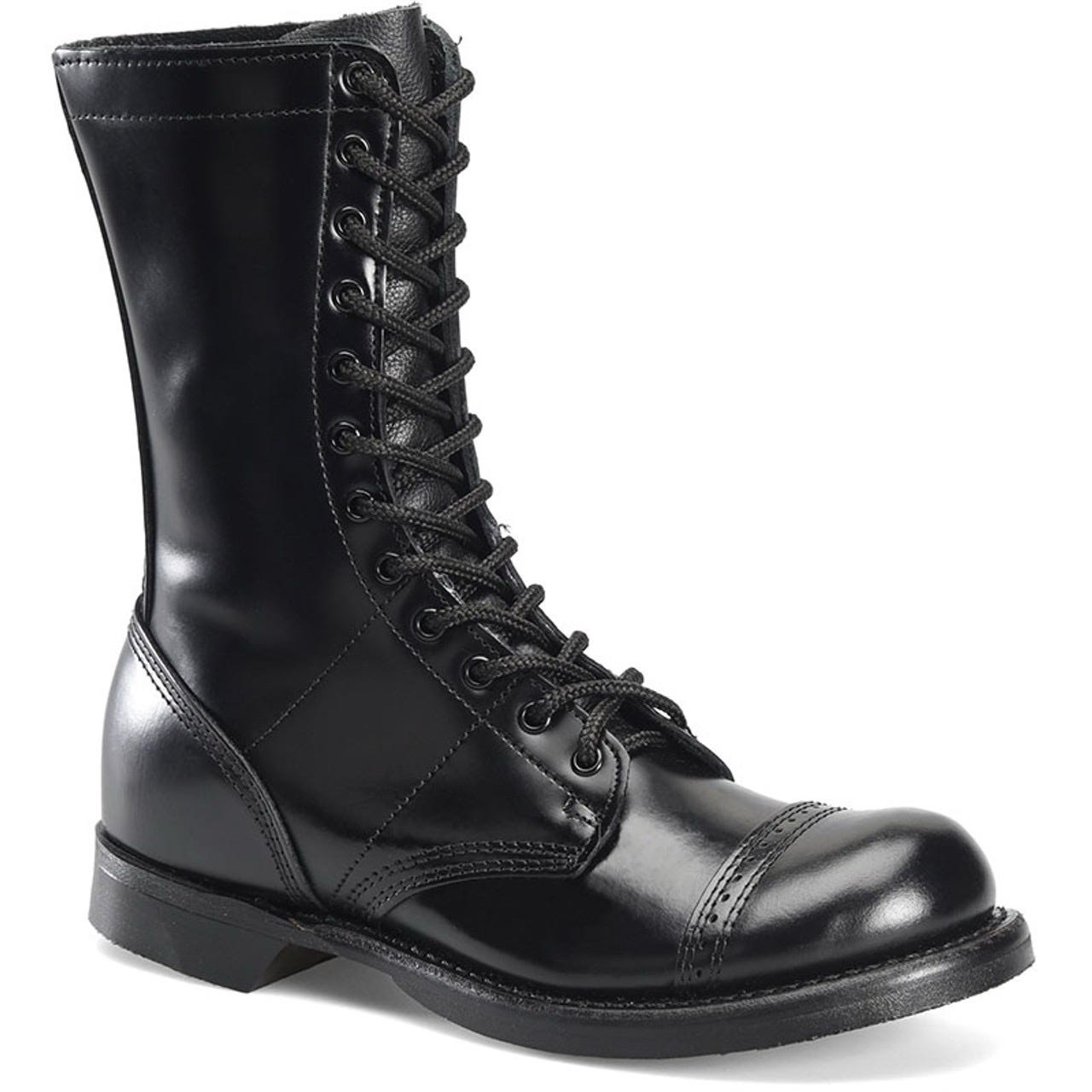
Classic Corcoran Jump Boot worn by U.S. Army until 2008.
Biography of Dr. Anthony J. Carbone
Classic Corcoran Jump Boot worn by U.S. Army until 2008

My Airborne Haircut

After we finished checking into our BOQ we dropped off our boots with the Boot Black. Then, we headed over to the post barber shop. It was loud and packed, a Saturday rush with everyone getting their weekly cuts. I was the first to sit in the chair, and I confidently asked the barber for a “Regular Officer’s Cut.” He started at the back of my neck with the electric razor. Perry suddenly shouted, “He’s here for Jump School!” The barber paused and declared, “I see!” Without another word, the barber drove the razor straight down the center of my forehead. In an instant, I had a reverse-Mohawk shaved right to the scalp.

A few quick swipes later, I was completely bald. I wanted to kill Perry—I didn’t think shaving my head was an actual requirement for Airborne School. But there I was, looking like a freshly polished bowling ball. In the sweltering days of training that followed, I had to admit—being bald wasn’t the worst thing after all.
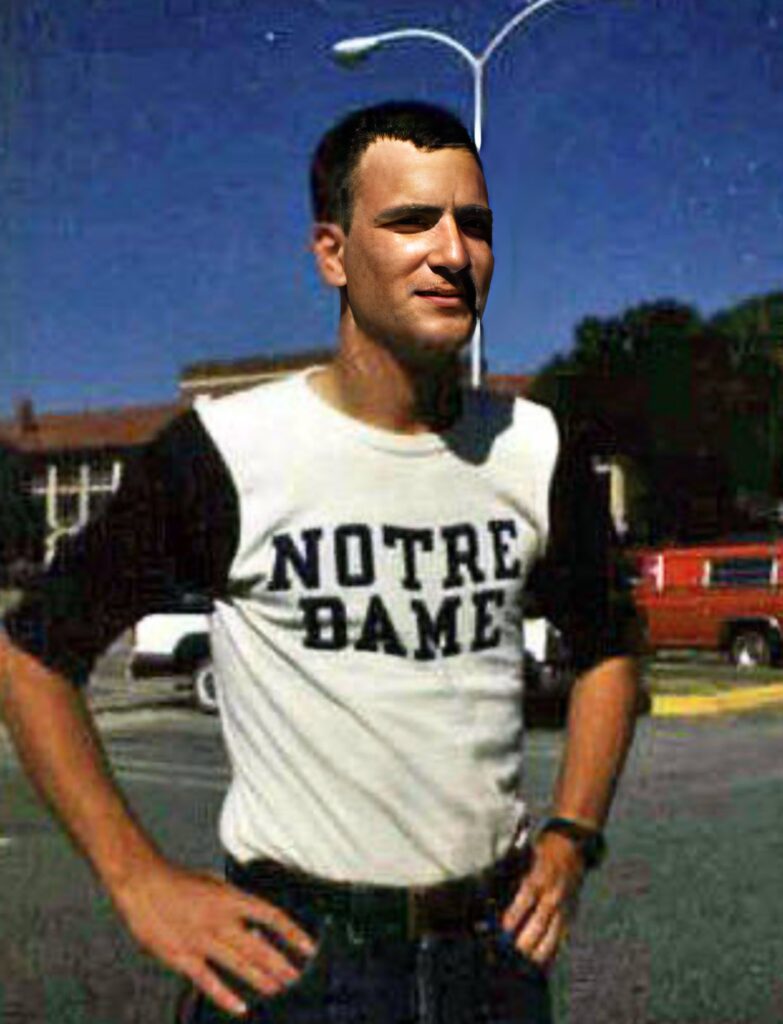
My with a short Airborne haircut wearing my "Notre Dame" baseball shirt and standing outside of Abrams Hall at Fort Benning, Georgia.  Biography of Dr. Anthony J. Carbone.

Orientation Week

For enlisted soldiers, Jump School began with Orientation Week, a soldier-only phase that officers skipped. Instead, we officers dove straight into Ground Week, which meant the soldiers already had the advantage of being in better shape and knowing the rules and SOPs of Jump School. Still, as officers, we had no choice but to jump in — pardon the pun — like we knew exactly what we were doing. We could not afford to fail in front of soldiers.
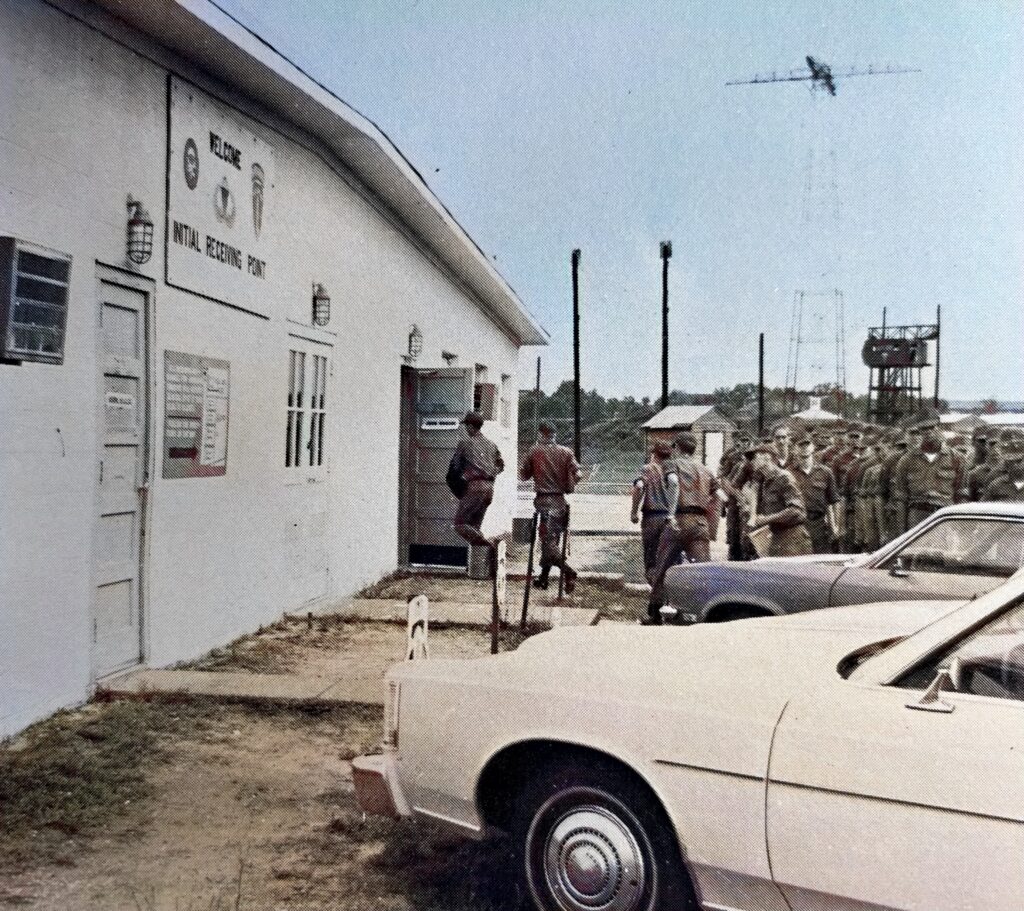
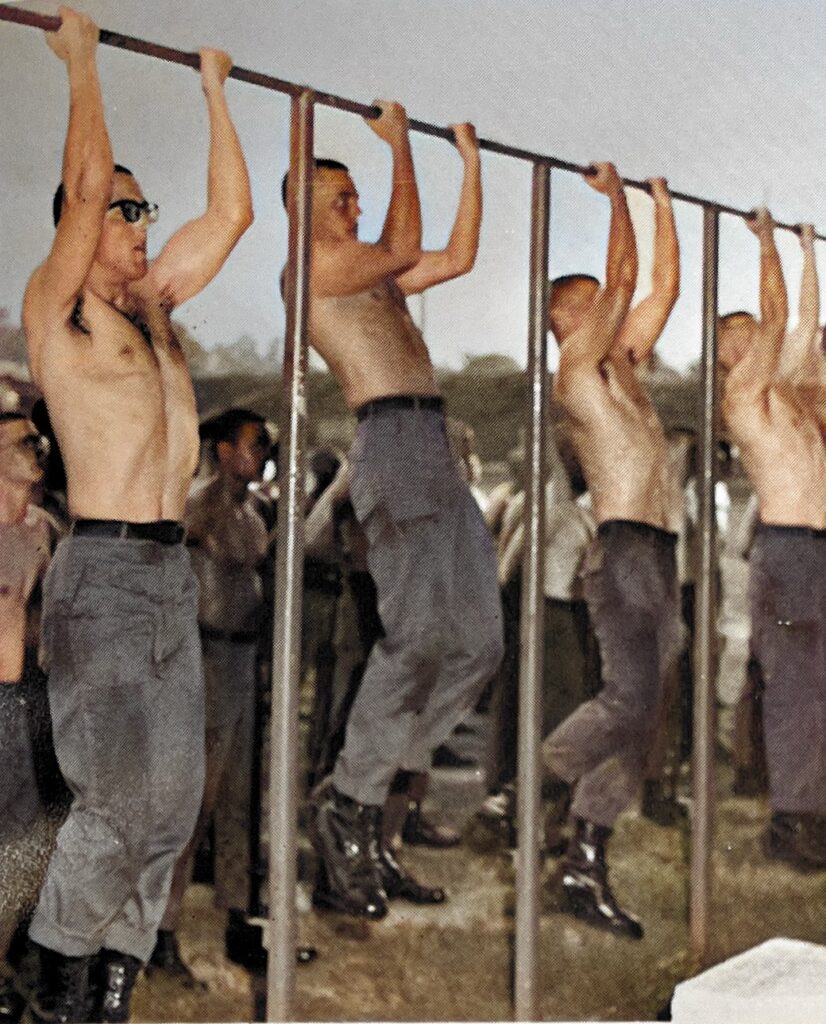
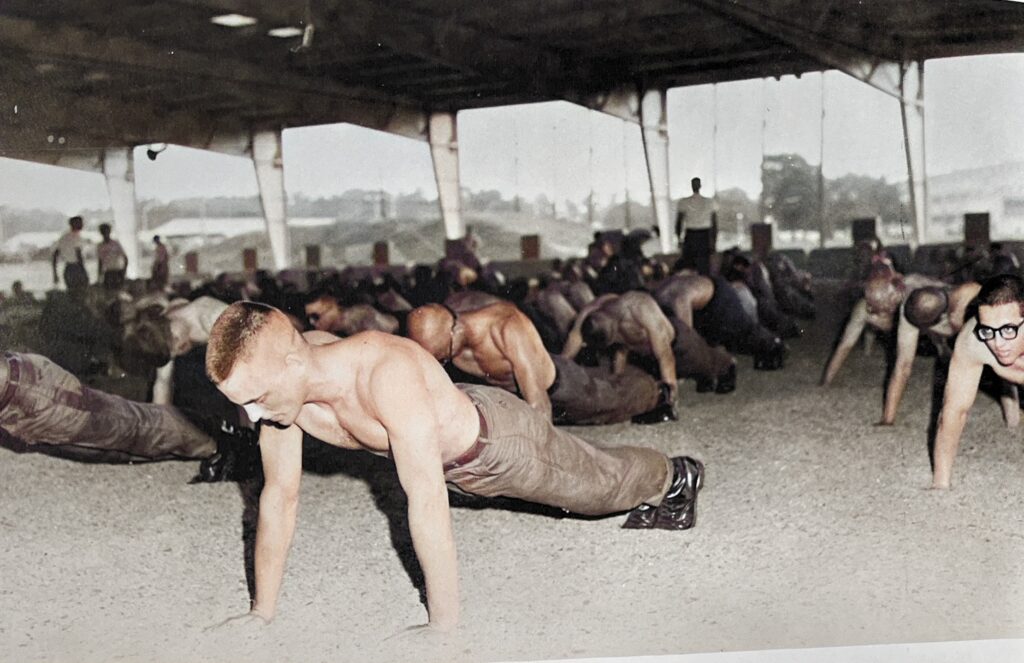
Orientation Week itself was a whirlwind introduction to airborne culture and physical preparation. Soldiers went through rigorous PT assessments — push-ups, sit-ups, pull-ups, and a two-mile run — designed to weed out those not fit for airborne training.
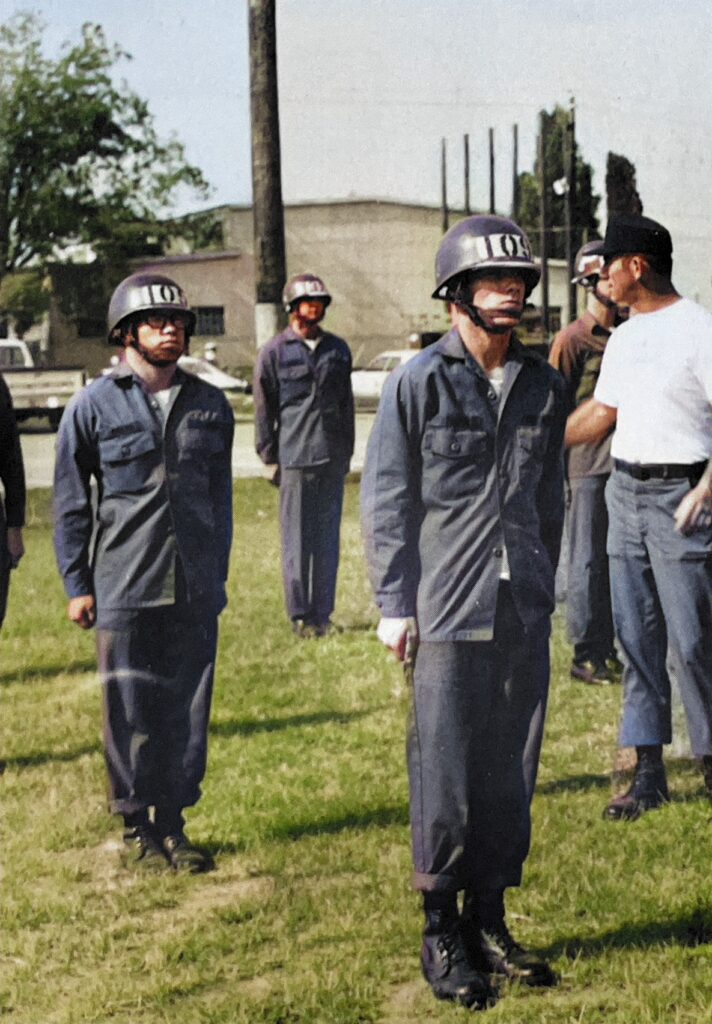
The instructors, known as “Black Hats” for their distinctive headgear, drilled them on airborne history, safety protocols, and the mental toughness needed to jump out of airplanes. They also learned the basics of the T-10 and T-11 parachute systems and their maintenance. For those soldiers, Orientation Week wasn’t just training — it was a test of commitment.
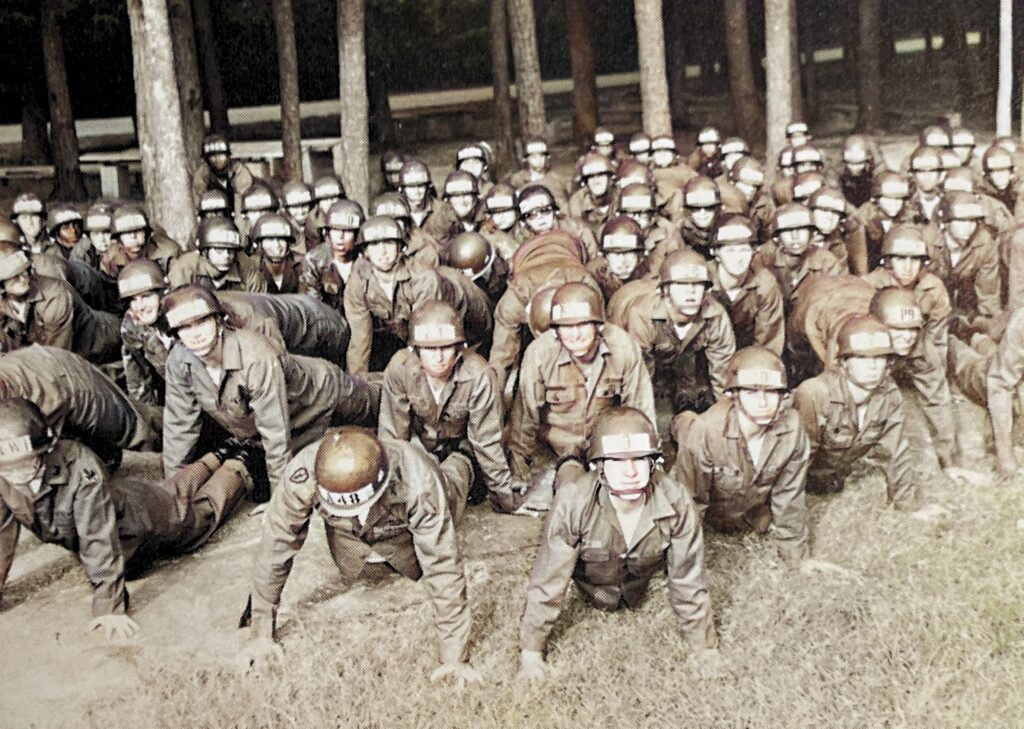
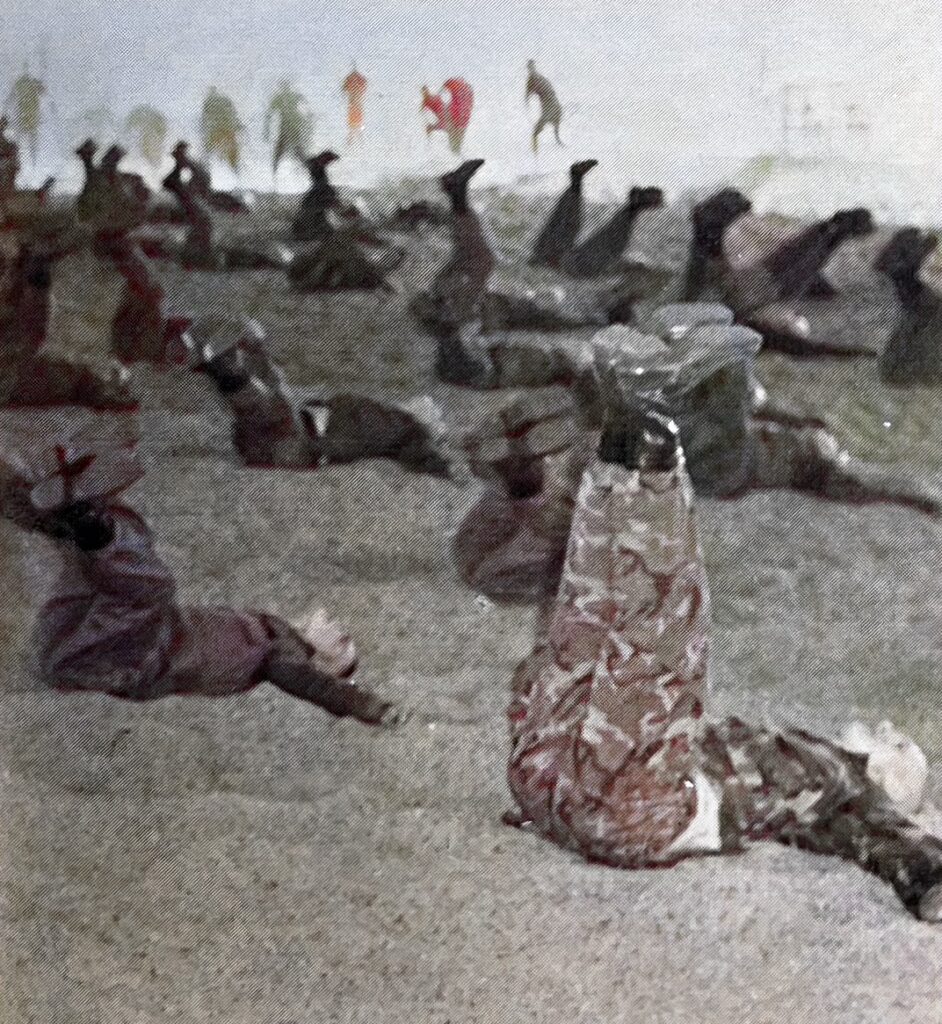
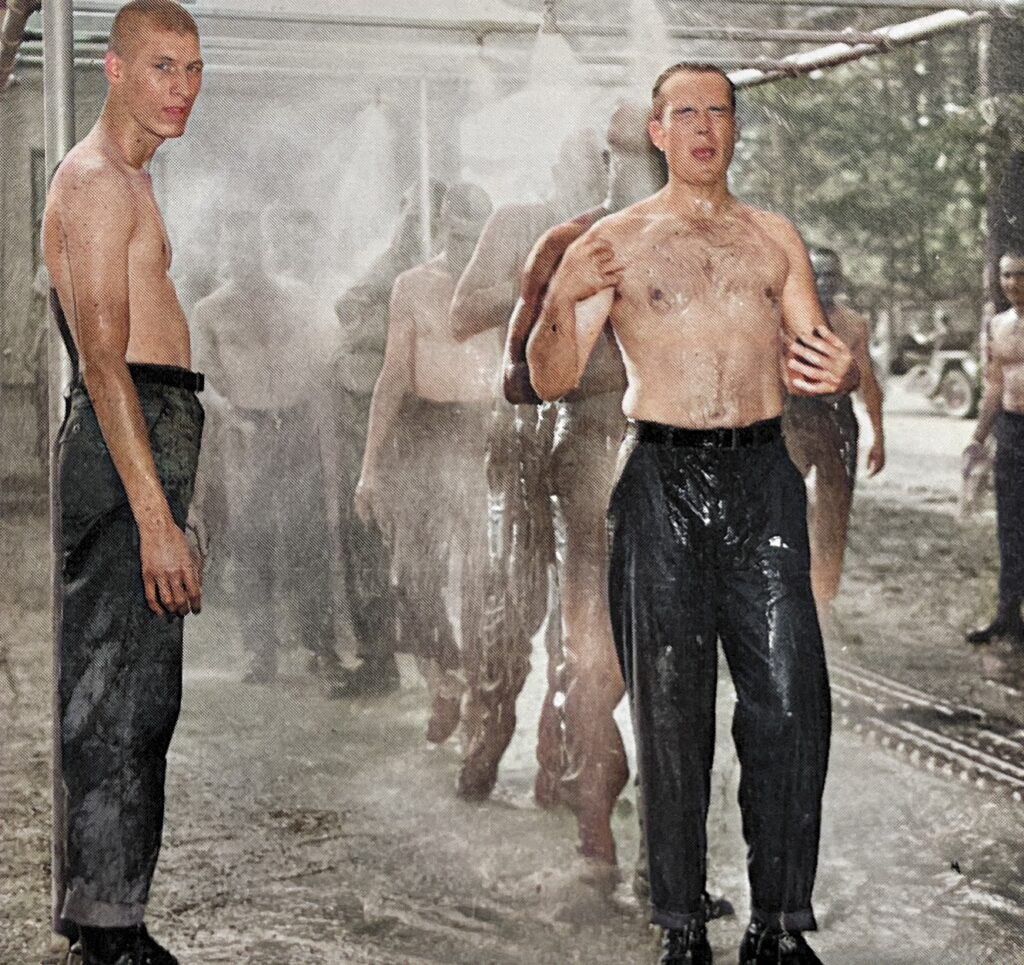
Members of the Airborne Course doing PT at Fort Benning.   Biography of Dr. Anthony J. Carbone.

Members of the Airborne Course doing PT at Fort Benning.   Biography of Dr. Anthony J. Carbone.

Ground Week

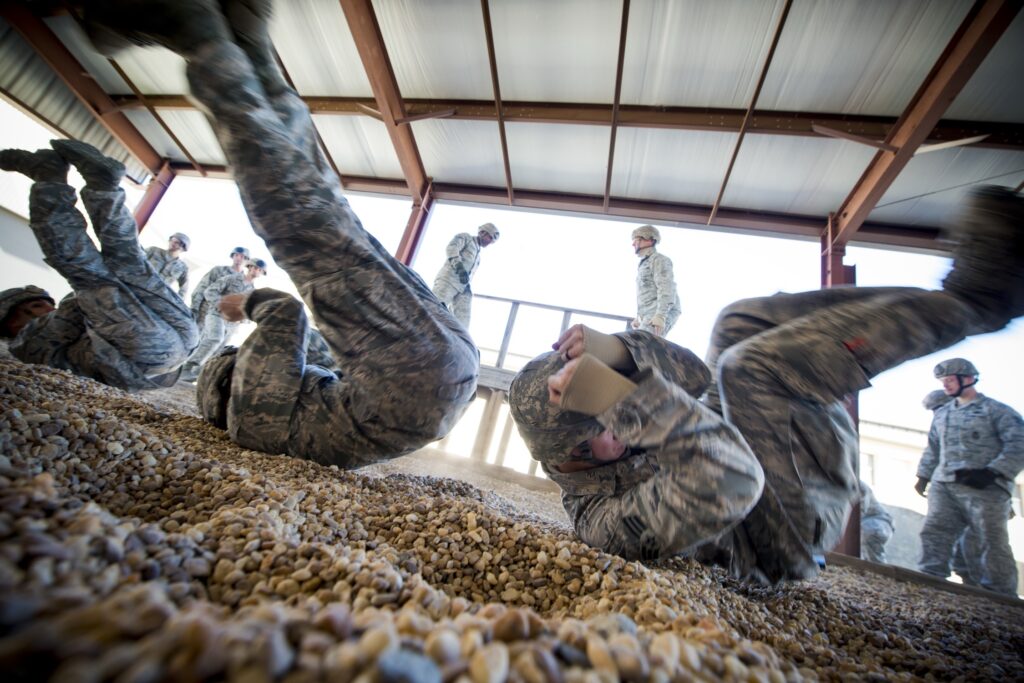
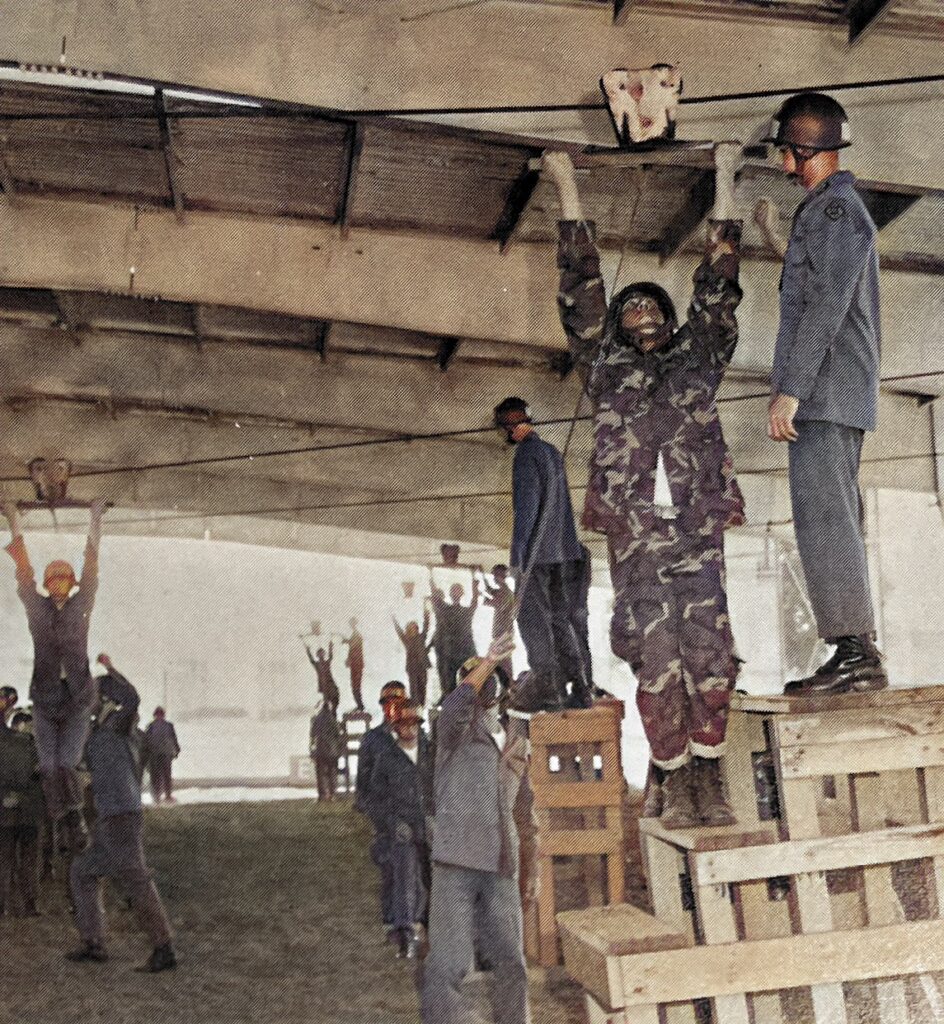
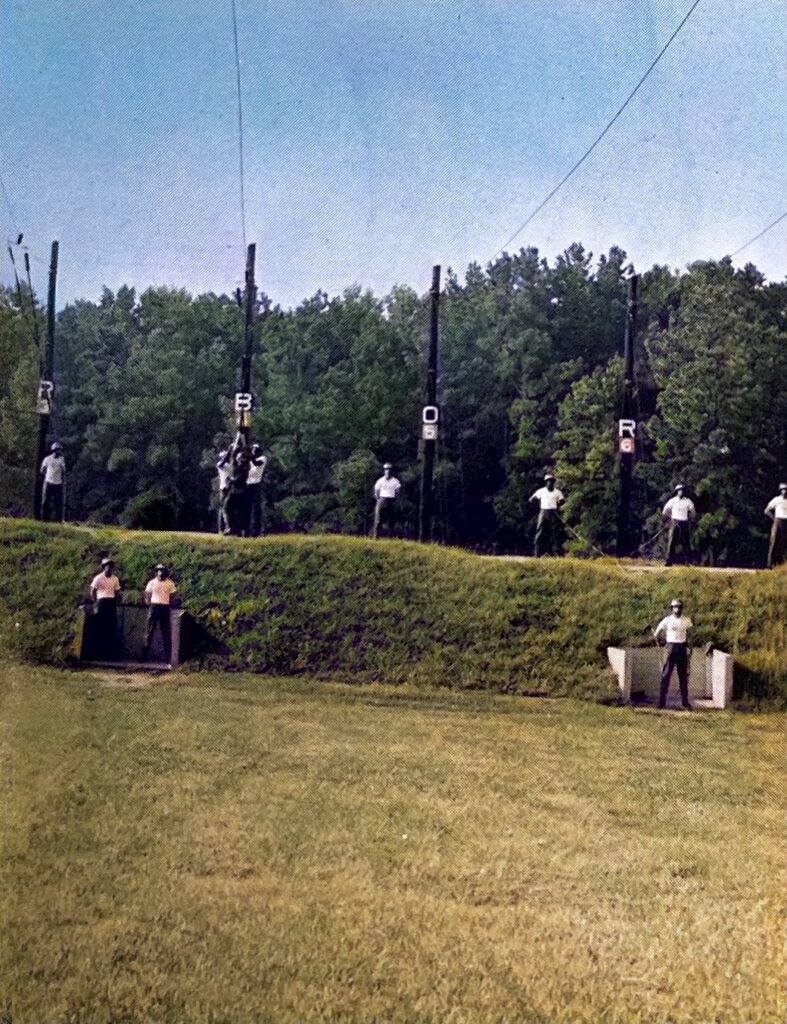
Ground Week was the first of the three core phases of Jump School — and the starting point for officers. It was all about mastering fundamentals. The Parachute Landing Fall (PLF) became our daily obsession. Over and over, we drilled the five-point landing: balls of the feet, calves, thighs, buttocks, and back. We practiced on sawdust pits, from platforms, and off mock doors until our bodies moved instinctively.
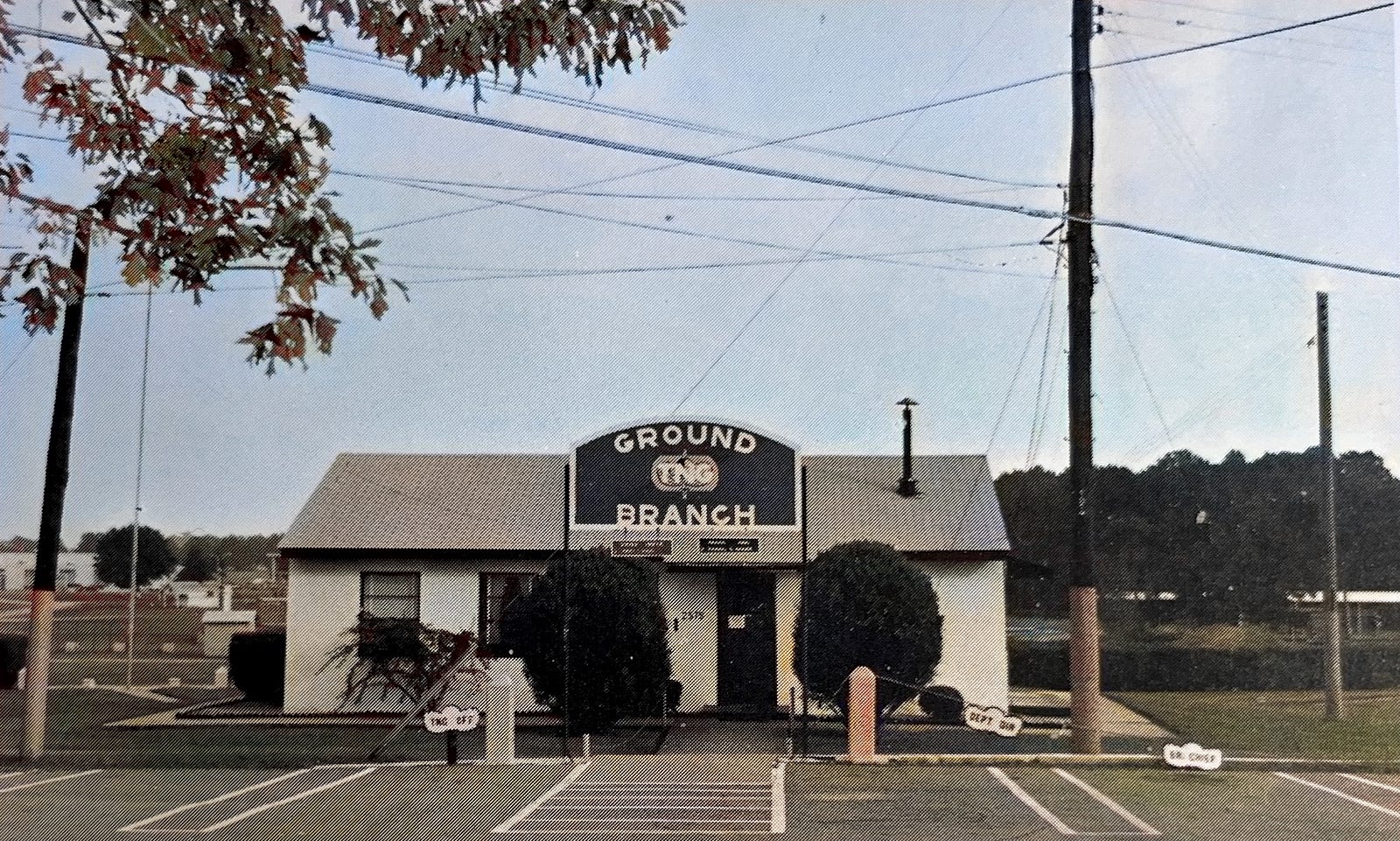
Ground Branch at the U.S. Army Airborne School, Fort Benning, Georgia.  Biography of Dr. Anthony J. Carbone.

Sunday, before Ground Week officially began, we attended church and went out for brunch. The rest of the day was spent preparing uniforms and equipment. I even found a pay phone to call Mariann and share what had happened so far. That night, we went to bed early because the alarm would come at 0430 the next morning.

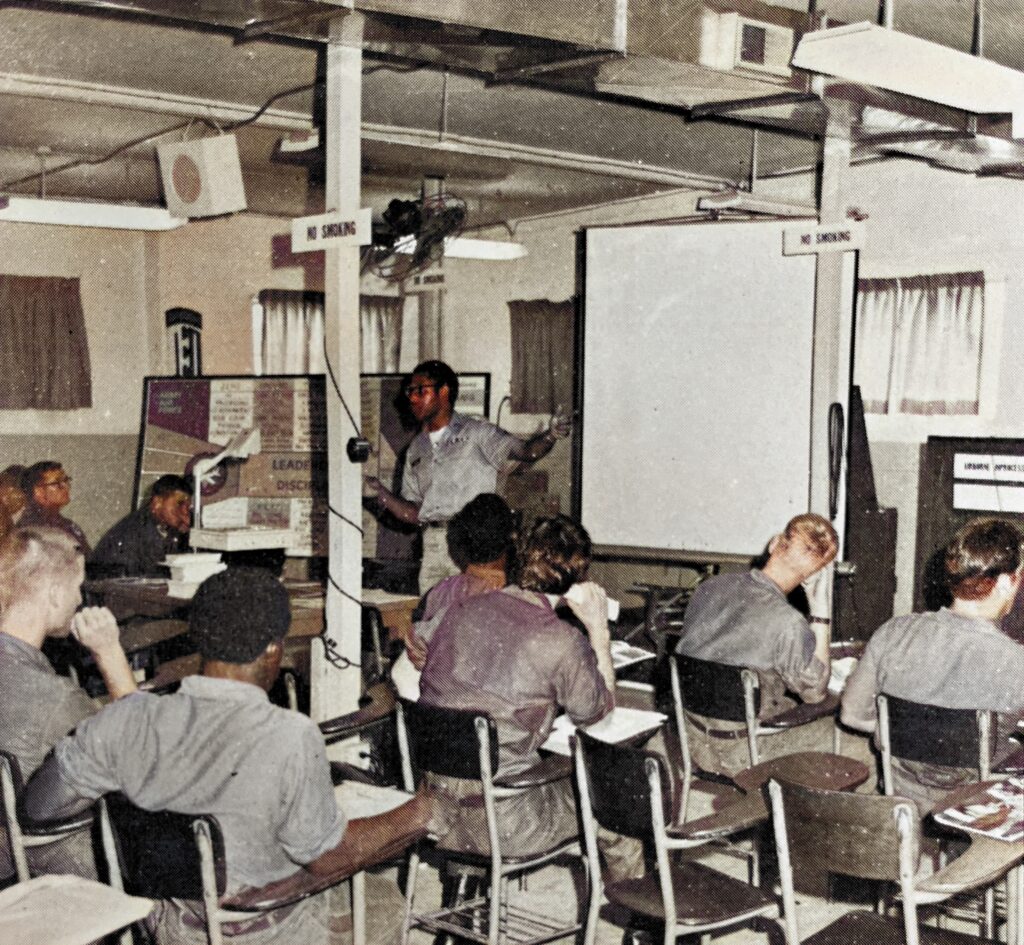
Monday morning arrived quickly. The day began with the brutal rhythm of Ground Week: early wake-up, physical training, parachute landing fall (PLF) practice, mock door drills, parachute packing, and classroom instruction, all under the relentless scrutiny of the Black Hats.
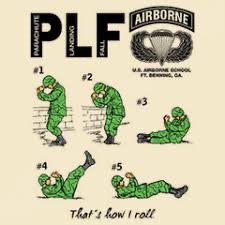
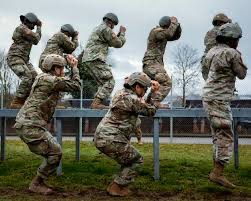
Parachute Landing Fall (PLF) training at the U.S. Army Airborne School, Fort Benning, Georgia.  Biography of Dr. Anthony J. Carbone.

A Typical Ground-Week Day included:

  • 0430–0500: Wake-up and personal hygiene. Bunks made to military standards.
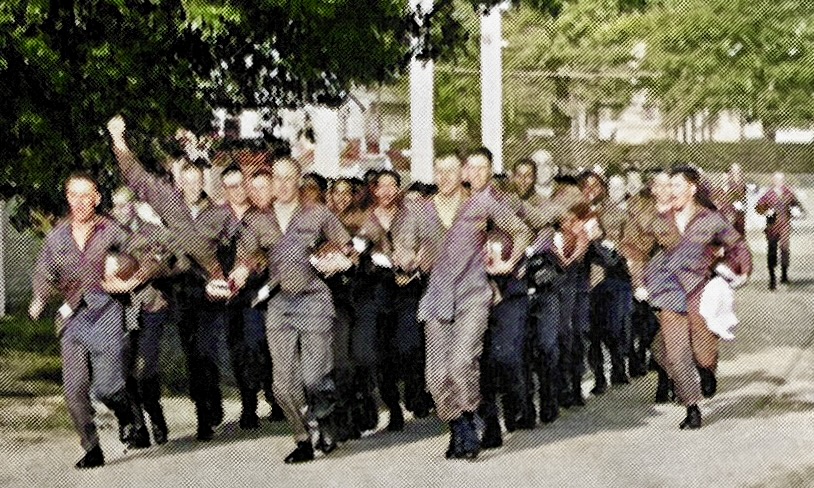
  • 0500–0600: PT. Calisthenics, running in formation (often in combat boots), and airborne-specific exercises.
  • 0600–0700: Breakfast and accountability. Black Hats inspected uniforms and appearance.
  • 0700–1200: PLF drills, mock door exits, classroom lessons on parachute components and emergency procedures.
  • 1200–1300: Lunch. Quick refuel for the afternoon.
  • 1300–1700: Afternoon training, continued PLFs, parachute rigging and packing, additional classroom instruction, and PT.
  • 1700–1800: Dinner. Officers were dismissed back to the BOQ, while enlisted soldiers continued.
  • 1800–2100: Evening review, equipment maintenance, or personal study.
  • 2100–2200: Lights out.

Our First Day of Training

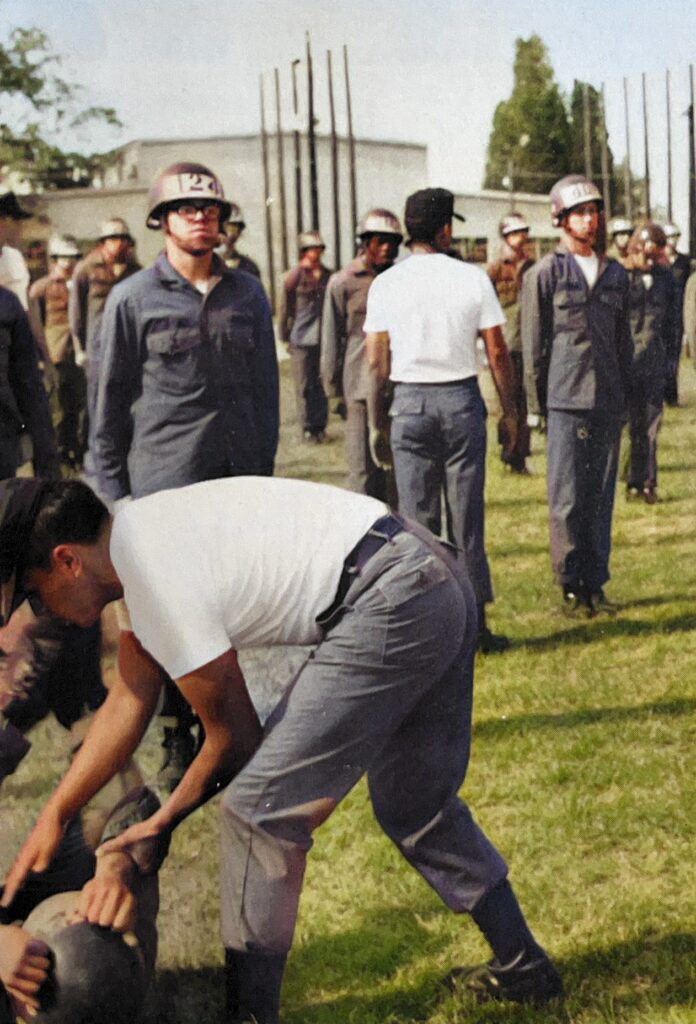
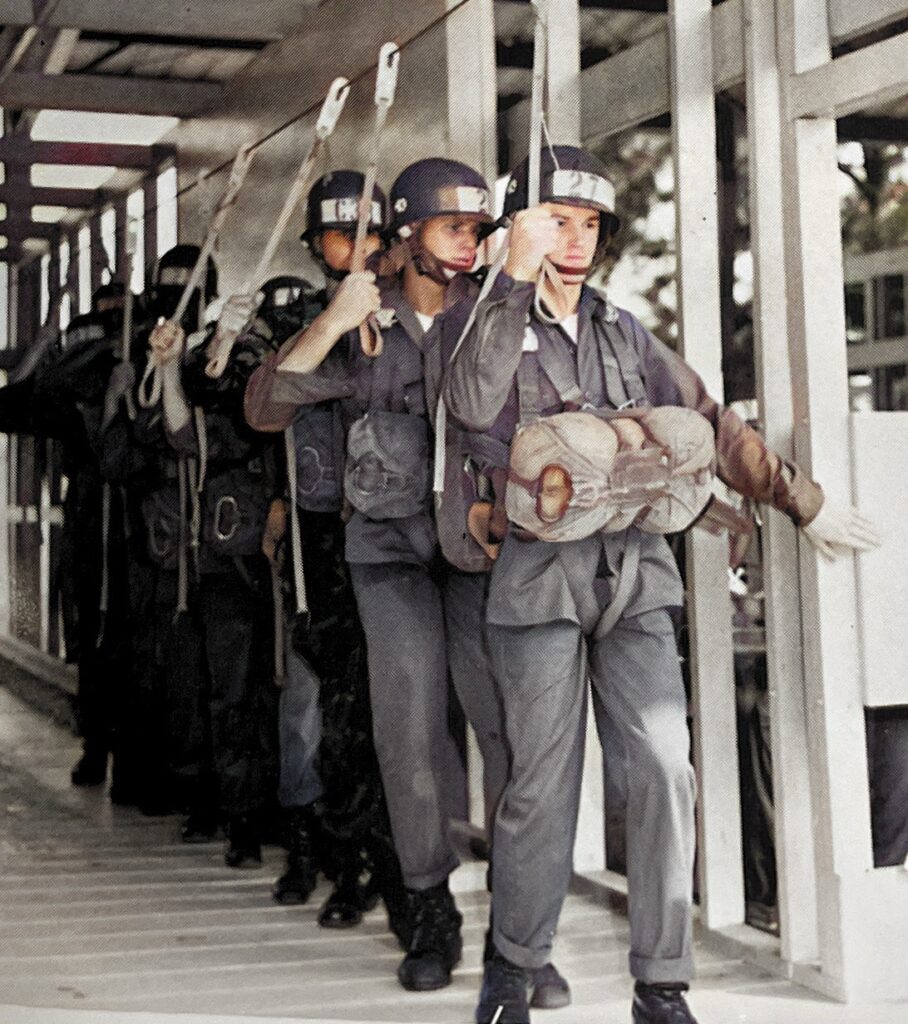
That first Monday morning, Jim, Perry, Ron, and I joined the company formation at the barracks. We were aligned in ranks called “sticks,” with an officer in the first spot, each paired with an NCO, with dozens of soldiers to our left (as many as 50–60 enlisted men). The Black Hats were relentless. Each day, soldiers who couldn’t keep up were dismissed or volunteered to quit at the end of the day. By Jump Week, my stick had dwindled to fewer than a dozen.
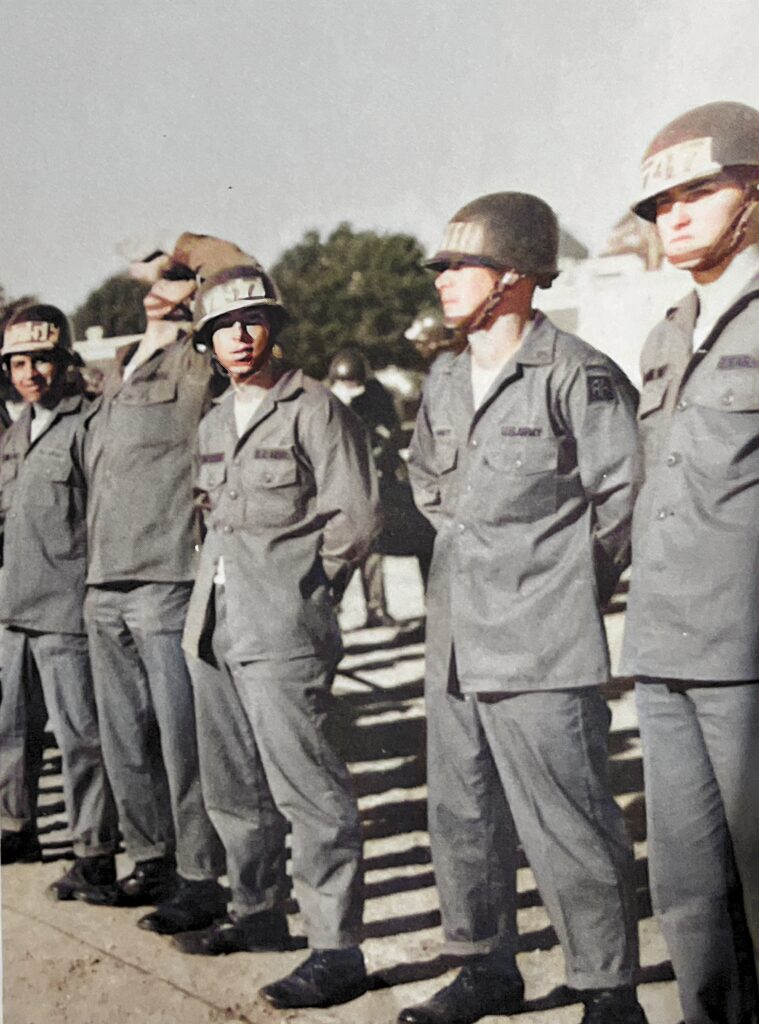
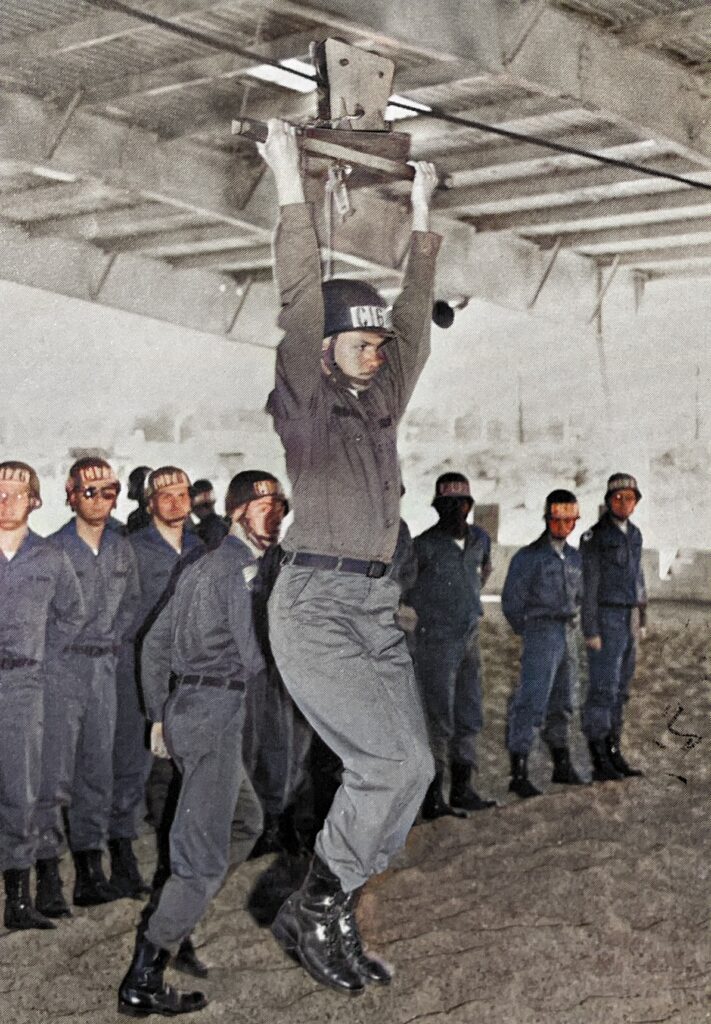
Airborne students in formation at the U.S. Army Airborne School.  Biography of Dr. Anthony J. Carbone

Parachute Landing Fall (PLF) training at the U.S. Army Airborne School, Fort Benning, Georgia.  Biography of Dr. Anthony J. Carbone.

Parachute Landing Fall (PLF) training at the U.S. Army Airborne School, Fort Benning, Georgia.  Biography of Dr. Anthony J. Carbone.

Parachute Landing Fall (PLF) training at the U.S. Army Airborne School, Fort Benning, Georgia.  Biography of Dr. Anthony J. Carbone.

We also studied parachute rigging and emergency procedures: what to do if a chute malfunctioned, if you got entangled, or if you had to cut away. Physical training ramped up, with long formation runs in combat boots and punishing group calisthenics. The Black Hats kept us under constant pressure, enforcing discipline with no room for error. By the end of Ground Week, every movement — exiting an aircraft, checking equipment, executing a PLF — was burned into muscle memory.
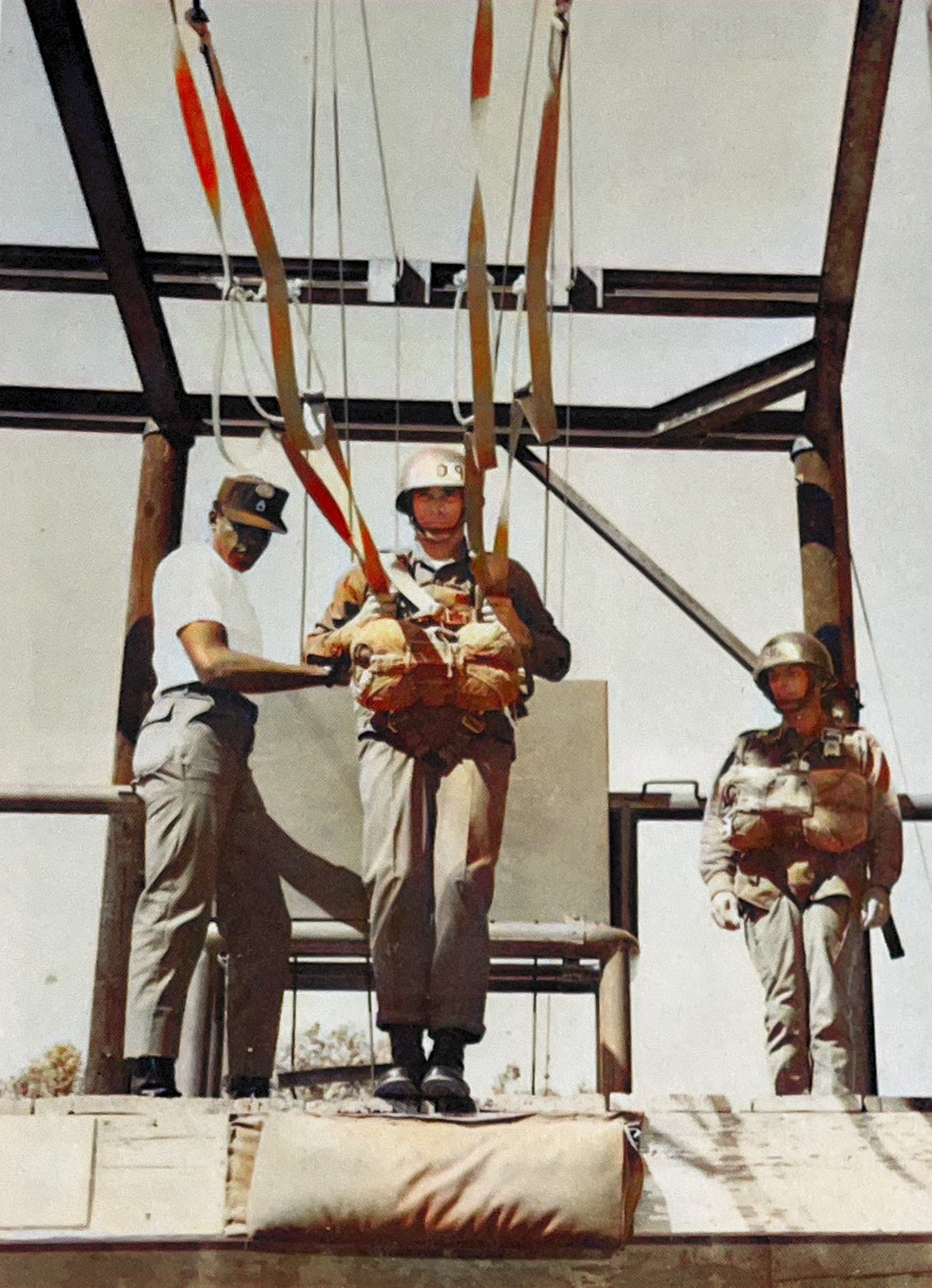
Parachute Landing Fall (PLF) training on the Sling-Land-Trainer at the U.S. Army Airborne School, Fort Benning, Georgia.  Biography of Dr. Anthony J. Carbone.
Black Hat Sergeant assisting an Airborne student on the Sling-Land Trainer

Looking After the Zairian Lieutenant

During Ground Week, I had the additional duty of looking after a lieutenant from Zaire, 2LT Mbanga Bona (A900F). On the first day, when the Chow Trucks arrived at noon, he leapt toward them in excitement. I ran and grabbed him by the shirt. “The chow is for the soldiers,” I said. “When do the officers eat?” he asked. I replied, “We don’t. They feed the soldiers, not the officers.” He chuckled. “Oh, in my country, it’s the opposite!”
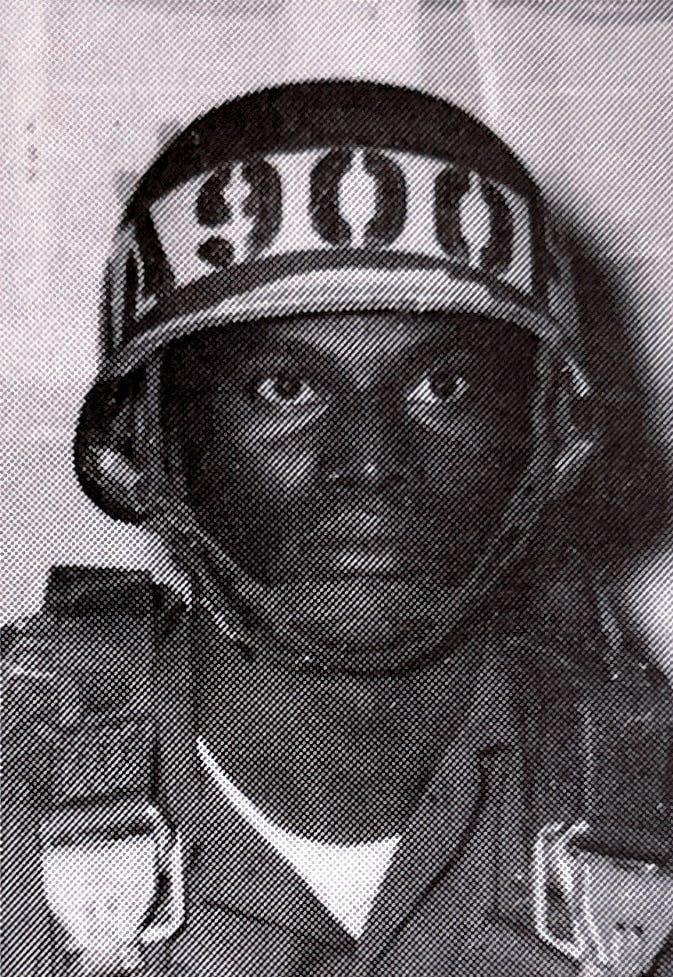
Allied Officer, 2LT Mbanga Bona (A900F) from Zaire at the U.S. Army Airborne School, Fort Benning, Georgia.  Biography of Dr. Anthony J. Carbone.
2LT Mbanga Bona (A900F) from Zaire

I asked him what he normally ate. “If I’m lucky,” he said, “I eat cow!” His response made me laugh and forget my own hunger for a brief, much-needed moment of levity.

My Miserable Night as SDO

One night, I was assigned as the Staff Duty Officer for the company. That meant staying in the barracks overnight, with no sleep, monitoring the Charge of Quarters, and answering to Idi Amin. Soldiers cleaned the barracks under his relentless orders, while I tried to survive the night.

By 0430, when I was released to shower and dress for PT, I was delirious. The next day, after mud had accumulated from overnight rain, I was forced to do push-ups directly over puddles until I collapsed into the muck. A Black Hat leaned over me, yelling, “Do you want to quit, Lieutenant?” Blowing bubbles in the mud, I replied, “No, Sergeant, Airborne!”

“That’s what I want to hear, Airborne. Now get back in formation and look like a paratrooper!”
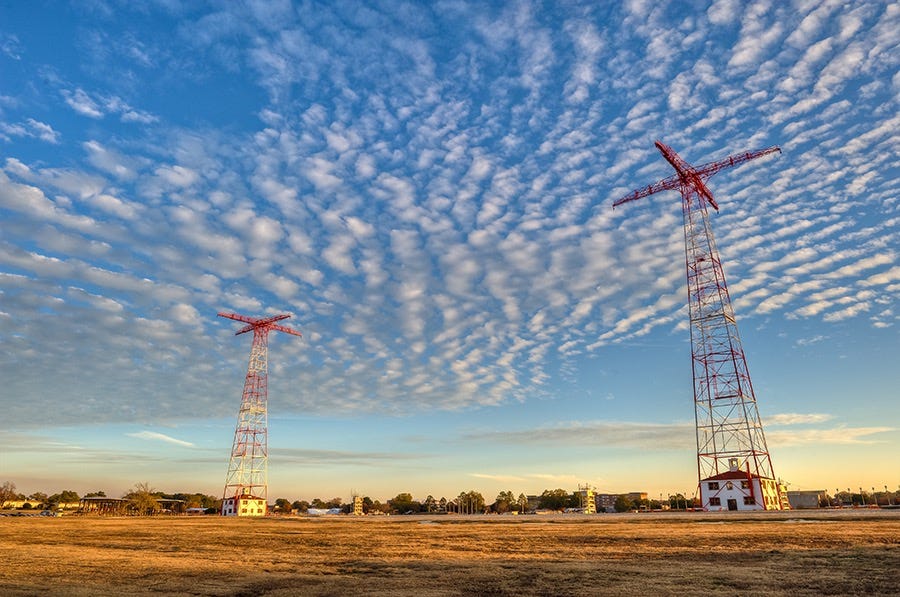
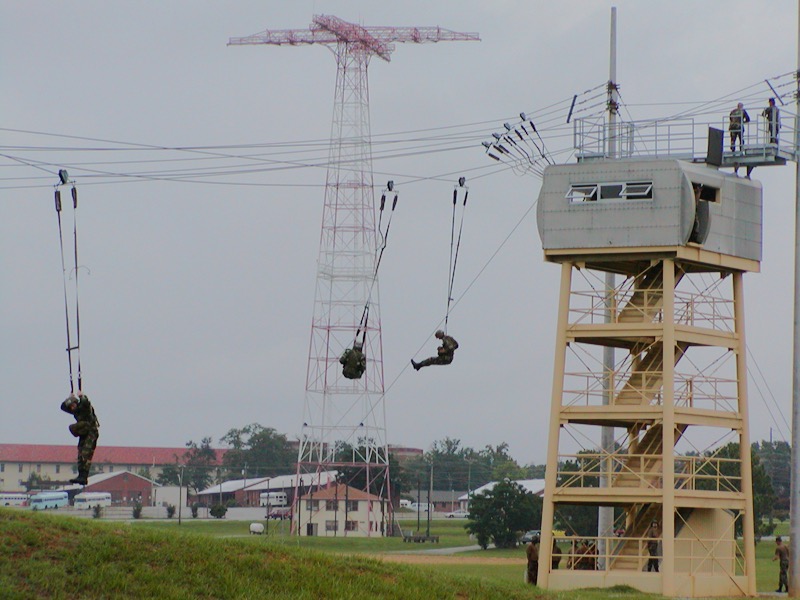
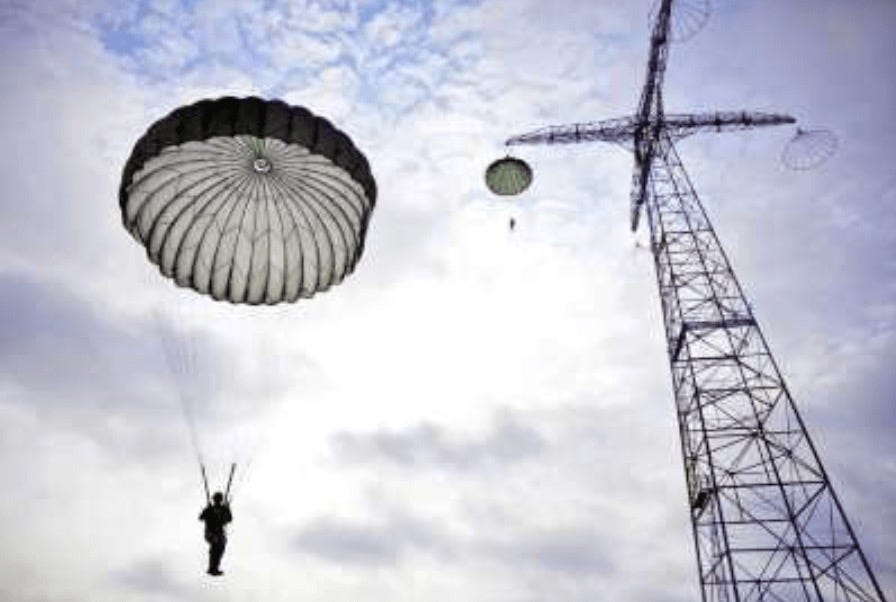
250-Foot Free-Drop Towers at the Airborne School at Fort Benning, Georgia.  Biography of Dr. Anthony J. Carbone.
250-Foot Free-Drop Towers at the Airborne School at Fort Benning, Georgia

Tower Week

After surviving Ground Week, Tower Week tested both courage and skill. Tower Week took everything we’d practiced on the ground and elevated it — literally. The 34-foot towers were our first real test of simulated aircraft jumps, focusing on proper exit posture and landing technique. Then came the 250-foot towers and the Swing Landing Trainer, simulating real canopy sway and descent dynamics.

The 34-foot towers were our first real test, simulating the jump out of a C-130 door. We learned to keep our posture tight: chin tucked, elbows in, knees bent. Clean exits were everything.
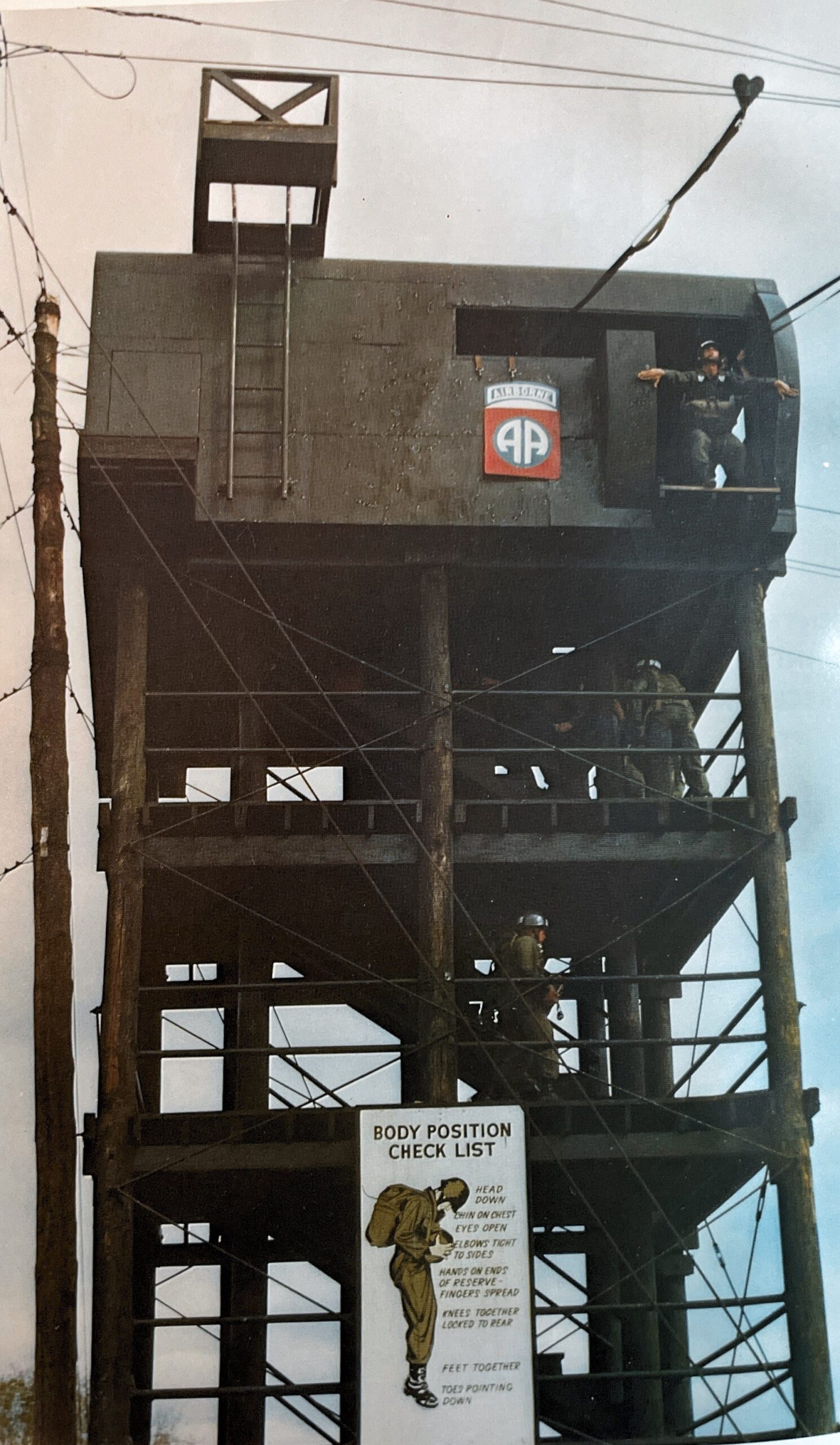
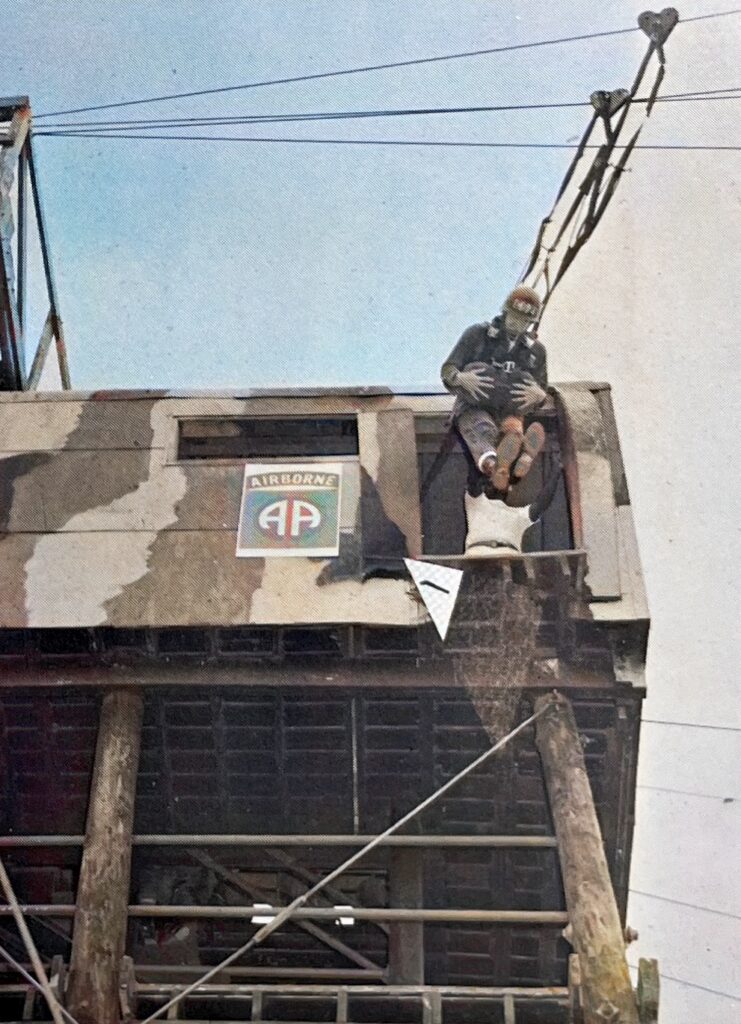
34-Foot Tower with Poster showing Airborne Body Position Check List.  U.S. Army Airborne School at Fort Benning, Georgia.  Biography of Dr. Anthony J. Carbone.
34-Foot Tower with Poster showing Airborne Body Position Check List

Then came the 250-foot tower, a hulking steel structure visible from across the base. Hoisted skyward in a parachute harness and then released, we learned to trust the canopy, control our risers, and prepare for landing. The Swing Landing Trainer added another layer — simulating the motion of descending under a chute and forcing us to nail our PLFs under stress. Tower Week was more psychological than physical, bridging the gap between practice and the reality of what was coming next.
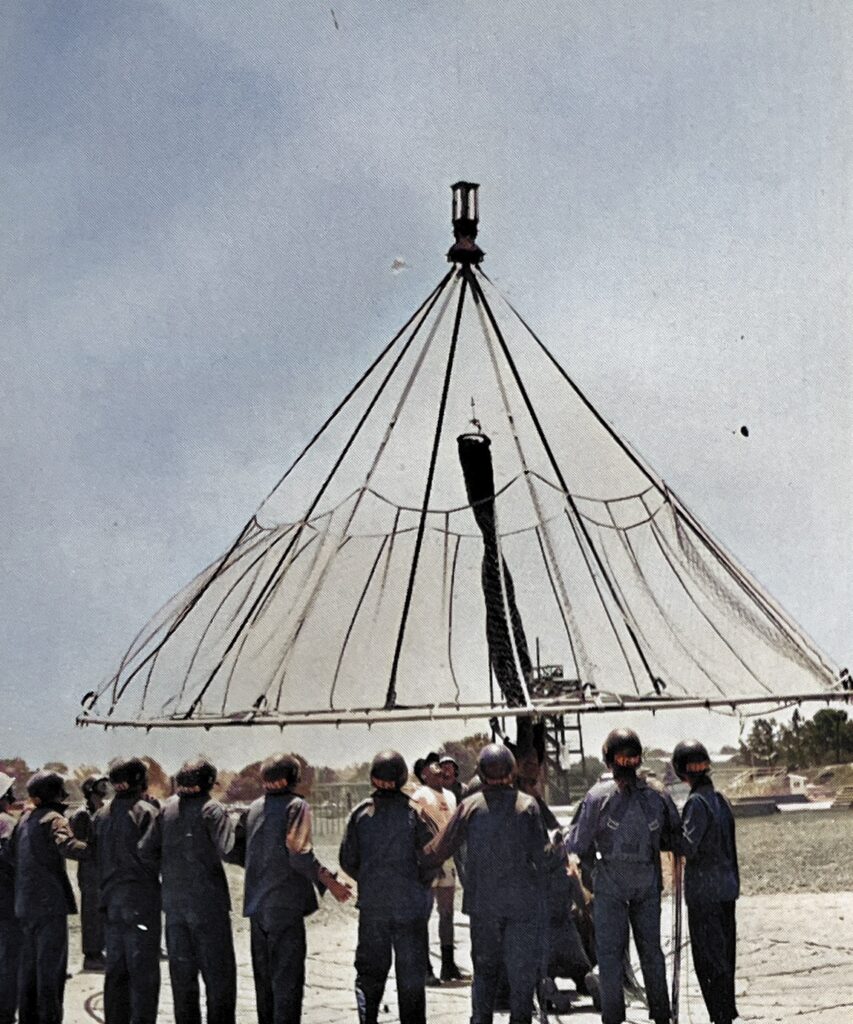
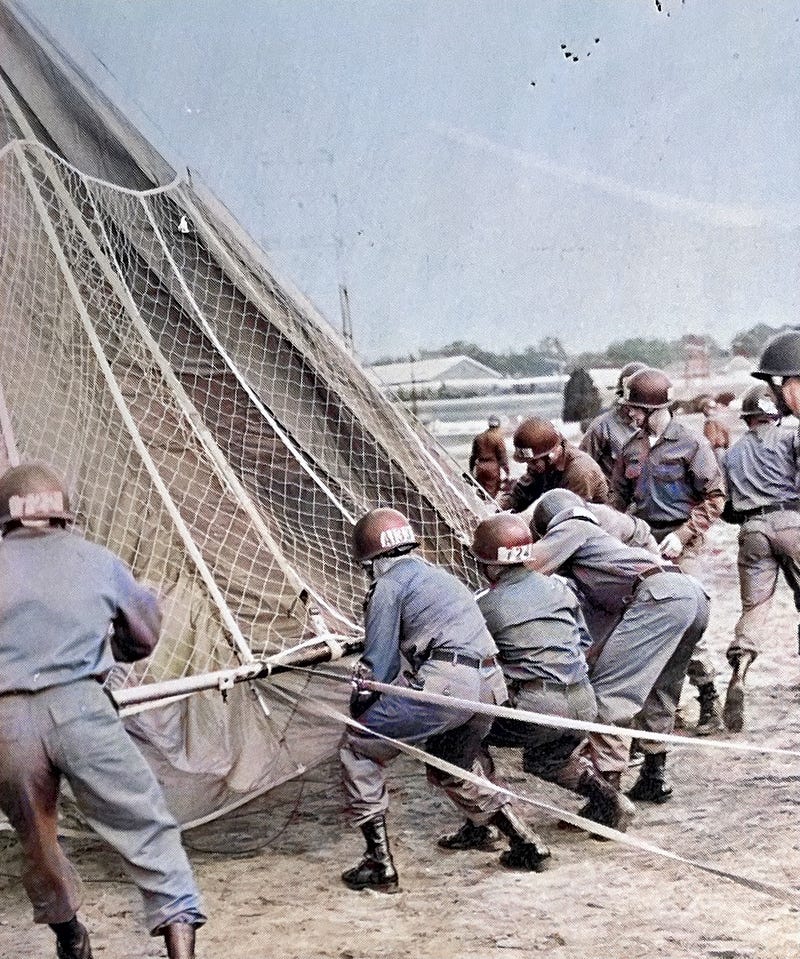
Rigging the chute for the 250-foot free drop tower at the U.S. Army Airborne Course at Fort Benning, Georgia.  Biography of Dr. Anthony J. Carbone.

Rigging the chute for the 250-foot free drop tower at the U.S. Army Airborne Course at Fort Benning, Georgia.  Biography of Dr. Anthony J. Carbone.

Rigging the chute for the 250-foot free drop tower at the U.S. Army Airborne Course at Fort Benning, Georgia.  Biography of Dr. Anthony J. Carbone.

Rigging the chute for the 250-foot free drop tower at the U.S. Army Airborne Course at Fort Benning, Georgia.  Biography of Dr. Anthony J. Carbone.

Doctor Mushroom Head

During Tower Week, I noticed the ranking officer in our company — a Major, a physician, who had been assigned to a Special Forces unit — walking around in a white skydiver’s helmet instead of a standard steel pot. The Black Hats called him “Mushroom Head” all day, shouting, “Mushroom Head, drop and give me 10!” It was humiliating, and I felt sorry for him. Occasionally, our SEAL platoon leader would shout, “Make it 20!” and we would all laugh at the Black Hats, who became even more furious. Moments like these made the long, grueling days pass with a little bit of levity.
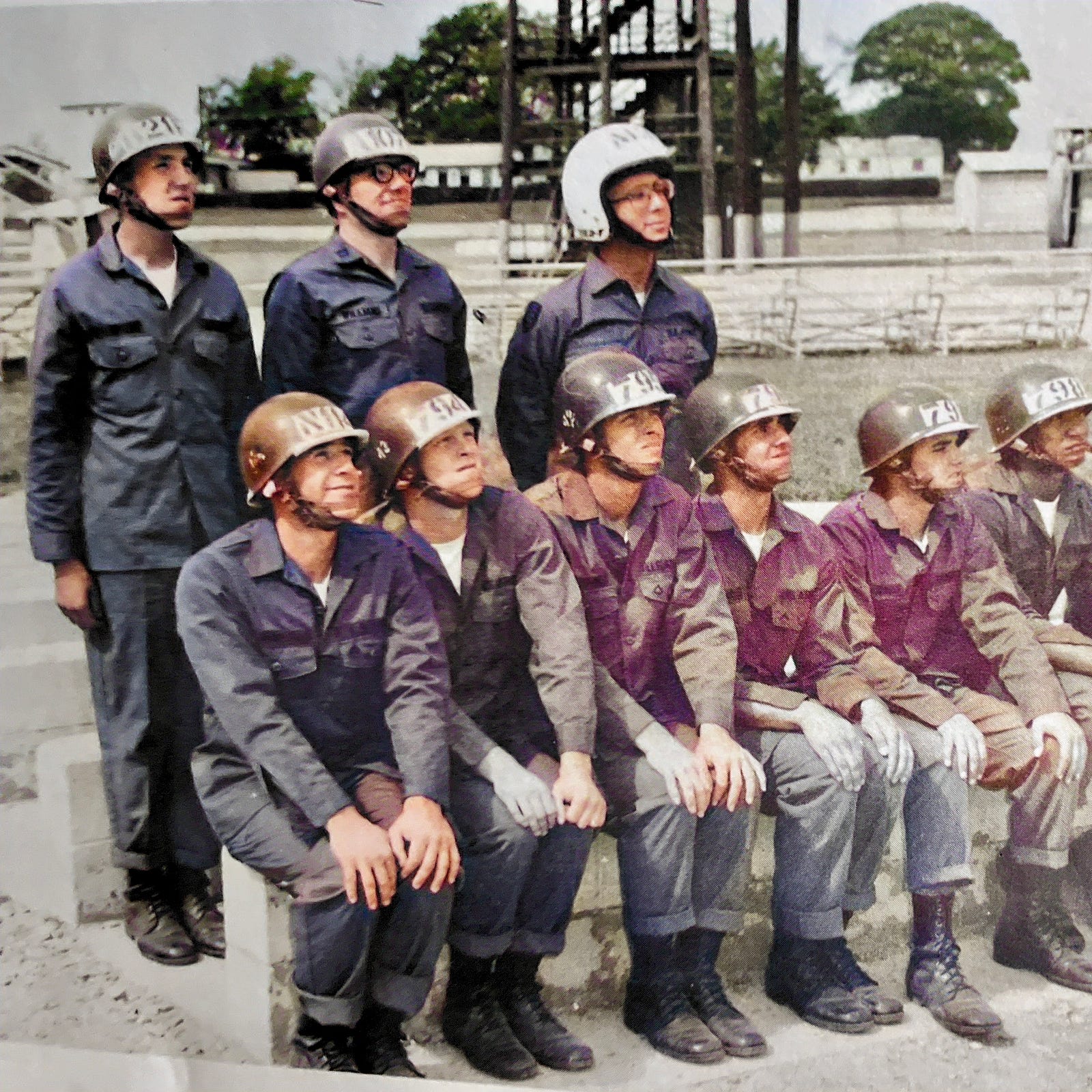
Photo of Airborne students at the U.S. Army Airborne Course.  Special Forces doctor wearing white skydiving helmet known as "Mushroom Head".  Biography of Dr. Anthony J. Carbone.
That’s Doctor “Mushroom Head” in the White Helmet

Jump Week

Jump Week was the culmination of everything we had worked toward. Each of us had to complete five Airborne jumps to graduate. The Black Hats liked to joke that if a trainee died on the fifth jump, they would still pin silver wings on his chest.

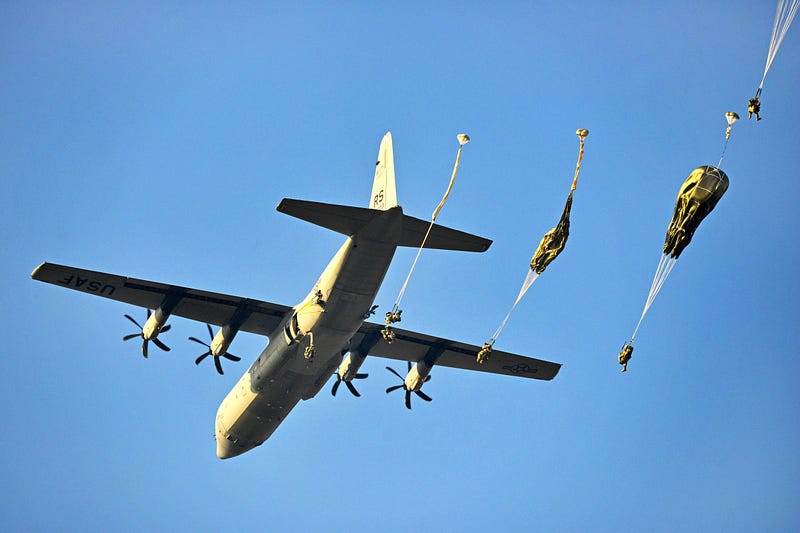
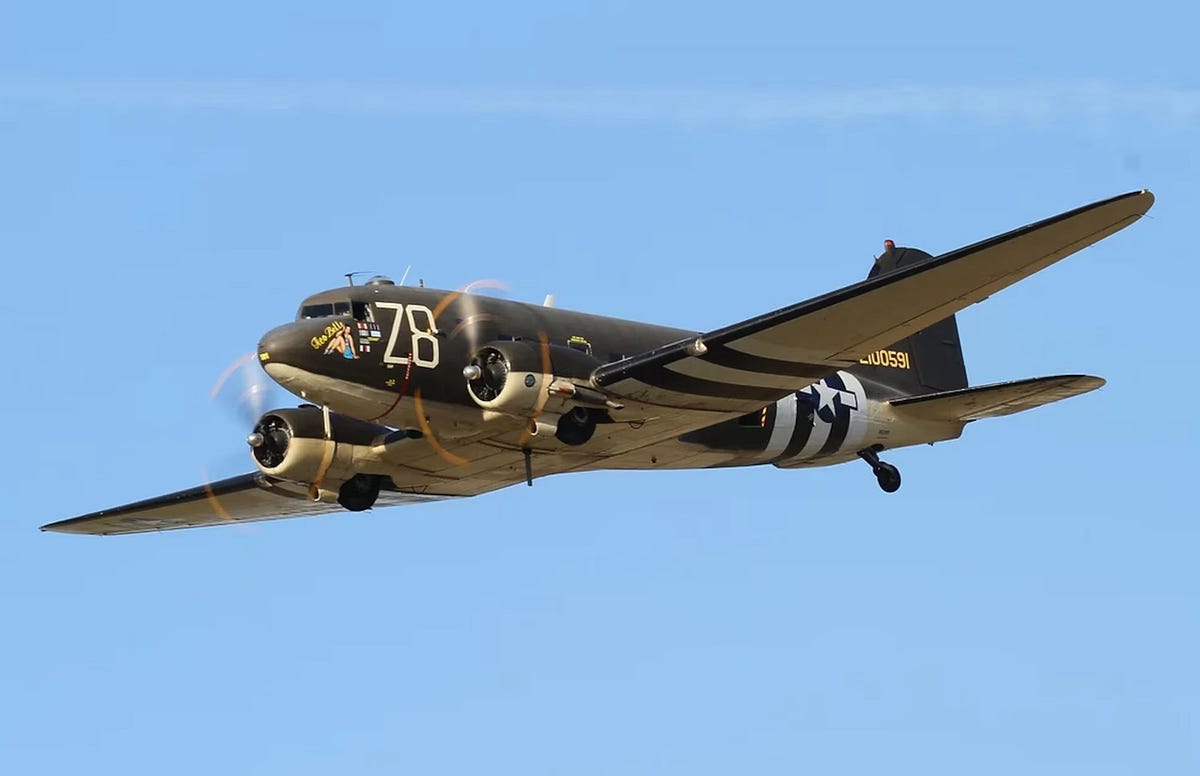
The aircraft delivering paratroopers over Fort Benning in 1981 came from the 317th Tactical Airlift Wing at Pope Air Force Base, North Carolina. Over the week, I had the opportunity to jump from three different aircraft: the C-130 Hercules, the C-141 Starlifter, and the venerable C-47 Skytrain “Gooney Bird.”
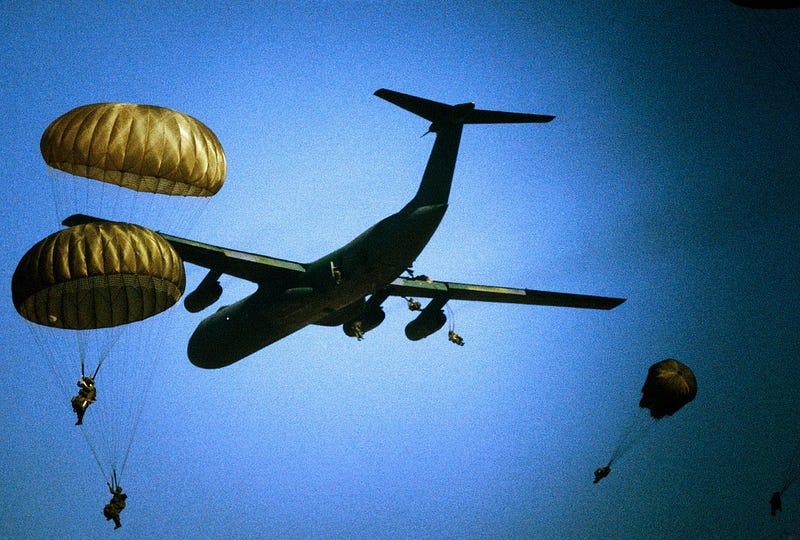
C-141 Starlifter
C-131 Hercules dropping paratroopers at the U.S. Army Airborne School at Fort Benning, Georgia.  Biography of Dr. Anthony J. Carbone.
C-131 Hercules
C-47 Skytrain "Gooney Bird" dropping paratroopers at the U.S. Army Airborne School at Fort Benning, Georgia.  Biography of Dr. Anthony J. Carbone.
C-47 Skytrain “Gooney Bird”

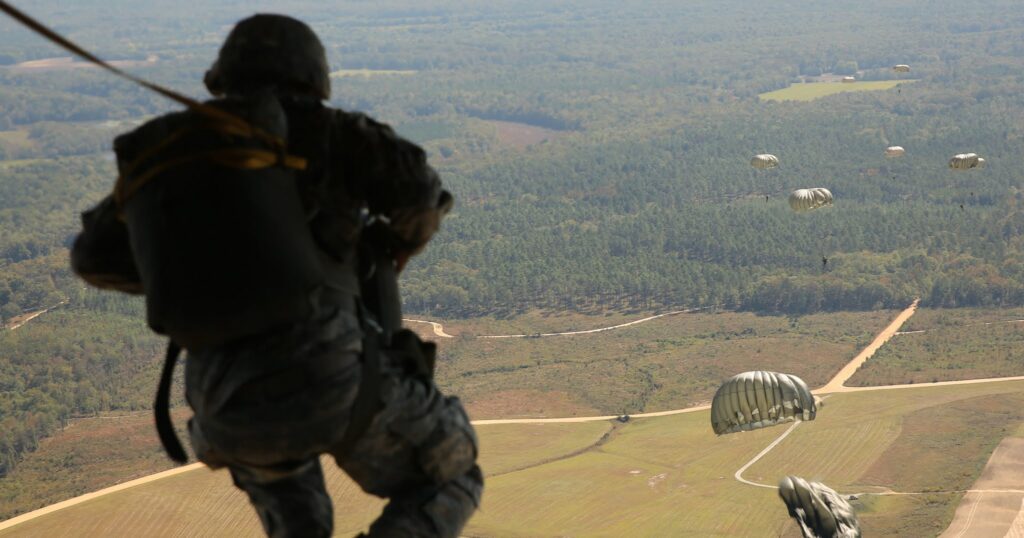
The C-130 was by far the most common, a workhorse of tactical airlift. Jumping from the C-141 was the smoothest experience — the jet blast from its four engines snapped your chute open almost instantly, leaving no doubt you’d deploy safely. In stark contrast, the old C-47 was painfully slow. I remember hanging in the air, counting — “four-thousand, five-thousand, six-thousand” — my hand already reaching for the reserve handle, when finally my main canopy decided to blossom above me.
Combat-Equipped Jumps

The first two were Hollywood jumps — just us and our parachutes. Then came two combat-equipped jumps, where we hauled full gear into the aircraft and lumbered to the door under the weight of it all.
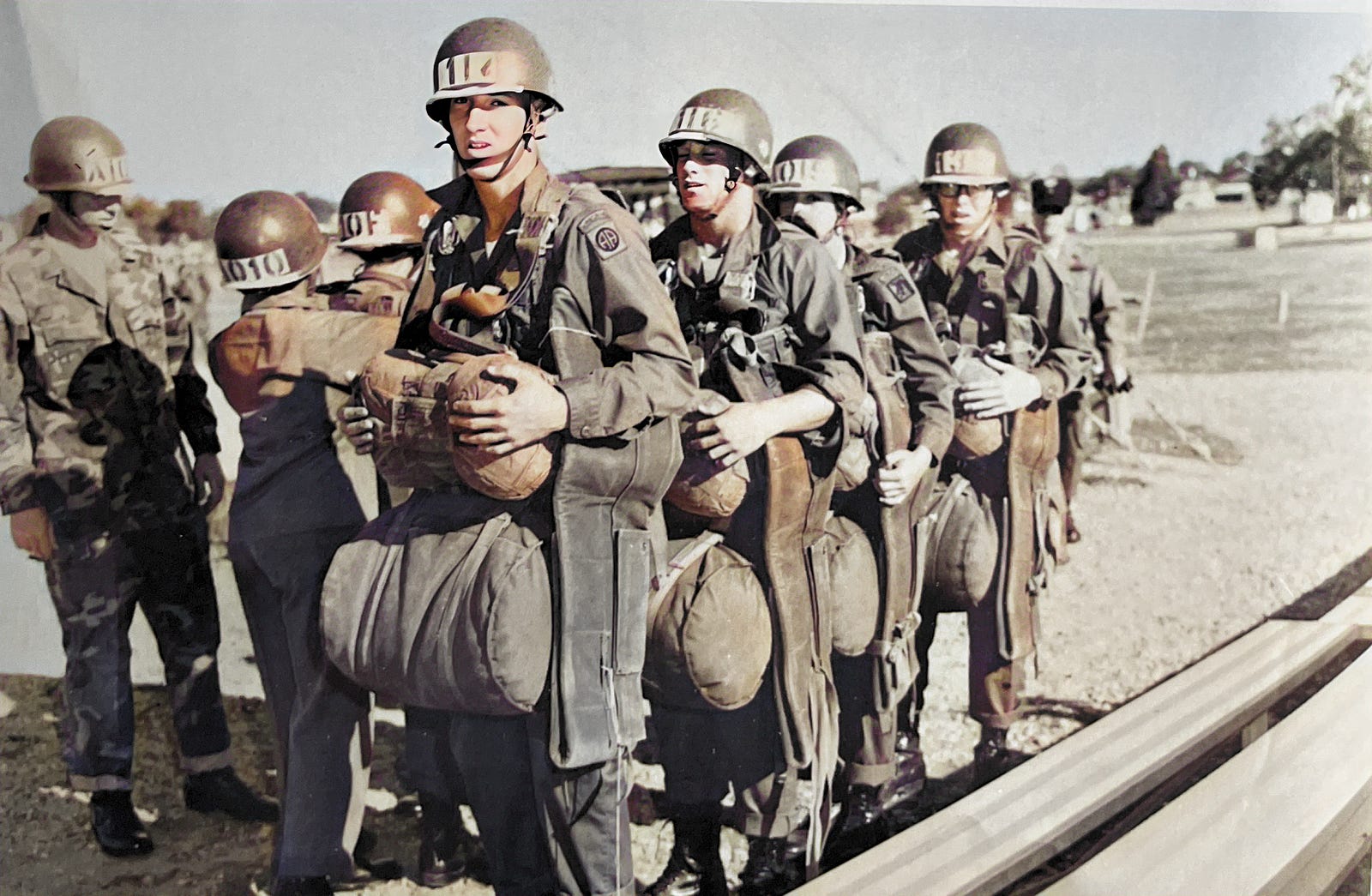
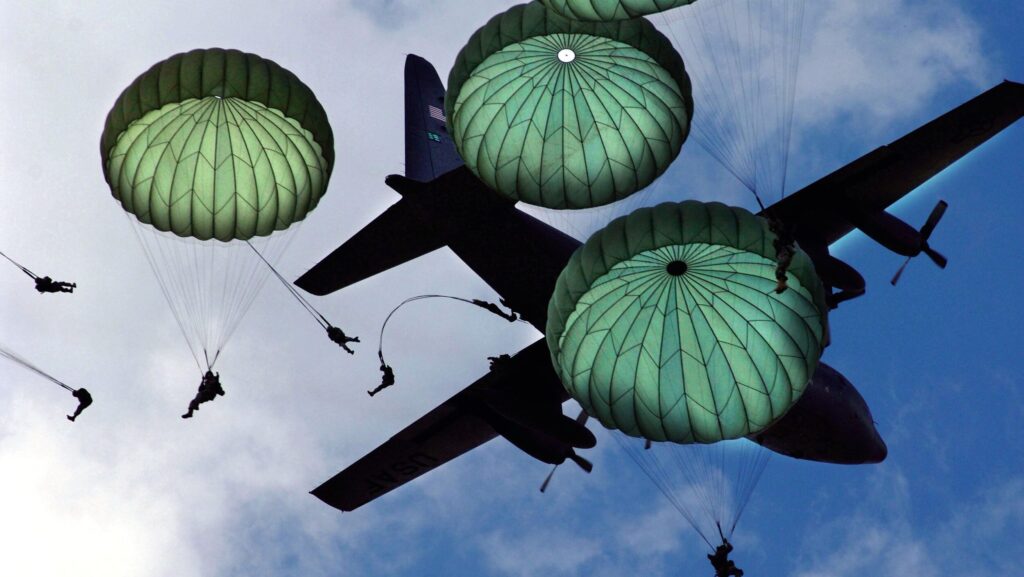
Combat Equipment Jump at the U.S. Army Airborne Course at Fort Benning, Georgia.  Biography of Dr. Anthony J. Carbone.

Combat Equipment Jump at the U.S. Army Airborne Course at Fort Benning, Georgia.  Biography of Dr. Anthony J. Carbone.

Night Jump

Finally came the infamous night jump — the one that every paratrooper remembers. It was scheduled for a night with a new moon, which meant there wasn’t a sliver of moonlight in the sky. It was pitch black.
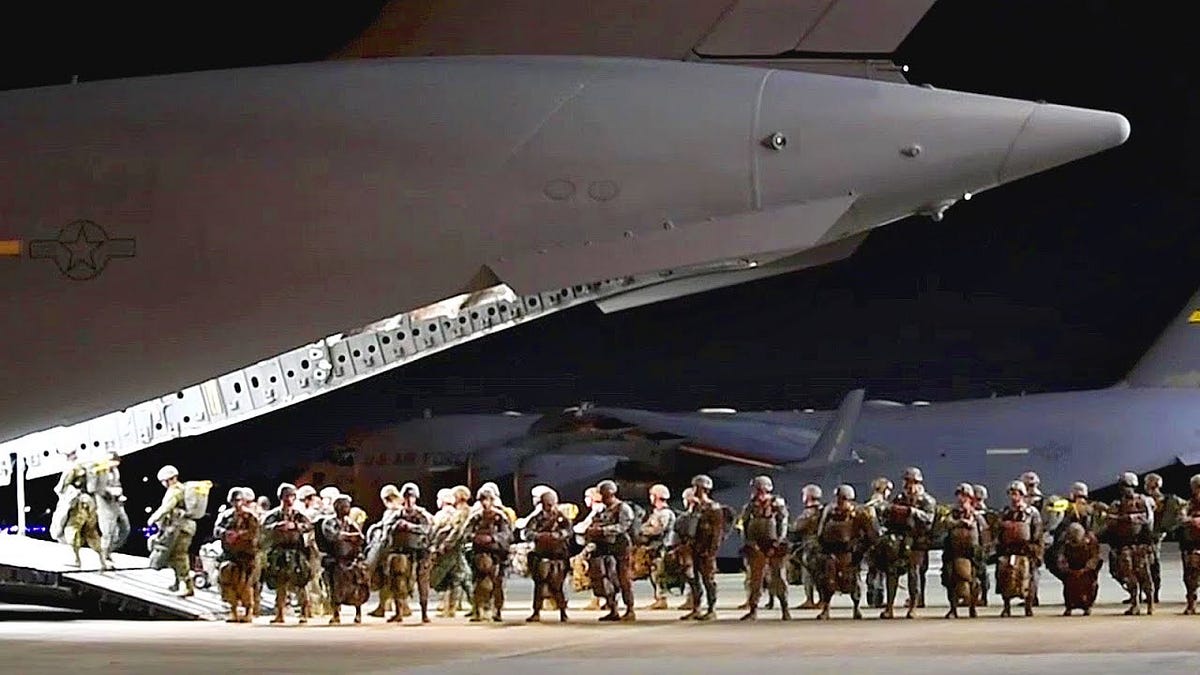
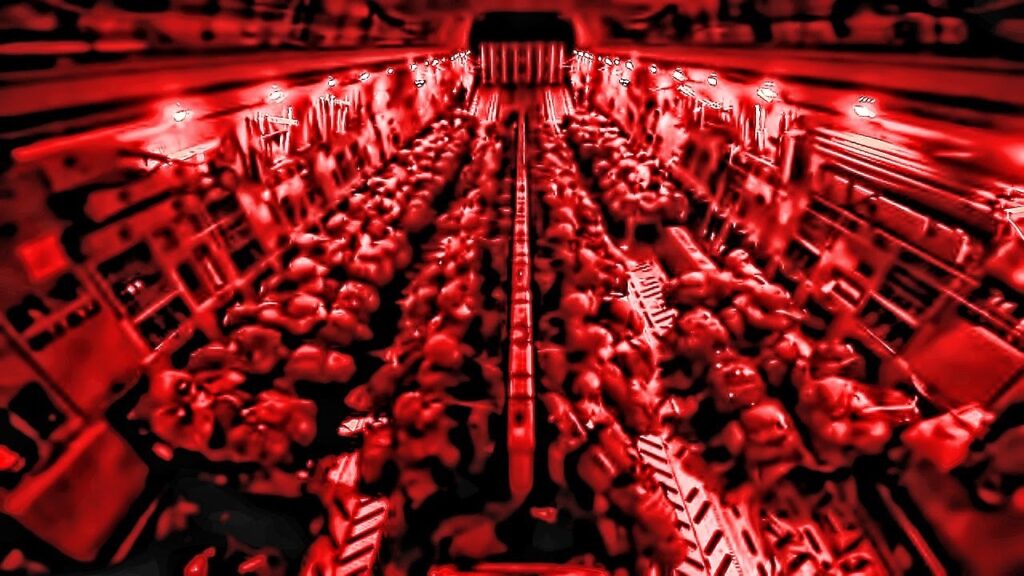
Night Jump at the U.S. Army Airborne Course at Fort Benning, Georgia.  Biography of Dr. Anthony J. Carbone.

Night Jump at the U.S. Army Airborne Course at Fort Benning, Georgia.  Biography of Dr. Anthony J. Carbone.

Night Jump at the U.S. Army Airborne Course at Fort Benning, Georgia.  Biography of Dr. Anthony J. Carbone.

As the officer leading my stick, I was called forward: “Stand in the door!” the jumpmaster barked. I stepped up, staring out into pure darkness. There were no landmarks, no horizon, just a black void. My instincts screamed Don’t do it. But training takes over. The green light flashed. I jumped.

Out into the universe — blackness rushing past, the roar of the aircraft fading, counting one-thousand, two-thousand, three-thousand, four-thousand — and whoomp! My chute opened. The sudden silence was surreal. Just me, the canopy above, and the invisible ground somewhere below.
T-10 Parachute without slits for steering at the U.S. Army Airborne Course at Fort Benning, Georgia.  Biography of Dr. Anthony J. Carbone.
T-10 Parachute wihout slits for steering

Floating Backwards with the T-10 Parachute

For night jumps, we were issued the older T-10 parachute, the kind without slits, which meant it wasn’t steerable. I didn’t realize until I landed flat on my back that I had been drifting backwards the whole descent. With no horizon to orient myself, the ground came sooner than expected. I slammed down hard, helmet cracking against the drop zone. “F**k!” I shouted instinctively — and in that moment, I finally understood the dent in the steel pot helmet they had issued me. I was certain I had just added another.

Flat on my back, staring at the black sky, I actually paused for a second to admire the stars and thank God I was alive. Then — splat! Another paratrooper hit nearby, cursing “F**k!” A second later — splat! another one, then another: “Fk! Fk! F**k!” It was like a chorus of misery echoing across the drop zone.

That’s when it dawned on me — I couldn’t see a thing, and at any moment someone might land directly on top of me. I rolled up my chute in record time and sprinted for the green beacon marking the Assembly Area, as fast as my legs could carry me.

Each landing tested the PLFs we’d drilled endlessly. Each successful jump added to the confidence and camaraderie of our class. By the time we completed that fifth jump, we were no longer just students — we were paratroopers.

5th and Final Jump

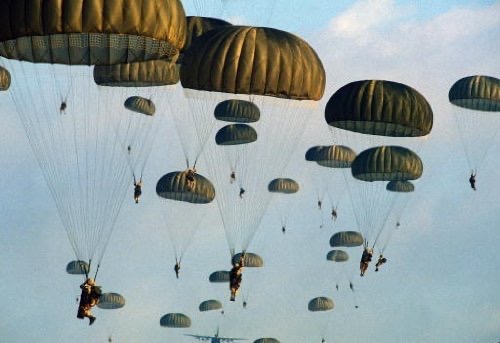
The fifth and final jump was a mix of nerves and pure anticipation. By now, I trusted the process, but nothing matched the relief of feeling that chute snap open overhead one last time. My descent was steady, my PLF crisp, and as soon as I hit the ground, I rolled up my chute with a grin I couldn’t hide. Sprinting to the Assembly Area, I knew what waited at the end of this run—my Airborne wings, the symbol of having earned a place among paratroopers.
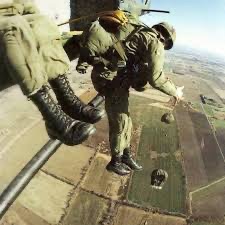
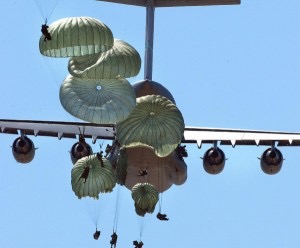
Final jump before graduation.  Paratroopers exiting door of C-130.  Biography of Dr. Anthony J. Carbone.

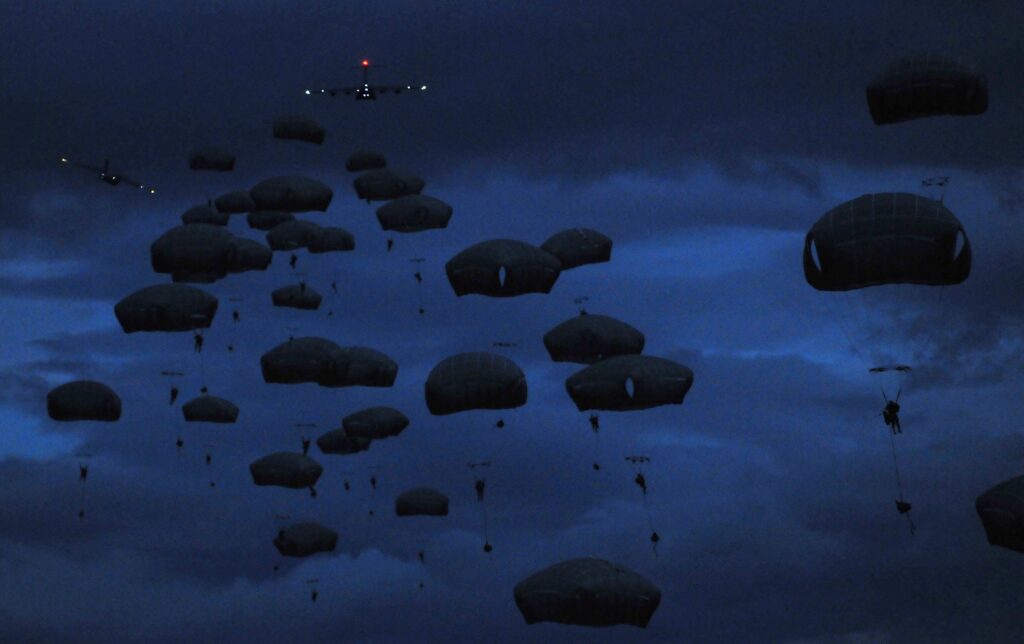
Final jump before graduation.  Dozens of paratroopers under open canopies.  Biography of Dr. Anthony J. Carbone.

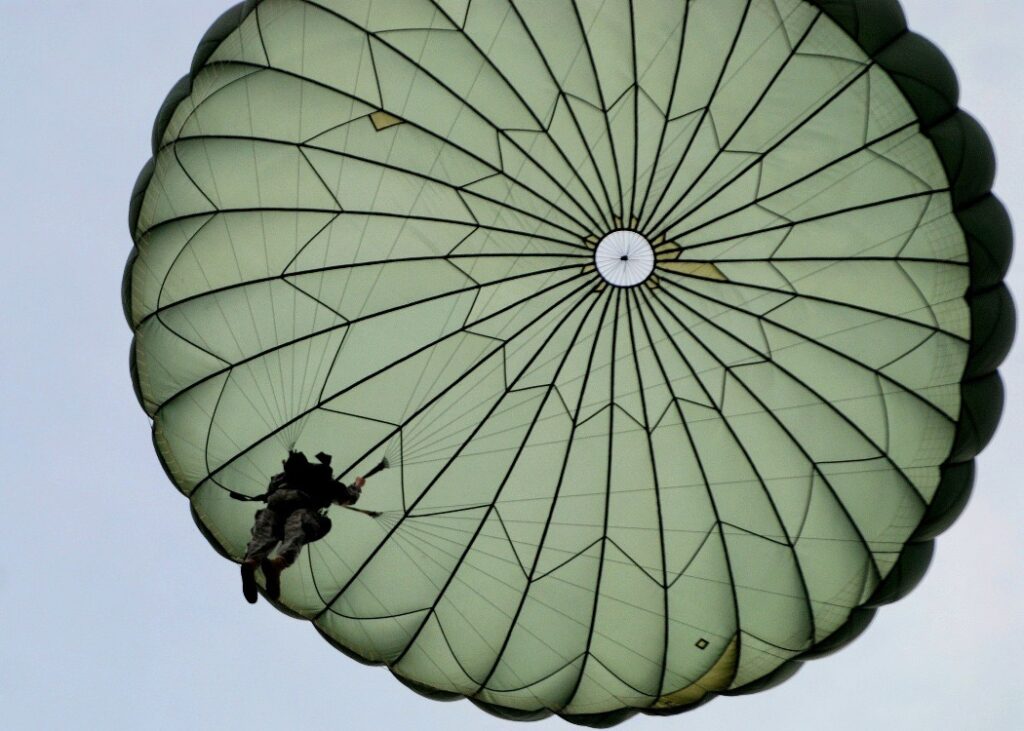
Final jump before graduation.  Single paratrooper under a T-10 parachute.  Biography of Dr. Anthony J. Carbone.

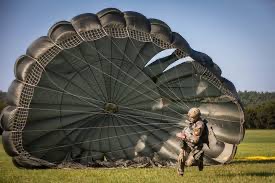
Final jump before graduation.  Rolling up parachute.  Biography of Dr. Anthony J. Carbone.

Graduation and Pinning Wings

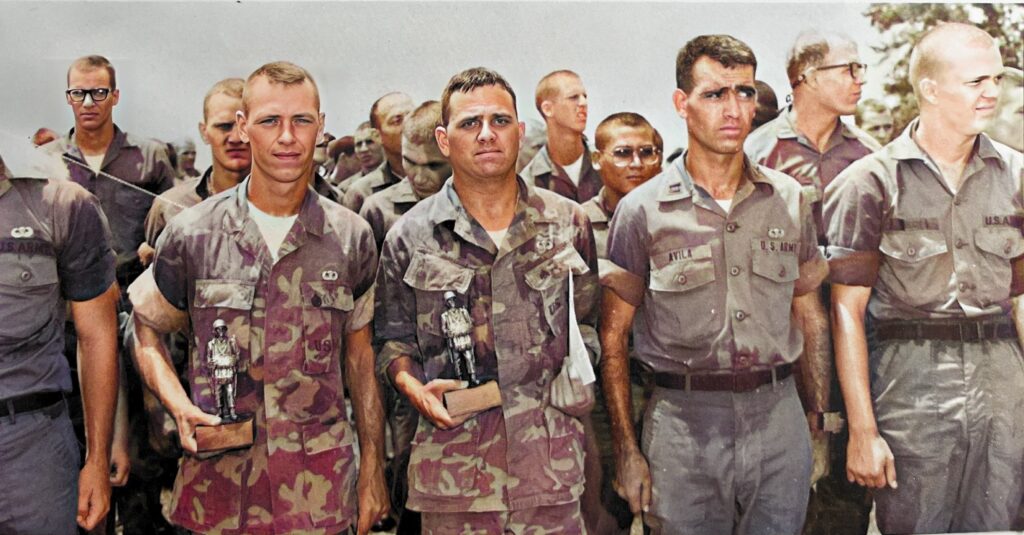
At graduation, when those silver wings were finally pinned on my chest, I knew I had earned not only the badge but also the right to go buy those Corcoran Jump Boots I’d been waiting for. Yet, standing there, another thought stayed with me. I didn’t know if my father would ever see me differently—as a fellow paratrooper, or finally as a man to respect. But in that moment, it didn’t matter. I had pushed myself through every ounce of training and earned those wings on my own. Airborne School gave me more than a badge; it gave me confidence in myself as a soldier and stirred a warrior ethos that ran deep in the Carbone bloodline. Regardless of my father’s judgment, I walked away knowing I had truly become my own man.
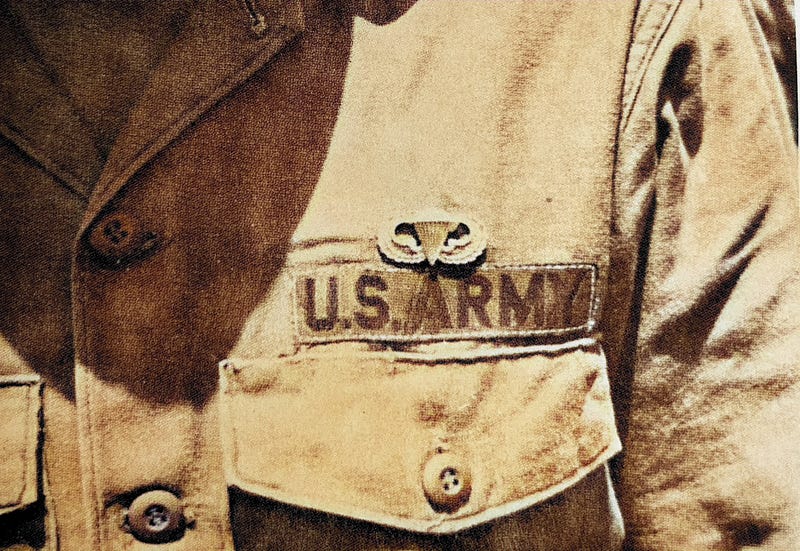
Newly earned Parachutist Wings on a paratrooper at the U.S. Army Airborne School.  Biography of Dr. Anthony J. Carbone.

New graduates of the U.S. Army Airborne Course at Fort Benning, Georgia with Honor Graduates in front rank holding awards.  Biography of Dr. Anthony J. Carbone.

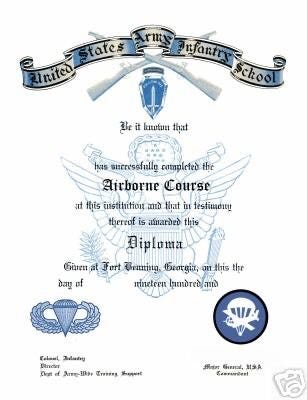
Diploma for the U.S. Army Airborne Course.  Biography of Dr. Anthony J. Carbone.
U.S. Army Parachutist Badge.  Biography of Dr. Anthony J. Carbone.

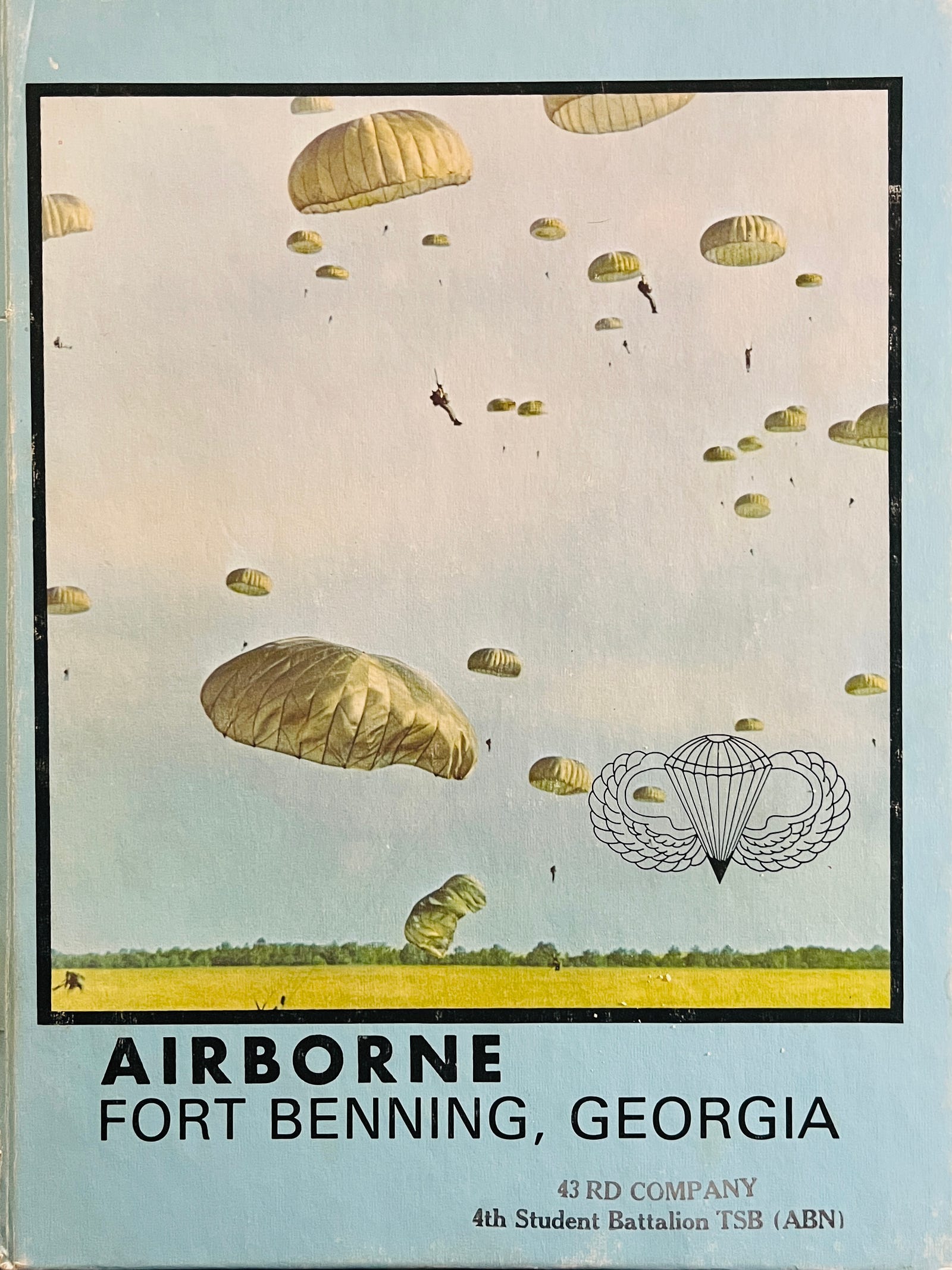
Class Yearbook for 43rd Company, 4th Student Battalion, The Student Brigade (Airborne), Fort Benning, Georgia.  Biography of Dr. Anthony J. Carbone.

Home Page

Chapter 3: A New Airborne Officer’s Career

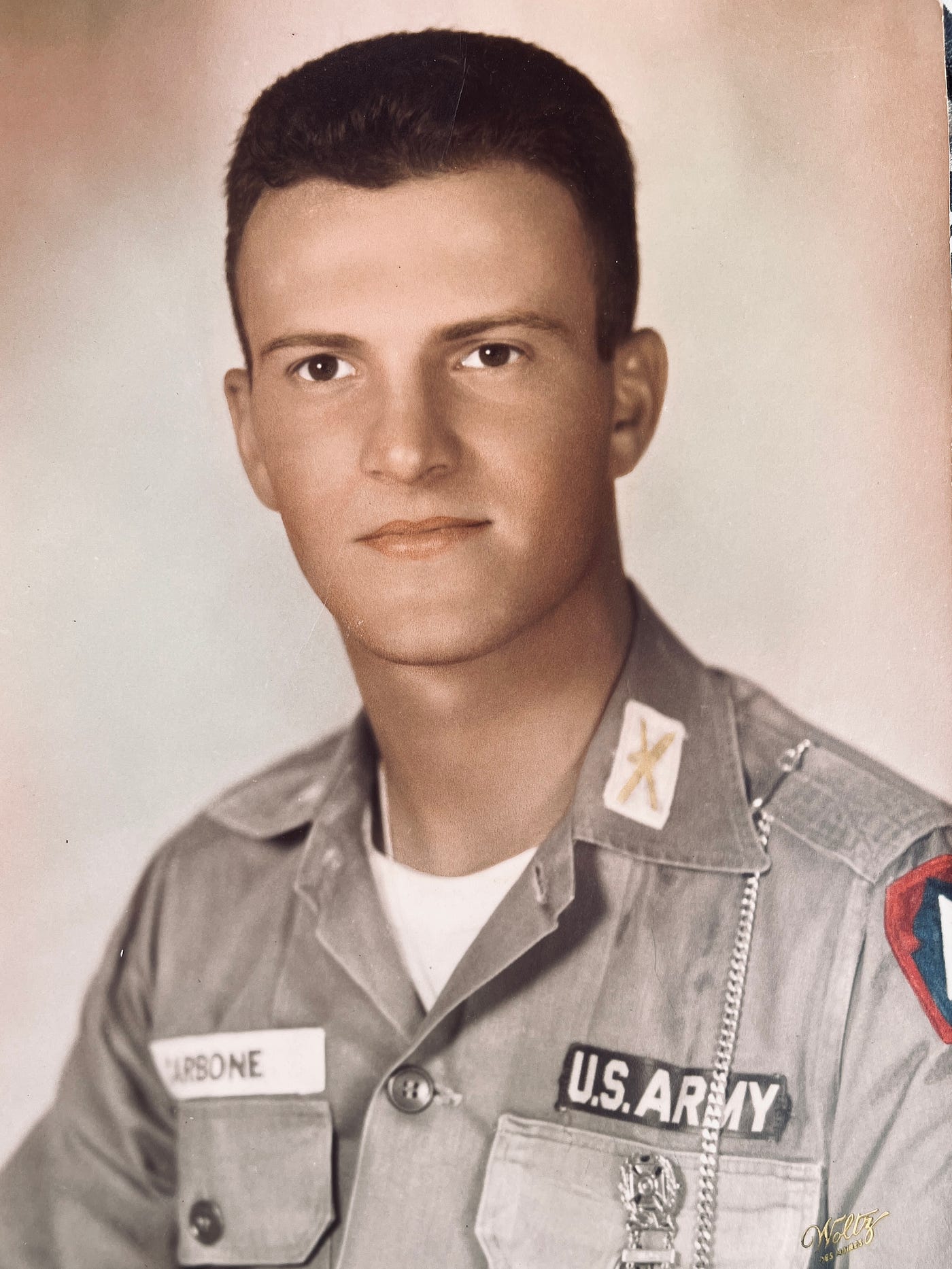
New 2nd Lieutenant Cavalry Officer Tony Carbone in Uniform. Autobiography of Dr. Anthony J. Carbone.

Believe Nothing You Hear, and Only Half of What You SeeA Memoir of Service, Shame, and the Search for Truth

Army Commissions Father a Cavalry Lieutenant

My father as a newly commissioned 2nd Lieutenant Armor Officer at Fort Knox, Kentucky.
My father as a newly commissioned 2nd Lieutenant Armor Officer

Father Receives Orders for Fort Knox, Kentucky

After graduating from Norwich University on December 18, 1958, the President of the United States commissioned my father into the United States Army as a Cavalry Officer. His first assignment brought him and my mother the U.S. Army Armor Officer Basic Course at Fort Knox, Kentucky. The Army designed this several-month training program to transform him from a generalist cavalry officer into a specialist in armor and mechanized warfare.

We lived in a modest government house nestled in the company grade officer neighborhood of Fort Knox during that time. Though the housing was simple, it felt more spacious and comfortable than the trailer we had come from in Missouri. For my mother, this was a slight reprieve — finally, a bit of stability while my father threw himself into his next round of training.

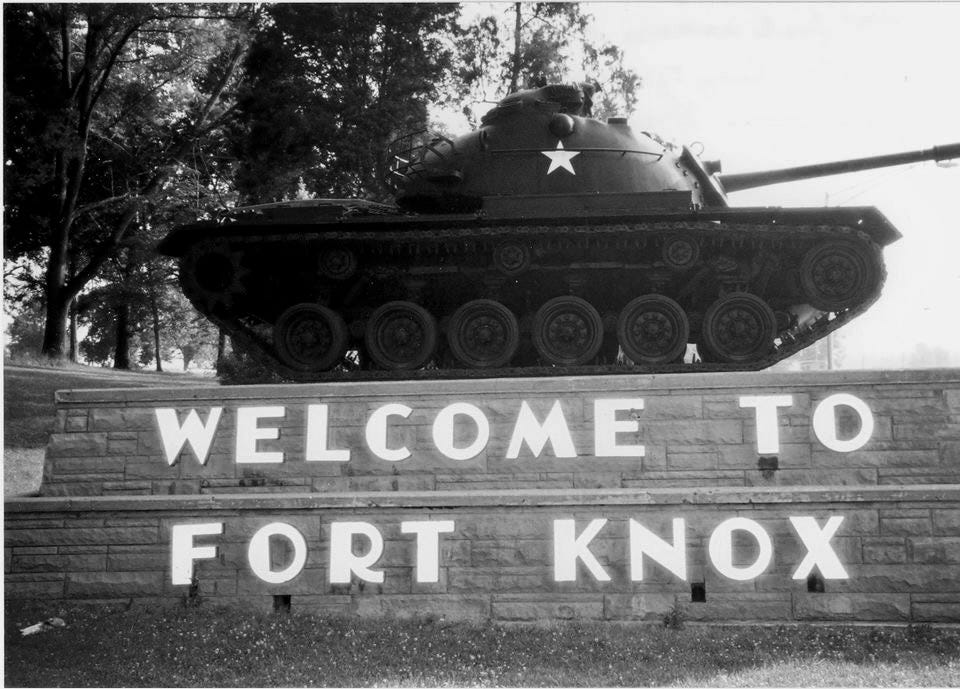
Front gate to Fort Knox, Kentucky — Home of the U.S. Armor Branch and School.
Fort Knox, Kentucky Front Gate

Father Receives Orders for Fort Leonard Wood, Missouri

After completing the Armor Officer Basic Course at Fort Knox, my father received orders to Fort Leonard Wood, Missouri in 1959, where the Army put him in charge of a training platoon. It was the beginning of his official military career — an ideal soldier stepping into the long shadow of duty, discipline, and sacrifice.
Dad (2LT Tony Carbone) as a new lieutenant (with “Tiny” Minoski) at Fort Leonard Wood
Father as a new lieutenant (with “Tiny” Minoski) at Fort Leonard Wood

Family Living Off-Post in a Tiny Trailer in Missouri

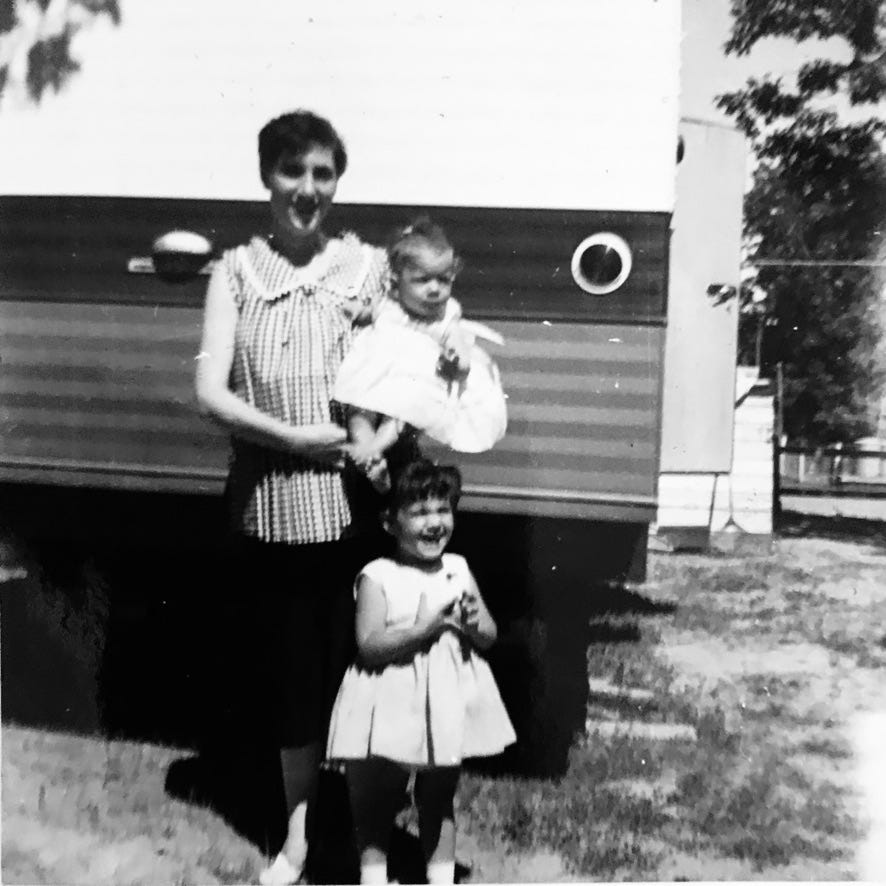
But for my mother, this period was anything but glamorous. She moved into a tiny trailer off base with my two sisters, Lynne and Diana. The trailer had no telephone, no car, and very few luxuries. Isolated in rural Missouri and far from her family in Medford, Massachusetts, my mother often described those early days as some of the most difficult in their marriage. It was a time of intense homesickness and growing pains — where she began to understand what it truly meant to be an officer’s wife.

Mother with sisters Lynne and Diana by our trailor at Fort Leonard Wood, Missouri
Mother with sisters Lynne and Diana by our trailer at Fort Leonard Wood, Missouri

My Birth, December 3, 1959

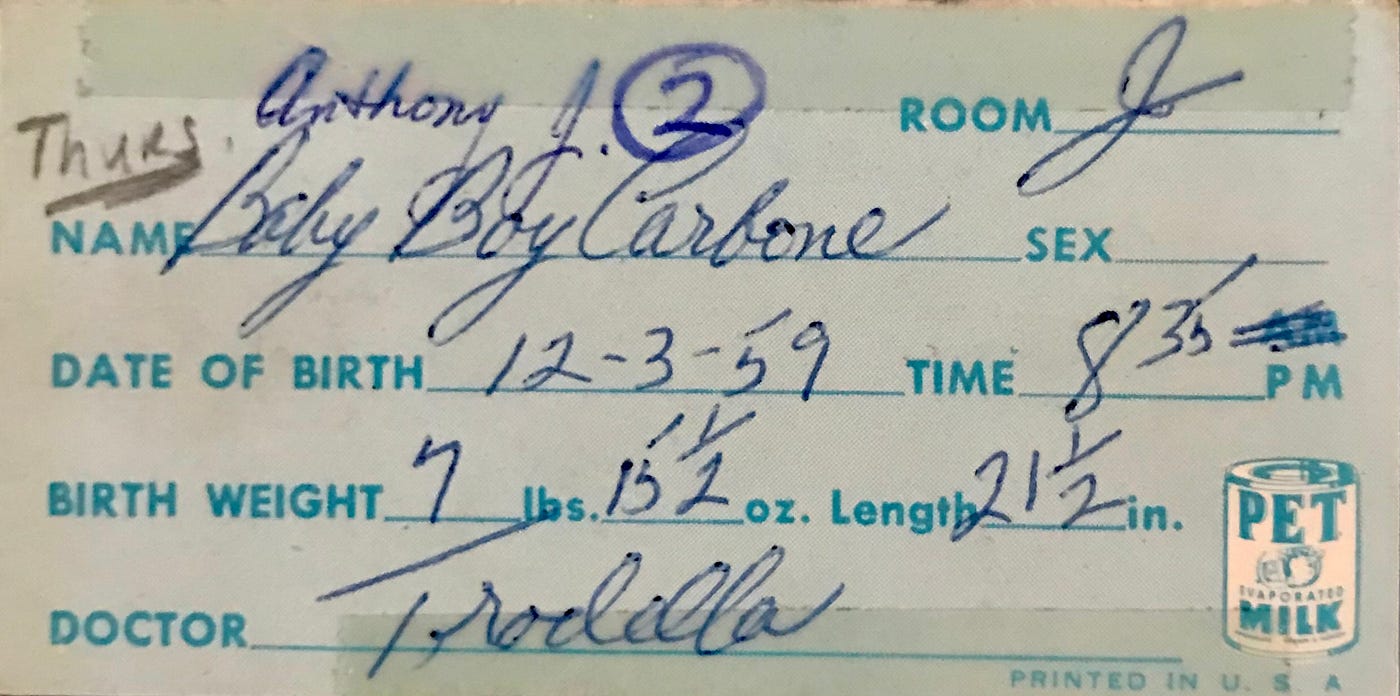
In the winter of 1959, my mother made a brave decision. Wanting to be close to her family and the familiar care of her longtime doctor, she traveled alone — with no car and no support from the Army — back to Medford, Massachusetts, to give birth to me. My father remained on duty at Fort Leonard Wood, unable to accompany her. I was born on December 3, 1959, at Lawrence Memorial Hospital, delivered by Dr. Trodella — the same physician who had brought my sisters Lynne and Diana into the world. Not long after my birth, my mother bundled up her newborn son and returned to Missouri, where our now family of five squeezed back into the same little trailer.

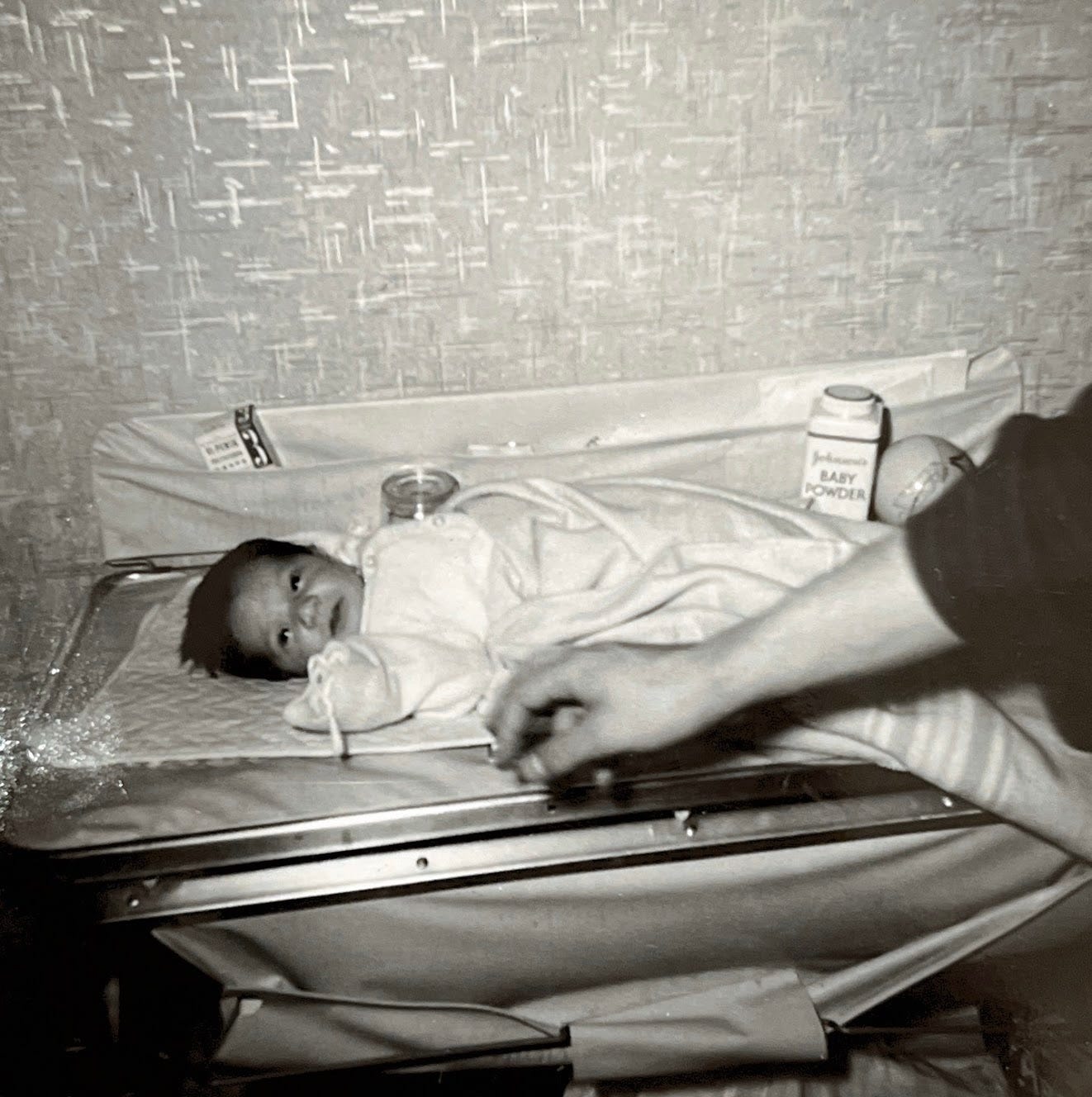
Anthony Joseph Carbone Jr born December 3, 1959.
Baby crib Name card for Anthony J. Carbone Jr. showing date of birth December 3, 1959 at 8:35 PM.

My Mother’s Younger Sister Greyhound from Boston to Missouri Alone

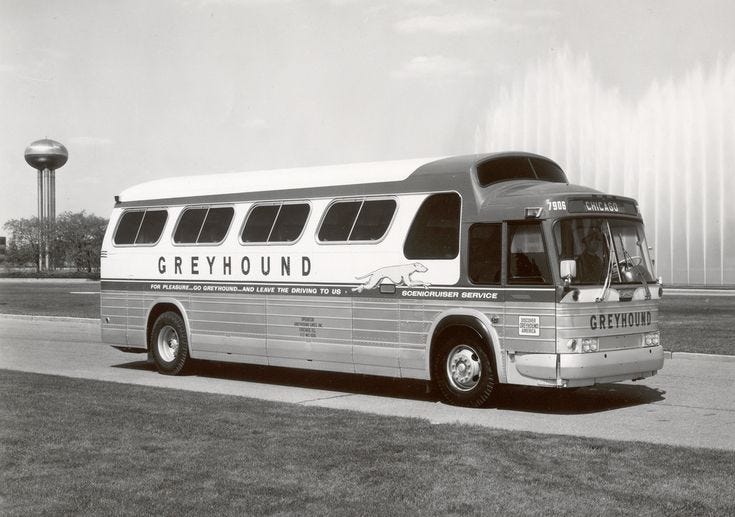
Then a story about my aunts and Fort Leonard Wood always surprised and impressed me. My mother’s younger sisters — Norma, Cynthia, and Yvonne — decided to visit her all the way from Boston. They didn’t have much money, and none of them had ever traveled so far. But they pooled what they had, boarded a Greyhound bus, and rode all the way across the country to rural Missouri.

Greyhound Bus like the one my 3 young aunts road from Boston to Fort Leonard Wood c.1960.
Dr. Carbone’s Autobiography: A Son in the Shadow of a Green Beret Hero

This was long before mobile phones or even reliable landlines. When they finally arrived, they sat at the local bus station for hours, waiting patiently for my father to get off duty and pick them up. During their visit, there were now eight people living in that little trailer. My mother described it as cramped and chaotic, yet she said it was one of the most joyful and loving visits of her life. Laughter, babies, stories, and sisterhood filled that small space, reminding all of us that even in humble surroundings, family makes room for family.

Father Sent to Airborne School at Fort Benning, Georgia

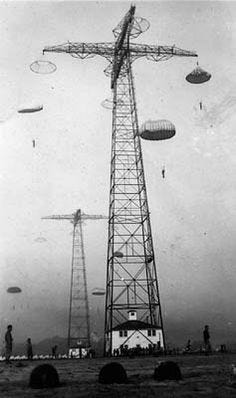
Upon completion of his assignment at Fort Leonard Wood in 1960, my father received orders to attend paratrooper training at the U.S. Army Airborne School at Fort Benning, Georgia. Over the course of three grueling weeks, he trained relentlessly to earn the coveted silver paratrooper wings. The jumps were real. The risks were real. My father stood determined and proud when he completed the course and became a paratrooper, a distinction he carried with pride for the rest of his life.

Jump towers at Airborne School, Fort Benning, Georgia.
Dr. Carbone’s Autobiography: A Son in the Shadow of a Green Beret Hero
250-Foot Jump towers at Airborne School, Fort Benning, Georgia
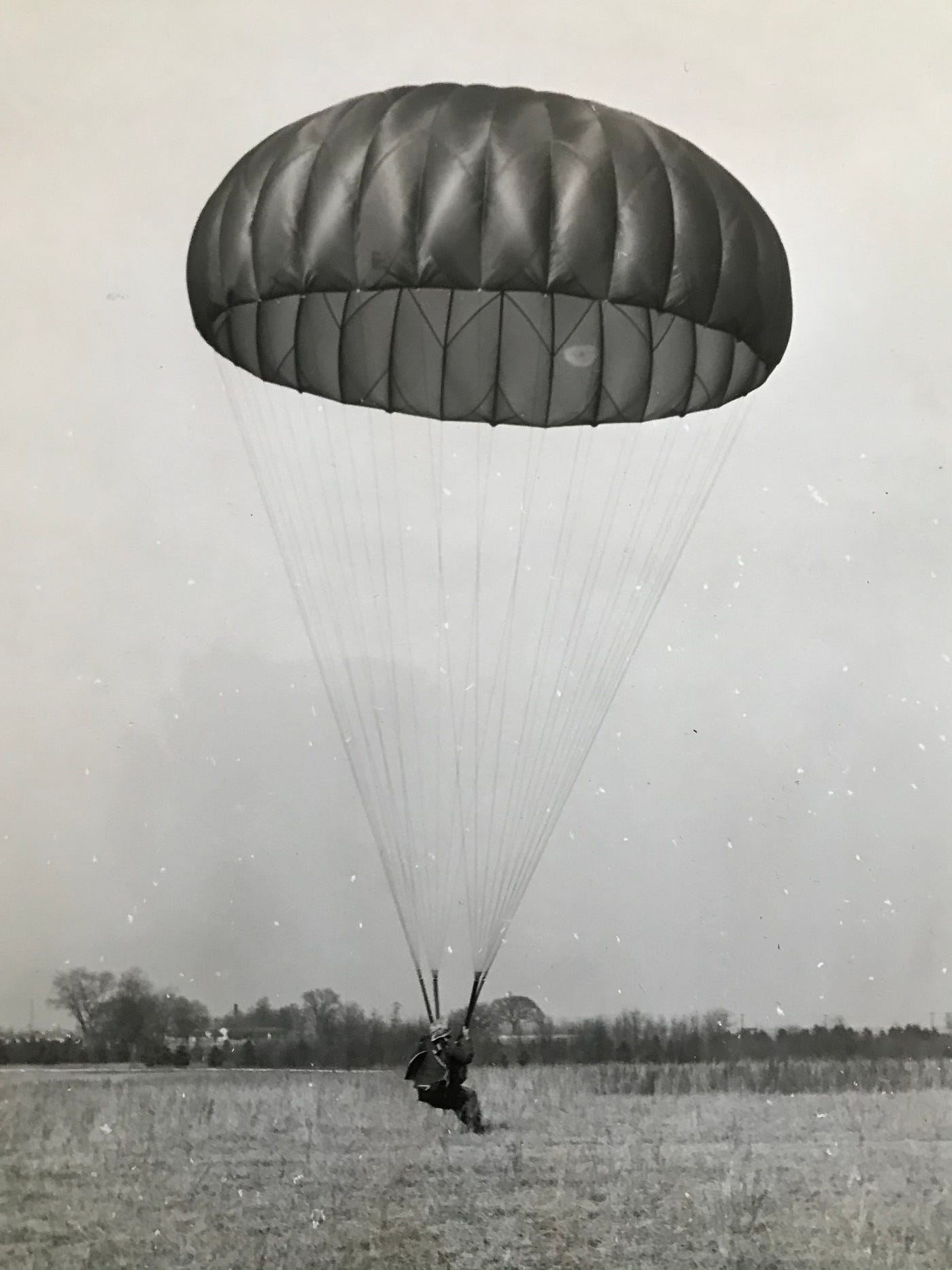
Dad (CPT Tony Carbone) making a perfect Parachute Landing Fall (PLF) on the drop zone at Fort Benning.
Dr. Carbone’s Autobiography: A Son in the Shadow of a Green Beret Hero
Dad making a perfect Parachute Landing Fall (PLF) on the drop zone at Fort Benning.

Father Receives Orders for 10th Cavalry Regiment in Korea

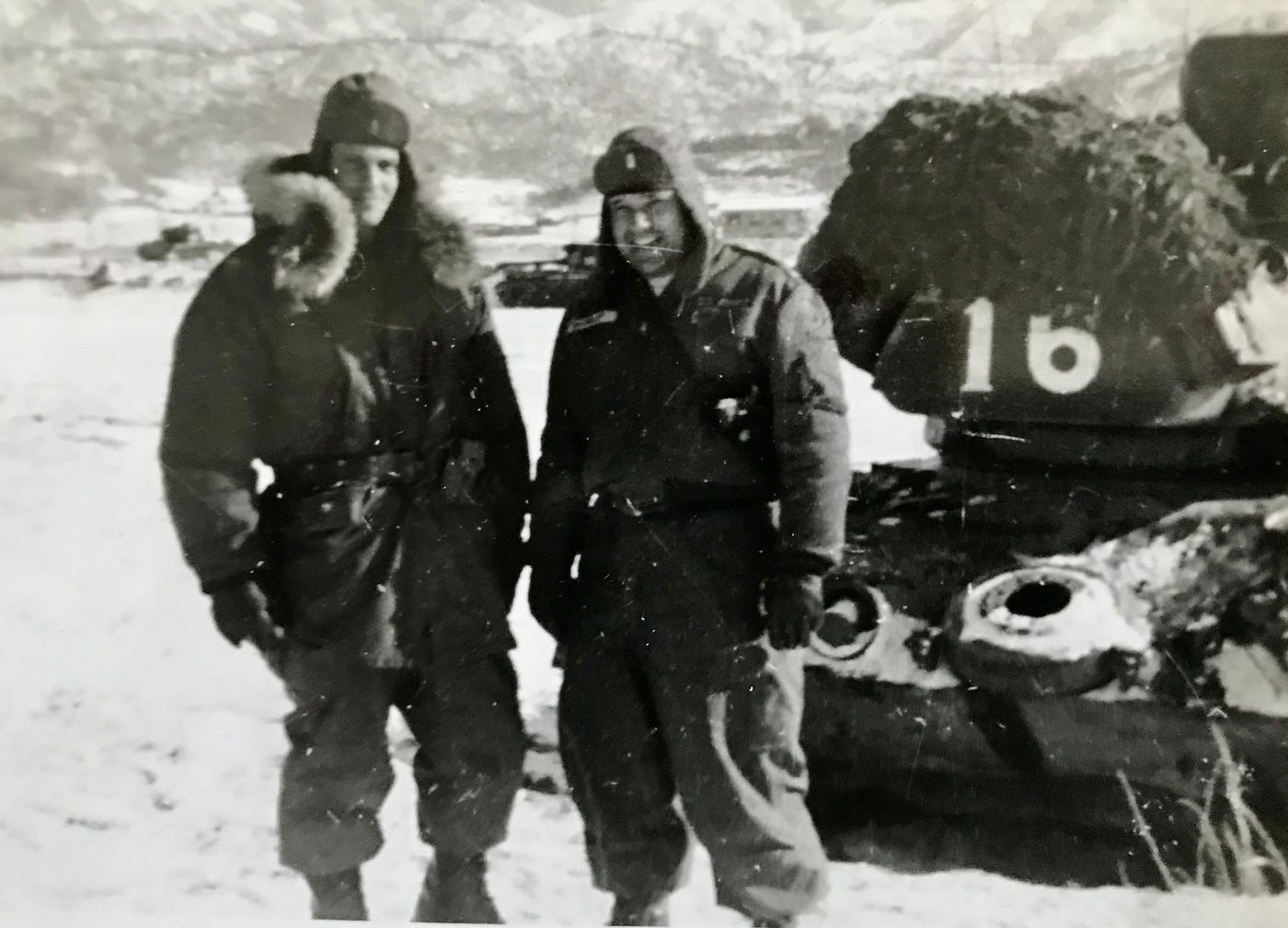
Shortly after completing his airborne training, my father actively served a year-long unaccompanied tour in South Korea from 1960–1961, leading as a Cavalry Platoon Leader and Squadron Adjutant with the 10th Cavalry Regiment.

I have photographs of him wrapped in his heavy Army-issue extreme cold weather parka and wearing those oversized insulated “Mickey Mouse” boots designed for sub-zero conditions. The images showed him standing beside tanks that had slid off icy roads and flipped completely over in the snow — gritty proof of the harsh terrain and rugged conditions he endured.

Dad (Tony Carbone) and long-time friend, Tiny Minosky, enjoying winter in Korea.
Dr. Carbone’s Autobiography: A Son in the Shadow of a Green Beret Hero
Dad and Tiny Minosky enjoying winter in Korea
Father as a Cavalry Lieutenant in South Korea.
Dr. Carbone’s Autobiography: A Son in the Shadow of a Green Beret Hero
Father as a Cavalry Lieutenant in South Korea

My godfather, Uncle George, stepped in to help

During that year, while my father braved the Korean winter, I was just one to two years old, too young to understand his absence but old enough to feel its impact. My godfather, Uncle George Pietrantoni, only about 18 at the time, stepped into the void, becoming a familiar presence in my life. But when my father returned, I had entered the “Stranger-Danger” phase of childhood, wary of unfamiliar faces — even his. My instinctive withdrawal stung him deeply, planting the seeds of an awkward tension that lingered between us for years, a quiet rift neither of us fully knew how to bridge.

We Live With Nana Pietrantoni

While my father served in Korea, my mother brought us back to our haven in Medford, Massachusetts, to live at my nana’s house. That house, a bustling three-story home, was our true home away from home. My grandparents lived on the second and third floor, along with my nana’s sister, my great aunt Concetta, three of my mother’s sisters (Aunties Norma, Cynthia and Yvonne), and eventually — my mother and her three children. 

The house was always alive with movement and voices. Family members came and went in a constant stream, and my nana seemed to be cooking from sunrise to midnight. The smell of garlic and fresh tomato sauce filled every hallway. My papa was always in the backroom sewing on his vintage Singer sewing machine with a rhymthic chucka sound. It was noisy, crowded, and warm — and to me, it was the safest place on earth.

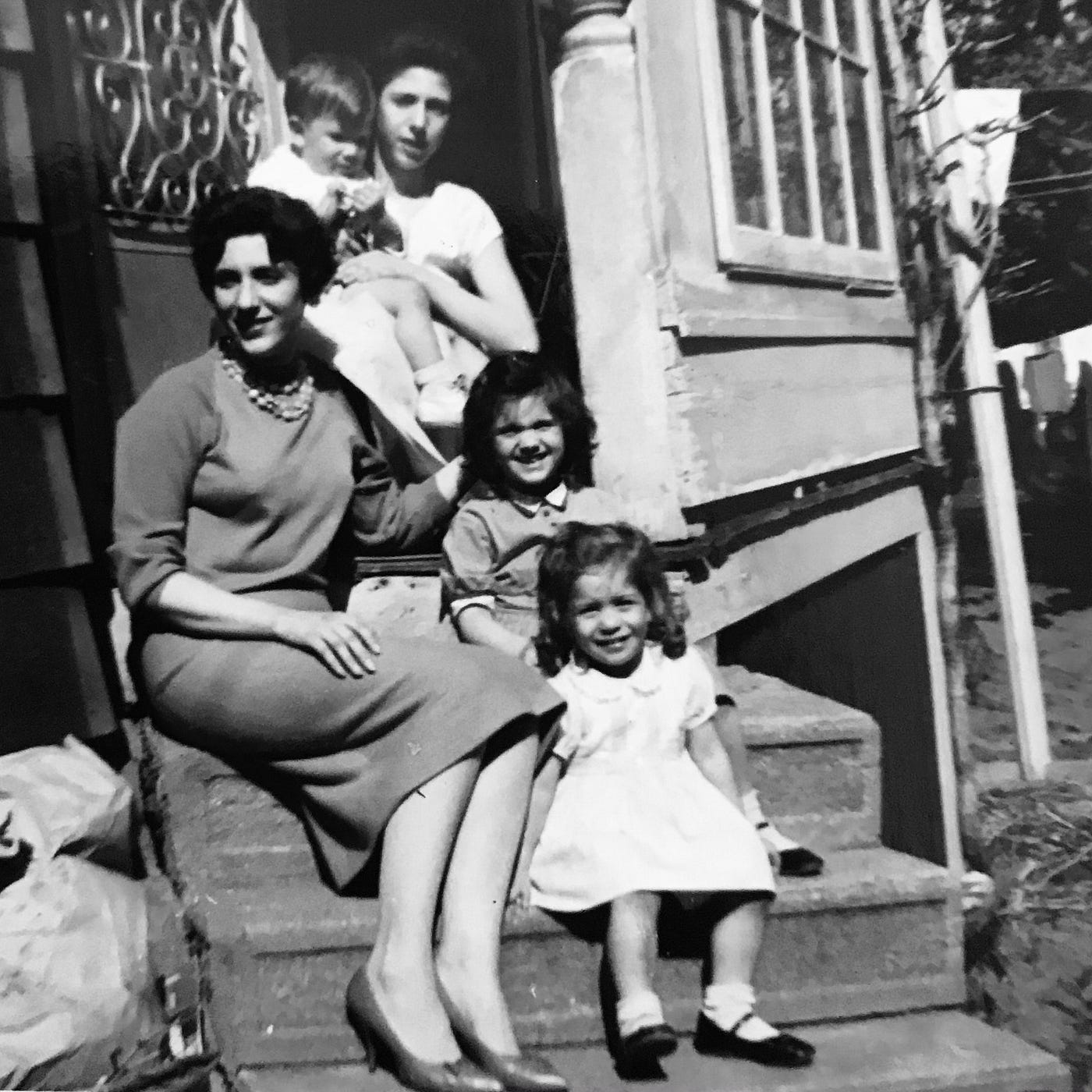
Mom, Lynne, Diana, Anthony Jr, and Auntie Yvonne at 143 Winthrop Street in Medford.
Dr. Carbone’s Autobiography: A Son in the Shadow of a Green Beret Hero
Mom, Lynne, Diana, Anthony Jr, and Auntie Yvonne at 143 Winthrop Street in Medford
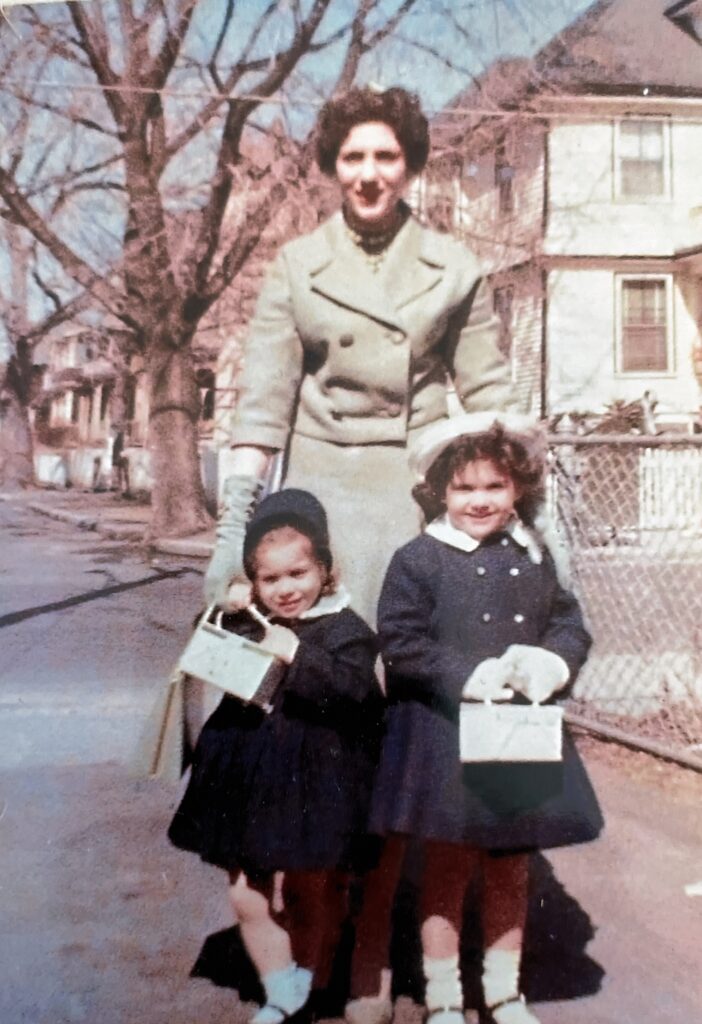
Photograph of my mother with my older sisters Lynne and Diana dressed up for mass.  At my Nana & Papa Pietrantoni's house in Medford, Massachusetts.  Autobiography of Dr. Anthony J. Carbone.
Mum with my two older sisters, Lynne and Diana
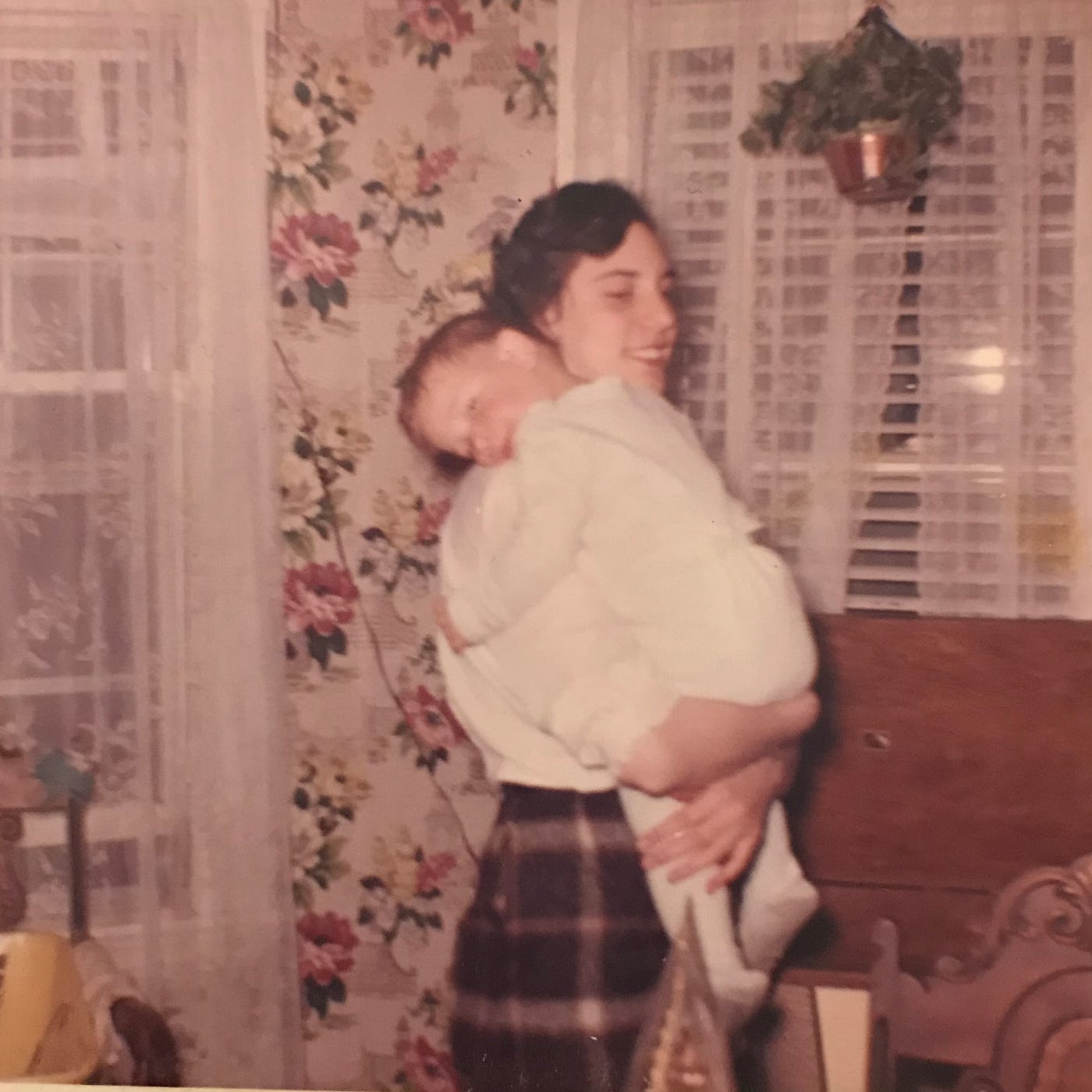
Auntie Norma holding me (Anthony Carbone Jr) at my grandparents’ house in Medford, Massachusetts.
Dr. Carbone’s Autobiography: A Son in the Shadow of a Green Beret Hero.
Auntie Norma holding me at my grandparents’ house in Medford, Massachusetts
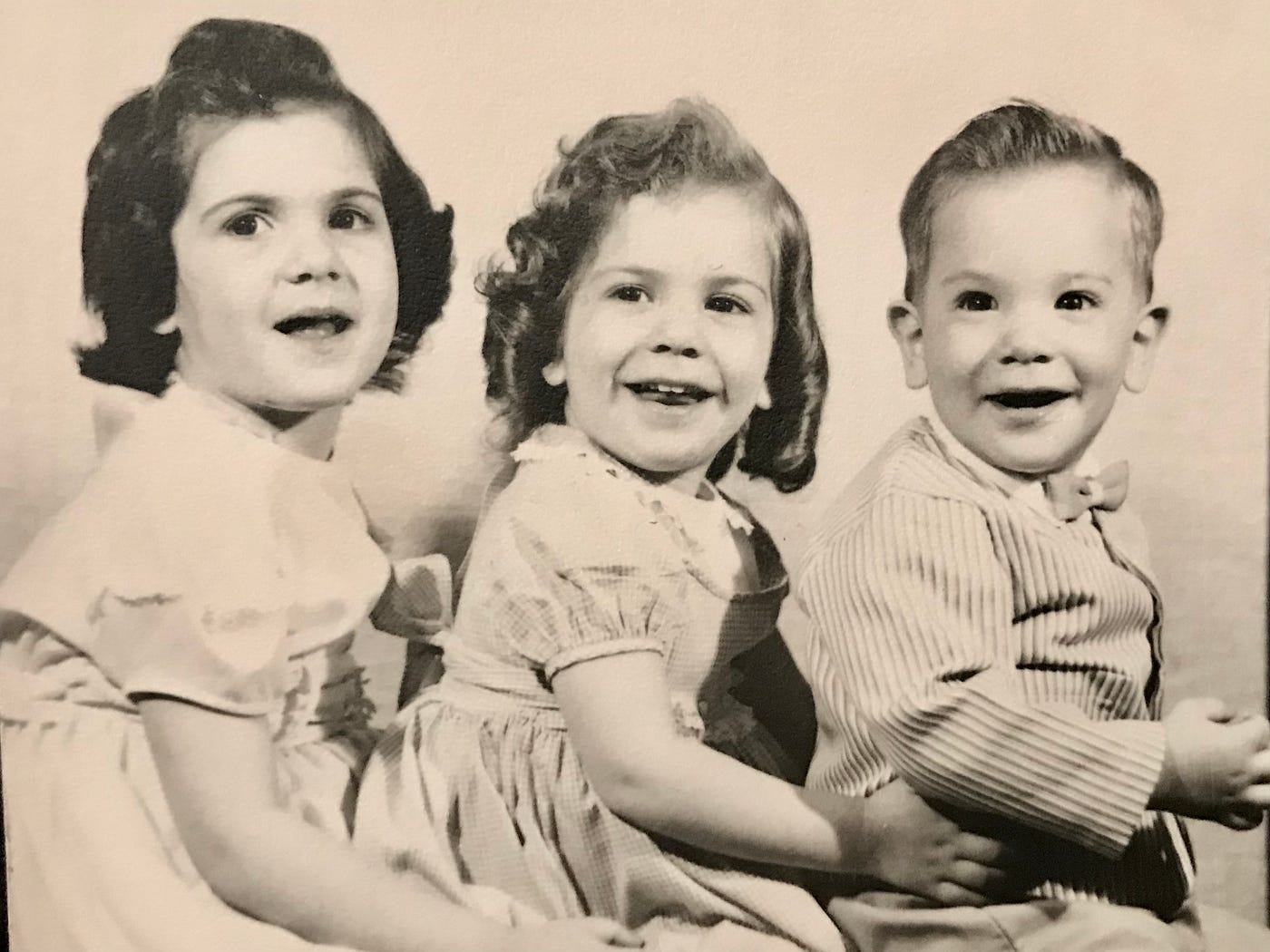
Lynne, Diana and Anthony Carbone Jr. Formal Portrait.
Dr. Carbone’s Autobiography: A Son in the Shadow of a Green Beret Hero.
Lynne, Diana and Anthony Jr.
Young Lynne, Diana, and Anthony Jr Carbone celebrating with their mother, Edda Carbone, at Nana Pietrantoni's house in Medford, Massachusetts.
Dr. Carbone’s Autobiography: A Son in the Shadow of a Green Beret Hero
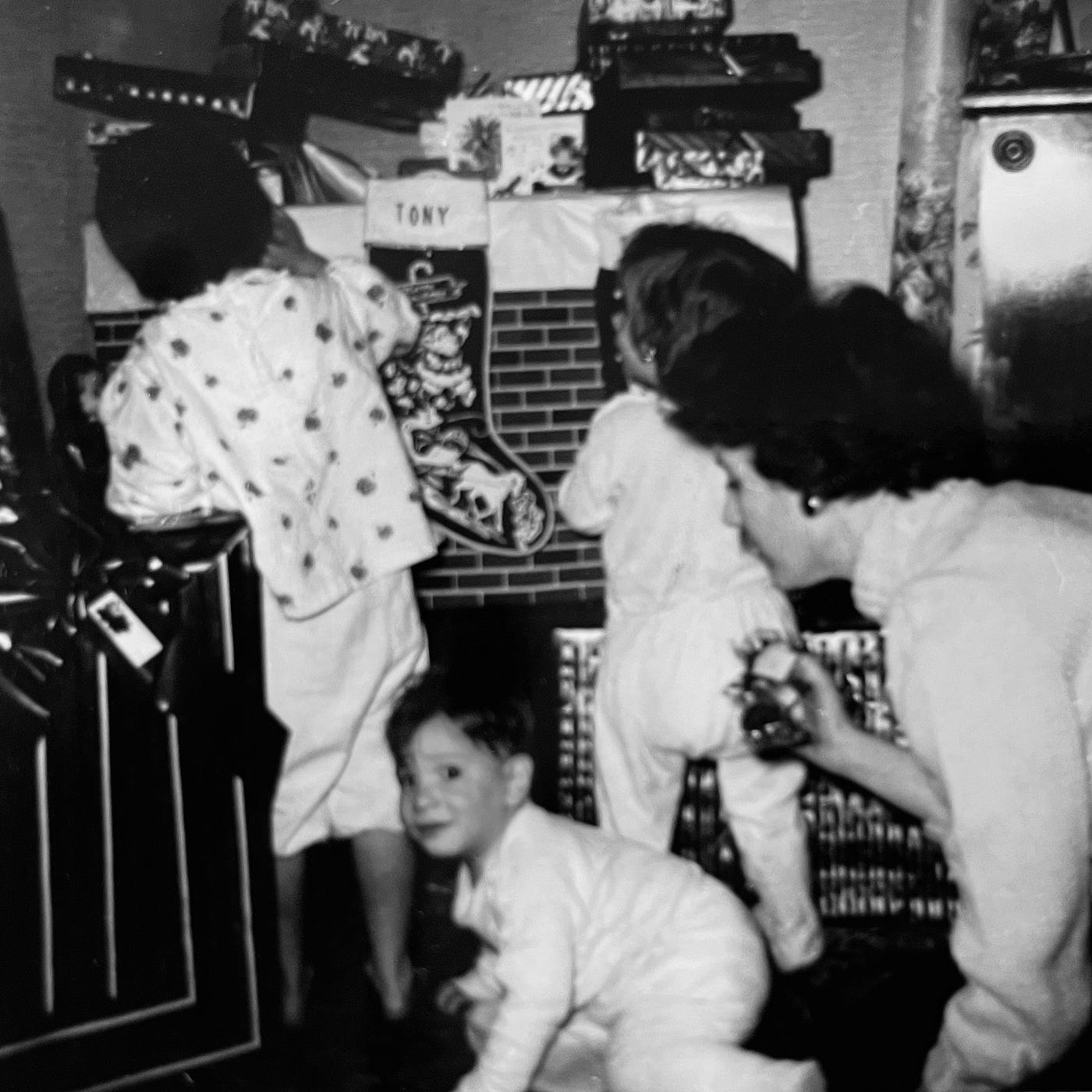
Christmas 1960 at Nana & Papa Pietrantoni’s house while my father was in Korea.

Father Receives Orders for 101st Airborne DIvision at Fort Campbell, Kentucky

After completing his tour in Korea, the Army sent my father to Fort Campbell, Kentucky, where he served from 1961 to 1963 with the prestigious 101st Airborne Division, the “Screaming Eagles.” He served as the Adjutant for the Headquarters and Headquarters Company of the division. Once again, our family lived in government quarters on post, adjusting to the routines and rituals of a new Army installation.

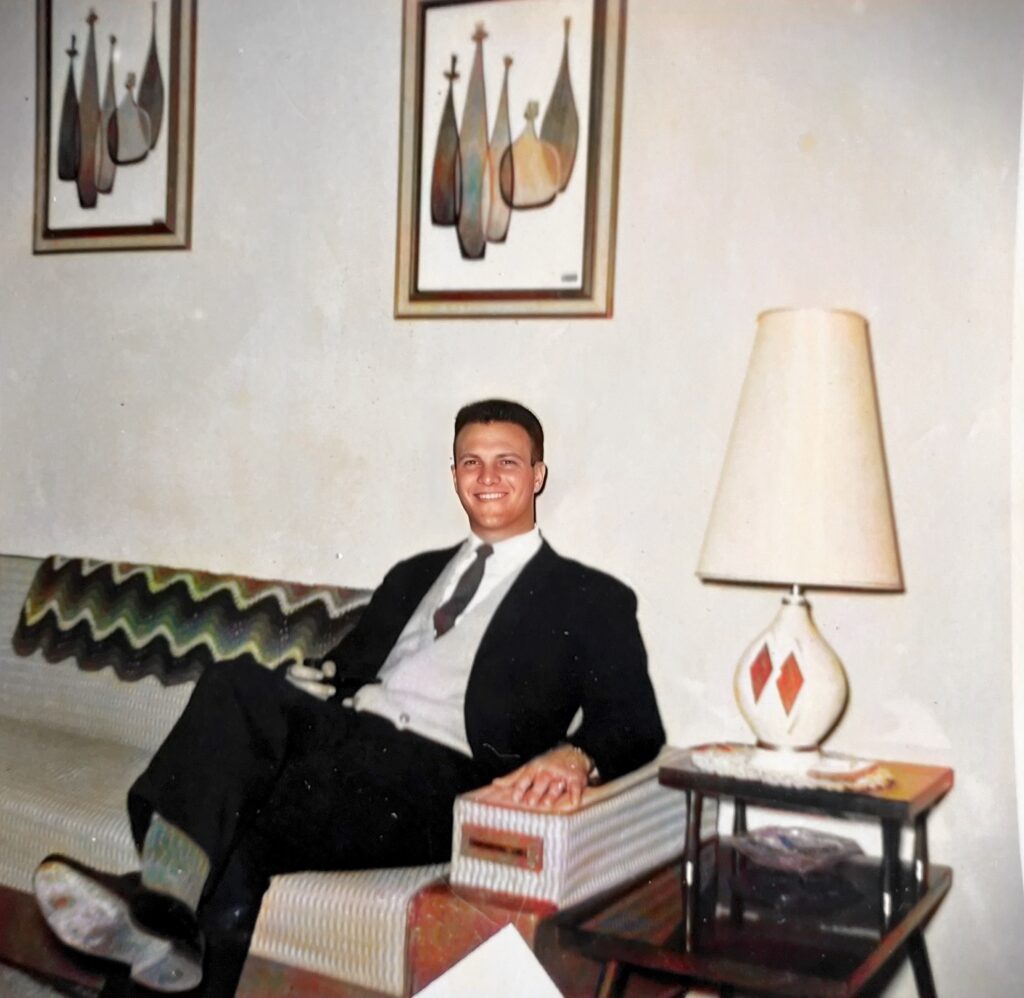
Dad in the living room of our post quarters at Fort Campbell, Kentucky.  Classic mid-century furniture and furnishings.  Autobiography of Dr. Anthony J. Carbone.
Dad in the living room of our post quarters at Fort Campbell, Kentucky
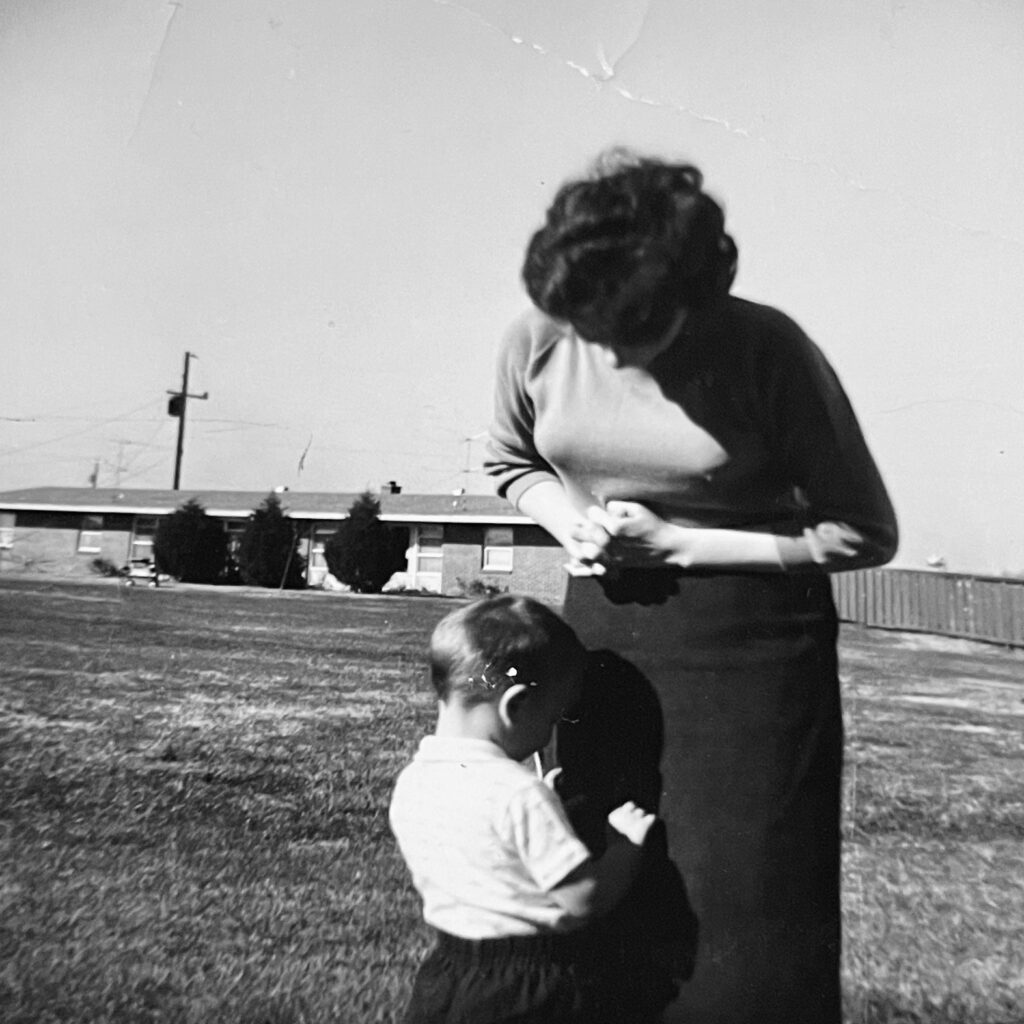
With my mother (Edda Carbone) when I was about 3 years old. This photo was taken behind our goverment quarters at Fort Campbell, Kentucky. Autobiography of Dr. Anthony J. Carbone.
With my mother behind our quarters on Fort Campbell, Kentucky

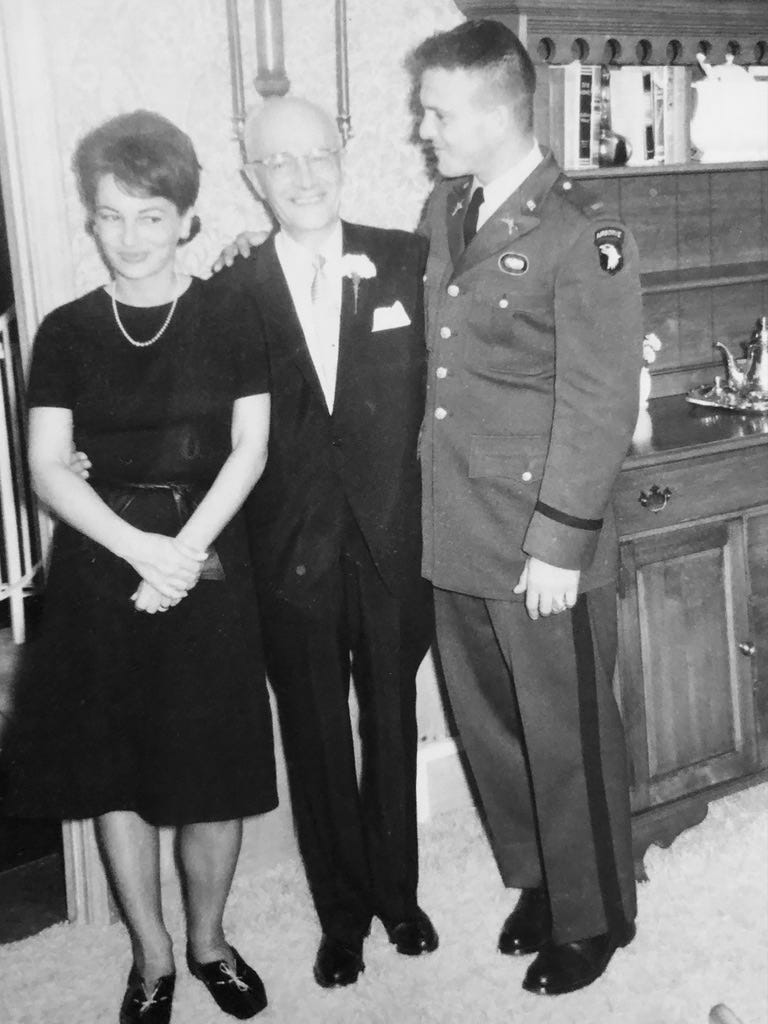
My father wearing his paratrooper wings and 101st Airborne Division patch with his father and sister, Rosemarie. Fort Campbell, Kentucky.
Dr. Carbone’s Autobiography: A Son in the Shadow of a Green Beret Hero
My father wearing his paratrooper wings and 101st Airborne Division patch with his father and sister, Rosemarie.

The Cuban Missile Crisis

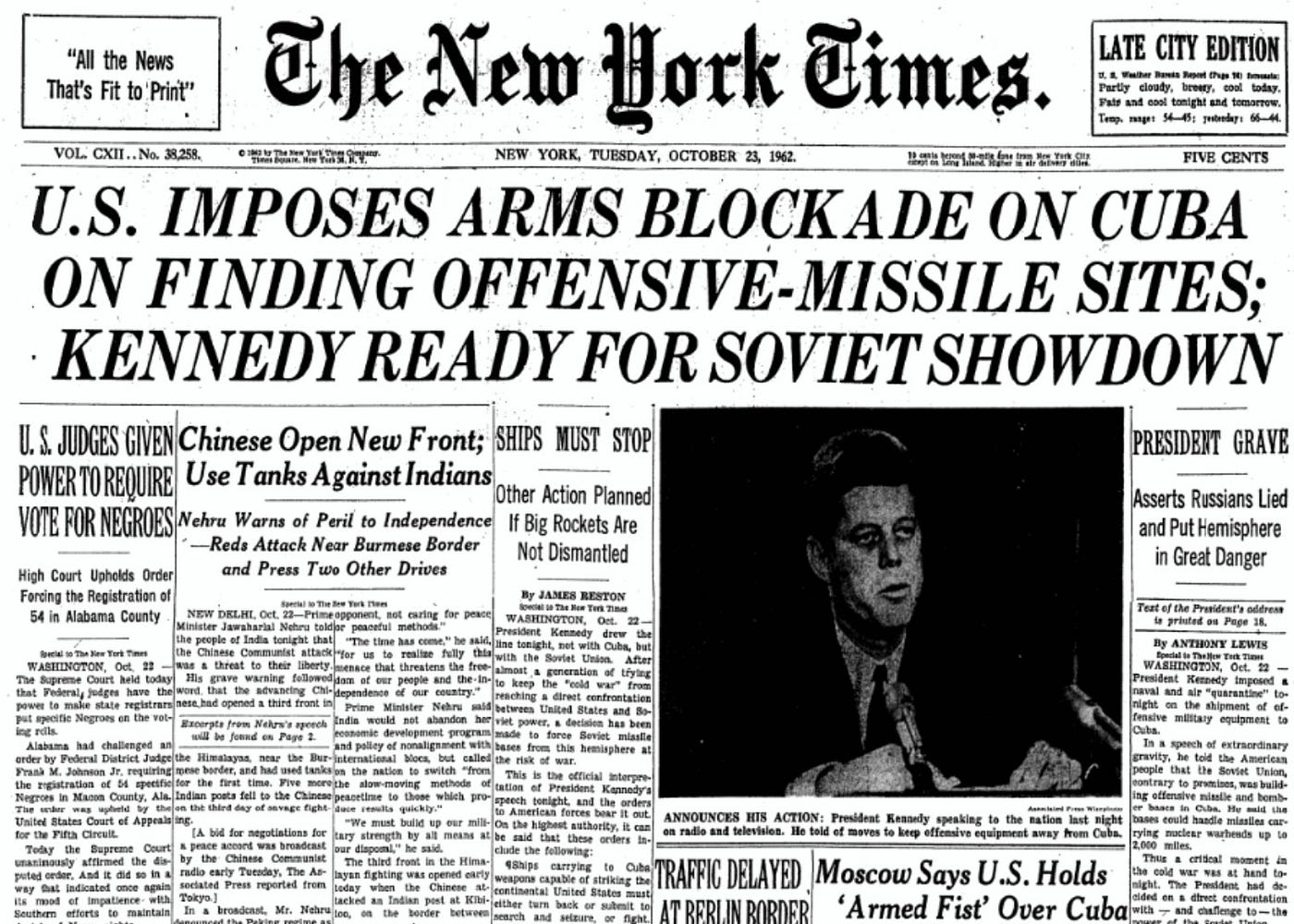
During this same period, in October of 1962, the United States faced one of the most dangerous confrontations of the Cold War — the Cuban Missile Crisis. This 13-day standoff between the United States and the Soviet Union began when American reconnaissance aircraft discovered that the Soviets were installing nuclear missiles in Cuba, just 90 miles from Florida. President John F. Kennedy responded by ordering a naval blockade of the island and demanding the immediate removal of the missiles. For nearly two weeks, the world stood on the brink of nuclear war. Thankfully, U.S. and Soviet leaders eventually resolved the crisis through diplomacy, though only after extraordinary tension and heightened military readiness.

New York Times front page from October 23, 1962 with headline "U.S. Imposes Arms Blockade on Cuba on Finding Offensive-Missile Sites; Kennedy Ready for Soviet Showdown".  Photo of President John F. Kennedy.
Dr. Carbone’s Autobiography: A Son in the Shadow of a Green Beret Hero
NY Times Article from October 1962 on the Cuban Missile Crisis

Dad and the 101st Airborne Prepare to Invade Cuba

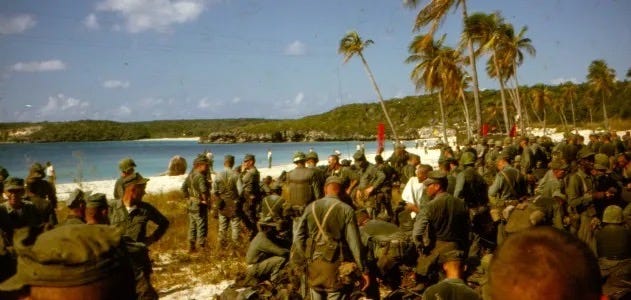
Most history books record that elite Army units, including the 101st Airborne Division, were mobilized and staged in Florida and Georgia in anticipation of a possible full-scale invasion of Cuba. However, what most people don’t know — and what I know from my own father’s account — is that he was part of a classified mission to Puerto Rico. As the Adjutant for the Command & Control Battalion of the 101st Airborne Division, he and a select group of officers were quietly deployed to Ramey Air Force Base in Aguadilla, Puerto Rico, during the height of the crisis. Their presence there was never officially acknowledged in the open-source historical record, but it’s part of our family’s private history.

I remember overhearing fragments of the story growing up — how the tension was palpable, the operation strictly need-to-know, and the mood deadly serious. My father never glorified the moment, but the fact that he was trusted to be part of such a critical, behind-the-scenes operation speaks volumes about the kind of officer he was becoming. The Cuban Missile Crisis may have been narrowly avoided through diplomacy, but my father and others in the 101st were prepared to act at a moment’s notice.

U.S. Marine Corps Forces Preparing for Ination of Cuba on Puerto Rican Island during the Cuban Missile Crisis.
Dr. Carbone’s Autobiography: A Son in the Shadow of a Green Beret Hero
USMC Forces Preparing for Invation of Cuba on Puerto Rican Island

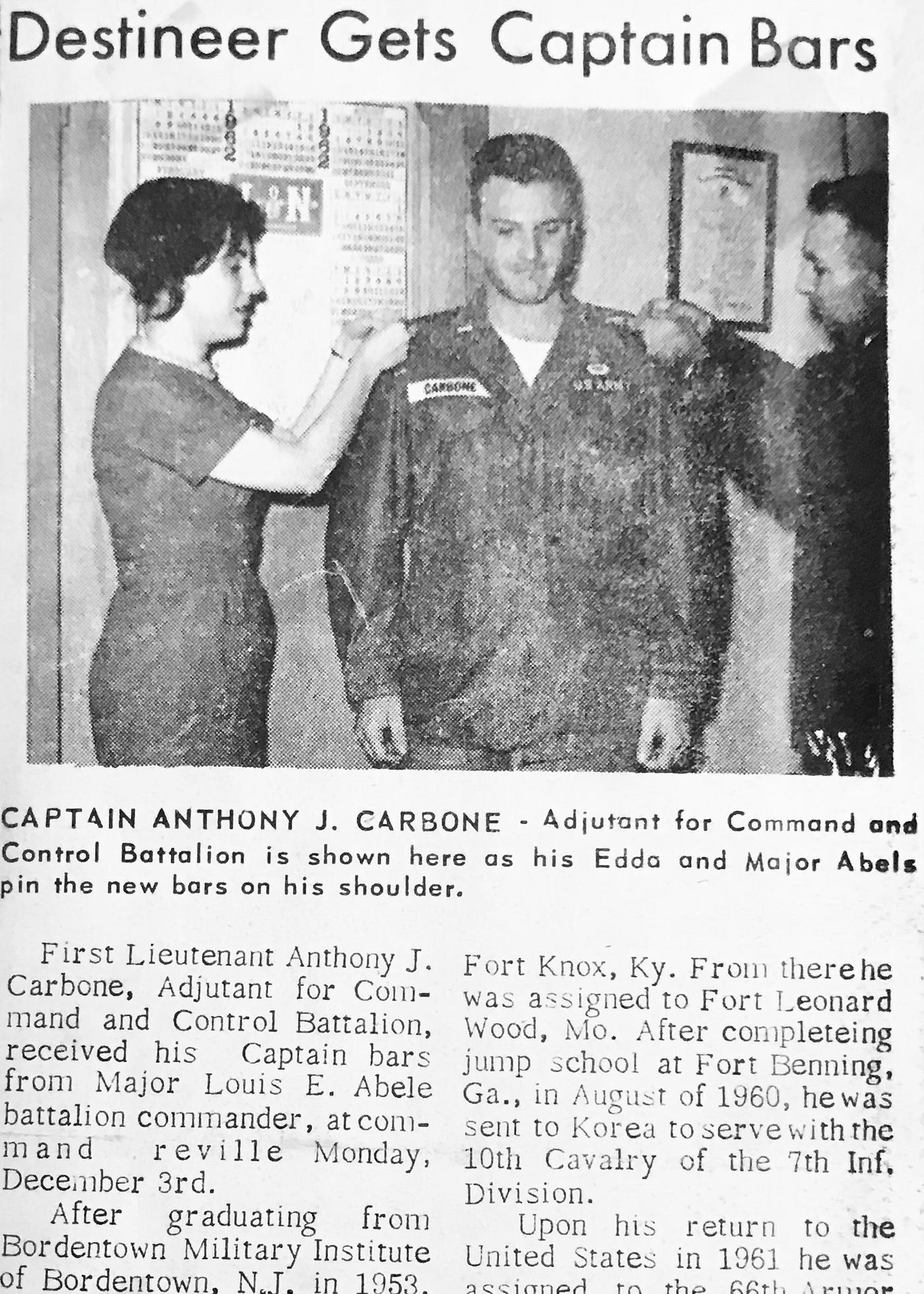
Dad Gets Promoted to Captain

My father was promoted to the rank of Captain on my third birthday. This was while serving as the Adjutant for the Command & Control Battalion of the 101st Airborne Division.

Mom pinning on Captain’s bars on my newly promoted father (CPT Anthony J. Carbone).
Dr. Carbone’s Autobiography: A Son in the Shadow of a Green Beret Hero.
Mom pinning on Captain’s bars on my newly promoted father.
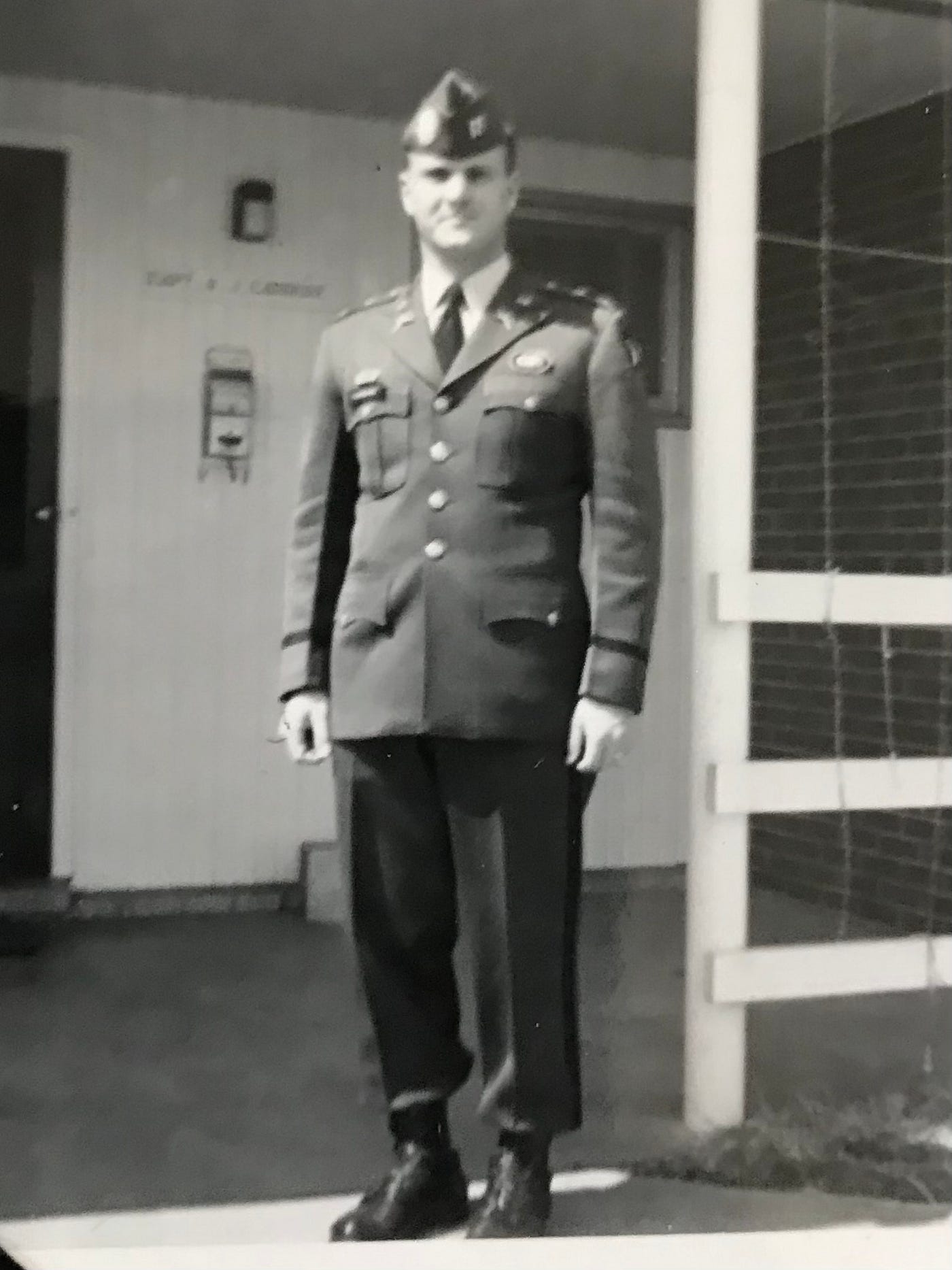
Captain Carbone staning in front of our quarters at Fort Campbell, Kentucky while assigned as the Adjutant to Headquarters company of the 101st Airborne Division.
Dr. Carbone’s Autobiography: A Son in the Shadow of a Green Beret Hero
Captain Carbone staning in front of our quarters at Fort Campbell, Kentucky.

Father Gets Orders for Fort Benning, Georgia

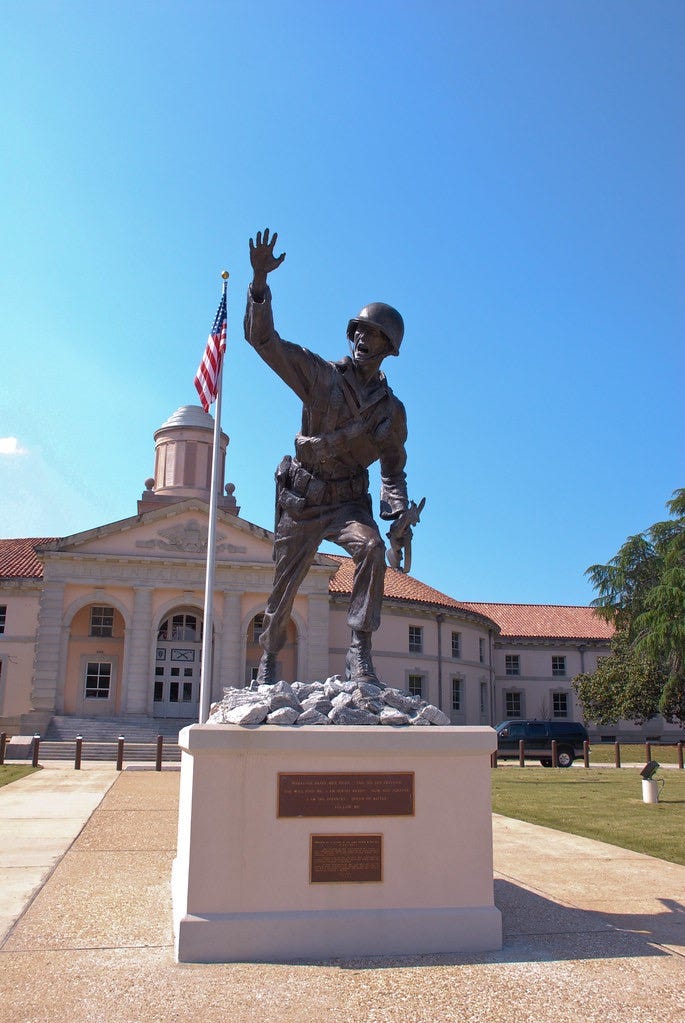
In 1963, was father received orders sending him back to the U.S. Army Infantry School and Center at Fort Benning, Georgia to attend the Infantry Officer Advance Course. This was considered an honor and special assignment for an Armor officer.

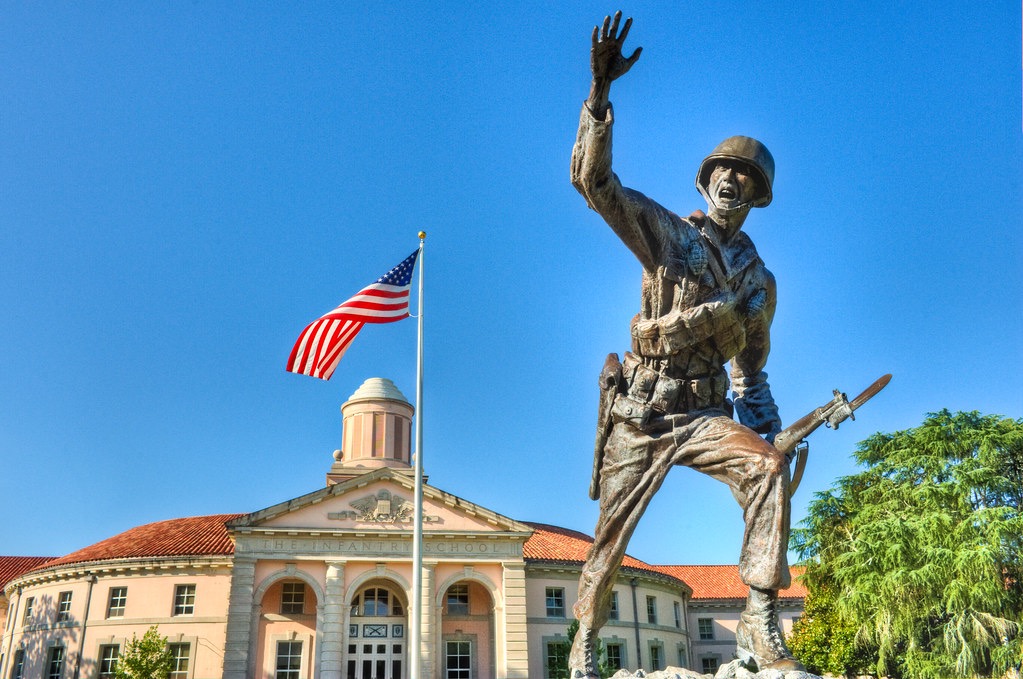
Famous “Follow Me” Statue at the U.S. Army Infantry School & Center at Fort Benning, Georgia.
Dr. Carbone’s Autobiography: A Son in the Shadow of a Green Beret Hero
Famous “Follow Me” Statue at the U.S. Army Infantry School & Center at Fort Benning, Georgia.

President & Mrs. Kennedy Travel to Texas and the World Changed

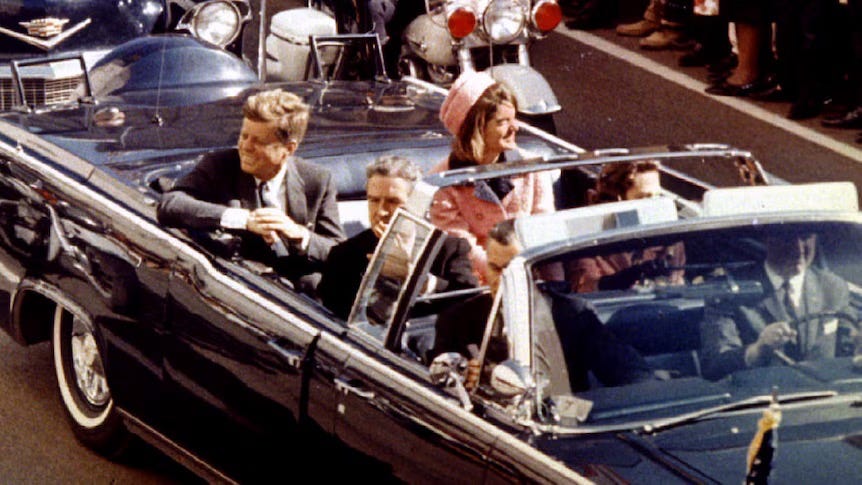
And then came Friday, November 22, 1963. I was not yet four years old, but I remember that day with the kind of clarity that defies age. It was the day President John F. Kennedy was assassinated. The world stopped.

President John F. Kennedy with his wife Jackie Kennedy in Presidential Limousine with Texas Governor Connoly and his wife moments before his assassination on November 22, 1963.
Dr. Carbone’s Autobiography: A Son in the Shadow of a Green Beret Hero
President Kennedy with Jackie in Presidential Limo in Dallas

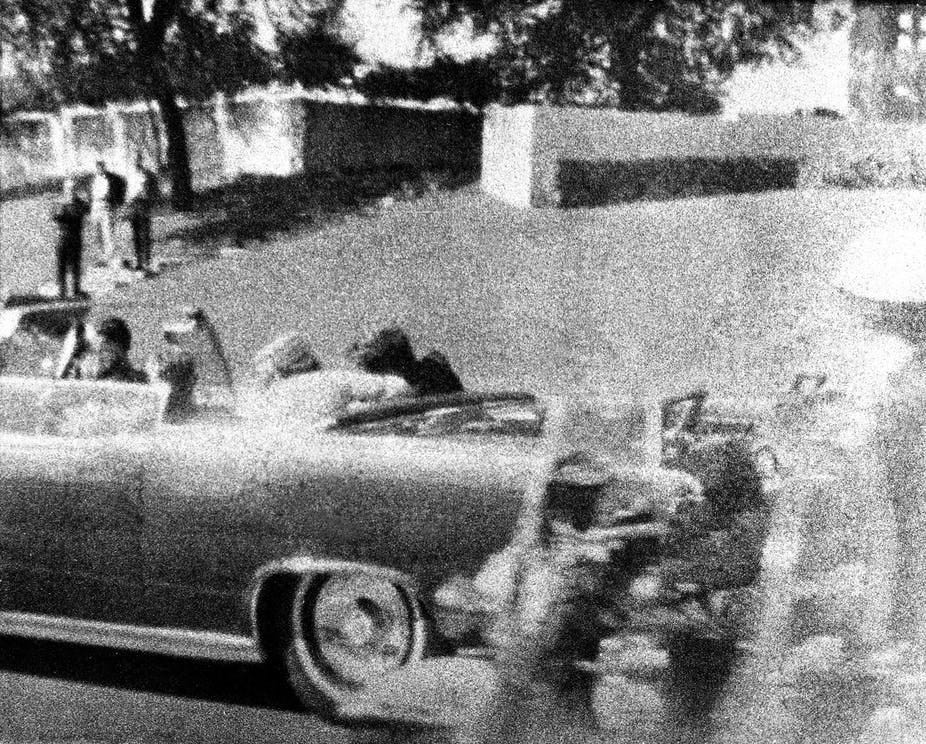
The Moment of the Assassination of the President in Dealy Plaza

John F. Kennedy in the presidential limousine the moment he was assassinated by unknown assassin on the Grassy Knoll in Dealy Plaza, Texas on November 22, 1963.
Dr. Carbone’s Autobiography: A Son in the Shadow of a Green Beret Hero
Moment of JFK’s Assasination from the Grassy Knoll in Dealy Plaza Dallas

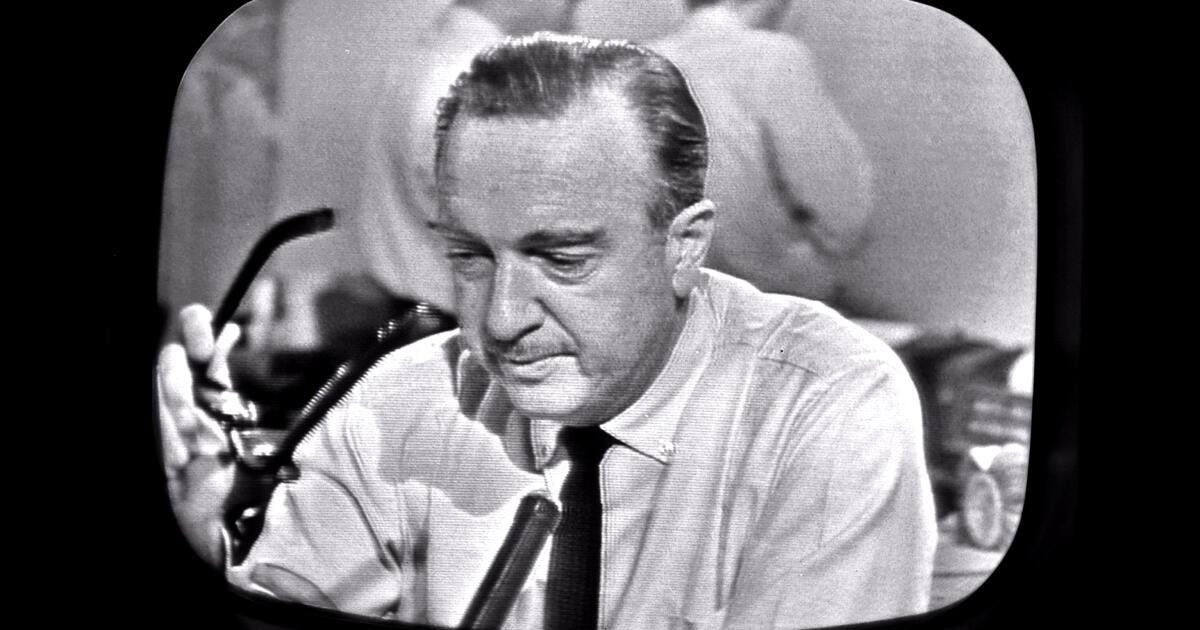
Walter Cronkite Officially Announces the Death of President Kennedy on Live Television

Our home fell into an eerie silence. My parents sat motionless, tears in their eyes, staring at the black-and-white television. I didn’t fully understand what had happened, but I knew it was something terrible. Even as a young boy, I already knew about the Secret Service. I also knew the President was the most powerful man in America. And now, even he could be shot in broad daylight. That single realization shattered something inside me.

Walter Cronkite as he removes his glasses while announcing the death of President John F. Kennedy on CBS News, as seen from a television monitor on November 22, 1963.
Dr. Carbone’s Autobiography: A Son in the Shadow of a Green Beret Hero
Walter Cronkite as he removes his glasses while announcing the death of President John F. Kennedy on CBS News, as seen from a television monitor on Nov. 22, 1963

I suddenly understood the world wasn’t safe and being afraid that my father would now have to go to war. I already knew — instinctively — that war was a bad and dangerous place.

That weekend was unlike any other. We were all home, transfixed by the television as we watched President Johnson get sworn in on Air Force One and saw Kennedy’s casket return to Washington.

Lee Harvey Oswald is Assassinated on Live Television

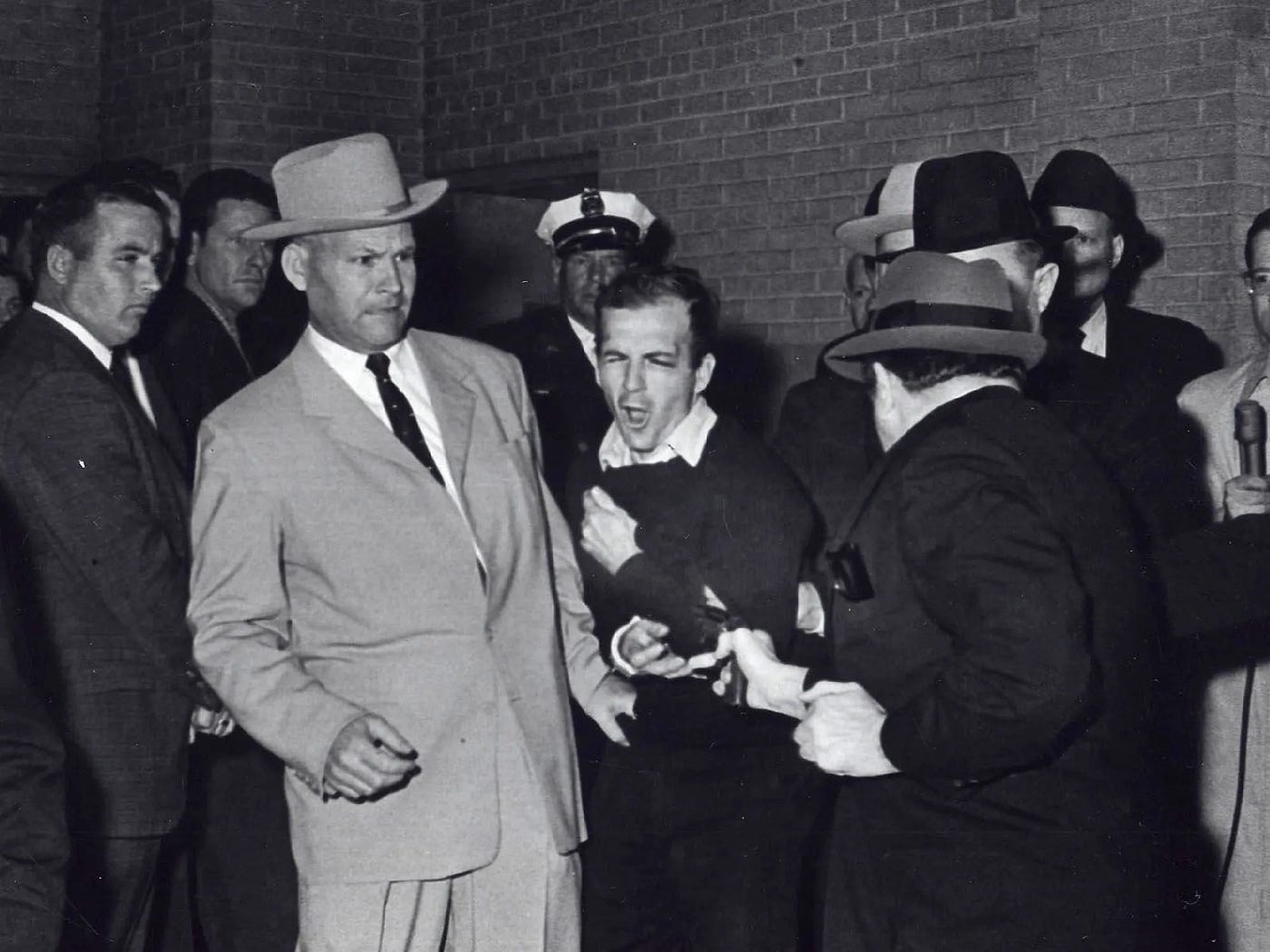
I heard the panicked interviews of Lee Harvey Oswald in Dallas — and then, we watched in disbelief as Oswald was shot and killed by Jack Ruby live on TV just two days later.

Jack Ruby assassinates Lee Harvey Oswald in Dallas Police Station on live television on November 24, 1963.
Dr. Carbone’s Autobiography: A Son in the Shadow of a Green Beret Hero
Jack Ruby Assasinates Lee Harvey Oswald in Dallas Police Station on live television on November 24, 1963,

The Late President’s Funeral Procession

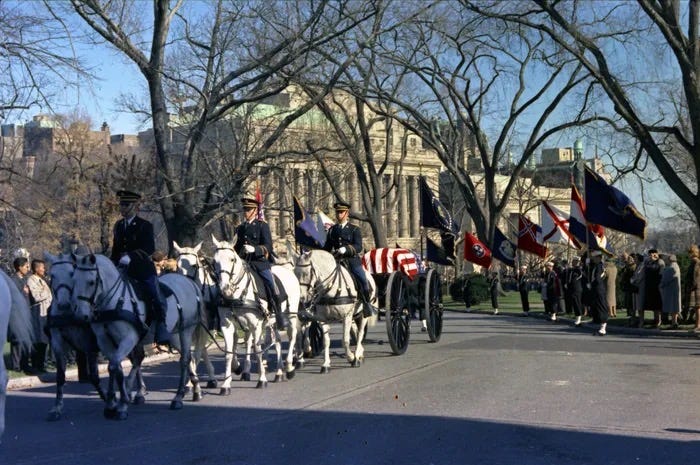
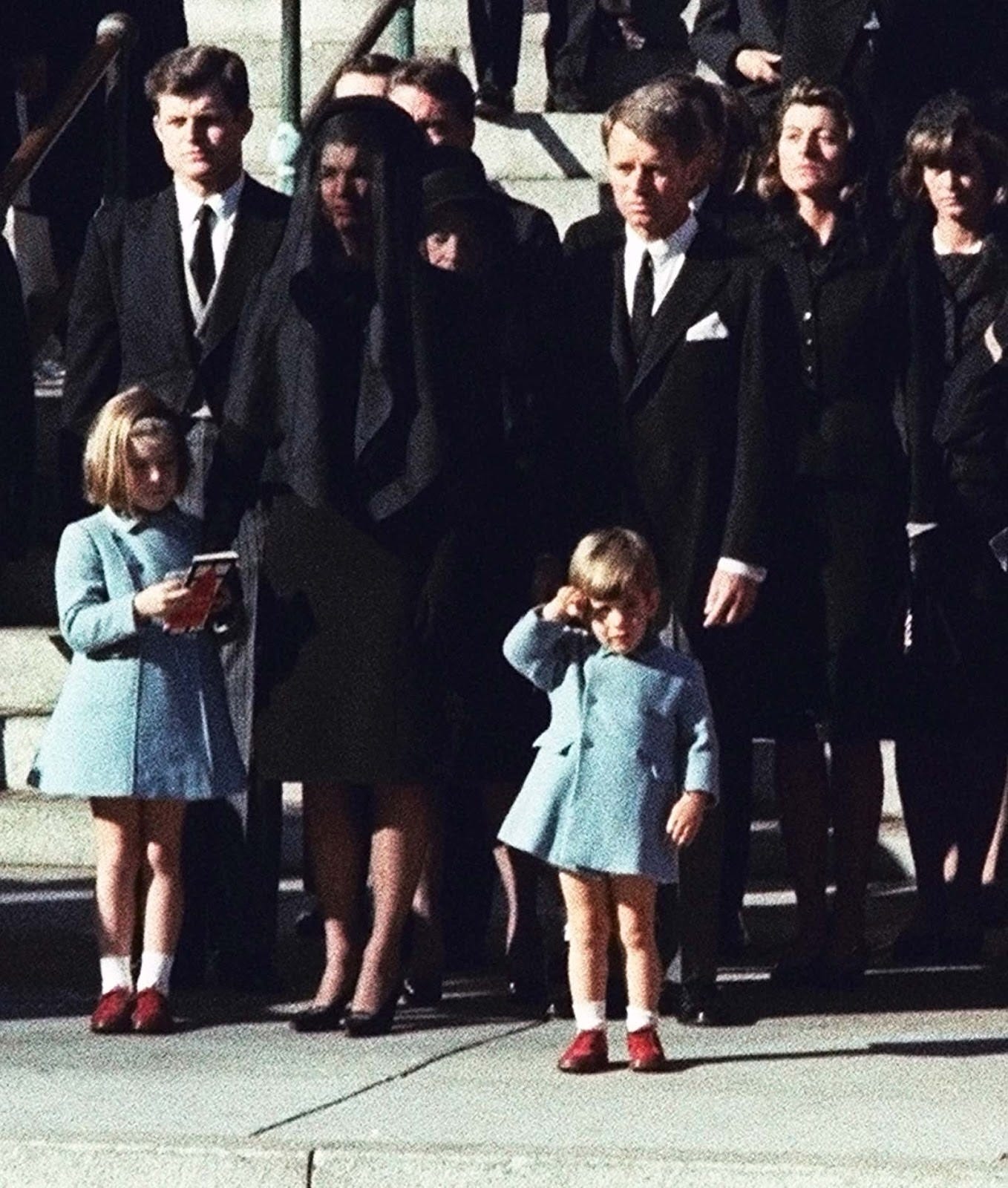
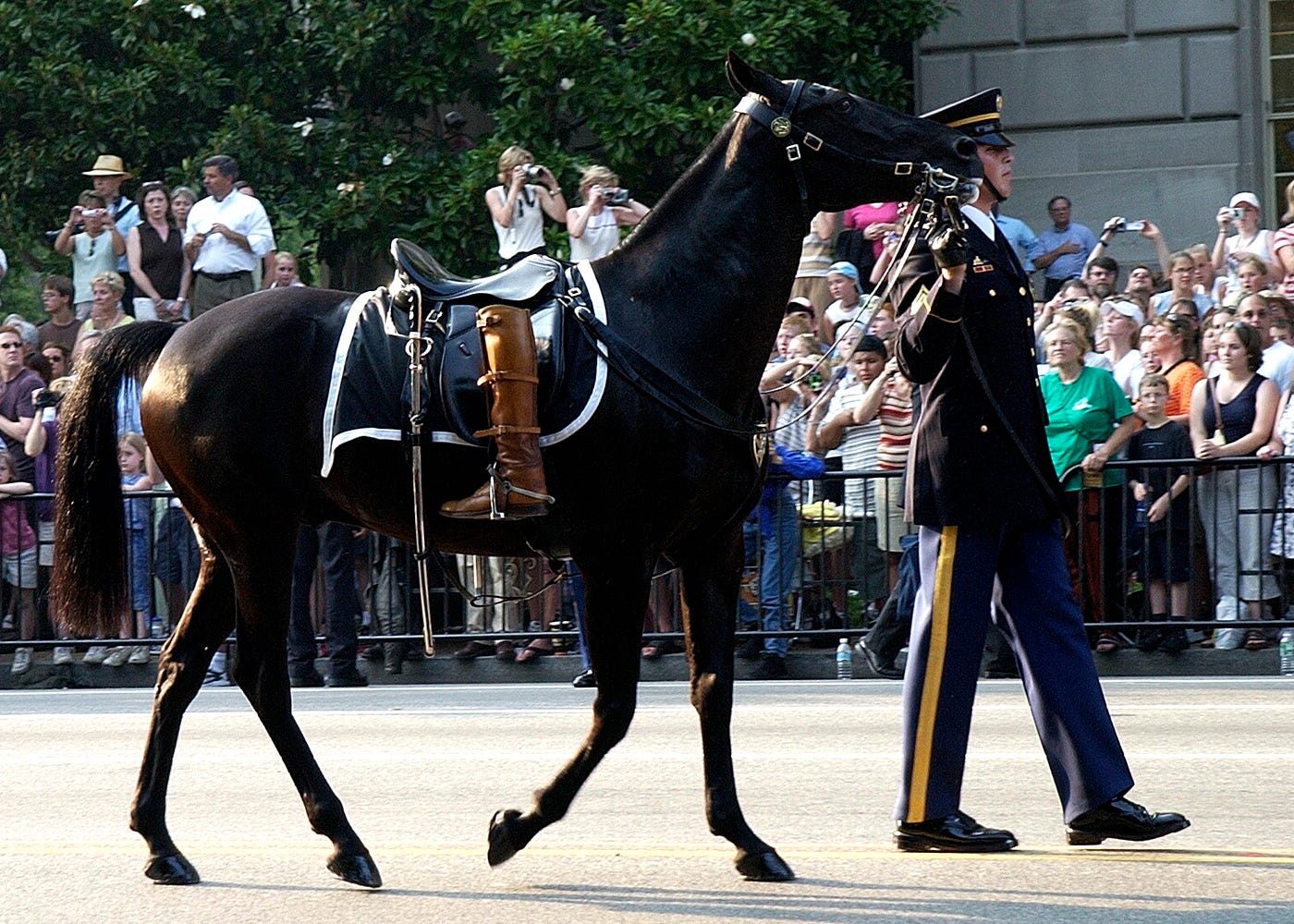
And then came the long, beautiful, sorrow-filled funeral procession. I still see John-John’s heartbreaking salute. The Old Guard soldiers. The late President’s casket on the caisson. Black Jack, the riderless horse. The muffled drums. The silence of millions.

President John F. Kennedy's Funeral Procession with casket on a caisson pulled by members of the 3rd Infantry Divisions "The Old Guard" on November 25, 1963.
Dr. Carbone’s Autobiography: A Son in the Shadow of a Green Beret Hero
President Kennedy’s Funeral Procession led by members of the 3rd Infantry Division’s “The Old Guard” on November 25, 1963.
John Kennedy Jr salutes his father's casket during the late President Kennedy's funeral on November 25, 1963.
Dr. Carbone’s Autobiography: A Son in the Shadow of a Green Beret Hero
John Jr Salutes his father’s casket during funeral
The Riderless Horse "Black Jack" led by a member of The Old Guard of the 3rd Infantry Division, during the funeral procession for the late President John F. Kennedy on November 25, 1963.
Dr. Carbone’s Autobiography: A Son in the Shadow of a Green Beret Hero
Riderless Horse Black Jack during President Kennedy’s Furneral Procession
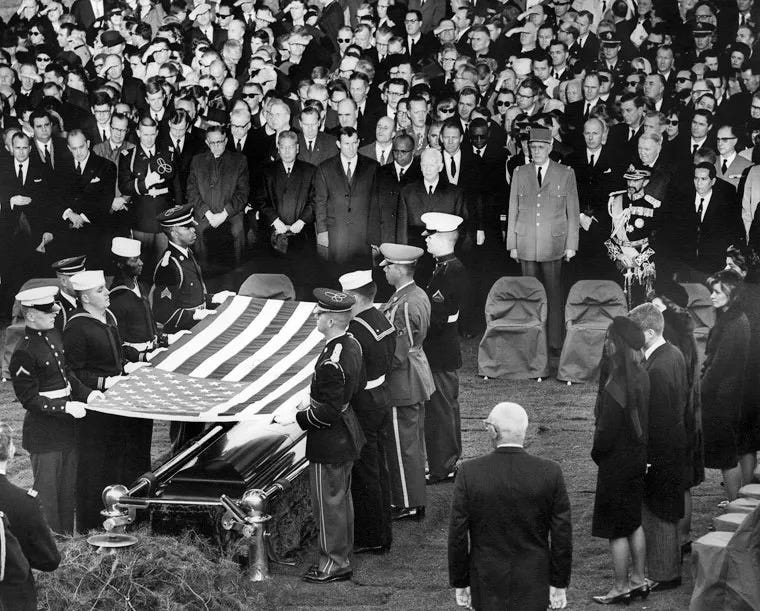
Burial of the Late President John F. Kennedy at Arlington National Cemetery on November 25, 1963.
Dr. Carbone’s Autobiography: A Son in the Shadow of a Green Beret Hero
Burial of the Late President John F Kennedy at Arlington National Cemetery

The Infamous Warren Commission Report

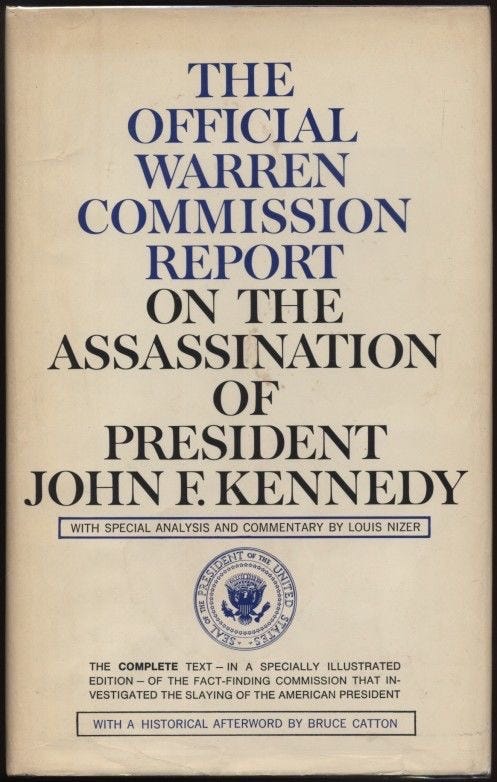
The trauma of that moment stayed with me. It gave me nightmares for years. It also ignited a lifelong obsession with understanding what really happened. The very first nonfiction book I ever read was The President’s Commission on the Assassination of President Kennedy. Even as a child, I could tell it wasn’t right. The Warren Commission’s report was filled with holes — chapters openly admitted that facts and testimony had been disregarded simply because they didn’t fit the predetermined outcome.

The Official Warren Commission Report on the Assassination of President John F. Kennedy first published on September 27, 1964.
Dr. Carbone’s Autobiography: A Son in the Shadow of a Green Beret Hero
The Official Warren Commission Report on the Assassination of President John F Kennedy

I didn’t buy it. I was one of the earliest skeptics I knew. Sixty years later, I’m still studying that moment in history. That day in November didn’t just end the Kennedy era. For me, it ended childhood.

Father Receives Orders for Germany

Shortly afterward, my father received new military orders. In early 1964, we packed up once again and prepared to travel to Germany for our first of three tours to Europe.

But I left a part of my innocence behind in America — along with the memory of a young president whose life, and death, which taught me that truth is not always what it appears or what we’re told.

Home Page