Believe Nothing You Hear, and Only Half of What You See — A memoir of Service, Shame and the Search for Truth
A New Life Begins
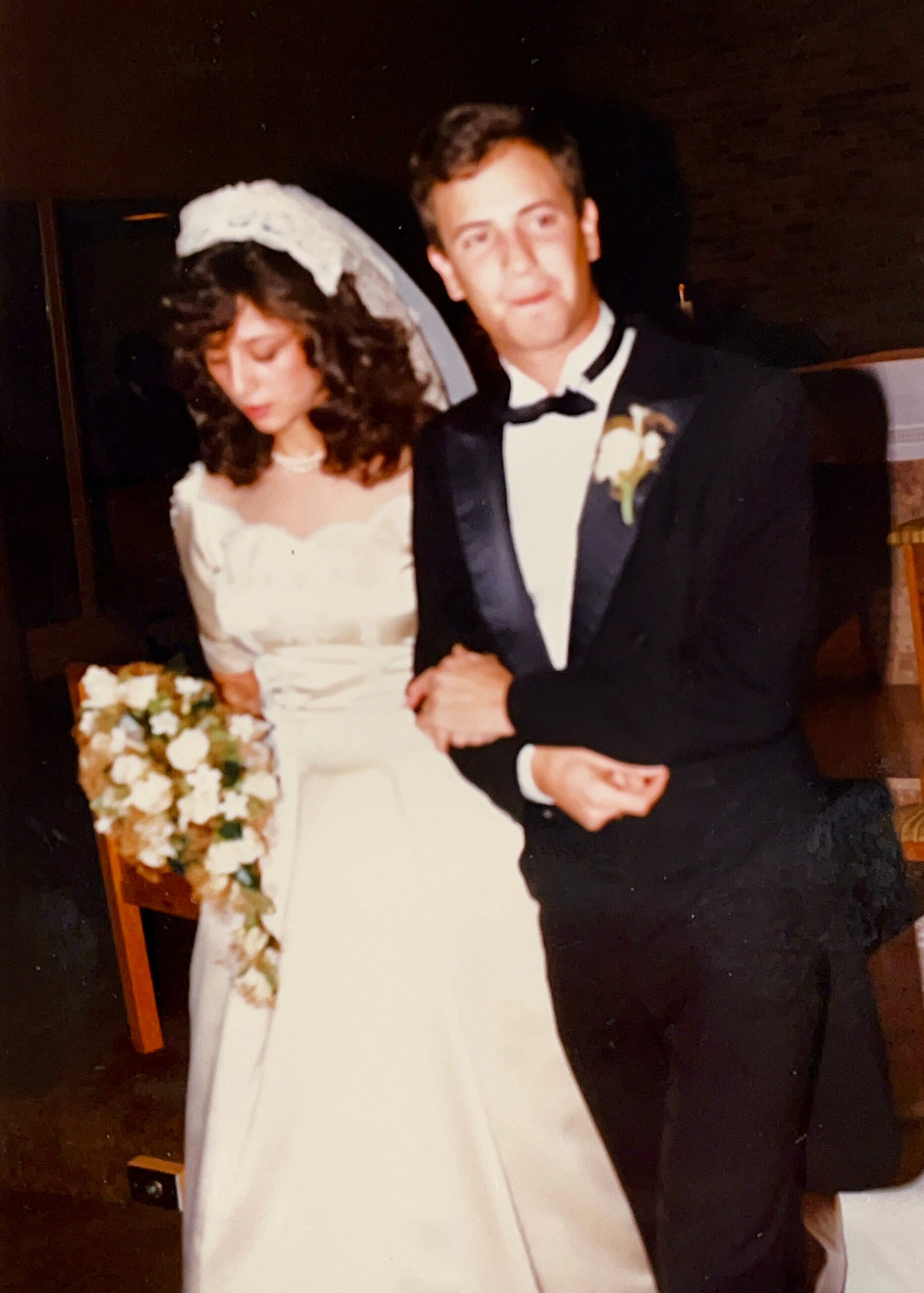
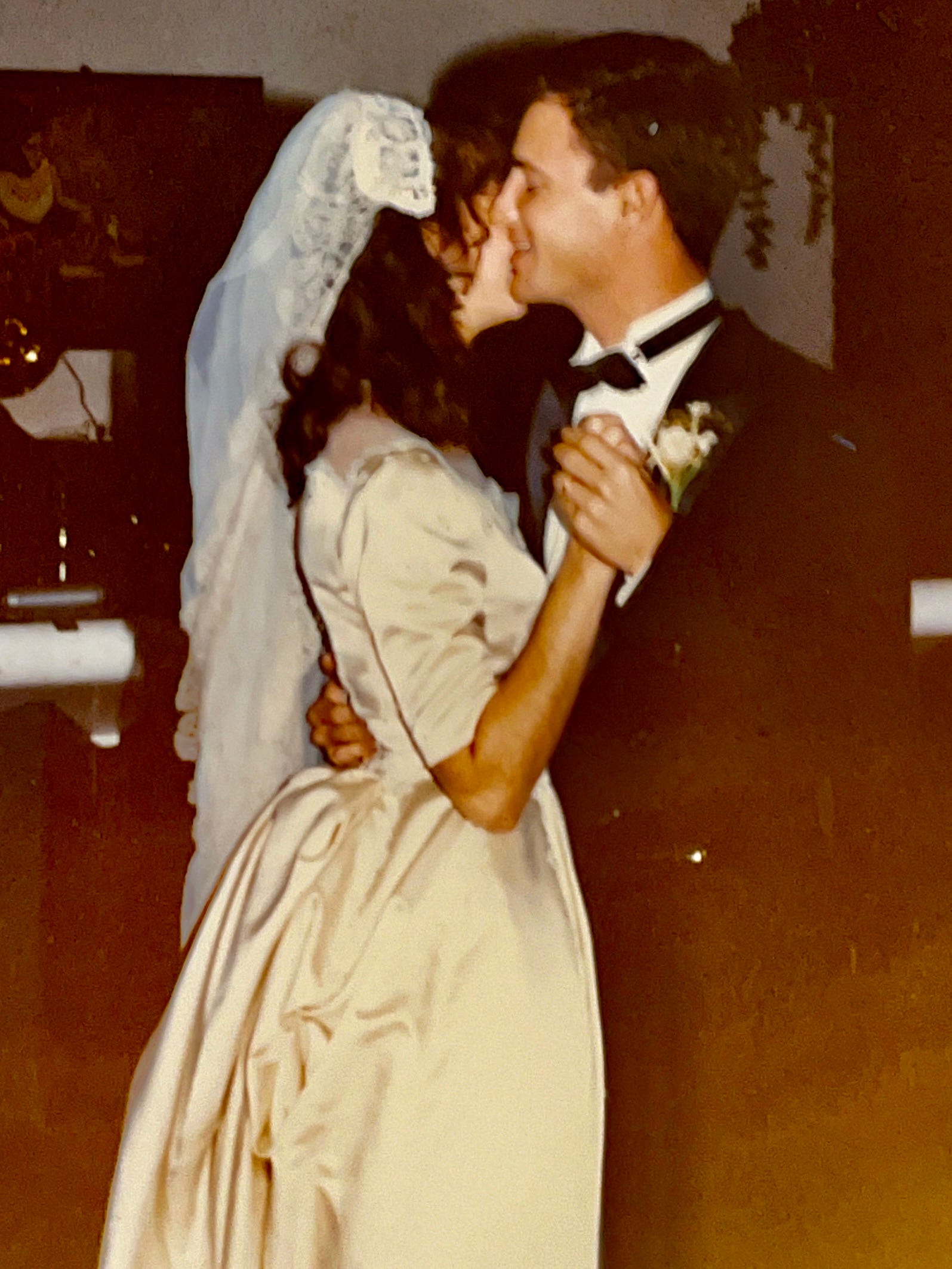
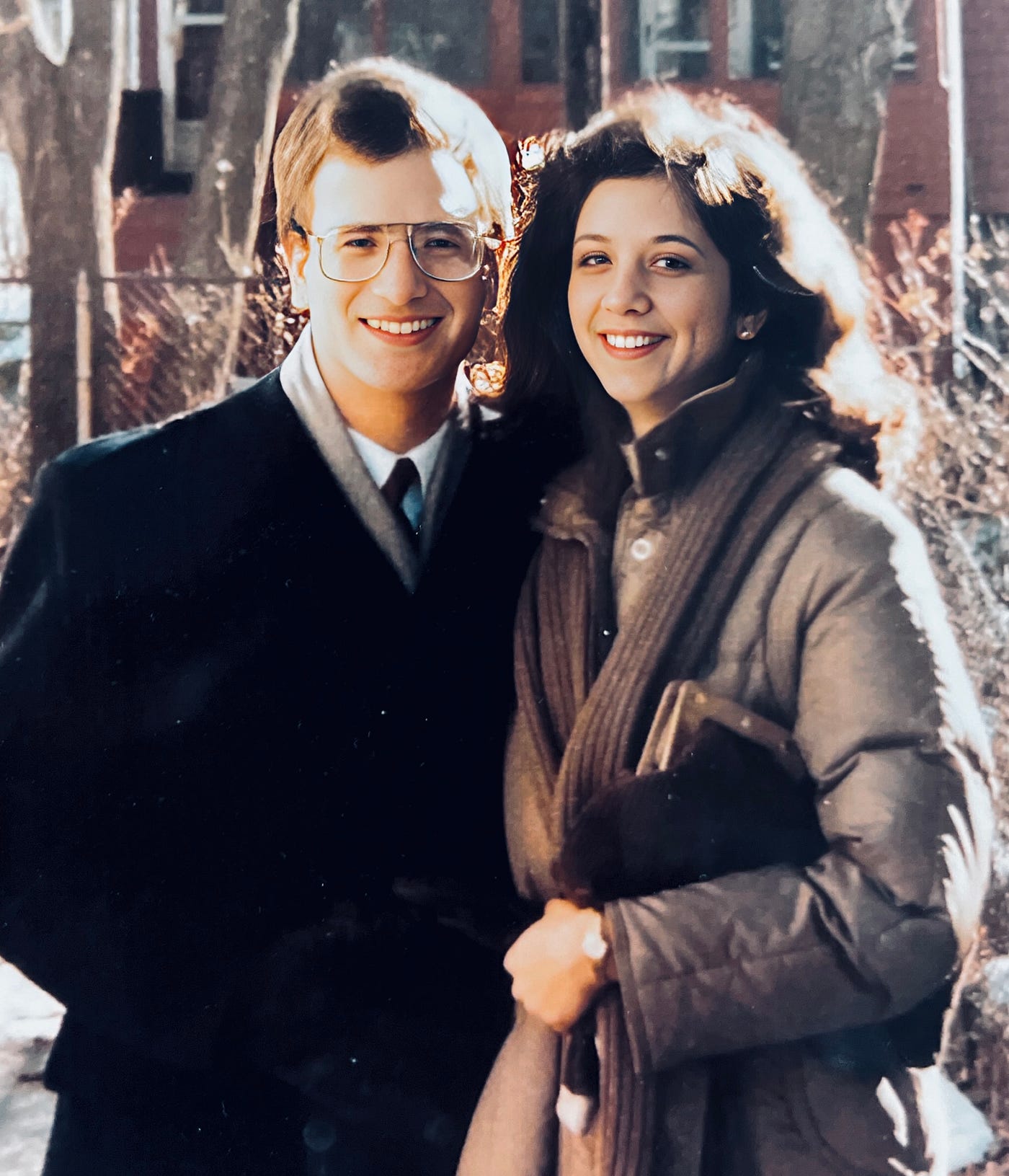
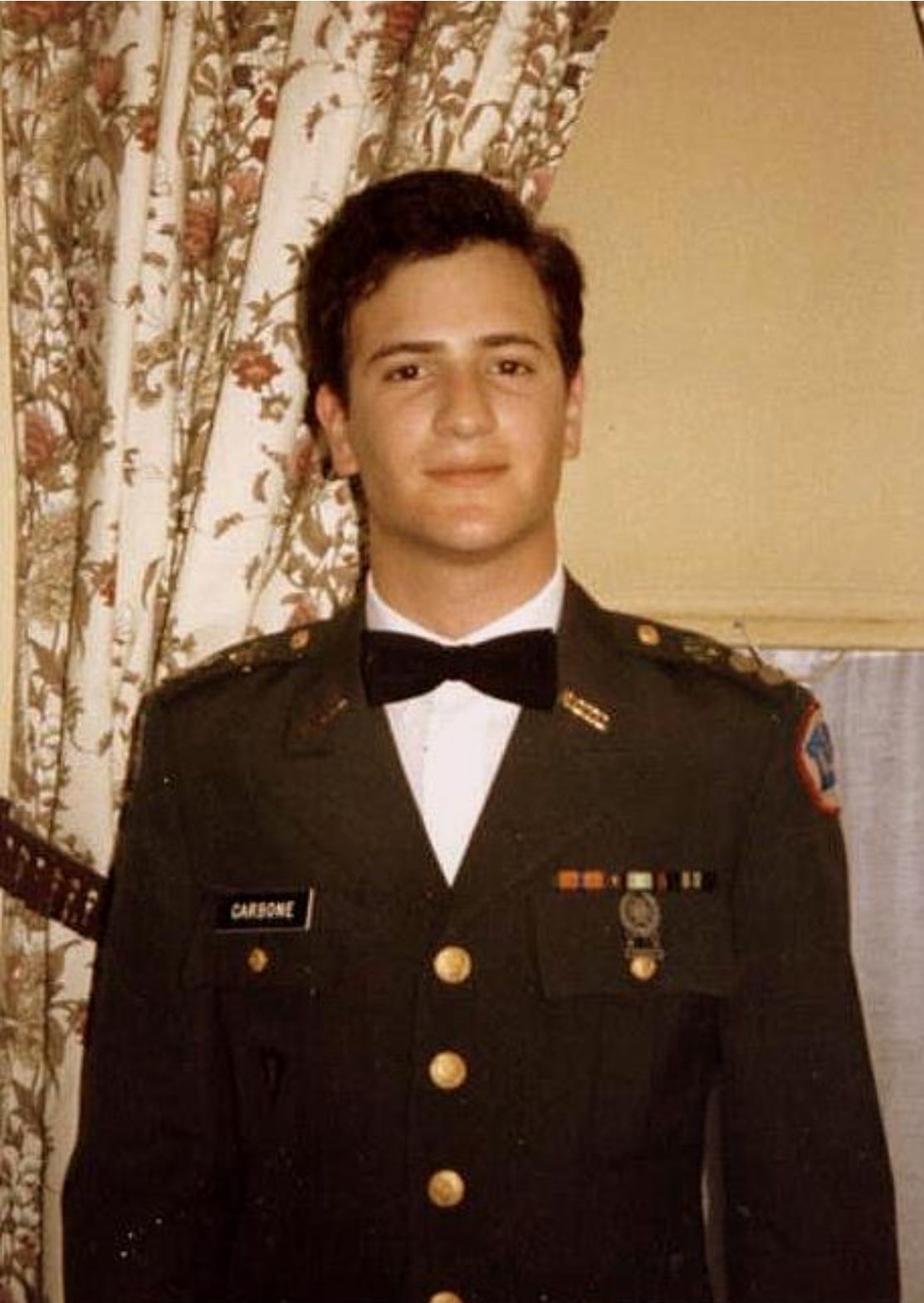
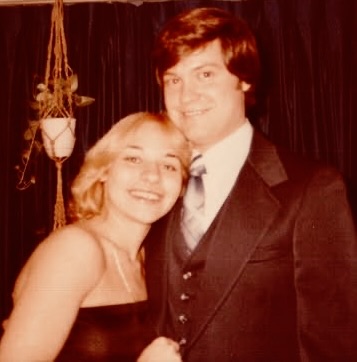
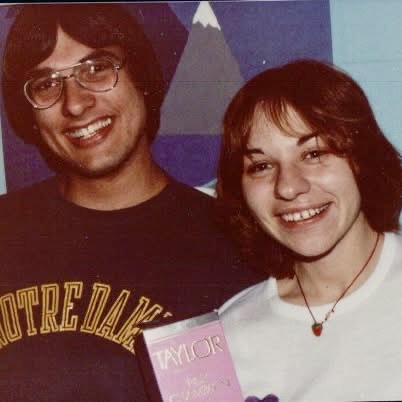
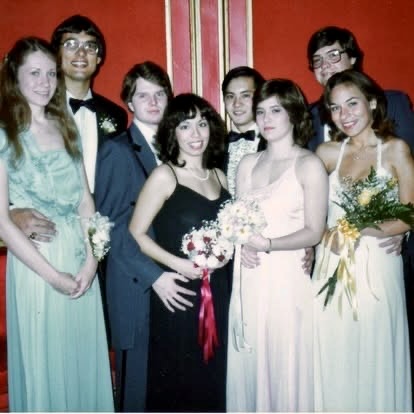
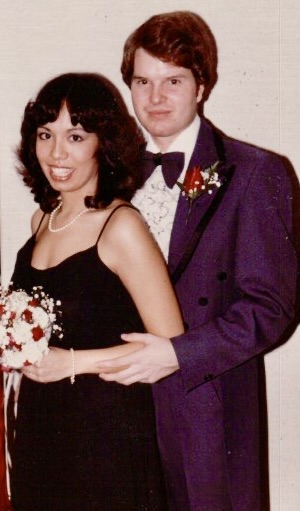
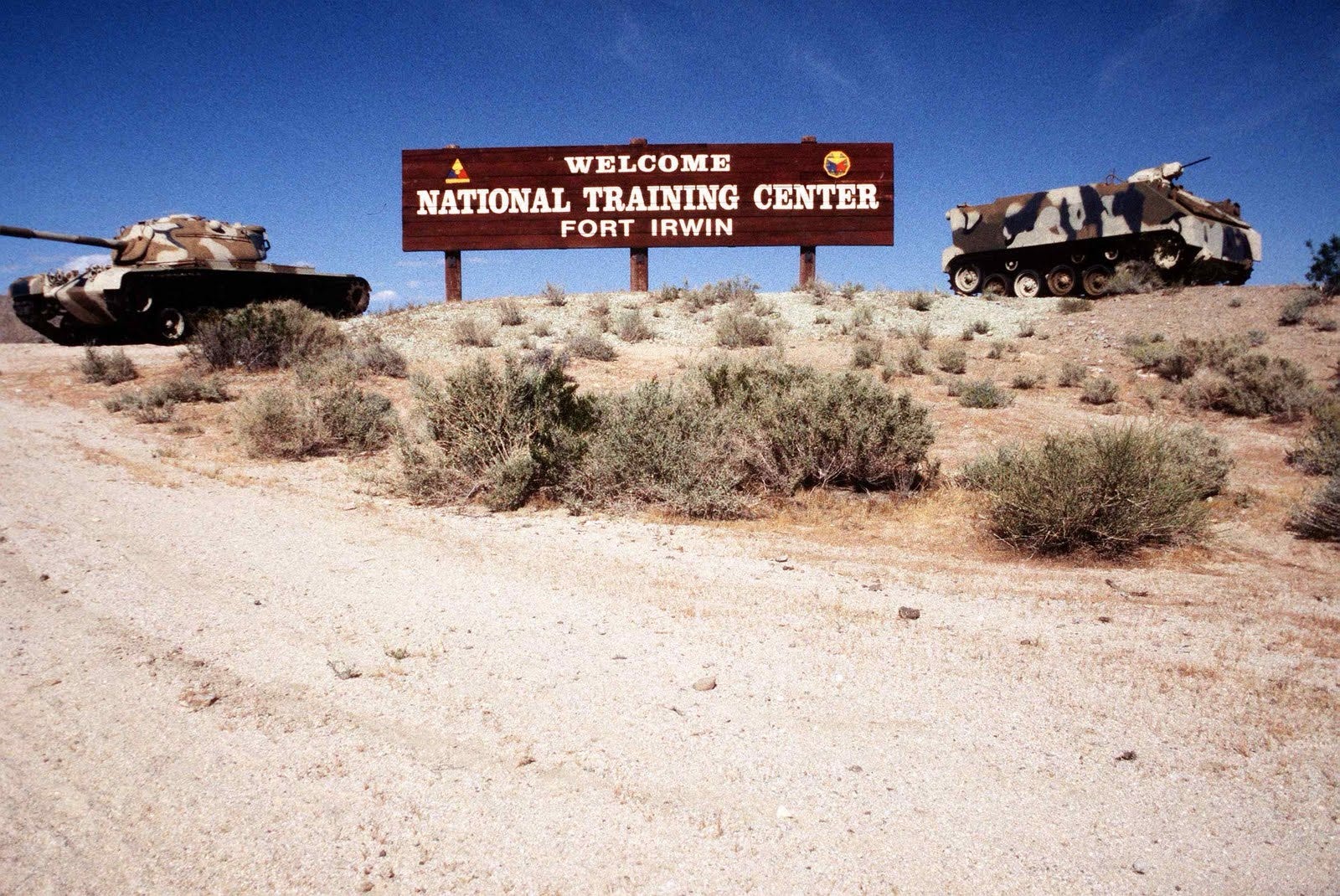
Mariann and I were married October 30, 1982. For the first time in my life, I felt the weight and joy of building a life with someone else. The Army, of course, had no intention of slowing down to let me savor it. As soon as the wedding was behind us, I was already thinking about orders, logistics, and the next assignment. I had been stationed at the National Training Center at Fort Irwin, California, since November 1981. Now it was time to bring my new bride west and set up our first home together.
Visit to Naval Station Great Lakes to Ship Our Household Goods
I had to arrange for the shipment of our household goods from Mariann’s hometown of Wheaton, Illinois. Armed with a folder of official orders, I drove to the Naval Station Great Lakes. I found the Personal Property Department. It was barely 0700, but a long line of service members — at least a hundred — had already formed. I dutifully took my place at the end of it.
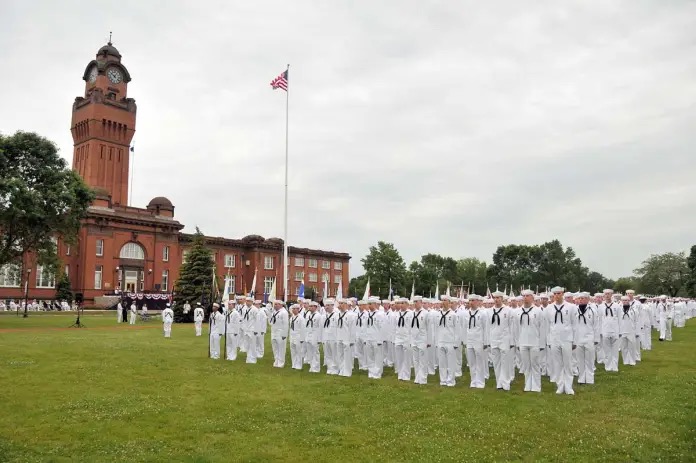
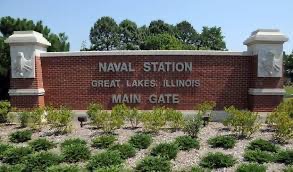
A Navy Petty Officer soon noticed me and walked over with a puzzled expression. “Sir, what are you doing?” he asked. “I’m in line to get my household goods shipped,” I replied. He tilted his head, squinting as if he hadn’t heard me correctly. “But, Sir… what are you doing here?” Again, I repeated myself, and this time he shook his head. “Sir, please follow me. Officers do not wait in line.”
Learning the Navy Way
He led me to his desk and motioned for me to sit down. After reviewing my orders, he began a rapid-fire series of questions: How much did I plan to ship? How many dependents? How many bedrooms? Any vehicles or heavy equipment? I answered them as best I could.
Then he asked when I wanted my household goods picked up. “How much warning time do you need?” I asked. His tone sharpened. “That is not what I asked you, Sir. I asked you when you want your household goods picked up.” I hesitated. “Is tomorrow morning possible?” He nodded. “No problem. The packers will be there at 0700. You’ll also see someone from this office to check on the move. Good luck, Sir.”
And sure enough, the next morning, a team of professional movers arrived at Mariann’s home right on time. As I watched them pack and load our things, I couldn’t help but think that maybe I had joined the wrong branch of service. The U.S. Navy certainly treated its officers differently from the Army.
A Hasty Journey West
Unlike the carefree solo trip I had taken along Route 66 just a year earlier, the drive west with Mariann was hurried and utilitarian. There was no time for sightseeing or detours this time. Duty was calling, and I was eager to get back to work. We drove nearly straight through to California. Mile after mile, trading the familiar Midwest landscapes for the vast, empty expanses of the Mojave Desert.
New Government Quarters at Fort Irwin
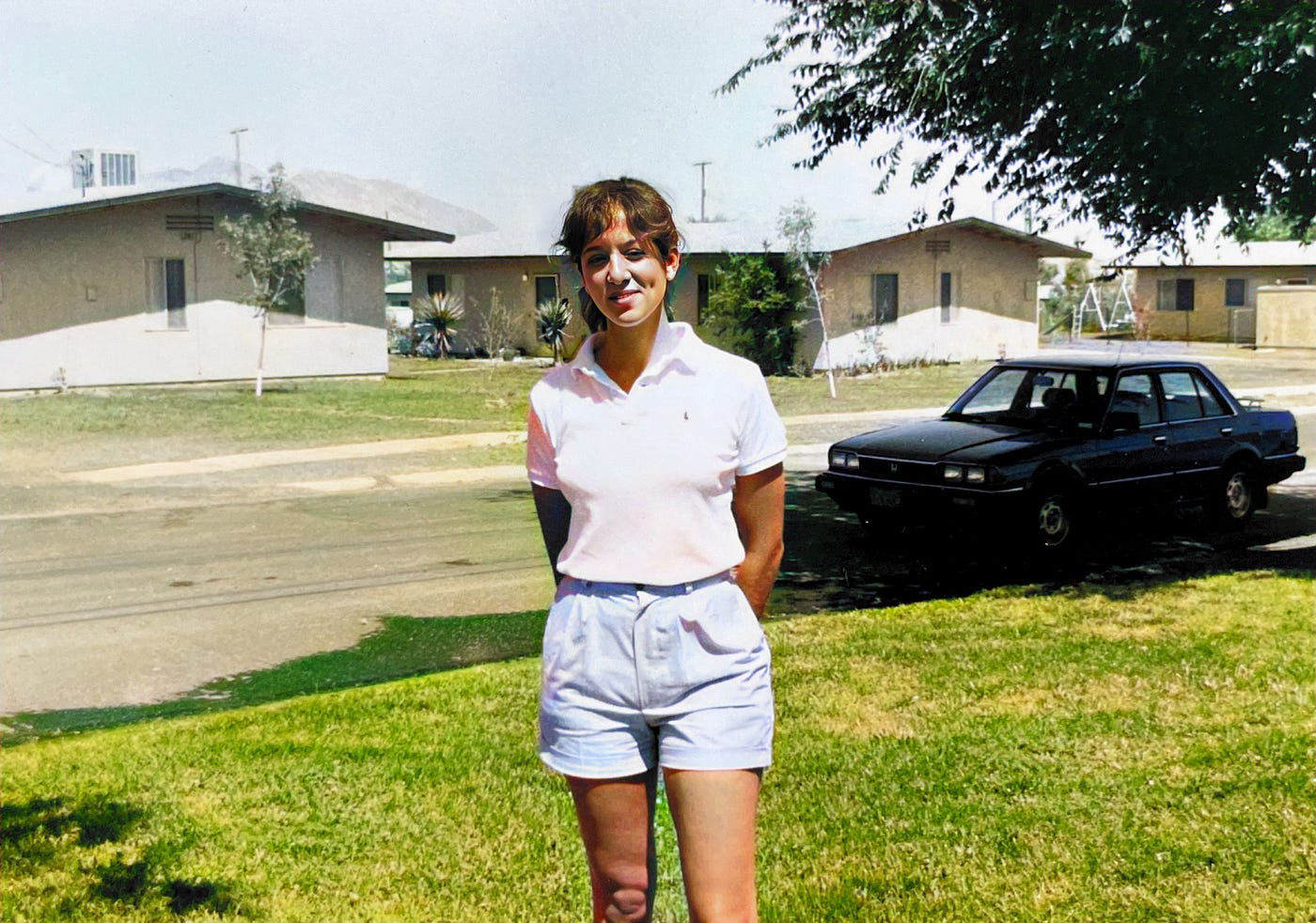
When we finally arrived at Fort Irwin, I checked us into the Visiting Officers’ Quarters. We stayed until I could sign for on-post housing and our household goods arrived. Soon, we were given a small yellow stucco house in the company-grade officers’ neighborhood. It wasn’t large, but it was ours. A palm tree stood proudly in front of the house, and low desert shrubs circled the yard. Over time, I even managed to coax a small patch of green lawn from the dry ground. It was a small victory that earned us the “Quarters of the Month” award.
Mariann Fixes Up Our Home
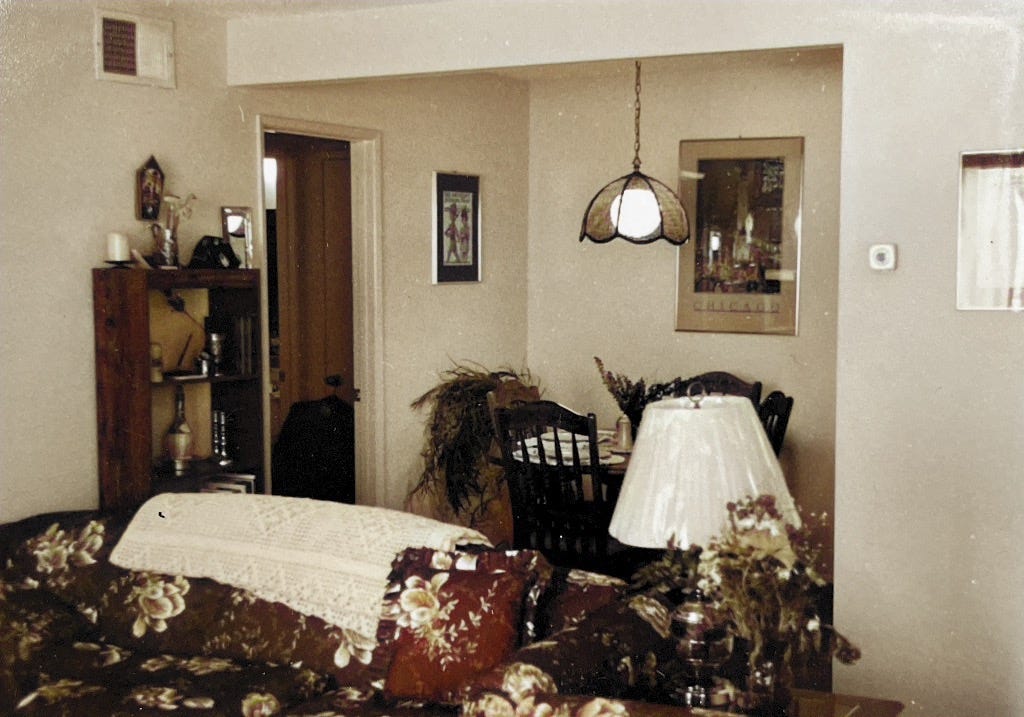
Mariann threw herself into making the house a home. She transformed that little stucco building into a cozy, welcoming space — curtains on the windows, our wedding gifts neatly arranged, the smells of her cooking drifting through the rooms. It felt like the beginning of something hopeful and new.
But that hope was quickly overshadowed by the reality of my job. Almost as soon as we had unpacked, I received new orders: I was being reassigned to the Opposing Forces — the OPFOR — to join the Soviet 32nd Guards Motorized Rifle Regiment. I was excited by the professional opportunity. This was a chance to prove myself in a real combat unit and to learn the art of large-scale battle from the inside out. But it also marked the start of a grueling new phase of life.
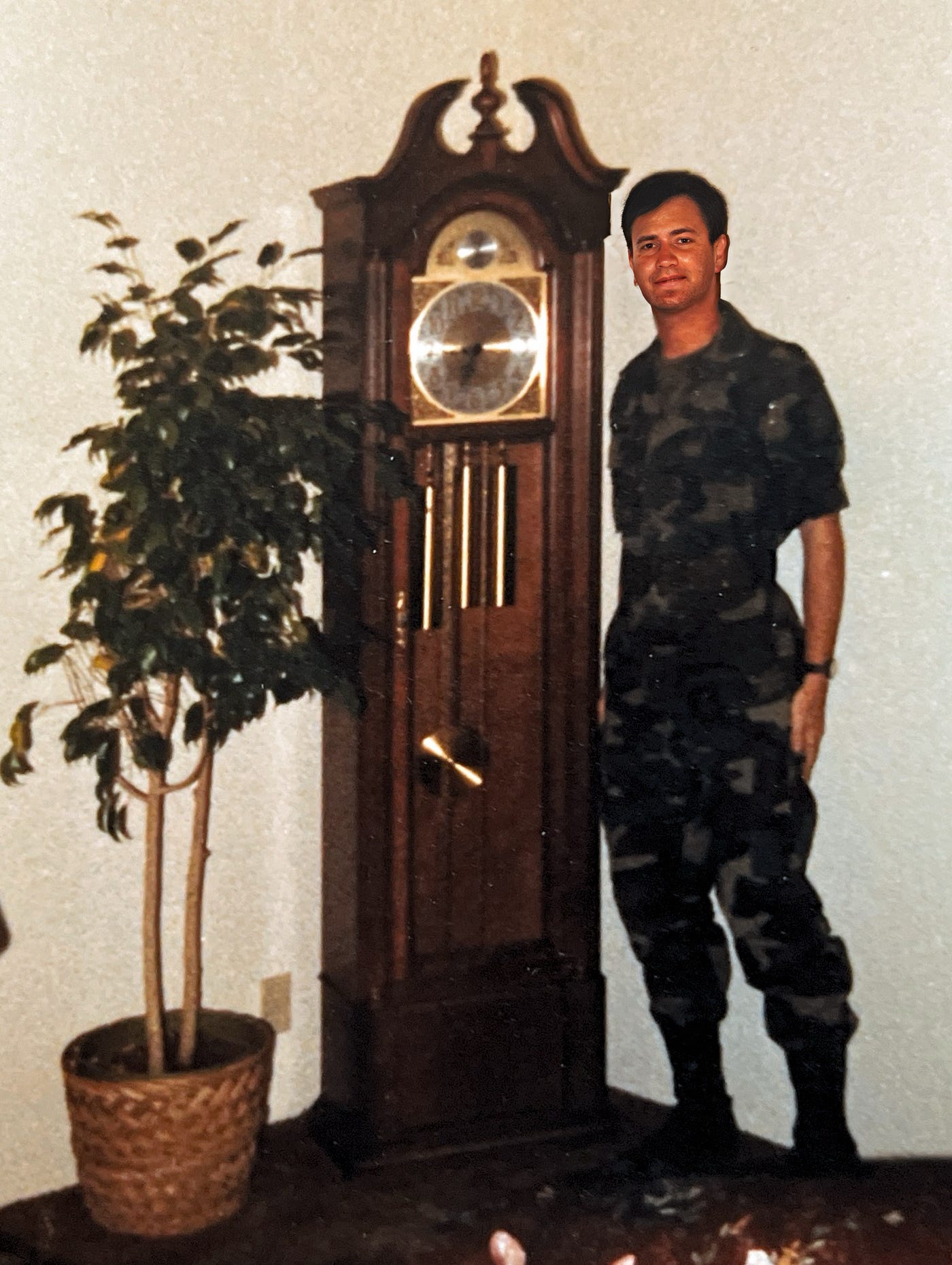
The irony was not lost on me: while Mariann was pouring her heart into creating our first home together, I was already being pulled away from it. In truth, I can barely remember being there after that. The OPFOR’s mission consumed nearly every waking hour. The National Training Center was the most realistic, intense combat training environment in the Army, and once I stepped into that world, the rhythms of normal life seemed to vanish.
New Wife, New Boss, New Rank
In the midst of all these changes, leadership at the National Training Center was shifting too. My boss, LTC Billy Jo Piper, received new orders and departed, and LTC Gary Roderick assumed command of DPTSEC (Directorate of Plans, Training, Security, and Evaluation Center). Under his leadership, the tempo of operations only increased.
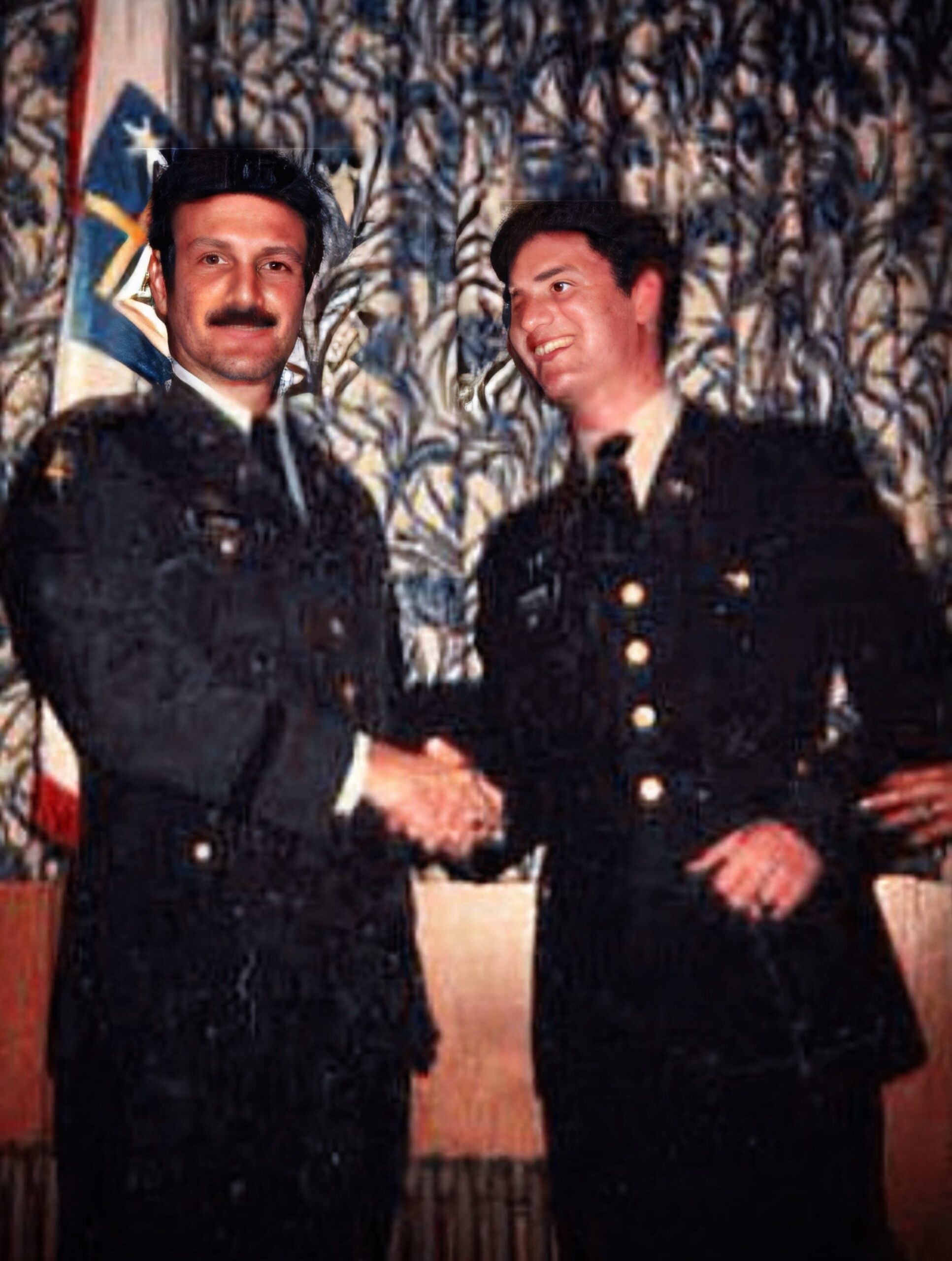
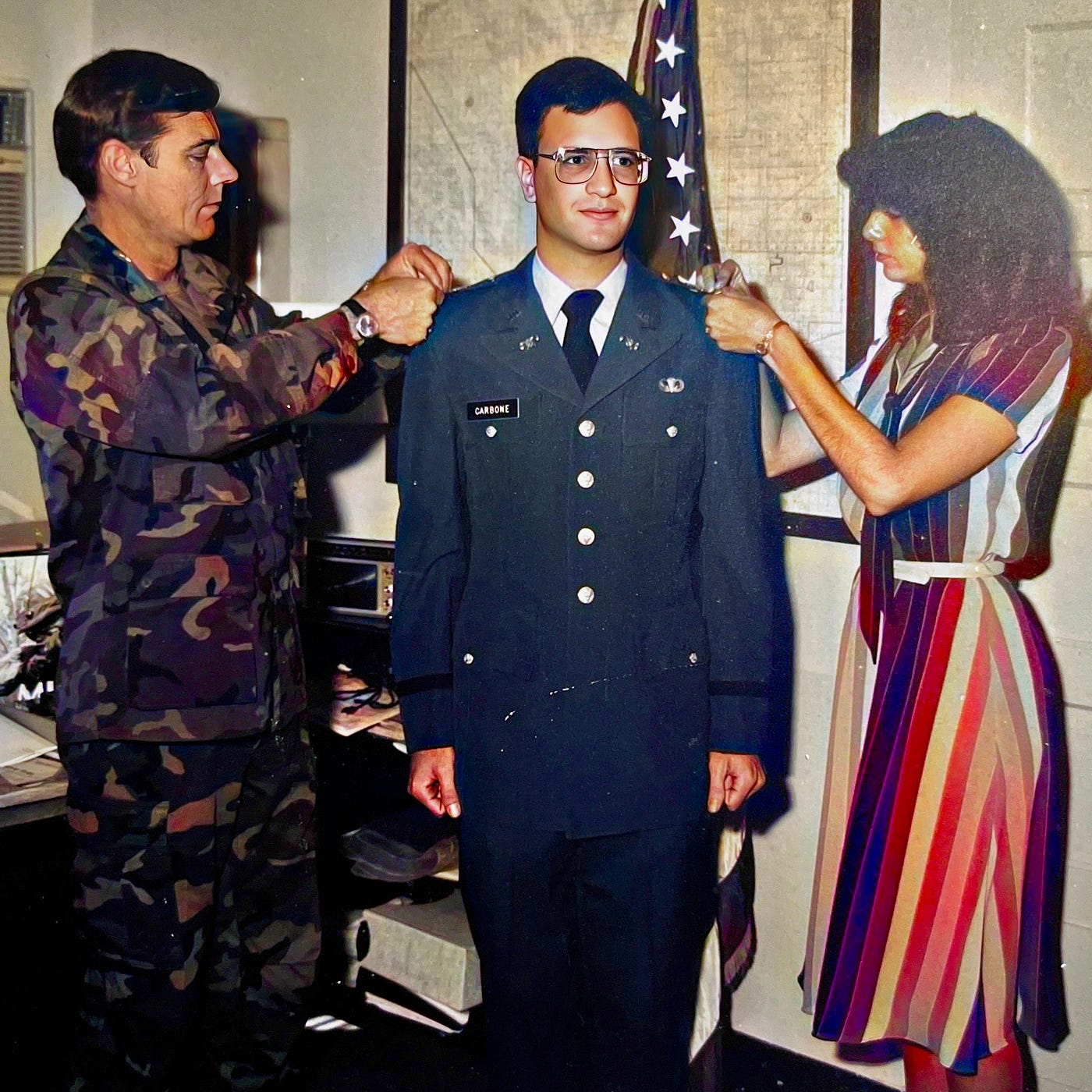
On 24 November 1982, LTC Roderick promoted me to First Lieutenant, a milestone that Mariann proudly witnessed. She pinned the silver bars onto my shoulders herself — a simple gesture that meant a great deal to both of us.
Assigned to the Polar Bears
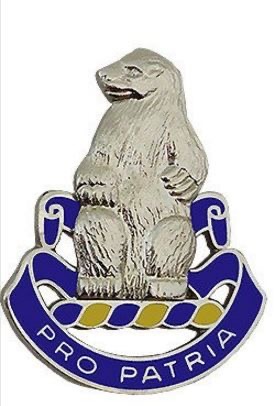
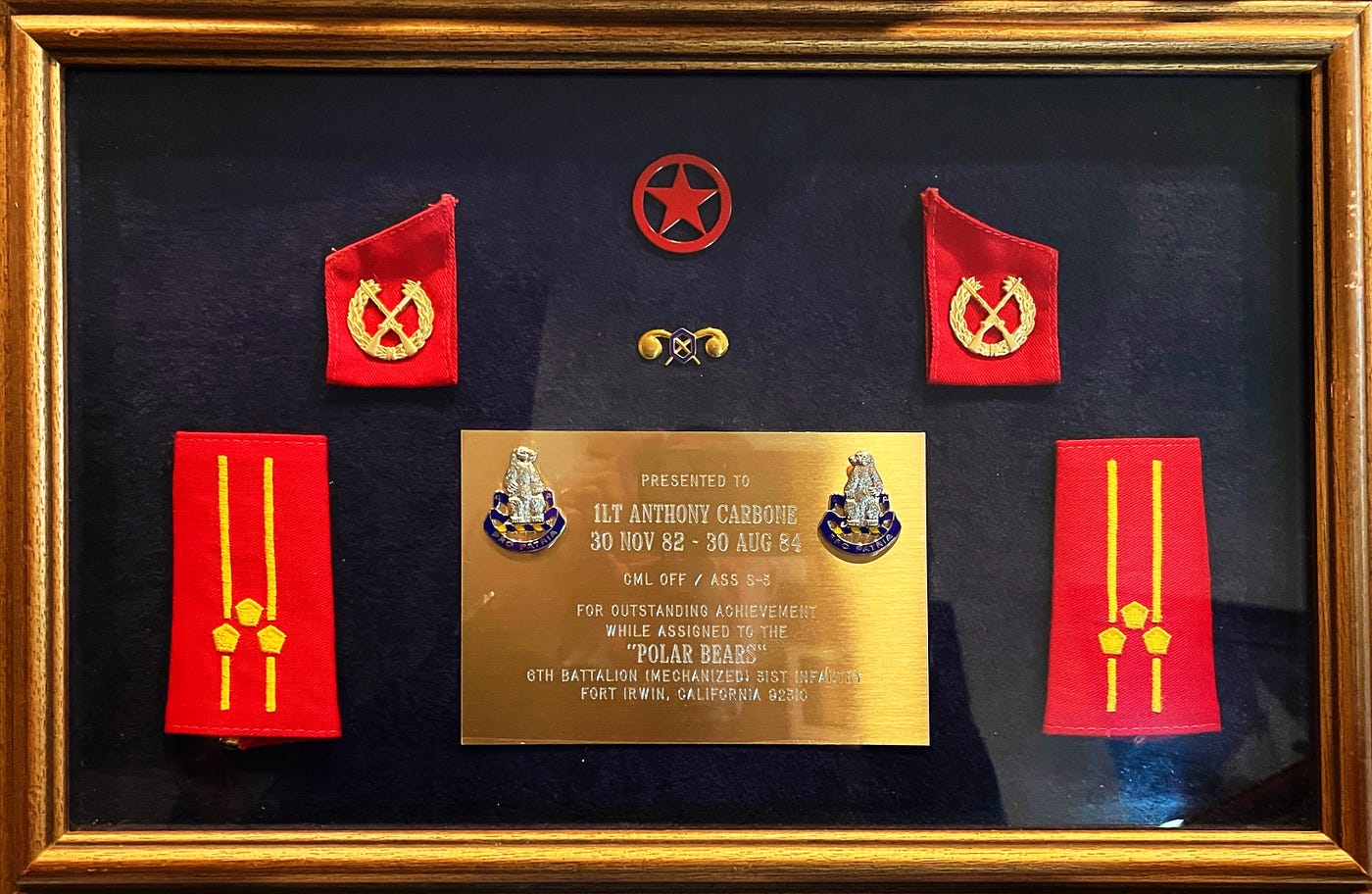
Just a week later, on 30 November 1982, I received orders assigning me to the 6th Battalion, 31st Infantry Regiment (Mechanized) — the storied “Polar Bears.”
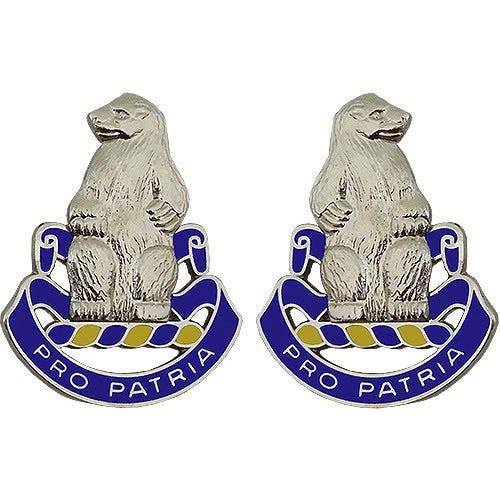
The 6th Battalion, 31st Infantry had a long and distinguished lineage, stretching back to the early 20th century. Nicknamed the “Polar Bears” for their service in the bitter cold of the Russian Civil War, they had fought in the Philippines, Korea, and Vietnam. Our history included the surrender to the Japanese forces at Bataan, Philippines, on April 9, 1942, with members of the regiment forced to march and die in the infamous Bataan Death March. Now, at Fort Irwin, they carried on that legacy in a new and unconventional way: by becoming the Soviet enemy.
I was stepping into my role as Battalion Chemical Officer and Assistant S3 (Operations Officer) just as the OPFOR mission was hitting its stride. What lay ahead was unlike anything I had ever experienced in the Army — a world where the Cold War was fought every day in the blazing Mojave sun, where we wore the enemy’s insignia, studied their doctrine, and became the adversary our own Army would have to defeat.
Chemical Officer for the 6th Battalion 31st Infantry
When I received my assignment orders to the Headquarters & Headquarters Company (HHC) of the 6th Battalion, 31st Infantry (Mechanized), I knew my life was about to change. This wasn’t headquarters-level planning work anymore. This was the heart of a real combat unit — the OPFOR battalion that served as the spearhead of the Soviet 32nd Guards Motorized Rifle Regiment. My official title was Battalion Chemical Officer and Assistant S3 (Plans, Operations, and Training), but in reality, my job was to immerse myself completely in the mindset, doctrine, and tactics of the Red Army.
6th Battalion 31st Infantry Chain of Command
don’t even recall much interaction with the Headquarters Company commander — our paths rarely crossed. My daily life revolved around the battalion leadership and the small, tightly knit team that made up the S3 shop. At the top was LTC Joseph Stull, our battalion commander and my senior rater. He was a big, burly African-American infantry officer — the kind of man whose physical presence filled a room before he even spoke. A combat veteran with the intellect and bearing of a scholar (I swear he had his Ph.D.), LTC Stull commanded with authority, calm confidence, and an unwavering focus on combat readiness. Every conversation with him left me sharper, more focused, and more determined to measure up.
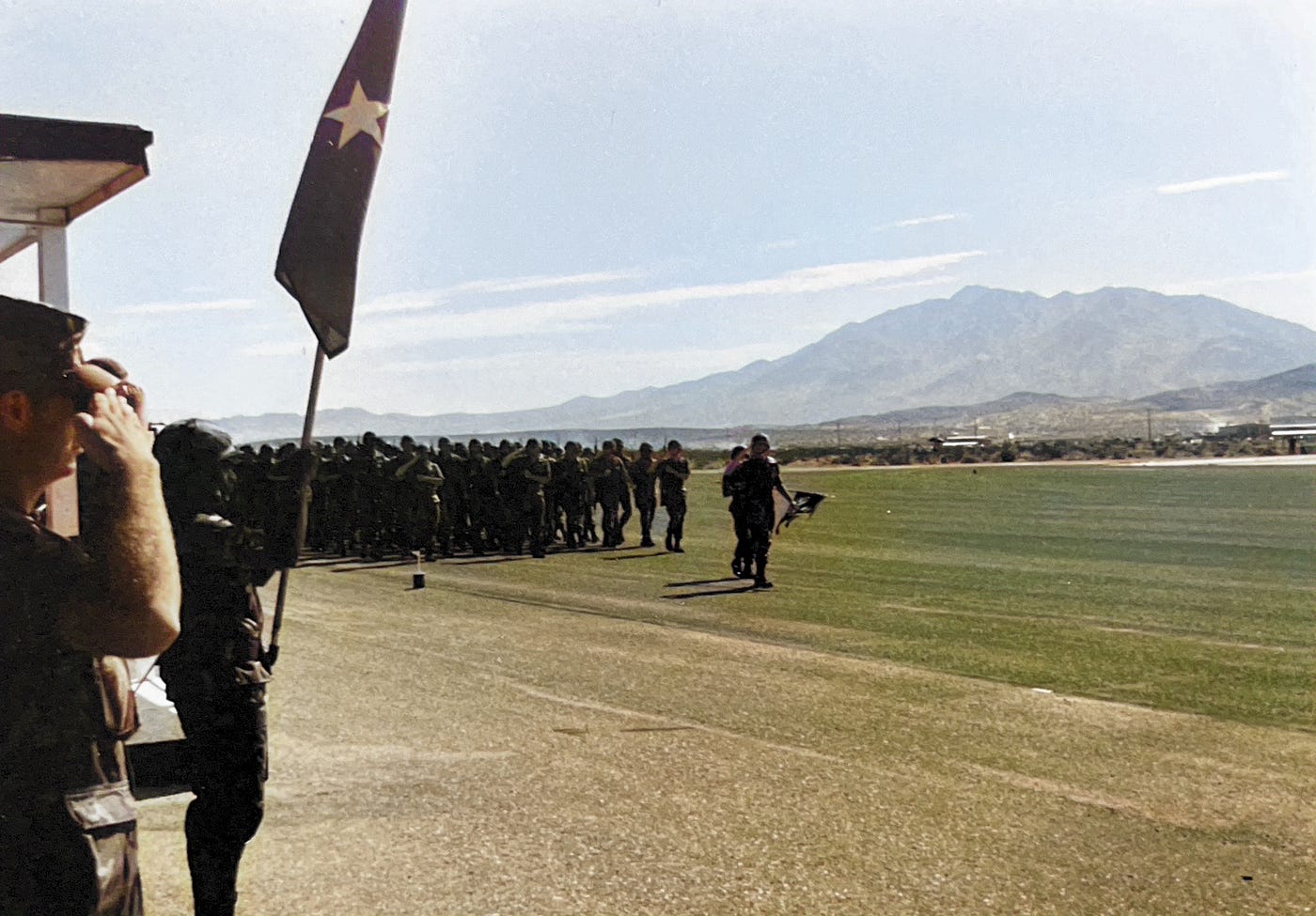
S3 Major David Ozolek
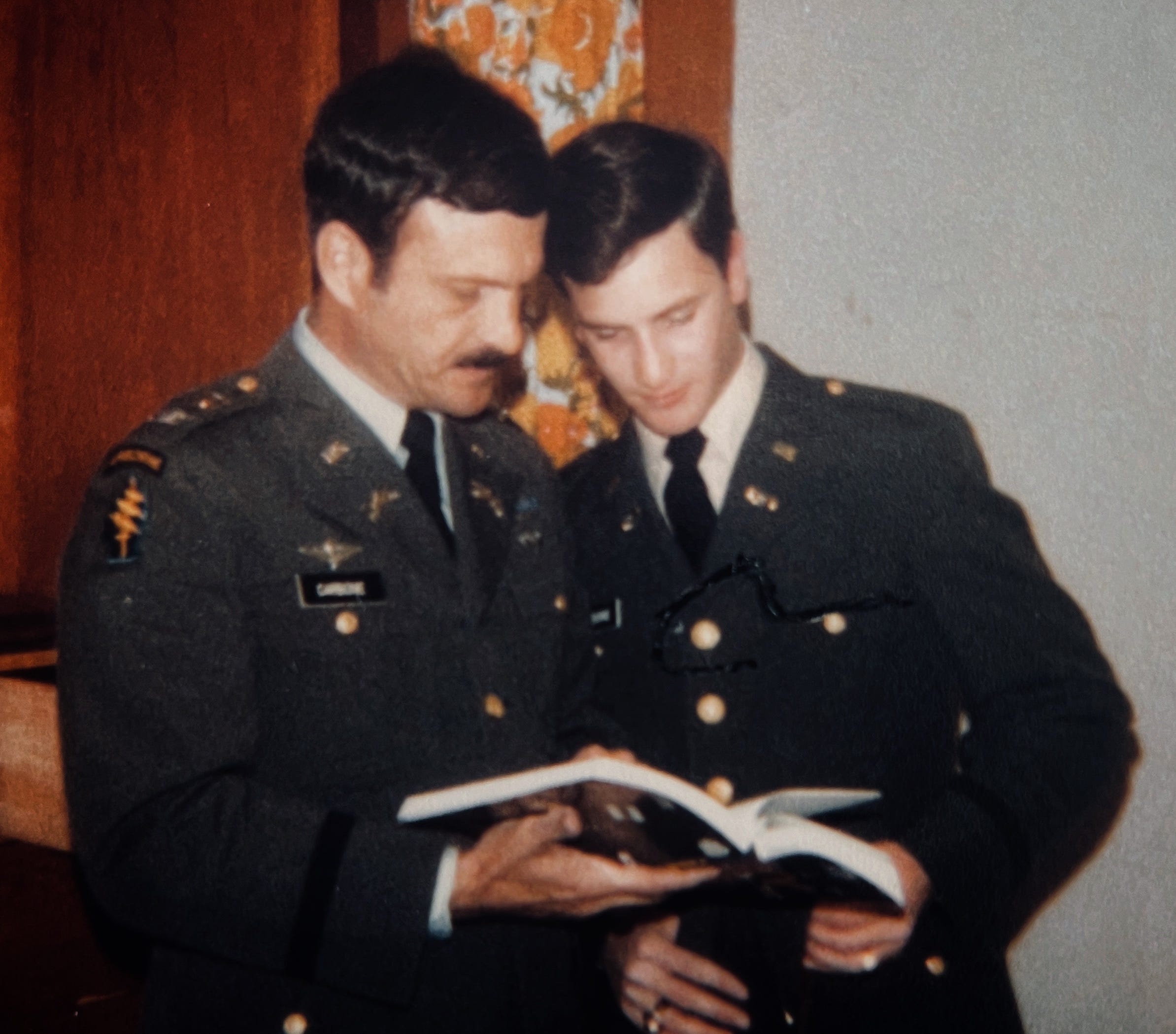
My direct boss — and the single most influential officer of my early career — was Major David J. Ozolek, our S3. If LTC Stull was the embodiment of battlefield command presence, Major Ozolek was the strategic mind that made our OPFOR battalion so formidable. He was a crusty, no-nonsense Vietnam veteran infantry officer — but also an Ivy League–educated intellectual with a deep, almost academic grasp of Soviet doctrine. Major Ozelek had studied their playbook inside and out and could think like a Soviet commander. He authored dozens of articles in Armor Magazine on Soviet mechanized and armored operations in desert warfare, and every one of them reflected the brilliant, unconventional mind that I saw at work every day.
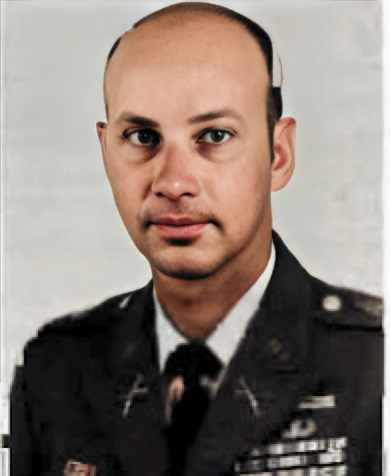
Major Ozolek became my teacher, mentor, and model. He taught me how to write operations orders and fragmentary orders with precision and clarity, how to anticipate an enemy’s maneuver two steps ahead, and how to think like a Red Army staff officer. He taught me what it truly meant to be a junior officer in a combat unit — not just the tactics and doctrine, but the character, discipline, and grit it required. I never told him how much I admired him, but to this day, I measure much of what I know about leadership against the standard he set.
MSG Aikens (S3 NCO)
We had another officer in the S3 shop — a Captain Scott, who served as the assistant S3 — who had been living in the BOQ with me, Major Zupan, and Lieutenant Hong. But the soul of our team, the man who made everything work, was Master Sergeant Aikens, our senior NCO.
I had met Aikens a year earlier, on my very first day at Fort Irwin, when he had greeted me with a booming “Airborne, Lieutenant!” He was the walking embodiment of an Airborne infantryman — lean, carved out of steel, with a waist that couldn’t have been more than twenty-eight inches and the strength to do a hundred pushups without breaking a sweat. He radiated confidence and positivity, the kind that made even the toughest days feel manageable.
MSG Aikens took me under his wing and taught me how to survive — not just in the field, but in the Army. How to navigate the unspoken rules of the officer–NCO relationship, how to prepare for the unexpected, and how to stay one step ahead. I owe much of my survival — and my success — in the Army to him.
My Driver, Corporal Ricky Loftis
And then there was Corporal Ricky Loftis, my jeep driver. Ricky was a pale, freckle-faced redhead from Tennessee, a country boy with a GED and a mechanical mind that could put any engineer to shame. He could disassemble our M151 jeep and every piece of its communications gear blindfolded, then reassemble it faster than most soldiers could read the manual. With Ricky on my team, I never had to worry about our equipment failing — or about finding my way to the next meeting on time.
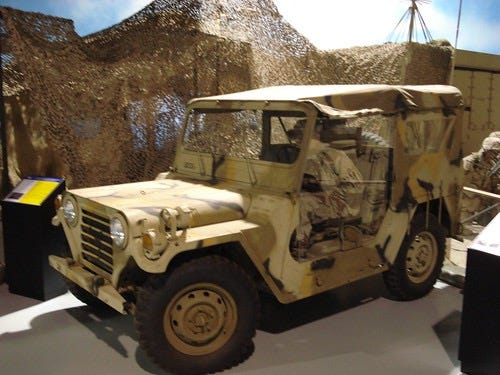
With a team like that — Ozolek, Scott, Aikens, Loftis, and the rest — I couldn’t help but excel. Every day was an education, a test, and an adventure rolled into one.
A Day in the S3 Shop
Life in the S3 shop moved at a relentless pace. We weren’t just simulating war — we were living it, planning it, breathing it. Every day was structured around operations orders, rehearsals, staff meetings, and briefings. The mission was constant: prepare for the next rotation, sharpen our tactics, and ensure the OPFOR was ready to give every visiting U.S. unit the toughest, most realistic fight of their careers.
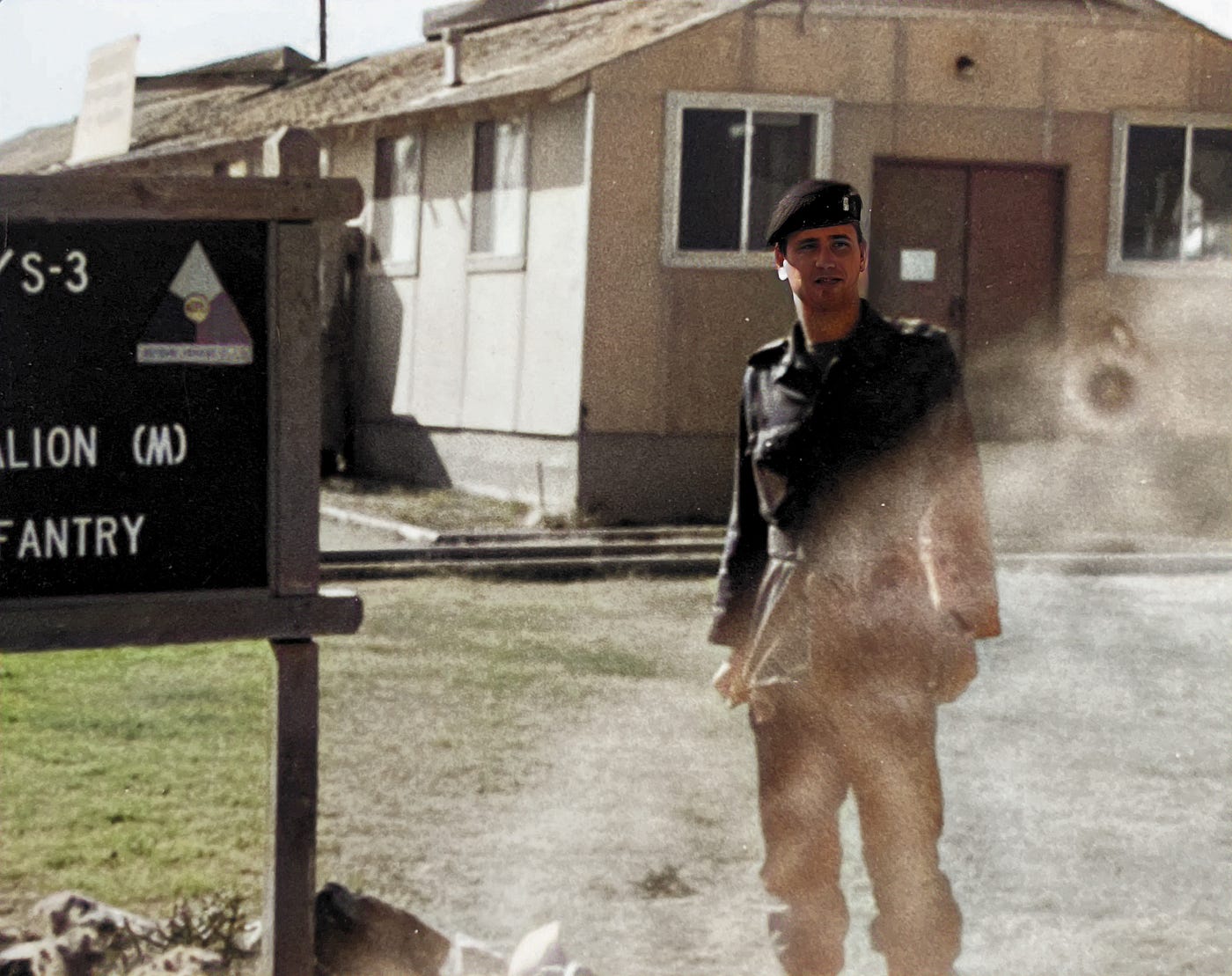
A typical day might start with MSG Aikens glancing at his watch — which he always wore with the face on the underside of his wrist, just like my father — and barking, “LT! You’ve got a meeting with the Post Commander in fifteen mikes!”
“About what?” I’d shout back, scrambling to gather my notes.
“Ricky’s got your folder in the jeep. Your call sign’s written on the windshield,” Aikens would reply without missing a beat.
I’d thank him and head for the door. “LT!” he’d call after me again, tossing me a cold canteen of water. “Thanks, Top!” I’d reply with a grin as I hustled out the door.
Sure enough, Ricky would be waiting by the jeep, engine running, folder ready. “Here’s your briefing packet, sir,” he’d say, handing me exactly what I needed before I even had to ask. Everything was thought of, planned for, anticipated. All I had to do was climb in and focus on the mission.
It was a great feeling — to be part of a team that worked so seamlessly, so professionally, that I felt unstoppable. It wasn’t just that they were good at their jobs. They believed in what we were doing. We weren’t just playing war. We were preparing the U.S. Army for the real thing.
My Office in the S3 Shop
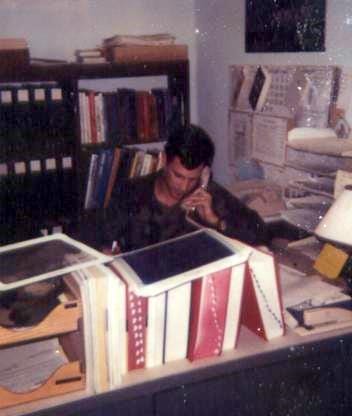
Operation of the 32nd Guards Motorized Rifle Regiment
Although my official Army orders identified me as a First Lieutenant, Chemical Officer and Assistant S3 assigned to Headquarters and Headquarters Company, 6th Battalion, 31st Infantry, my real assignment — the one that would define my life at Fort Irwin — was far stranger and far more immersive.
My operational posting was as a Senior Lieutenant in the Regimental Headquarters of the 32nd Guards Motorized Rifle Regiment of the People’s Democratic Republic of Krasnovia — a fictional Soviet-bloc country invented by the U.S. Army. Krasnovia didn’t exist on any map, but at the National Training Center it was treated with the seriousness and gravity of a real-world adversary. Its purpose was clear: to provide American troops with the most realistic enemy possible in large-scale Cold War training scenarios.
Socialist Republic of Krasnovia
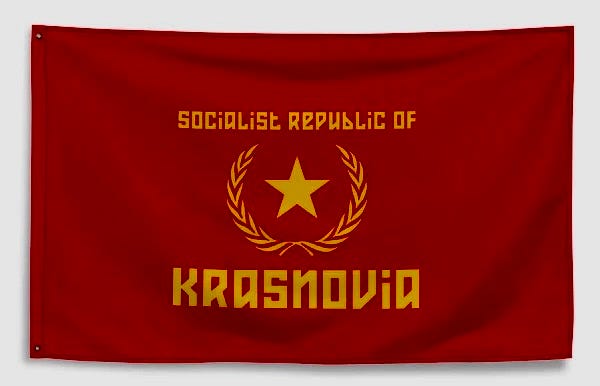
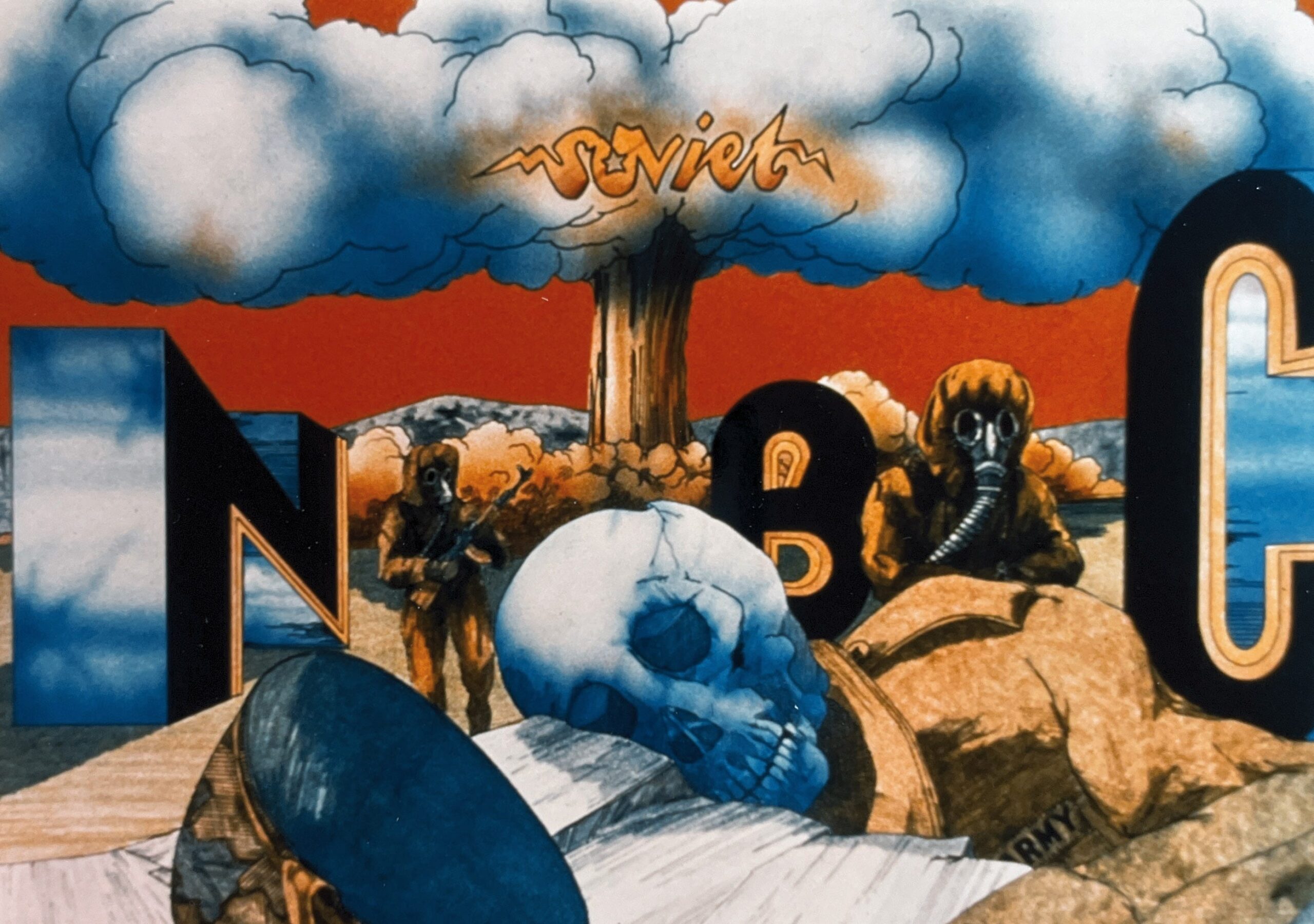
In this alternate universe, Krasnovia was a hostile, expansionist state bent on destabilizing its democratic neighbor, the Republic of Mojave — a thinly veiled stand-in for Western-aligned nations. Our job was to embody the Warsaw Pact threat in every conceivable way: tactics, language, doctrine, even appearance. And we did.
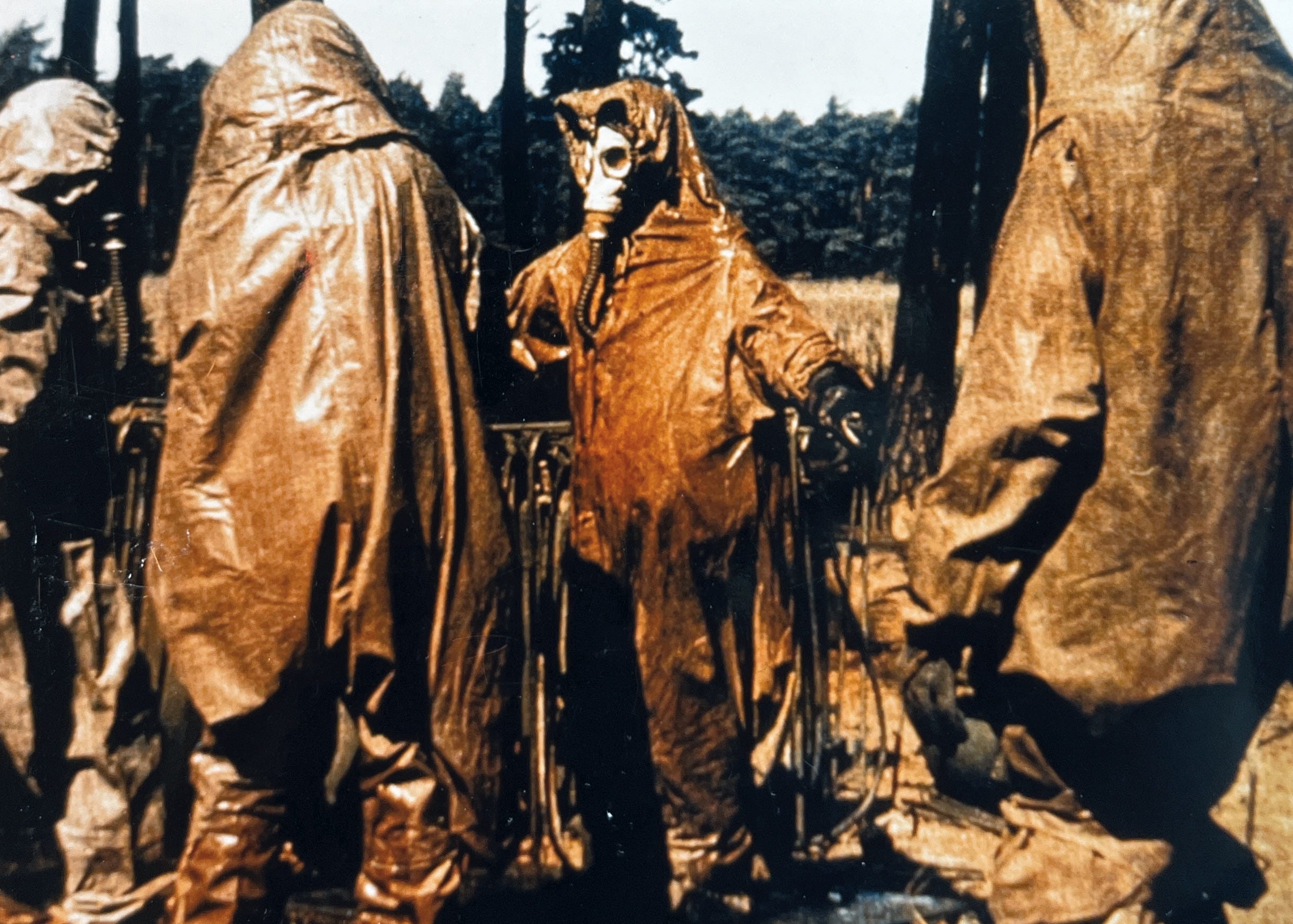
32nd Guards Motorized Rifle Regiment
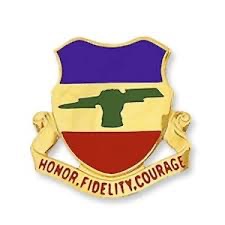
The 32nd Guards Motorized Rifle Regiment (MRR) — the backbone of the OPFOR (Opposing Forces) — was made up primarily of two U.S. combat units: the 6th Battalion, 31st Infantry (Mechanized) and the 1st Battalion, 73rd Armor. Supporting us was a specialized technical intelligence detachment. In 1982, a small group from the 11th Military Intelligence Company was permanently assigned to Fort Irwin. Their mission evolved into what became the 203rd Military Intelligence Battalion (Provisional) — a unique organization tasked with providing the most accurate Soviet capabilities possible on American soil.
11th Military Intelligence Company
The TECHINT (technical intelligence) soldiers were unlike anyone else at the National Training Center. They operated genuine Soviet equipment — from communications intercept systems to armored vehicles — and they were deeply involved with the Army’s Intelligence and Threat Analysis Center, ensuring that everything we did mirrored Soviet doctrine. Their work extended beyond training: they analyzed captured foreign weaponry, reverse-engineered systems, and advised on how real Soviet units might respond in battle.
OPFOR Uniform
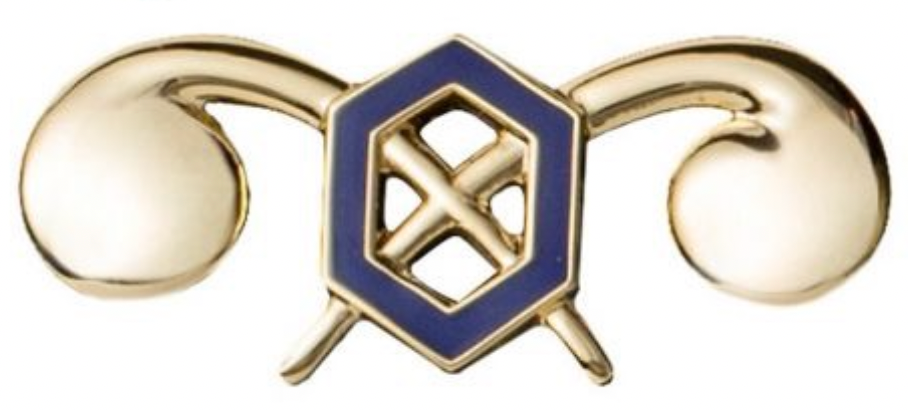
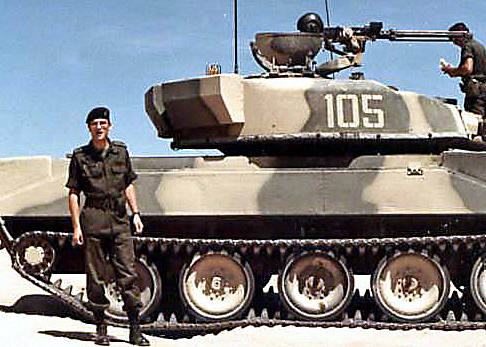
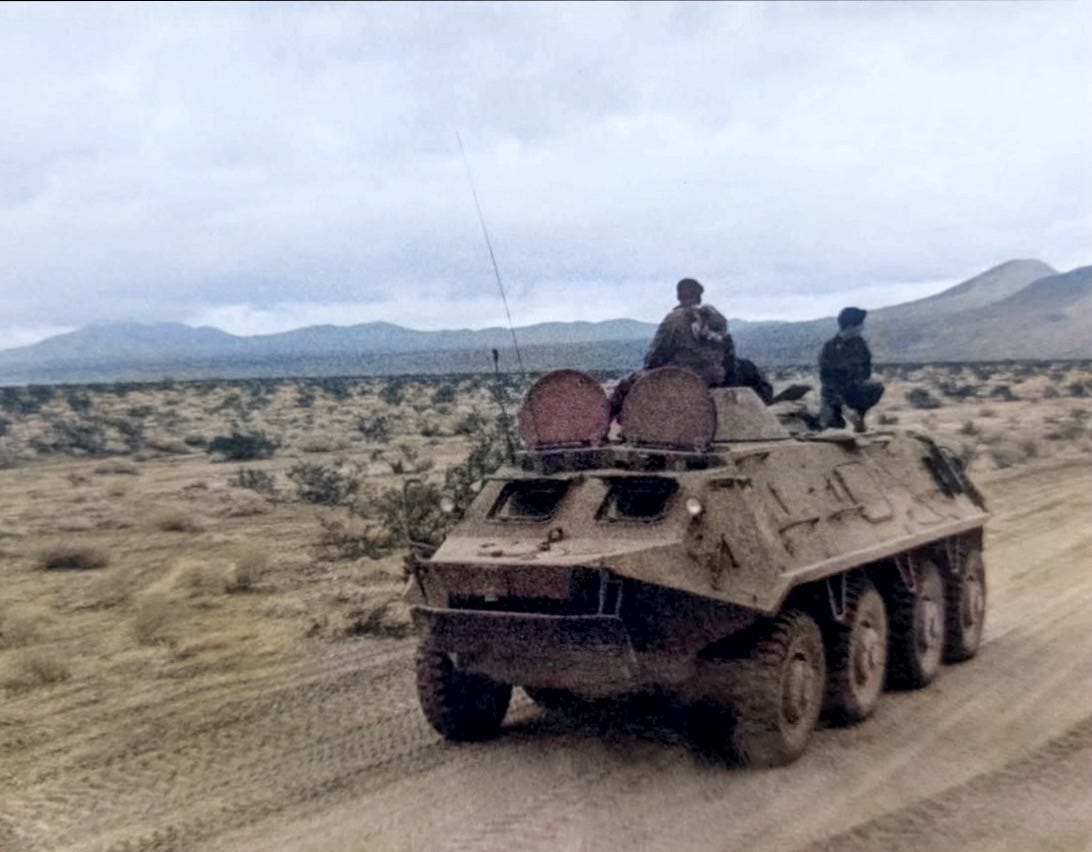
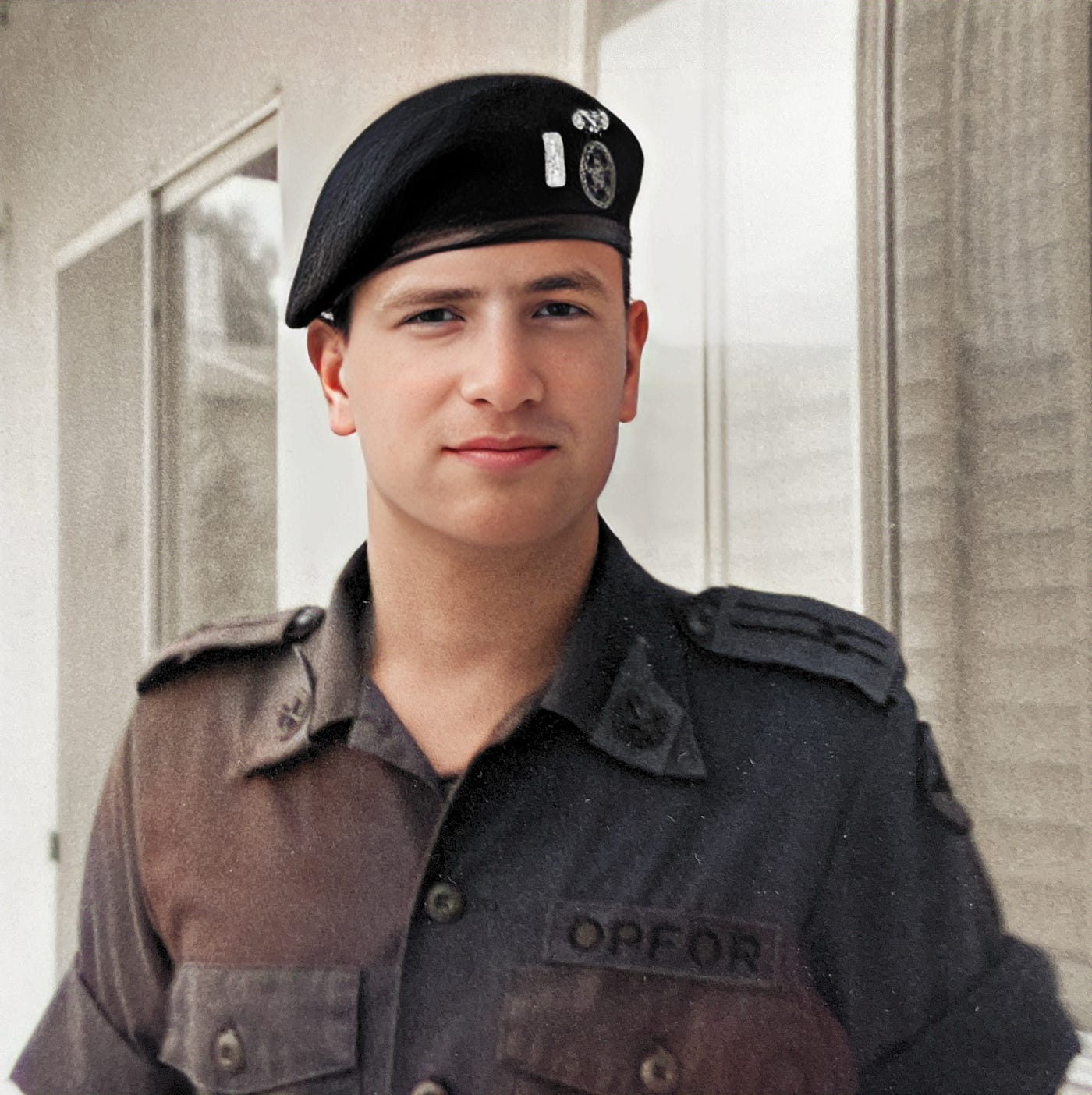
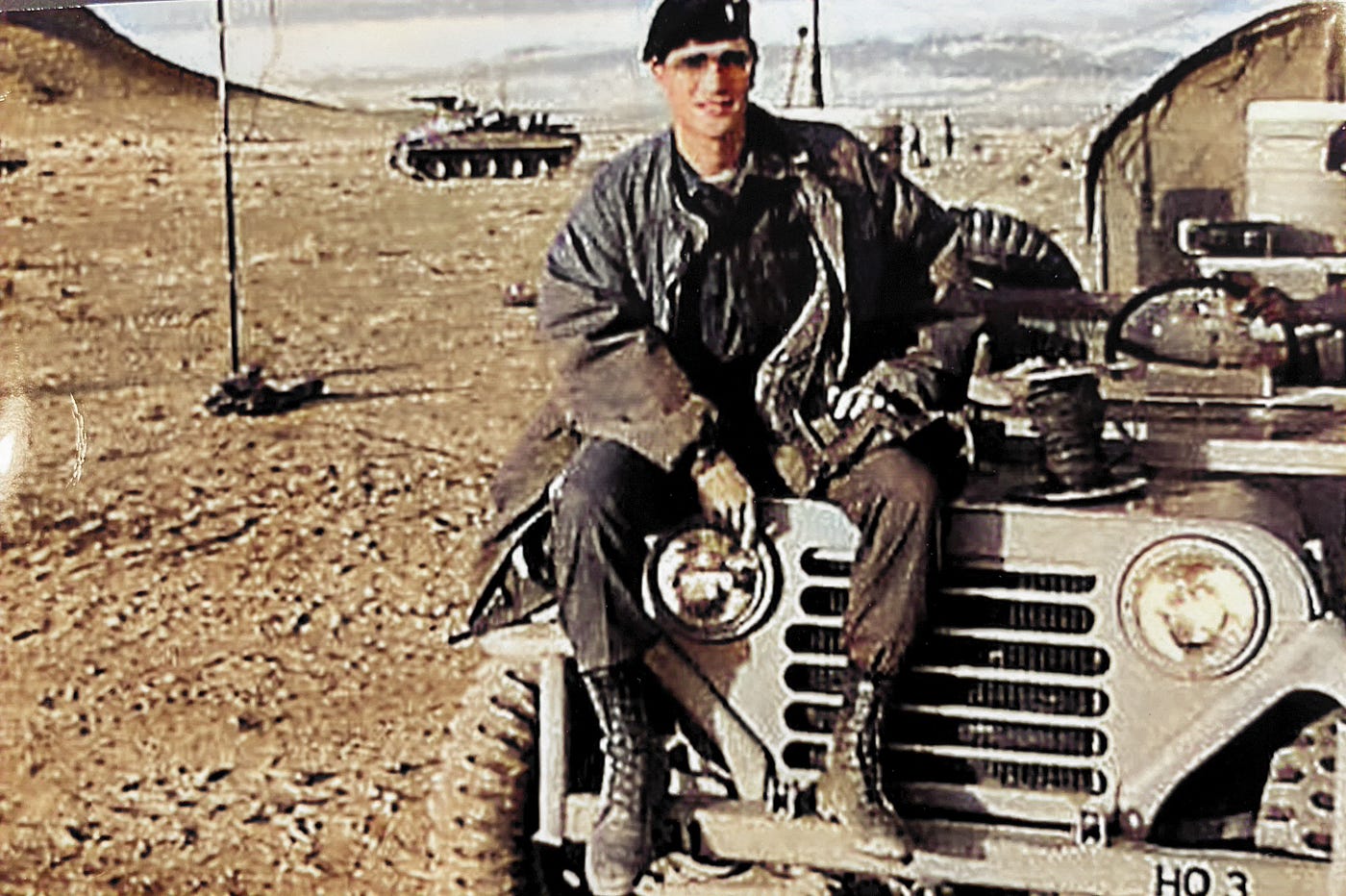
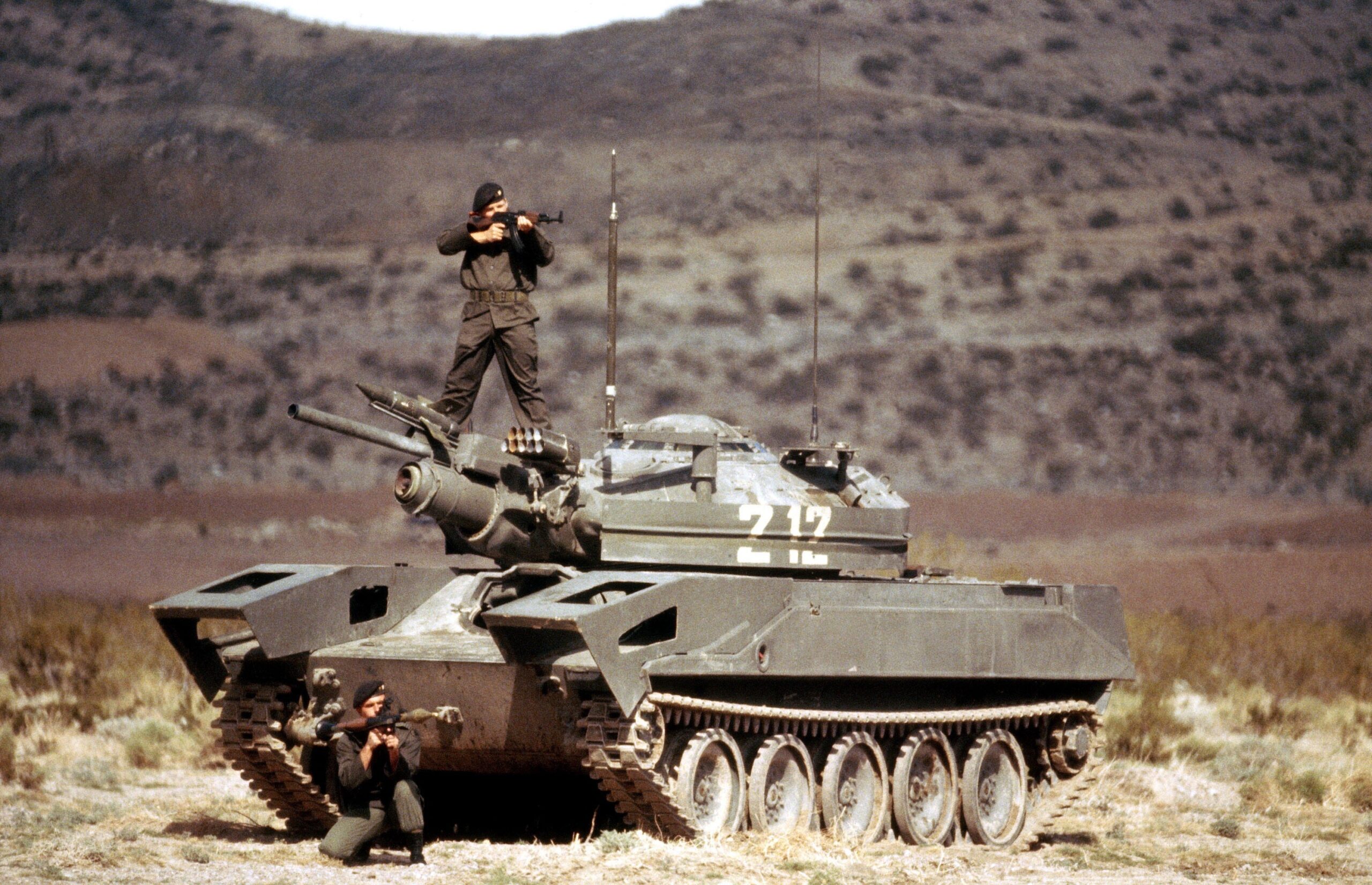
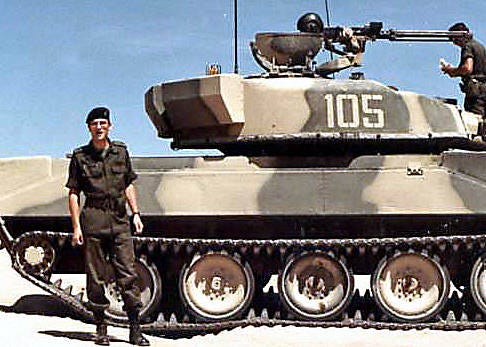
For us in the OPFOR, this meant immersion on a level that bordered on theatrical. We didn’t just “play” Soviets — we became them. We wore Soviet-style uniforms: simple olive-drab fatigues, black berets adorned with a red star, and brass insignia representing our branch. Infantry soldiers bore crossed rifles. Tankers wore the armored branch symbol. And I, as the regimental chemical officer, proudly displayed the crossed retorts and benzene ring — the traditional insignia of the Chemical Corps.
Soviet VISMODs
Our vehicles were a story unto themselves. While we had a handful of actual Soviet systems, most of what we used were American platforms converted into lookalikes through a clever system of fiberglass shells and external modifications known as VISMODs (visually modified vehicles). The old M551 Sheridan light tanks were our workhorses, transformed into mock Soviet T-72 main battle tanks, BMP infantry fighting vehicles, and even ZSU 23–4 Shilka anti-aircraft platforms. From a distance — especially through the dust and chaos of battle — they were almost indistinguishable from the real thing.
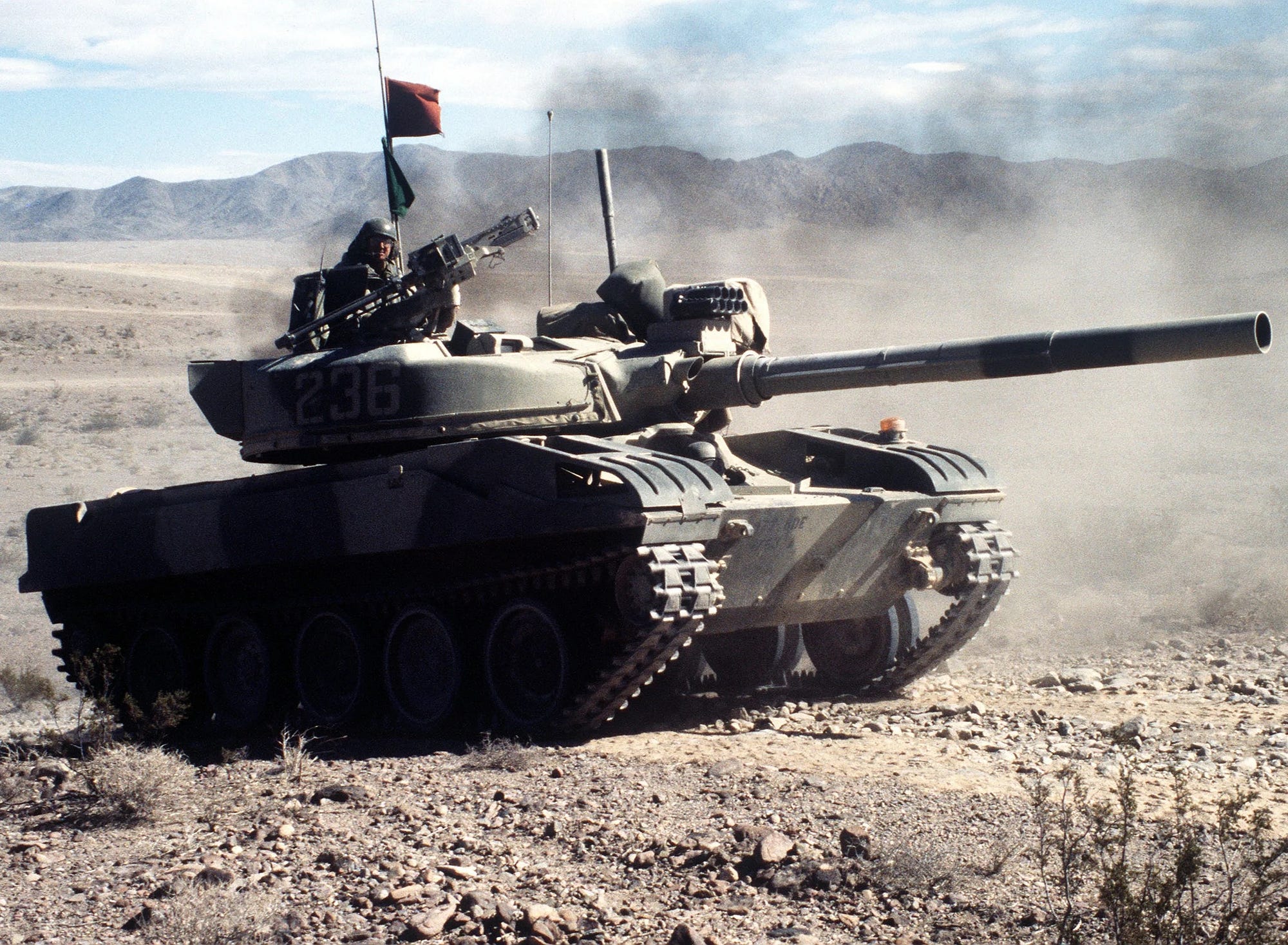
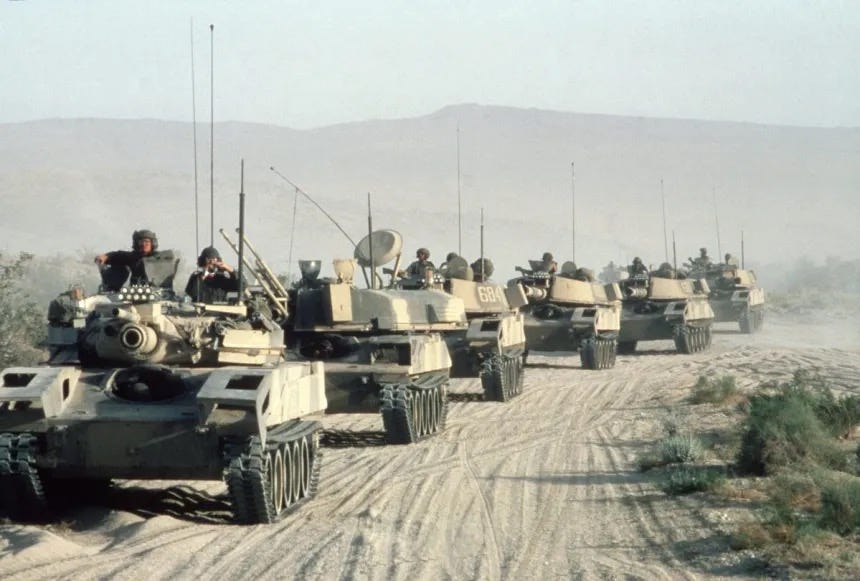
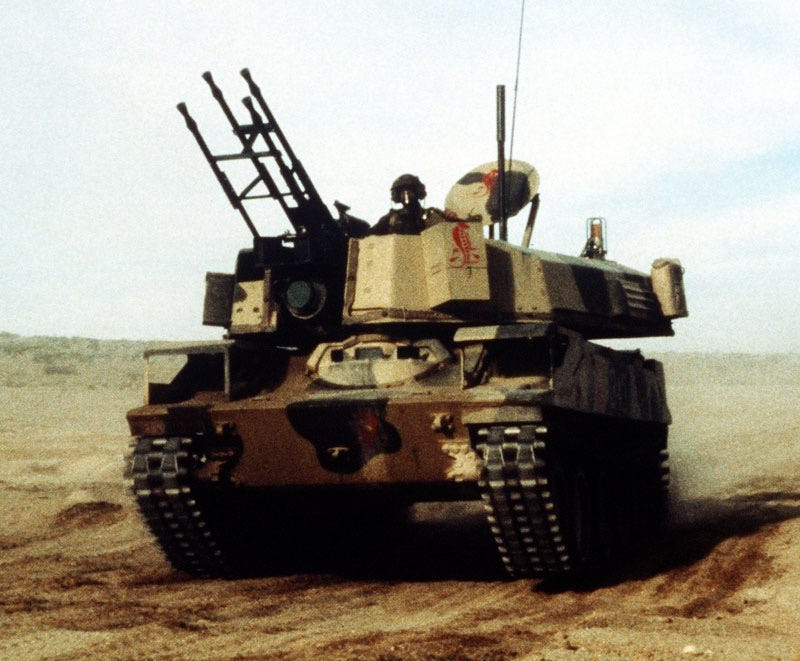
What impressed me most was how seriously everyone took the deception. This wasn’t a game. Units arriving from across the Army — infantry, armor, aviation, logistics, special forces — were coming here to test themselves against the most dangerous enemy they might ever face. And it was our duty to be that enemy: ruthless, cunning, unpredictable, and thoroughly Soviet in doctrine and execution.
Soviet Tactics
The 32nd Guards MRR operated like a true Soviet regiment. We organized our forces into motorized rifle battalions supported by tank companies, artillery batteries, and air defense assets. Operations were planned according to Soviet tactical manuals, and battle plans were written in the language and logic of Warsaw Pact doctrine. We used map symbols, terminology, and radio procedures that mirrored those of the Red Army. Even our command briefings and field orders followed Soviet structure and emphasis.
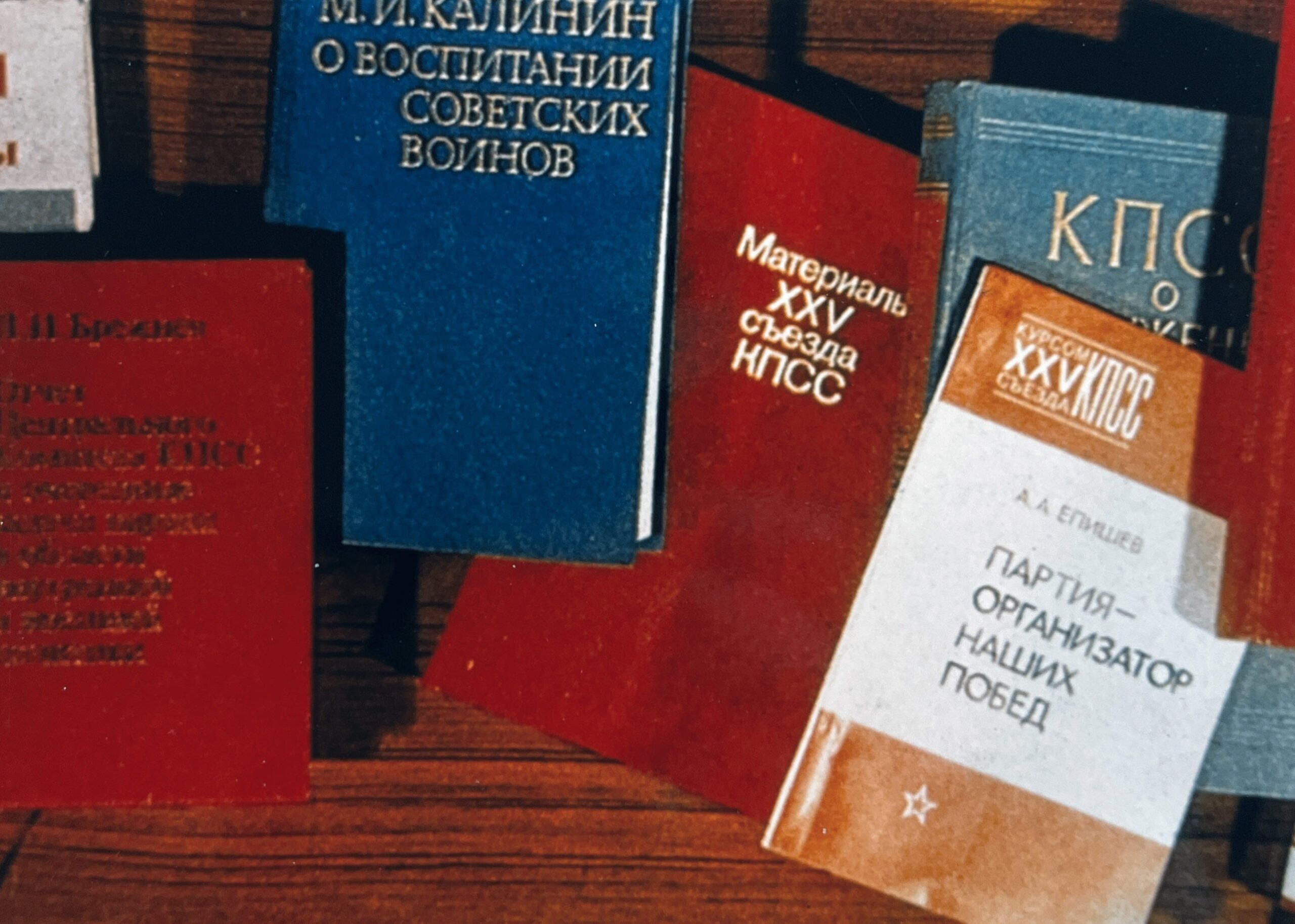
Although my primary billet was as the regimental chemical officer, my responsibilities extended well beyond that. In many ways, I functioned as a regular combat officer. I was trained intensively in Soviet operational doctrine by Major Ozelek, our Regimental S3 (operations officer), and by Lieutenant Mike Pierson, our brilliant S2 (intelligence officer). Together, we pored over unclassified translations of Soviet field manuals — dense, doctrinal texts that detailed how Soviet regiments planned, maneuvered, attacked, and exploited weaknesses. That knowledge became the backbone of the battle plans and orders we wrote for the 32nd Guards MRR.
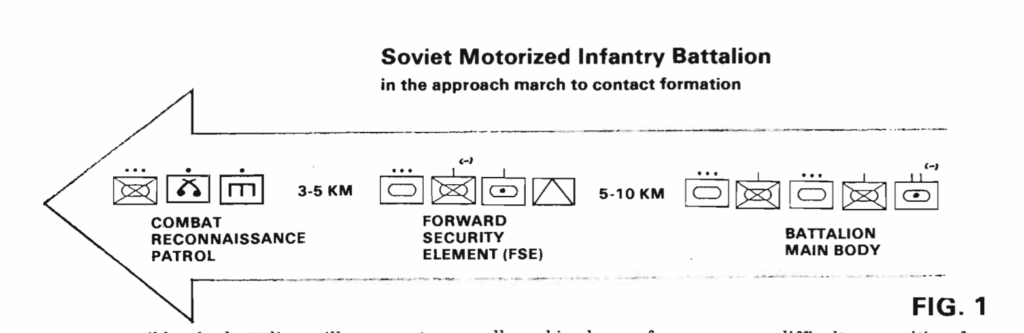
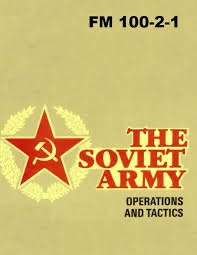
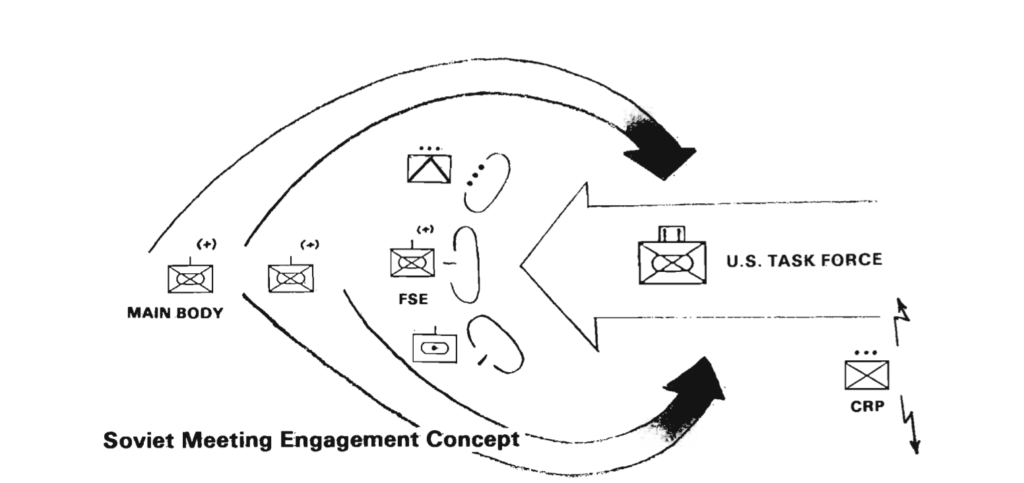
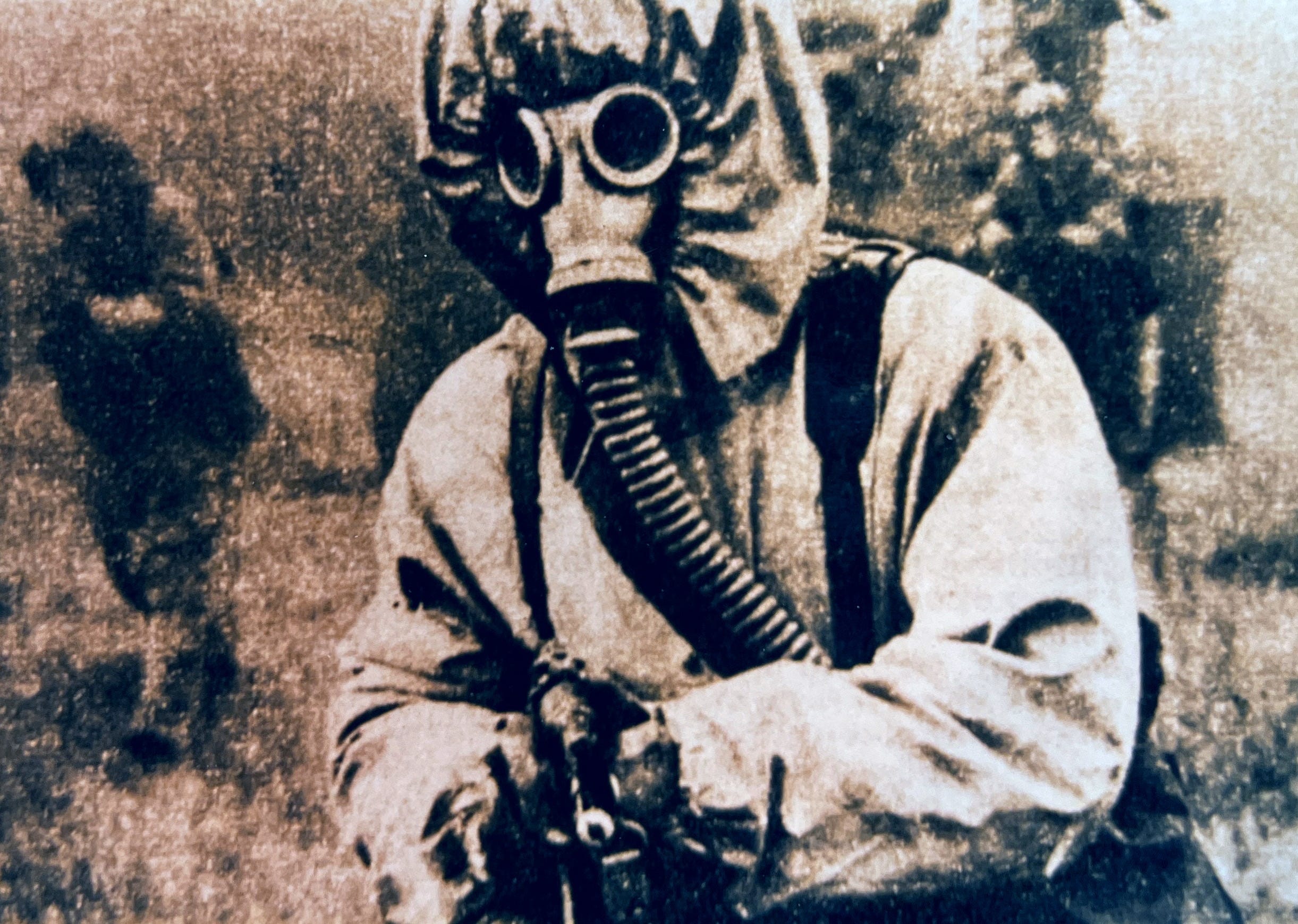
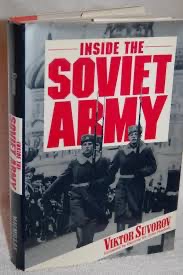
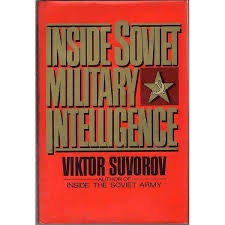
I studied the Soviet Military, with focus on both Soviet Nuclear, Biological and Chemical Warfare operations, as well as Soviet Military Intelligence. I read everything that I could both classified and unclassified. Some of my favorite books were written by a Soviet GRU Officer, Viktor Suvorov, who defected from the Soviet Army in 1978 and wrote famous books about the inner workings of Soviet military and intelligence operations. I ended up with secondary specialties in Nuclear Target Analysis and Soviet Counterintelligence.
Tactical Operations Center (TOC)
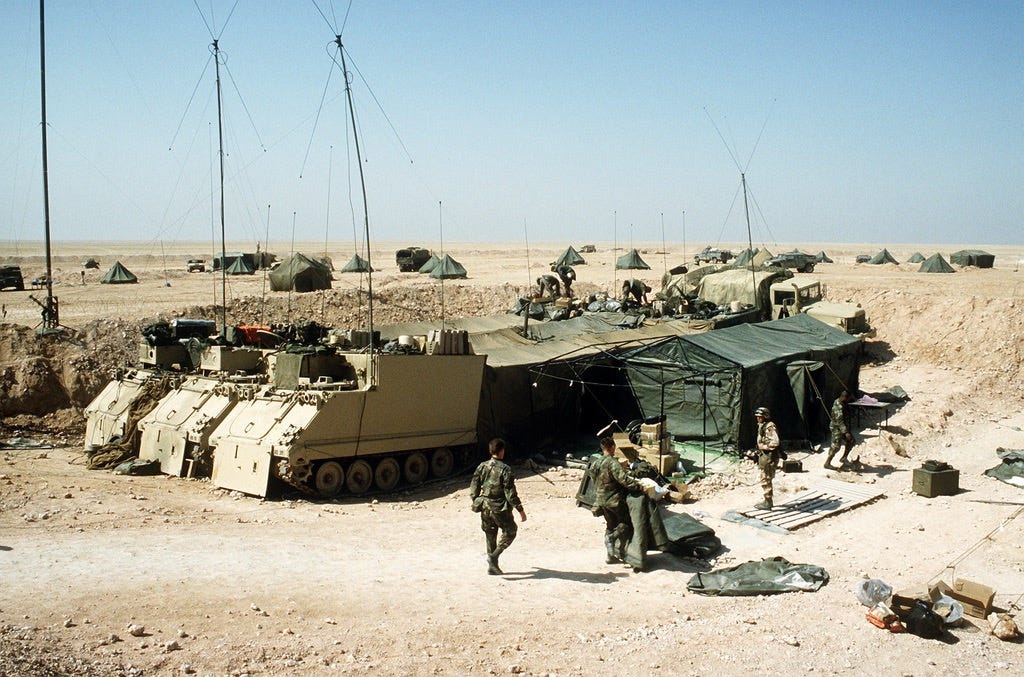
When the training rotations shifted into high gear and the mock wars began, my battlefield role intensified. During those weeks, I ran the Regimental Tactical Operations Center (TOC) — a tracked command vehicle connected to a sprawling tent complex that housed the nerve center of our operations. Inside were dozens of military radios, map boards, grease-pencil overlays, and situation charts — a chaotic symphony of information flowing in from every corner of the desert battlefield.
From the TOC, 1LT Mike Pierson and I worked side by side, collecting intelligence from forward scouts, electronic intercept teams, and reconnaissance patrols. We processed and analyzed the information, building a real-time picture of the battlefield that shaped our decisions and influenced the regimental commander’s next moves. We briefed commanders, directed maneuver units, and issued fragmentary orders as the situation evolved — all while operating under the guise and doctrine of a Soviet staff.
24/7 Operations
It was exhausting, high-tempo work. Days bled into nights, and nights into days, under the relentless Mojave sun and freezing desert nights. I would emerge from the TOC after a 20-hour shift covered in dust and sweat, only to crawl into a sleeping bag for a few hours before returning to the radios. Month after month, this became my existence — an intense, almost dystopian cycle of planning, fighting, analyzing, and fighting again.
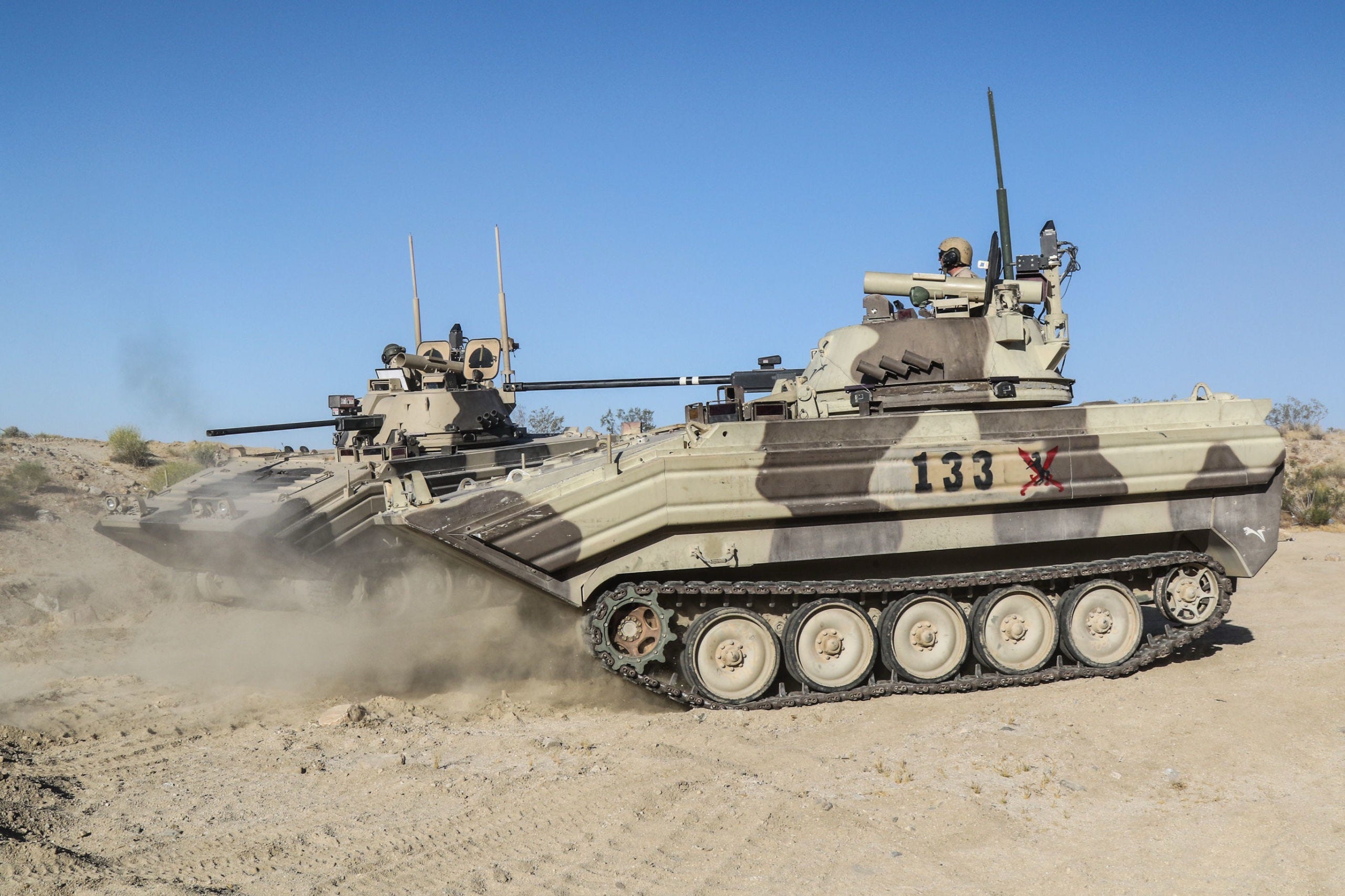
And in that strange, alternate reality — where I was an American officer living as a Soviet regimental staff officer in a fictional country — I learned more about warfare, intelligence, and command than I ever had in any classroom. It was, in every sense, the sharp edge of Cold War training.
Our New Marriage on Post
The brutal tempo of life in the 32nd Guards Motorized Rifle Regiment took a heavy toll on my personal life — especially on my new marriage. Mariann and I had just moved into our cozy yellow stucco house when the OPFOR mission’s relentless demands consumed me. For weeks, I rarely saw her. After staggering home from the field, exhaustion overwhelmed me, leaving me only enough energy to shower, eat, and collapse into bed.
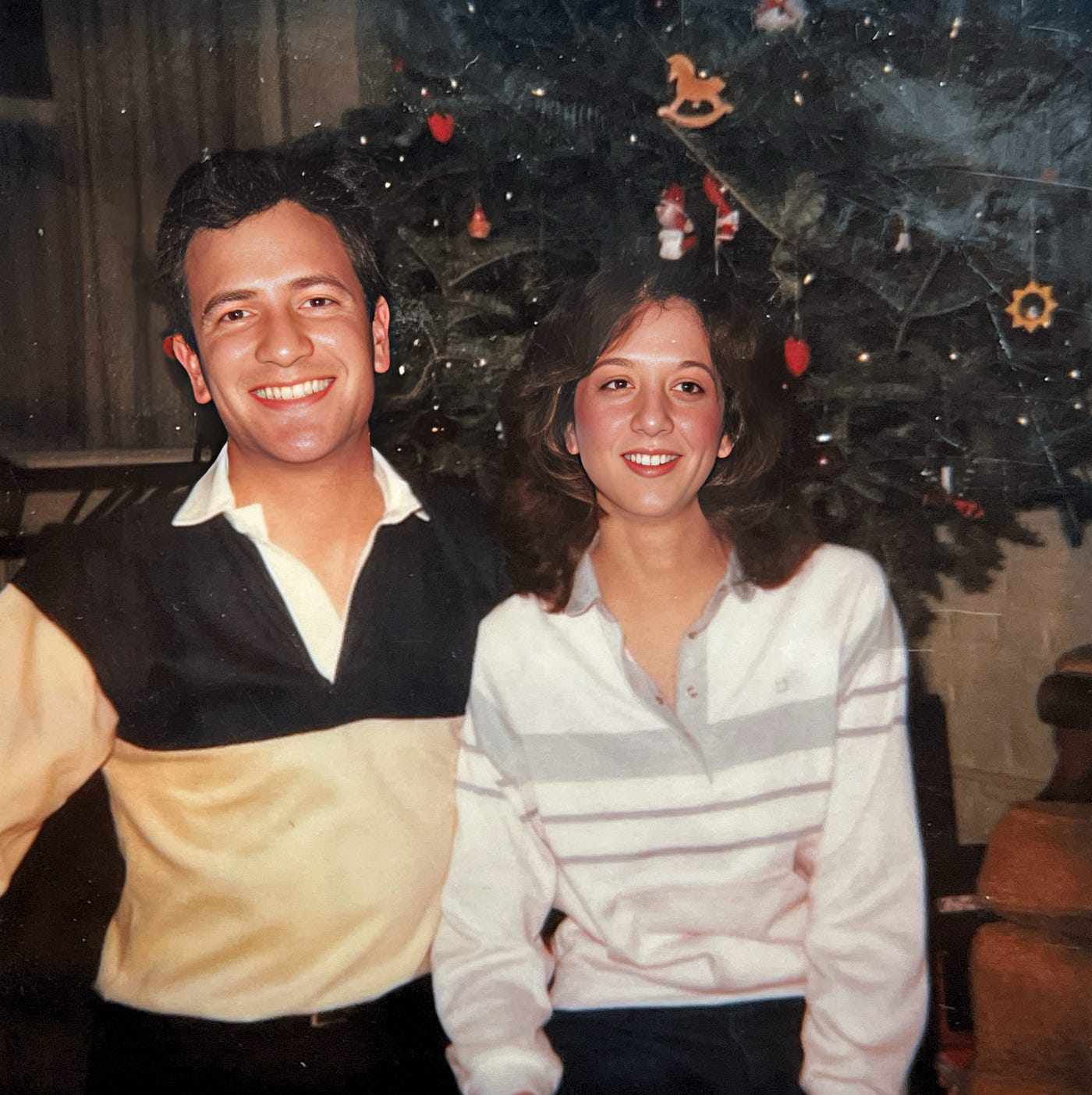
It was an especially lonely and bewildering reality for her. Mariann’s father hadn’t served in the military, and none of her close relatives had, either, so there was no family frame of reference for this strange and punishing lifestyle. The Mojave Desert — stark, isolated, and lifeless — contrasted sharply with the idyllic stories I shared with her about my childhood in Europe. Life here was not about strolling through cobblestoned streets or sipping coffee at outdoor cafés; it was about enduring blistering heat, sandstorms, and weeks of near-total solitude while her husband fought mock wars in a fictional Soviet regiment. Looking back, I honestly don’t know how she survived as long as she did.
Studying and Teaching at California State University
To make matters worse, as if the demands of field duty weren’t enough, our battalion commander, LTC Stull, launched a college program in partnership with California State College in San Bernardino to offer classes for the soldiers of the 6th Battalion, 31st Infantry during their off-duty hours. He asked Major Ozolek and me to obtain teaching credentials with Cal State so we could serve as instructors.
I qualified to teach math and basic sciences — and while I was proud of that accomplishment, it came at a steep personal cost. The teaching hours further cut into what little time I had with Mariann, and the university was nearly a two-hour drive from Fort Irwin. It meant even the rare evenings or weekends we might have spent together were swallowed up by long drives and lecture halls, widening the distance between us in ways neither of us knew how to fix.
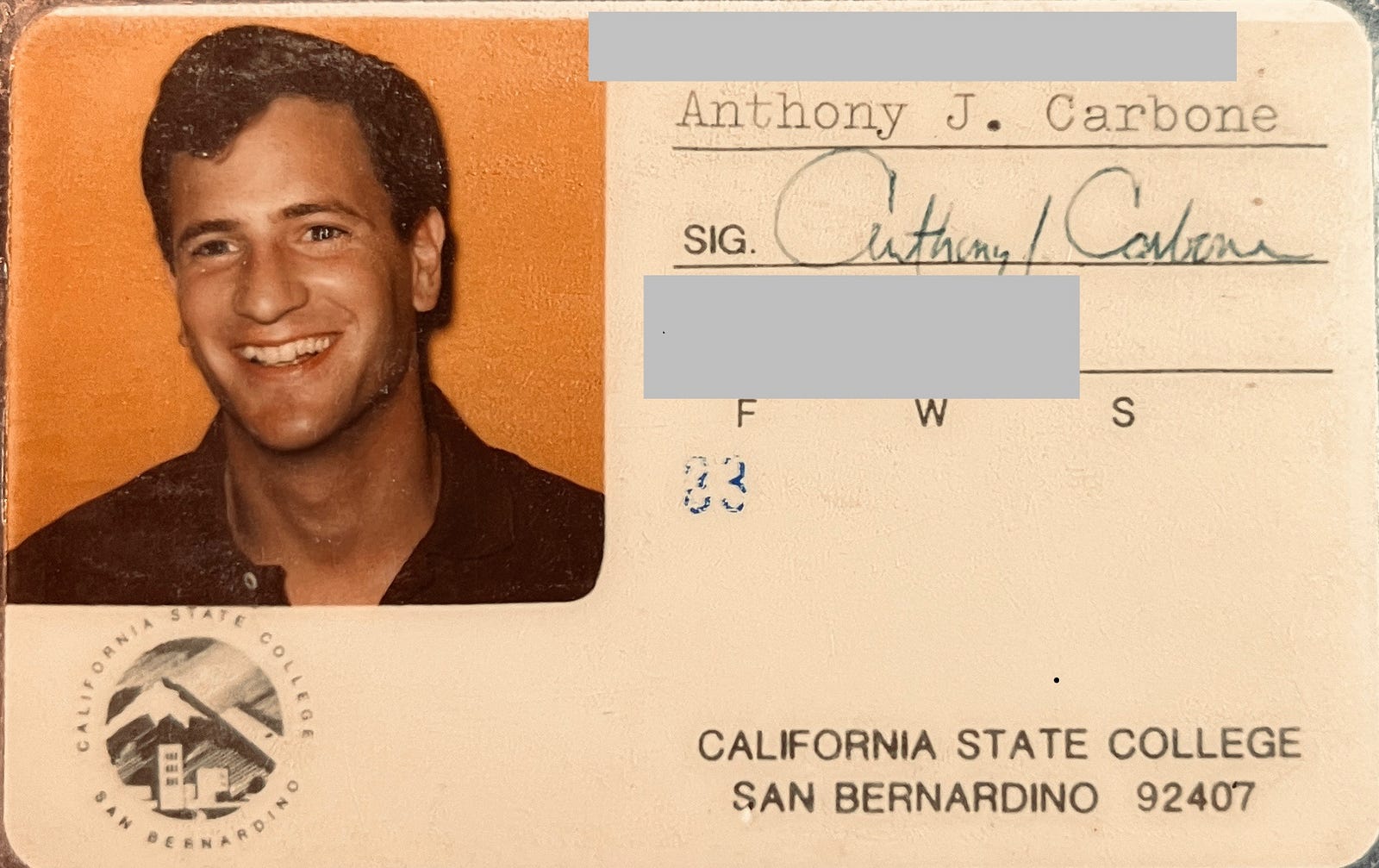
At the same time I was teaching at Cal State, I was also enrolled in their graduate program in National Security. Alongside that, I was taking U.S. Army courses that qualified me as a Counterintelligence Officer and in Nuclear and Chemical Target Analysis. Looking back, I honestly don’t know how I found the time or energy to manage it all. What I do know is that none of it helped my marriage. I was so determined to prove myself — to follow in my father’s footsteps and become a successful Army officer — that I didn’t see the toll it was taking on my health, or on Mariann. By the time I realized what was happening, both were breaking under the strain.
Back to the War: Observer/Controller Group, Laser Tag, GPS and the Star Wars Building
I’ll never forget one particular After Action Review (AAR) session I attended inside the so-called “Star Wars Building.” The Observer/Controller (O/C) team was debriefing a recent battle with one of the visiting task force commanders, and the atmosphere was tense. The Observer/Controller, a calm but razor-sharp major, told the commander bluntly that he had lost control of his unit in the fight. The captain immediately launched into a passionate defense of his decisions, insisting that the chaos had been beyond his control. The major let him speak, then quietly said, “Let’s take a look together.”
Star Wars Building
On the enormous flat-screen monitor — something almost no one had ever seen back in 1982 — the entire battle unfolded in real time. The American plan appeared in blue graphics, the OPFOR plan in red. Each vehicle’s GPS position was displayed on the screen, complete with its unit designation. The controller pointed to one particular blue icon labeled A66 — the Alpha Company commander’s tank — and asked, “Is this your tank, Captain?” “Yes, sir. I assume so,” the officer answered, his voice suddenly less certain.
The O/C signaled for the radio transmissions to be played. Through the speakers, we could hear the frantic shouting inside that tank: “Driver, left! No — right! Driver, left! Halt! Gunner, HEAT, tank!” Then the gunner’s reply: “Identified” followed by the commander’s “Fire!” Gunner: “On the way!……. Target hit!”
On the screen, a thin blue line traced the shot’s path — from A66 straight into another blue tank labeled A42. Seconds later came the high-pitched wail of the “dead tank” screaching signal echoing through the speakers. The room fell silent. Then the O/C queued up the next engagement. Again, the commander’s tank fired — and destroyed another one of his own. And then a third. By the time the recordings ended, no one in the room doubted what had happened. The captain stared at the floor, shook his head slowly, and said in a quiet voice, “It seems obvious that I lost control of my team.”
Training Reveals The Reality of War
This was the genius — and the brutal honesty — of the National Training Center. Gone were the days of umpires pointing fingers and shouting, “You’re dead!” only to have the other side yell back, “No, I’m not!” Here, the truth was undeniable. Every movement, every order, every shot could be seen, heard, and replayed. In today’s world, with laser tag, GPS, and digital tracking systems, this might not sound remarkable. But in 1982, this was cutting-edge, science-fiction-level technology. And for those of us watching in the Star Wars Building, it was a stark reminder that the battlefield — even a simulated one — showed no mercy for confusion, ego, or excuses.
Watching that AAR unfold left a lasting impression on me. It drove home just how real this training was — and how close it came to the brutal reality of war. On that screen, those red and blue symbols weren’t just graphics; they represented men’s lives, and the decisions made in seconds that determined who lived and who died. There was no hiding from the truth, no way to explain it away. You could literally see the consequences of confusion, hesitation, or poor leadership play out before your eyes. That was the power of the NTC system — it stripped away the illusions and forced us all, from the newest lieutenant to the most seasoned commander, to confront the unforgiving nature of combat. And it taught me that every decision mattered. Every single one.
The Plagiarizing Captain and Motorcycle Messenger
Not every lesson I learned at Fort Irwin was about tactics, Soviet doctrine, or running a TOC under pressure. Some were about human nature — about integrity, ego, and the kind of officer I did not want to become.
My good friend Scott, the captain in the S3 shop, had been given a company command, and his replacement was a new officer named Captain Kazzo. From the moment I met him, my gut told me he was trouble — a scrawny, desk-bound nerdy type who struck me as more interested in career advancement than soldiering. Unfortunately, I was soon proven right.
Whenever we reported to Major Ozelek or Lieutenant Colonel Stull to brief them on a new order, plan, or policy — something I had spent hours drafting — Captain Kazzo would present it as if he had written it. He never once gave me credit. I was furious. I tried to bring it up with Major Ozelek, but he brushed me off, telling me to quit whining and “suck it up.”
Frustrated, I called my father at Fort Dix and asked his advice. He told me the same thing: “Suck it up. Stay quiet. The truth always comes out eventually.” I didn’t like it, but I listened. Even so, the plagiarism gnawed at me.
Motorcycle Messenger to the Rescue
One afternoon, I was out in the desert running the Tactical Operations Center during a lull in operations when one of our motorcycle messengers — just like the Soviet scouts used — roared up beside the tent. “Sir,” he said, “he’s doing it again. Captain Kazzo, sir. He’s briefing the CO on your plans.”
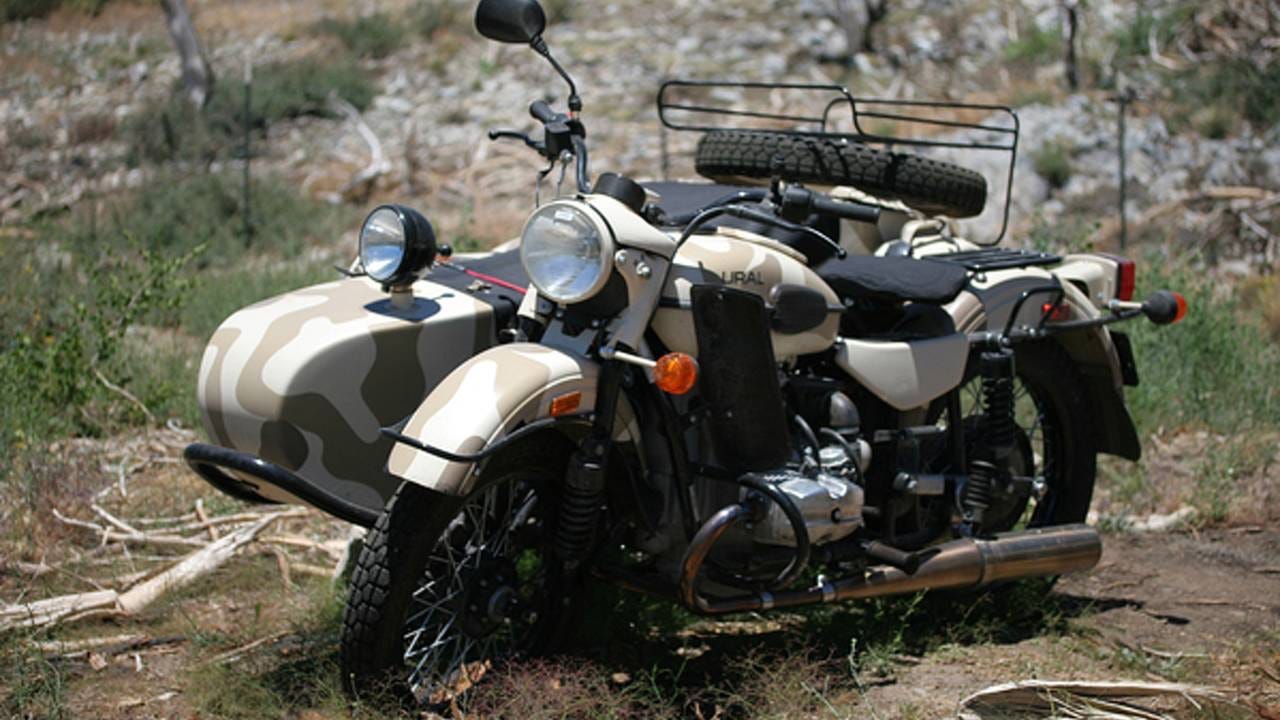
I jumped into the sidecar of his motorcycle and we tore across the desert back to headquarters. When I walked into the command post, the battalion commander was seated in his leather chair just to the left of the doorway, listening intently as Captain Kazzo stood before the map board — my map board — and briefed my plan as if it were his own.
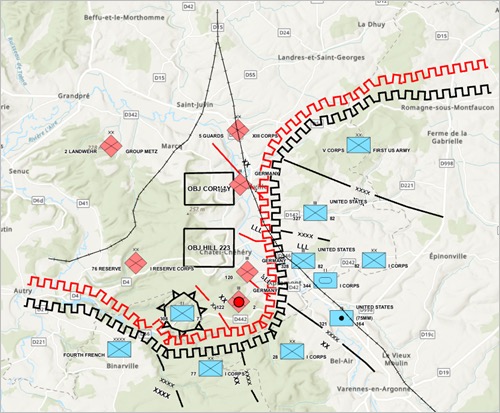
I stood silently in the doorway, staring him dead in the eyes while he spoke. He avoided my gaze, but I didn’t blink. Without a sound, I mouthed the words, “You son of a bitch, sir.” And then I walked away. I followed my father’s advice — I let it go.
Captain Kazzo was eventually rewarded with a company command. I was still in the S3 shop, still writing battle plans. But I had one small measure of control left: I put his company in the field first and brought them in last. I gave them every miserable job I could dream up.
One day he came storming into my office, livid. “Lieutenant,” he barked, “I know exactly what you’re up to. I know what you think of me — but think about my men.” “I am thinking about your men, sir,” I told him calmly. “The best thing I can do for them is to get you relieved of command as soon as possible.”
The Truth is Eventually Revealed
Eventually, Major Ozelek called me into his office. He remembered the complaint I had made months earlier. “Was it true?” he asked. “Was he plagiarizing your work?” “Yes, sir,” I said. “And I didn’t know what to do about it.” “Well,” Ozelek replied, “you don’t have to worry about him anymore. He’s been relieved of command and will be leaving the battalion.”
It was a hard lesson in patience, pride, and integrity. I learned that in the Army — just like in war — there are battles worth fighting and others you win simply by standing your ground and waiting for the truth to catch up.
Staff Duty Officer and the Barracks Thief
One night, while serving as the Staff Duty Officer for the 6th Battalion, 31st Infantry, I had one of those experiences that reveal a lot about a person’s instincts and sense of justice. Sometime after midnight, a visiting Army captain came into the battalion headquarters and asked if it would be possible to grab a quick shower before heading back out to the field. I told him to use the Headquarters Company barracks — it was quiet that night, and I figured it would be no problem.
Missing Wallet
He was gone, maybe ten minutes, when the door to my office burst open. The captain stood there in nothing but a towel, dripping wet and clearly furious. “Lieutenant,” he barked, “someone stole my wallet while I was showering!”
I turned to the Staff Duty NCO and said, “Call the MPs and meet me at Headquarters Company — now.” Within minutes, we were sprinting through the night toward the barracks, joined soon after by two MPs. I ordered one to guard each exit and then called the barracks to attention. Every soldier froze at their racks, backs straight, eyes forward.
I began inspecting footlockers one by one. At the third bunk, I flipped open the lid — and there it was, a wallet lying right on top. I held it up. “Sir, is this your wallet?” I asked the captain. He nodded, visibly relieved. I looked at the soldier standing stiffly at attention beside the bunk. “Whose footlocker is this?” “Mine, sir,” the private stammered. “Private Schmedlap?” “Yes, sir.”
I continued checking through his footlocker. Inside, I found a stack of letters, the top one addressed to “PFC Johnson,” complete with hearts drawn in red ink and still faintly scented with perfume. I held it up and said, “PFC Johnson, come get Julie’s letter.” The barracks erupted in nervous laughter. As I dug deeper, I found more stolen letters, personal items, and keepsakes — small things that meant the world to the men who’d lost them.
Barracks Thief is Caught–Now what?
I looked around the room and could feel the anger simmering beneath the surface. Knowing what these men were thinking, I turned to the MPs and quietly said, “Step outside and guard the doors.” Then I looked at my watch. “You have three minutes,” I told the barracks.
I walked outside with the captain and waited. Three minutes later, I told the MPs to go back in. When we entered, Private Schmedlap was lying on the floor with a bloody nose and a look of regret that didn’t need explaining. I knelt beside him and said calmly, “Private Schmedlap, you are under arrest for larceny. You have the right to remain silent. Anything you say can and will be used against you…” The MPs cuffed him and led him out to the jeep.
The men of Headquarters Company nodded their thanks. They didn’t cheer — they didn’t have to. Justice, in their eyes, had been served. The captain got dressed, shook my hand, and thanked me more times than I could count. The Staff Duty NCO and I walked back to headquarters in silence and filed the report.
Secretary of the Army and the Napalm Night Battle
If the Captain Kazzo episode showed me the worst side of human nature in the Army, what happened next revealed the very best.
Our Opposing Force had been humiliating visiting Blue Force units for months — brigade after brigade came to the Mojave and left in defeat. We were so effective at simulating Soviet tactics that the Pentagon was starting to worry that the U.S. Army itself wasn’t ready for high-intensity war. Word of our dominance spread all the way to Washington, and soon the Secretary of the Army himself decided to fly out to Fort Irwin, entourage and all, to observe our regiment in action.
Special Night Operation
I had been tasked with writing a special battle plan for the exercise, which was scheduled for a night under a new moon — pitch-black conditions. Studying the terrain and our intelligence reports collected by Lieutenant Mike Pierson, I had a hunch about where the American main battle tanks would line up: hull-down, behind the ridgelines, with their barrels aimed toward our defensive positions. I decided to turn that assumption into their downfall.
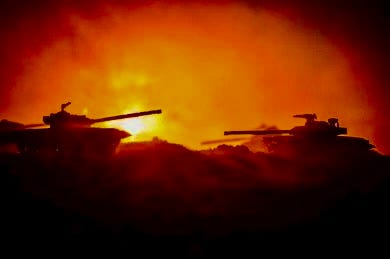
Before the battle, I had 55-gallon drums of napalm emplaced behind each of those hilltops. And when the Blue Force tanks maneuvered into position exactly as predicted, I gave the order to ignite the drums. Instantly, the night sky exploded into a hellish orange glow. The silhouettes of every single tank were perfectly illuminated against the flames. Our gunners didn’t hesitate. One by one, the enemy vehicles were destroyed — a slaughter made possible by preparation, deception, and a little creative thinking.
Debriefing the Secretary of the Army
When the battle ended, the Secretary of the Army gathered with our leadership to hear the after-action review. He was clearly impressed. “No wonder you’re kicking the Blue Force’s asses out here, Colonel!” he said with a hearty laugh, turning to our battalion commander, Lieutenant Colonel Joseph Stull. The crowd erupted in polite laughter and applause.
But LTC Stull didn’t smile. He cleared his throat and gestured toward the back of the crowd, where I was standing quietly, barely visible among the rows of officers and dignitaries. “Sir,” he said, “this wasn’t my plan. Lieutenant Carbone wrote this one. That’s him in the back there.”
Every head in the room turned toward me. I could feel my face flush with pride. The Secretary nodded approvingly and gave me a smile, but the moment wasn’t about me — it was about LTC Stull.
It would have been easy — expected, even — for a battalion commander to accept the praise and move on. But LTC Stull was a different kind of leader. In a profession where credit often flows upward and blame flows down, he did the opposite. He gave the credit where it belonged. I never forgot that moment. It taught me a lesson I’ve carried throughout my life: that real leadership isn’t about claiming glory. It’s about recognizing and elevating the people who make success possible.
Two Great Lessons of Leadeship
Those two experiences — Captain Kazzo on one end of the spectrum and Lieutenant Colonel Stull on the other — shaped the way I understood leadership for the rest of my career. Kazzo taught me how corrosive selfishness and ambition can be when they’re untempered by integrity. Stull showed me the opposite: that true leaders don’t hoard recognition; they pass it down to the people who earned it. One man made me determined never to treat others the way he treated me. The other inspired me to lead the way he led — by giving credit, sharing responsibility, and remembering that no victory is ever the work of one person alone.
Training is Dangerous
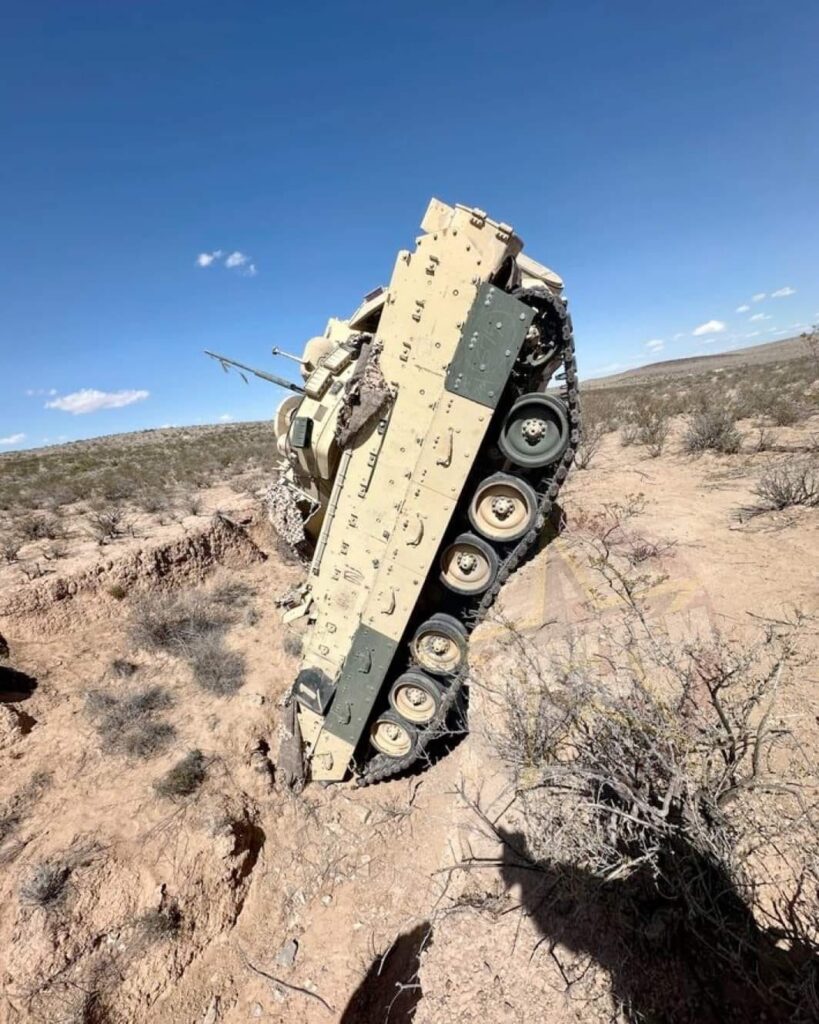
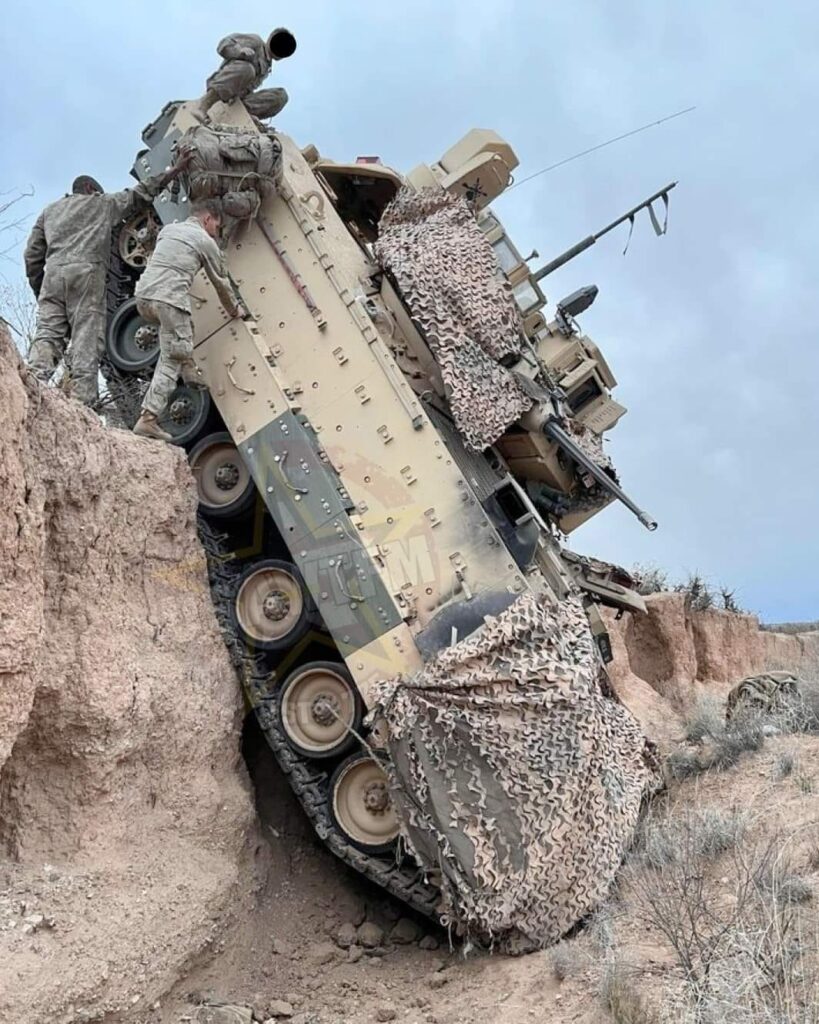
For all its simulated nature, the training we conducted at the National Training Center was anything but a game. These were full-scale, mechanized battles fought across thousands of square miles of unforgiving desert, often under the cover of darkness, and the danger was real. Every rotation brought injuries — broken bones from vehicle rollovers, burns from equipment failures, concussions from explosions — and occasionally, soldiers were killed. Massive armored vehicles maneuvered through rocky ravines and steep washes at night with limited visibility, and even a moment’s lapse could turn deadly.
Chemical Smoke Platoon
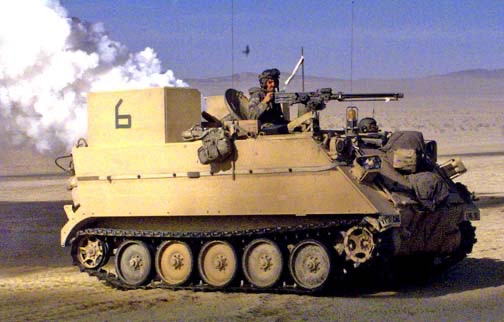
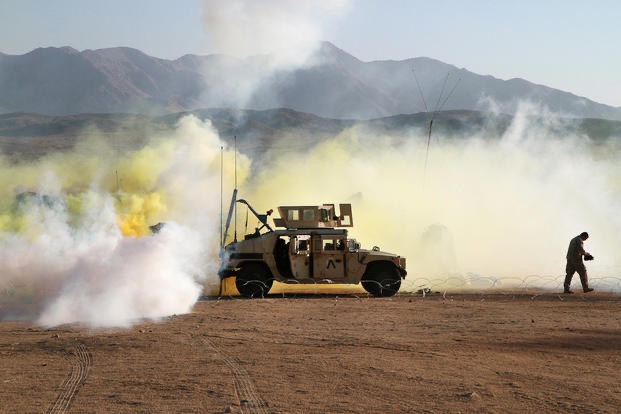
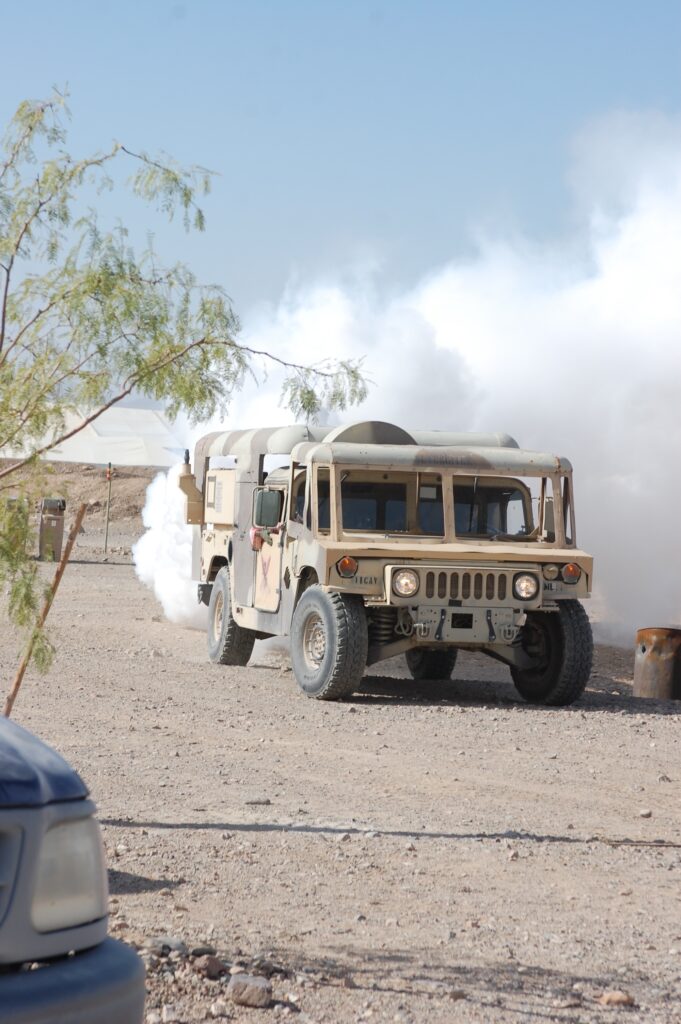
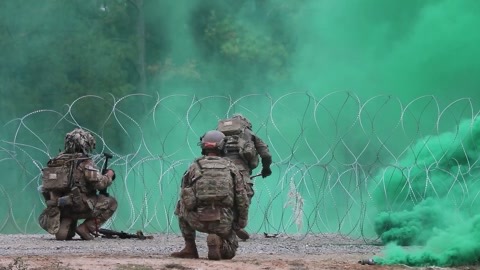
As the battalion’s chemical officer, I worked constantly to make the battlefield even more chaotic, coordinating with chemical units to lay down dense smoke screens, simulate gas attacks, and ignite fuel for flame effects. It was all in the name of realism — and it drove home the point that even in training, war was dangerous business.
Live Fire Range
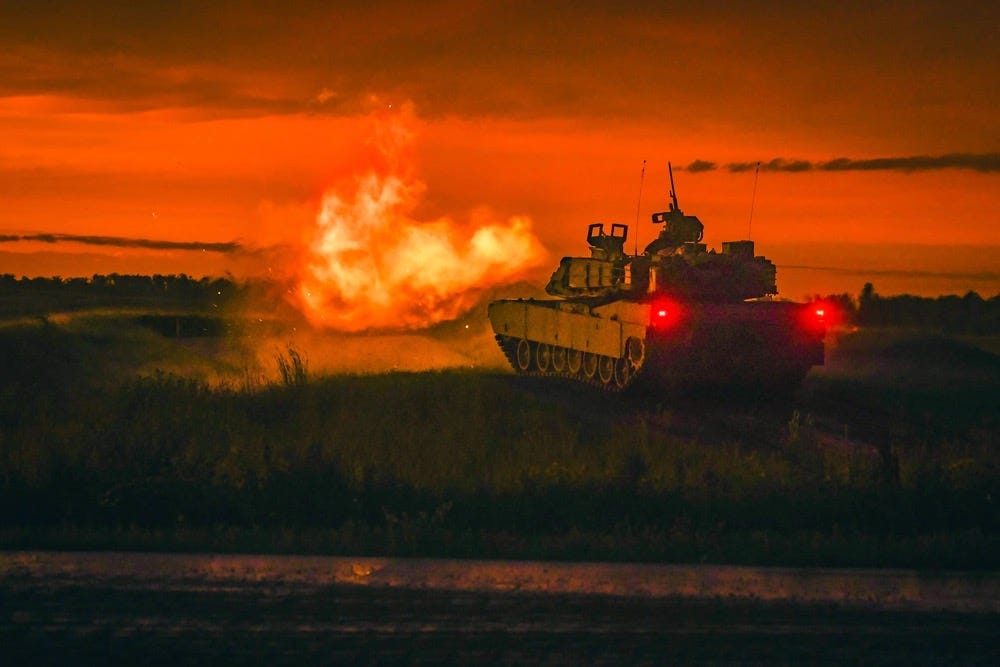
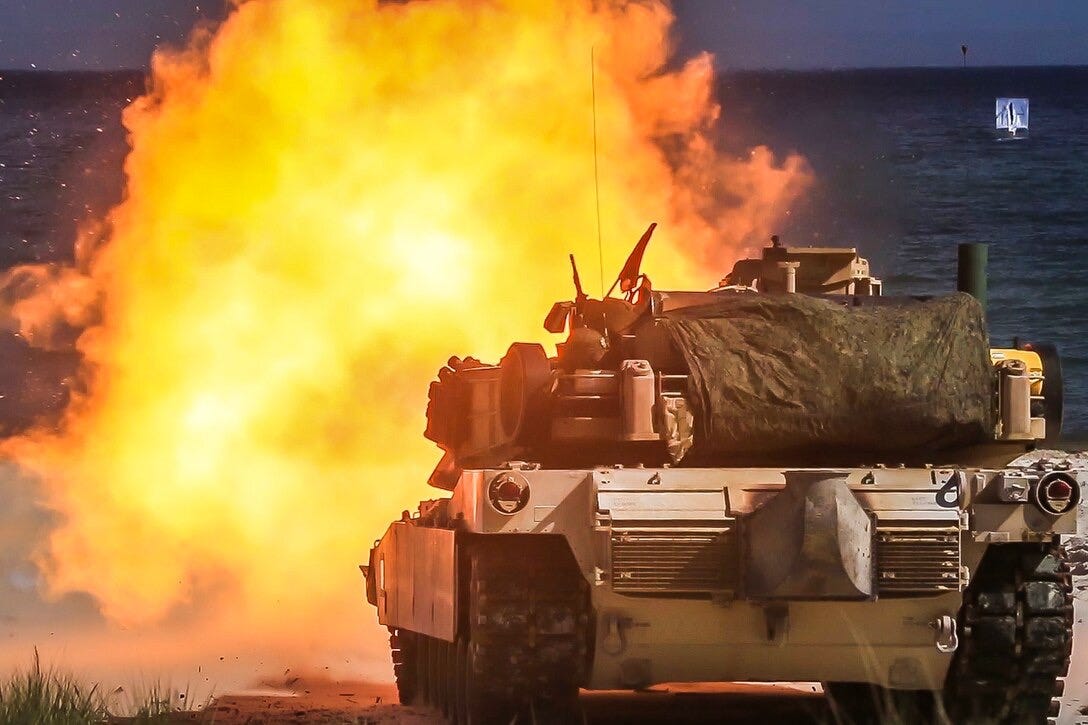
If the force-on-force battles with MILES lasers felt like a realistic preview of war, the live fire range was war itself. Nestled deep in the Mojave’s vast, jagged expanse, the National Training Center’s live fire complex sprawled across thousands of acres — a brutal, dusty crucible designed to strip away any illusions about what modern mechanized combat really meant. Here, units didn’t fight with lasers or simulated munitions. They fired real tank rounds, real artillery shells, and live mortars. The only thing we didn’t use was actual guided missiles. Everything else — the thunder of 120mm tank guns, the concussive blasts of high-explosive artillery, the roar of helicopter gunships overhead — was as real as it gets.
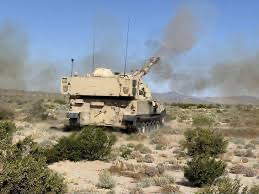
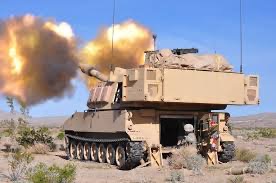
Every brigade that rotated through the NTC had to fight the OPFOR in realistic Force-on-Force MILES battles, but that was only half the test. Each unit also had to survive and succeed on the Live Fire Range before they could call their training complete.
Our Battalion Faces the Live FIre Range
Even our own OPFOR regiment was required to run the gauntlet once a year, and those days were some of the most intense and unforgettable of my military career. Tank crews practiced coordinated gunnery while infantry advanced under the cover of real artillery fire. Engineers breached obstacles with live demolitions while smoke and flame roiled across the desert floor. It was an exhilarating spectacle — the Army’s vision of combined-arms warfare brought terrifyingly to life.
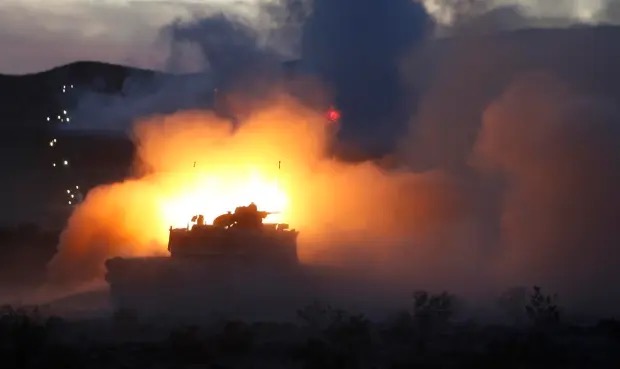
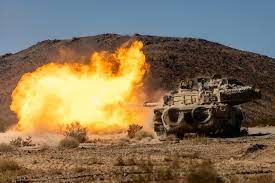
But that realism came with a steep price. Live fire training was dangerous — far more dangerous than anything in the MILES box — and no amount of planning or safety briefings could completely prevent tragedy. With hundreds of soldiers, vehicles, and weapons systems operating simultaneously across miles of broken terrain, mistakes happened. Friendly fire incidents were not rare. Men were wounded. And, on more than one occasion while I was stationed at Fort Irwin, soldiers were killed. Each death sent a shockwave through the community and reminded us all that the line between combat training and war was paper-thin.
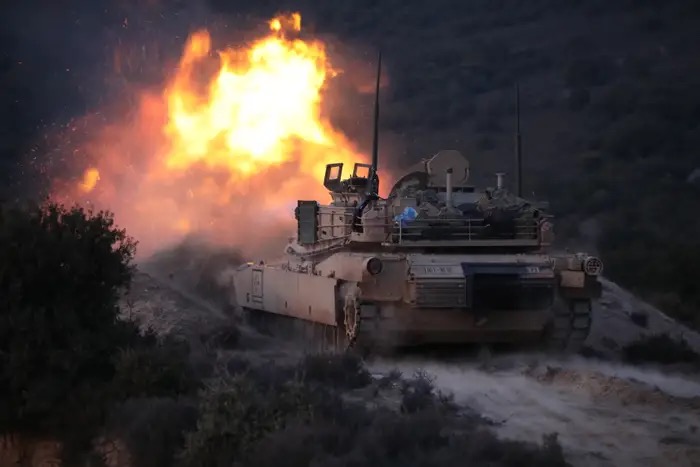
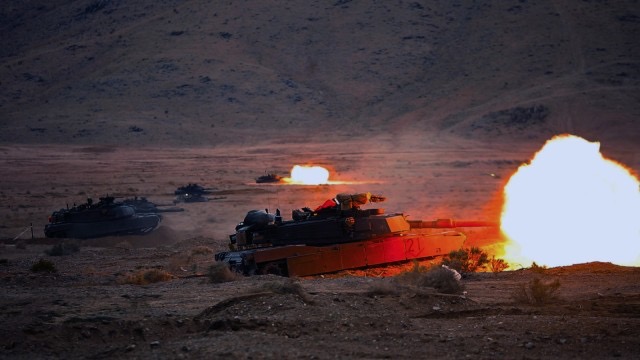
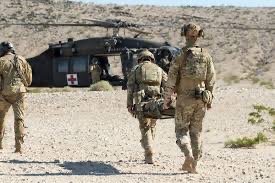
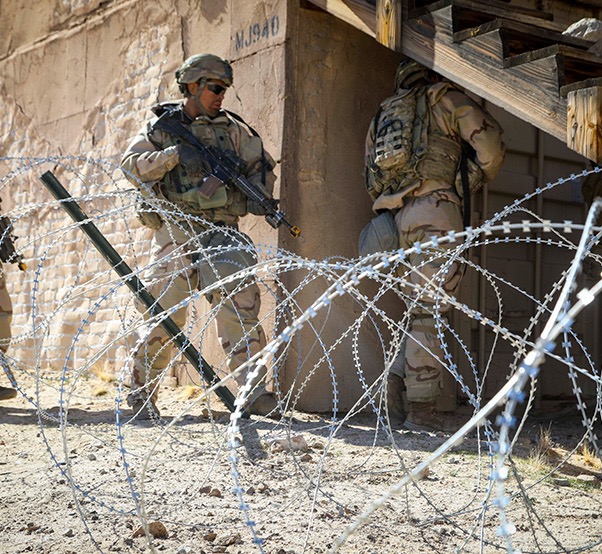
The most terrifying moments of all came when we had to dismount from the safety of our armored vehicles and advance on foot to breach obstacles under live fire. I can still remember stumbling forward through choking clouds of smoke and tear gas, wire cutters in hand, trying to slice through strands of barbed wire as tracer rounds zipped past just feet away.
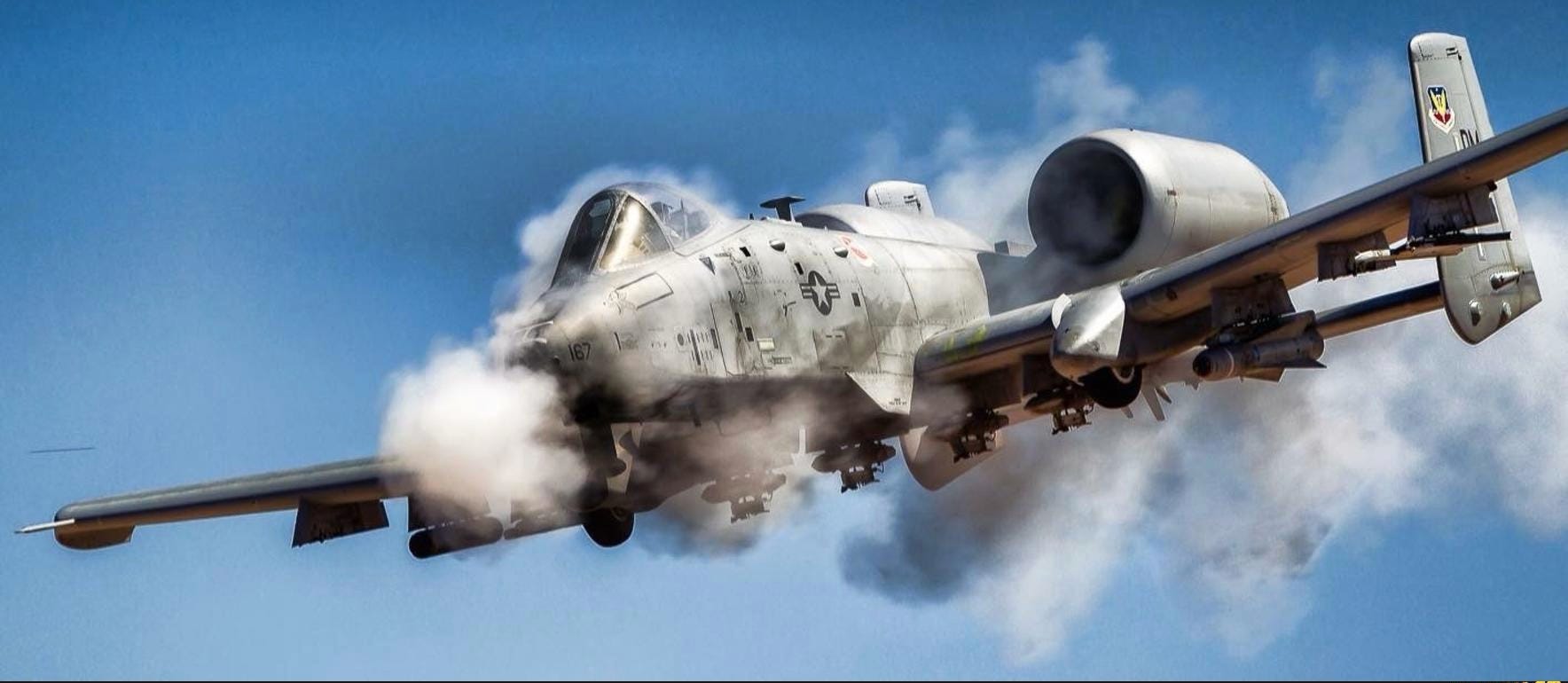
USAF A-10 Warthogs at NTC
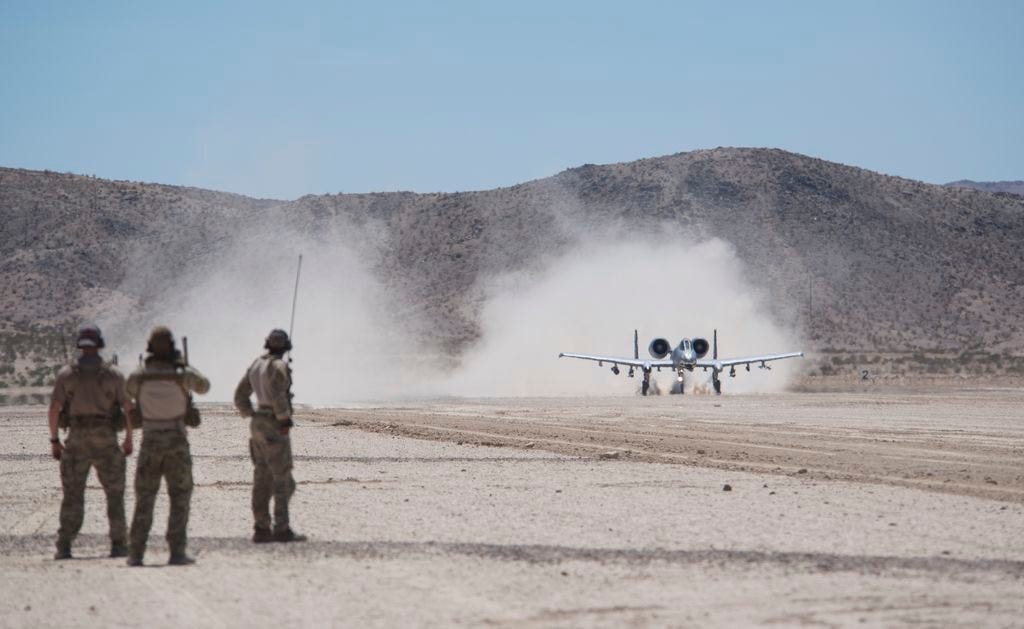
The air itself seemed to crack and sizzle as tank rounds slammed into distant targets and artillery shells screamed overhead. A-10 Warthogs circled above us, unleashing their 30mm Gatling guns in long, thunderous bursts that shook the ground beneath my boots. In those moments, we were fully exposed — vulnerable in a way no classroom or field exercise could ever replicate.
As an officer, I buried my fear as deep as I could, determined not to let the men see it. But the truth is, those experiences left their mark on me. They added to the weight of my growing PTSD — a burden I was far from ready to name at the time. Only now, as I sift through these memories to write my memoir, do I realize just how much I was carrying back then, and how deeply those days on the live fire range shaped me.
Lynne & Chris’s Wedding
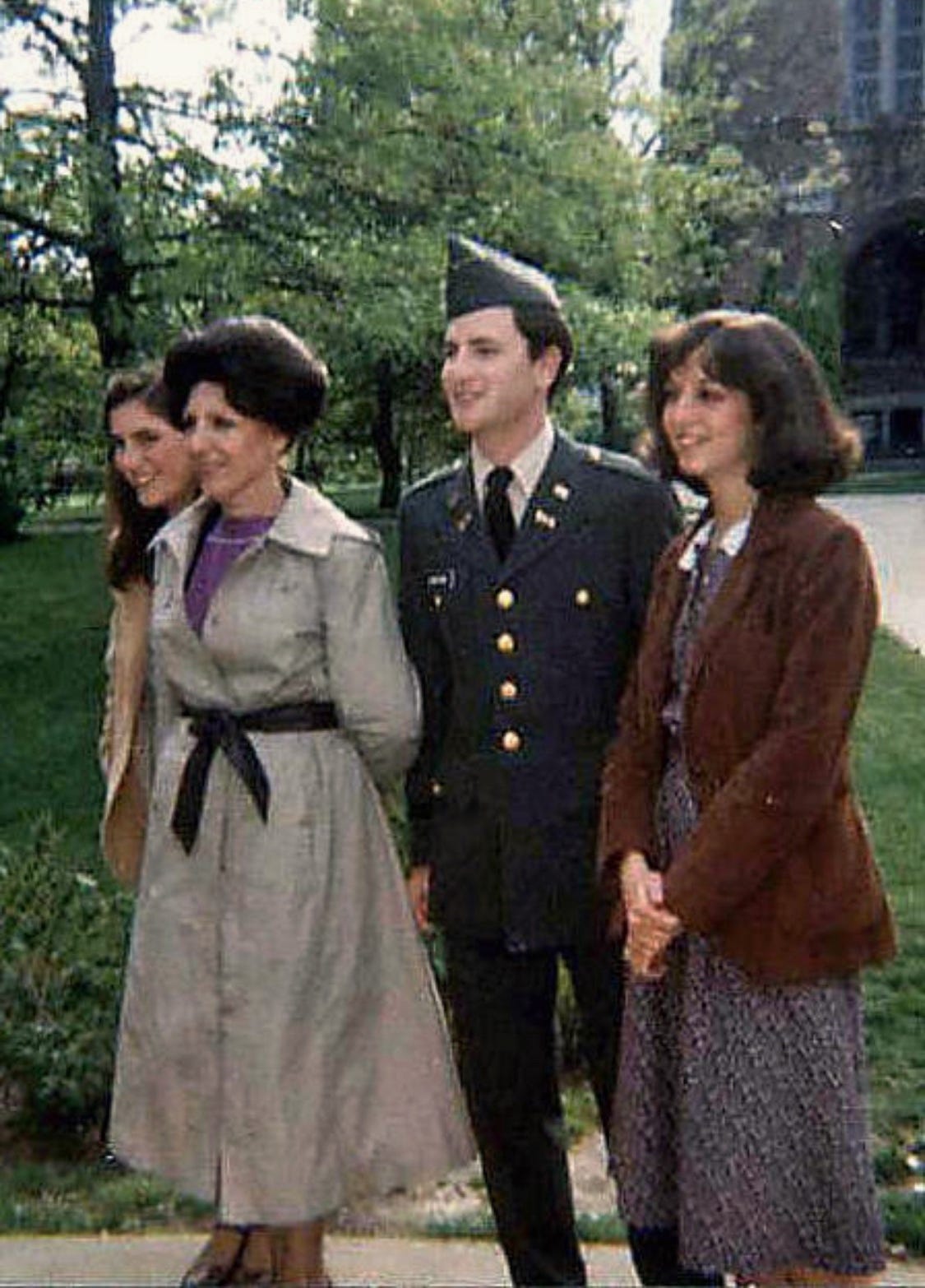
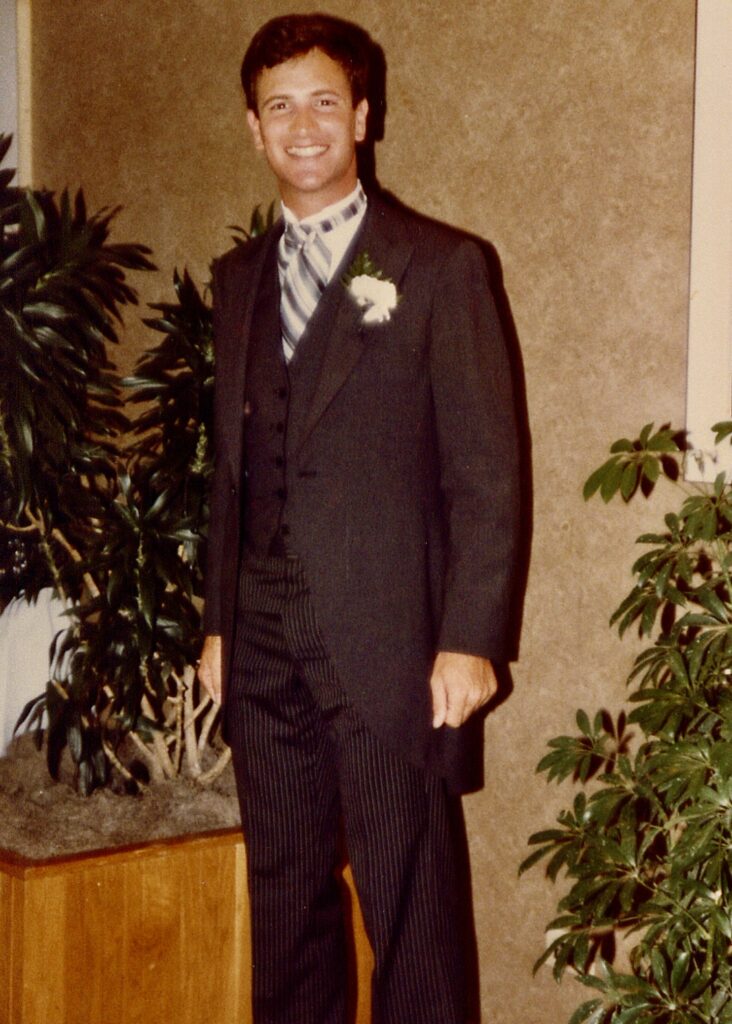
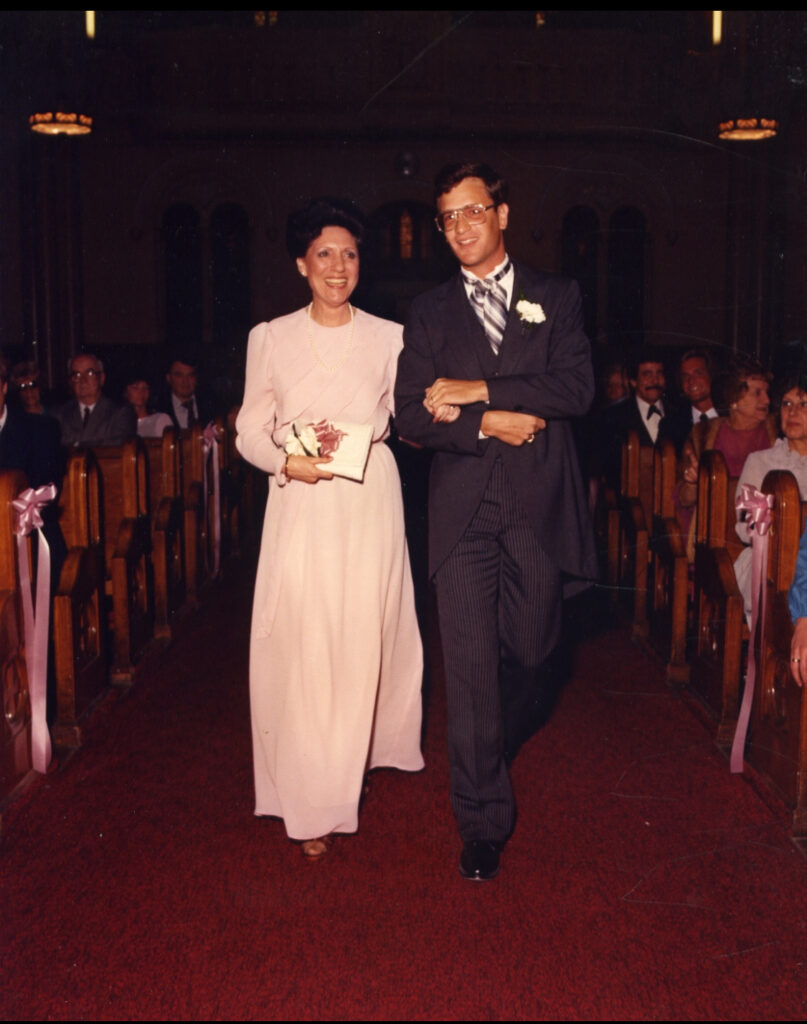
In the midst of that turbulent year, there was at least one bright moment for my family. My oldest sister, Lynne Elizabeth Carbone, was married to Chris Brown of Arlington, Massachusetts, on May 7, 1983, at Saint Joseph’s Catholic Church in Medford — the same church where we were all baptized, received our First Communions, and where my parents had exchanged their vows years earlier.


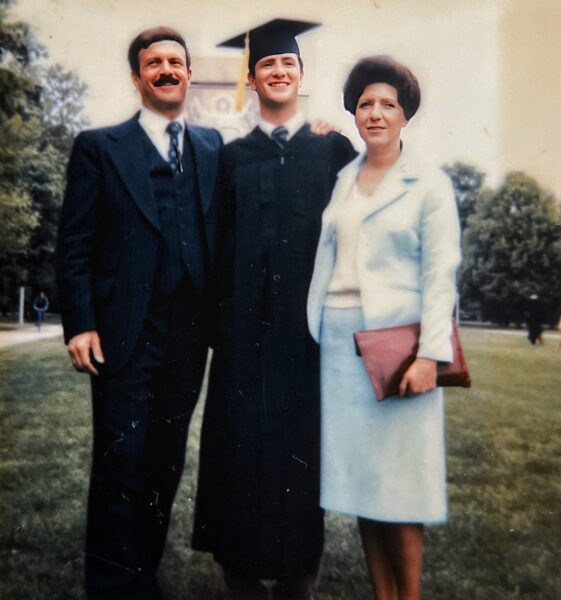
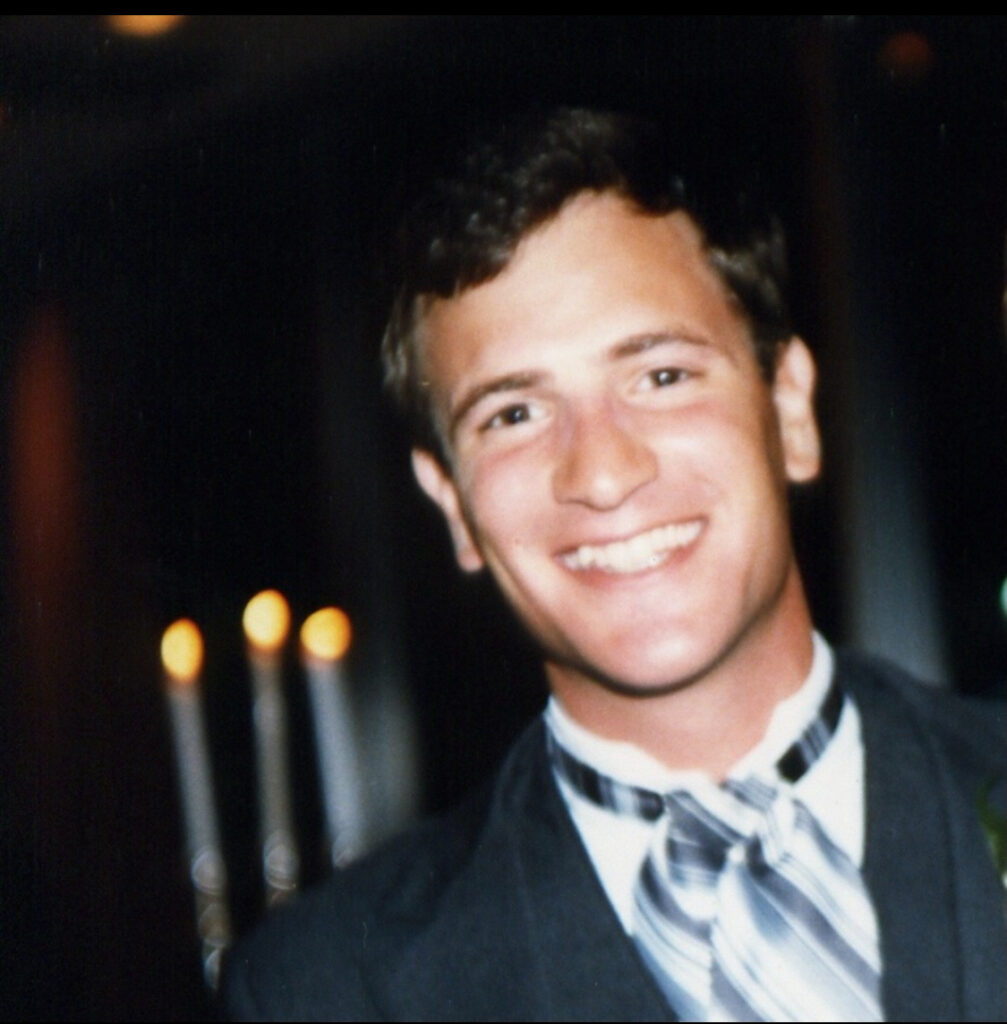
It should have been a day of joy and celebration, a moment to stand proudly beside my family. But the truth is, I don’t remember it. The exhaustion, the relentless schedule, and the emotional numbness brought on by my PTSD at Fort Irwin had hollowed me out. I only know that I was there because of a photograph — one that shows me walking my mother down the aisle. That image is my only proof that I hadn’t completely vanished from my family’s life, even though, in many ways, I already had.
The End of Our Marriage
The demands of Fort Irwin were draining, and the trauma I was enduring ran deeper than I ever understood at the time. Working through tactical problems and battlefield obstacles had become second nature to me — but there was no manual, no field exercise, to teach me how to maneuver through my personal life. I wasn’t in control. I let life happen to me — and poor Mariann had to sit there and watch it unfold.
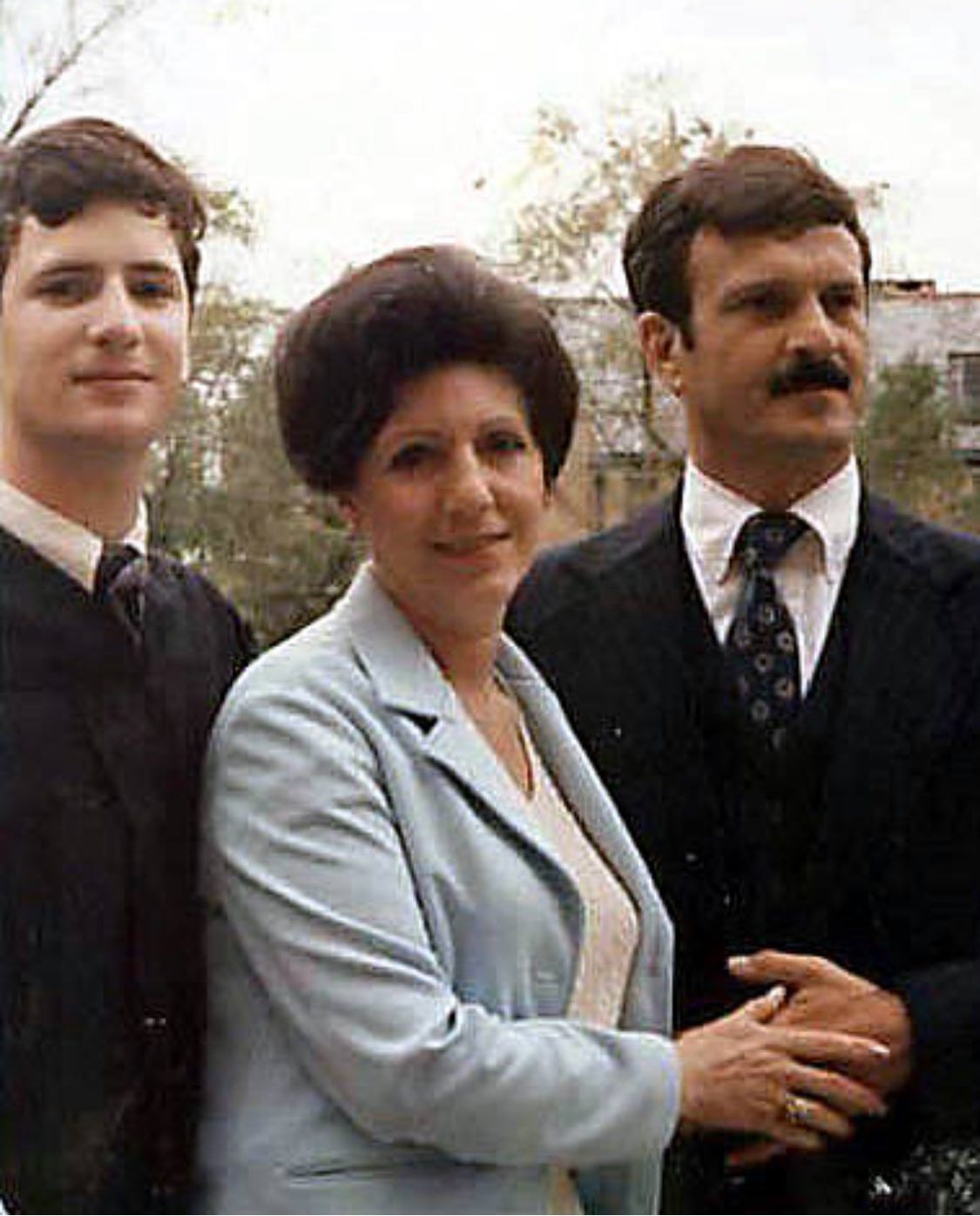
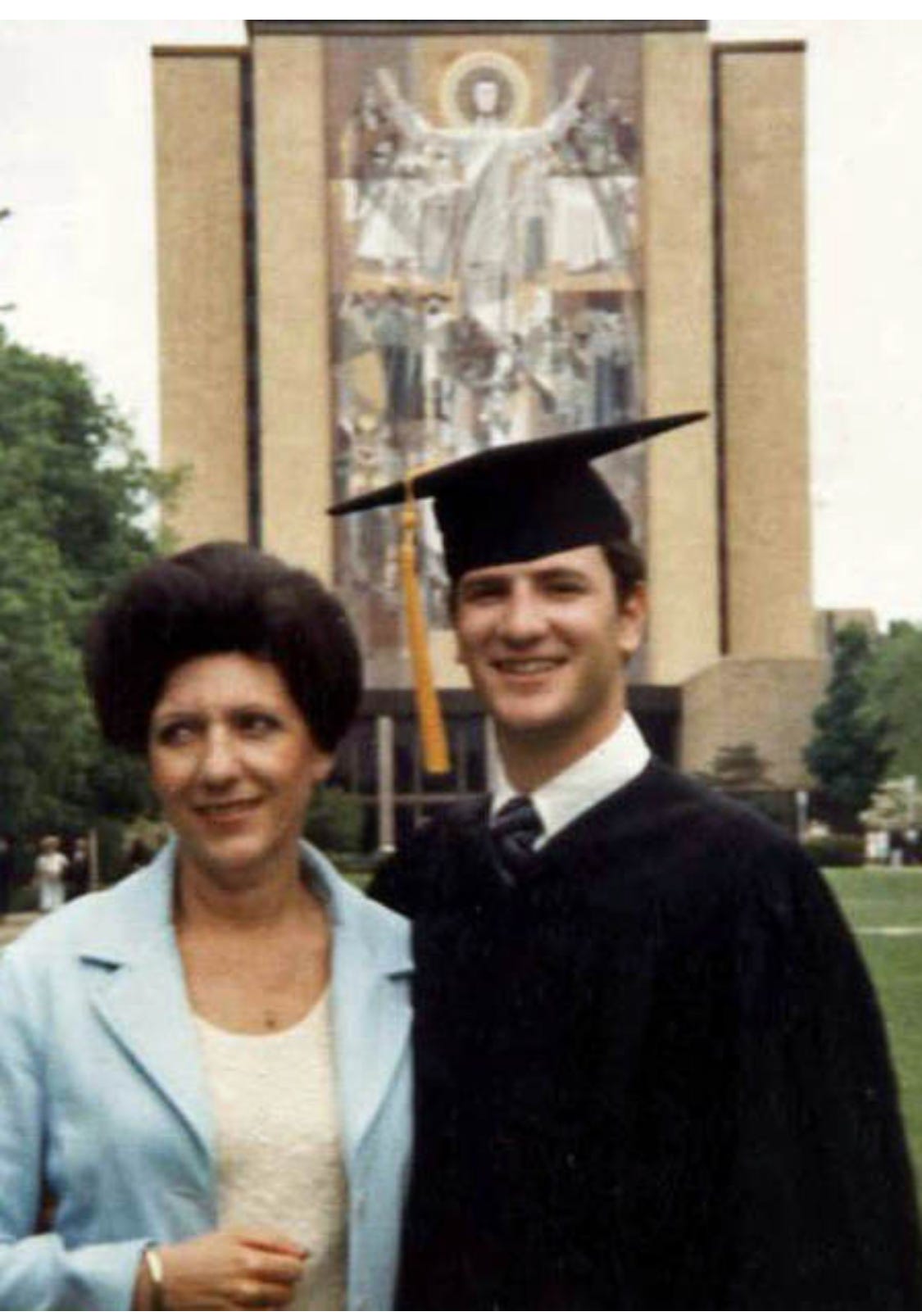
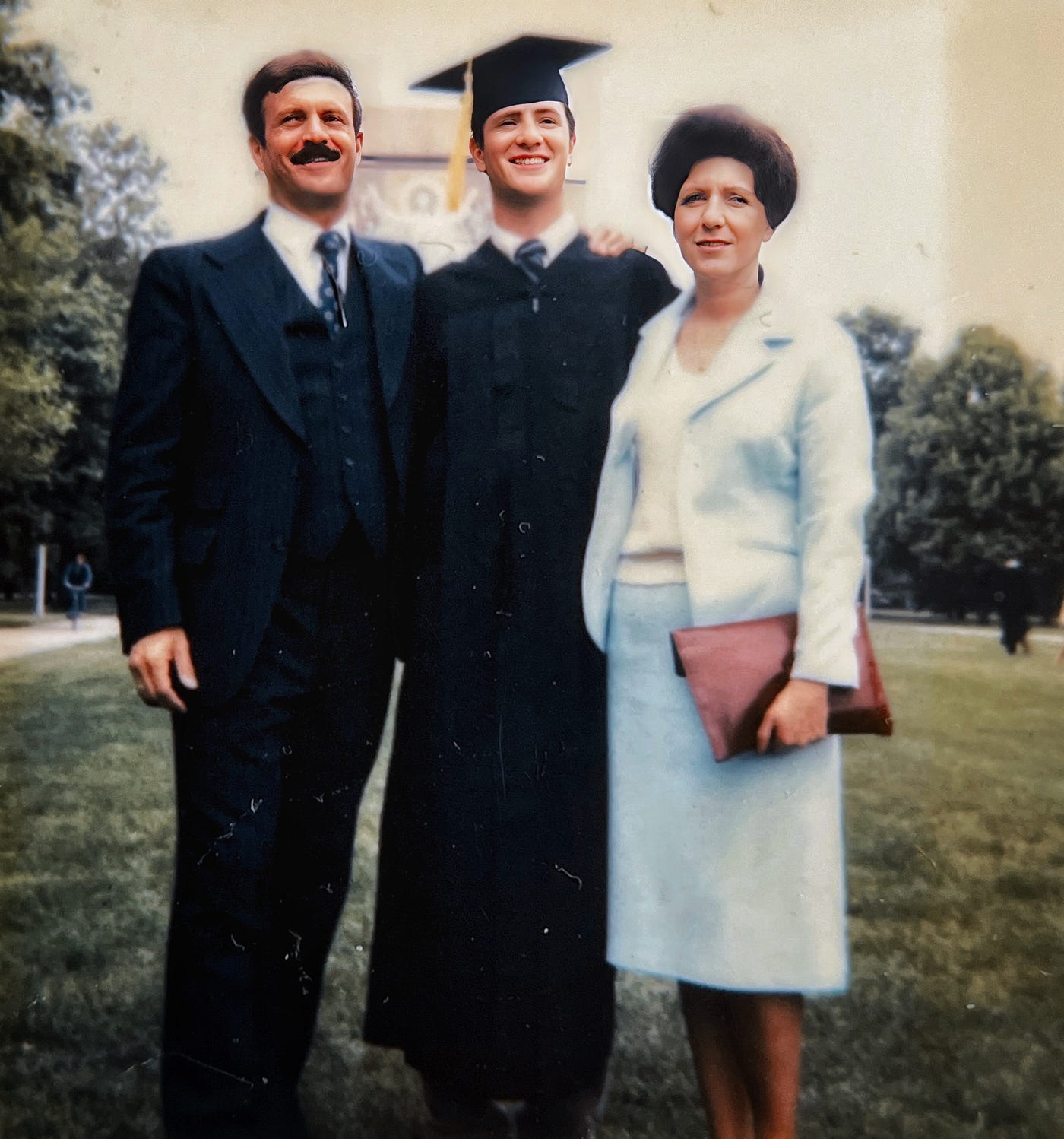
Thank God, I wasn’t a drinker. I didn’t use drugs. I was never violent. But I know I hurt her terribly. I know now that I was dead inside, and she could feel it every single day. I saw the misery in her eyes, and it was killing me and I could sense her silent plea for me to stop — to step off the treadmill, to find my way back to the boy she fell in love with at Notre Dame. Of course, I wanted that too. I wanted to be that young man again — full of hope, joy, and love. But I was too sick. Too broken.
Taking Mariann Home
Eventually, Mariann asked me to let her go home, and with a heavy heart, I agreed. I couldn’t just put her on a plane by herself, so I flew home with her to Chicago. And then, in one of the most humiliating and heartbreaking moments of my life, I physically handed her back to her father like the day he handed her to me in marriage. That moment has haunted me ever since. I still have nightmares about it — the weight of failure, the unbearable shame, the realization that the Army had taken not just my peace of mind but the woman I loved.
There are nights when I still wish I had been the soldier killed in battle— that she could have gone home an honorable widow instead of a broken man’s abandoned wife. I never forgave myself for losing Mari. And for years afterward, I tried — desperately and hopelessly — to win her back.
Looking back now, I realize that losing Mariann was the deepest wound of all — one that never stopped bleeding. The Army had taught me how to lead soldiers, how to plan battles, how to survive chaos and death. But it had not taught me how to love someone through my own brokenness, or how to protect the person who needed me most. I failed her in every way that mattered. And the shame of watching her walk away — of knowing that I had driven her to that point — still haunts me. I would give anything to go back and rewrite that part of my life, but time offers no mercy. The truth is, I never stopped loving her. And I never stopped hating myself for letting her go.