Chapter 19: The Summer of 1979 — Fort Leavenworth to Boston

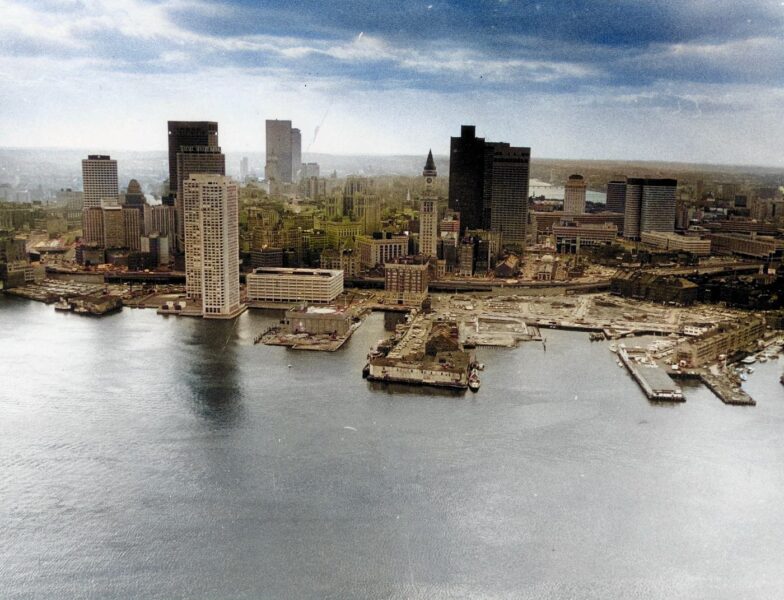
Boston Skyline and Waterfront

Believe Nothing You Hear, and Only Half of What You See — A memoir of Service, Shame and the Search for Truth

Return to Home in Fort Leavenworth, Kansas

I had just wrapped up my sophomore year at Notre Dame when I returned to Fort Leavenworth, Kansas, where my parents and two younger sisters were living.
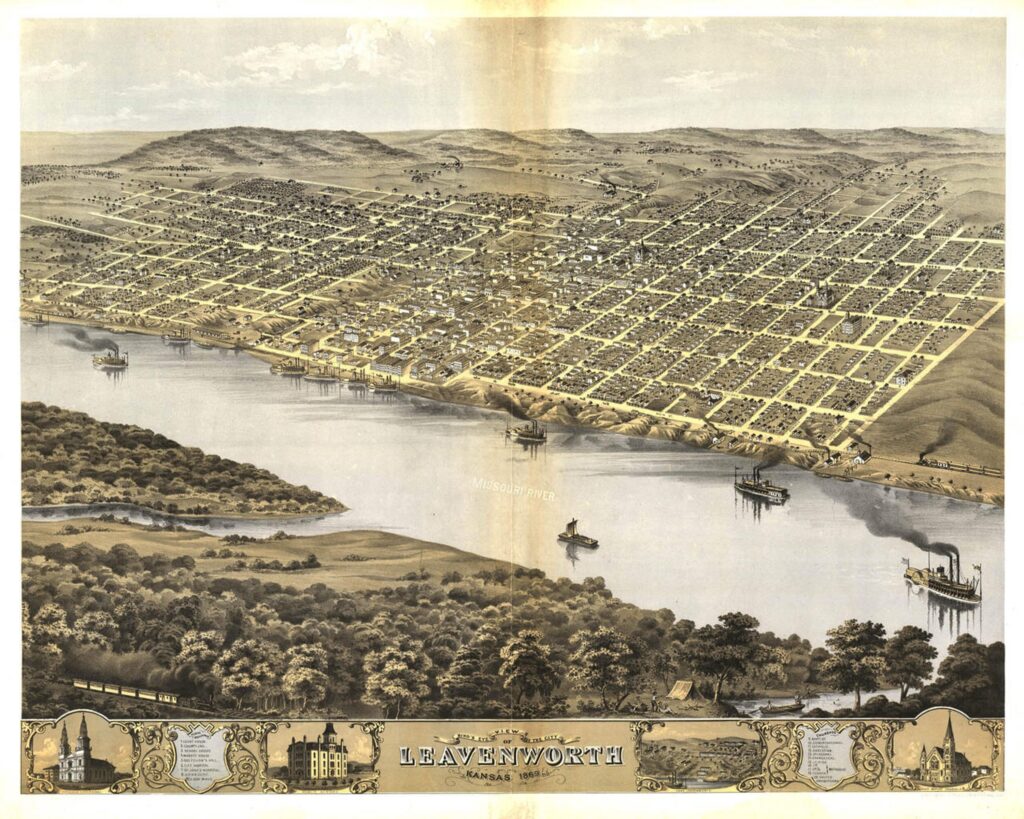
1869 map of Fort Leavenworth, Kansas.  With Missouri River and banks of Kansas and Missouri.  Biography of Dr. Anthony J. Carbone.

Dad Completes Assignment at Command & General Staff College

My father completed his two-year tour at the Command & General Staff College as a tactics instructor. He received another Meritorious Service Medal (MSM) from the Army.
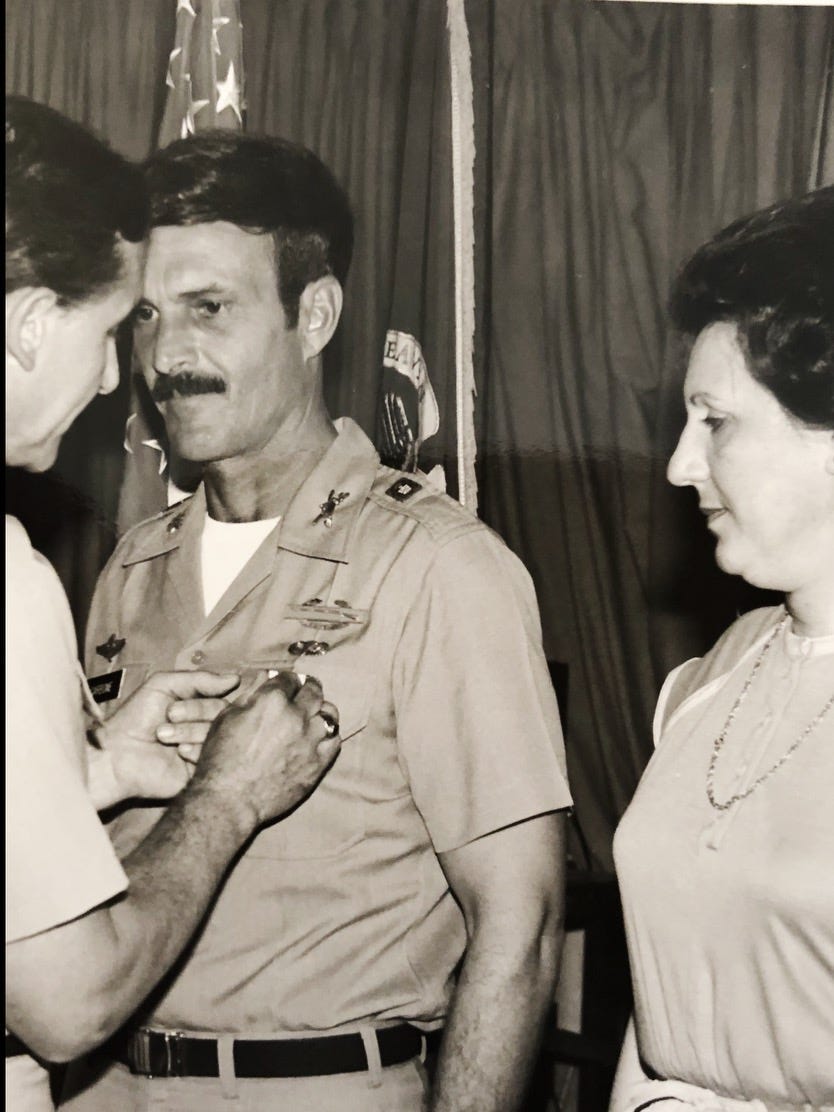
Dad receiving another medal at the Command & General Staff College with my mother by his side. Fort Leavenworth, Kansas. Autobiography of Dr. Anthony J. Carbone.
Dad receiving another medal at the Command & General Staff College with my mother by his side.

Dad Receives Orders for U.S. Army War College

It didn’t take long to learn that my father had received orders to attend the U.S. Army War College (USAWC) at Carlisle Barracks, Pennsylvania. The Army War College is one of the most prestigious institutions in the military. Founded in 1901 in response to shortcomings revealed during the Spanish-American War, it was designed to improve leadership and strategic planning at the highest levels. It closed during World War II and reopened in 1950, eventually relocating to Carlisle Barracks in 1951.
Seal of the United States Army War College (USAWC) at Carlisle Barracks, Pennsylvania.  Autobiography of Dr. Anthony J. Carbone.
Shoulder patch worn by Army personnel assigned to the U.S. Army War College at Carlisle Barracks, Pennsylvania.  Autobiography of Dr. Anthony J. Carbone

The mission of the USAWC is to educate and develop leaders for service at the strategic level while advancing knowledge in the global application of Landpower. Students are senior military officers — including international fellows — and high-level civilian government officials preparing for top leadership roles. The College also functions as a research hub and think tank, with centers like the Center for Strategic Leadership and the Strategic Studies Institute guiding national security discussions.

Upsetting News for Me

What this meant for me personally was simple: I wasn’t going to be at Fort Leavenworth for long. No more hanging out with Becky Roberts or the Morrison girls. Instead, it meant yet another move — packing up our government quarters, clearing quarters, and a bunch of goodbyes once again.


Wisdom Teeth Extraction on Cleaning Day

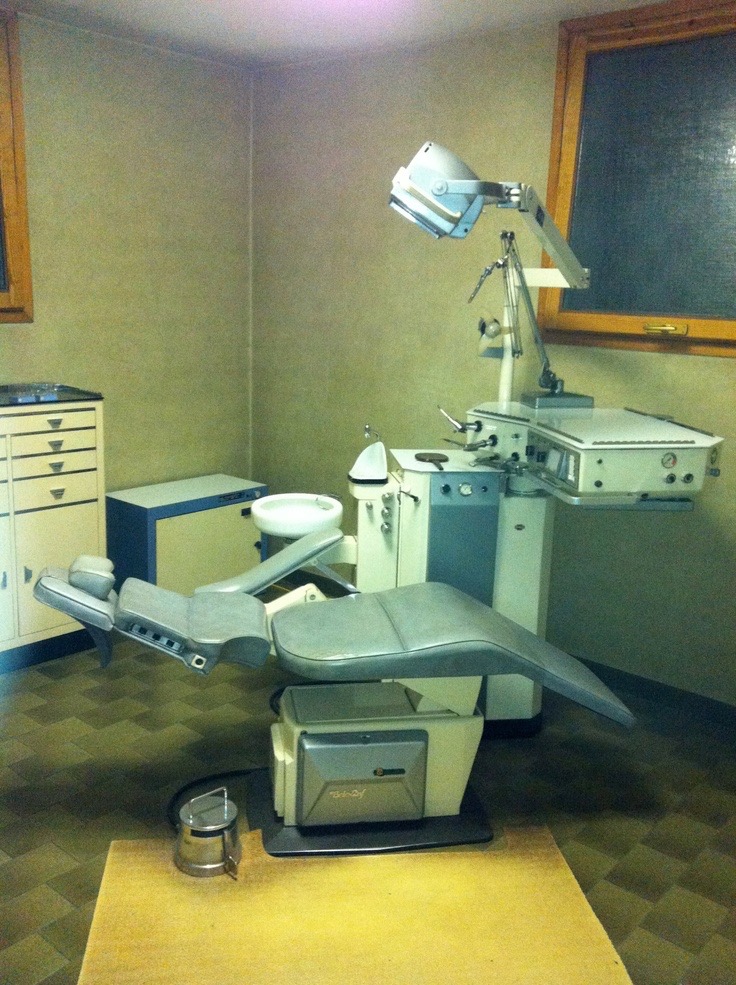
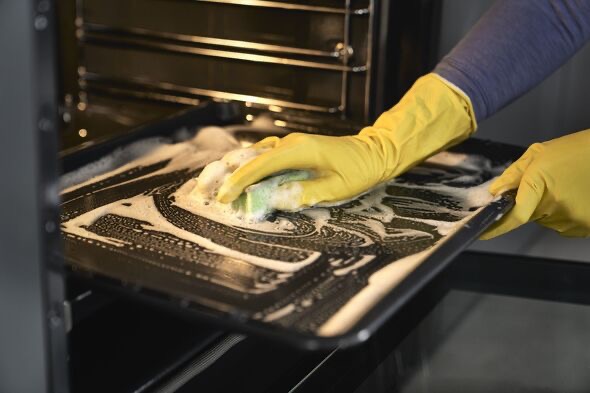
The timing, as usual, was less than perfect. On the very day we were scheduled to clear quarters, I had all four of my wisdom teeth pulled. Instead of spending the day in bed sipping soup, I was on my hands and knees scrubbing the oven and refrigerator for the housing inspection team. My cheeks were swollen, my mouth was throbbing, and I was exhausted, but we passed inspection.
Sad Goodbyes

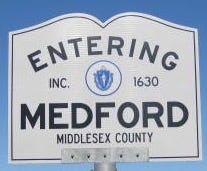
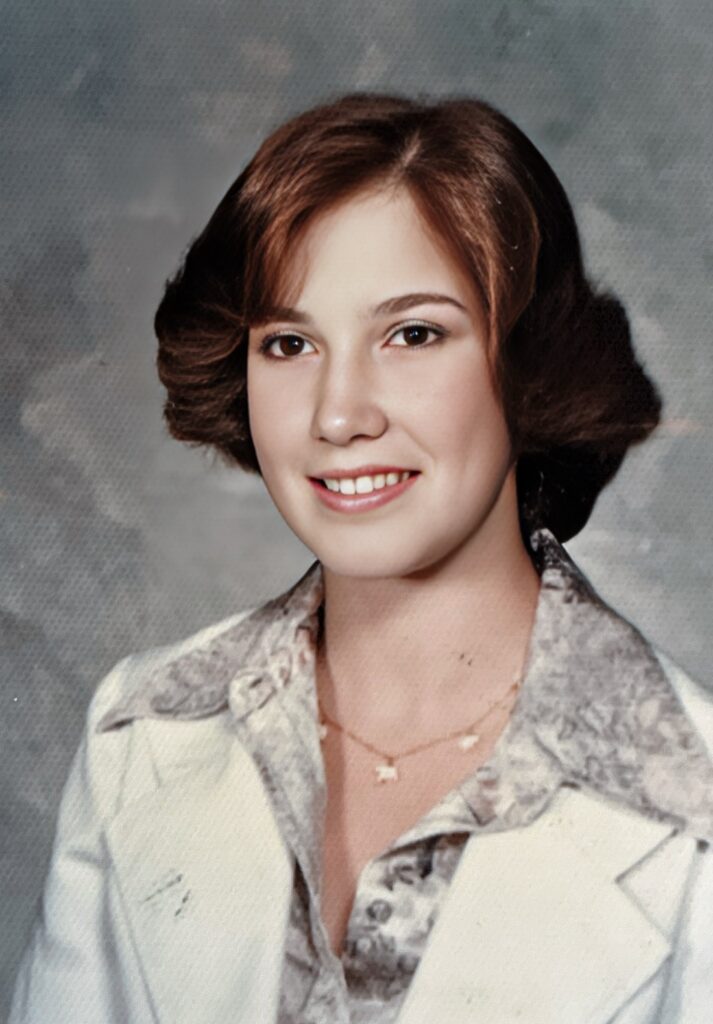
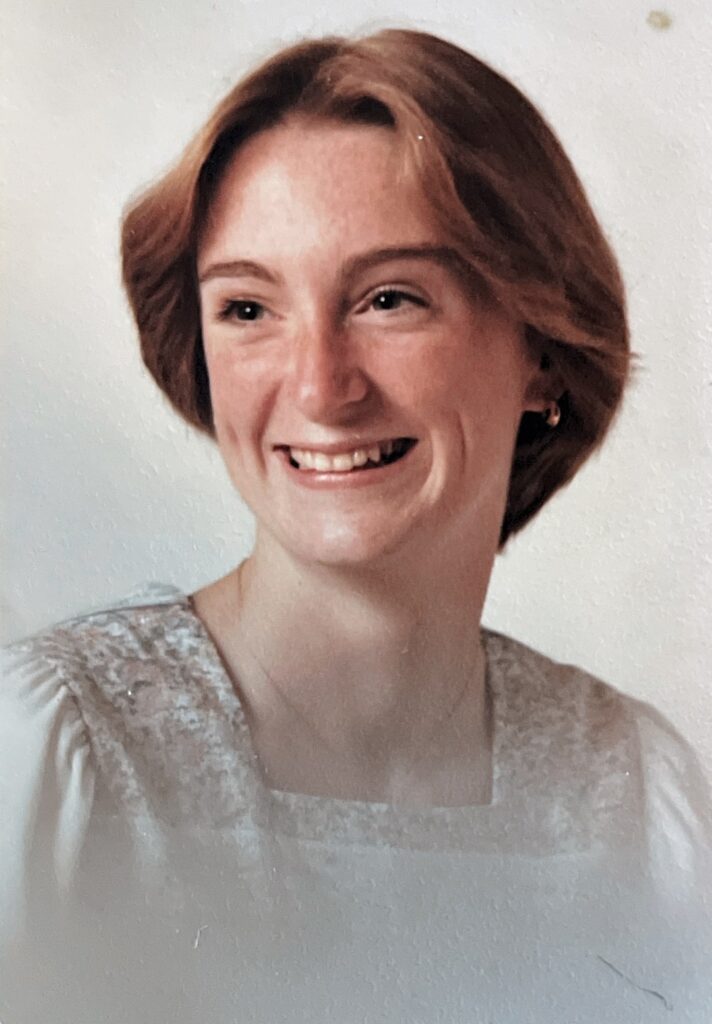
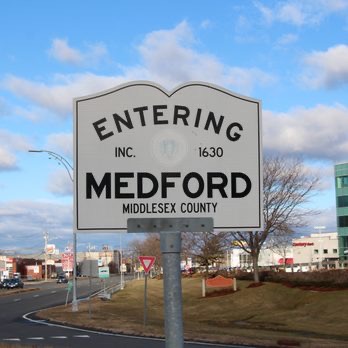
I made tearful goodbyes to all the girls I was in love with that summer — Becky, Heidi, and all the Morrison girls. Then we loaded up the Cordoba and headed east to Medford, Massachusetts, to stay with Nana Pietrantoni for what was left of the summer — before my father had to report to the War College in Carlisle.
Another Road Trip to Nana & Papa in Medford, Mass

We made the long drive across the country back to the Boston area to spend most of the summer living with Nana and Papa Pietrantoni, along with Aunties Norma and Cynthia.
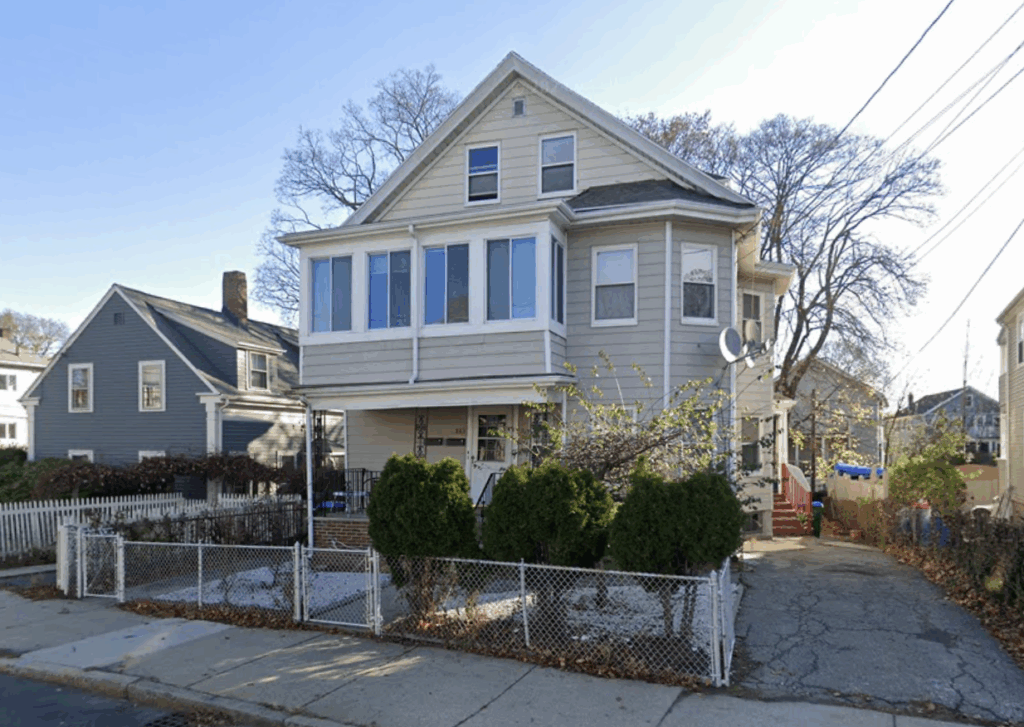
That meant sleeping once again in the attic bedroom — hot, stuffy, and without air conditioning. I started thinking about where I could work that summer, and I wasn’t exactly thrilled about the prospect of returning to Carpenito Brothers’ 5-Cs fruit and produce business to load trucks again. So, when Auntie Norma suggested she might be able to get me a job at the law firm where she just started working, I jumped at the chance.

Auntie Norma at Boston’s Best Law Firm

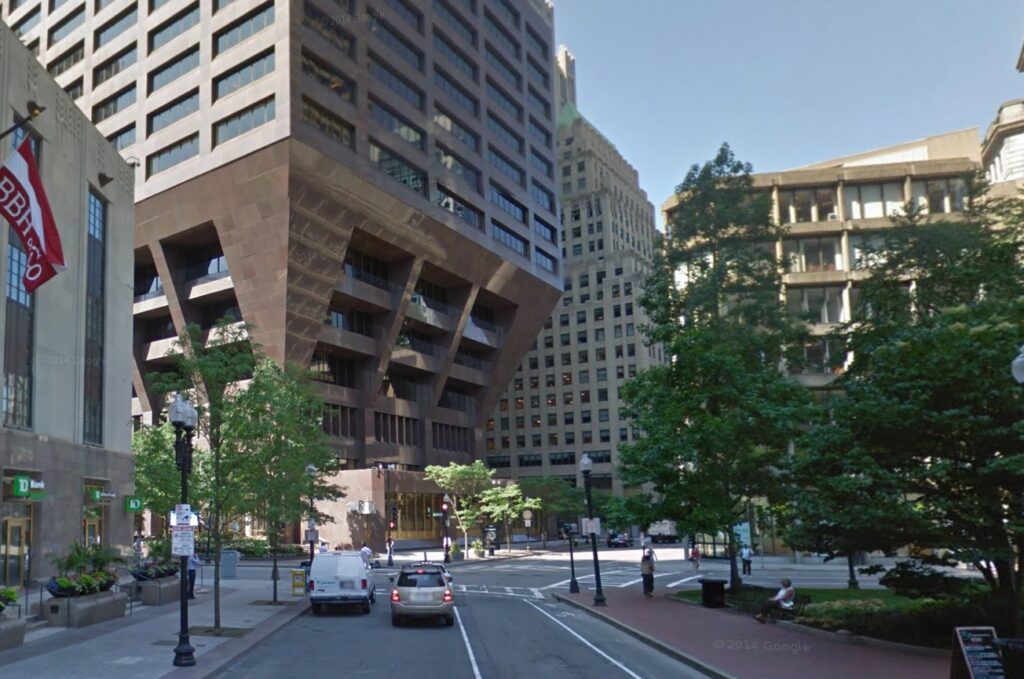
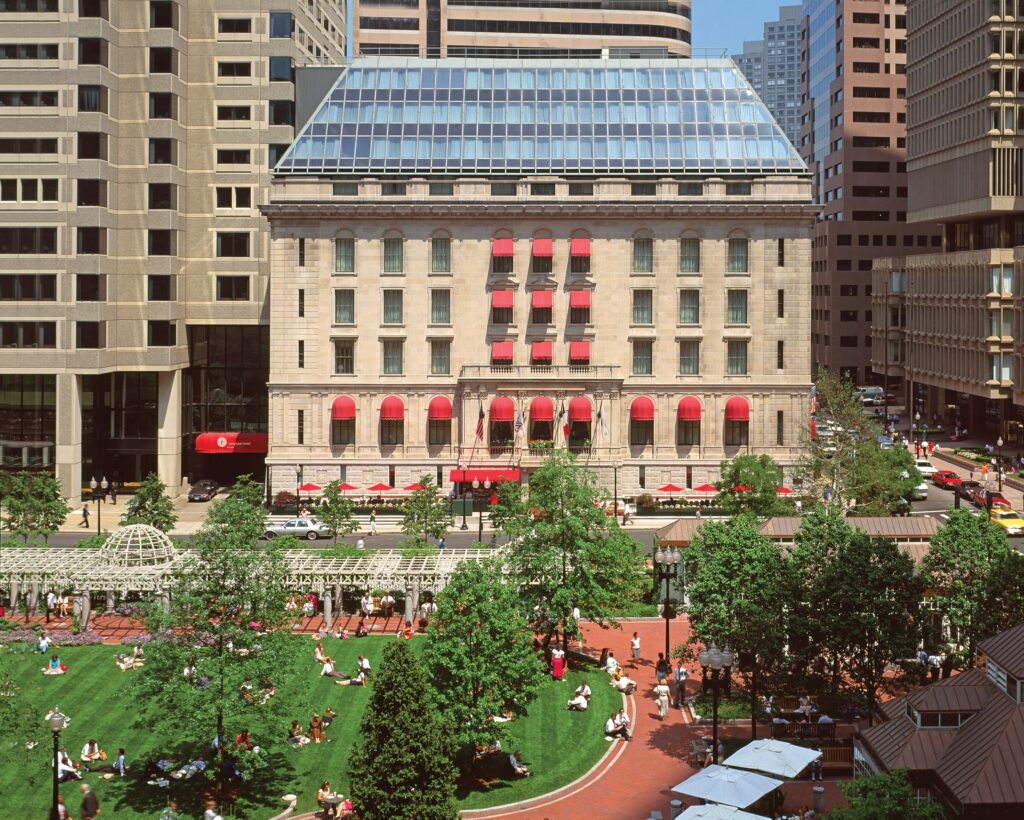
Auntie Norma was a legal executive assistant for a prominent Boston firm located in the famous “Pregnant Building” in the Financial District. I’ll just refer to the company as “Boston’s Best Law Firm.” Before anything else, she made a few things clear: this was a serious professional law firm, I needed to look and act accordingly, and no one there was to know that we were related. The position was as a mail clerk and messenger, joining another young man already in the role.
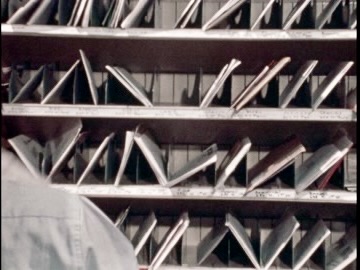
Mail Clerk for Boston’s Best Law Firm

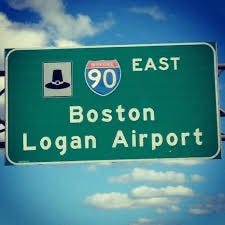
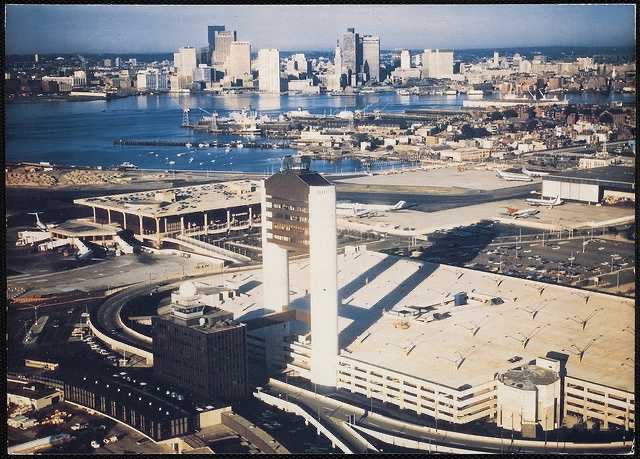
It turned out to be a far more fascinating position than it sounded. Half of the job was sending and receiving mail for the attorneys, which was a complex process involving client account codes and international shipping rules. The attorneys corresponded with clients worldwide, and urgent deliveries sometimes required me to take a taxi straight to Logan Airport to hand a package directly to an airline for same-day or next-day delivery.
I became a regular at the main Boston Post Office and often ran packages up to attorneys’ assistants in their offices, discreetly giving Auntie Norma a quick “hello” when I passed her desk.
Messenger for Boston’s Best Law Firm

The messenger work was even better. I got to roam all over Boston, delivering legal documents — often for signature — to clients in high-rise offices. Many receptionists were young and attractive, and, to my surprise, some of them flirted with me. I was still young and naive enough that most of the banter went over my head, but it certainly made the job more enjoyable.
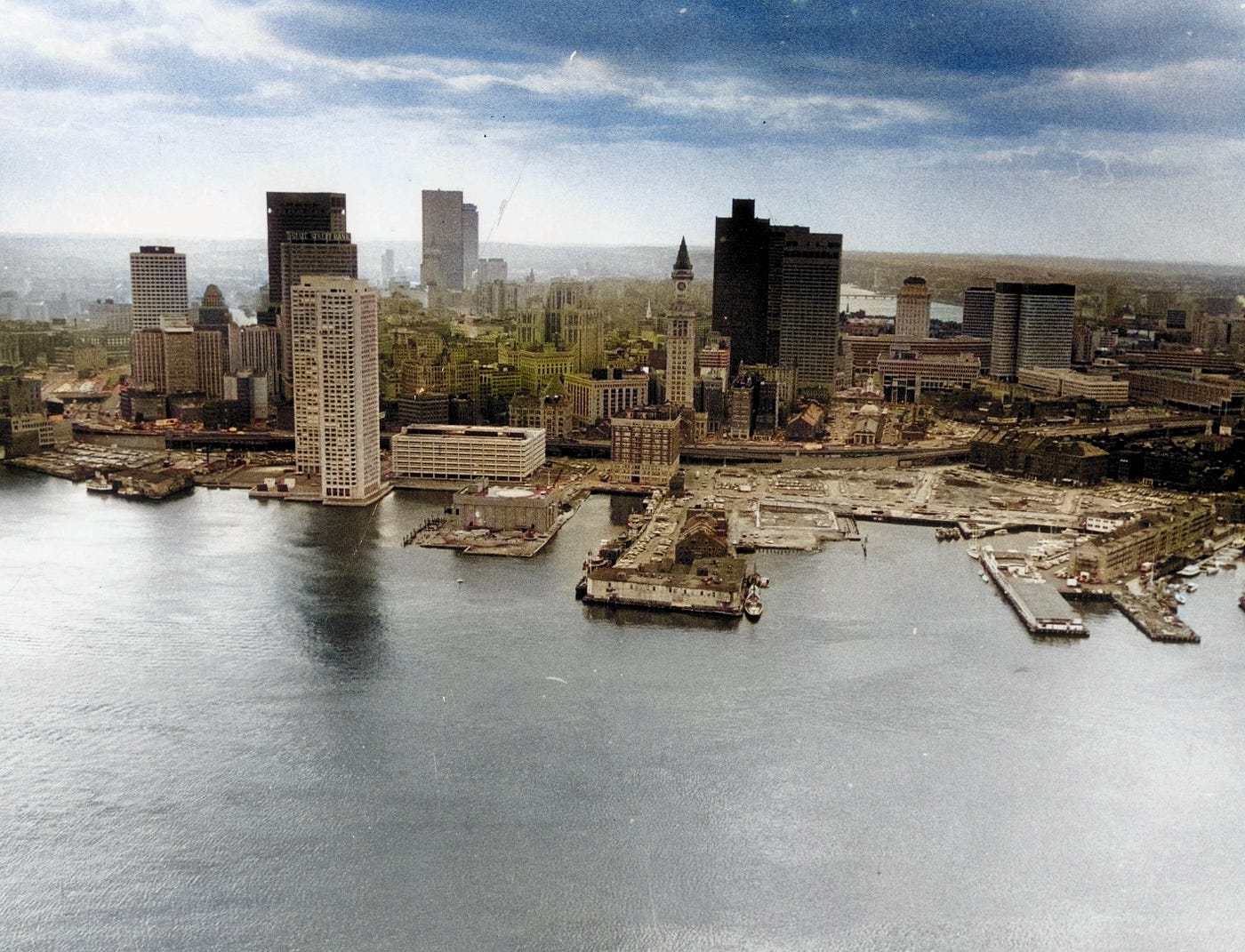
Aerial photograph of Boston skyline and waterfront circa 1979.  Autobiography of Dr. Anthony J. Carbone.

Bean Town Attractions

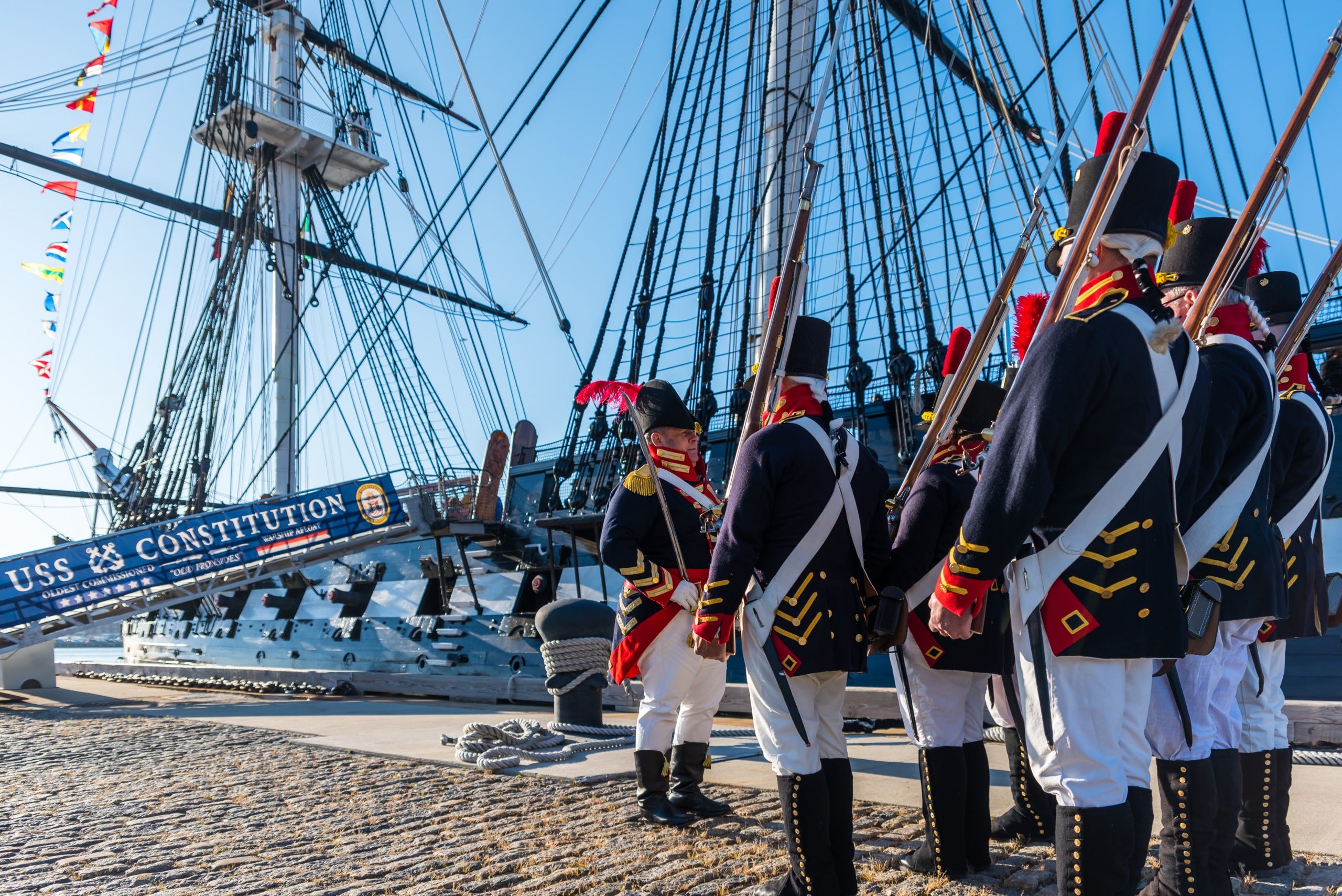
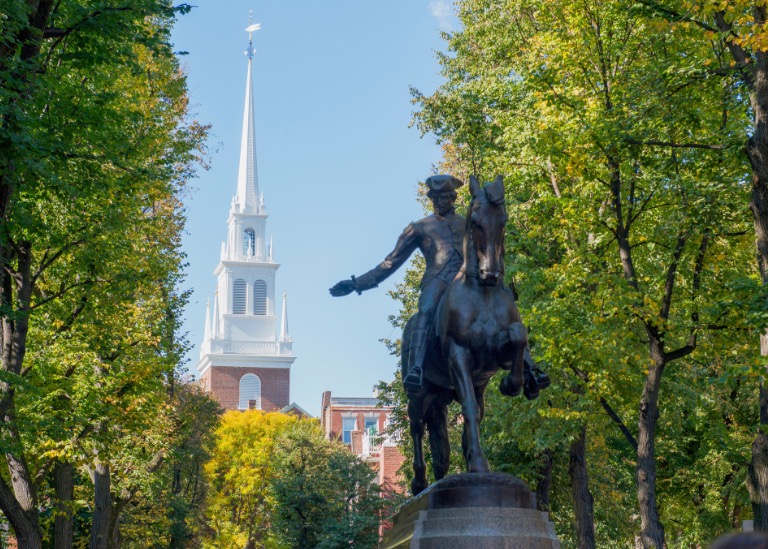
First of all, I love Boston. There is the hustle and bustle of a city of businesses, restaurants, and tourists. It’s a city with trees and water. I love the waterfront and the Boston Harbor. I love walking in the Boston Public Gardens. Then, we have the history going back to the Pilgrims, the Boston Tea Party, the Old North Church, the American Revolution, the USS Constitution. Boston has over 70 colleges and universities — it’s the Hub of Education. It’s beautiful, exciting and entertaining.
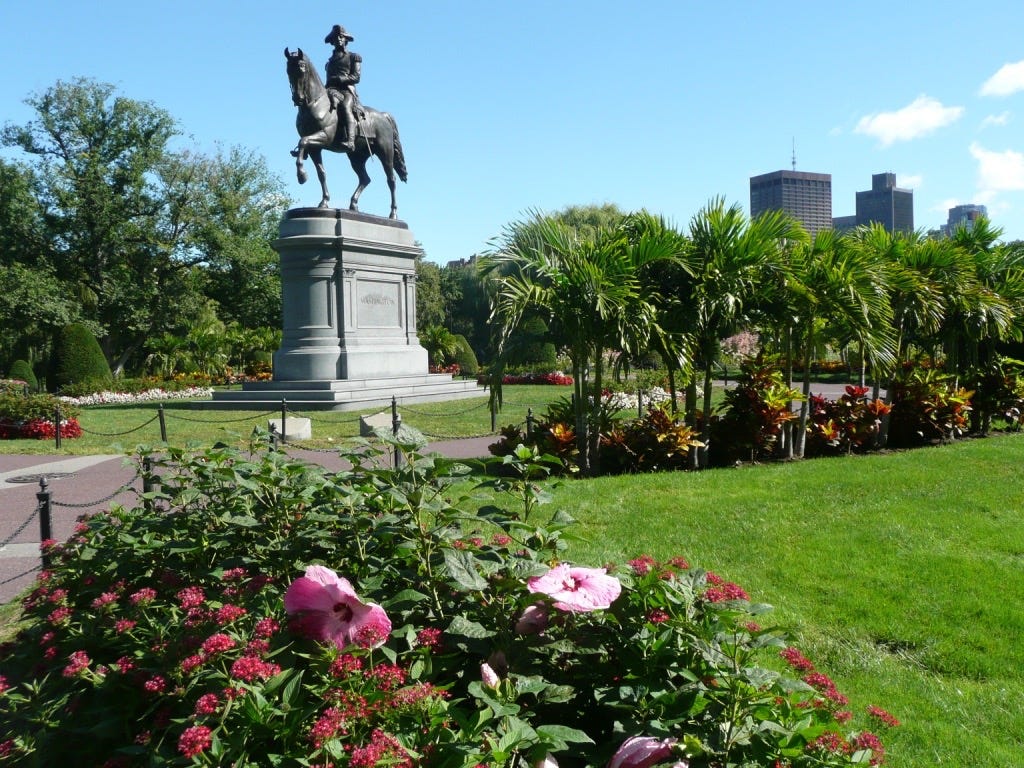
Photograph of Boston Public Garden in summer with statue of George Washington riding a horse.  Autobiography of Dr. Anthony J. Carbone.
Photograph of the USS Constitution and ceremonial marine unit at Charlestown Naval Yard in Boston.  Autobiography of Dr. Anthony J. Carbone.
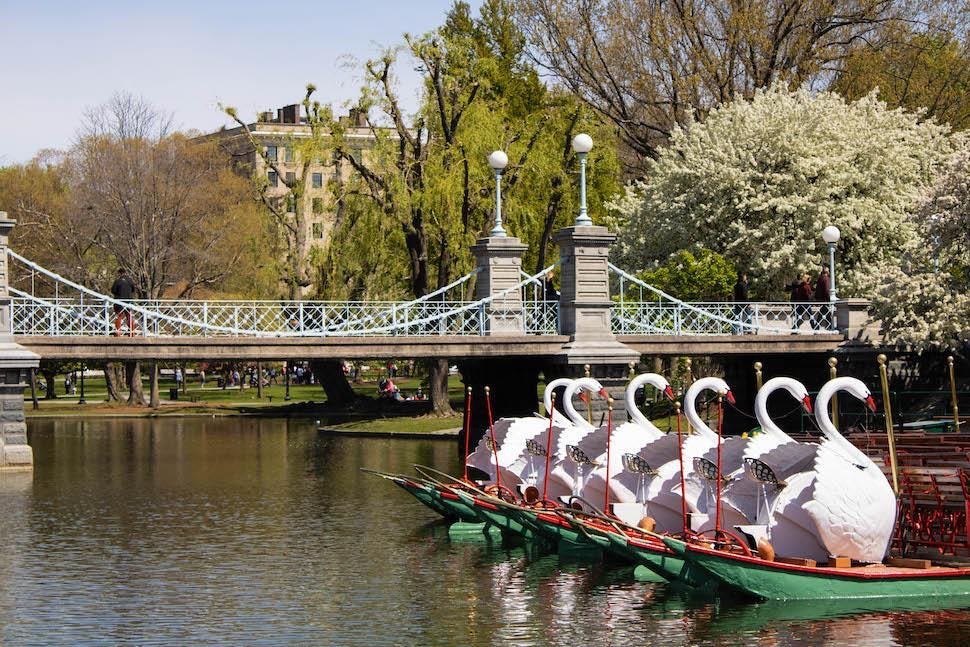
Photograph of the Boston Public Garden with bridge and swan boats.  Autobiography of Dr. Anthony J. Carbone.

Messenger Job Comes with Freedom and Independence

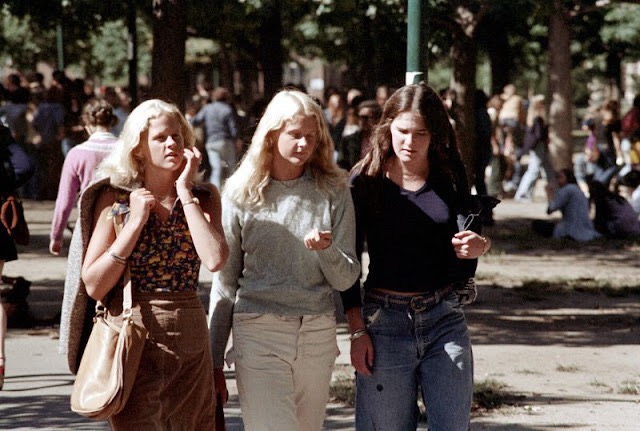
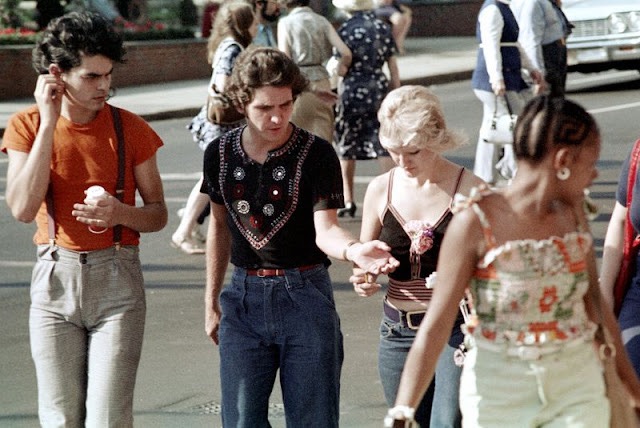
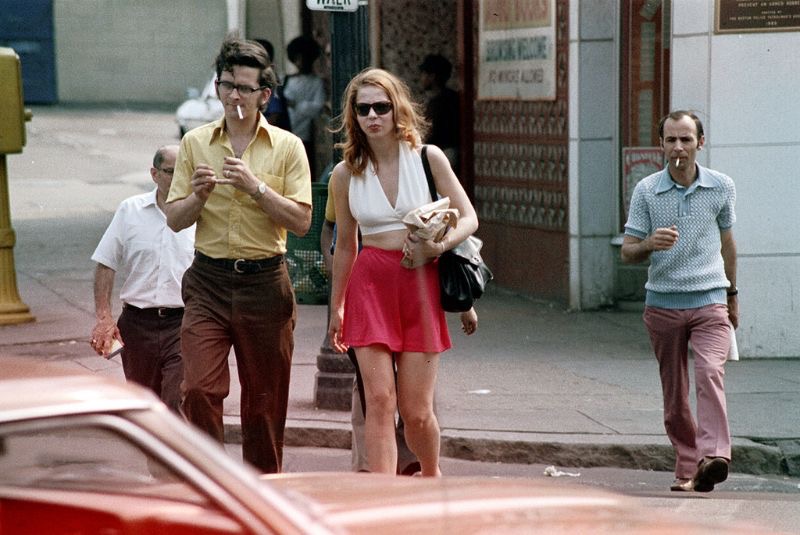
Another aspect I loved was the freedom and independence. I was outside, on my own, crisscrossing downtown Boston — a city that’s as beautiful as it is fascinating. I ate wherever I wanted, usually at one of my favorite little dives. Spent my lunch breaks doing two of my favorite things: eating outdoors and people-watching.

People Watching in Downtown Boston
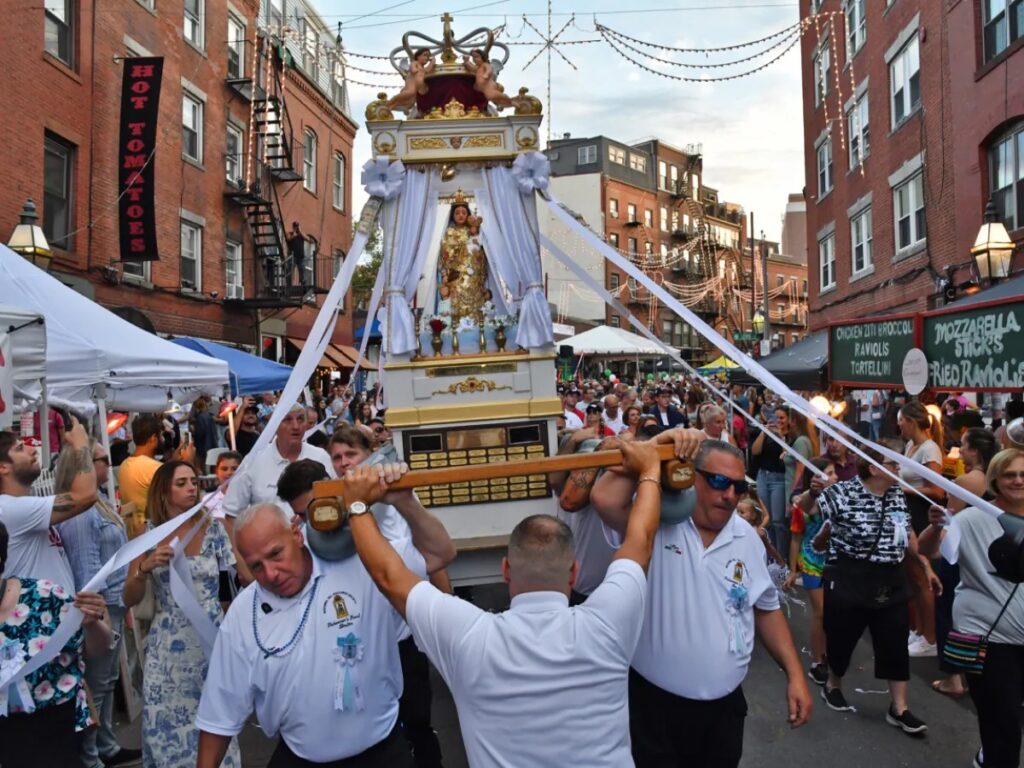
Boston’s North End (Little Italy)

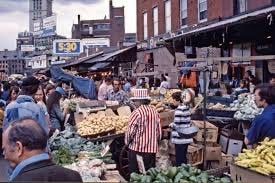
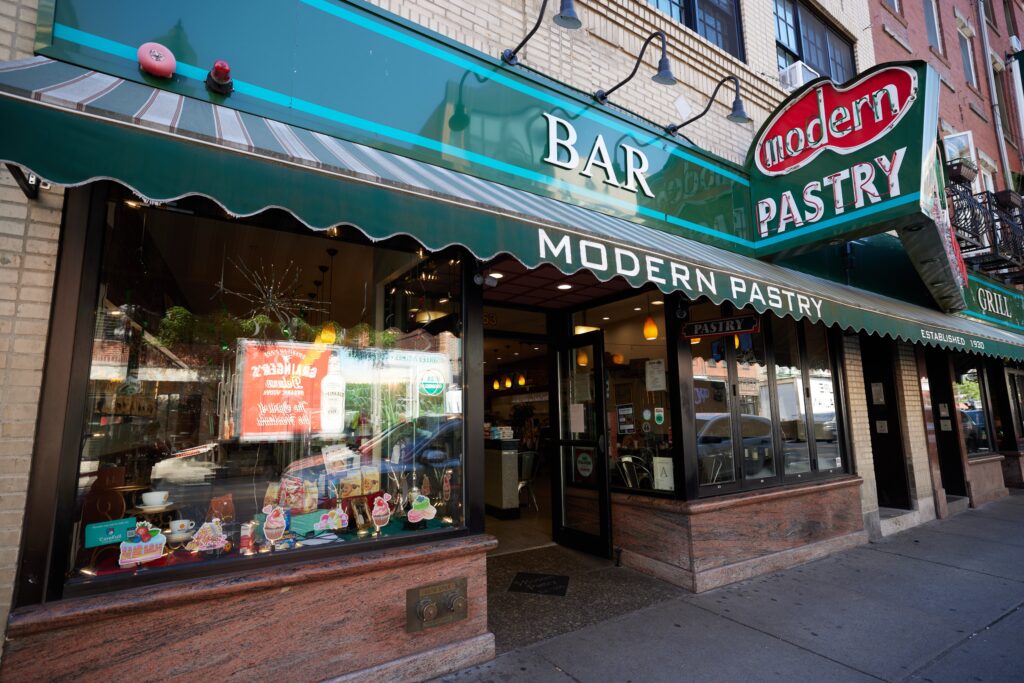
Boston’s neighborhoods offered an endless mix of cultures and cuisines. This was easily one of the best summer jobs I’d ever had. No cutting onions, mowing lawns, or loading trucks. Just me sitting by the Boston Harbor waterfront with an Italian cold-cut sandwich from the North End (Little Italy), a canoli from Modern Pastry, a cold Coca-Cola, and a steady stream of beautiful young women. Boston is filled with tourists and office workers alike — passing by in the summer sunshine.
One day, an attorney came into the mailroom with a file folder to deliver. A woman whose name and address was on the document inside. I was to get her signature and return the document to him. I said, “Yes, sir!” — until I looked at the address. It was on Wall Street in New York City.
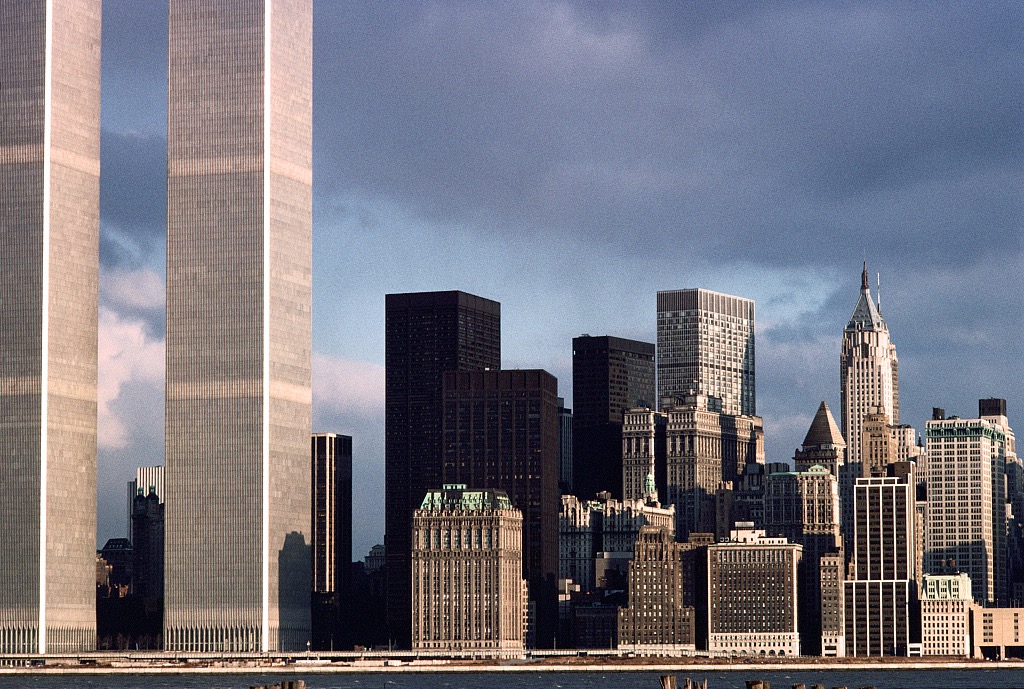
I asked him how exactly I was supposed to do that. He pointed to the client code on the envelope and told me to take it to Accounting. There, they’d arrange a round-trip flight to New York and provide taxi vouchers for both cities. Suddenly, this was no ordinary delivery.

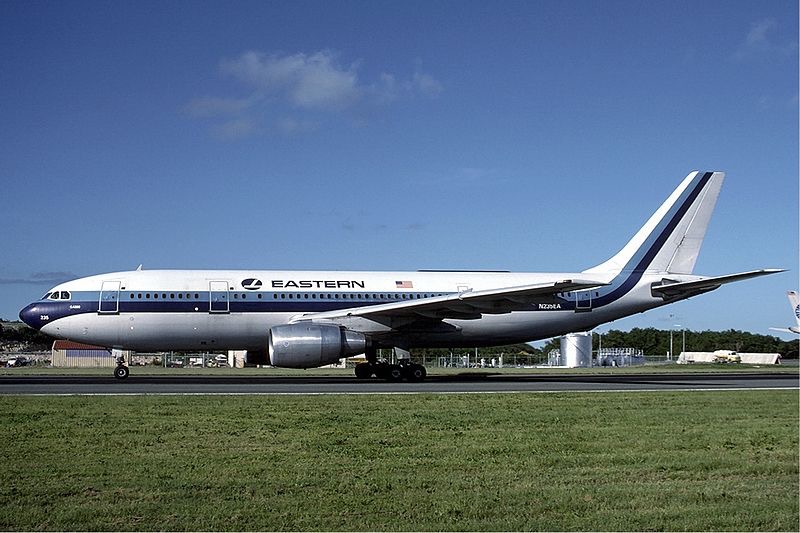
Eastern Shuttle to LaGuardia
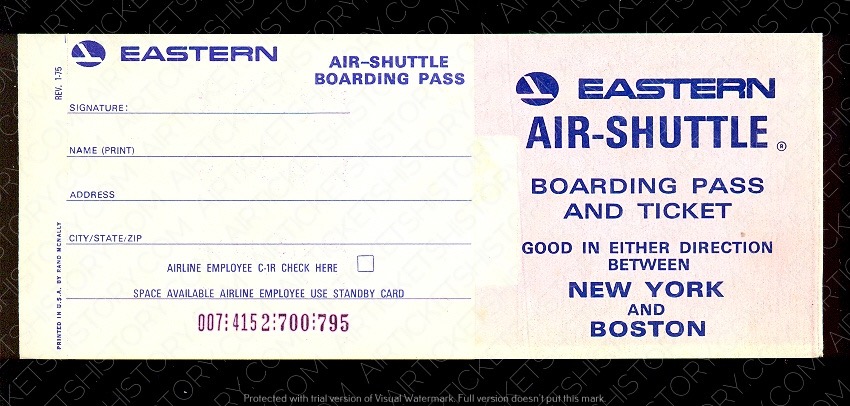
I collected my tickets and vouchers, grabbed the package, and hailed a cab to Logan Airport. I flew the Eastern Shuttle to LaGuardia, took a cab into Manhattan. Then, rode the elevator dozens of floors up to a sleek Wall Street office.
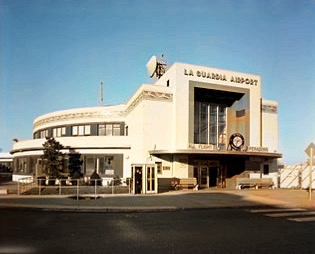
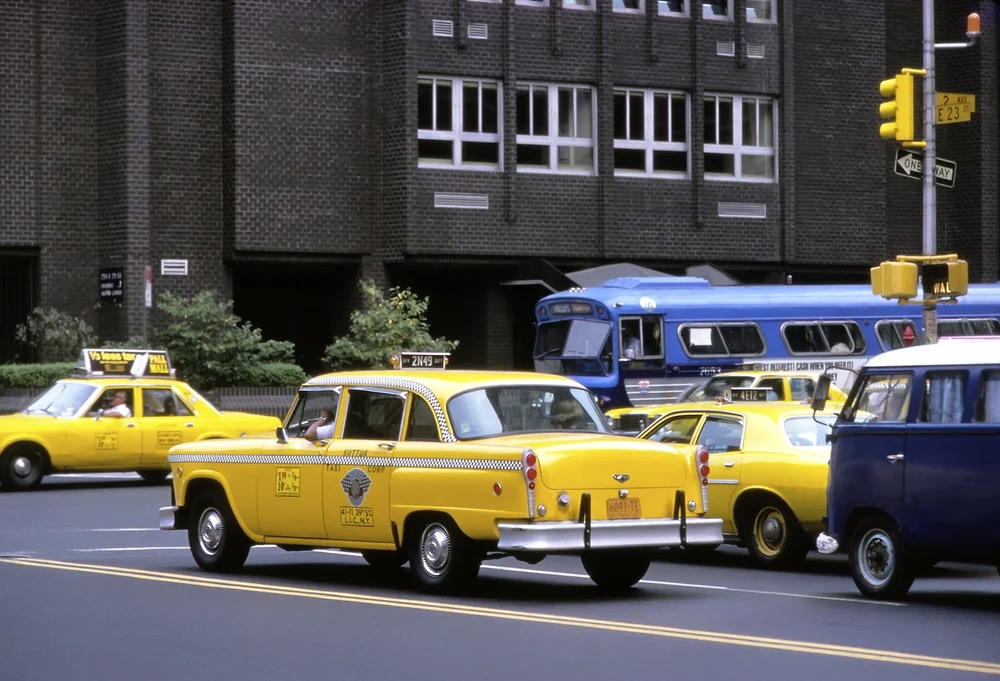
There, I met the executive assistant of the woman I was delivering to — a poised professional in her forties wearing a navy skirt suit and crisp white blouse. She was warm and chatty, signed the document, and thanked me for “flying in for business.”

I retraced my route: elevator down, cab to LaGuardia, shuttle back to Boston, and taxi to Boston’s Best Law Firm. The attorney thanked me, then asked, “Where did you eat in Manhattan?”

When I said I hadn’t eaten there, he laughed. “Of course you’re allowed! Just save the receipt and we’ll bill it to the client.” From that day on, any time I was sent on a long-distance run, I made sure to enjoy a meal on the client’s dime.

Road Trip to Rhode Island
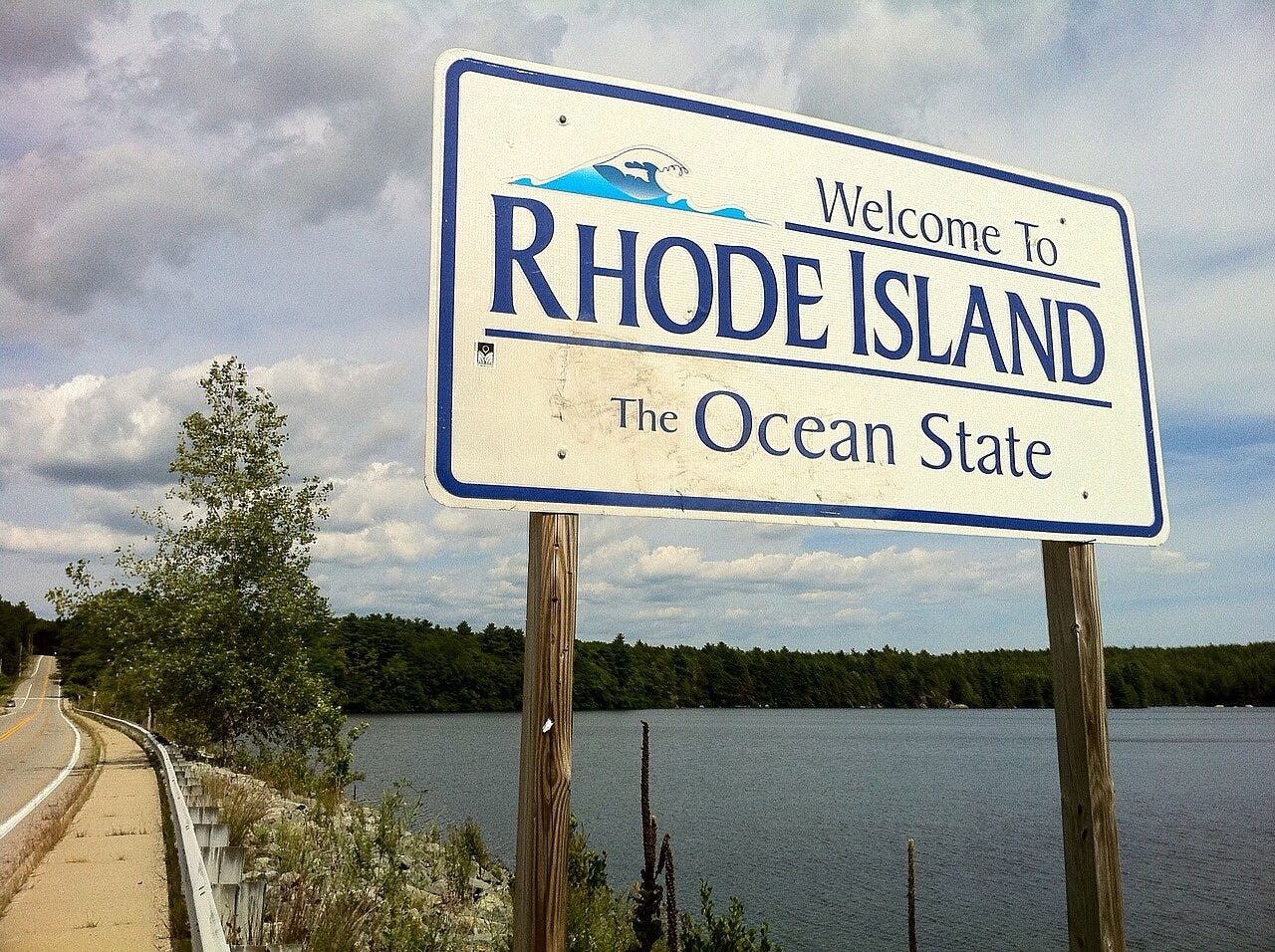
Another notable assignment came when a young attorney handed me a package bound for a client in Rhode Island. He told me to rent a car and drive it there, and I had to sheepishly admit I was only nineteen — too young to rent a car in Massachusetts. Without missing a beat, he turned to his secretary and said, “Why don’t you rent the car and go with him?”
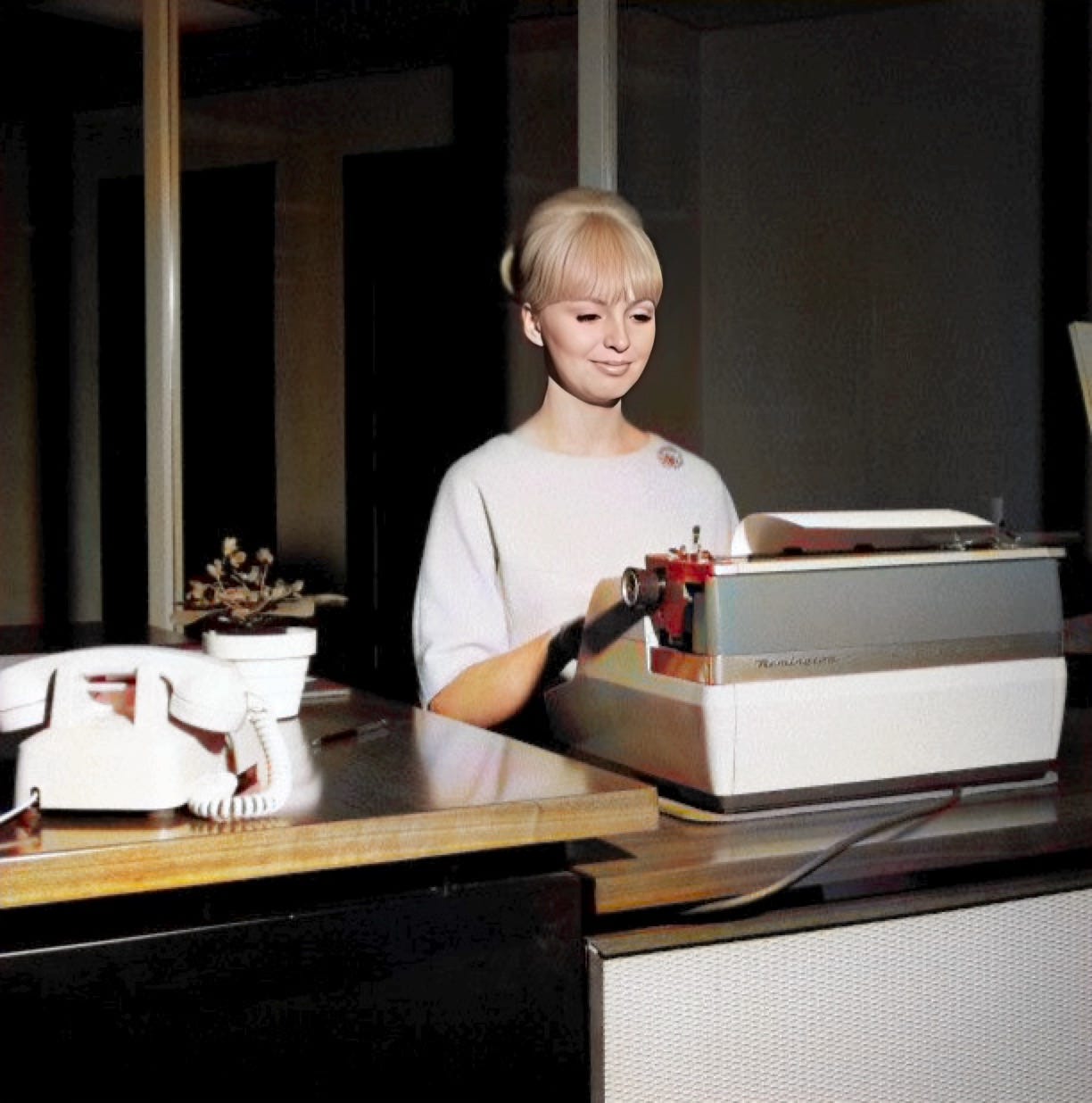
Photograph of blonde woman typing on an old electric typewriter at an office desk.  Autobiography of Dr. Anthony J. Carbone.

Minutes later, I was heading out the door with the documents and the most beautiful assistant in the firm — long, silky strawberry-blonde hair in a bun, bright blue eyes, and a smile that could disarm anyone. She was younger than most of the secretaries but still older than me, and I could tell she was amused by my awkwardness.

Photograph of woman driving a car in a yellow dress.  Autobiography of Dr. Anthony J. Carbone.

She rented the car, and we drove south. After the meeting, she suggested we grab dinner before heading back. The attorney had already said expenses were covered, so I gladly agreed. Dinner was great — relaxed and easy — until she completely blindsided me. “It’s really late,” she said casually. “We should just get a hotel together and spend the night. It’ll be on the client.”
Back to the Mailroom in Boston

For one electrifying moment, my nineteen-year-old brain didn’t know whether to panic or celebrate. Despite my obvious interest, the Notre Dame Catholic boy in me took over and I blurted out something about needing to get back to Boston to “take care of the mail.”

It was a long, awkward, and humiliating drive back. She said little, and I could almost hear her thinking, This poor clueless kid. To this day, it remains one of those missed opportunities I still kick myself for. Oh, to be young — and far less naive — again.

Back at Nana & Papa’s in Medford

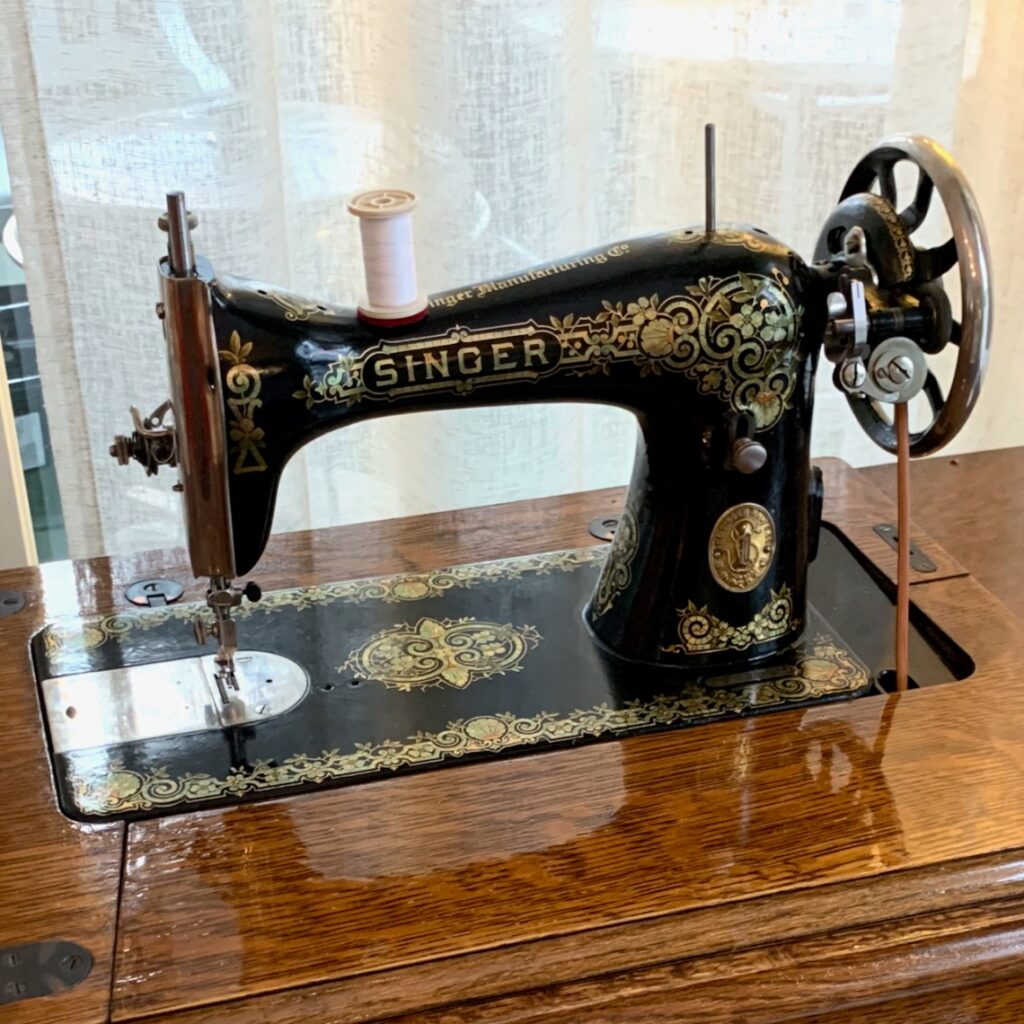
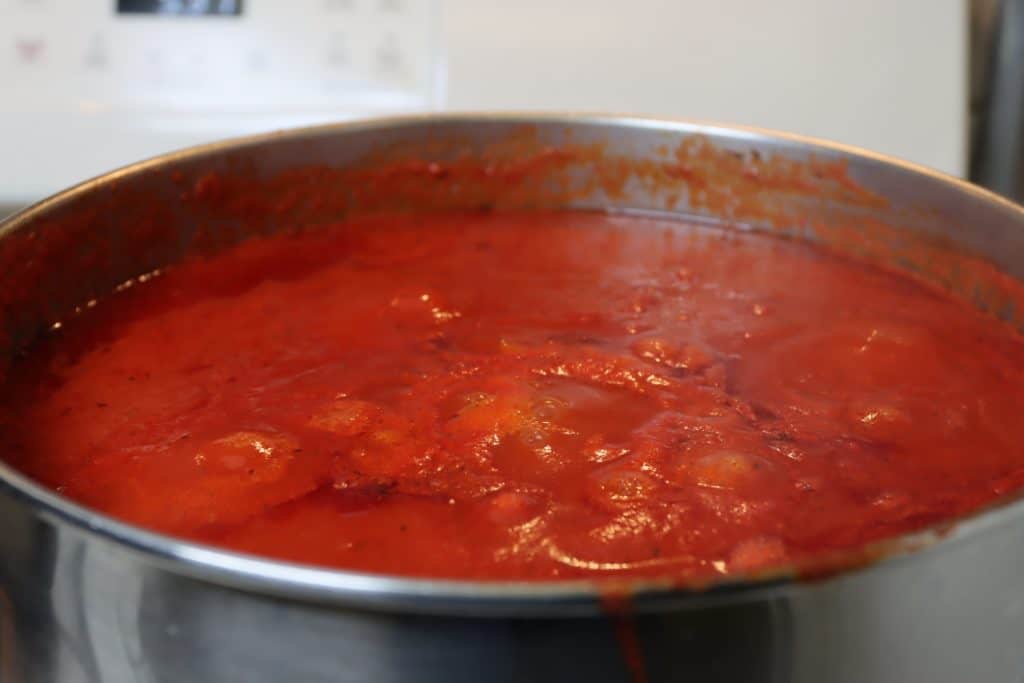
Being back in Medford meant slipping right into the old family rhythms. I’d watch Nana in the kitchen, moving with practiced ease over pots of simmering sauce. Papa would be at his Singer sewing machine, the rhythmic thunk-thunk-thunk of the needle keeping time with the sound of his talk radio. My mother and the aunties would gather at the dining room table, chatting in the warm, familiar voices I’d grown up with.

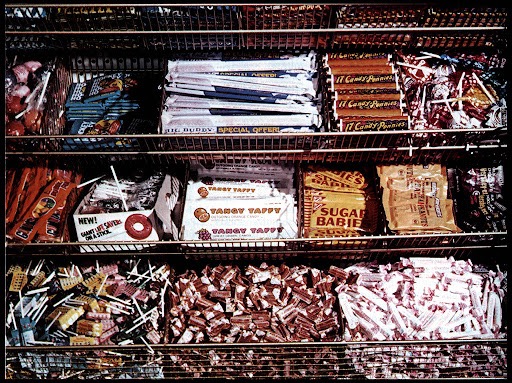
My sisters and I played on the front and back porches, or in the narrow stairway that led up to the attic bedrooms. A nickel from Nana or my godfather was enough to send me running to the corner store for a little brown bag of penny candy; with a bit more change, I might splurge on a cup of Italian Ice.

Fun with the Pietrantonis

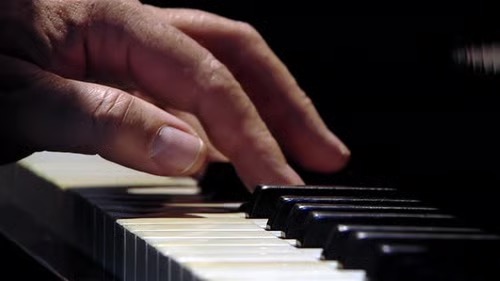
Auntie Cynthia was dating an endocrinologist who lived downtown, and she was forever trying to get someone to drive her into the city at night to see him. Whenever I was home, I’d see my godfather, Uncle George, and on Sundays Uncle Aldo would stop by, play a quick tune on the piano, and eat a meatball before heading off again. I also saw my godmother, Auntie Yole — my mother’s oldest sister — and her four boys.
Shopping at Downtown Crossing

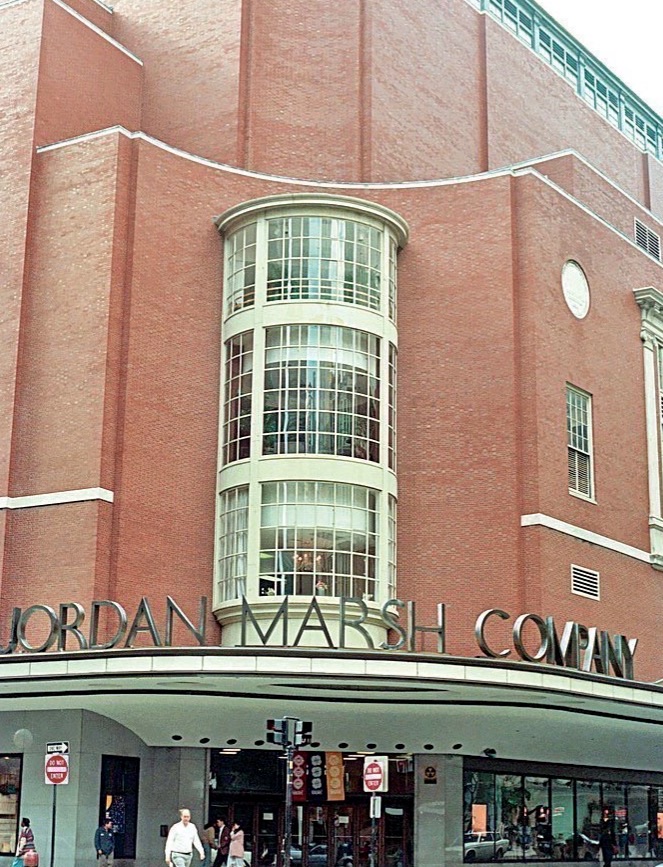
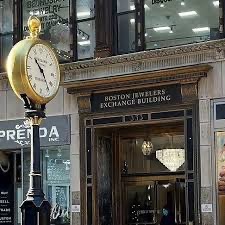
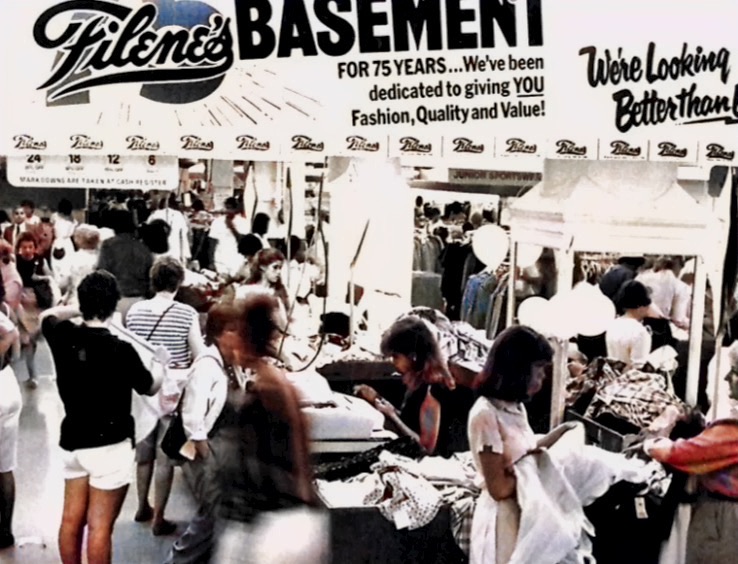
Now that I was familiar with Boston from my messenger work, I felt confident enough to hop on the bus and trolley downtown on my own. I’d wander through Filene’s Basement, Jordan Marsh, and the Jewelers Building in Downtown Crossing, window-shopping for something special for Mariann. I finally decided on a necklace, and — thinking like the college man I imagined myself to be — I also bought her a silk nightgown. In my mind, it seemed exactly the kind of gift a young gentleman should give his special girl back at school.
Time for Family to Move to Carlisle Barracks

Soon, mid-August arrived, and it was time for my mother and younger sisters to move into government quarters at Carlisle Barracks, Pennsylvania.
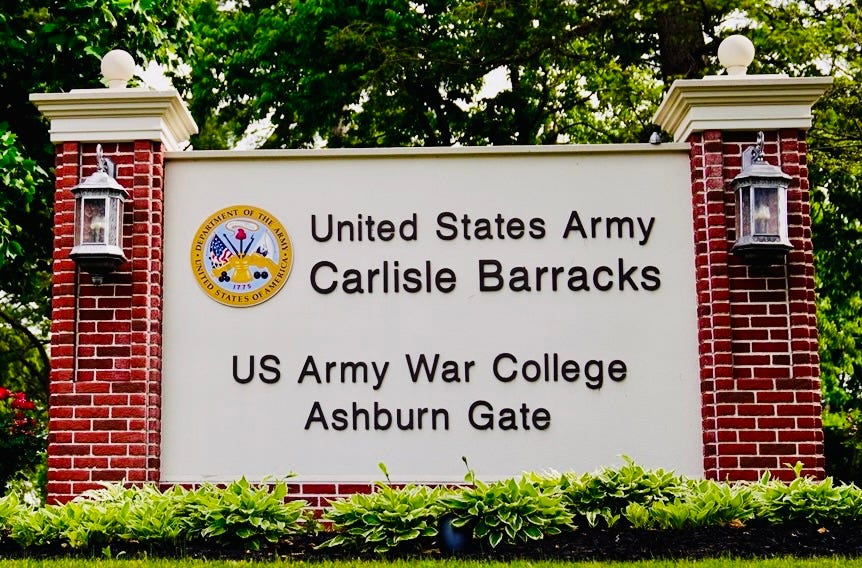
United States Army Carlisle Barracks, US Army War College, Ashburn Gate photo. Autobiography of Dr. Anthony J. Carbone

My father had already begun his program at the U.S. Army War College and was temporarily staying with some college students until our quarters were ready. I packed up the Chrysler Cordoba for my mother, and we drove my sisters down to Carlisle to meet my father and settle into their new home on post.
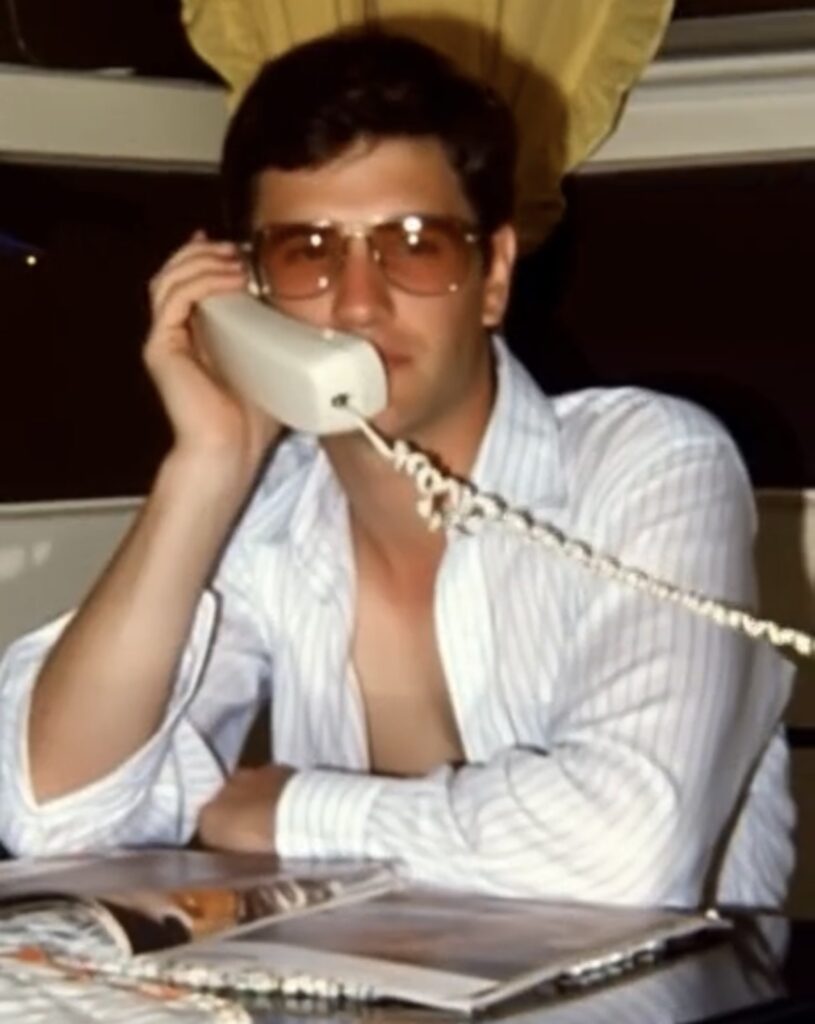
Anthony J. Carbone on the telephone talking to his girlfriend Mariann from his parents' military quarters at Carlisle Barracks while COL Carbone attended the U.S. Army War College (Summer of 1979).
Calling my sweetheart, Mariann, from our quarters at Carlisle Barracks.

Lynne and Diana Remain in Boston to Study

Lynne was already working one of her nursing co-op assignments at Northeastern University. Diana had completed her Associate’s Degree at Endicott College and chose to remain in Boston to continue her studies at the Forsyth School of Dental Hygiene.

Time to Return to South Bend

As for me, I turned my sights westward once again, heading back to South Bend, Indiana, to begin my junior year at the University of Notre Dame. I was happy because I earned enough to pay my Room & Board for Notre Dame, plus I was able to purchase things to spruce up my dorm room and had them mailed to me at the university.
Home Page

Chapter 13: The Summer Between

Seal of the U.S. Command & General Staff College. Autobiography of Dr. Anthony J. Carbone

Believe Nothing You Hear, and Only Half of What You SeeA Memoir of Service, Shame, and the Search for Truth

The Summer of 1977: Family to Fort Leavenworth and I to College

The summer of 1977 marked a huge transition in my life — the bridge between childhood and independence, high school and college, Germany and America. Our family had just packed up our house in Bad Kreuznach and returned to the States, unsure of what was next for me — but with one major change for my father: he had received new orders to return to the Command & General Staff College at Fort Leavenworth, Kansas — not as a student this time, but as a field-experienced faculty professor and full colonel.

Seal of the United States Command & General Staff College at Fort Leavenworth, Kansas.

Part of the autobiography of Dr. Anthony J. Carbone. Believe Nothing You Hear, and Only Half of What You See--A Memoir of Service, Shame, and the Search for Truth
United States Command & General Staff College at Fort Leavenworth, Kansas

First Stop Boston, Massachusetts

We started that summer back in Medford, Massachusetts, staying with my mother’s family. It felt good to be home. We Army Brats used to joke about returning to “The Land of the Round Doorknobs,” a nod to the classic American doorknobs we hadn’t seen in years — so different from the L-shaped European handles. It was silly, but symbolic. For me, it really did feel like I was back where I belonged.

Next Stop: Nana & Papa Pietrantoni’s House in Medford

It was a short stay in Boston, but I made the most of it. I reveled in Nana Pietrantoni’s kitchen — her spaghetti sauce with meatballs, the Italian cold cuts, the fresh Scali bread from the bakery. I’d watch her cook, and those aromas wrapped around me like a warm, familiar hug. When I wanted quiet, I’d go sit in Papa’s sewing room. He’d be working at his Singer machine, radio playing in the background, and we’d chat about life while he stitched jackets and slacks. That rhythm — the hum of the sewing machine and the soft murmur of his voice — anchored me.

A Little Summer Work at the Carpenito Family Fruit & Produce

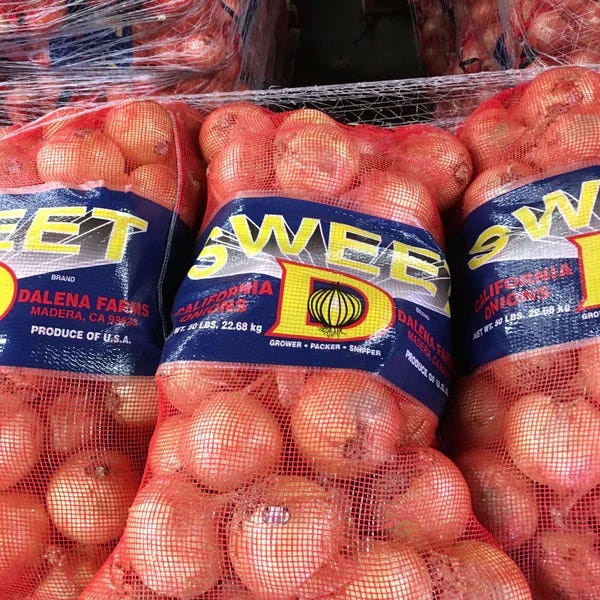
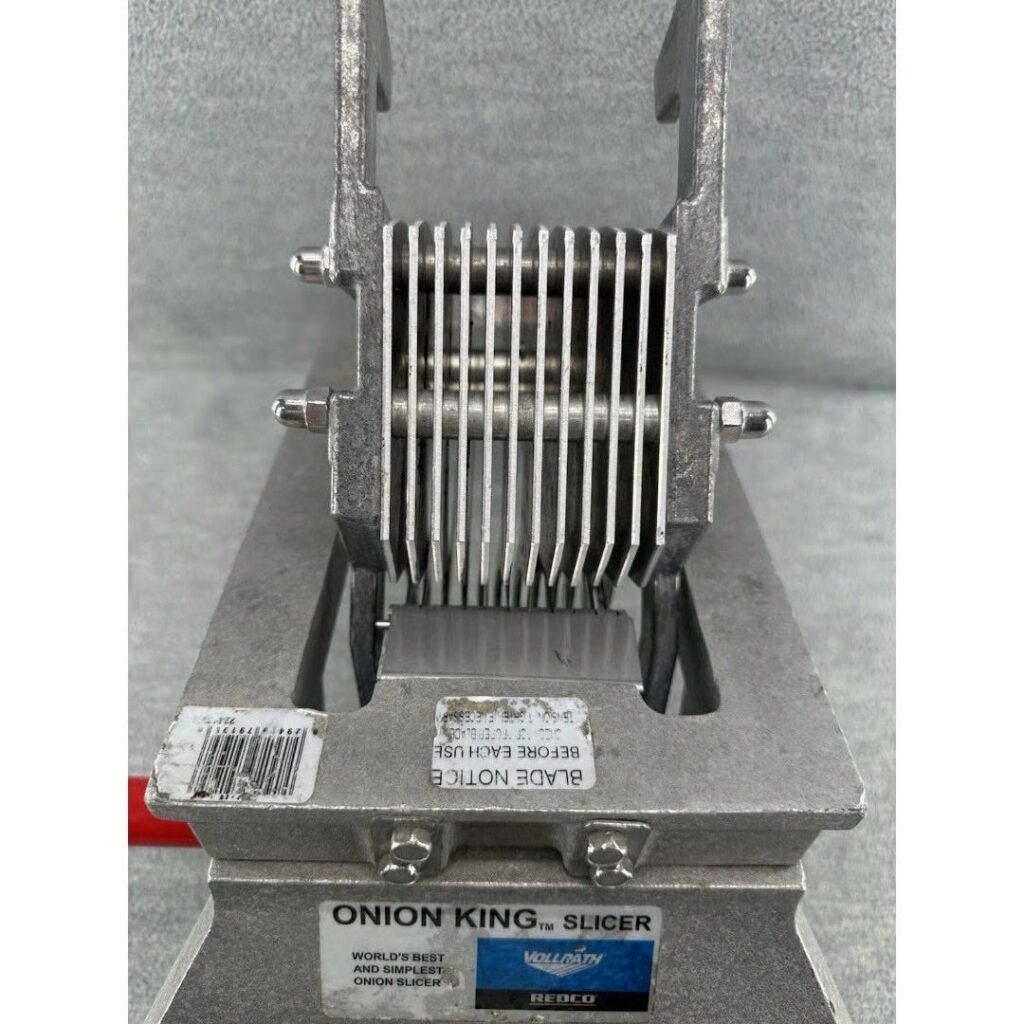
I also went back to my old summer job at 5-Cs, the Carpenito Family Fruit & Produce business in Medford. It was run by my father’s closest friend — his gumbadi — “Uncle” Pat Carpenito. In our Italian culture, every respected adult who wasn’t family still got called “Uncle” or “Aunt.” I had worked at 5-Cs on and off for years. My first job? Cutting onions. Tons of onions. I reeked of them. I remember going to church, and people would actually switch pews to get away from the stench coming off me.

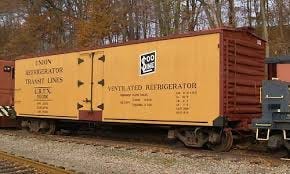
But I did it all — unloading train cars, stocking produce, running the deli counter, making sub sandwiches. When I was just starting out, they’d send me into the freezer to fetch things — Italian parsley, chicory, broccoli rabe — and I didn’t know what any of them looked like. My glasses would fog up instantly. I’d stand in there freezing until someone else came in so I could whisper, “Which one is chicory?”

Working With Deliquents

Uncle Pat had a big heart for giving second chances. He hired guys others called ex-cons or delinquents, but they were hardworking Italian men with tough hands and bigger hearts. They treated me like a younger brother. They’d throw 50-pound bags of potatoes into the back of the truck and laugh when they knocked me over. It was rough, but it toughened me up. I honestly believe it prepared me for Army boot camp later on.

Truck Deliveries with My Father and His Gumba, Uncle Pat

The best part of the day was when Uncle Pat would yell, “Go make us a sub!” I’d build two thick Italian sandwiches in the deli, and we’d hit the road, delivering produce to restaurants around Boston. Sometimes my father would come along, and we’d all ride in the cab of the delivery truck, trading stories, busting chops, and laughing until our stomachs hurt.

They had this running joke — whenever we passed a wedding party outside a church, Uncle Pat would slow down, roll down the window, beep the horn, and yell, “Don’t do it!!!” before peeling off. Every time.

Photo of a wedding party leaving a church like the ones in Boston that my father and Uncle Pat would jeer.

Part of the autobiography of Dr. Anthony J. Carbone. Believe Nothing You Hear, and Only Half of What You See--A Memoir of Service, Shame, and the Search for Truth.

And maybe it sounds small, but this next part meant the world to me: the only time my father ever seemed to show genuine admiration or pride in me was when I was working like a dog and sweating like a pig. When I was dead tired and covered in onion stench or loading crates like a longshoreman, he’d look at me and smile. Just a little smirk–but it was his smirk, and I lived for it.

Still No Idea Where I am Going to College (Or How to Pay)

At that point in the summer, I still had no clue where I was going to college. I had turned down West Point — an offer most would kill for — because I wanted a different kind of college experience. I had a 4-year Army ROTC scholarship, but it only covered tuition, not room and board. And places like Harvard and MIT were quoting over $3,000 a year just for room and board. That sounded like a fortune to me. There was talk of commuting to a Boston school and living with Nana, but I didn’t want to miss out on the full campus experience.

Learned About Notre Dame and Its Cheap Room & Board

Then a friend of the family told me her son was going to the University of Notre Dame. She said his room and board was just $1,000 a year — including maid and laundry service. I had barely even heard of Notre Dame. Despite being a lifelong Catholic, I didn’t know anything about it. I hadn’t visited, seen a brochure, or even a photograph. But I looked into it — and discovered that it had a strong academic reputation, a solid pre-med program, and, most importantly, an Army ROTC detachment.

Call to Notre Dame’s Admissions Office

The clock was ticking. It was already mid-summer. I called the long-distance information operator and asked for the number to the University of Notre Dame Admissions Office, and surprisingly got through to the Director of Admissions herself.

Admissions Office sign at a college.

Part of the autobiography of Dr. Anthony J. Carbone. Believe Nothing You Hear, and Only Half of What You See--A Memoir of Service, Shame, and the Search for Truth.

I told her my story: my family had just returned from Germany, I had just graduated high school, and I had an Army ROTC scholarship but no school. She asked my class rank. “I was valedictorian.” She asked my GPA, SAT scores, and what schools had accepted me. I rattled them off.

Admitted to University of Notre Dame!!!!

Then she said something that changed my life: “If you can send me your transcript, SAT scores, and proof of your ROTC scholarship acceptance right away, we’ll admit you for the fall.” And just like that, I had a college.

Seal of the University of Notre Dame du Lac.

Part of the autobiography of Dr. Anthony J. Carbone. Believe Nothing You Hear, and Only Half of What You See--A Memoir of Service, Shame, and the Search for Truth.
Seal of the University of Notre Dame du Lac

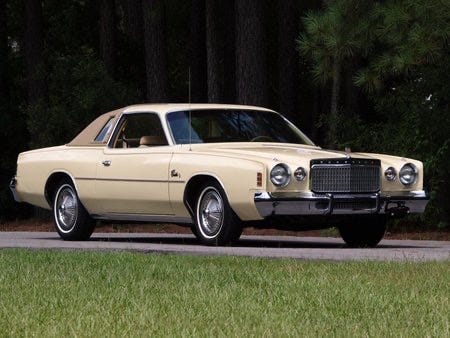
By late August, we were preparing for our cross-country move to Kansas. My father surprised the whole family by trading in our old Pontiac station wagon for a brand-new yellow Chrysler Cordoba. It was beautiful. It was also the first family car we’d ever owned with air-conditioning — perfect timing for a long, hot summer drive.

Photograph of a 1977 cream colored Chrysler Cordoba sedan like my father bought in 1977.

Part of the autobiography of Dr. Anthony J. Carbone. Believe Nothing You Hear, and Only Half of What You See--A Memoir of Service, Shame, and the Search for Truth.

Road Trip from Boston to Fort Leavenworth

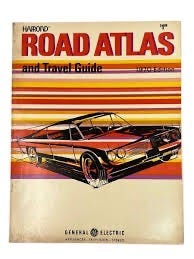
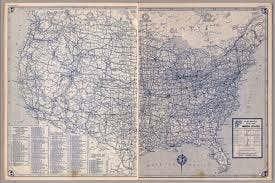
We packed up, said our goodbyes in Medford, and began the trip to Fort Leavenworth. I took my usual seat in the front between my parents, map book in hand. My father treated every road trip as military training. Reading a map was a critical skill for any young officer. GPS didn’t exist yet. You had to know your terrain.

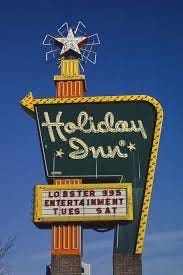
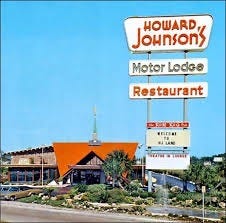
As always, we stopped at Howard Johnsons or Holiday Inns along the way — affordable, family-friendly, usually with a pool.

Arrival at Fort Leavenworth, Kansas

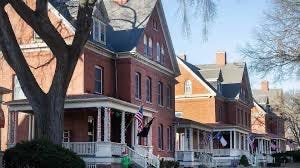
We arrived at Fort Leavenworth and pulled into our new quarters: a stately, red brick townhouse along the post’s main street. It was one of the old cavalry-era homes, and it had real charm. A front sitting room with French doors, a formal living room, a dining room separated by more French doors, and a long hallway leading to the kitchen, bedrooms, and a screened-in back porch. Diana had arranged to do her externship at the post dental clinic. I started meeting neighborhood girls. For the first time in a while, things felt settled.

Already Time to Leave for College

Then it was time. My father and I packed the Cordoba again, this time for the nine-and-a-half-hour drive to South Bend, Indiana. I was taking only a suitcase or two. I think my mother was quietly keeping a room for me back at Fort Leavenworth — just in case.

Father’s Words of Wisdom

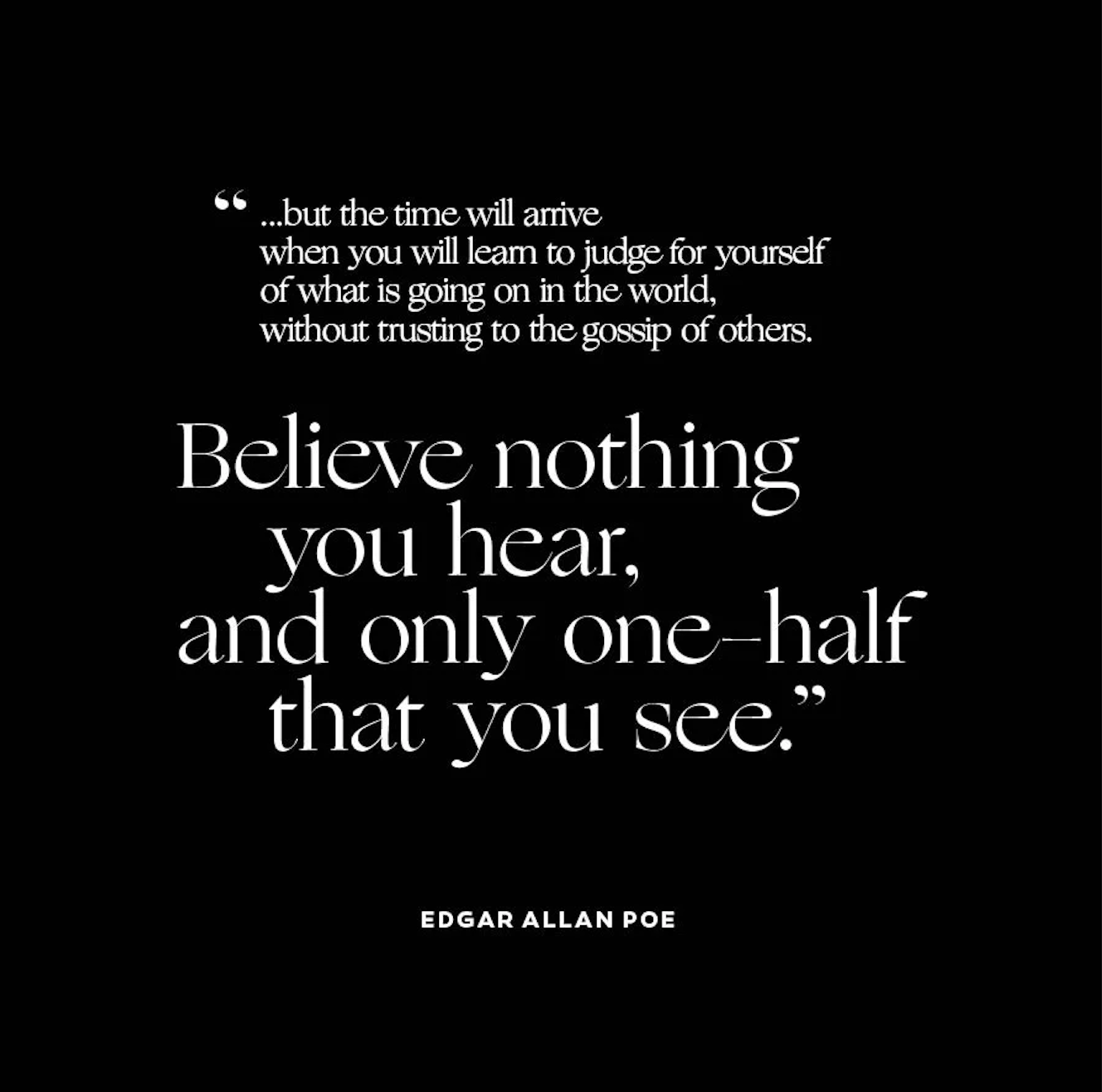
The drive was long and mostly quiet. Neither of us spoke much. Every now and then, my father would offer some short bursts of advice. “Work hard. Push yourself. Be careful who you trust. Don’t drink. Don’t use drugs.” Then, the line I’ll never forget — the one I still carry with me today: “Believe nothing you hear, and only half that you see.”

“Believe nothing you hear, and only half that you see.” Quote from Edgar Allen Poe.

Part of the autobiography of Dr. Anthony J. Carbone. Believe Nothing You Hear, and Only Half of What You See--A Memoir of Service, Shame, and the Search for Truth.

I believe that quote had as much to do with surviving as an officer in combat as it did for life in general. It’s an old quote, attributed to Edgar Allan Poe, but I heard it first from my father’s lips. And in today’s world of spin, misinformation, and digital illusions, it feels more true than ever.

Arrival at South Bend and University of Notre Dame

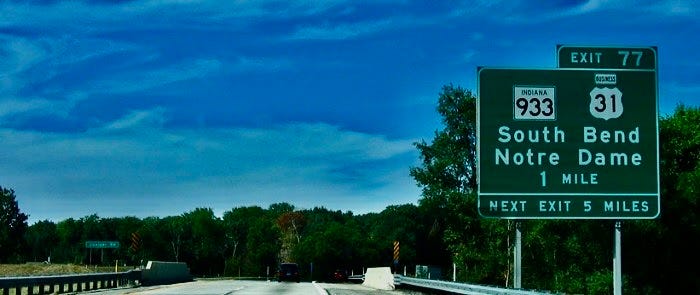
South Bend, Notre Dame, Highway Exit 77.

Part of the autobiography of Dr. Anthony J. Carbone. Believe Nothing You Hear, and Only Half of What You See--A Memoir of Service, Shame, and the Search for Truth..
Exit 77 to Notre Dame

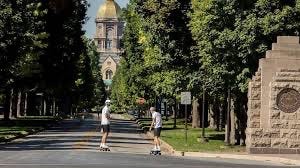
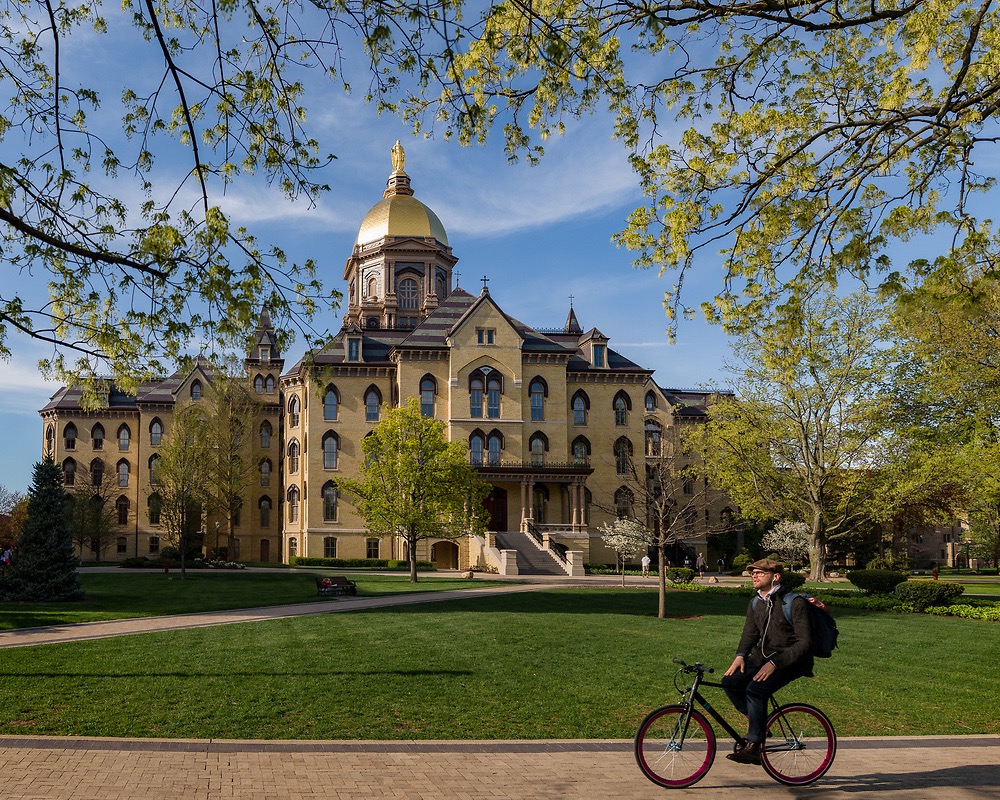
We arrived in South Bend before sundown. I had never seen a photo of the school. I had no expectations. But as we turned onto the main avenue and I caught my first glimpse of Notre Dame — the Golden Dome of the Administration Building glowing in the evening light, the towering steeple of the Basilica beside it, the ancient trees stretching over the brick paths — I was stunned. I was in love. I didn’t even know what a college campus couldlook like until I saw Notre Dame.

Seeing the Golden Dome for the First Time

Entrance to the University of Notre Dame.  The view you first see when you drive up the boulevard;.

Part of the autobiography of Dr. Anthony J. Carbone. Believe Nothing You Hear, and Only Half of What You See--A Memoir of Service, Shame, and the Search for Truth.

Administration Building (The Golden Dome) the icon of the university.
Part of the autobiography of Dr. Anthony J. Carbone. Believe Nothing You Hear, and Only Half of What You See--A Memoir of Service, Shame, and the Search for Truth.

Our Stay at the Morris Inn on Campus

My father pulled into the Morris Inn, Notre Dame’s iconic hotel just off the main quad, where we would stay the night. I didn’t have a welcome packet. I had no dorm assignment. No schedule. We had dinner, slept, and woke early the next morning.

Visit to the Army ROTC Building

We walked across campus to the Army ROTC building. It was quiet — only a young Army captain was there. When we entered, the captain stood immediately at attention. My father introduced himself: “Colonel Carbone. This is my son, Tony. He has a 4-year Army ROTC scholarship but no dormitory assignment.” The captain picked up the phone and within two minutes had secured me a room: Fisher Hall, Room 212.

Got a Room Assignment at Fisher Hall

We walked over together. Fisher was one of the newer dorms on South Quad. It didn’t have the old Notre Dame charm. Rumor was it had once been a convent for nuns — which might explain why every room was a single. That part I liked.

The room was tiny — more like a cinder block cell than a student room. A single bed under the window, a small desk, a sink, and a closet. No roommate, sheets, blanket, or idea what came next.

My Father’s Quick Goodbye

My father set my suitcase down in the closet, looked around, and said, “This looks really nice.” He gave me a quick hug. “Goodbye, J.R. Good luck in school.” And just like that, he turned and walked out. No long goodbye. No words of encouragement. Not even five bucks for pocket change. Just a final reminder: “Make sure you write your mother.”

The door clicked shut behind him. And there I sat — alone in Room 212, Fisher Hall. A bare white room. A suitcase. And the heavy, ringing silence of being completely on my own. But there was something else sitting in that silence with me.

As I watched my father walk away, I couldn’t shake the feeling that he was disappointed — not in me exactly, but in where he was leaving me. I knew he had imagined dropping me off at West Point, not Notre Dame. I could feel it in the way he looked at me, in the way he didn’t linger. And that feeling — that quiet shadow of his disappointment — stayed with me for years. If I’m honest, it never completely left — not even after he died.

Home Page

Chapter 7: Command & General Staff College at Fort Leavenworth

US Army Command & General Staff College Seal. Autobiography of Dr. Anthony J. Carbone.

Believe Nothing You Hear, and Only Half of What You SeeA Memoir of Service, Shame, and the Search for Truth

Return to the Command & General Staff College as a Tactical Instructor

After returning from Vietnam, the Army sent my father to the Command and General Staff College (CGSC) at Fort Leavenworth. This wasn’t just another stop on the military carousel — it was a pivotal milestone in his ascending career. Officers who were selected early for CGSC earned a mark of distinction.It signaled that the Army saw him not only as a skilled officer but as a leader with long-term potential.

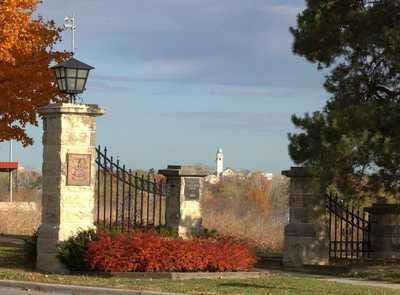
Front Gate to Fort Leavenwork, Kansas where the Command & General Staff College is located.
After returning from his first tour in Vietnam in 1967, my father received prestigious orders to attend the United States Army Command and General Staff College (CGSC) at Fort Leavenworth, Kansas. This wasn’t just another stop on the military carousel — it was a pivotal milestone in his ascending career. Being selected early for CGSC was a mark of distinction. It signaled that the Army saw him not only as a skilled officer but as a leader with long-term potential.

Front Gate to Fort Leavenworth, Kansas
The Command and General Staff College is one of the crown jewels of military education. Established in 1881 by General William Tecumseh Sherman as the School of Application for Infantry and Cavalry, it was designed to train officers in the complexities of tactics, operations, and command. By 1907 it had become the School of the Line, and eventually evolved into what is now CGSC. Its mission remains timeless: to educate and develop agile, adaptive leaders who can operate in joint, interagency, and multinational environments — and to advance the art and science of the profession of arms.

Seal of the U.S. Command & General Staff College at Fort Leavenworth, Kansas
My father knew that the college had shaped some of America’s greatest military minds. Its alumni list reads like a hall of fame: Eisenhower, MacArthur, Marshall, Patton, Bradley, Westmoreland, and later, Colin Powell and Norman Schwarzkopf. To follow in their footsteps — even to walk the same halls — was both humbling and inspiring.
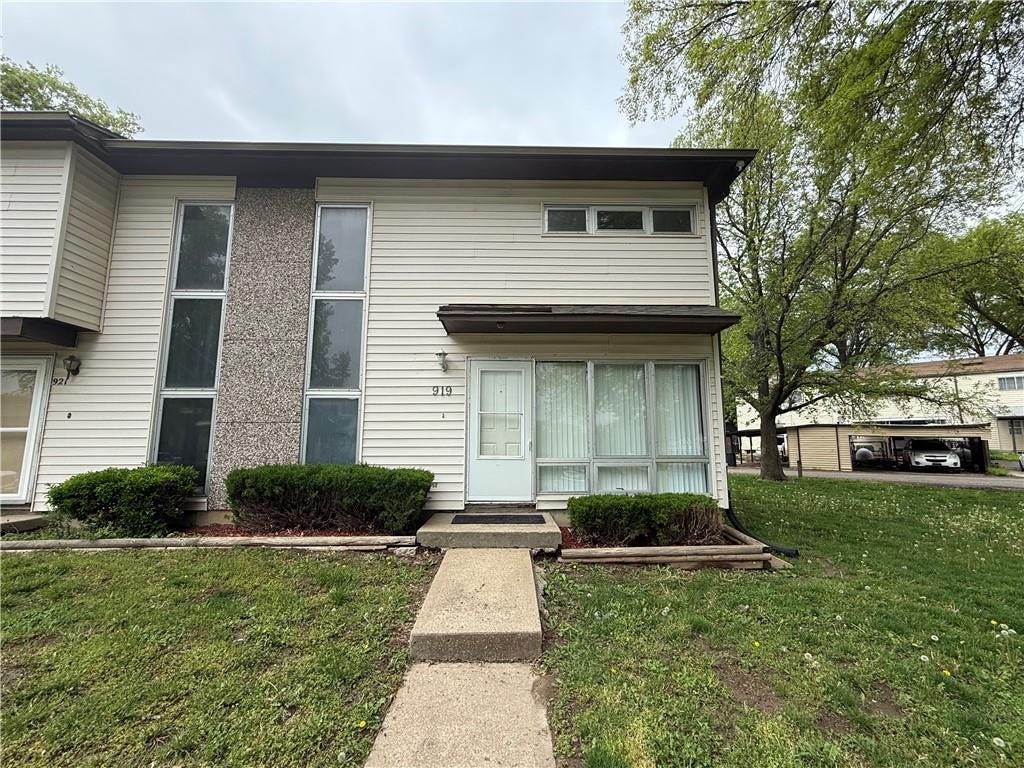
Since on-post housing was limited and claimed quickly, our family settled down in a modest townhouse in a small civilian development called Redwood Gardens, located about 35 miles southeast of Fort Leavenworth, in Kansas City, Kansas. Though a few other military families lived there, it lacked the closeness, safety, and camaraderie of post living. For us kids, it was an isolating and sometimes chaotic environment.

Civilian housing at Redwood Gardens in Kansas City, Kansas.
Our townhouse was cramped. My father turned a corner of the basement into a makeshift study where he would disappear for hours, immersed in maps, doctrine, and war histories. The workload at CGSC was intense, and the pressure to excel immense.

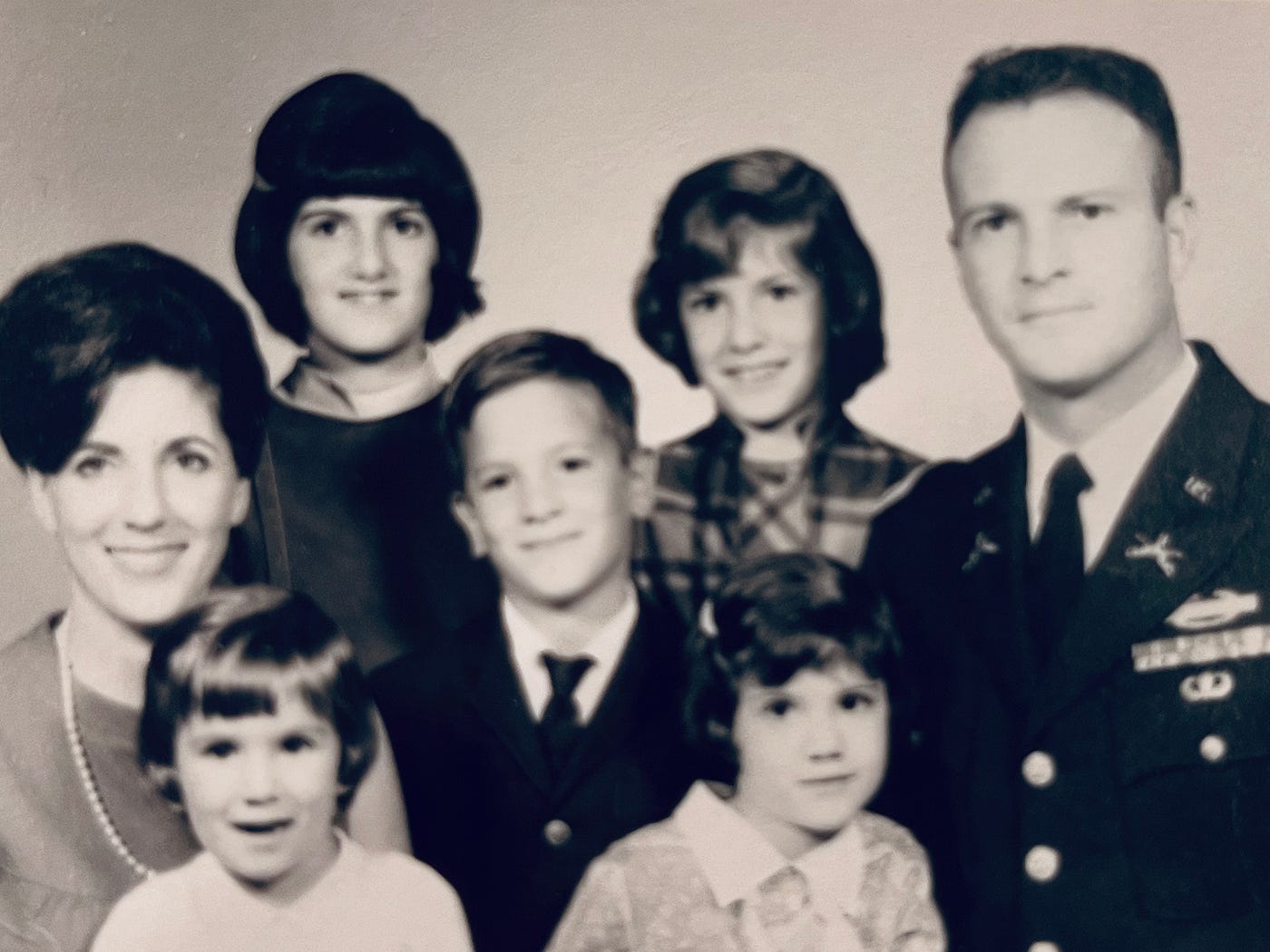
Carbone Family Portrait in the Command & General Staff College Yearbook “The Bell”
My own memories of Kansas City during that time are scattered and, for the most part, not especially fond. That year seemed filled with accidents and discomfort. Pamela fell down the basement stairs and had to get stitches on her face. Diana dove into the shallow end of the neighborhood pool and broke her front tooth in half, eventually receiving a dental cap. I got into a fight when I saw a bully beating up a younger kid — jumped in, broke my hand, and spent the rest of the summer in a cast.
One of my more cherished memories I have of our time in Kansas City was the day that Lynne, Diana, and I were all confirmed in the Catholic Church — on the same day — by the Archbishop of Kansas City, Bishop Edward Joseph Hunkeler. It was a peaceful and proud moment in an otherwise trying year.
On weekends when my father could sneak away from his studies, we would occasionally, we would make a special trip into the Italian section of Kansas City to stock up on authentic cold cuts — thin slices of mortadella, prosciutto, and provolone cheese — all tucked lovingly into crusty loaves of Italian bread. The vibrant tapestry of Kansas City in 1967 was interwoven with the rich history of its Italian community, particularly in the neighborhood then known as the North End. Having drawn immigrants — mostly from Sicily — since the 1860s, this area, which would soon be renamed Columbus Park, bustled with life centered around Holy Rosary Church and its many family-owned shops and markets. This self-sufficient “Little Italy” offered more than just delicious food — it was a place where tradition, language, and community thrived. Even as changes like the construction of Interstate 35 began to carve through its heart and displace families, the neighborhood remained a beloved reminder of cultural roots and Sunday flavors that felt like home.

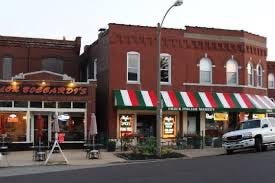
Columbus Park “Little Italy” in Kansas City
But another memory stands out even more clearly — not for its peace, but for its intensity. Just a few doors down from our townhouse lived a parentless family of unruly boys who had clearly slipped through the cracks. They had long, unkempt hair — a growing trend in the late 1960s — and I remember them smoking on their back steps, jeering at us as we passed. One day, they went too far and scared my mother. That was a mistake.
I’ll never forget the moment my father found out. He calmly called out, “Hey, J.R.! Come with me!” and together we stepped into the backyard and walked down the road toward the rough boys’ unit. My father knocked on the door, and the oldest, cockiest of them answered. My father made it very clear: he didn’t want any of them speaking to his wife or his children again.
The kid smirked and said something along the lines of, “What is it to you? I don’t plan on stopping.” Without hesitation, my father grabbed the kid by his long hair and — in a move I can only describe as quiet thunder — drew his service Colt 1911 .45 caliber pistol and placed it gently but firmly under the boy’s jaw. His voice was low, measured, deadly calm. “This will be the last time that I warn you.” Then he released the boy, turned to me, and said evenly, “J.R., let’s get back to your mother… and never say a word about this to her.” That day left a mark on me. I had always admired my father, but in that moment, I saw him not only as a soldier but as a protector. I had never felt so safe in my life.
Despite all the challenges of civilian housing, my heart always returned to the post of Fort Leavenworth. Some of my fondest memories of that tour are tied to my personal fascination with the history of the fort — especially its deep connections to the U.S. Cavalry. I was captivated by the legacy of General George Armstrong Custer and his 7th Cavalry, as well as the legendary Buffalo Soldiers of the 10th U.S. Cavalry — the same regiment my father had served with during his tour in Korea. I felt a personal connection to that history, one that ran through the bloodline of my own father.

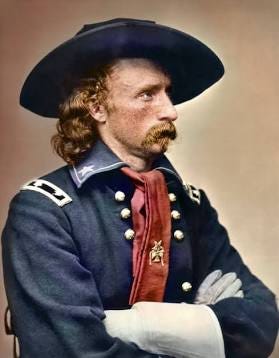
General George Armstrong Custor of the U.S. 7th Cavalry.

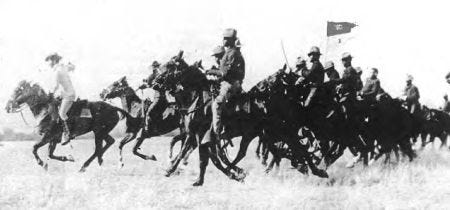
Buffalo Soldiers of the U.S. 10th Cavalry
The post was still very much a place of history. Many of the old red brick buildings from cavalry days still stood, preserved like time capsules from another era. I found myself drawn again and again to the Fort Leavenworth museum, which was filled with relics from Custer, the 7th Cavalry, and the 10th Cavalry. There were even artifacts and exhibits tied to President Abraham Lincoln’s visit to the post, which added another layer of reverence. My family often made Sunday day trips to the museum. Those quiet visits — walking through dusty uniforms, sabers, saddles, and faded photographs — lit a spark in me. Even as a child, I felt that Fort Leavenworth was hallowed ground.

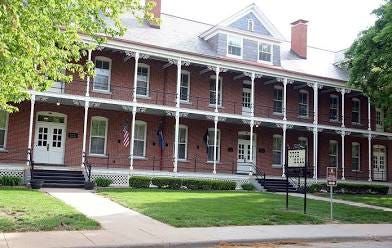
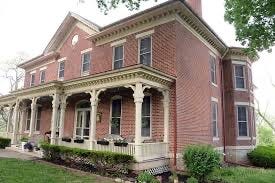
Typical post housing at Fort Leavenworth dating back to its cavalry days.
The post itself dates back to May 8, 1827, when Colonel Henry Leavenworth established Cantonment Leavenworth along the Missouri River. It became the first permanent settlement in what would eventually become Kansas, and is today the oldest active Army post west of the Mississippi River. Originally serving as a quartermaster depot, arsenal, and garrison to safeguard the fur trade and commerce along the Santa Fe Trail, the post was briefly evacuated in 1829 and occupied by Kickapoo Indians before being re-garrisoned later that same year. On February 8, 1832, it was officially renamed Fort Leavenworth.

General Henry Leavenworth
Over time, the post developed a reputation not just as a military outpost, but as an intellectual center of the Army. It housed the prestigious Combined Arms Research Library (CARL), and it became a place where strategic thought and operational planning were forged and refined.

Combined Arms Research Library at Fort Leavenworth/
Yet there was another layer to Fort Leavenworth’s identity — its prisons. The United States Disciplinary Barracks (USDB), established in 1875, is the Department of Defense’s only maximum-security military prison. Right outside the gates, the Leavenworth Federal Penitentiary, operated by the Department of Justice, stood as a towering reminder of the civilian justice system’s reach.

U.S. Disciplany Barracks at Fort Leavenworth, Kansas.
Both institutions had reputations for housing some of the most notorious figures in American criminal and military history — from military murderers and spies to civilian outlaws like George “Machine Gun” Kelly, labor leader Eugene V. Debs, and Robert Stroud, the so-called Birdman of Alcatraz. Their stories seemed to hang in the air like myths. Even as children, we sensed the gravity of their presence, and we were always reminded not to stray too far from home. There was mystery and menace just over the horizon.

U.S. Federal Penatentary at Leavenworth, Kansas.
Despite the shadow cast by those prisons, Fort Leavenworth stood as a monument to something greater. It was a place of heritage, reflection, and deep military tradition. For my father, the CGSC experience was transformative. It shaped his approach to leadership and helped define the rest of his career. For our family, it was a time of adaptation, growing pains, and strength. And for me, Fort Leavenworth stirred something inside — an early reverence for history, heroism, and the cavalry legacy that connected us all.

Dad receiving another medal at the Command & General Staff College with my mother by his side.
Front Gate to Fort Leavenworth, Kansas

This History of Command & General Staff College

The United States Command and General Staff College is one of the crown jewels of military education. Established in 1881 by General William Tecumseh Sherman as the School of Application for Infantry and Cavalry, it was designed to train officers in the complexities of tactics, operations, and command. By 1907 it had become the School of the Line, and eventually evolved into what is now CGSC. Its mission remains timeless: to educate and develop agile, adaptive leaders who can operate in joint, interagency, and multinational environments — and to advance the art and science of the profession of arms.

Seal of the U.S. Command & General Staff College at Fort Leavenworth, Kansas.
Seal of the U.S. Command & General Staff College at Fort Leavenworth, Kansas

Famous Alumni of Command & General Staff College

My father knew that the college had shaped some of America’s greatest military minds. Its alumni list reads like a hall of fame: Eisenhower, MacArthur, Marshall, Patton, Bradley, Westmoreland, and later, Colin Powell and Norman Schwarzkopf. To follow in their footsteps — even to walk the same halls — was both humbling and inspiring.

Family Lives Off-Post in Redwood Gardens in Kansas City

Since on-post housing was limited and claimed quickly, our family settled down in a modest townhouse in a small civilian development called Redwood Gardens, located about 35 miles southeast of Fort Leavenworth, in Kansas City, Kansas. Though a few other military families lived there, it lacked the closeness, safety, and camaraderie of post living. For us kids, it was an isolating and sometimes chaotic environment.

Civilian housing at Redwood Gardens in Kansas City where we lived while my father attended the U.S. Command & General Staff College at Fort Leavenworth.
After returning from his first tour in Vietnam in 1967, my father received prestigious orders to attend the United States Army Command and General Staff College (CGSC) at Fort Leavenworth, Kansas. This wasn’t just another stop on the military carousel — it was a pivotal milestone in his ascending career. Being selected early for CGSC was a mark of distinction. It signaled that the Army saw him not only as a skilled officer but as a leader with long-term potential.

Front Gate to Fort Leavenworth, Kansas
The Command and General Staff College is one of the crown jewels of military education. Established in 1881 by General William Tecumseh Sherman as the School of Application for Infantry and Cavalry, it was designed to train officers in the complexities of tactics, operations, and command. By 1907 it had become the School of the Line, and eventually evolved into what is now CGSC. Its mission remains timeless: to educate and develop agile, adaptive leaders who can operate in joint, interagency, and multinational environments — and to advance the art and science of the profession of arms.

Seal of the U.S. Command & General Staff College at Fort Leavenworth, Kansas
My father knew that the college had shaped some of America’s greatest military minds. Its alumni list reads like a hall of fame: Eisenhower, MacArthur, Marshall, Patton, Bradley, Westmoreland, and later, Colin Powell and Norman Schwarzkopf. To follow in their footsteps — even to walk the same halls — was both humbling and inspiring.
Since on-post housing was limited and claimed quickly, our family settled down in a modest townhouse in a small civilian development called Redwood Gardens, located about 35 miles southeast of Fort Leavenworth, in Kansas City, Kansas. Though a few other military families lived there, it lacked the closeness, safety, and camaraderie of post living. For us kids, it was an isolating and sometimes chaotic environment.

Civilian housing at Redwood Gardens in Kansas City, Kansas.
Our townhouse was cramped. My father turned a corner of the basement into a makeshift study where he would disappear for hours, immersed in maps, doctrine, and war histories. The workload at CGSC was intense, and the pressure to excel immense.

Carbone Family Portrait in the Command & General Staff College Yearbook “The Bell”
My own memories of Kansas City during that time are scattered and, for the most part, not especially fond. That year seemed filled with accidents and discomfort. Pamela fell down the basement stairs and had to get stitches on her face. Diana dove into the shallow end of the neighborhood pool and broke her front tooth in half, eventually receiving a dental cap. I got into a fight when I saw a bully beating up a younger kid — jumped in, broke my hand, and spent the rest of the summer in a cast.
One of my more cherished memories I have of our time in Kansas City was the day that Lynne, Diana, and I were all confirmed in the Catholic Church — on the same day — by the Archbishop of Kansas City, Bishop Edward Joseph Hunkeler. It was a peaceful and proud moment in an otherwise trying year.
On weekends when my father could sneak away from his studies, we would occasionally, we would make a special trip into the Italian section of Kansas City to stock up on authentic cold cuts — thin slices of mortadella, prosciutto, and provolone cheese — all tucked lovingly into crusty loaves of Italian bread. The vibrant tapestry of Kansas City in 1967 was interwoven with the rich history of its Italian community, particularly in the neighborhood then known as the North End. Having drawn immigrants — mostly from Sicily — since the 1860s, this area, which would soon be renamed Columbus Park, bustled with life centered around Holy Rosary Church and its many family-owned shops and markets. This self-sufficient “Little Italy” offered more than just delicious food — it was a place where tradition, language, and community thrived. Even as changes like the construction of Interstate 35 began to carve through its heart and displace families, the neighborhood remained a beloved reminder of cultural roots and Sunday flavors that felt like home.

Columbus Park “Little Italy” in Kansas City
But another memory stands out even more clearly — not for its peace, but for its intensity. Just a few doors down from our townhouse lived a parentless family of unruly boys who had clearly slipped through the cracks. They had long, unkempt hair — a growing trend in the late 1960s — and I remember them smoking on their back steps, jeering at us as we passed. One day, they went too far and scared my mother. That was a mistake.
I’ll never forget the moment my father found out. He calmly called out, “Hey, J.R.! Come with me!” and together we stepped into the backyard and walked down the road toward the rough boys’ unit. My father knocked on the door, and the oldest, cockiest of them answered. My father made it very clear: he didn’t want any of them speaking to his wife or his children again.
The kid smirked and said something along the lines of, “What is it to you? I don’t plan on stopping.” Without hesitation, my father grabbed the kid by his long hair and — in a move I can only describe as quiet thunder — drew his service Colt 1911 .45 caliber pistol and placed it gently but firmly under the boy’s jaw. His voice was low, measured, deadly calm. “This will be the last time that I warn you.” Then he released the boy, turned to me, and said evenly, “J.R., let’s get back to your mother… and never say a word about this to her.” That day left a mark on me. I had always admired my father, but in that moment, I saw him not only as a soldier but as a protector. I had never felt so safe in my life.
Despite all the challenges of civilian housing, my heart always returned to the post of Fort Leavenworth. Some of my fondest memories of that tour are tied to my personal fascination with the history of the fort — especially its deep connections to the U.S. Cavalry. I was captivated by the legacy of General George Armstrong Custer and his 7th Cavalry, as well as the legendary Buffalo Soldiers of the 10th U.S. Cavalry — the same regiment my father had served with during his tour in Korea. I felt a personal connection to that history, one that ran through the bloodline of my own father.

General George Armstrong Custor of the U.S. 7th Cavalry.

Buffalo Soldiers of the U.S. 10th Cavalry
The post was still very much a place of history. Many of the old red brick buildings from cavalry days still stood, preserved like time capsules from another era. I found myself drawn again and again to the Fort Leavenworth museum, which was filled with relics from Custer, the 7th Cavalry, and the 10th Cavalry. There were even artifacts and exhibits tied to President Abraham Lincoln’s visit to the post, which added another layer of reverence. My family often made Sunday day trips to the museum. Those quiet visits — walking through dusty uniforms, sabers, saddles, and faded photographs — lit a spark in me. Even as a child, I felt that Fort Leavenworth was hallowed ground.

Typical post housing at Fort Leavenworth dating back to its cavalry days.
The post itself dates back to May 8, 1827, when Colonel Henry Leavenworth established Cantonment Leavenworth along the Missouri River. It became the first permanent settlement in what would eventually become Kansas, and is today the oldest active Army post west of the Mississippi River. Originally serving as a quartermaster depot, arsenal, and garrison to safeguard the fur trade and commerce along the Santa Fe Trail, the post was briefly evacuated in 1829 and occupied by Kickapoo Indians before being re-garrisoned later that same year. On February 8, 1832, it was officially renamed Fort Leavenworth.

General Henry Leavenworth
Over time, the post developed a reputation not just as a military outpost, but as an intellectual center of the Army. It housed the prestigious Combined Arms Research Library (CARL), and it became a place where strategic thought and operational planning were forged and refined.

Combined Arms Research Library at Fort Leavenworth/
Yet there was another layer to Fort Leavenworth’s identity — its prisons. The United States Disciplinary Barracks (USDB), established in 1875, is the Department of Defense’s only maximum-security military prison. Right outside the gates, the Leavenworth Federal Penitentiary, operated by the Department of Justice, stood as a towering reminder of the civilian justice system’s reach.

U.S. Disciplany Barracks at Fort Leavenworth, Kansas.
Both institutions had reputations for housing some of the most notorious figures in American criminal and military history — from military murderers and spies to civilian outlaws like George “Machine Gun” Kelly, labor leader Eugene V. Debs, and Robert Stroud, the so-called Birdman of Alcatraz. Their stories seemed to hang in the air like myths. Even as children, we sensed the gravity of their presence, and we were always reminded not to stray too far from home. There was mystery and menace just over the horizon.

U.S. Federal Penatentary at Leavenworth, Kansas.
Despite the shadow cast by those prisons, Fort Leavenworth stood as a monument to something greater. It was a place of heritage, reflection, and deep military tradition. For my father, the CGSC experience was transformative. It shaped his approach to leadership and helped define the rest of his career. For our family, it was a time of adaptation, growing pains, and strength. And for me, Fort Leavenworth stirred something inside — an early reverence for history, heroism, and the cavalry legacy that connected us all.

Part of the autobiography of Dr. Anthony J. Carbone, Son in the Shadow of a Green Beret Hero.
Civilian housing at Redwood Gardens in Kansas City, Kansas.

Dad sets up basement as Study

Our townhouse was cramped. My father turned a corner of the basement into a makeshift study where he would disappear for hours, immersed in maps, doctrine, and war histories. The workload at CGSC was intense, and the pressure to excel immense.

Carbone Family Portrait in the U.S. Command & General Staff College Yearbook "The Bell".

Part of the autobiography of Dr. Anthony J. Carbone, Son in the Shadow of a Green Beret Hero.
Carbone Family Portrait in the Command & General Staff College Yearbook “The Bell”

The bad memories of Kansas City

My own memories of Kansas City during that time are scattered and, for the most part, not especially fond. That year seemed filled with accidents and discomfort. Pamela fell down the basement stairs and had to get stitches on her face. Diana dove into the shallow end of the neighborhood pool and broke her front tooth in half, eventually receiving a dental cap. I got into a fight when I saw a bully beating up a younger kid — jumped in, broke my hand, and spent the rest of the summer in a cast.

Lynne, Diana and I get Confirmed

One of my more cherished memories I have of our time in Kansas City was the day that Lynne, Diana, and I were all confirmed in the Catholic Church — on the same day — by the Archbishop of Kansas City, Bishop Edward Joseph Hunkeler. It was a peaceful and proud moment in an otherwise trying year.

Papa Carbone Dies

The saddest memory I have from our time in Kansas City was the death of my grandfather, Papa Carbone (Anthony Benjamin Carbone). He had just retired and moved to Florida with my grandmother when he suffered a fatal stroke. I remember my father calling me into my bedroom one evening. I could see that he was upset, and at first I worried I had done something wrong. We both sat on my bed, and he said quietly, “I have some bad news. Your grandfather—my father—died today.” I don’t remember another word after that, but what has stayed with me all these years is that my father cried. It was the first time I had ever seen him cry, and in my whole life with him, I would only see him cry once more. My parents quickly flew to Florida for the wake and funeral, while Auntie Norma came to Kansas City to care for us children.

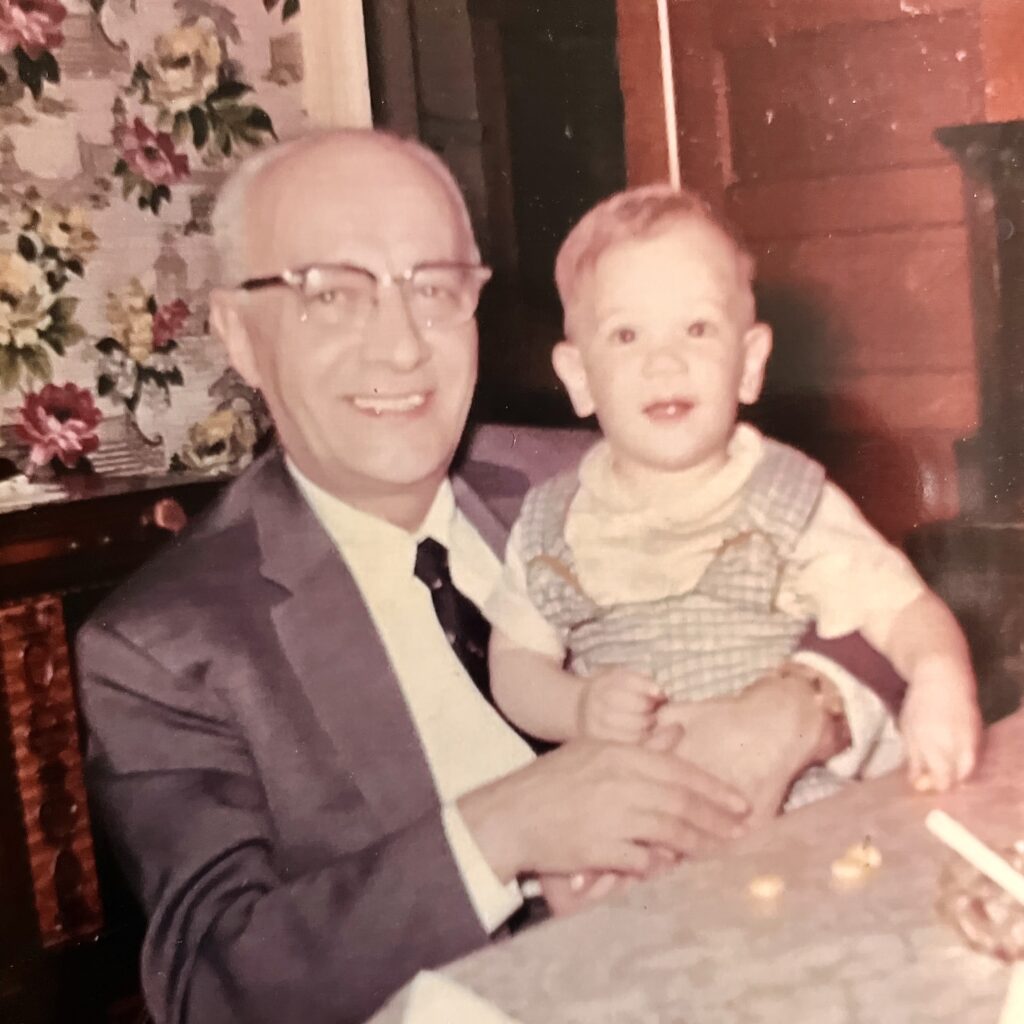
Photograph of my grandfather, Papa Carbone (Anthony Benjamin Carbone the tailor) holding me when I was about one year old.  Gray haired gentleman wearing a suit and tie holding a toddler boy in his arms.  Autobiography of Dr. Anthony J. Carbone.
Papa Carbone holding me when I was about one year old.

Columbus Park–The Italian Section of Kansas City

On weekends when my father could sneak away from his studies, we would occasionally, we would make a special trip into the Italian section of Kansas City to stock up on authentic cold cuts — thin slices of mortadella, prosciutto, and provolone cheese — all tucked lovingly into crusty loaves of Italian bread.

In 1967, Kansas City’s vibrant tapestry reflected the rich history of its Italian community, especially in the neighborhood then known as the North End. Since the 1860s, Sicilian immigrants actively built a lively, close-knit area—soon renamed Columbus Park—centering it around Holy Rosary Church and filling it with family-owned shops and bustling markets.

This self-sufficient “Little Italy” offered more than just delicious food — it was a place where tradition, language, and community thrived. Even as changes like the construction of Interstate 35 began to carve through its heart and displace families, the neighborhood remained a beloved reminder of cultural roots and Sunday flavors that felt like home.

Columbus Park "Little Italy" section of Kansas City.
Part of the autobiography of Dr. Anthony J. Carbone, Son in the Shadow of a Green Beret Hero.
Columbus Park “Little Italy” in Kansas City

My Badass Father the Soldier

But another memory stands out even more clearly — not for its peace, but for its intensity. Just a few doors down from our townhouse lived a parentless family of unruly boys who had clearly slipped through the cracks. They had long, unkempt hair — a growing trend in the late 1960s — and I remember them smoking on their back steps, jeering at us as we passed. One day, they went too far and scared my mother. That was a mistake.
I’ll never forget the moment my father found out. He calmly called out, “Hey, J.R.! Come with me!” and together we stepped into the backyard and walked down the road toward the rough boys’ unit. My father knocked on the door, and the oldest, cockiest of them answered. My father made it very clear: he didn’t want any of them speaking to his wife or his children again.

The kid smirked and said something along the lines of, “What is it to you? I don’t plan on stopping.” Without hesitation, my father grabbed the kid by his long hair and — in a move I can only describe as quiet thunder — drew his service Colt 1911 .45 caliber pistol and placed it gently but firmly under the boy’s jaw. His voice was low, measured, deadly calm. “This will be the last time that I warn you.” Then he released the boy, turned to me, and said evenly, “J.R., let’s get back to your mother. And never say a word about this to her.” That day left a mark on me. I had always admired my father, but in that moment, I saw him not only as a real soldier. I had never felt so safe in my life.

History of Fort Leavenworth

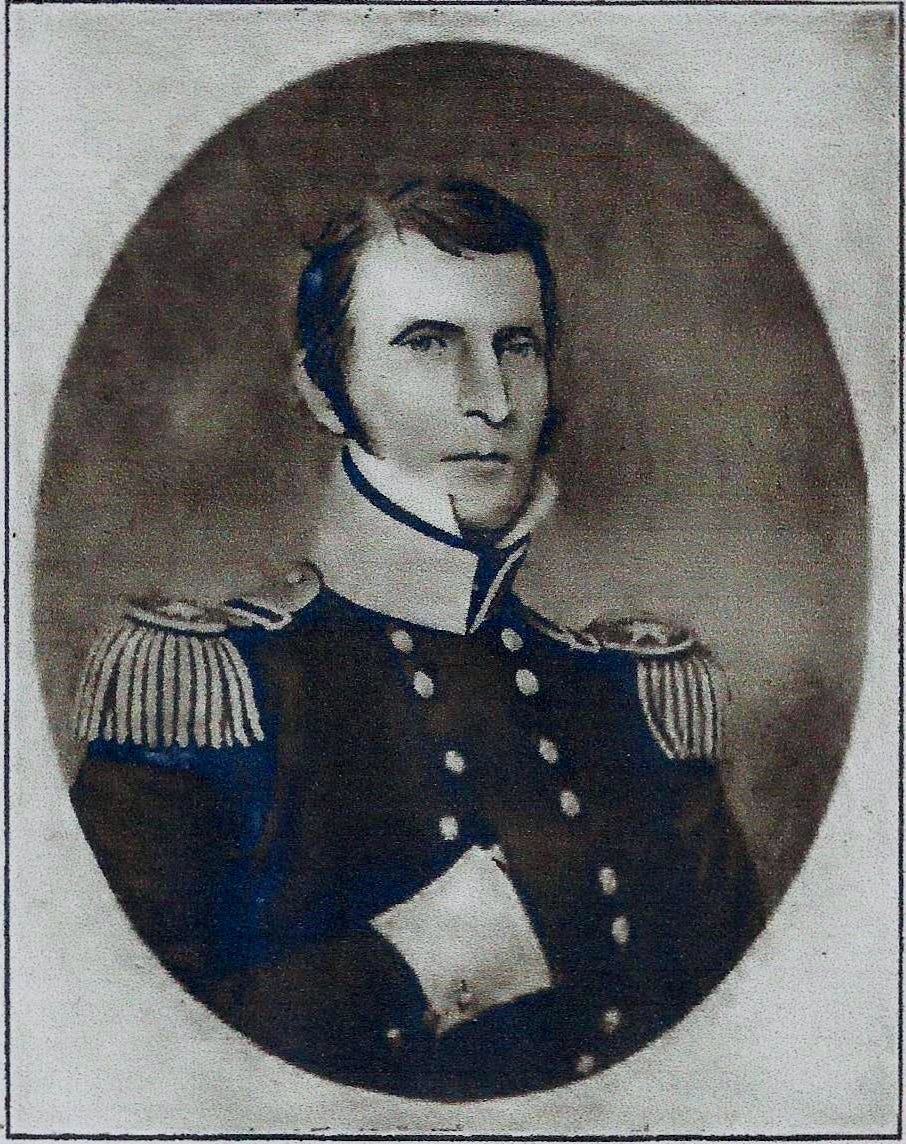
Despite all the challenges of civilian housing, my heart always returned to the post of Fort Leavenworth. Some of my fondest memories of that tour stem from my personal fascination with the fort’s history, particularly its deep connections to the Cavalry. I actively explored the legacy of General George Armstrong Custer and his 7th Cavalry, as well as the legendary Buffalo Soldiers of the 10th U.S. Cavalry— the same regiment my father had served with during his tour in Korea. I felt a personal connection to that history, one that ran through the bloodline of my own father.

General George Armstrong Custer of the U.S. 7th Cavalry.

Part of the autobiography of Dr. Anthony J. Carbone, Son in the Shadow of a Green Beret Hero.
General George Armstrong Custor of the U.S. 7th Cavalry.
Buffalo Soldiers of the U.S. 10th Cavalry.

Part of the autobiography of Dr. Anthony J. Carbone, Son in the Shadow of a Green Beret Hero.
Buffalo Soldiers of the U.S. 10th Cavalry

The Fort Leavenworth Museum

The post was still very much a place of history. Many of the old red brick buildings from cavalry days still stood, preserved like time capsules from another era. I repeatedly visited the Fort Leavenworth museum, eagerly exploring its relics from Custer, the 7th Cavalry, and the 10th Cavalry.

There were artifacts and exhibits tied to President Abraham Lincoln’s visit to the post, which added another layer of reverence. My family often made Sunday day trips to the museum. Those quiet visits — walking through dusty uniforms, sabers, saddles, and faded photographs — lit a spark in me. As a child, I regarded Fort Leavenworth as hallowed ground.

Classic Cavalry-Era Post Housing

Typical post housing at Fort Leavenworth dating back to its cavalry days.

Part of the autobiography of Dr. Anthony J. Carbone, Son in the Shadow of a Green Beret Hero.
Typical post housing at Fort Leavenworth dating back to its cavalry days.

The post itself dates back to May 8, 1827, when Colonel Henry Leavenworth established Cantonment Leavenworth along the Missouri River. It became the first permanent settlement in what would eventually become Kansas, and is today the oldest active Army post west of the Mississippi River. Originally serving as a quartermaster depot, arsenal, and garrison to safeguard the fur trade and commerce along the Santa Fe Trail, the post was briefly evacuated in 1829 and occupied by Kickapoo Indians before being re-garrisoned later that same year. On February 8, 1832, it was officially renamed Fort Leavenworth.

Portrait of General Henry Leavenworth.

Part of the autobiography of Dr. Anthony J. Carbone, Son in the Shadow of a Green Beret Hero.
General Henry Leavenworth

Combined Arms Research Library

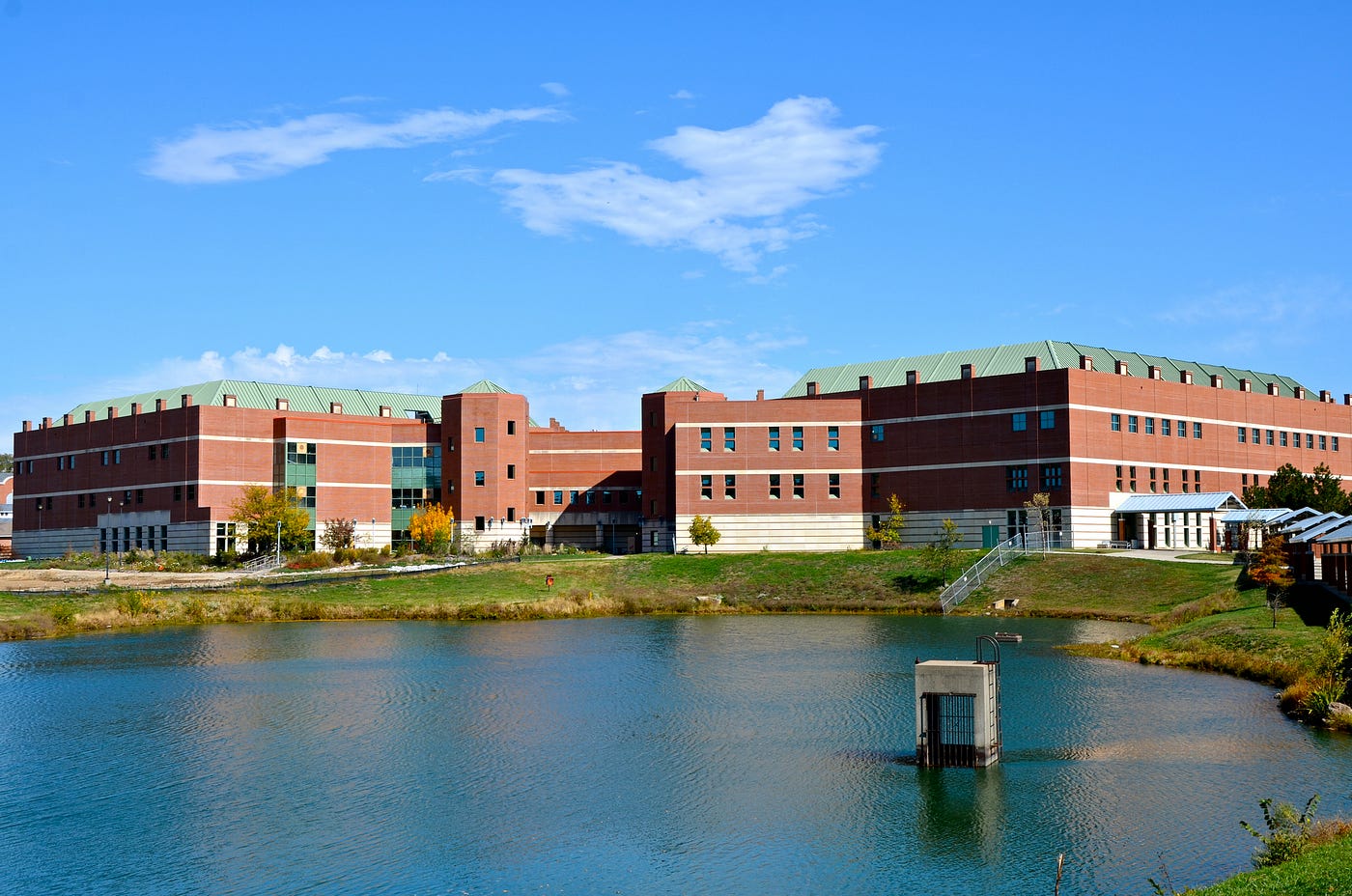
Over time, the post developed a reputation not just as a military outpost, but as an intellectual center of the Army. It housed the prestigious Combined Arms Research Library (CARL), and it became a place where strategic thought and operational planning were forged and refined.

Photograph of the Combined Arms Research Library at Fort Leavenworth, Kansas.

Part of the autobiography of Dr. Anthony J. Carbone, Son in the Shadow of a Green Beret Hero.
Combined Arms Research Library at Fort Leavenworth/

US Disciplinary Barracks at Fort Leavenworth

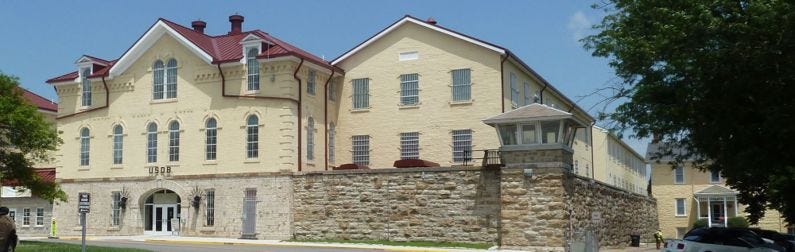
Yet there was another layer to Fort Leavenworth’s identity — its prisons. The United States Disciplinary Barracks (USDB), established in 1875, is the Department of Defense’s only maximum-security military prison.

Photograph of the U.S. Disciplinary Barracks at Fort Leavenworth, Kansas.

Part of the autobiography of Dr. Anthony J. Carbone, Son in the Shadow of a Green Beret Hero.
U.S. Disciplany Barracks at Fort Leavenworth, Kansas.

Leavenworth Federal Penitentiary

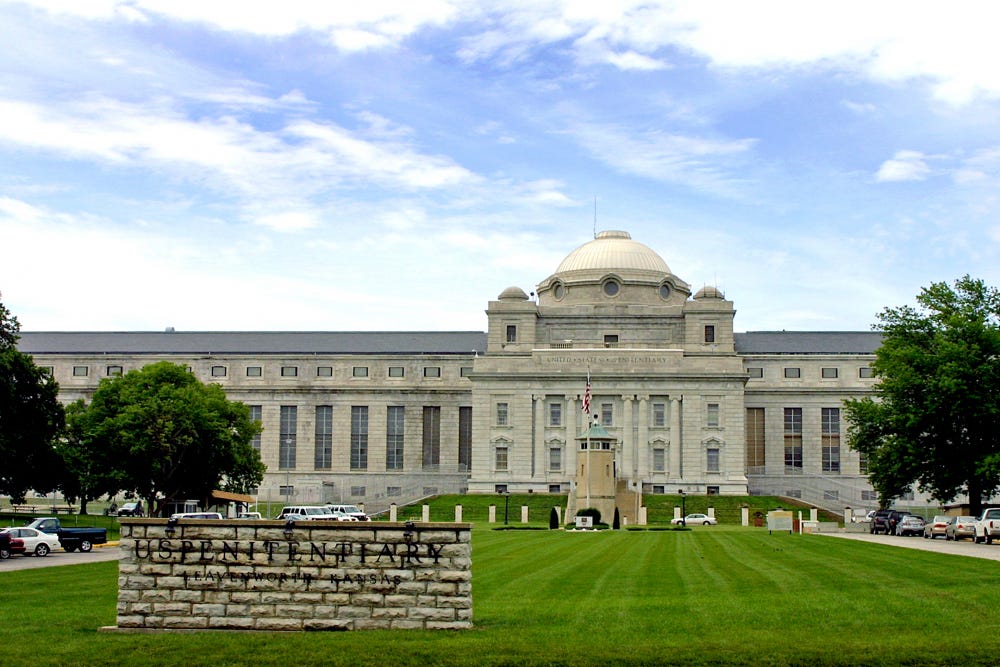
Right outside the gates, the Leavenworth Federal Penitentiary, operated by the Department of Justice, stood as a towering reminder of the civilian justice system’s reach.

Photograph of the U.S. Federal Penitentiary at Leavenworth, Kansas 

Part of the autobiography of Dr. Anthony J. Carbone, Son in the Shadow of a Green Beret Hero.
U.S. Federal Penatentiary at Leavenworth, Kansas.

Famous Resident Convicts

Both institutions had reputations for housing some of the most notorious figures in American criminal and military history — from military murderers and spies to civilian outlaws like George “Machine Gun” Kelly, labor leader Eugene V. Debs, and Robert Stroud, the so-called Birdman of Alcatraz. Their stories seemed to hang in the air like myths. Even as children, we sensed the gravity of their presence, and we were always reminded not to stray too far from home. There was mystery and menace just over the horizon.

Despite the shadow cast by those prisons, Fort Leavenworth stood as a monument to something greater. It was a place of heritage, reflection, and deep military tradition. For my father, the CGSC experience was transformative. It shaped his approach to leadership and helped define the rest of his career. For our family, it was a time of adaptation, growing pains, and strength. And for me, Fort Leavenworth stirred something inside — an early reverence for history, heroism, and the cavalry legacy that connected us all.

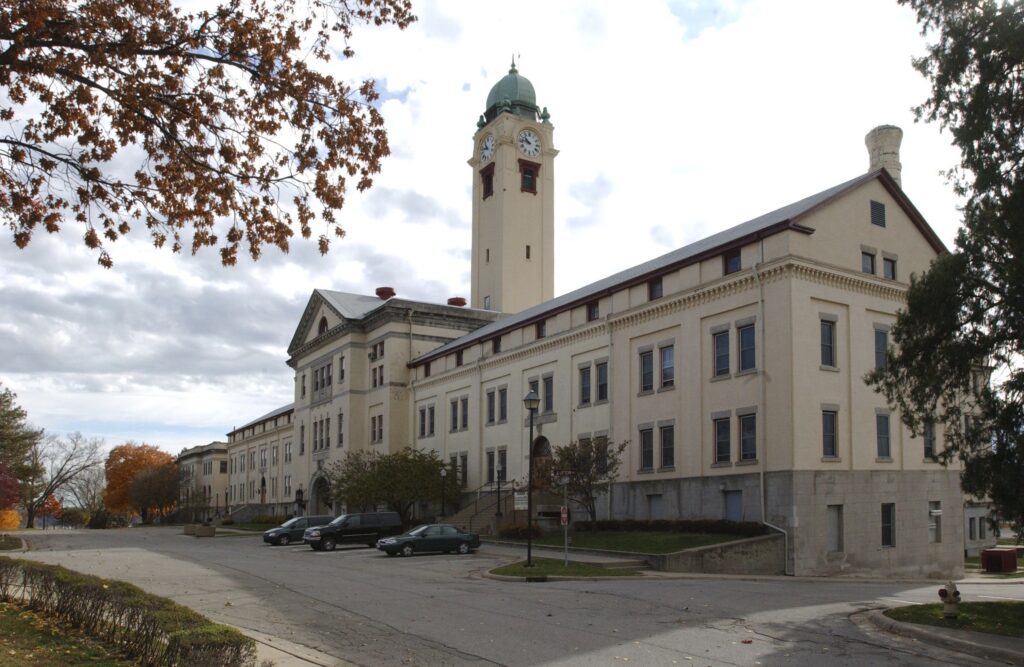
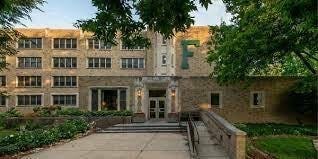
Grant Hall at Fort Leavenworth, Kansas.  Headquarters of the U.S. Army Combined Arms Center.  Autobiography of Dr. Anthony J. Carbone.
Grant Hall at Fort Leavenworth, Kansas. Headquarters of the U.S. Army Combined Arms Center
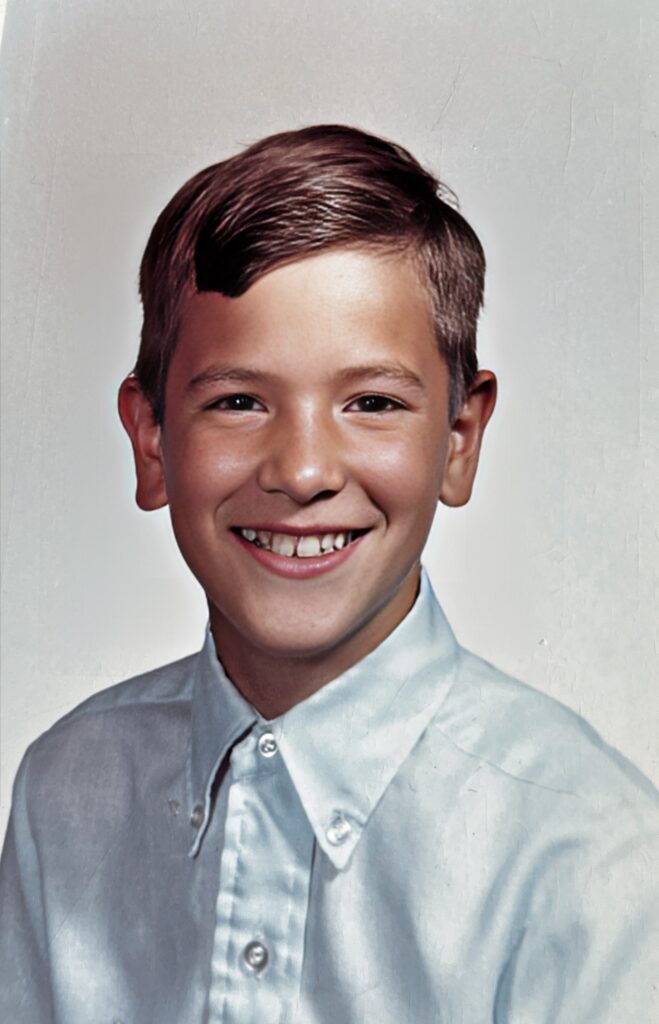
4th Grade School Photo in Kansas City, Kansas while Dad was attending the U.S. Command & General Staff College at Fort Leavenworth. Biography of Dr. Anthony J. Carbone.
4th Grade Class Photo from Kansas City, Kansas

Home Page