Chapter 8: Return to Heidelberg, Our Second Tour of Germany

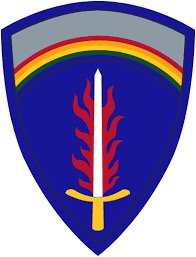
HQ US Army Europe (USAREUR) Patch. Autobiography of Dr. Anthony J. Carbone.

Believe Nothing You Hear, and Only Half of What You SeeA Memoir of Service, Shame, and the Search for Truth

Second Tour in Heidelberg, Germany

When I was ten years old, our family once again packed up our lives and headed overseas — this time for our second tour in Germany. My father had received orders assigning him to Headquarters, US Army Europe (USAREUR) and 7th Army, located at Campbell Barracks in Heidelberg. Unlike our earlier tour in the early 1960s, this one brought us back as seasoned travelers. I had already lived in multiple states and countries by then, and yet the thought of returning to Germany filled me with a deep sense of excitement and familiarity.
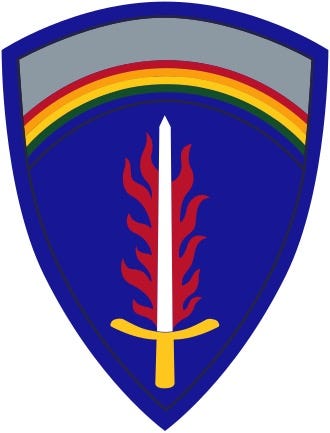
Shoulder patch of US Army Europe (USAREUR) Command that my father wore while assigned to Headquarters, USAEUR in Heidelberg, Germany.

Part of the autobiography of Dr. Anthony J. Carbone, Son in the Shadow of a Green Beret Hero
Headquarters US Army Europe (USAREUR) Shoulder Patch

Father works in the Mushroom

My father’s new assignment placed him in the Plans Department at Headquarters USAREUR, a position that carried immense responsibility. His Top Secret work took place deep in the lower levels of Campbell Barracks headquarters — in a windowless basement complex affectionately nicknamed “The Mushroom.” It was a fitting name for a place that seemed to operate in the dark, both literally and figuratively. There, my father and his fellow officers drafted highly classified contingency war plans in the event of a Soviet invasion through the Fulda Gap — the very terrain he had once patrolled with C Troop, 14th Armored Cavalry.
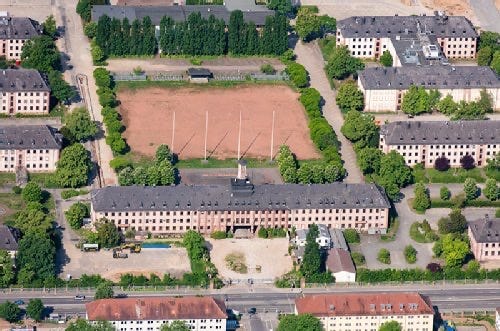
U.S. Army Campbell Barracks aeirial view in Heidelberg, Germany where my father worked in the War Plans Department in the deep basement called "The Mushroom".

Part of the autobiography of Dr. Anthony J. Carbone, Son in the Shadow of a Green Beret Hero
US Army Campbell Barracks in Heidelberg, Germany

We Live in Mark Twain Village (MTV) in Heidelberg

Although I didn’t fully understand the gravity of the Cold War at that age, I did understand that my father’s job was important. And we were lucky: his assignment came with stable, convenient housing and a chance to tour Europe. We lived in Mark Twain Village, a government residential community just steps from Campbell Barracks. Our second-floor apartment on Römerstrasse quickly became home.
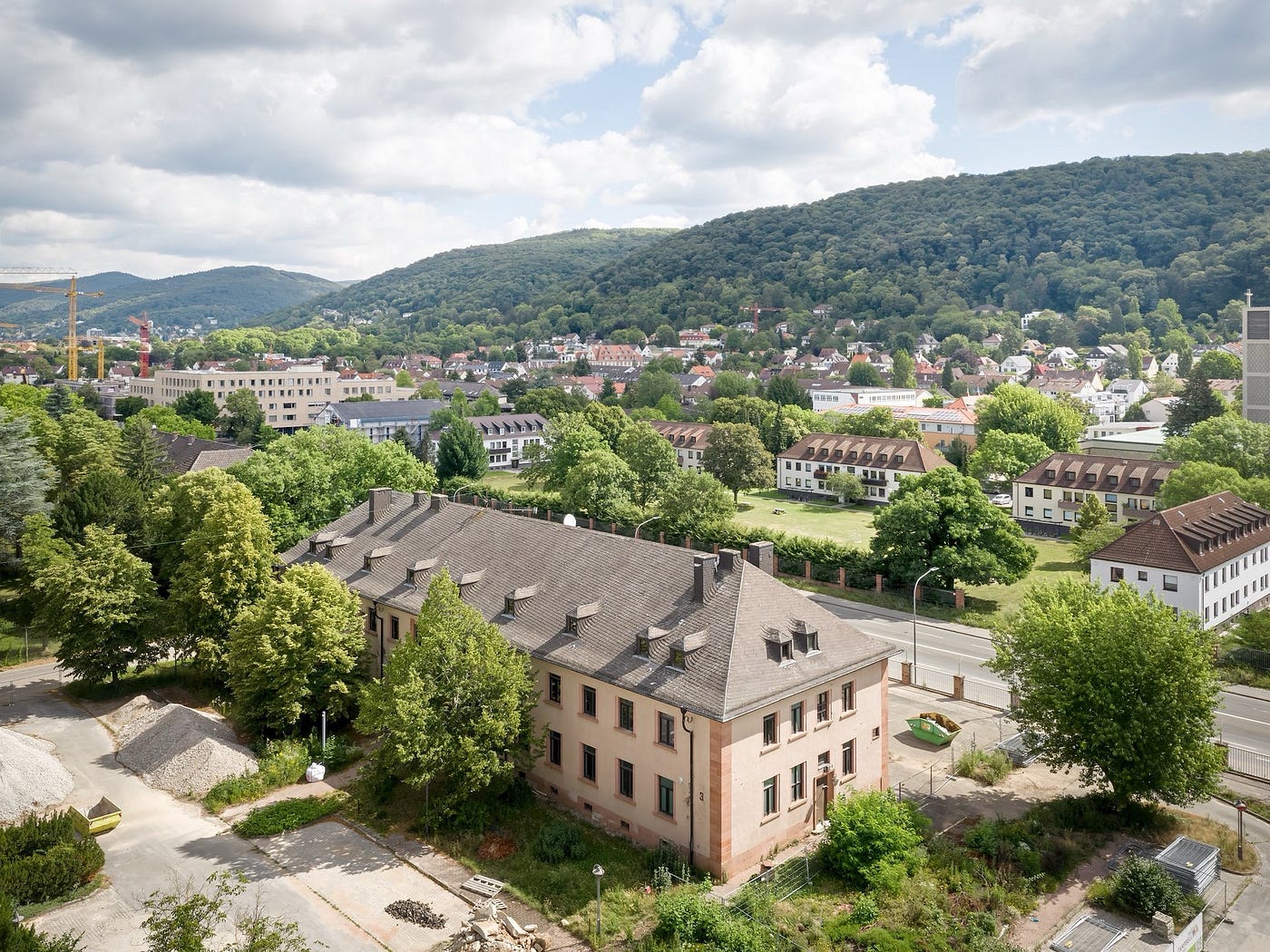
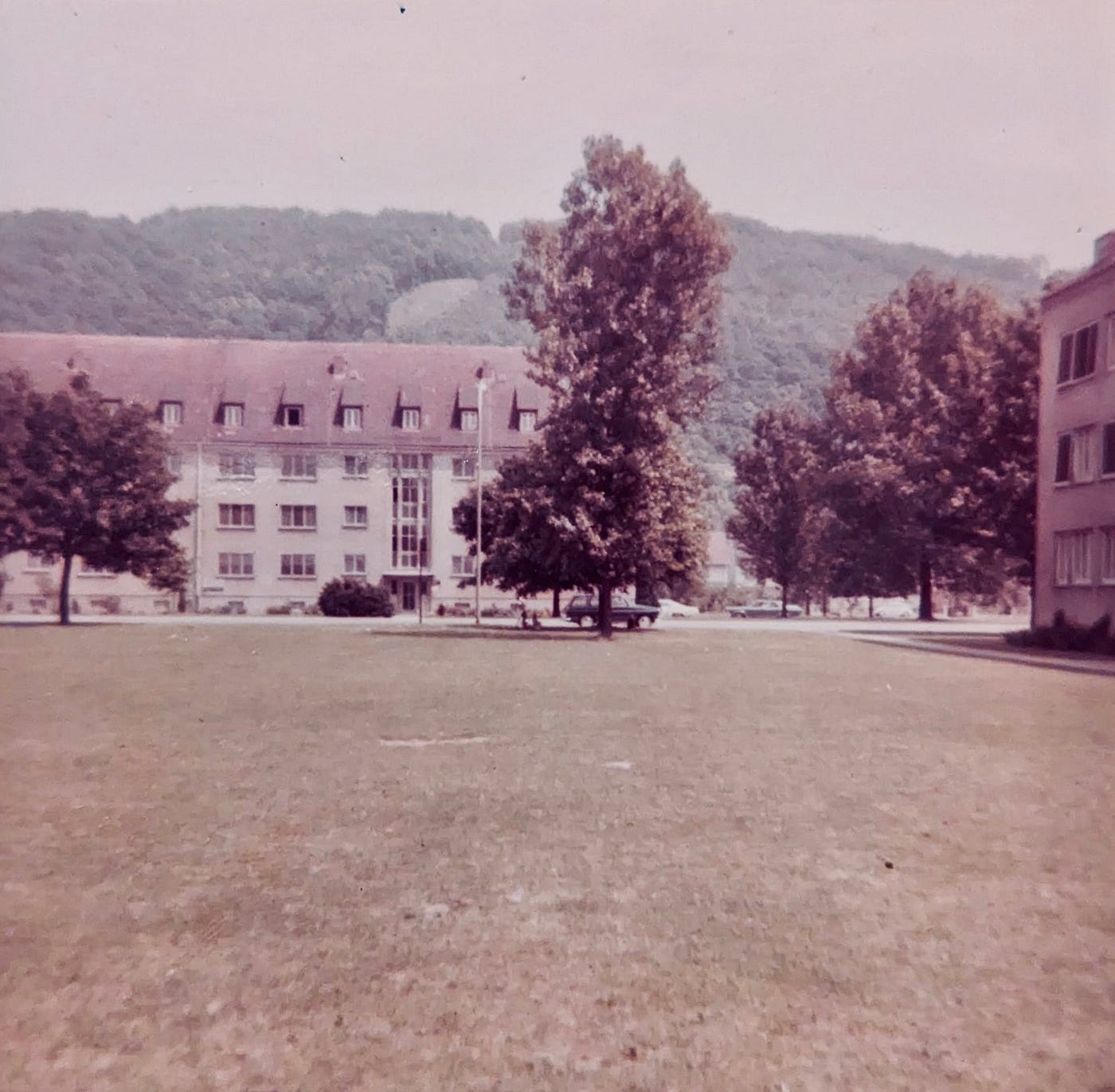
Mark Twain Village (MTV) Military Family Housing Area in Heidelberg, Germany near Campbell Barracks, home of Headquarters, USAREUR.

Part of the autobiography of Dr. Anthony J. Carbone, Son in the Shadow of a Green Beret Hero
Mark Twain Village in Heidelberg, Germany
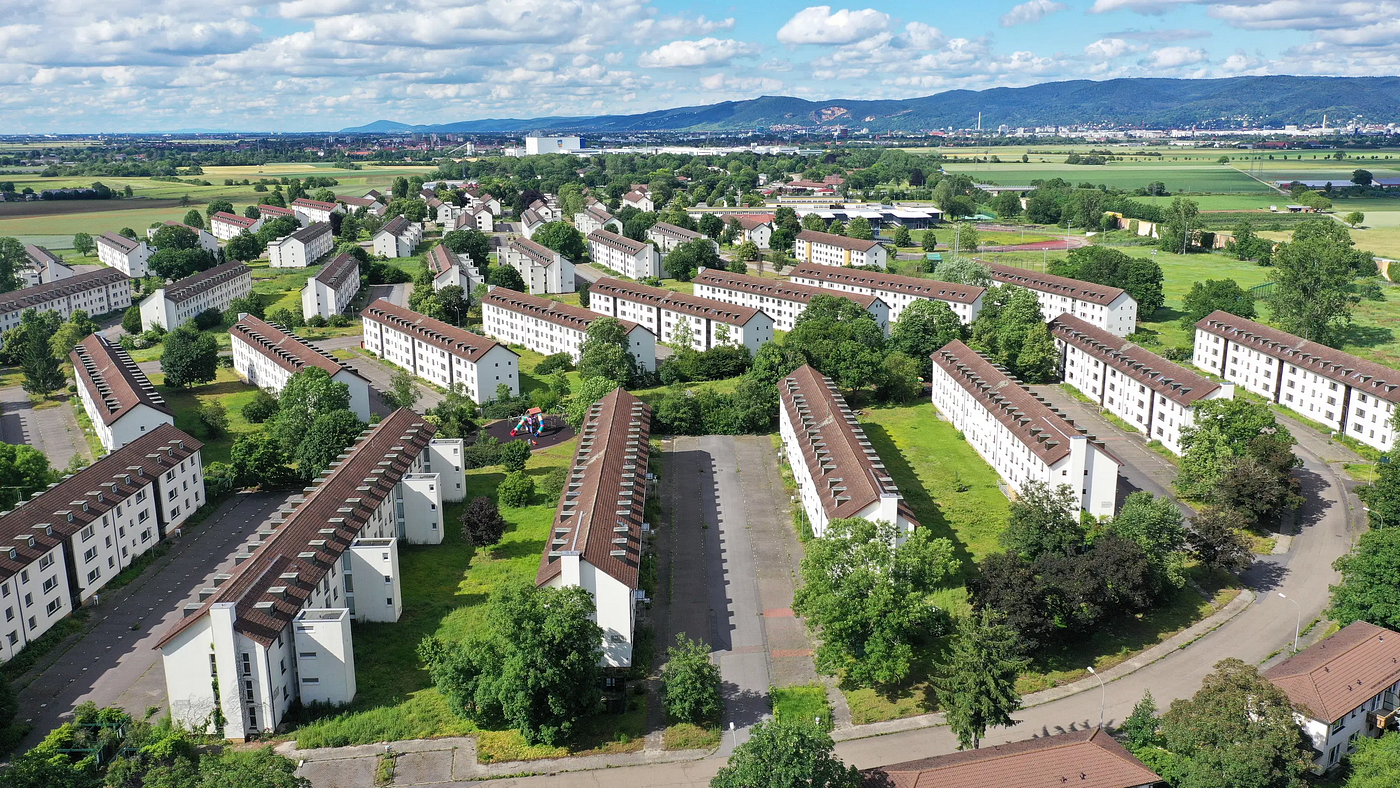
Typical housing quad at Mark Twain Village (MTV), military family housing area of Heidelberg, Germany for military personnel working at Campbell Barracks.

Part of the autobiography of Dr. Anthony J. Carbone, Son in the Shadow of a Green Beret Hero
Mark Twain Village in Heidelberg, Germany

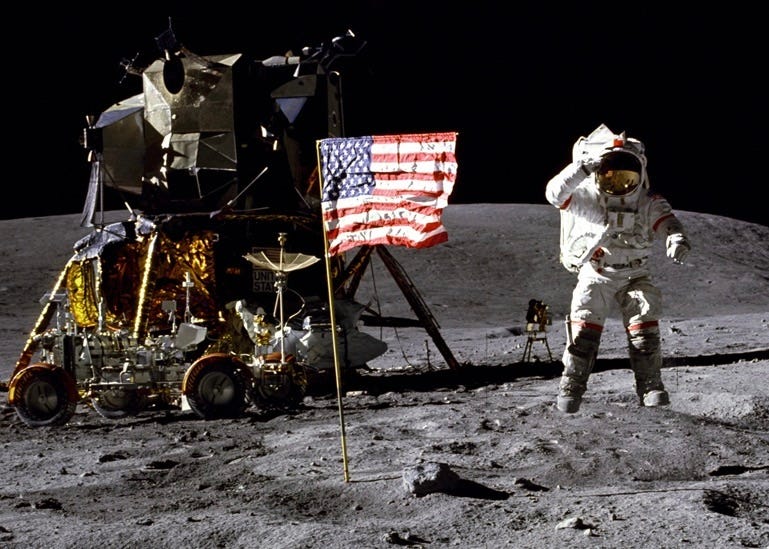
Apollo 11 Moon Landing (July 20, 196)

We had just settled into our new government quarters in Mark Twain Village in Heidelberg when the world seemed to stop for another historic moment. On July 20, 1969, we were glued to our little black-and-white television, watching the Armed Forces Radio & Television Network as the Apollo 11 mission unfolded. The Lunar Module touched down on the moon that evening (around 8PM German time), and I remember the suspense and awe in our household. We even woke up before dawn the next morning to see Neil Armstrong climb down the ladder and take that first step onto the lunar surface. His words — That’s one small step for man, one giant leap for mankind”— were broadcast across the globe, and even as a boy in Germany, I understood how extraordinary it was. The mission had launched from Florida on July 16, landed on the moon at 4:17 p.m. EDT on July 20, and Armstrong’s first step came at 10:56 p.m. EDT. By the time the astronauts returned safely to Earth on July 24, the entire world felt changed.
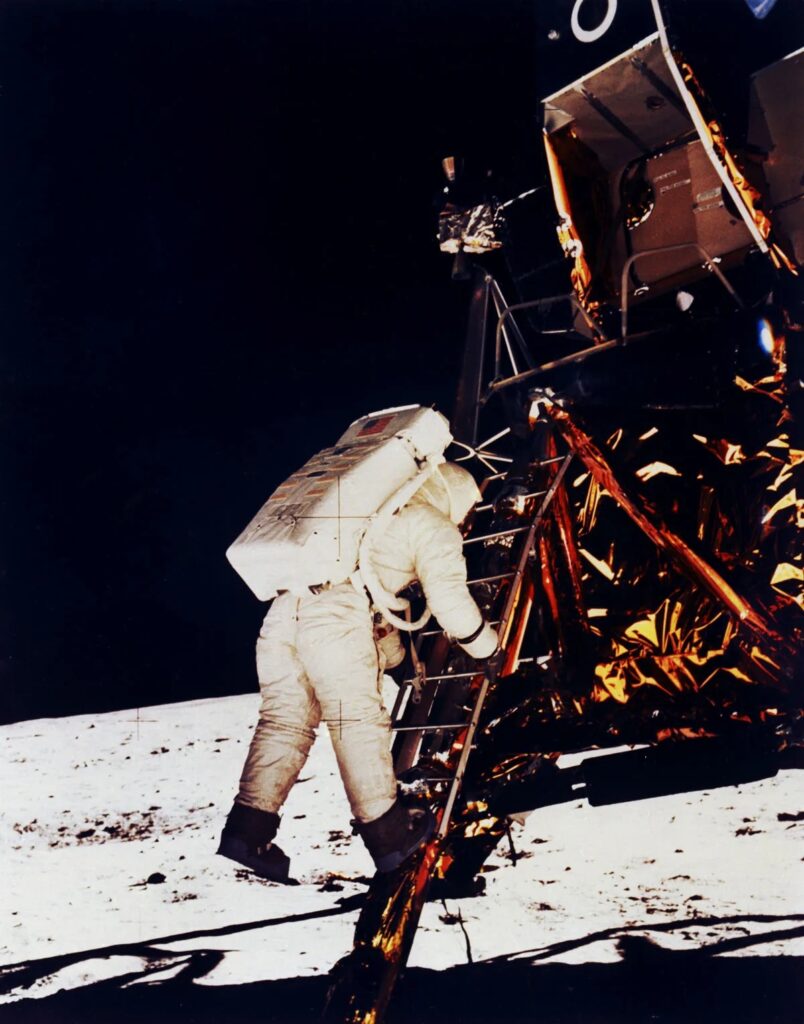
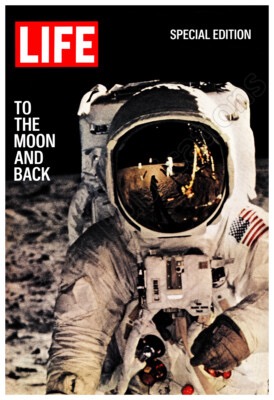
Watching Dad Walk Home from Campbell Barracks

From our living room window, my mother and I would sit together in the early evenings and watch the stream of officers walk home in their uniforms. Even though they all looked the same from a distance — identical green fatigues or Class A uniforms, same gait, same caps — I could always pick out my father by his walk. There was something distinctive and familiar in his stride and the way he tilted his head as though examining the terrain ahead of him, and spotting him from afar gave me a small sense of pride and comfort each day.

Parades at Campbell Barracks

We were so close to Campbell Barracks that we didn’t just see Army life — we heard it. The bugle calls, the thunderous boom of cannon salutes, and the rousing music of the 7th Army Band became the background soundtrack of our lives. If I had a day off school and it was light outside, I’d run over to Campbell Barracks to watch the soldiers march “Pass In Review”. Their gleaming boots, synchronized steps, colors and guidons waiving, and perfectly timed salutes made a deep impression on me. It was patriotic, ceremonial, and somehow reassuring.
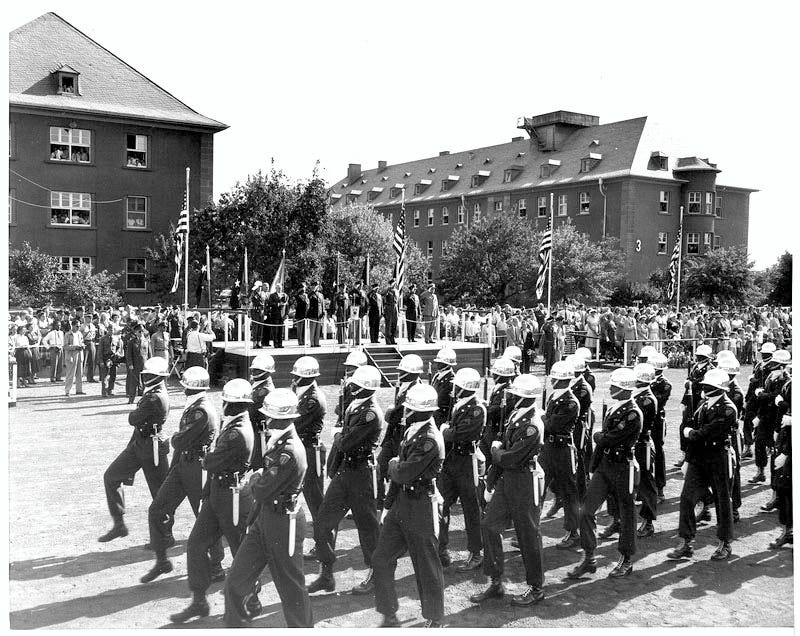
U.S. 7th Army Band and soldiers "Pass in Review" on the parade field of Campbell Barracks in Heidelberg, Germany--home of Headquarters, USAEURA.

Part of the autobiography of Dr. Anthony J. Carbone, Son in the Shadow of a Green Beret Hero
US 7th Army Soldiers Pass In Review at Campbell Barracks in Heidelberg

Life in Mark Twain Village (MTV)

Mark Twain Village was filled with other Army families like ours. The kids played outside until dinner, rode bikes on the broad sidewalks, and gathered for games in the shared courtyards. We attended the American grade school nearby and shopped at the PX and commissary. Even though we were living in a foreign country, our daily life felt predictable and secure — until it didn’t.
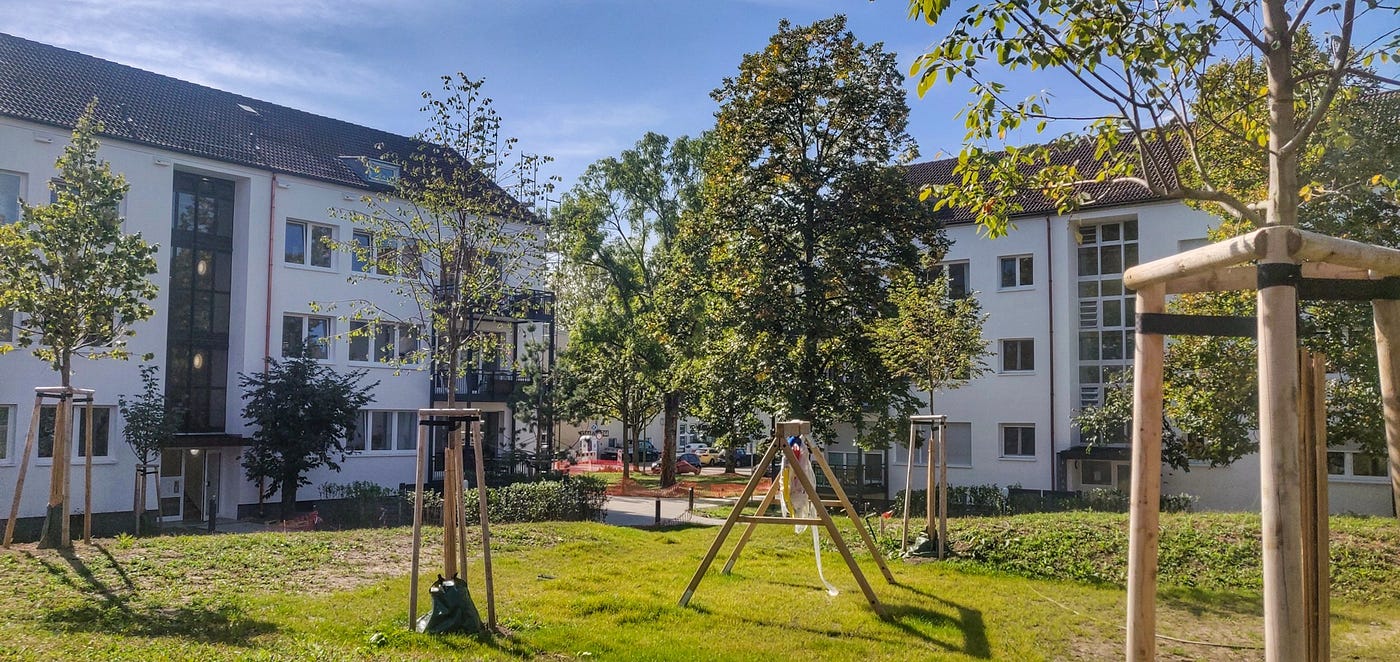
Typical playground in. the quad betwen the apartment buildings of Mark Twain Village (MTV), the family housing area for military personnel working at Campbell Barracks, Home of HQ USAEURA, Heidelberg, Germany.

Part of the autobiography of Dr. Anthony J. Carbone, Son in the Shadow of a Green Beret Hero
Mark Twain Village Playground

Our Car is Used in a Kidnapping

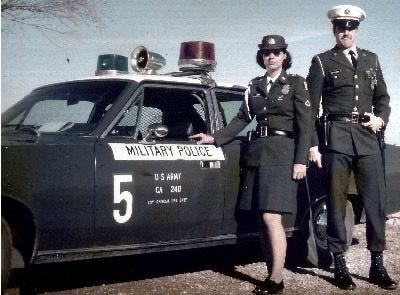
One event pierced that sense of security in a way I’ll never forget. One night, thieves stole our family’s Pontiac station wagon, our trusted vehicle for school runs and weekend drives. Soon after, we discovered that kidnappers used it in the abduction of a young woman.

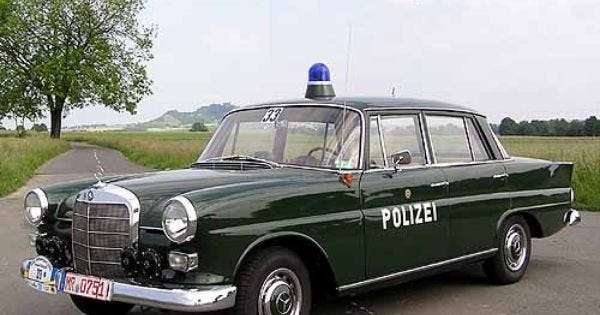
German and U.S. military police came to our apartment and fingerprinted each of us to help with the investigation of the recovered vehicle. I remember the serious, methodical way they worked, my fingerprints appearing on the identifcation card, and the sense of something terribly wrong. Later, it was revealed that chlorophorm had been used during the kidnapping. Our car was returned to us, but it never felt quite the same again. Driving around in it afterward felt strange and unsettling. As a boy, I didn’t yet have the words for trauma, but I knew we had been touched by something dark.
My 5th Grade Teacher Dies of Pneumonia

Another vivid memory from that year is one of personal sorrow. My fifth-grade teacher at Heidelberg American Grade School was only 21 years old. I’ve long since forgotten her name, but not her beauty or kindness. Even at ten, I knew we were lucky to have such a lovely and caring teacher.
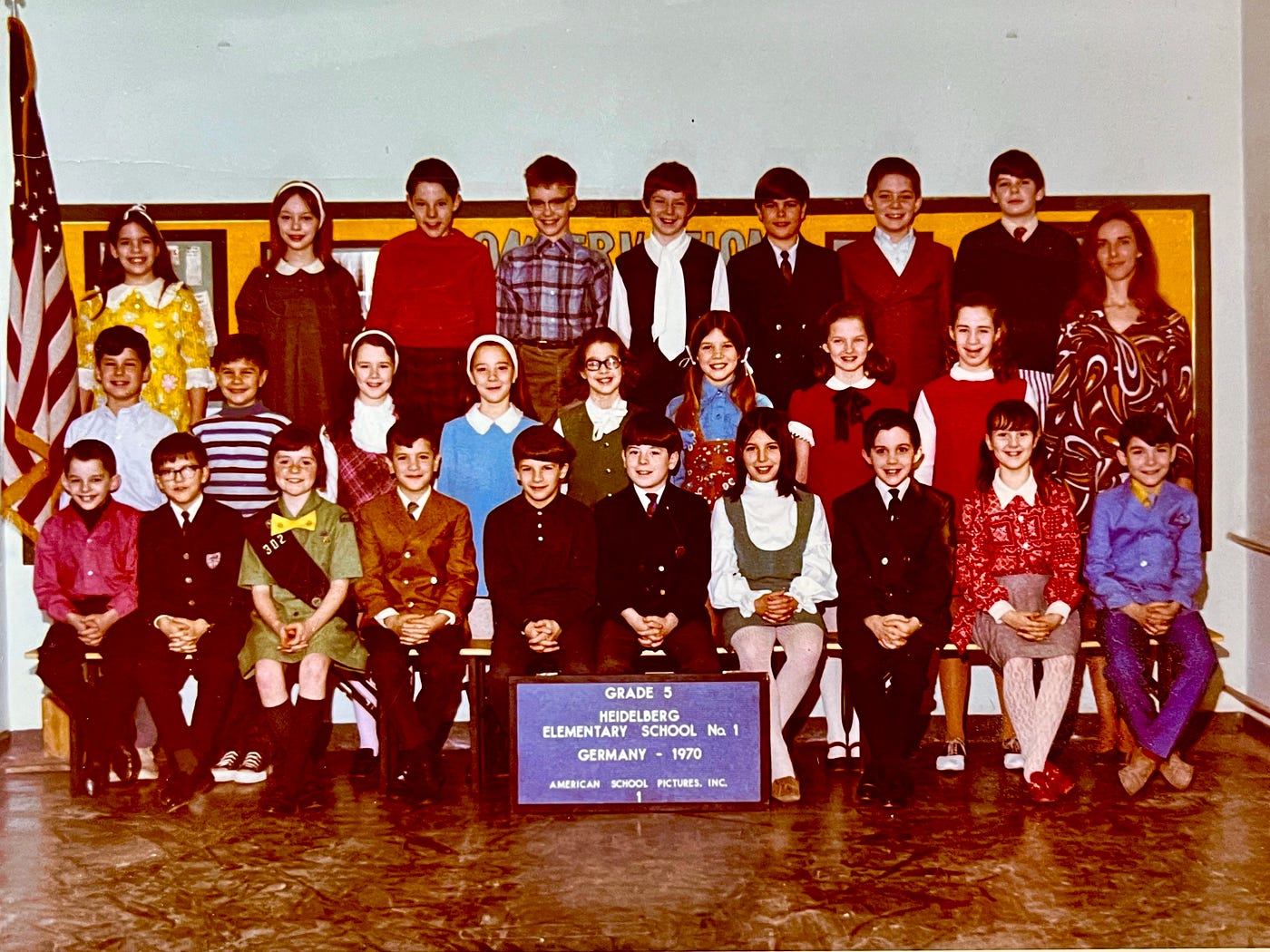
My 5th Grade Class portrait at Heidelberg Elementary School No.1 in Mark Twain Village, 1970.  I am seated in the front row, 4th from the left.

Part of the autobiography of Dr. Anthony J. Carbone, Son in the Shadow of a Green Beret Hero
5th Grade Heidelberg American Grade School. Heidelberg, Germany. I’m in the brown jacket next to my girlfriend the girl scout.

Then one day, we were in the car — my parents in the front, me sitting in the middle between them on the bench seat — and Peter, Paul & Mary’sLeaving on a Jet Plane” came on the radio. I liked the song already, but suddenly it took on a whole new meaning. My parents turned to me gently and told me that my teacher had died — of pneumonia. I was stunned. “Pneumonia?” I asked. “Isn’t that curable with antibiotics?” They nodded softly but didn’t offer much more. I sat in silence as the song played, numb with disbelief. I don’t remember another thing about fifth grade. To this day, when I hear “Leaving on a Jet Plane,” I’m transported back to that car ride and the overwhelming sadness of losing someone so young.
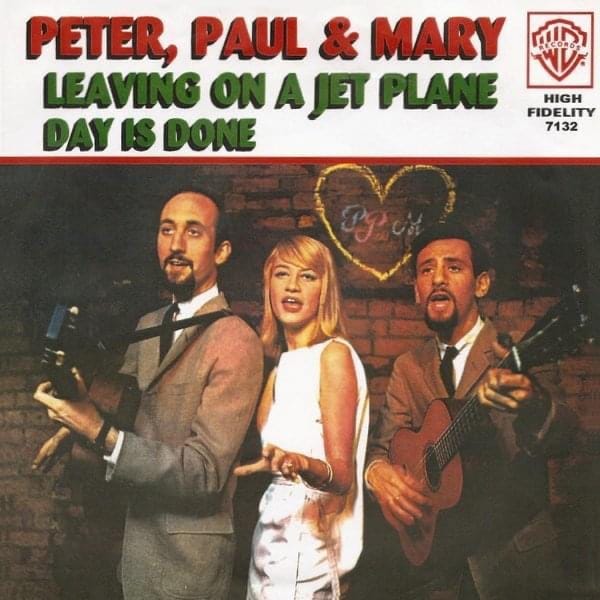
Album cover to Peter, Paul & Mary's "Leaving on a Jet Plane" in High Fidelity.


Part of the autobiography of Dr. Anthony J. Carbone, Son in the Shadow of a Green Beret Hero
Peter Paul & Mary’s “Leaving On A Jet Plane”

I learn about suicide

That was not the only moment during our time in Heidelberg that shattered my childhood innocence. I remember another day, driving down Römerstrasse with my parents in that same Pontiac station wagon. I was again sitting between them in the front seat, the hum of the engine and the rhythm of everyday life lulling me into a sense of routine.

Then I heard my father whisper something to my mother. I couldn’t catch it all, but I heard enough: “The captain’s wife… she committed suicide.” My ears perked up. “What’s suicide?” I asked. My parents hesitated, then replied with quiet gravity, “It means she killed herself.” I was stunned. “Why would anyone kill themselves?” I asked again. They explained gently that she had been terribly homesick, living so far from her family, isolated in a foreign country. But I couldn’t understand how loneliness could drive someone to end their life. It seemed unthinkable.

As we continued driving, Joni Mitchell’s “Both Sides Now” came on the radio — “Bows and flows of angel hair…” — and that haunting melody fused itself forever to that moment. I couldn’t make sense of it then, and to be honest, I still struggle with it now. The suicide of that young officer’s wife marked me deeply. From that day on, suicide became something that both baffled and upset me — and it still does.

Album cover to Joni MItchel's "Both Sides Now".


Part of the autobiography of Dr. Anthony J. Carbone, Son in the Shadow of a Green Beret Hero
Joni Mitchell’s “Both Sides Now”

Nana Carbone visits us in Heidelberg

Despite these dark memories, Heidelberg was also a place of beauty, warmth, and family connection. During this tour, we had two long-time visitors who brought their own special energy to our household. My father’s mother, Nana Carbone, came to stay with us for a while. Our three-bedroom apartment was already tightly packed — my parents had their room, my four sisters shared another, and I had a small bedroom to myself. When we had overnight guests, I gave up my room and moved in with my sisters, sleeping on the floor between their two huge wooden bunkbeds. That simple act became a routine of sorts, and I never minded.
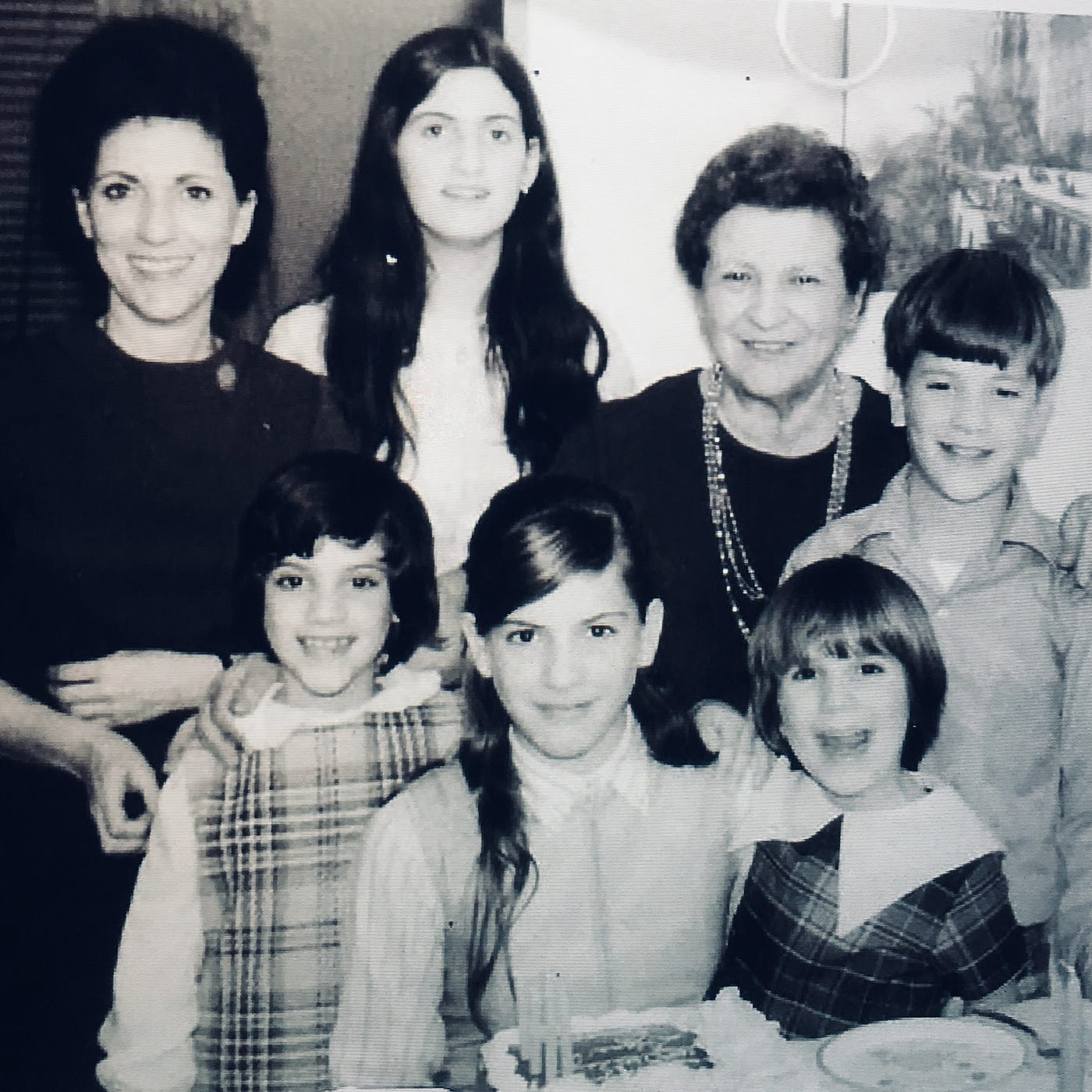
Photograph of Nana Carbone visiting us at our home in Mark Twain Village in Heidelberg, Germany.  With my mother (Edda Carbone), Sisters Lynne, Diana, Cynthia and Pamela Carbone.  Looks like it was my sister Diana's birthday with a birthday cake.  I am on the far left.

Part of the autobiography of Dr. Anthony J. Carbone, Son in the Shadow of a Green Beret Hero
Nana Carbone visiting us in Heidelberg

8 of us in a VW Beetle from Heidelberg to Paris

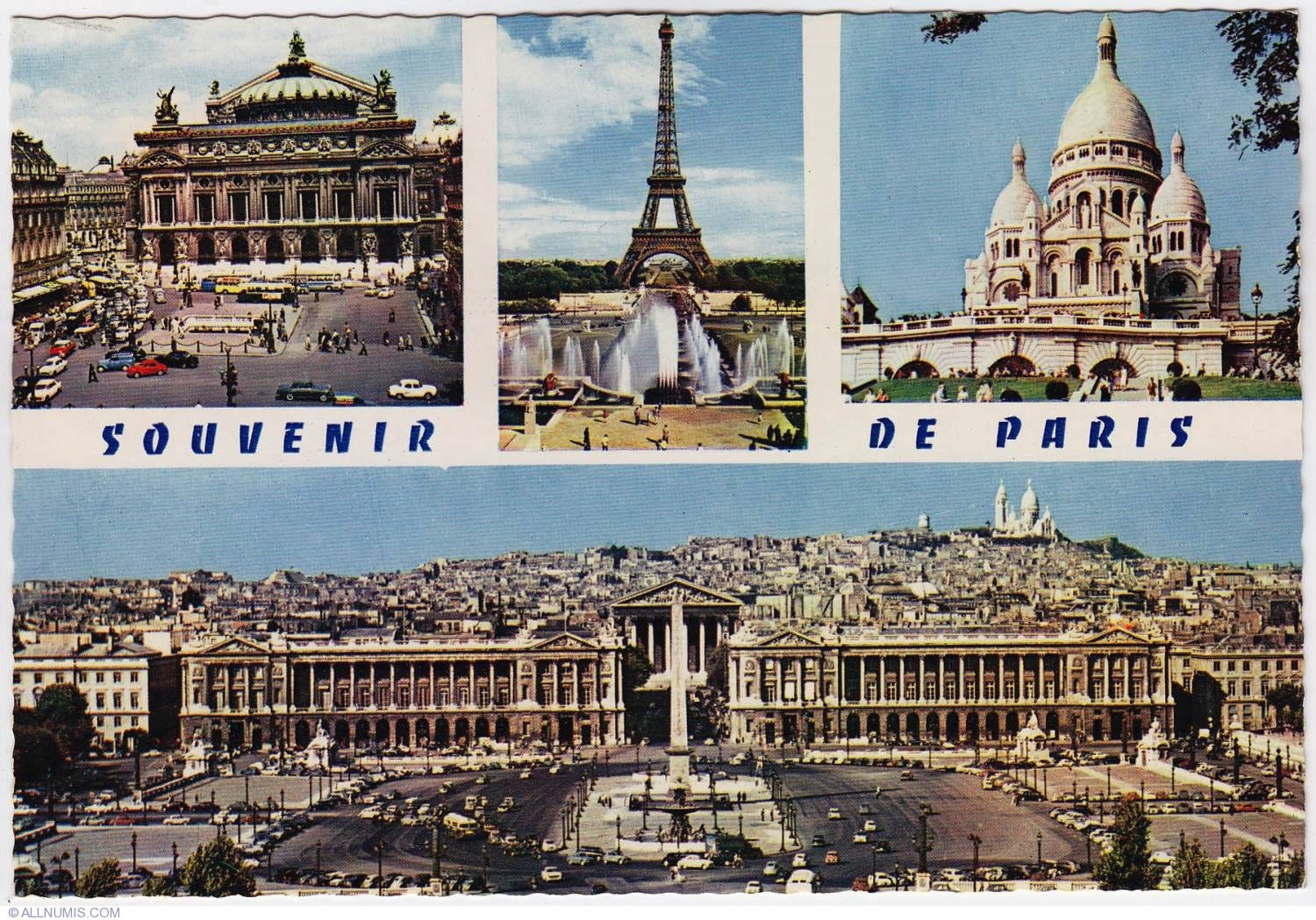
We took Nana sightseeing around Heidelberg and beyond, but I especially remember one spontaneous Saturday morning at the breakfast table. My father asked, “Who wants to go visit Paris?” We all exploded with excitement, raising our hands and pleading to go. He told us to gather our money — every coin and bill we could find, both American and German. We brought him our coins, our Deutschmarks, our pfennigs, and he carefully counted them up and announced that we had just enough.

The funniest part was that we no longer had the station wagon — at the time, we only had a 1960s-era German Volkswagen Beetle. So all eight of us — my father, Nana Carbone, my mother, and the five Carbone kids — crammed into that tiny car, along with our luggage, and drove all the way from Heidelberg to Paris. My father drove, Nana rode up front, and the rest of us — every last one — sat piled in the back, sandwiched together like sardines. It was cramped, absurd, and completely unforgettable.
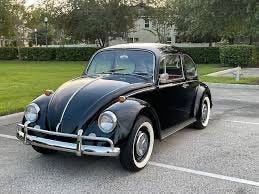
Black Volkswagen Beetle circa 1960 that 8 of us piled into to drive from Heidelberg, Germany to Paris, France when my Nana Carbone was visiting us in Heidelberg.

Part of the autobiography of Dr. Anthony J. Carbone, Son in the Shadow of a Green Beret Hero
Black Volkswagen Beetle circa 1960 that 8 of us piled into to drive from Heidelberg to Paris when my Nana Carbone visited us.
Postcard of Paris that was a souvenir from our trip to Paris in 1970 when Nana Carbone visited us in Heidelberg, Germany.

Part of the autobiography of Dr. Anthony J. Carbone, Son in the Shadow of a Green Beret Hero
Postcard of Paris that was a Souvenir from our trip to Paris with my Nana Carbone.

Auntie Norma Stays with us Again

We also hosted my Auntie Norma that year. She came to stay for an extended visit and, as always, I gave her my bedroom and joined my sisters on the floor. Auntie Norma traveled with us occasionally, but she also took full advantage of Army-sponsored trips for officer wives and soldiers. She explored Europe independently, sometimes with others, often alone, always intrepid with cameras in hand. She was fearless, curious, and full of stories. Her presence added color to our home, and her spirit of adventure made a lasting impression on me. She has always been a part of our nuclear family to me.
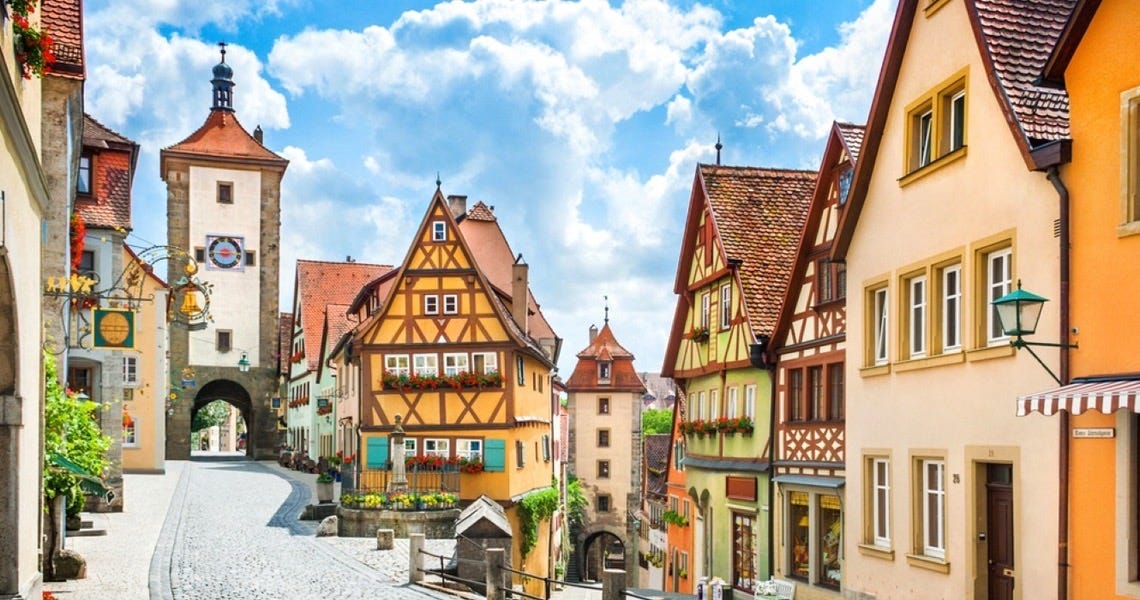
Photo of main street Rotenburg, insided the famous walled city showing the iconic tower gate.  This was one of the most favorite places for our family to visit and show our visitors.

Part of the autobiography of Dr. Anthony J. Carbone, Son in the Shadow of a Green Beret Hero
Rotenburg ob der Tauber Germany, one of our favorite places to visit

I loved Germany

Although everyone in my family lived through three tours in Germany, the timing of this particular tour in my childhood made it the most significant for me. Germany — especially Heidelberg — became an essential part of my identity. Studying the German language began both in school and independently. German history, culture, and geography sparked deep fascination, leading our family to travel throughout the country. Military life, particularly my father’s role in the U.S. Army and the broader structure of NATO forces stationed across Europe, especially captivated me.

Even then, I knew I wanted to follow in my father’s footsteps. I was determined to become an Army officer. And I dreamed of returning to Germany for as many tours as the Army would allow.
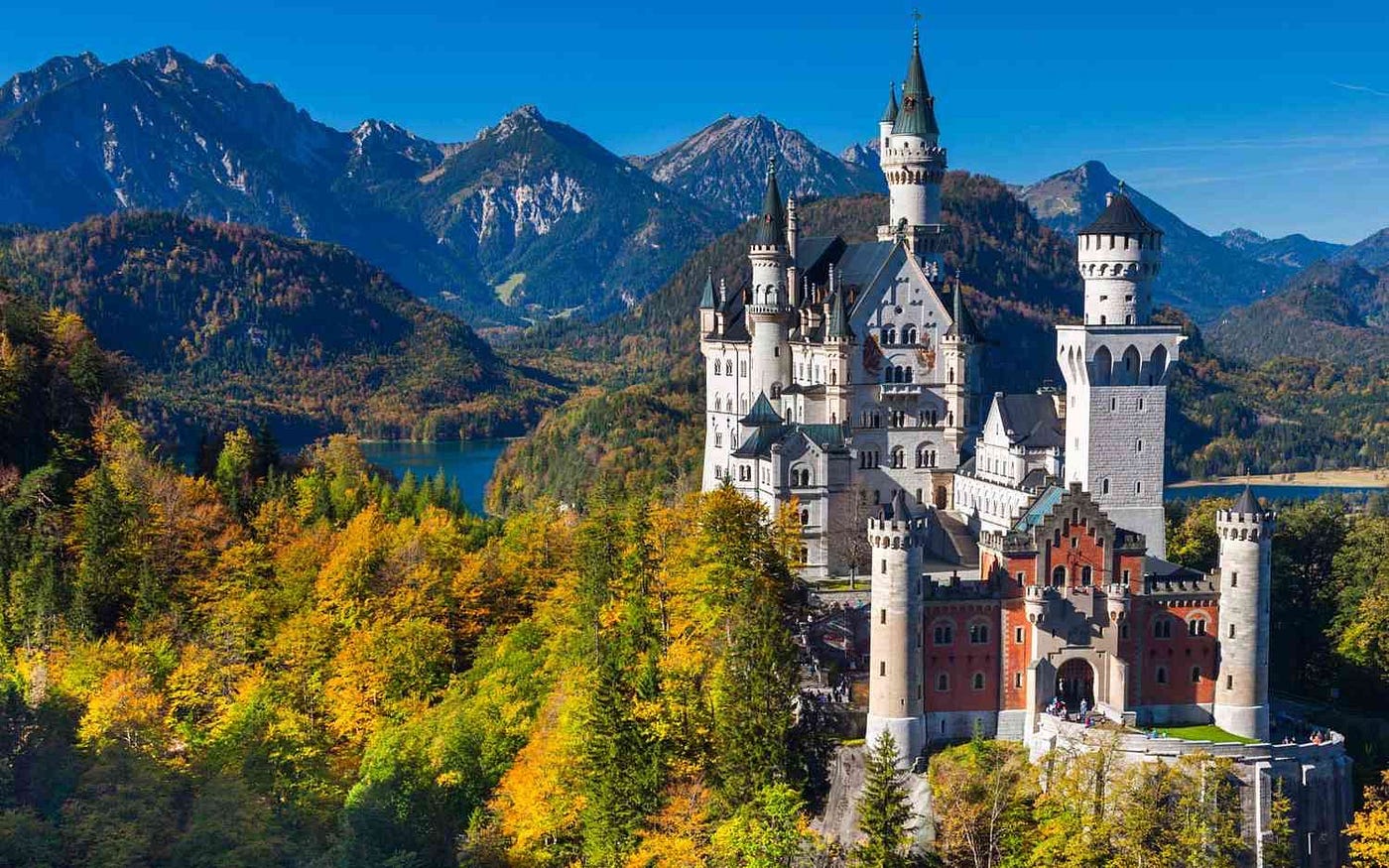
Photograph of Neuschwanstein Castle, the icon of Bavaria (the American sector of Germany).  We took our visiting guests there often.

Part of the autobiography of Dr. Anthony J. Carbone, Son in the Shadow of a Green Beret Hero
Neuschwanstein Castle Bavaria Germany

Looking back, our second tour in Germany was not just another chapter in our family’s military life — it was the foundation of my emerging sense of self. It was a time when I began to understand the complexity of the world, to absorb culture, history, and tragedy, and to see clearly the path I would one day walk. Heidelberg wasn’t just a post — it was a place where I began to grow up.
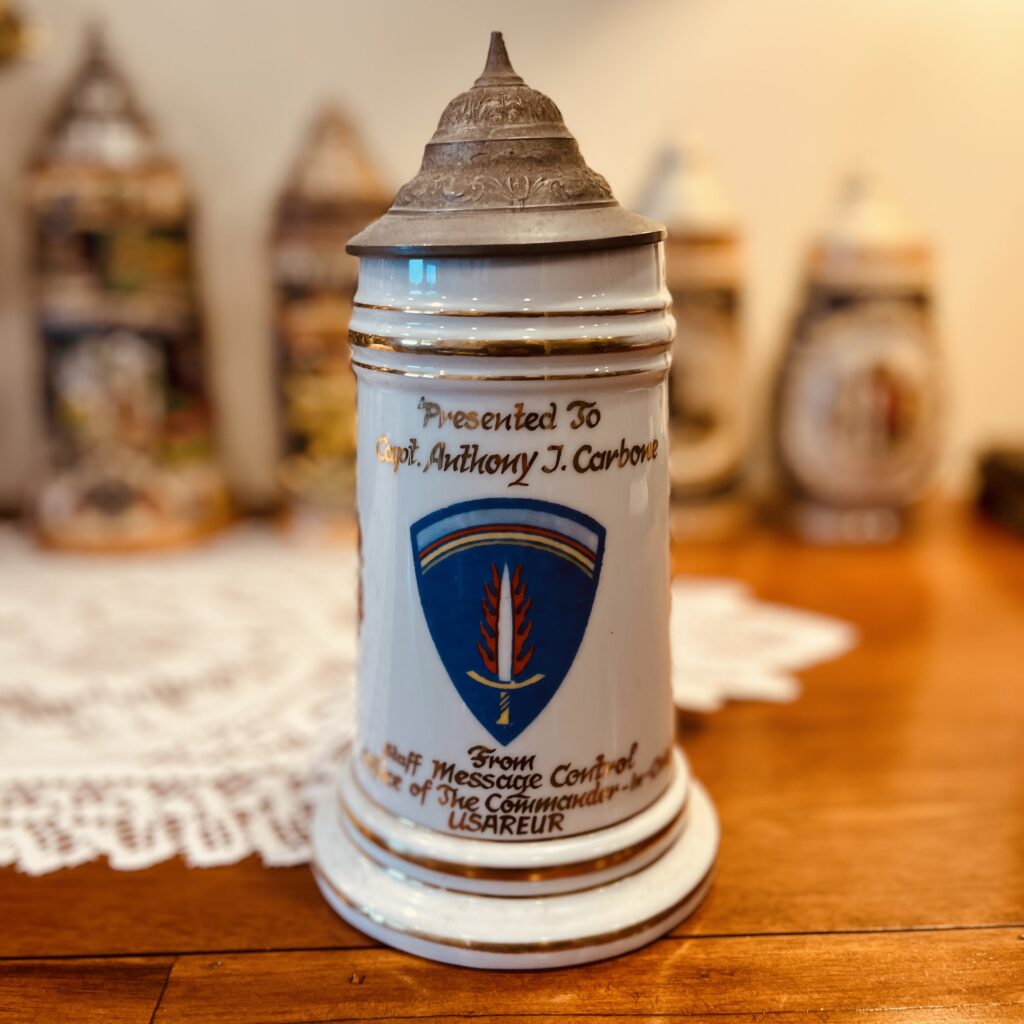
Bierstein from HQ USAREUR in Heidelberg Germany. Captain Carbone. Dr. Carbone autobiography/
Bierstein HQ USAREUR Heidelberg Germany presented to my father, Captain Tony Carbone
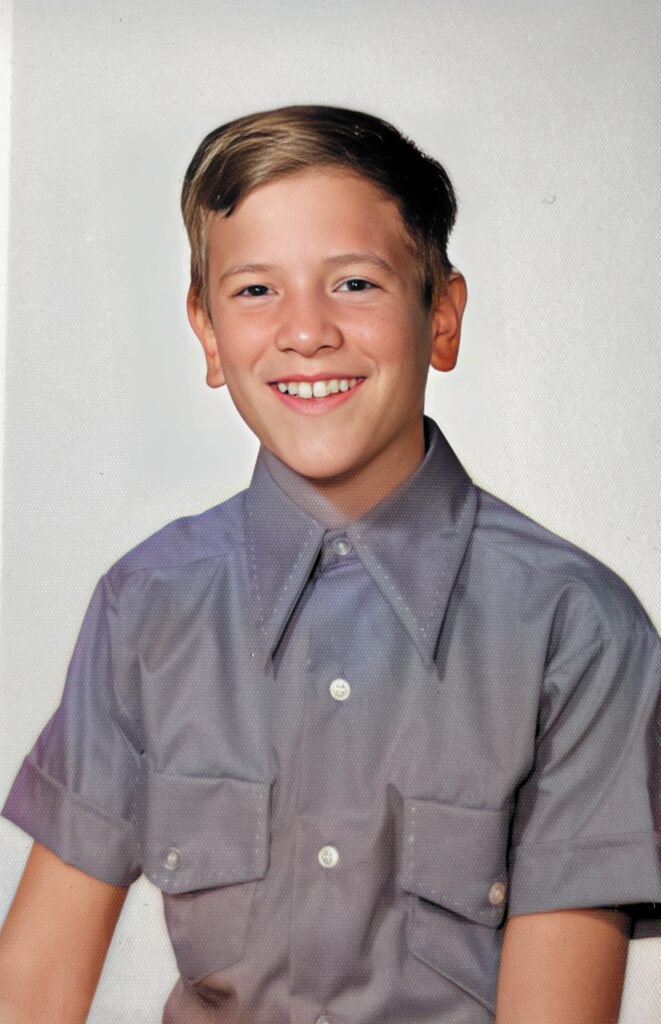
5th grade school portraits while attending Heidelberg American Elementary School in Heidelberg, Germany.  Biography of Anthony J. Carbone.

Home Page

Chapter 4: Our First Tour in Germany: Fulda & Heidelberg

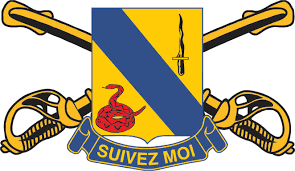
14th Armored Cavalry Distinctive Unit Crest with Motto Suave Moi Stationed at Rose Barracks , Fulda, Germany guarding the Fulda Gap near the Soviet Border. Autobiography of Dr. Anthony J. Carbone

Believe Nothing You Hear, and Only Half of What You See — A memoir of Service, Shame and the Search for Truth

Dad Gets Orders for Fulda, Germany

In 1964, during the height of the Cold War, my father received deployment orders to Fulda, West Germany. The Berlin Wall had only recently gone up, and global tensions were at a boil. It was a serious time, and the assignment my father received reflected that gravity.

Command of C Troop, 14th Armored Cavalry

Dad was given command of C “Charlie” Troop, 14th Armored Cavalry Regiment, in Fulda, Germany — stationed at one of the most sensitive flashpoints between NATO and the Warsaw Pact.

The unit insignia from the 14th Cavalry in front of crossed sabers, the U.S. military symbol of Cavalry, and the unit motto of “Suivez Moi” which is French for “follow me”. This is the unit crest that Captain Carbone wore when he commanded Troop C, 14th Armored Cavalry in Fulda, Germany.
Insignia of the 14th Armored Cavalry with Crossed Cavalry Sabers and the motto, “Suivez Moi,” which is French for “Follow Me”.

The Fulda Gap

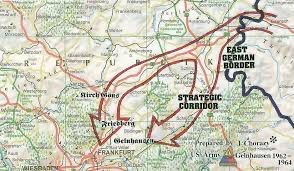
Known as the “Charging Charlies“, C-Troop (and the rest of the 14th Cavalry) was responsible for guarding the infamous Fulda Gap, the strategic corridor military planners believed the Soviets would use to launch a massive armored invasion into Western Europe.

Map of Fulda Gap Germany During Cold War

Family Prepares for a Transatlantic Transfer

My father deployed ahead of us to report for duty and secure housing, while the rest of us — my mother, my three sisters, and I — prepared for the long move overseas. The process of uprooting our lives for Germany was as complex as it was memorable. Every item we owned had to be sorted into four categories: (1) Hold Baggage — essentials that traveled by air; (2) Household Goods — the bulk of our possessions, shipped by slow-moving cargo ship; (3) Storage — items too big or unnecessary to bring; and (4) Trash or Give Away — whatever wouldn’t make the cut.

Birth of Sister #3, Cynthia

Just weeks before our departure, on January 29, 1964, my third sister Cynthia was born. Her arrival added both joy and urgency to our preparations. With a newborn in the house, the challenge of organizing an international military move became even more formidable. But as always, my mother handled everything with grace and efficiency — tending to Cynthia’s every need while managing three other young children and the complex logistics of uprooting a household. Cynthia took her very first flight as an infant in her mother’s arms, beginning a life already shaped by service, travel, and family sacrifice.

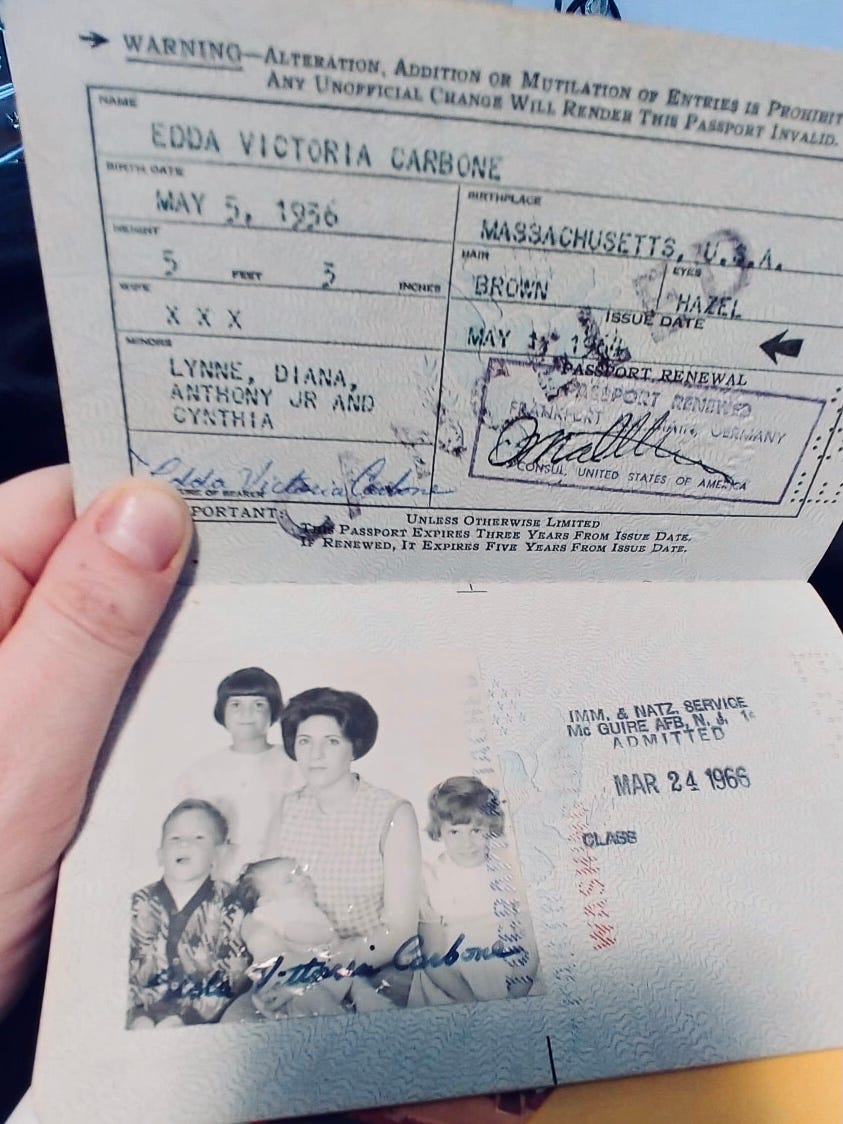
This is the passport of Anthony J. Carbone’s mother, Edda V. Carbone, and her four children: Lynne, Diana, Anthony Jr., and Cynthia. This is the passport that Mom used to get into Germany and then return home to the United States.
My mother’s passport with Lynne, Diana, Anthony Jr. and Cynthia.
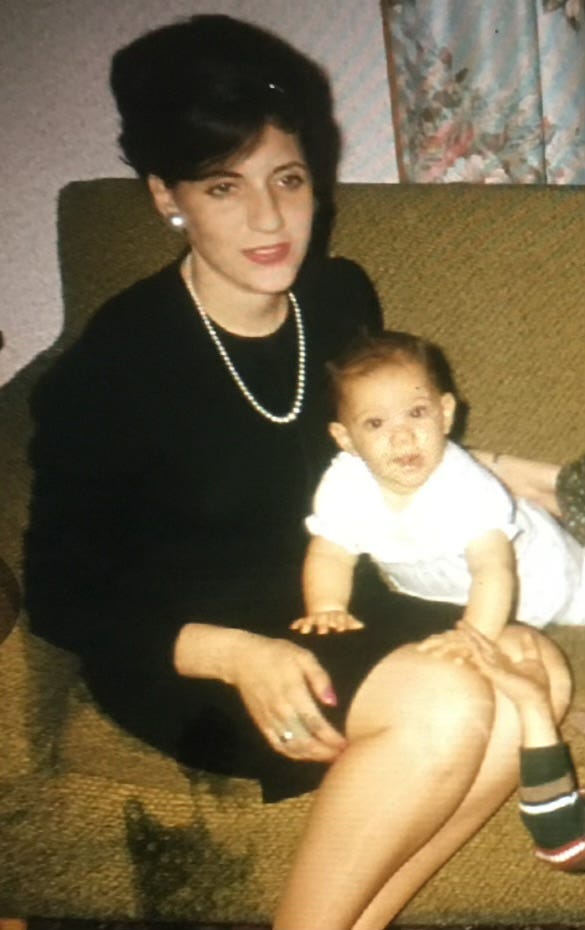
Anthony Jr.’s mother, Edda Carbone, with his baby sister Cynthia on her lap prior to our trip to Germany.
Mom with Cynthia in Medford before leaving for Germany.

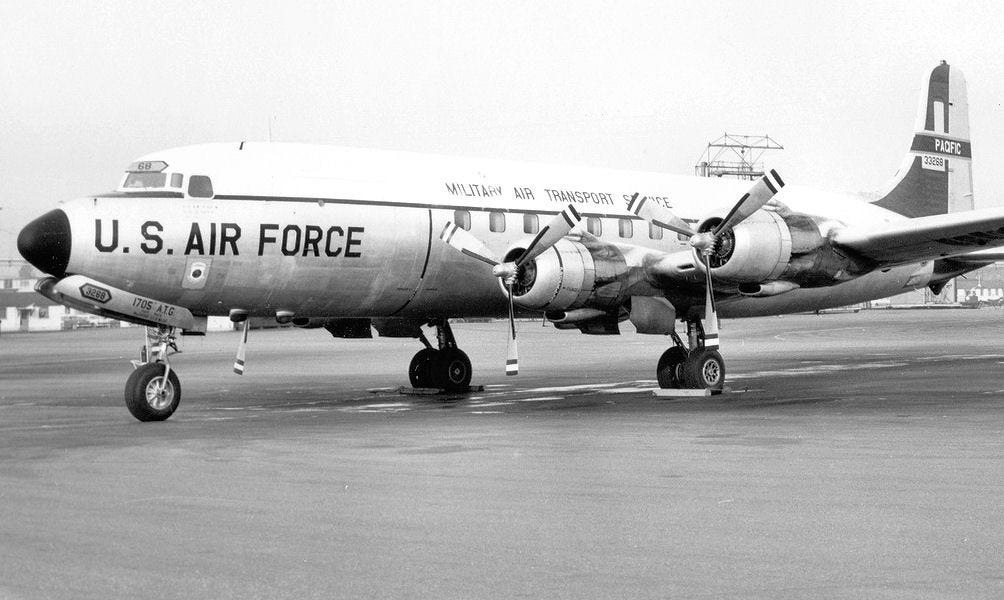
Though I was very young, that journey remains burned into my memory. We traveled to McGuire Air Force Base in New Jersey, where we boarded a sleek four-propeller Douglas C-118 Liftmaster aircraft operated by the Military Air Transport Service (MATS)— packed mostly with uniformed GIs. We were one of the few military families on board. My mother, ever composed and elegant, wore a pencil skirt and sweater, her trademark pearl necklace resting neatly at her collar as she carried my baby sister Cynthia in her arms. She handled the journey with grace, even while managing four children. I remember GIs stepping in to help — each of us was being held or entertained by a soldier at one point. It was a shared moment of kindness and connection in a time of great upheaval.

Douglas C-118 Liftmaster operated by the Military Air Transport Service (MATS) out of McGuire Air Force Base. This is the type of plane that we flew from McGuire to New Foundland to Shannon, Ireland, to Frankfort, Germany.
Douglas C-118 Liftmaster operated by the Military Air Transport Service (MATS) out of McGuire AFB.

Family Flies to Germany — Headed to Fulda

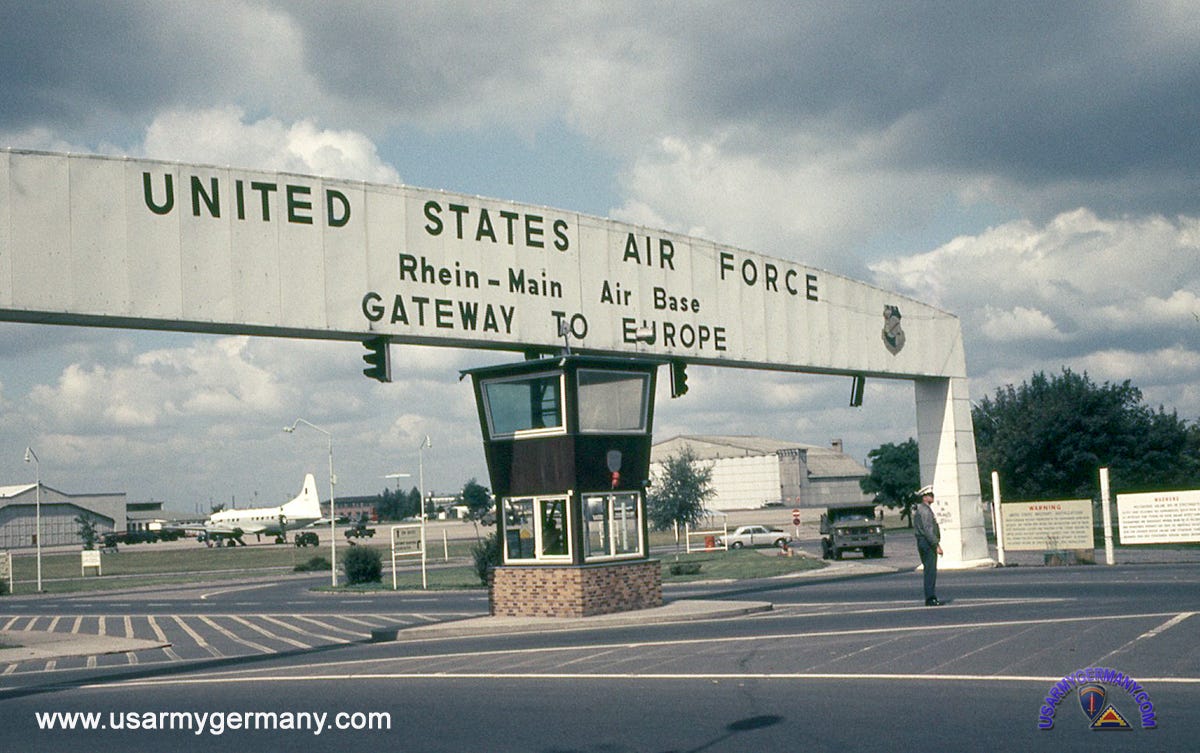
The flight took us from McGuire to Gander, Newfoundland, then across the Atlantic to Shannon, Ireland, and finally to Rhein Main Air Force Base in West Germany. It took 16 to 18 hours, and when we landed, we were met by my father and our “sponsors” — an Army family assigned to help us transition into German life.

The Famous Welcome Sign to Europe at Rhein-Main Air Base in Frankfurt, West Germany in the 1960s.
The Famous Welcome Sign to Europe at Rhein-Main Air Base in Frankfurt, Germany.
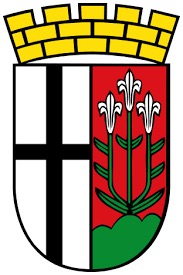
Coat of Arms for the city of Fulda, Germany with a shield that is a black cross on white border on left half, and 3 white eidelweiss flowers on a red border on the right, topped with a crown of stone.  Autobiography of Dr. Anthony J. Carbone
Coat of Arms for Fulda, Germany

We live on a farm on the Germany “Economy”

At that time, there were no on-post quarters available for us in Fulda, so we rented a home “on the economy,” Army-speak for off-base living. Our rented house sat on a small German farm, nestled in the hills above a Catholic school that I attended for kindergarten alongside my sisters Lynne and Diana. The nuns who taught us wore full habits and ran a tight ship. I remember the heavy wooden Brio toys we played with, the scent of peppermint tea served before naps, and the solemn atmosphere of strict German discipline.
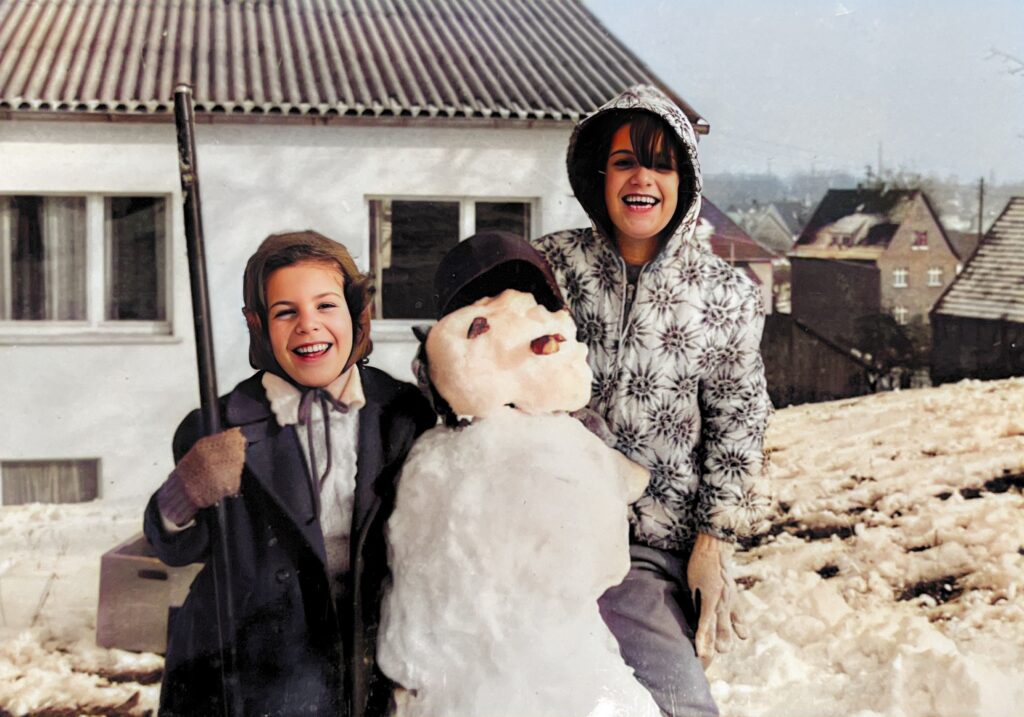
Lynne and Diana with their snowman in front of our house on the economy (off-post) in Fulda, West Germany. Our kindergarten and elementary school, run by German Catholic nuns, was right down the hill in our backyard.  Autobiography of Dr. Anthony J. Carbone.

Our landlord’s daughter, Effie, was a teenage girl with long blonde braids who lived downstairs and was mainly Lynne’s friend. Our babysitter was Marlena lived up the street from us. She spoke just enough English to make herself understood and was endlessly patient with us.

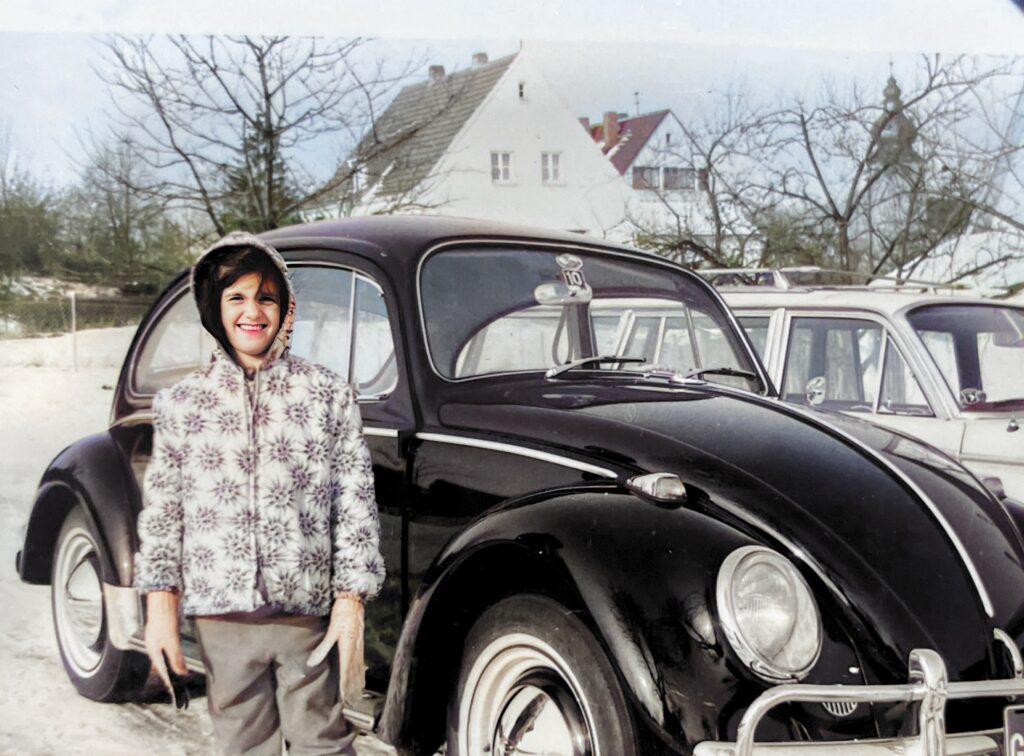
My oldest sister Lynne with our first German Volkswagen Beetle in Fulda, Germany.  All bundled up for the German winter.  Autobiography of Anthony J. Carbone.

My favorite sights, sounds and smells of Germany

Some of my most vivid childhood memories are rooted in that farm — the air thick with the scent of wildflowers, blossoming trees, and the unforgettable smell of “honeywagons,” large wooden barrels filled with manure used to fertilize the fields. Coal was still the primary source of heat, and the smoky, sulfur-rich air had a strange health to it — earthy and alive, part of the rural rhythm of Fulda. Another sensory thread woven deeply into those memories is the sound of church bells. They marked the hours with gentle regularity, rang out at midday for the Angelus, and on Sundays, filled the valley almost nonstop from dawn to dusk. Even now, the tolling of bells brings me instantly back to Germany — awakening a sense of calm, nostalgia, and rootedness that no other sound quite can.

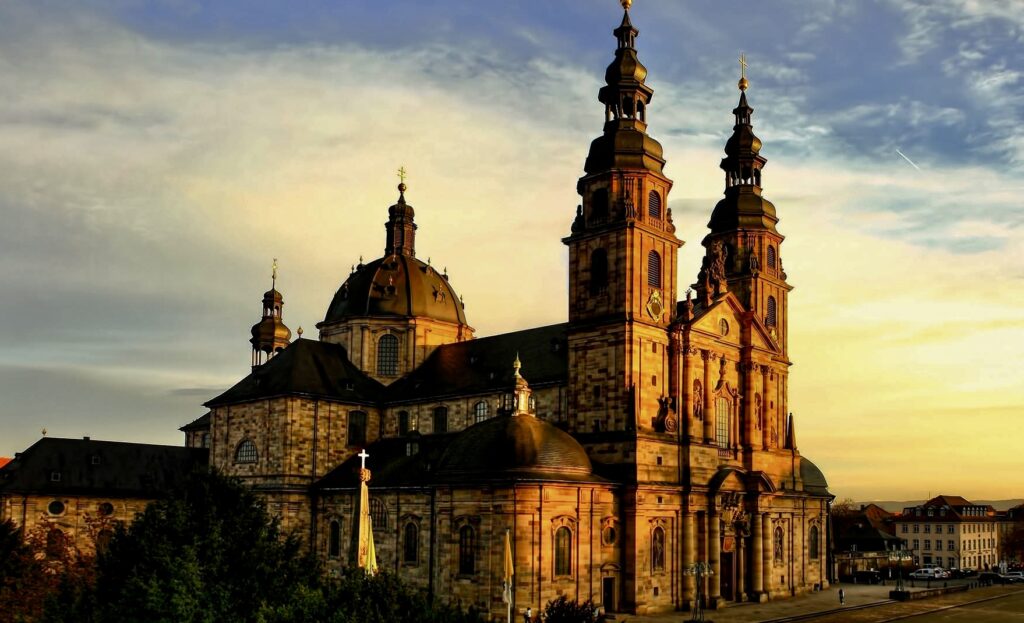
One of Fulda, Germany's icons--the 18th Century Baroque Saint Salvator Cathedral whose bells could be heard all over the village.  Autobiography of Dr. Anthony J. Carbone.
18th Century Baroque Cathedral of Saint Salvatore in Fulda, Germany
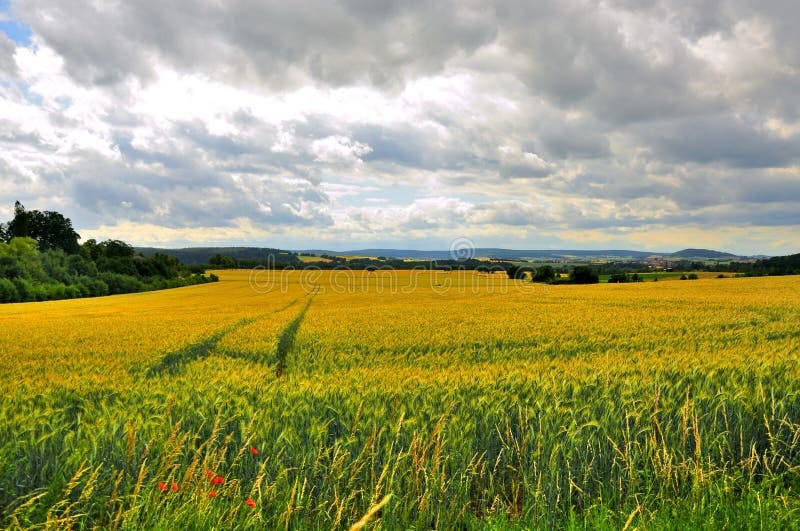
All of Bavaria at the time (1960s) was gorgeous farmlands with incredible smells of nature. This is a view of the farmland in Fulda, West Germany.
The rolling farmlands of Fulda, Germany.

Dad Commands F Troop, 14th Armored Cavalry on Soviet Border

I don’t believe we owned a car at the time, so my father was picked up daily by his jeep driver to report to the regiment. It didn’t matter to me that we didn’t have a car because we loved living on the German farm. I was utterly captivated by the world we had entered. Even then, as a small boy, I had already made up my mind: I wanted to be a cavalry officer just like my father. I watched him closely, studying how he wore his uniform, how soldiers saluted him, how he led. To me, he was a hero, and I never questioned that I would follow in his footsteps someday.

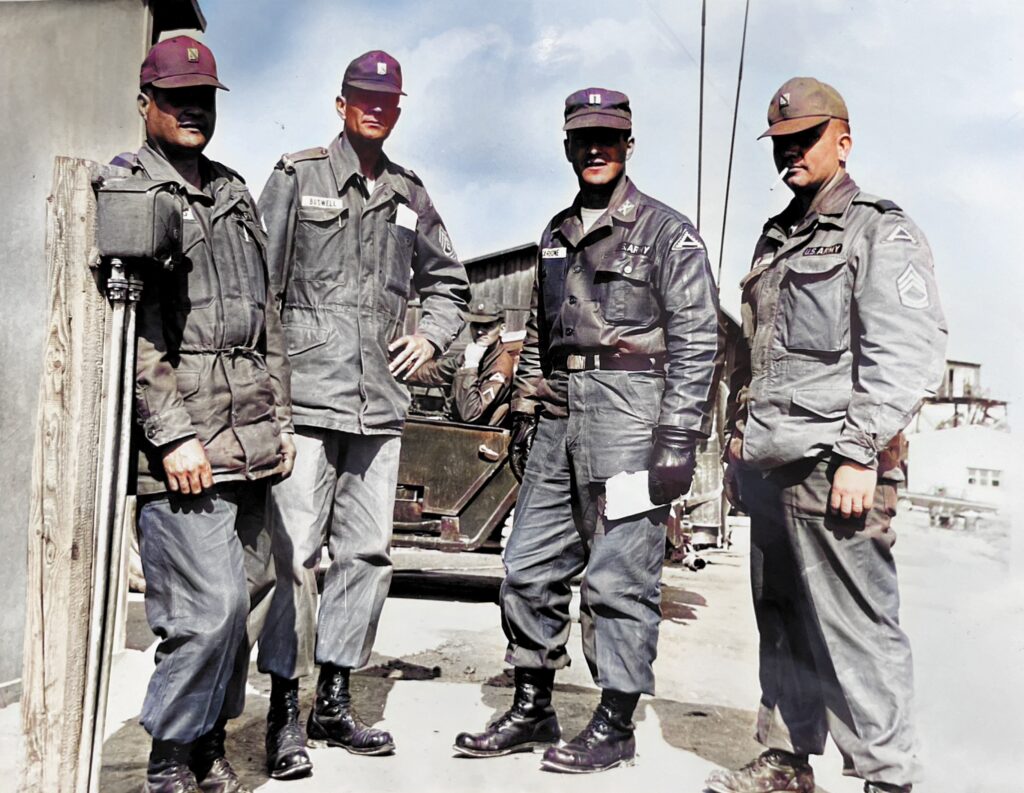
My father, CPT Tony Carbone (center) with First Sergeant (left) and jeep driver (background). This is the same jeep and driver who used to pick up my father at our home on the economy and drive his to and from Downs Barracks where his cavalry troop was located.  Autobiography of Anthony J. Carbone.
Dad with his First Sergeant and jeep driver in the background.
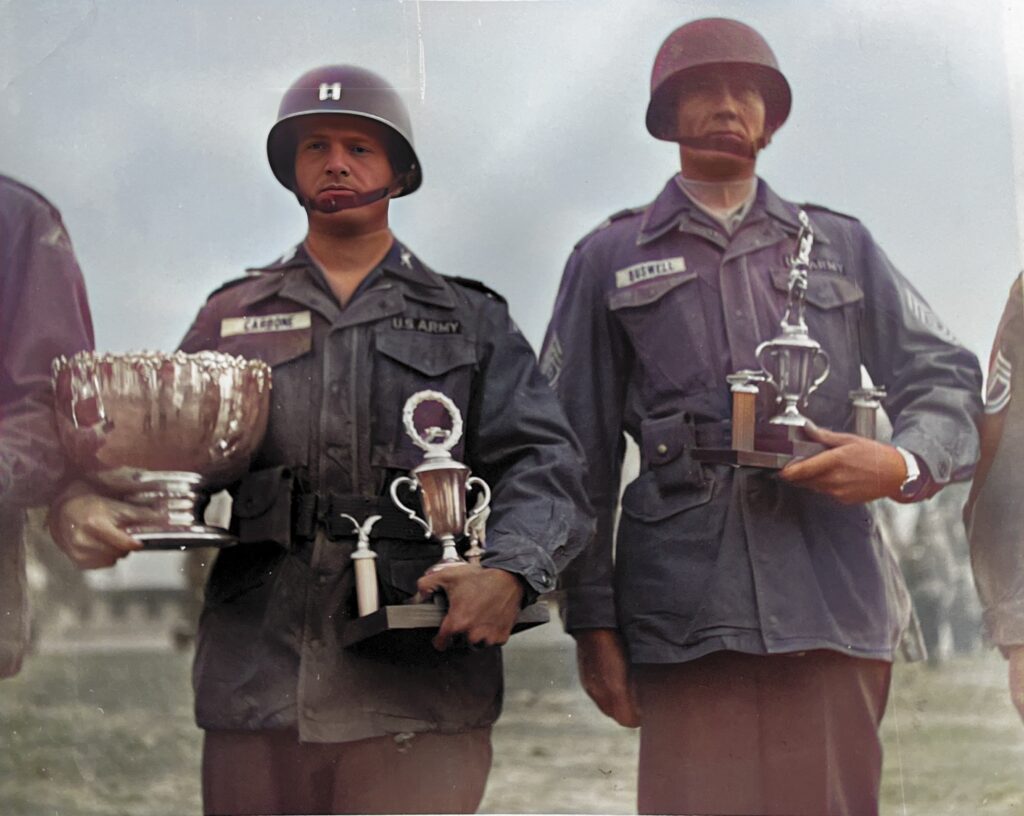
Captain Tony Carbone (Dad) received the coveted award of First In Tank Gunnery (next to Troop First Sergeant Buswell) while commanding C Troop, 14th Armored Cavalry in Fulda, West Germany during the Cold War (c.1965).  Autobiography of Dr. Anthony J. Carbone.
CPT Carbone received the coveted award of First In Tank Gunnery (next to Troop First Sergeant Buswell)
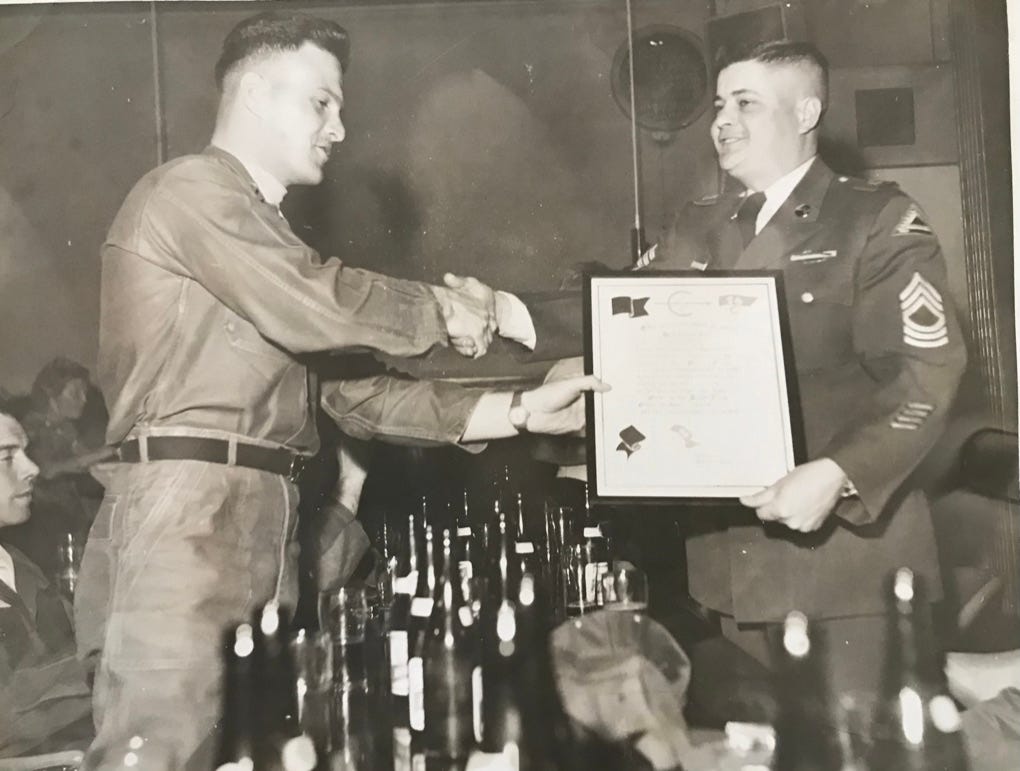
Dad receiving a certifiicate for commaning C Troop, 14th Armored Cavalry in Fulda, West Germany (c. 1965)
Dad receiving a certifiicate for commaning C Troop, 14th Armored Cavalry in Fulda, West Germany.

We move on post into government quarters on Rose Barracks

Eventually, our family received government quarters. We moved into a tall, gray three-story apartment building that housed twelve Army families. The fourth floor had maid’s quarters built by the Nazis decades earlier. It wa, a haunting reminder of Germany’s past tucked above American military life. From my bedroom window, I could see the military airfield nearby. At night, as I lay in bed reading comic books under the covers. The rotating airfield beacon would cast alternating flashes of green and two white lights into my room. That rhythm of light, sweeping silently across my walls and pages, felt like a lullaby — strange, comforting, and unforgettable.

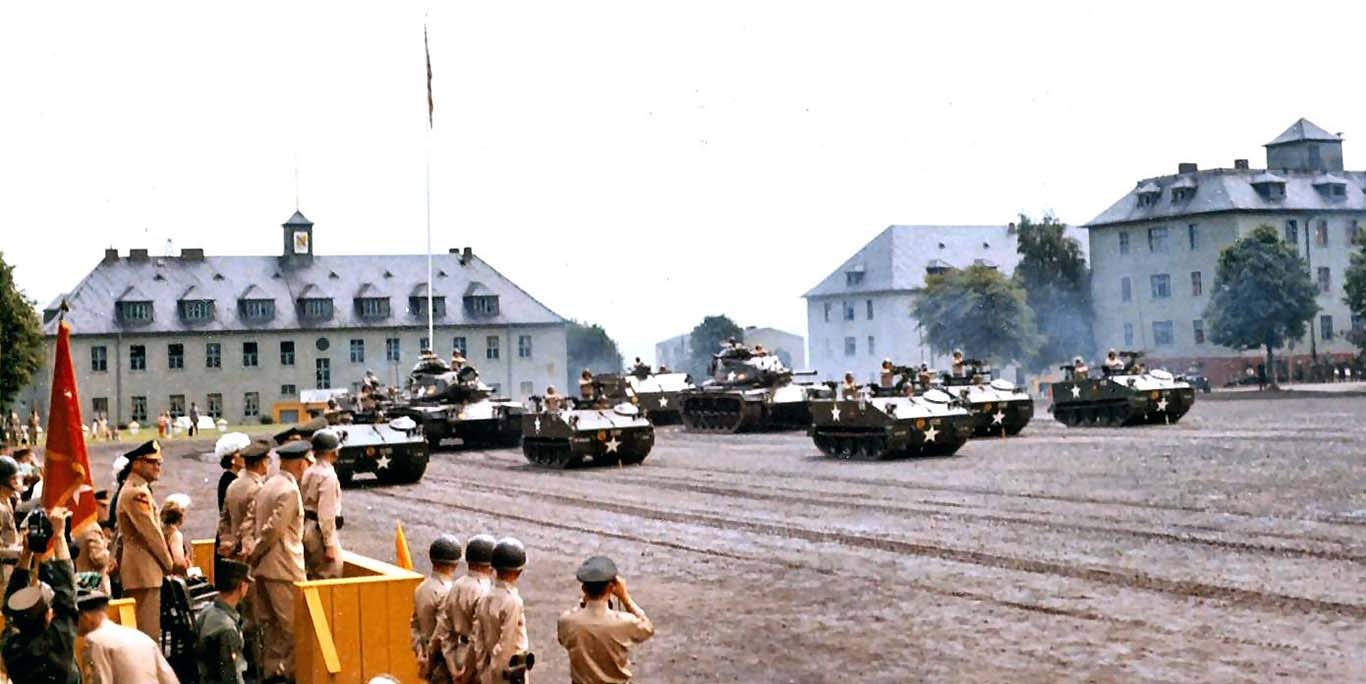
14th Armored Cavalry Regiment at Downs Barracks, Fulda, Germany (c. 1964). These were typical military buildings that the U.S. Army took over buildings from the Nazi forces after the war. This is a “Pass in Review” portion of an Army parade involving armored vehicles (M114 armored personel carriers used by the U.S. cavalry).
14th Armored Cavalry Regiment at Downs Barracks, Fulda, Germany
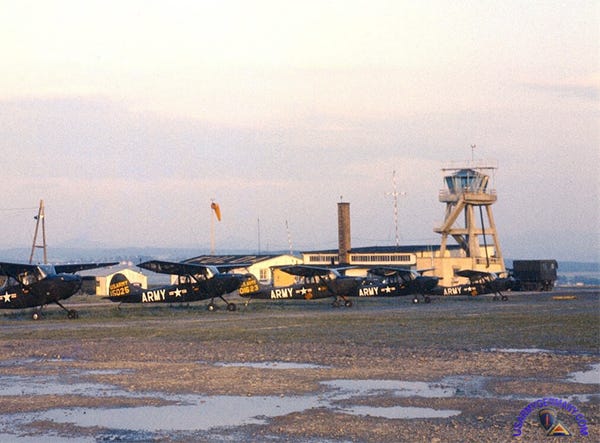
Fulda Army Airfield c.1964 showing the control tower and airfield beacon. Cessna L-19/O-1 Bird Dog ingle propeller aircraft were used for reconnaissance by the cavalry.
Fulda Army Airfield c.1964 showing the control tower and airfield beacon. The U.S. Army cavalry used Cessna L-19/O-1 Bird Dog aircraft were for reconnaissance.

Life on a cavalry post thrilled me. My father gave me occasional tours of the motor pool, the barracks, and the tanks. I couldn’t get enough. The Military Police (actually Unit Police–UPs) at the gate would sometimes let me stand next to them, waving in vehicles and offering salutes. The whole environment was electric to a young boy with big dreams.

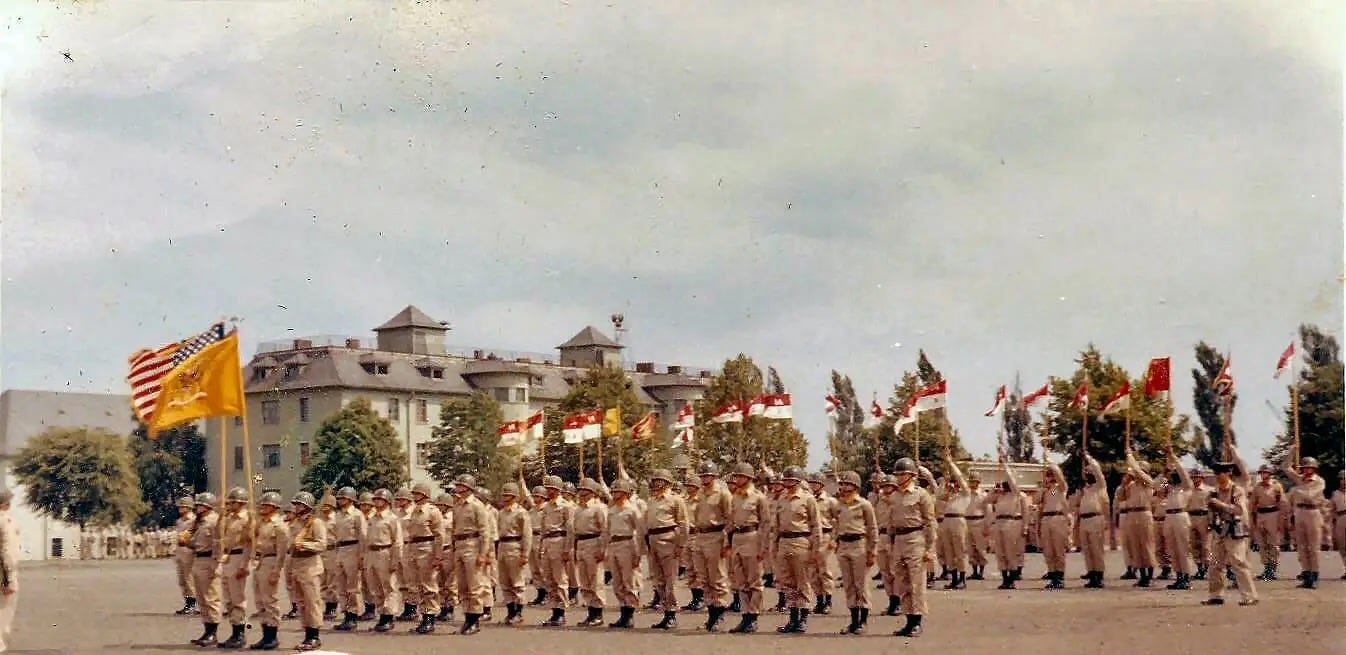
Colors and Guidons of the full 14th Armored Cavalry Regiment at Downs Barracks. CPT Tony Carbone is somewhere in the line with other troop commanders. The Troop C, 14 Cavalry guidon can be seen if you look close enough.
Colors and Guidons of the full 14th Armored Cavalry Regiment at Downs Barracks

The Grim Reality of Guarding the Soviet Border

It wasn’t all parades and salutes for the 14th Armored Cavalry Regiment. Their mission was deadly serious. The regiment’s men actively guarded the infamous Fulda Gap, stationed at the spear’s tip.

Military planners expected that if the Soviet Union ever unleashed its armored divisions into Western Europe, the main thrust of their invasion would come roaring through this very corridor.

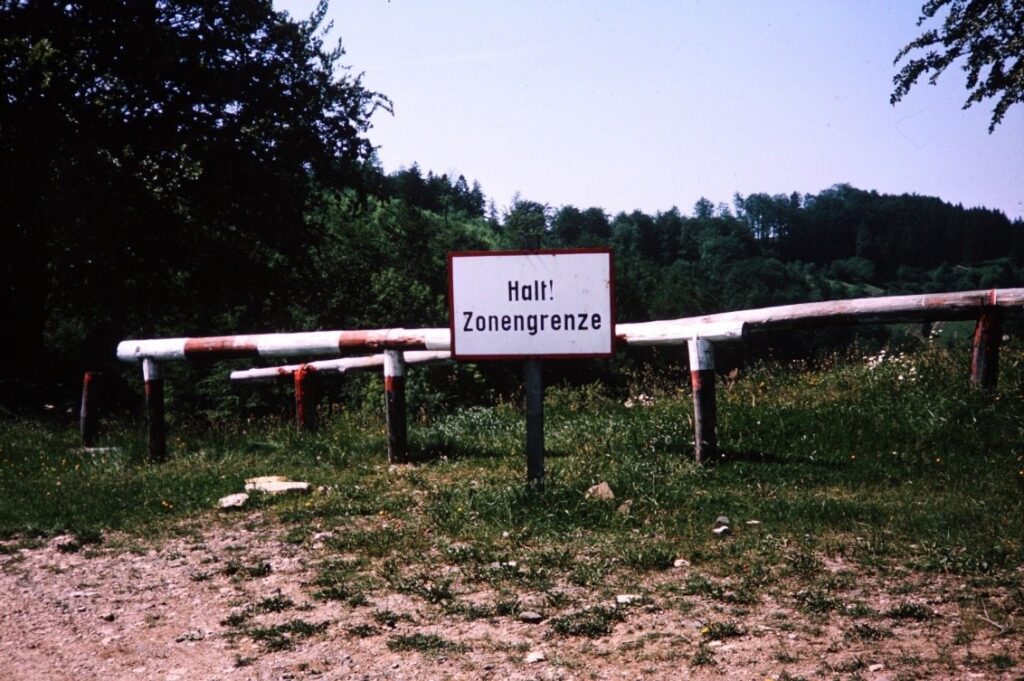
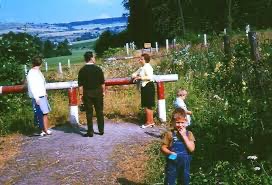
Photograph showing the West-East German border at the Fulda Gap with barricade with sign saying "Halt! Zonengrenze" (Stop! Border).  Autobiography of Dr. Anthony J. Carbone.

To the untrained eye, the countryside around Fulda was idyllic. Rolling hills, fertile farmland, and quiet villages created the picture of peace. The landscape gave no hint of the threat that loomed just across the line. However, the soldiers of the 14th Armored Cavalry knew better. They patrolled the NATO border daily, often within meters of East German and Soviet forces. From their observation posts, they could see the enemy through field glasses—watching them as intently as they were being watched in return.

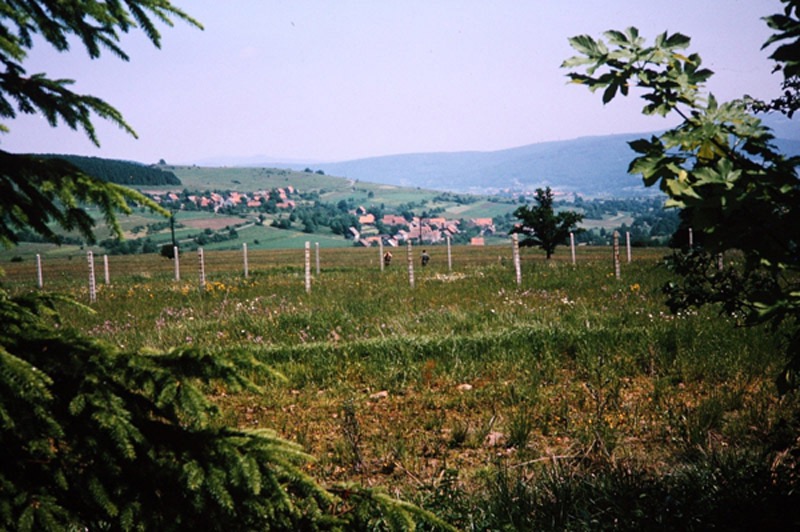
Double barbed wire border at West-East Germany border in Fulda Gap.  Autobiography of Dr. Anthony J. Carbone
A border between East & West Germany that is just two barbed wire fences.
Families vist the border looking for the families in the East

Need for Tank Gunnery Proficiency

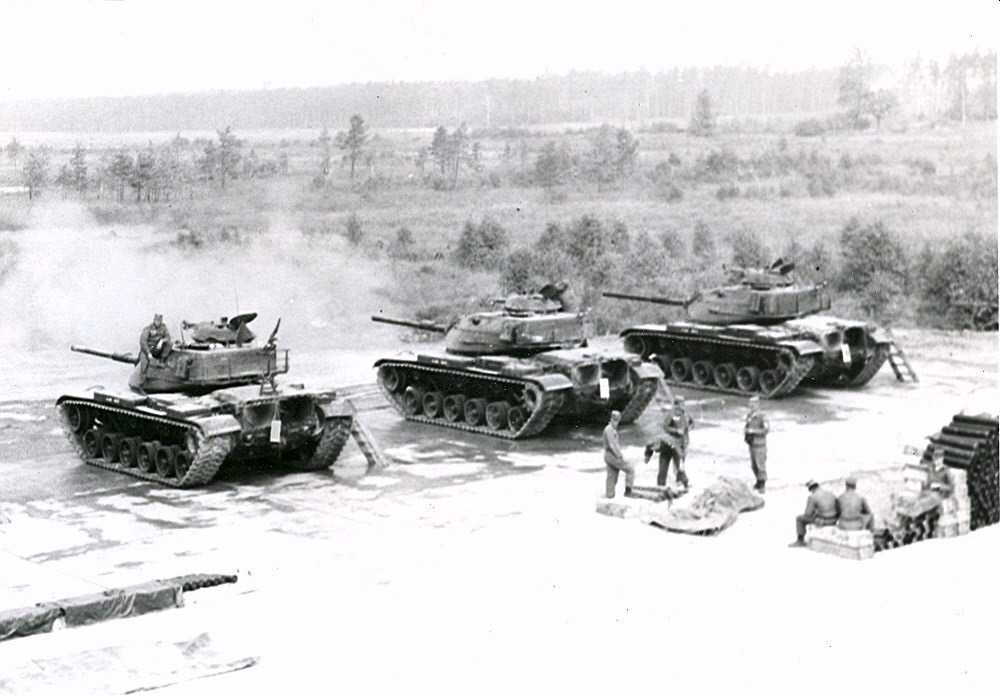
For these troopers, there was no illusion of safety. Tank gunnery, live-fire ranges, and field maneuvers weren’t training games—they were rehearsals for survival. Every round fired, every drill practiced, was preparation for the day the balloon might go up, when the border could erupt in fire and steel without warning.

14th Armored Cavalry M60 tanks practicing tank gunnery at Grafenwohr in Germany. Autobiography of Dr. Anthony J. Carbone.

The 14th Cavalry’s unspoken duty was to slow the Soviet juggernaut long enough for NATO reinforcements to mobilize. Everyone knew what that meant: if war broke out, the enemy would overrun the regiment in hours, perhaps even minutes.

It was a grim reality, but one they carried out with quiet professionalism. To a boy watching from the safety of Army quarters, the regiment looked like knights in armor. Unfortunately for the men who wore the spurs, it was a mission shadowed by constant danger.

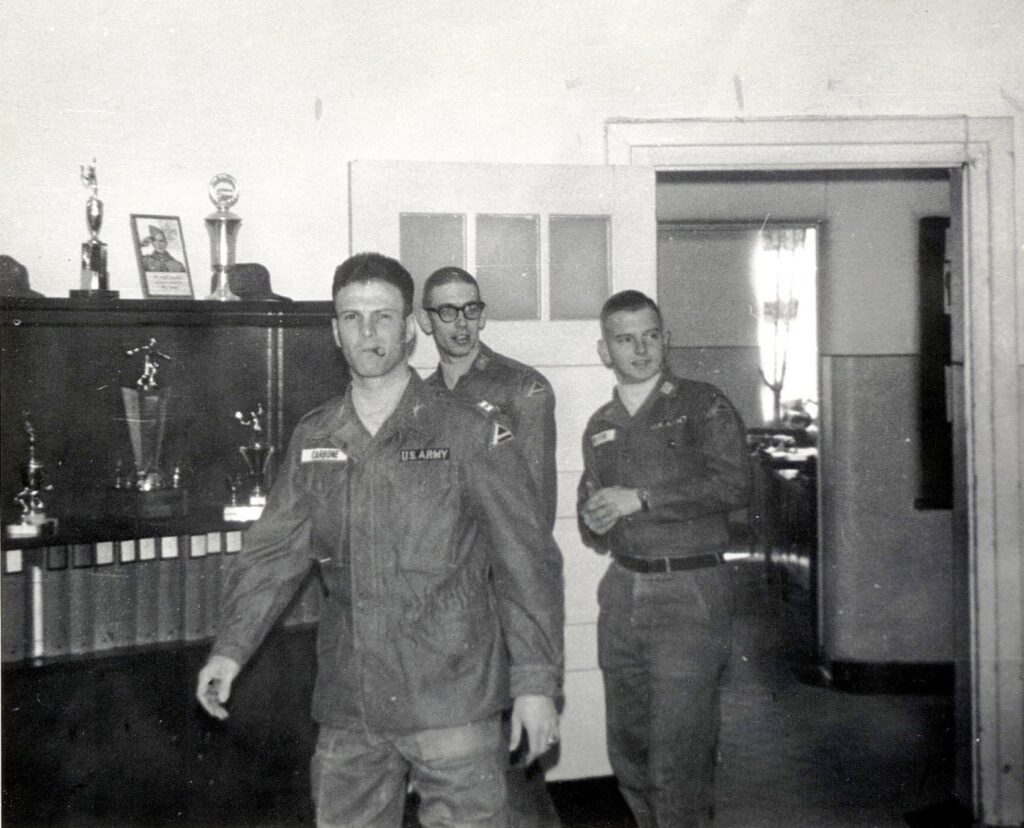
Dad smoking his infamous Italian stogie followed by his Executive Officer (XO) Lieutenant Ron Meyer and 3rd Platoon Leader Lt Jim Zimmerman of the 14th Armored Cavalry at Fulda, Germany.  Autobiography of Dr. Anthony J. Carbone.
C Troop Commander, Captain Tony Carbone, with his Executive Officer (XO) Lieutenant Ron Meyers.

Baby Sister, Pamela, is born in Germany

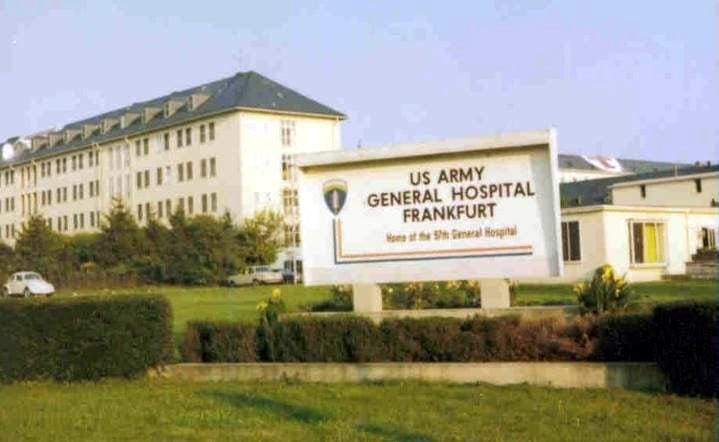
During this tour, our family grew again. My baby sister Pamela was born on September 11, 1965 at the 97th General Hospital in Frankfurt, Germany. My mother was too far along in her pregnancy to make the long trip home, so Pamela became the only one of us not born at Lawrence Memorial Hospital in Medford, Massachusetts. She even held dual American-German citizenship until she turned eighteen.

This is the 97th General Hospital in Frankfurt, Germany, where my baby sister Pamela Carbone was born in 1965.
97th General Hospital in Frankfurt, Germany.
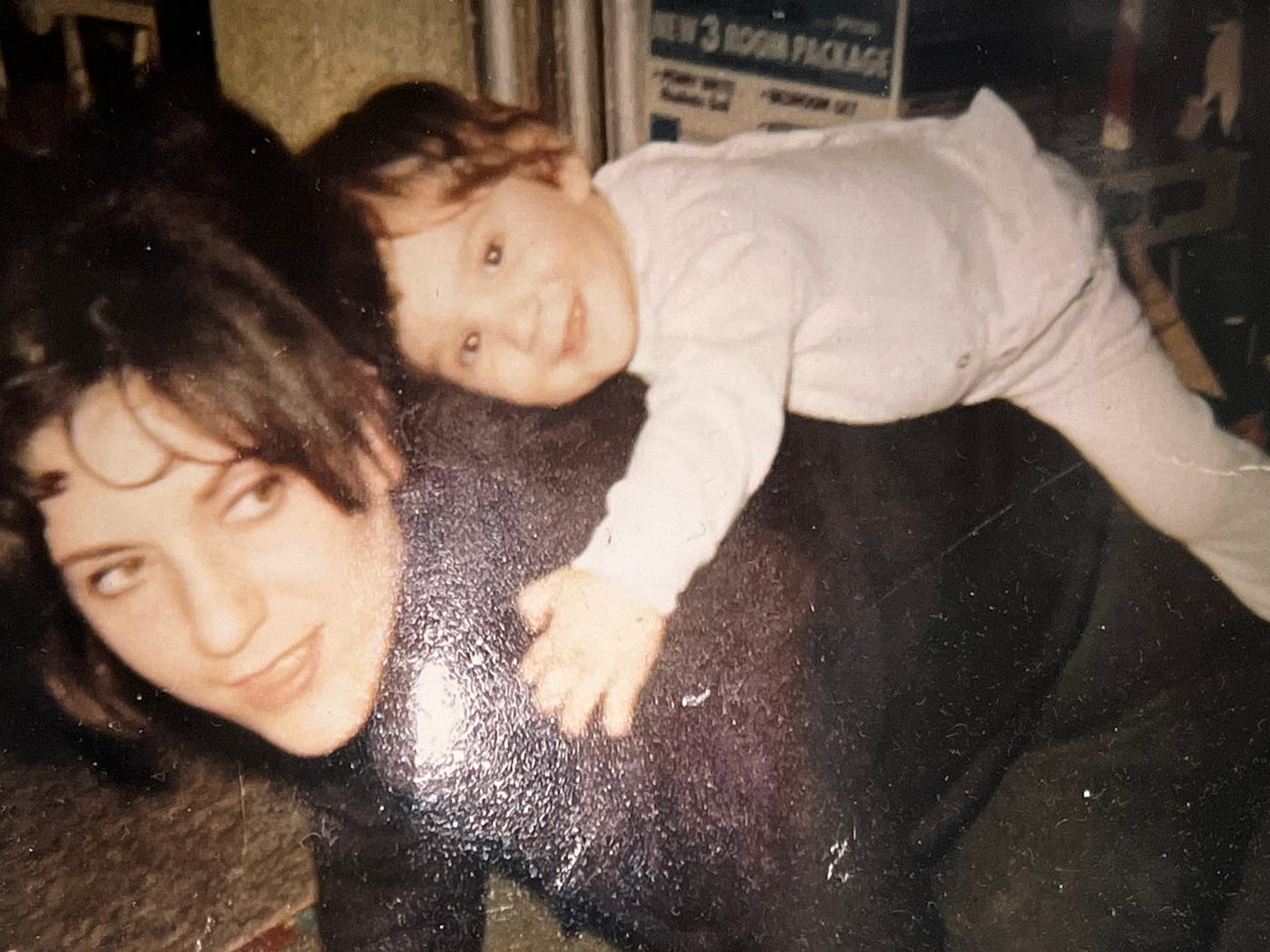
My baby sister Pamela riding on my mother in Germany
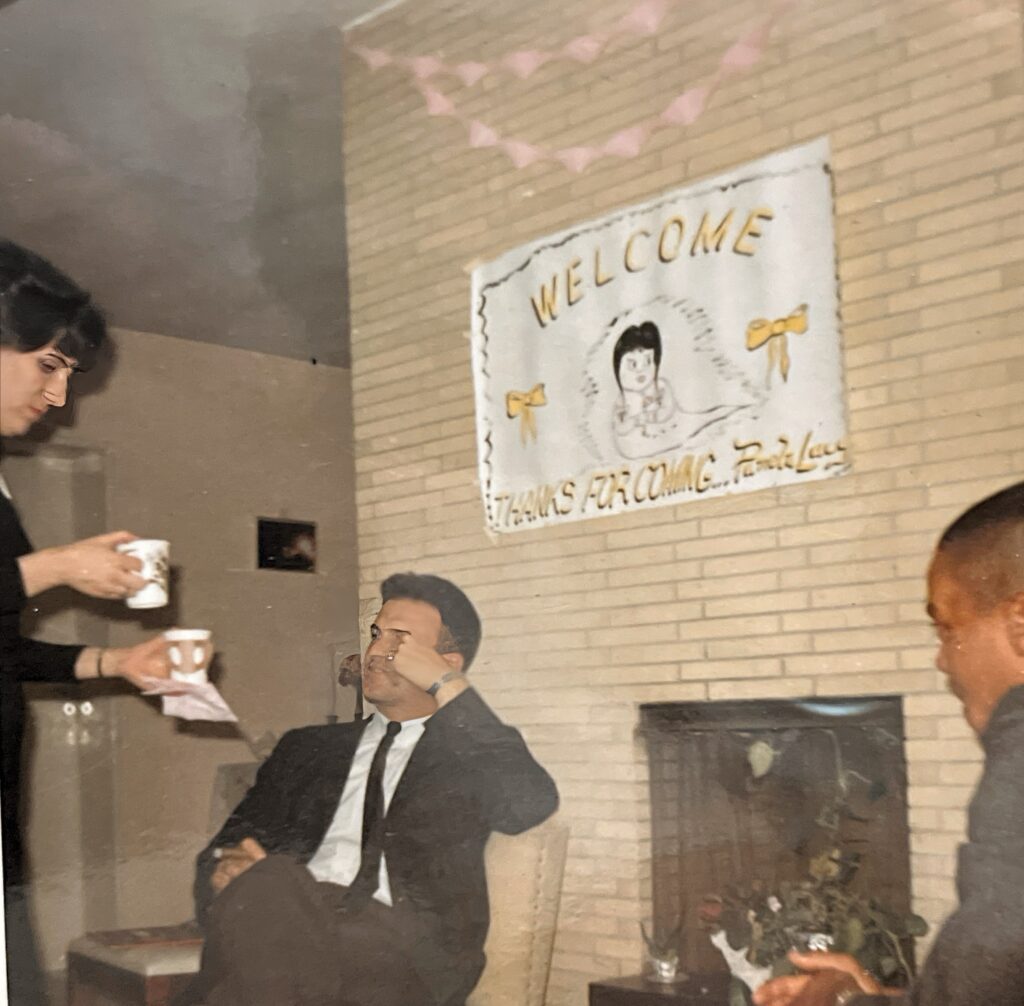
My baby sister Pamela's baptism party in our on-post quarters on Rose Barracks, Fulda, Germany.  Autobiography of Dr. Anthony J. Carbone.
My sister, Pamela’s, baptism party in our post quarters in Fulda, Germany.

Our first deployment to Germany wasn’t just a posting — it was the beginning of my lifelong identification with the Army, with cavalry tradition, and with the kind of honorable service my father embodied. It was the chapter where I began to understand who I was becoming — and who I aspired to be.

Dad Gets Orders for HQ USAREUR in Heidelberg, Germany

As his command in Fulda came to an end, our family received new orders: a transfer to Headquarters, US Army Europe and 7th Army (HQ USAREUR) Heidelberg. This meant a new home for our family — one unlike any we had experienced before. We relocated to an American military housing area called Patrick Henry Village (PHV), located just on the outskirts of Heidelberg.

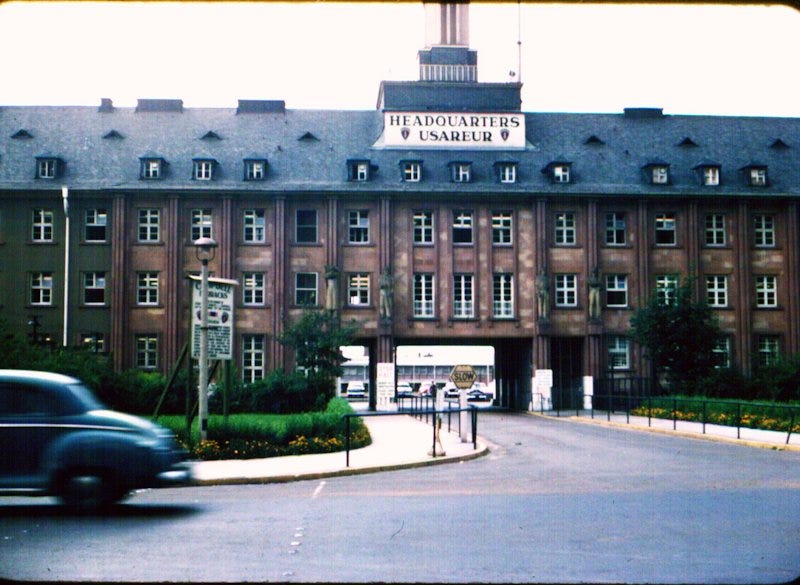
This is the Headquarters US Army Europe (USAREUR) in Heidelberg, Germany. Another Nazi military building that was conviscated and repurposed by the U.S. Army after the war.
Headquarters US Army Europe (USAREUR) in Heidelberg, Germany

Our Family Moves Into Post Housing — Patrick Henry Village

PHV was more than just a place to live; it was a self-contained American suburb transplanted into the heart of Germany. During the Cold War, it became one of the largest military family housing areas in Europe, with over 16,000 Americans living in approximately 1,500 apartment buildings. Every building looked exactly the same — white-painted concrete blocks with terra cotta roof tiles, lined up in precise rows. Each building contained three stairwells, with 18 apartments stacked over three floors.

The fourth floor usually housed maids’ quarters or temporary billeting units. From the outside, there were no distinguishing features. That fact became a nightmare on my very first day of school when I got hopelessly lost trying to find my way back home. Every building looked the same, and the playgrounds behind them all were full of noisy children. To this day, I have no idea how my mother managed to find me in that uniform maze of concrete, stairwells, and unfamiliar faces — but she did.

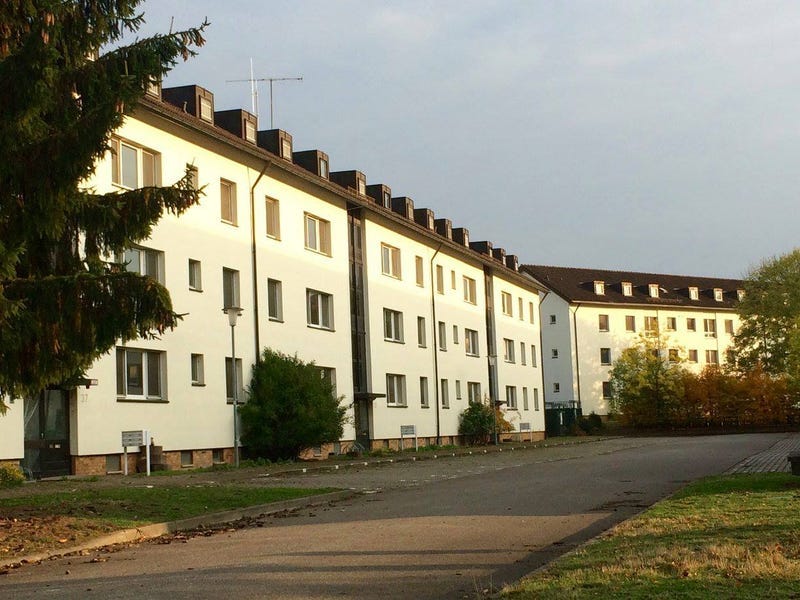
Apartment Buildings at Patrick Henry Village. Classic goverment multi-family housing units that housed American military families and were found all over Germany after the war.
Apartment Buildings at Patrick Henry Village

Aerial View of PHV Shows Size and Similarity of Post Housing

Aerial view of Patrick Henry Village showing the uniform multi-family governement quarters.

Playing freely on Post Housing Area in Patrick Henry Village

Despite that early trauma, I quickly adapted and grew to love life in Patrick Henry Village. Behind each building was a small playground, usually occupied by a noisy cluster of children from different corners of the country, brought together by the rhythm of Army life. After school and on weekends, those playgrounds became our kingdom. We ran wild until the familiar rituals of military tradition called us back to order.

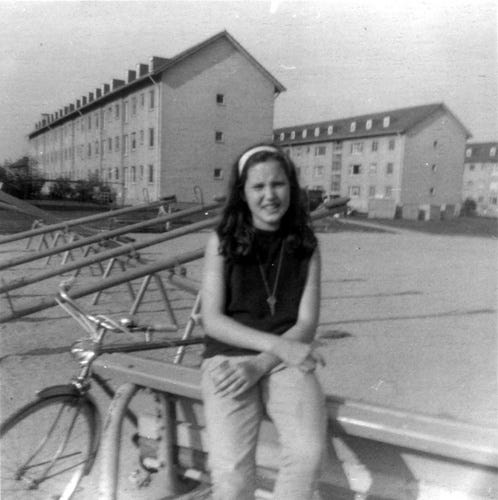
An unknown military dependent (Army brat) resting in the playground behind housing units in Patrick Henry Village.
Playground behind housing units in Patrick Henry Village.
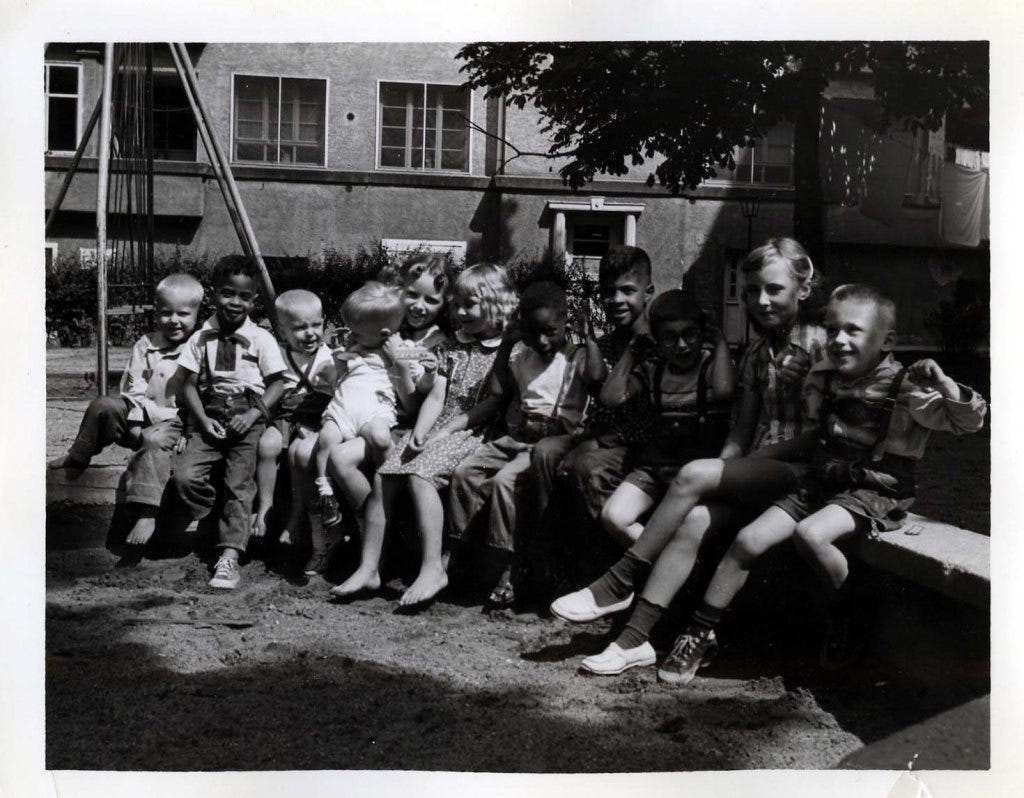
Children met in the playground without the need for mothers supervising us. This was the usual diversity of cultures and backgrounds that I grew up with in the military.
Children met in the playground without the need for mothers supervising us.

Military Bugle Calls

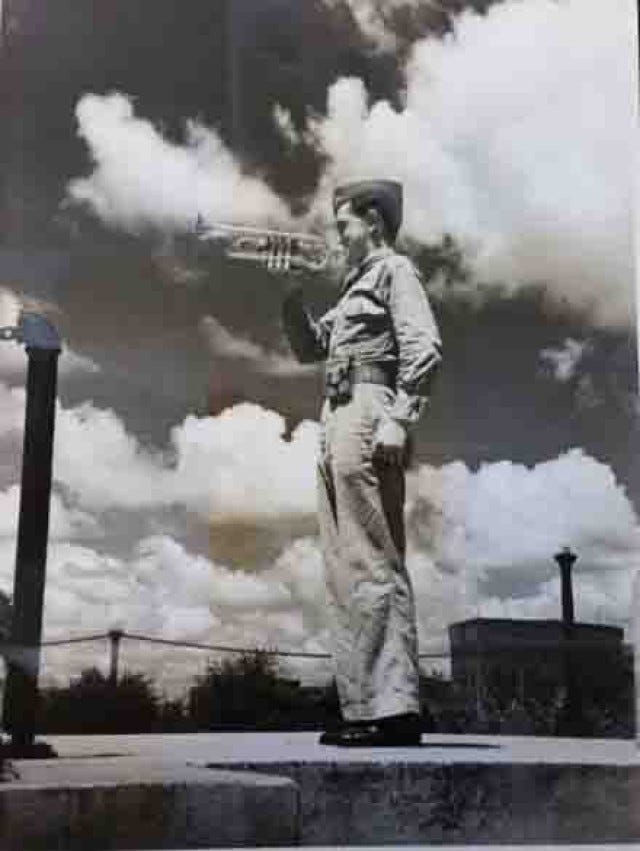
Every evening at exactly 1700 hours, a cannon blast echoed across the post, followed by the bugler’s mournful notes of “Retreat” and “To The Color.” At that moment, everything on base stopped. Cars pulled to the side of the road. Soldiers stepped out and faced the flag. Children froze in mid-play, instinctively turning toward the post colors. Everyone stood silently until the last note faded. That simple act — performed every day — instilled in me a deep and abiding sense of patriotism. Even today, the memory of it gives me goosebumps.

Bugler sounds Reville (usually at sunrise), Retreat (usually at 1700 at the end of the work day), Tattoo (which traditionally meant “last call” or “close the taps” around 2000), and Taps (usually at 2100) that can be heard across the post.
Bugler sounds Reville, Retreat, Tattoo, and Taps at scheduled times that can be heard post-wide.

HQ USAREUR at Patton Barracks in Heidelberg

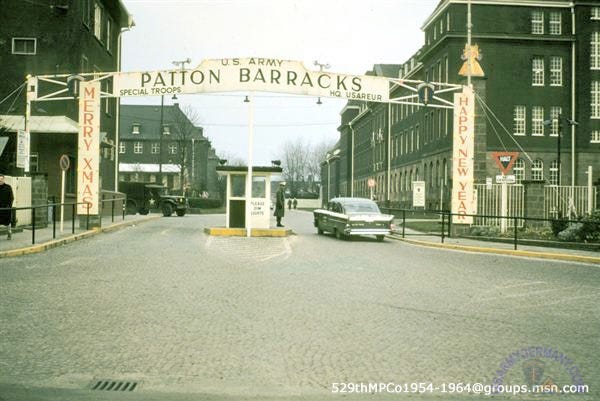
My father’s duty station was at Patton Barracks, which housed the Headquarters of United States Army Europe (USAREUR) and the 7th Army. As a boy, I didn’t fully grasp the weight of those names or the significance of the command my father now served. But I understood that he wore his uniform with pride, and that our family’s life revolved around a larger mission. We belonged to something big.

Front gate with MP shack for Patton Barracks, Heidelberg, West Germany c. 1960s,
Patton Barracks, Heidelberg, Germany

We Enjoy Off-Post Visits to Altstadt Heidelberg

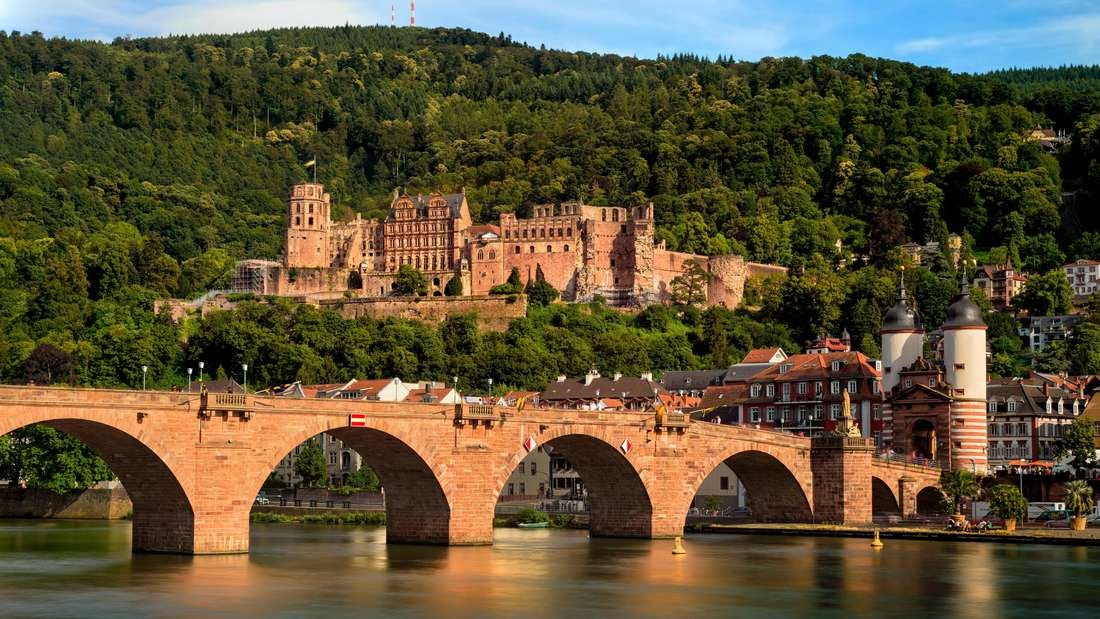
Though Patrick Henry Village was distinctly American, we were just a short ride away from one of the most beautiful cities in all of Europe — Heidelberg. Nestled on the banks of the Neckar River, Heidelberg is a city of old-world charm and deep historical roots. Dating back to the time of the Celts and Romans, it is best known for its stunning Schloss Heidelberg — a romantic, partially ruined castle perched on a hill overlooking the river and the old city.

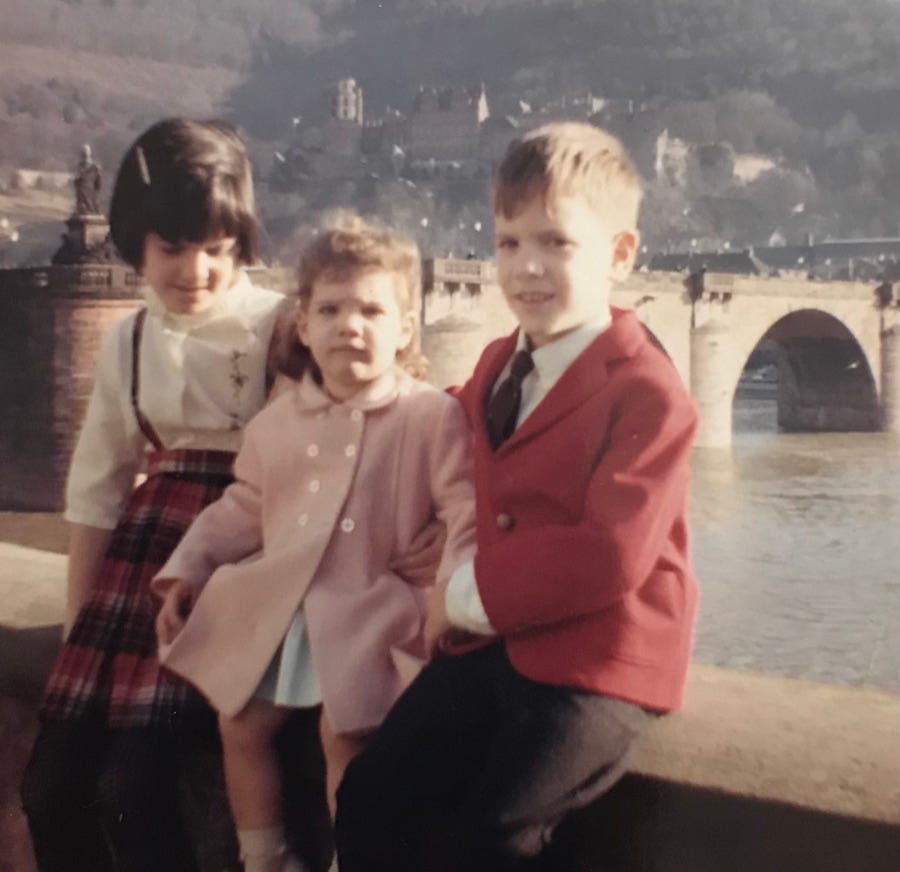
Lynne, Cynthia and Anthony Jr. Carbone sitting along the Necker River in Heidelberg, West Germany in the early 1960s. The Alte Brücke (Old Bridge) and der Heidelberg Schloss (Heidelberg Castle) can be seen in the background.
Lynne, Cynthia and me sitting at the Necker River with the Alte Brücke and the Heidelberg Castle behind us.
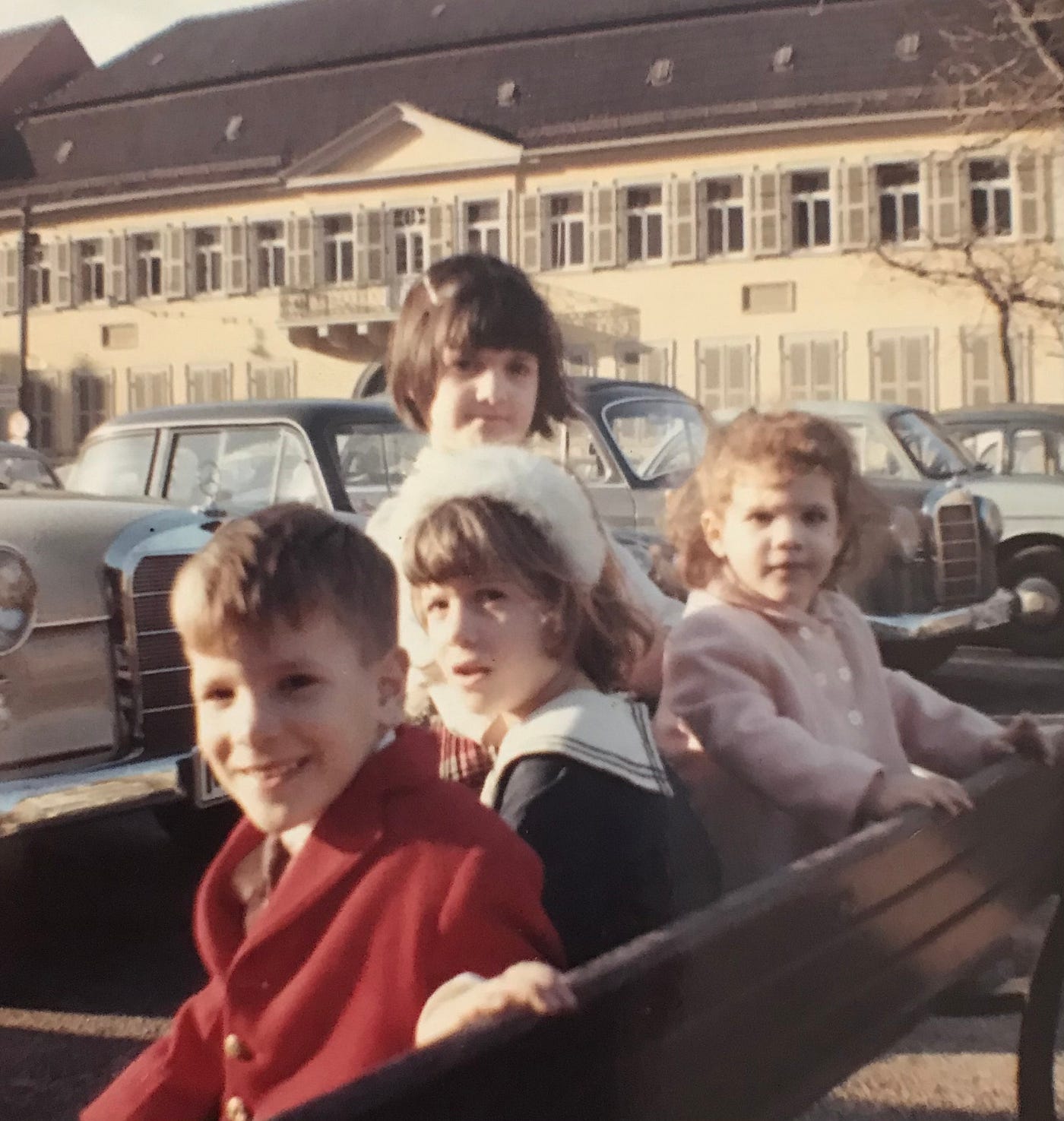
Lynne, Diana, Cynthia and me (Anthony Jr.) Carbone during our Sunday outing in Old Town Heidelberg. That’s our old tan colored Mercedes.
Lynne, Diana, Cynthia and me during our Sunday outing in Old Town Heidelberg. That’s our old Mercedes.
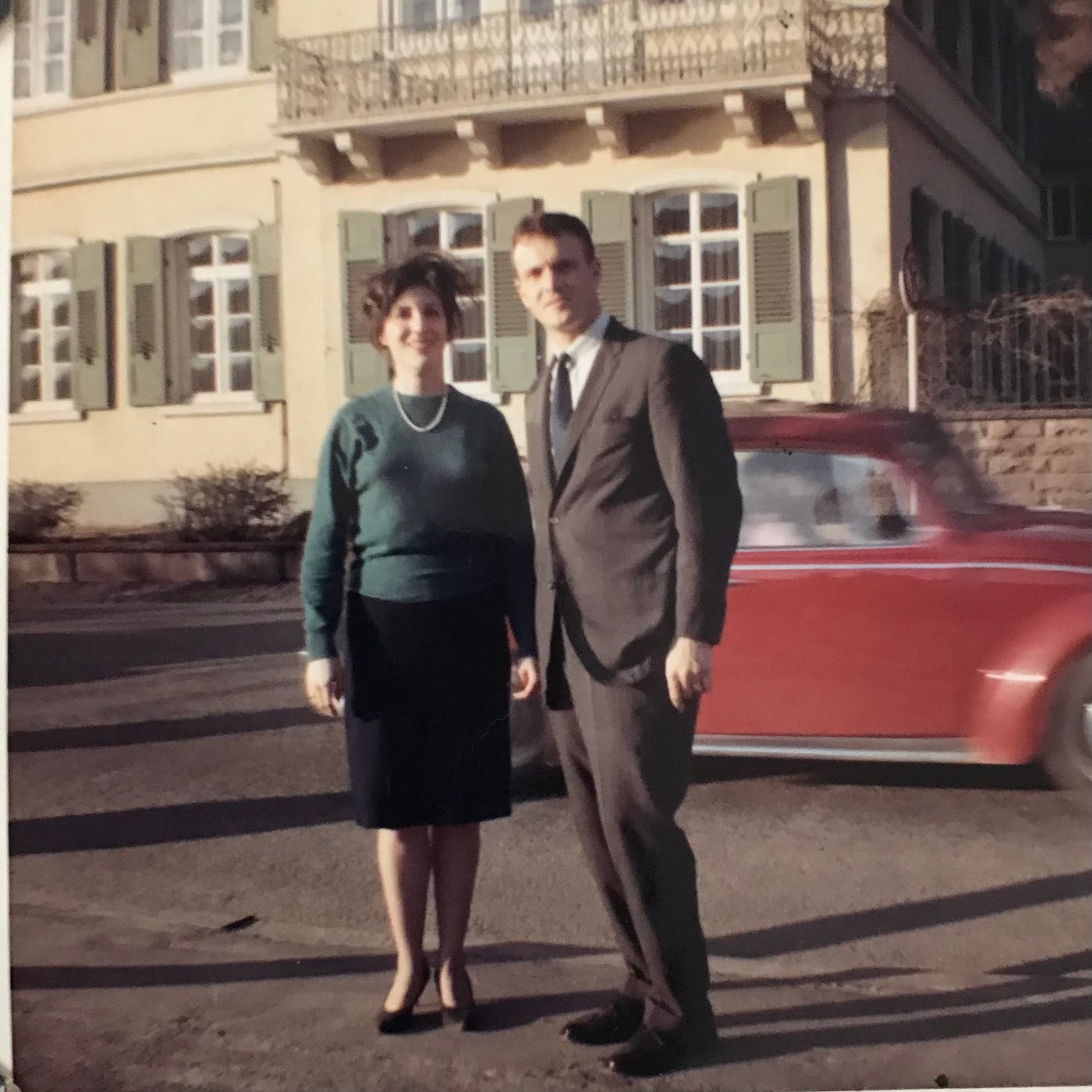
My parents (Captain Anthony and Edda Carbone) during one of our many Sunday trips to Old Heidelberg. My mother in her skirt, heels and pearls like I always remember her. Dad always looked good in and out of uniform.
Mom & Dad in Old Heidelberg

Altstadt Heidelberg

My favorite part of Heidelberg was the Altstadt — Old Heidelberg — located along the river beneath the castle. Its cobblestone streets wound past the Heiliggeistkirche (the Church of the Holy Ghost) and over the beautiful Alte Brücke, the Old Bridge. We spent many Sundays wandering those streets, exploring castle ruins and soaking in the beauty of this ancient town. On most Sundays, our family ritual began with mass at the post chapel, where I served as an altar boy. Afterward, we’d drive to the Officer’s Club for Sunday brunch — a tradition that blended sacred and social rhythms into a weekly ceremony of our own.

Heidelberg Castle with the Alte Brücke over the Necker River.
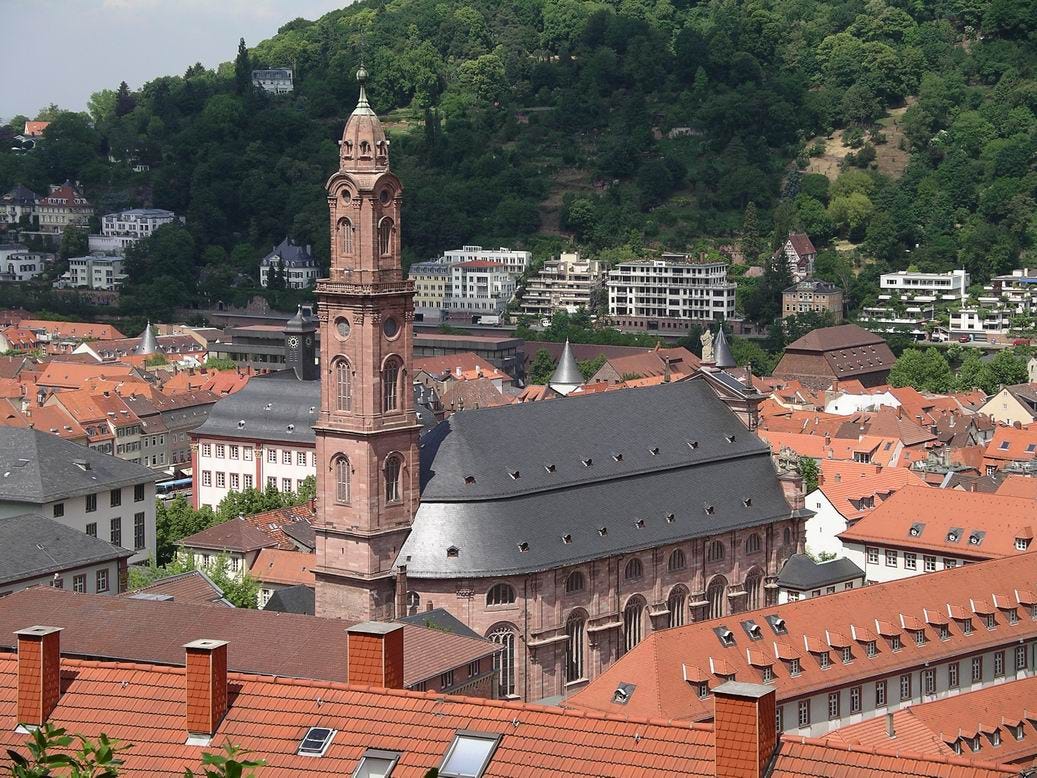
Heiliggeistkirche (the Church of the Holy Ghost) in the old section of Heidelberg.
Heiliggeistkirche (the Church of the Holy Ghost) in Heidelberg.
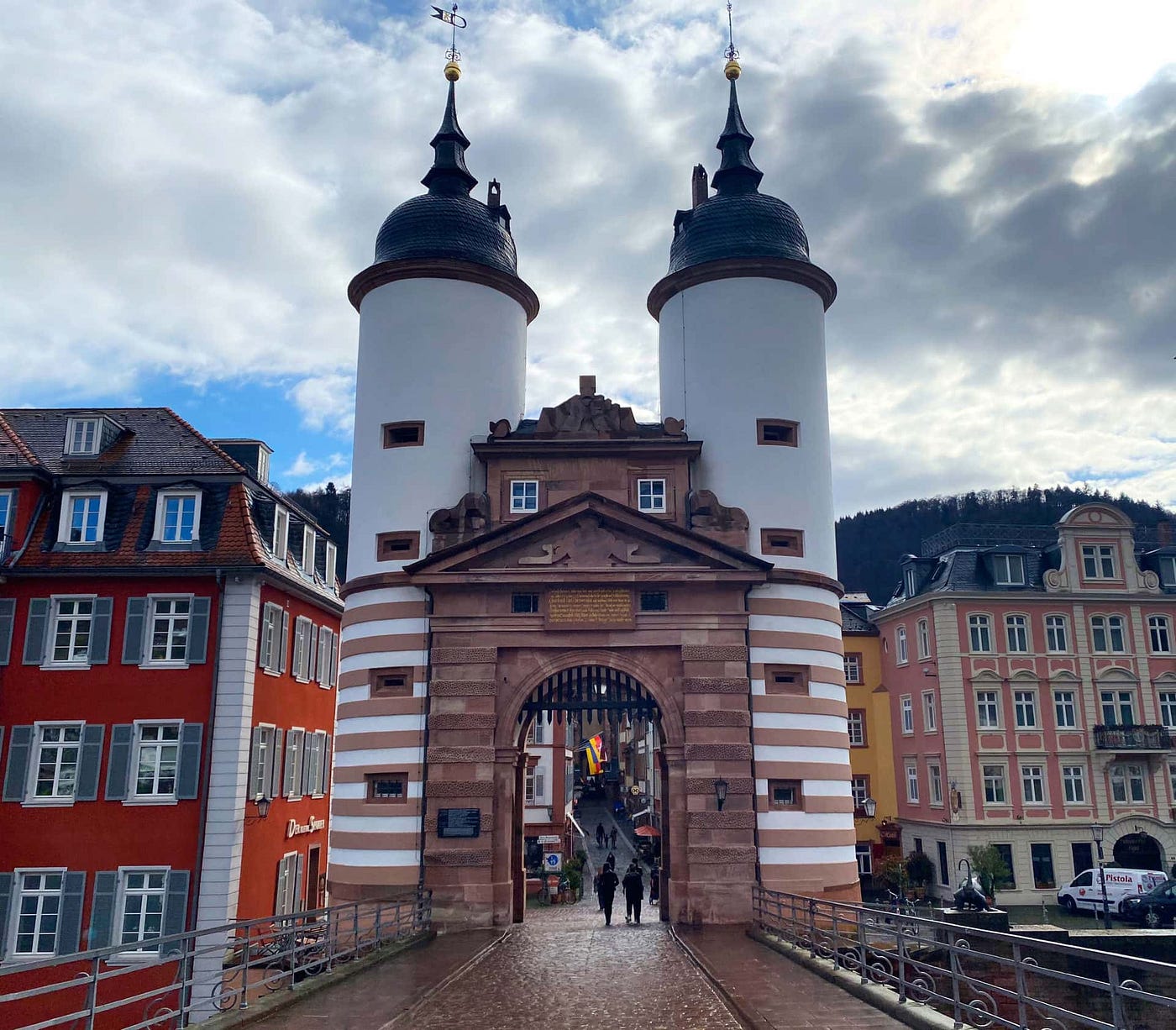
The medevel style entrance to Die Alte Brücke, that crosses the Necker River in Heidelberg.
The Entrance to Die Alte Brücke

Auntie Norma Stays with us Again

During this period, one of the most beloved figures in our family life came to stay with us — my mother’s younger sister, Norma Pietrantoni. Auntie Norma had always been a special presence in our lives, visiting us at every post we were assigned to, often stepping in as a second mother or nanny. In the 1960s, she worked as the personal secretary to the President of Harvard University. But when her boss took a sabbatical, Auntie Norma made a bold decision: she packed her suitcase and lived with us in both Fulda and later in Heidelberg for several months.

At a time when it was rare for single women to travel alone, Auntie Norma became a fearless explorer. While helping my mother care for my baby sisters, she also toured Europe — sometimes joining military-sponsored trips with soldiers, and other times venturing out entirely on her own. She was an avid photographer and the person behind most of the 16mm movie reels that captured our childhood in Germany. Thanks to Auntie Norma, so many of our memories from that magical time were not only lived but beautifully preserved.

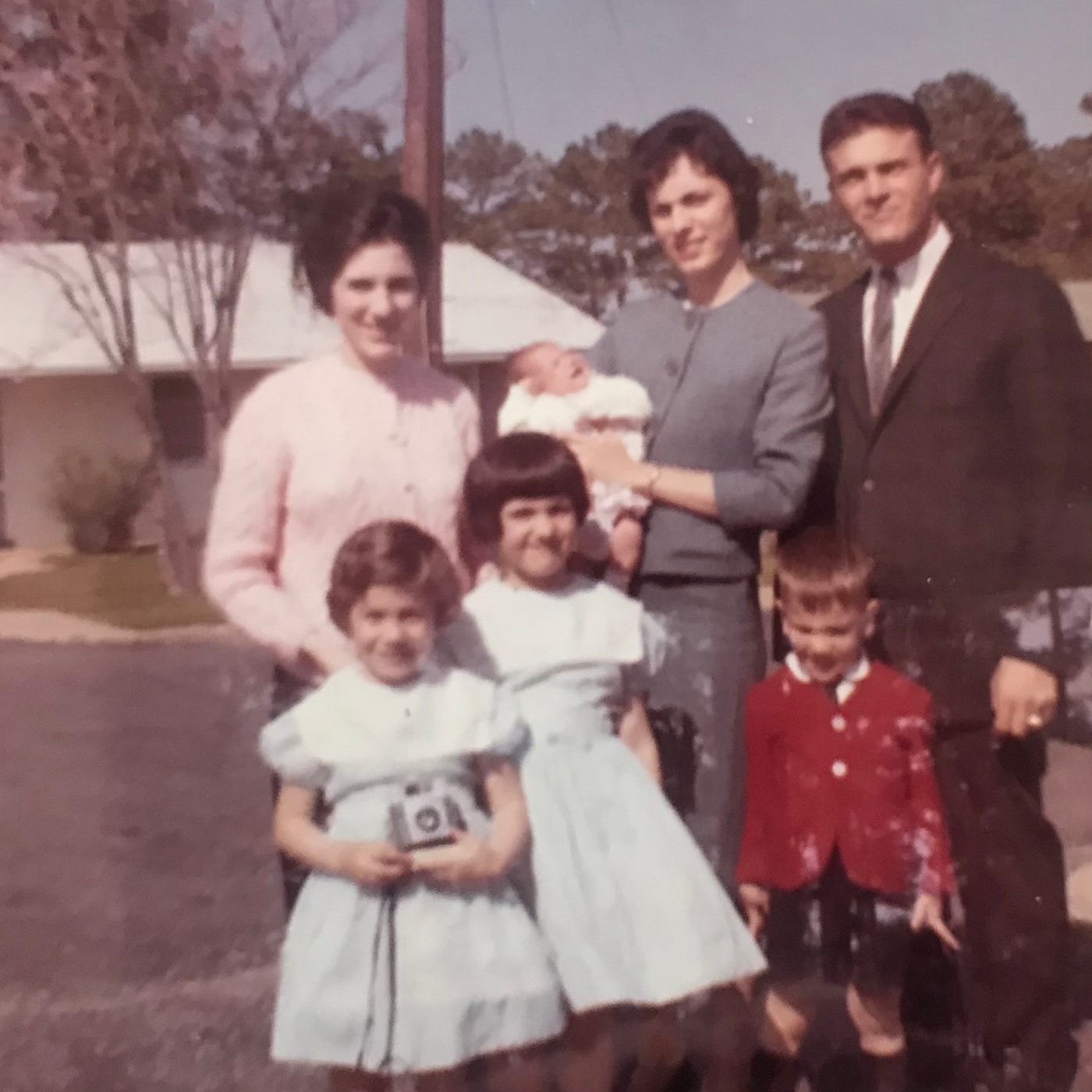
Auntie Norma Pietrantoni holding baby Cynthia Carbone along with the rest of the family (Captain Tony Carbone, Edda Carbone, Lynne, Diana and Anthony Jr.)
Auntie Norma holding baby Cynthia

Lynne’s Birthday in Heidelberg

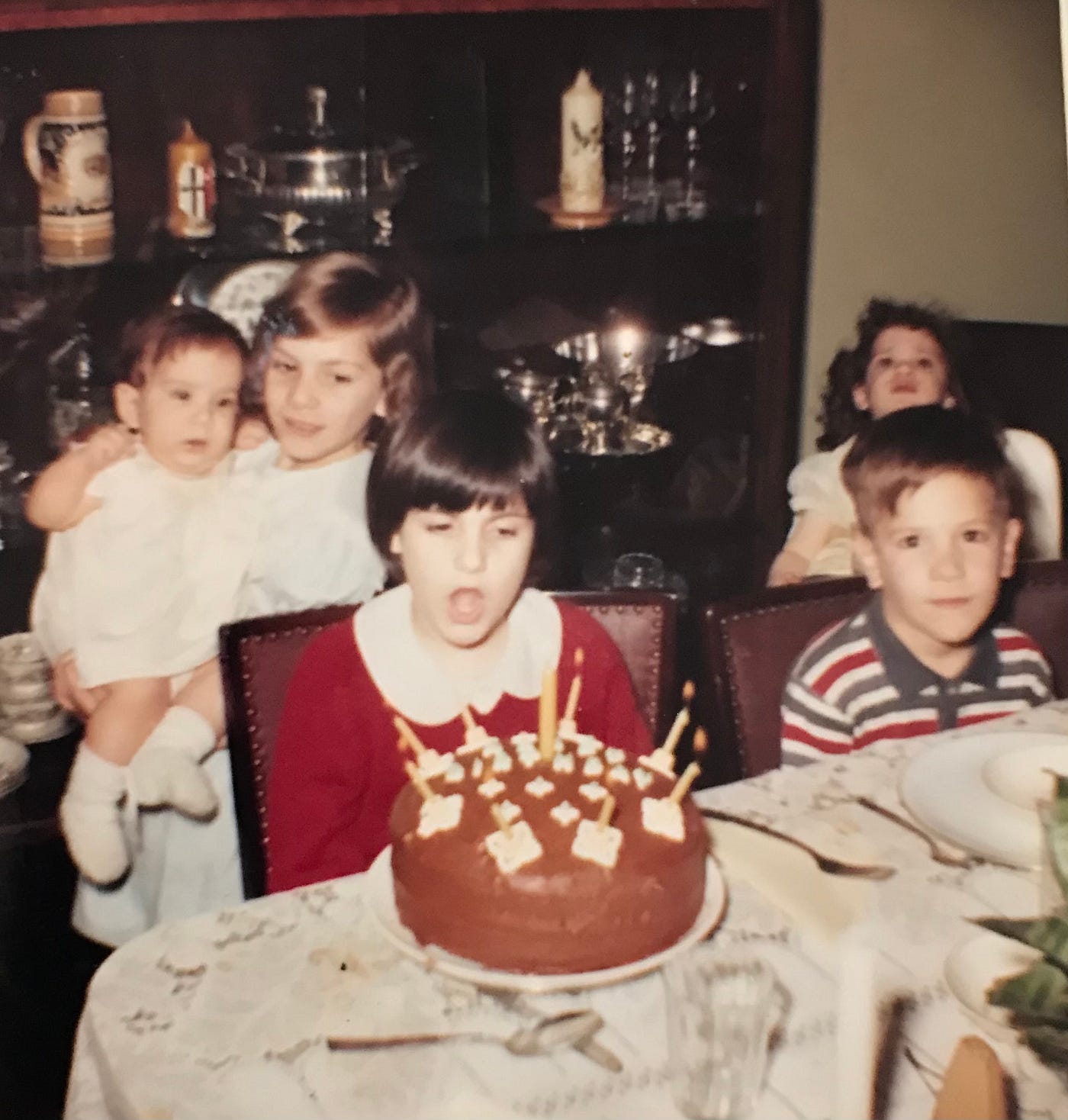
Lynne’s birthday in Heidelberg with Diana, Tony, Cynthia and baby Pamela.
Lynne’s birthday in Heidelberg with Diana, Tony, Cynthia and baby Pamela

Heidelberg became more than just a city to me. It was a place of magic and mystery, history and reverence. The contrast between the crisp, ordered life of Patrick Henry Village and the timeless elegance of Heidelberg shaped my understanding of the world. One was duty, the other was beauty — and I was lucky enough to be raised with both.

Home Page