Believe Nothing You Hear, and Only Half of What You See — A memoir of Service, Shame and the Search for Truth
Graduated from Chemical Officer Basic and Airborne Courses
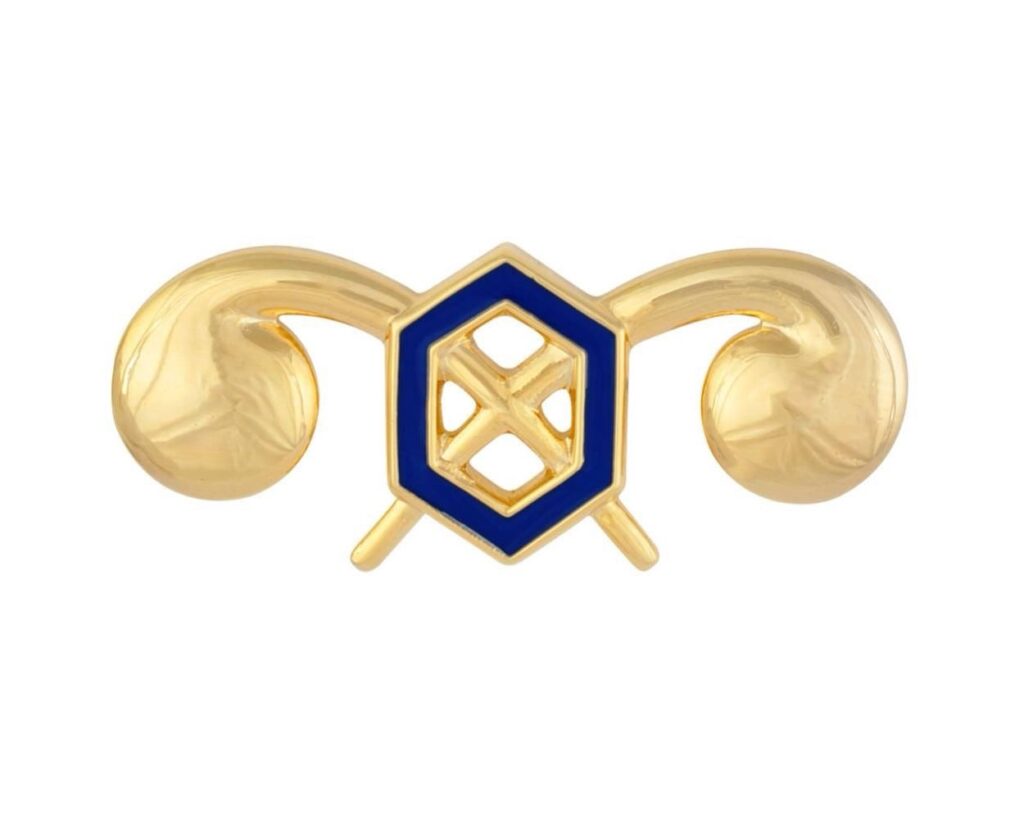
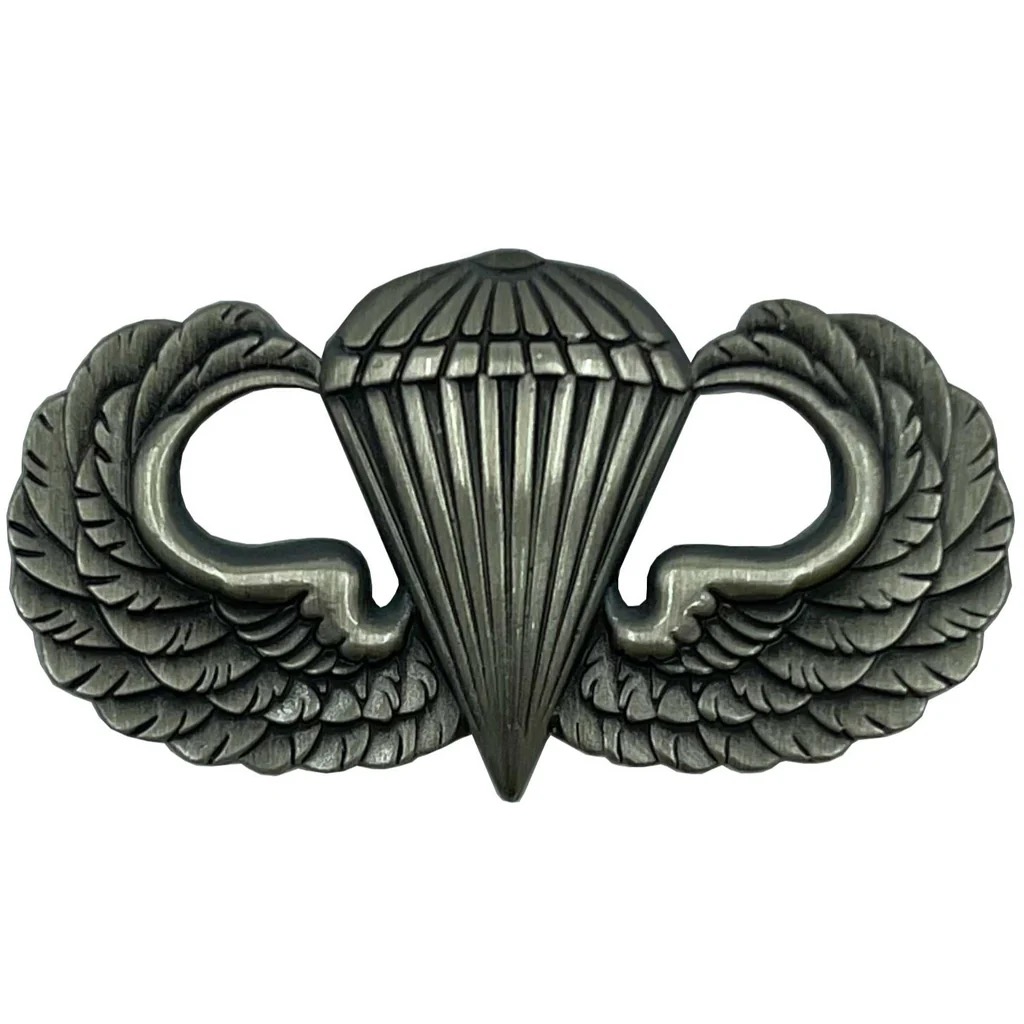
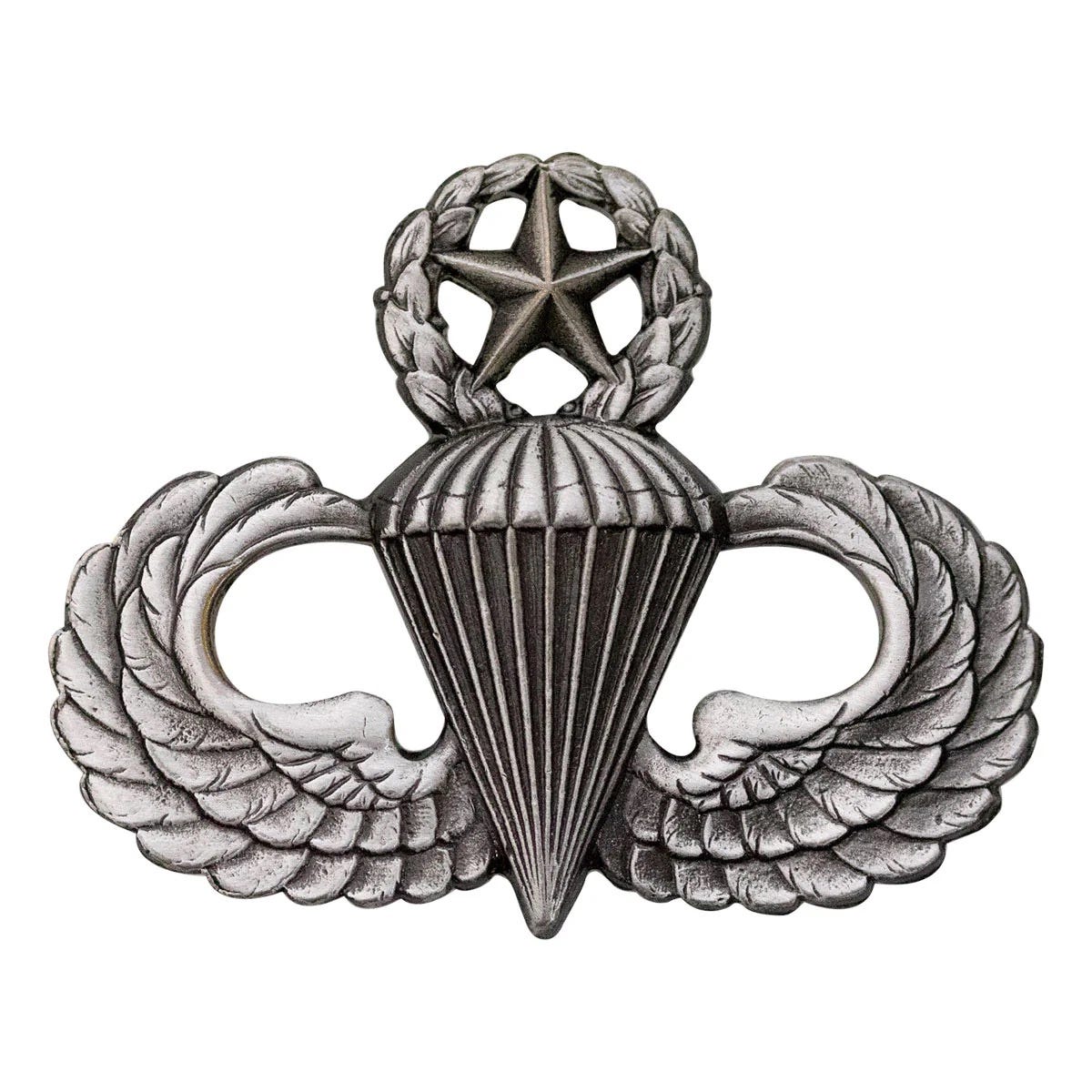
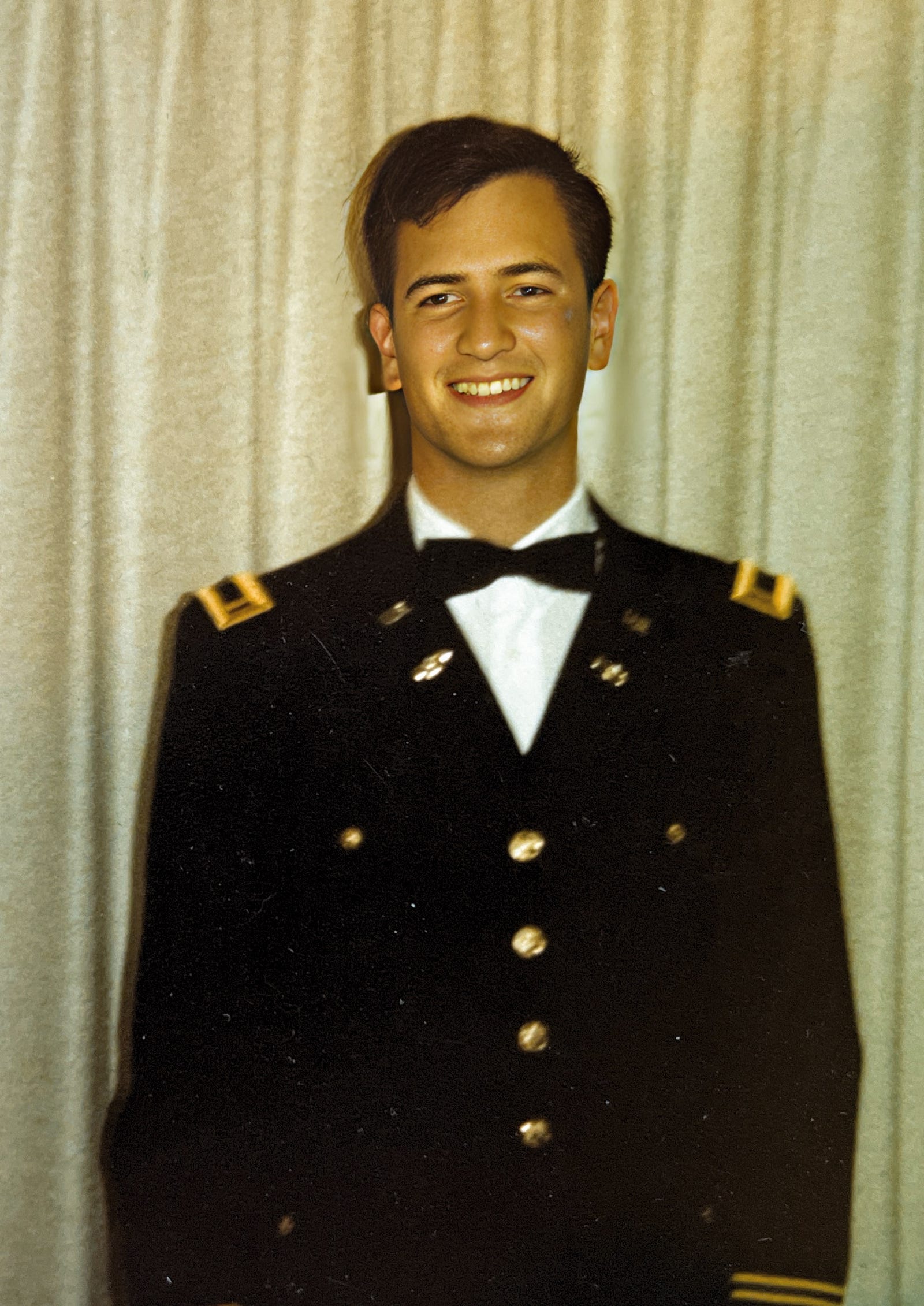
Graduating from the Chemical Officer Basic Course as an honor graduate and pinning on silver paratrooper wings at Jump School filled me with a pride I had never known before. At last, I was stepping into the world as a real second lieutenant, with my first permanent assignment waiting for me at Fort Irwin, California. It was everything I had been working toward since Notre Dame — proof that I could meet the Army’s highest standards. Yet beneath the pride and excitement ran an equally powerful current: the pull of Mariann. I couldn’t imagine celebrating without her. She was the person I wanted to share all of this with, the one whose steady presence gave meaning to the sacrifices of the past five months.
Headed to Mariann in Wheaton, Illinois
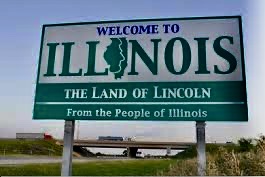
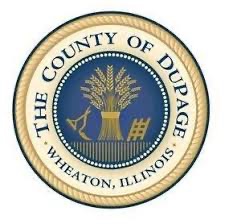
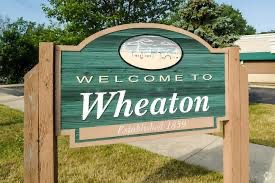
The morning after graduation, I packed my car and drove straight through to Wheaton, Illinois, determined to make the most of even a short visit with her. We hadn’t seen each other in months, and no amount of phone calls could make up for her absence. During training, I had saved every bit of my extra TDY pay with Mariann in mind, tucking it away for an engagement ring. I wasn’t quite ready to propose, but there was no doubt in my heart that she was the woman I wanted to marry. Being welcomed into the Schmitz household only reinforced it — I felt like I belonged, like I finally had brothers and sisters of my own.
My visit was brief; the Army had given me just a week to make the cross-country trip. But even that short time reminded me of the two paths that now defined me: the officer with a career taking shape, and the young man longing to build a life with Mariann. With both hopes alive in my heart, I pointed my car toward Route 66, bound for the Mojave Desert and my new post at Fort Irwin.
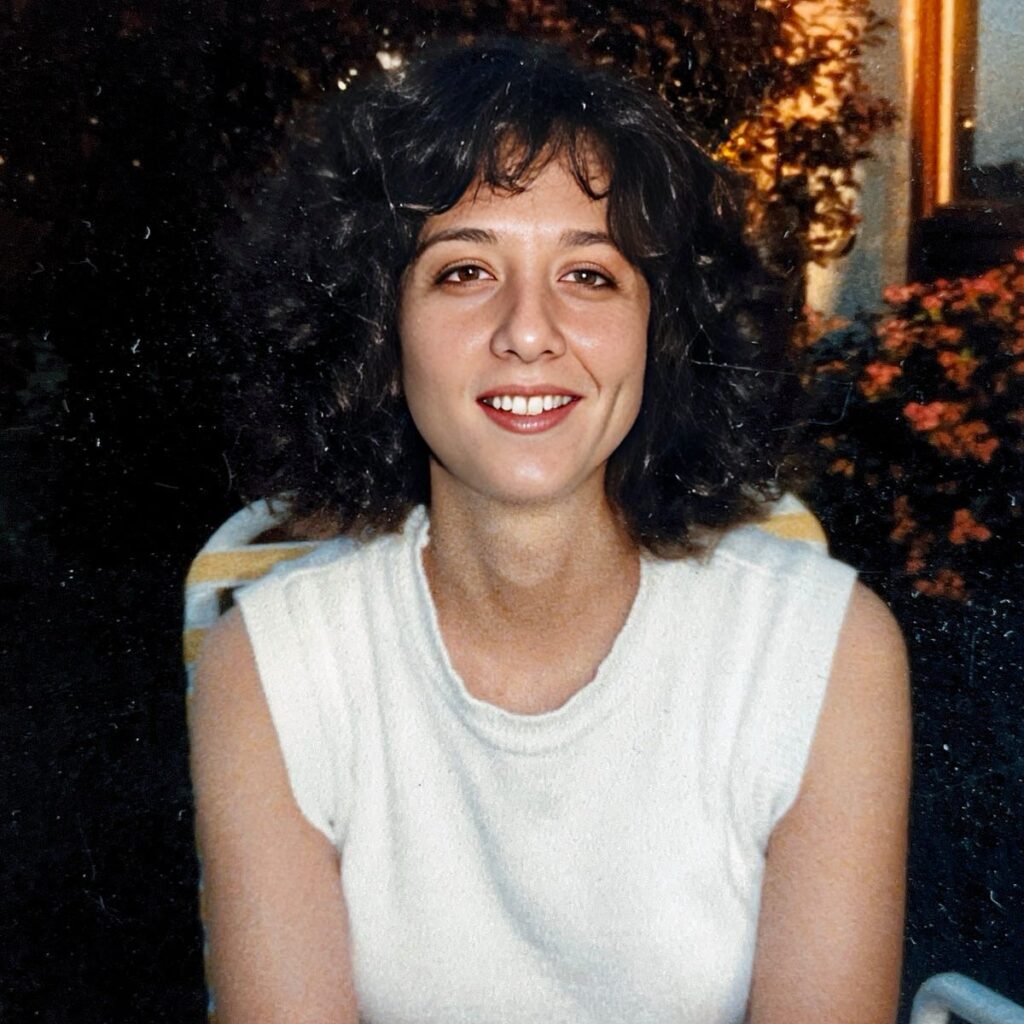
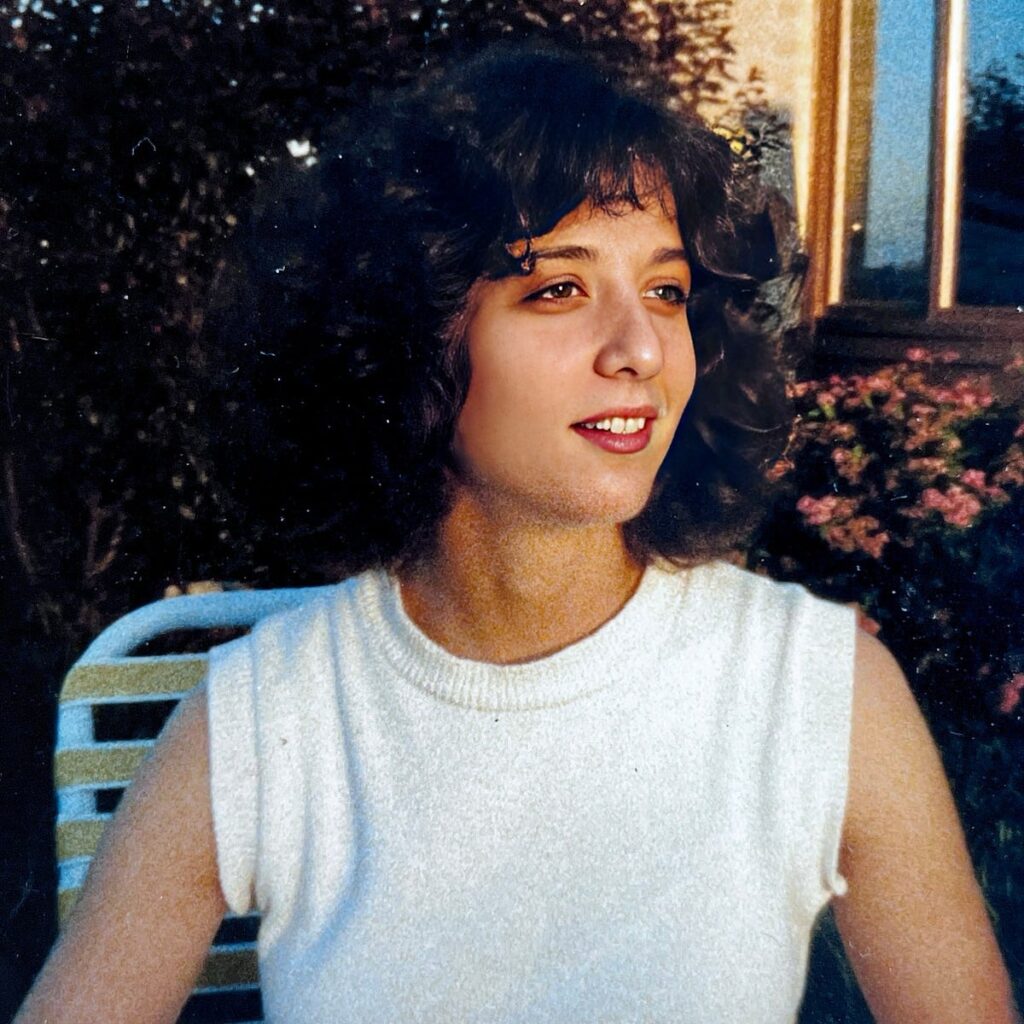
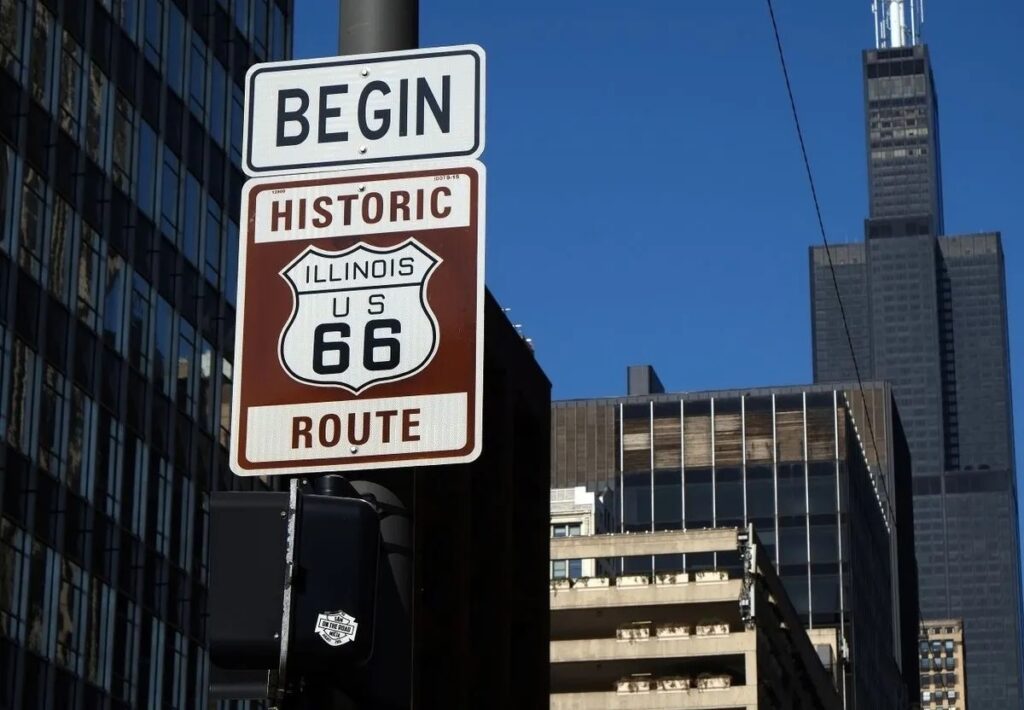
Headed to Fort Irwin via US Route 66
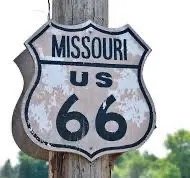
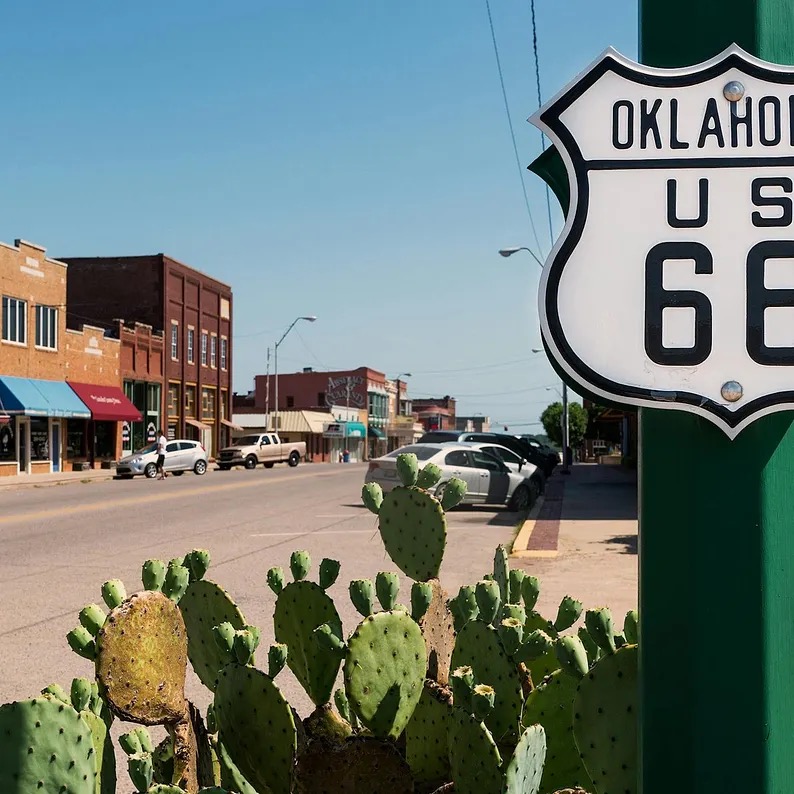
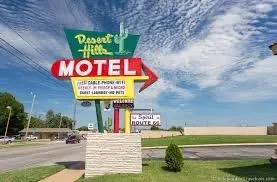
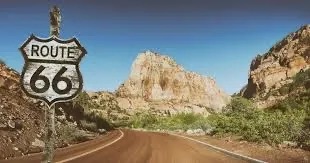
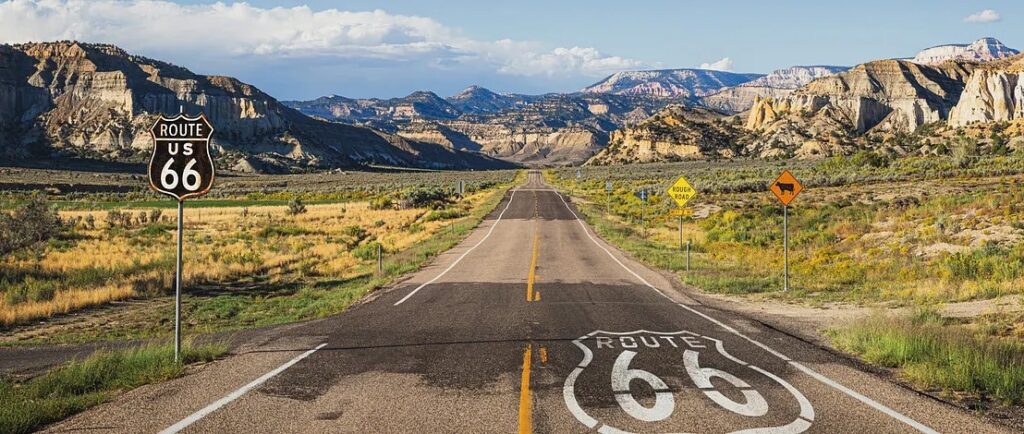
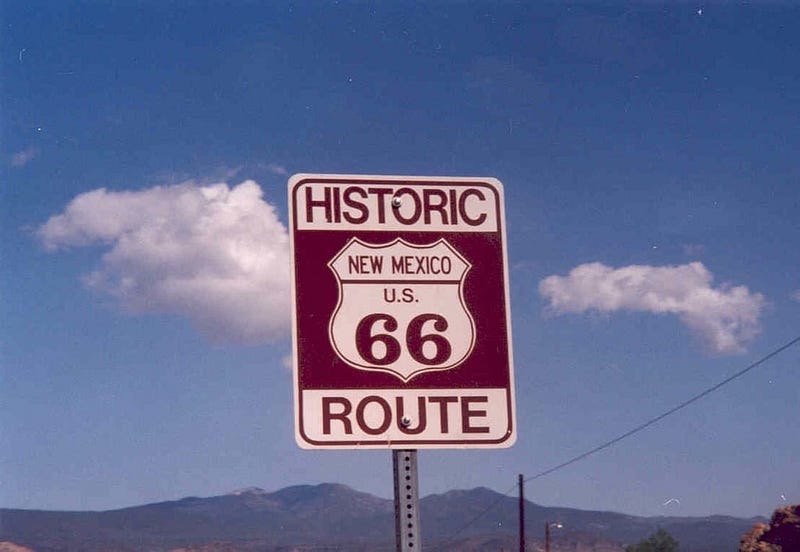
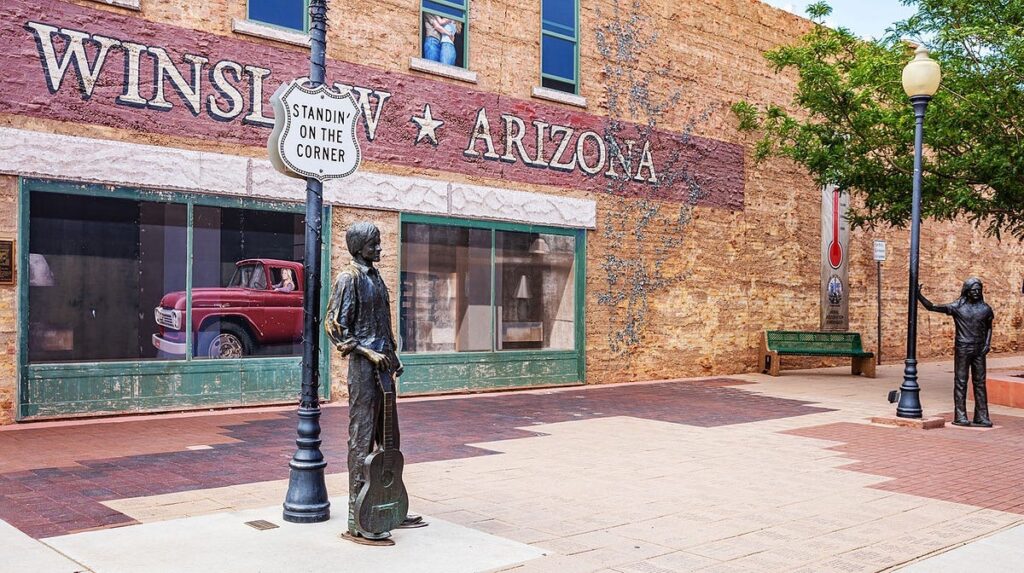
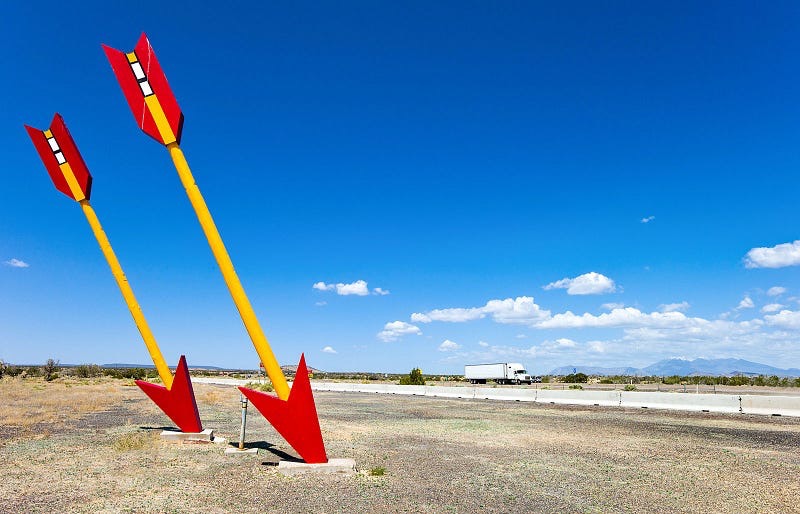
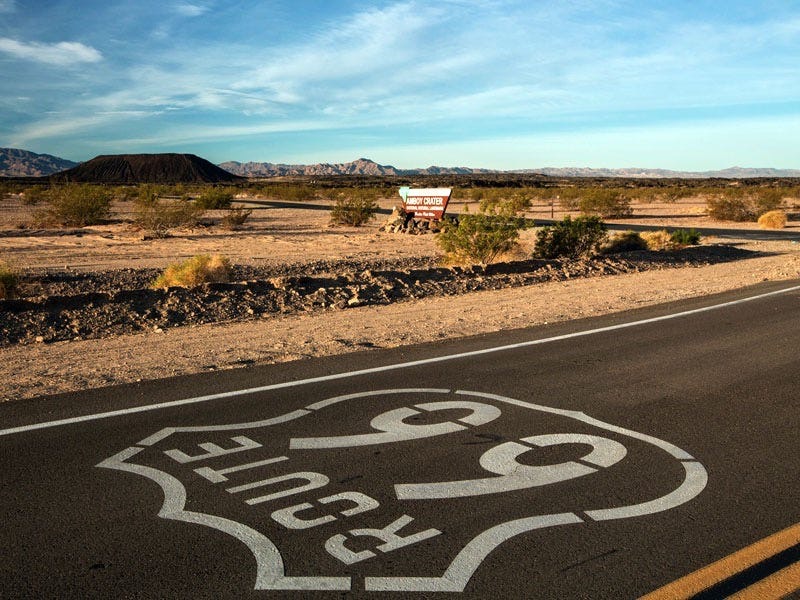
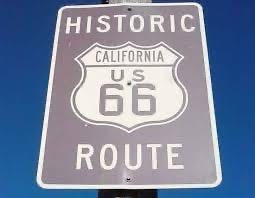
From Chicago, I turned my wheels west onto the legendary Route 66, determined to follow the old road all the way to California. This wasn’t just a drive — it felt like a rite of passage, a chance to see America up close, mile by mile. I felt lucky to experience Route 66 while it was still intact, still alive, still carrying the heartbeat of the country. Each day brought something new to marvel at, from the simplest gas stations and general stores to the oversized roadside icons designed to make you stop and stare.
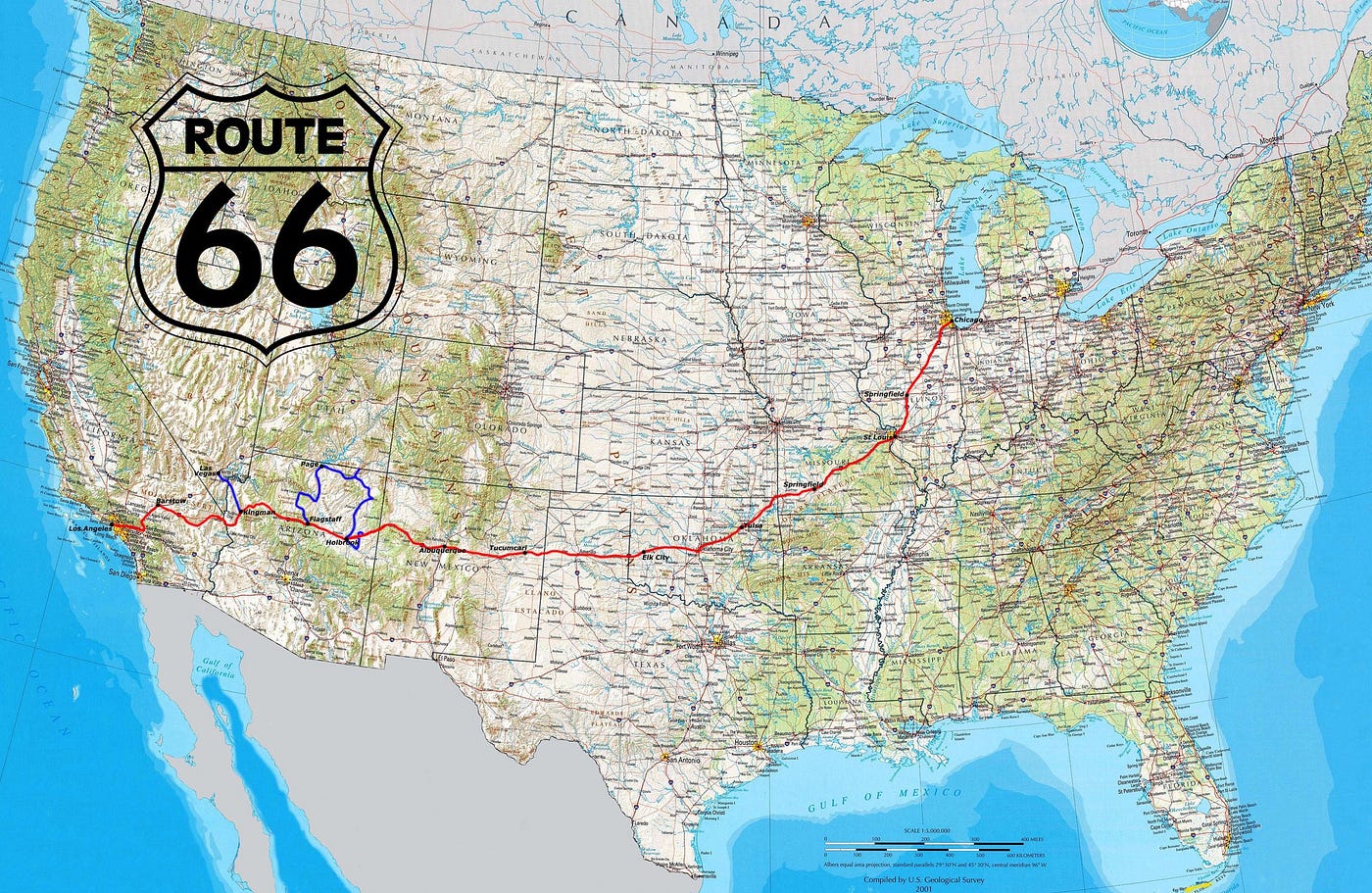
Enjoying all of the Classic Sites Along Route 66
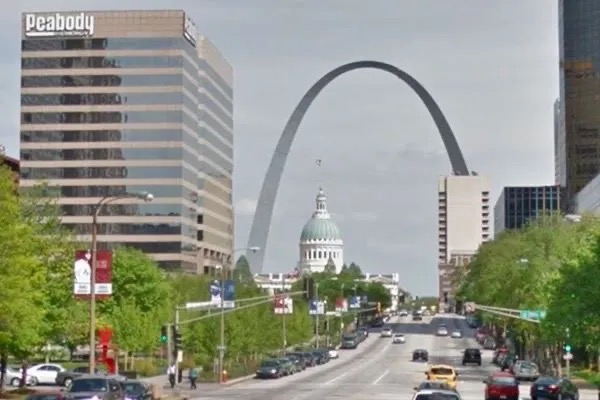
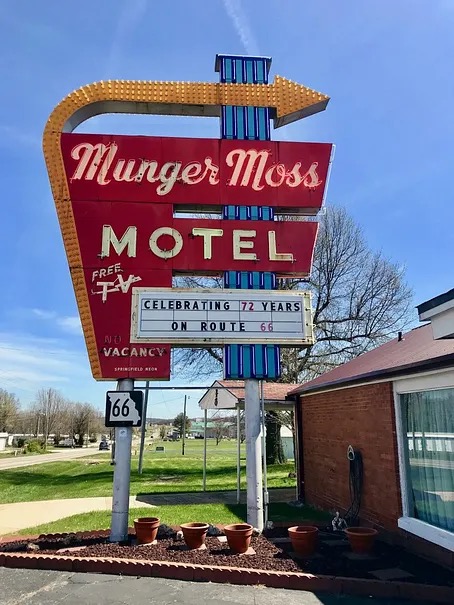
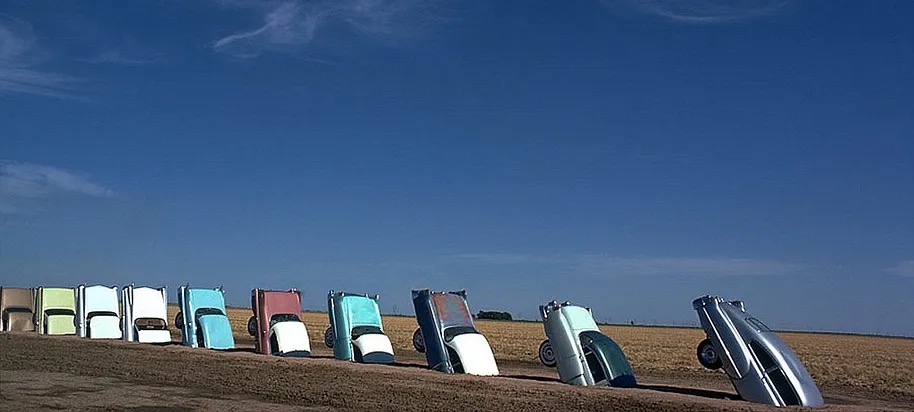
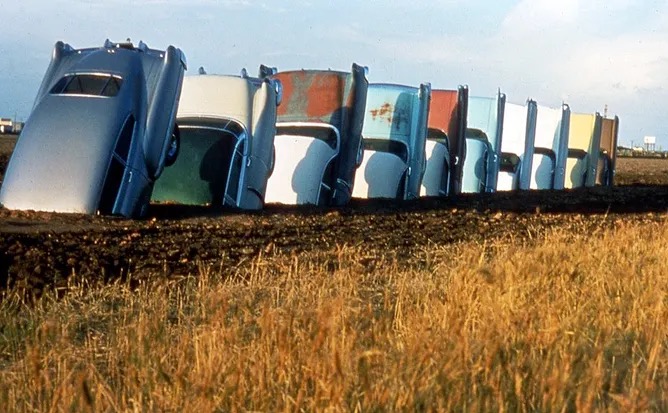
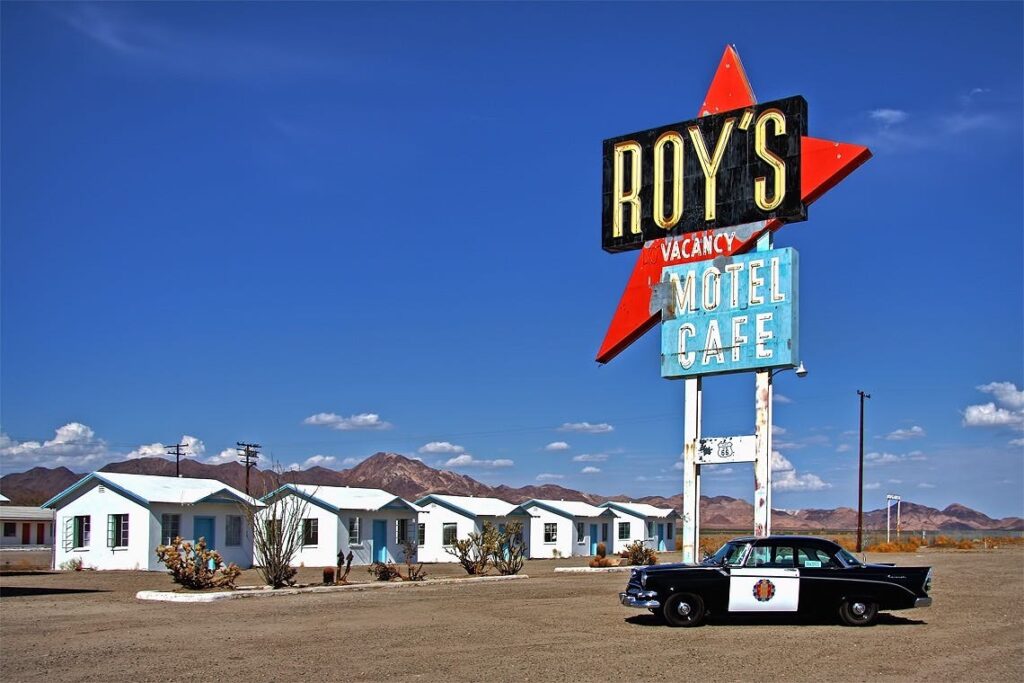
The road was dotted with landmarks that have since become legendary — the Cadillac Ranch rising out of the Texas plains, the smiling Blue Whale of Catoosa, the soaring Gateway Arch in St. Louis, the Painted Desert stretching across Arizona, the sparkling Blue Hole in Santa Rosa, and even the whimsical Bottle Tree Ranch in the Mojave. I made it a point to stop at the neon-lit motels, to grab dinner at classic diners with vinyl booths and jukeboxes humming in the background. It was America at its best — quirky, colorful, and unpretentious.
As I cruised down that highway, I felt a kind of freedom I had never known before. I was a brand-new second lieutenant, finally independent, with my own car, money in my pocket, and a mission for life. The Army had given me responsibility and purpose, but Route 66 gave me the wide-open road and the space to savor it. For the first time, I felt like I was standing on my own two feet, ready for whatever lay ahead.
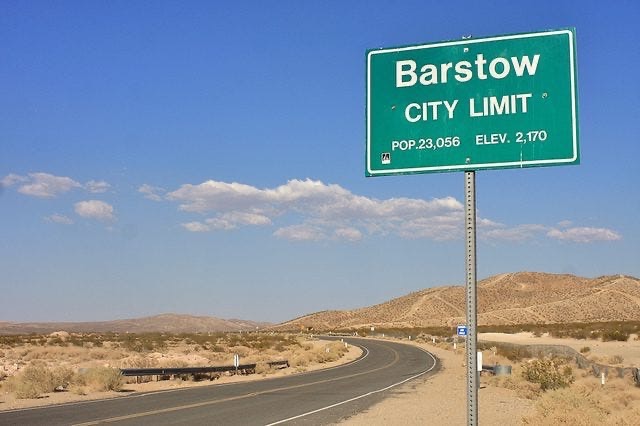
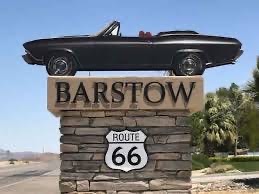
It took me a full week to wind my way west, soaking it all in, before I finally crossed the Nevada desert and rolled down into Victorville and on to my final stop: Barstow, California. Route 66 had delivered me not just to my first duty station but into a deeper sense of the country I was now sworn to serve.

Arrival at Barstow, California
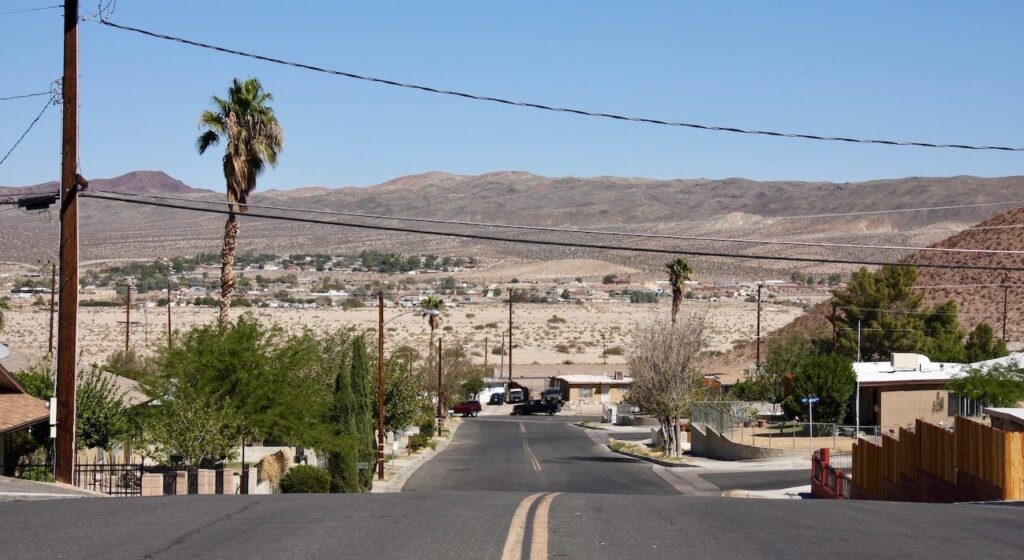
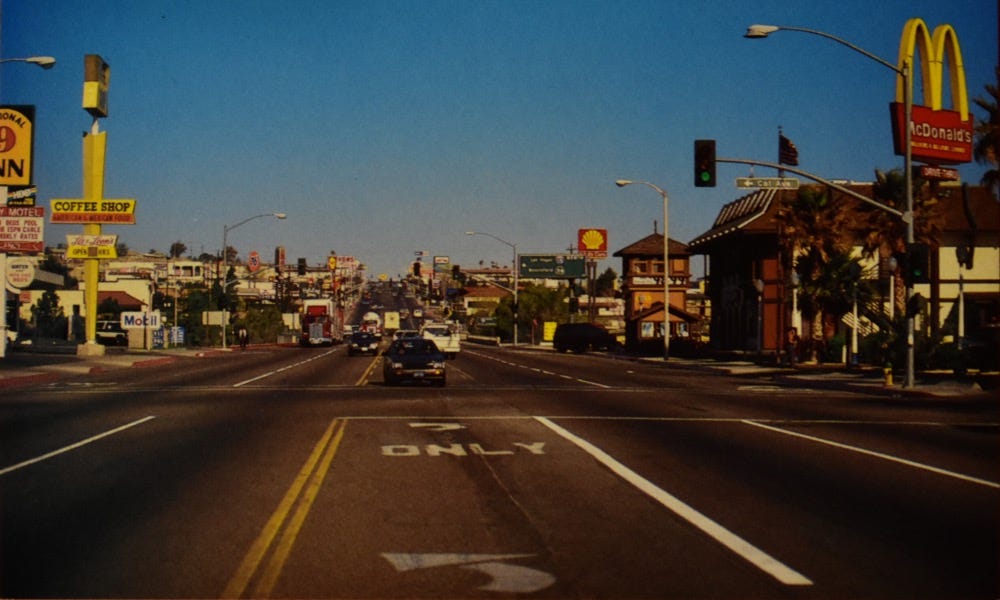
I drove onto Main Street of Barstow, California — still part of old Route 66, if I remember right — and the first thing that caught my eye was the giant McDonald’s called Barstow Station. It seemed like the perfect place to regroup, so I sat down with a Big Mac, fries, and a Coke, trying to map out the last leg of my journey.
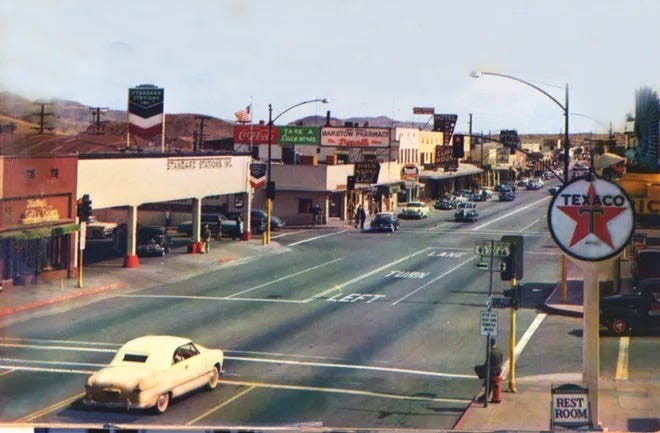
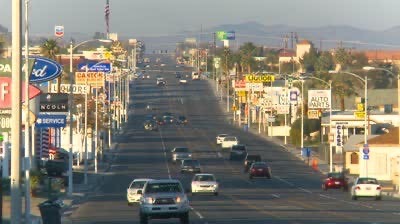
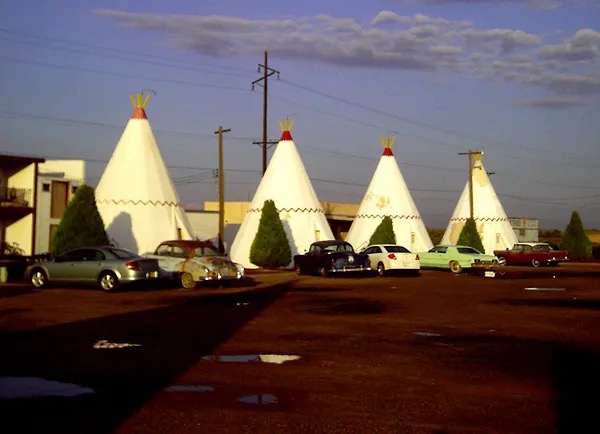
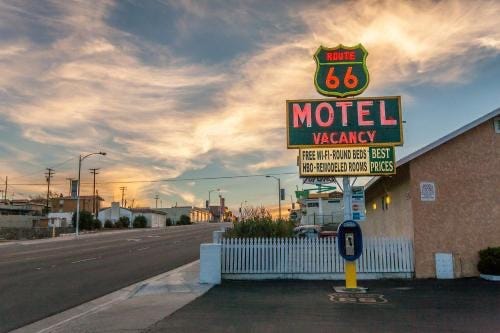
The truth was, I was beat. The excitement of the road was giving way to fatigue, and I knew I needed to rest before tackling the final stretch. I decided to spend the night right there in Barstow and checked into the Route 66 Motel on Main Street. The room was nothing fancy, but at ten dollars a night it was exactly what I needed — cheap, simple, and a bed to crash in.
Stayed at Motel Route 66
That night at the Route 66 Motel, I did what every new lieutenant was trained to do — I prepared for reporting in. I laid out my folder with several copies of my Permanent Change of Station (PCS) orders assigning me to the National Training Center at Fort Irwin. I laid out a fresh set of perfectly starched olive-drab fatigues and spit-shined my brand-new Corcoran jump boots until they gleamed. Everything had to be in order. I went to bed early, determined to get up with the sun and make a sharp impression on my first day at my new post.
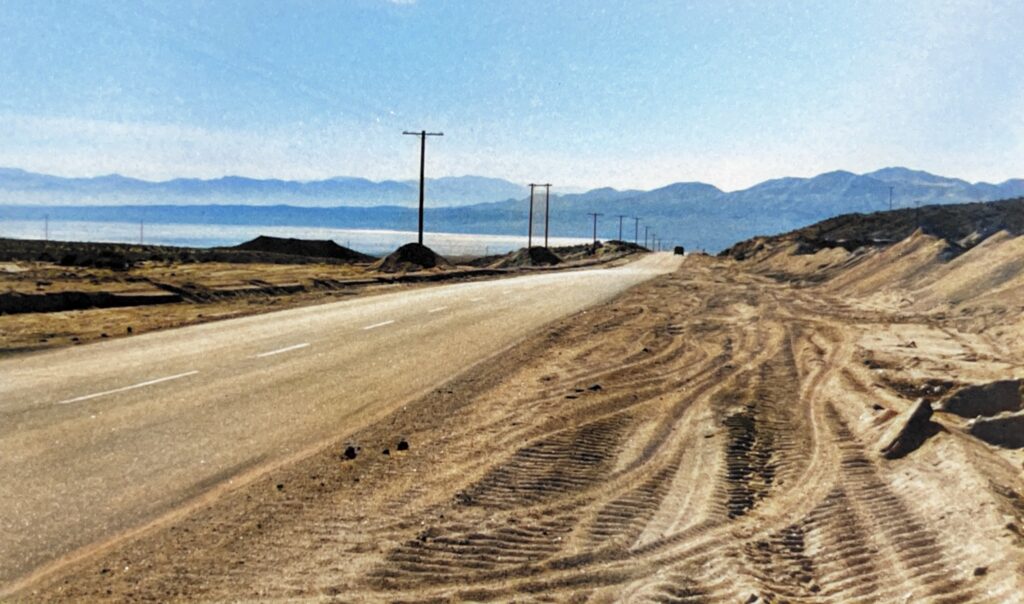
The next morning, I grabbed an Egg McMuffin at McDonald’s and headed out on the thirty-seven–mile drive to Fort Irwin. It doesn’t sound like much, but back then the road was just two narrow lanes with no shoulders, winding through the desert. One mistake and you were off into the sand.

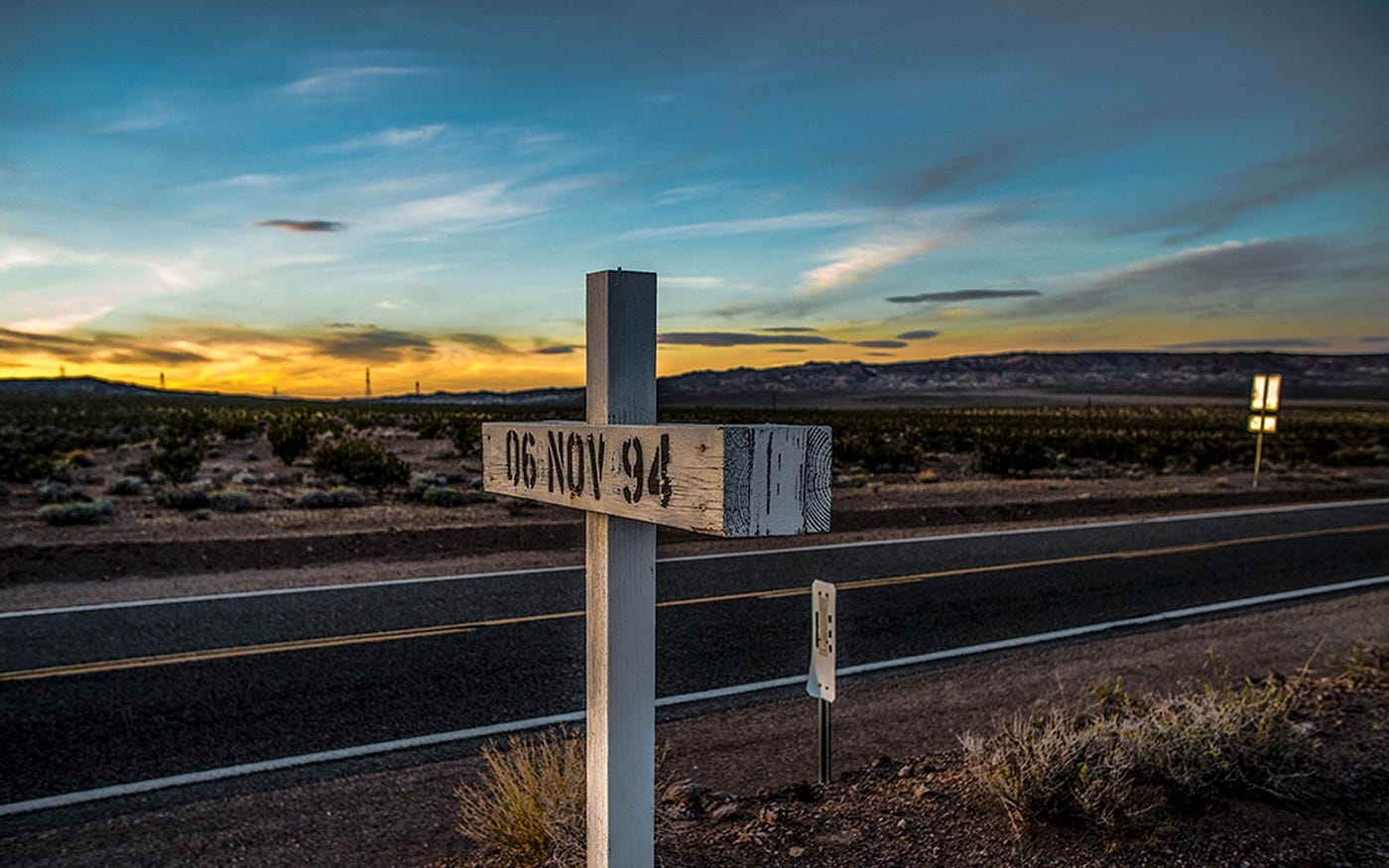
White Crosses Line Fort Irwin Road
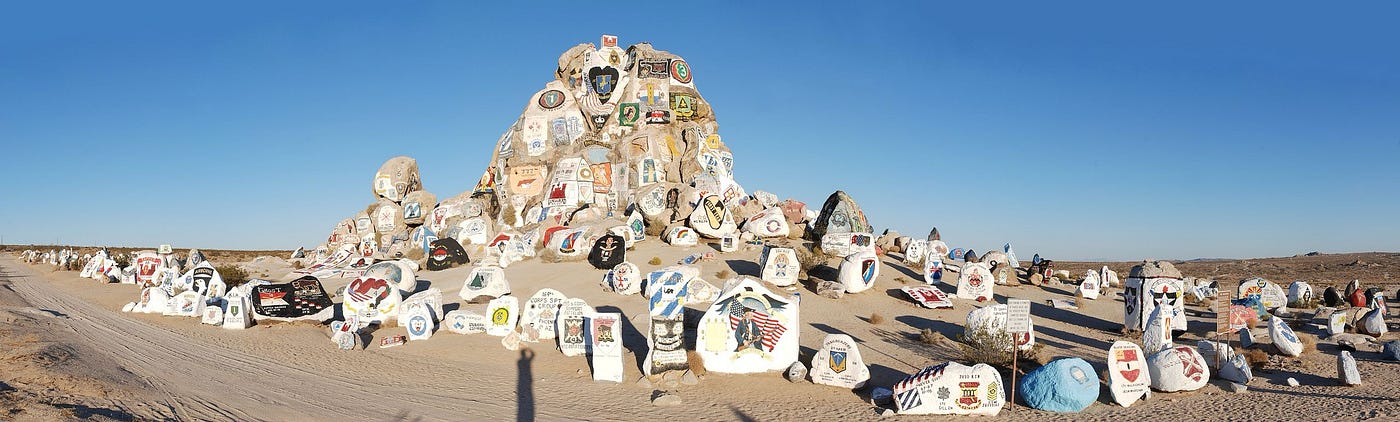
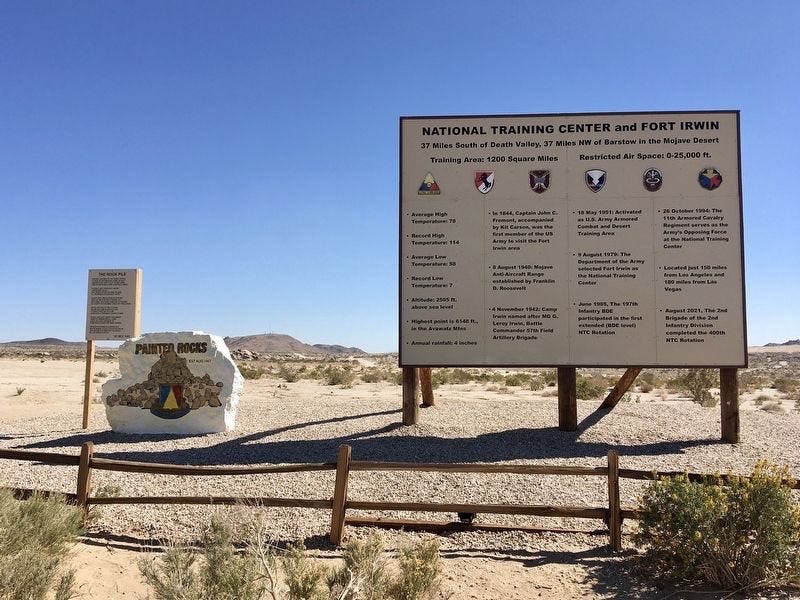
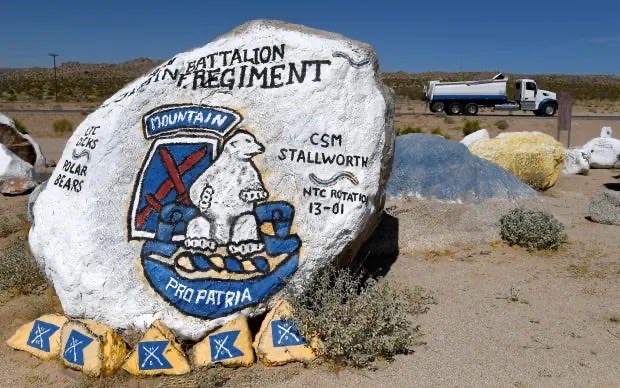
Painted Rocks
Then, almost as if answering that somber message, the desert shifted. I came upon Painted Rocks — a field of massive boulders splashed with bold, colorful unit insignia left behind by generations of soldiers. It was unlike anything I had ever seen. If the white crosses spoke of sacrifice, Painted Rocks shouted pride and tradition. Together, the two monuments told a larger story — one of danger and death, yes, but also of resilience, service, and legacy. Standing there, I felt the weight of both. I was not just driving down Route 66 anymore. I was on my way to become part of that distinguished heritage.
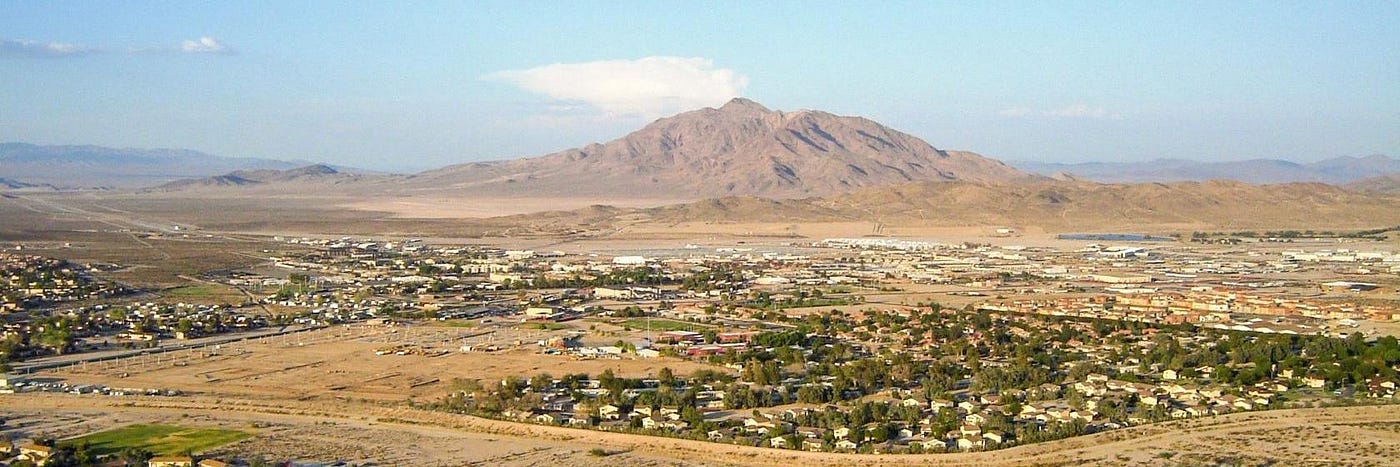
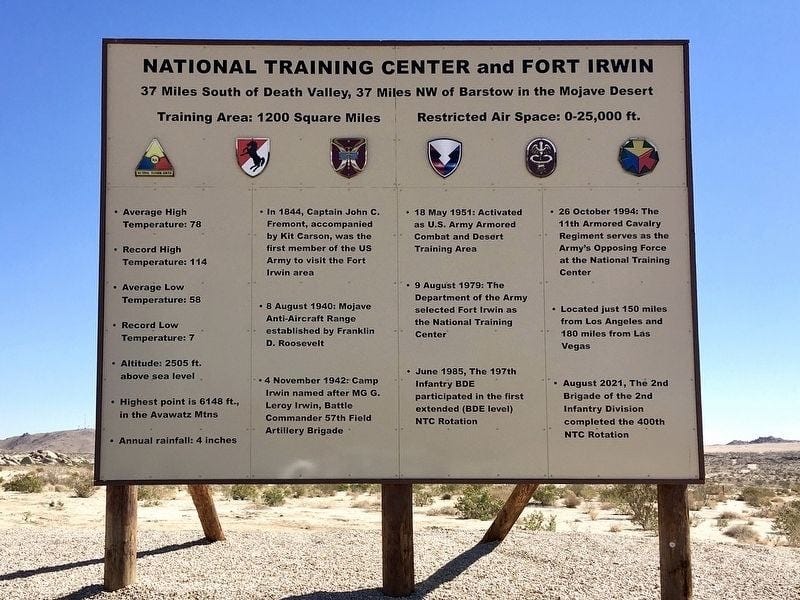
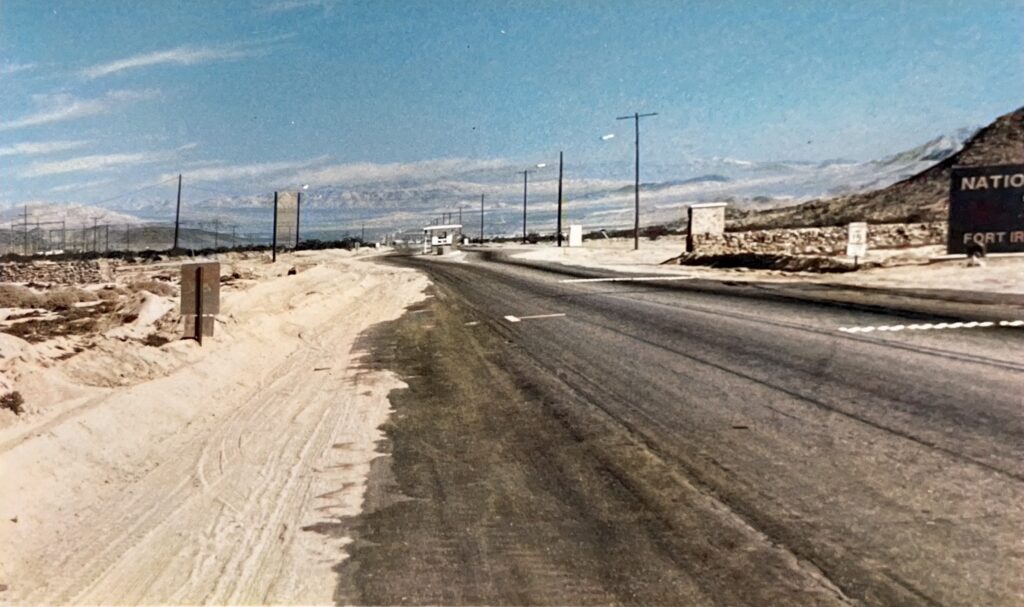
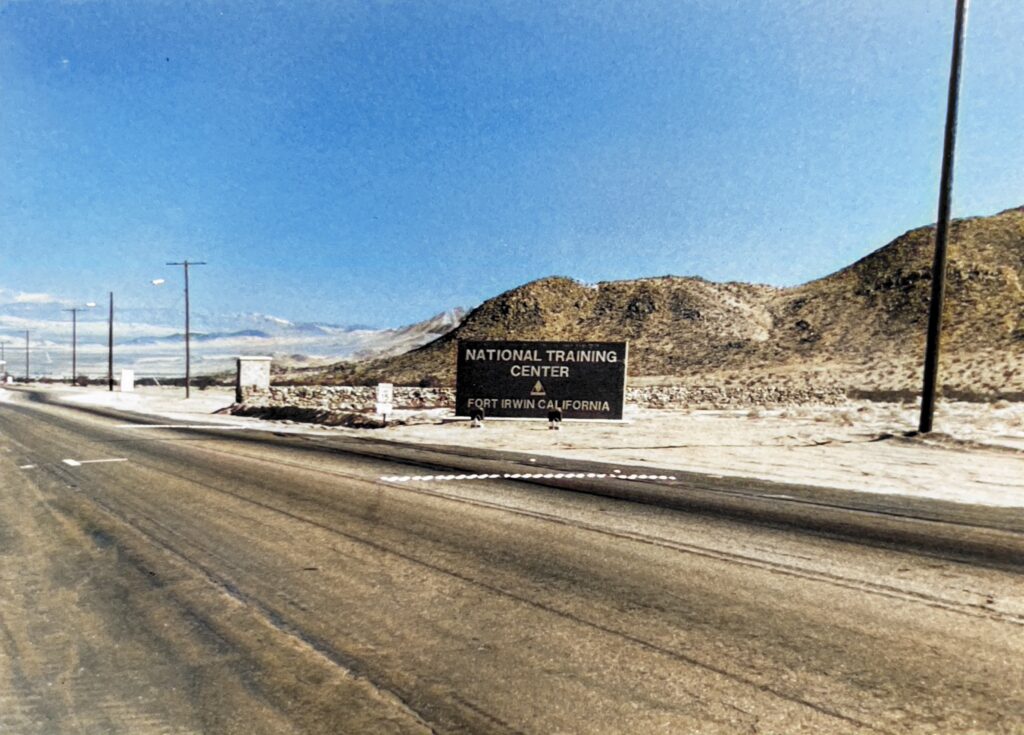
First Time Passing Through the Front Gate
Eventually, the long, winding road delivered me to the main gate of Fort Irwin. A small Military Police station sat just inside, and an MP in crisp uniform stepped forward to check me in. He asked for my military ID, then snapped off a sharp hand salute with his white gloves. I told him I had PCS orders to
report to Headquarters, National Training Center. He gave me clear directions on where to drive, followed by another salute and a sweeping right-arm motion from left to right, signaling me forward and onto post.
I followed his instructions and soon found myself at the Headquarters building for the National Training Center. I parked my POV (privately-owned vehicle), shut off the engine, and gathered my military file with my new orders. As I stepped out, I placed my cap squarely on my head, proud that it displayed both my shiny new gold lieutenant bar and my silver paratrooper wings. With my records tucked in my left hand, I squared my shoulders and stood tall, determined to look the part.
Meeting MSG Aikens
Across the large dirt-covered parking lot — maybe a hundred meters away — I suddenly heard a booming voice cut through the desert air. A tall, thin African-American sergeant was calling out to me in a deep, commanding tone: “Airborne, Lieutenant!” He snapped up a strong hand salute. Instinct took over. I straightened instantly, returned the salute, and called back the traditional Airborne reply: “All the way!” It was my very first greeting on post, and it stuck with me. As fate would have it, a year later that same man — Master Sergeant Aikens — would become my very own sergeant when I was later assigned to the 6th Battalion, 31st Infantry (Opposing Forces) in 1982.
The formality of my arrival — the crisp salutes at the gate, my spit-shined Corcoran boots, my starched fatigues — faded quickly once I got a taste of daily life at Fort Irwin. This was no typical Army post. In my 21 years, I had never lived on or even visited a base like it. Fort Irwin in 1981 was the Wild West — remote, raw, and rough around the edges. There weren’t many rules in place yet, and in fact, I was expected to help write a number of the installation’s first policies and regulations, just to make the place look and feel official.

My New Position — Installation Chemical Officer
I was also something of a curiosity — the very first chemical officer assigned to the National Training Center. Most officers had never met a Chemical Officer in their career.
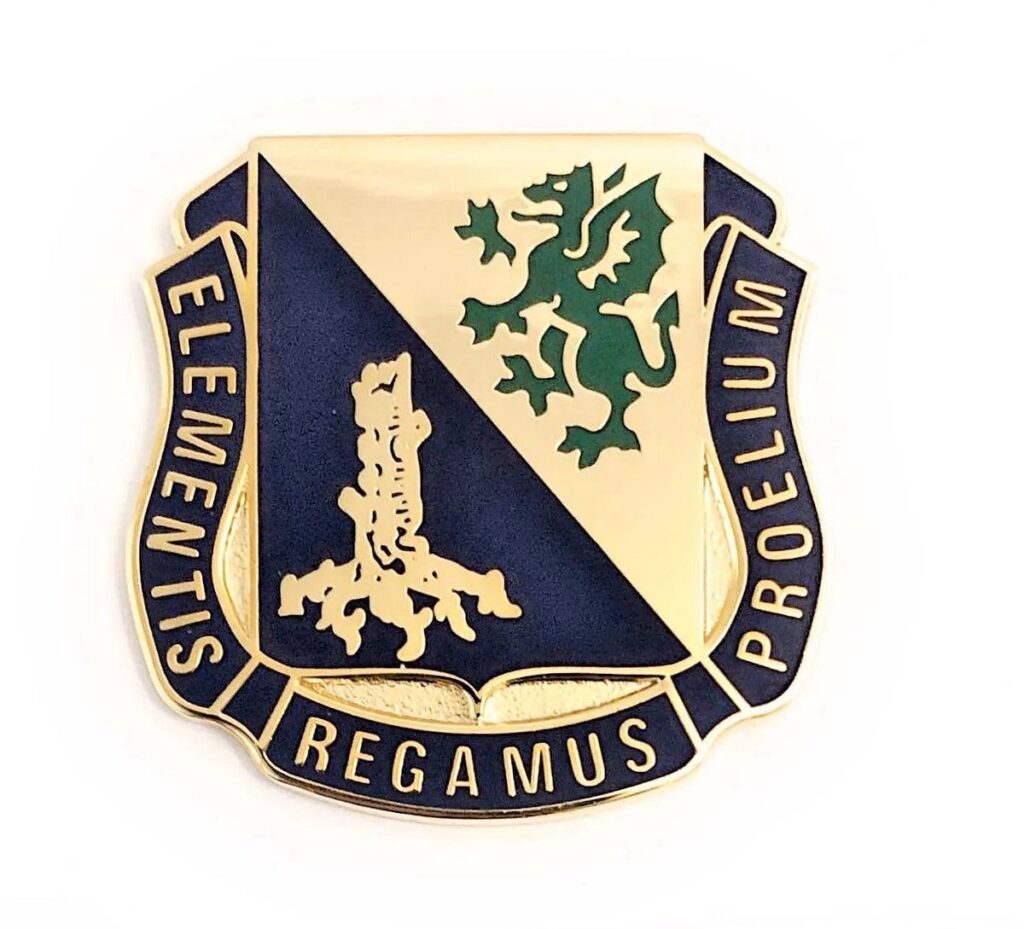
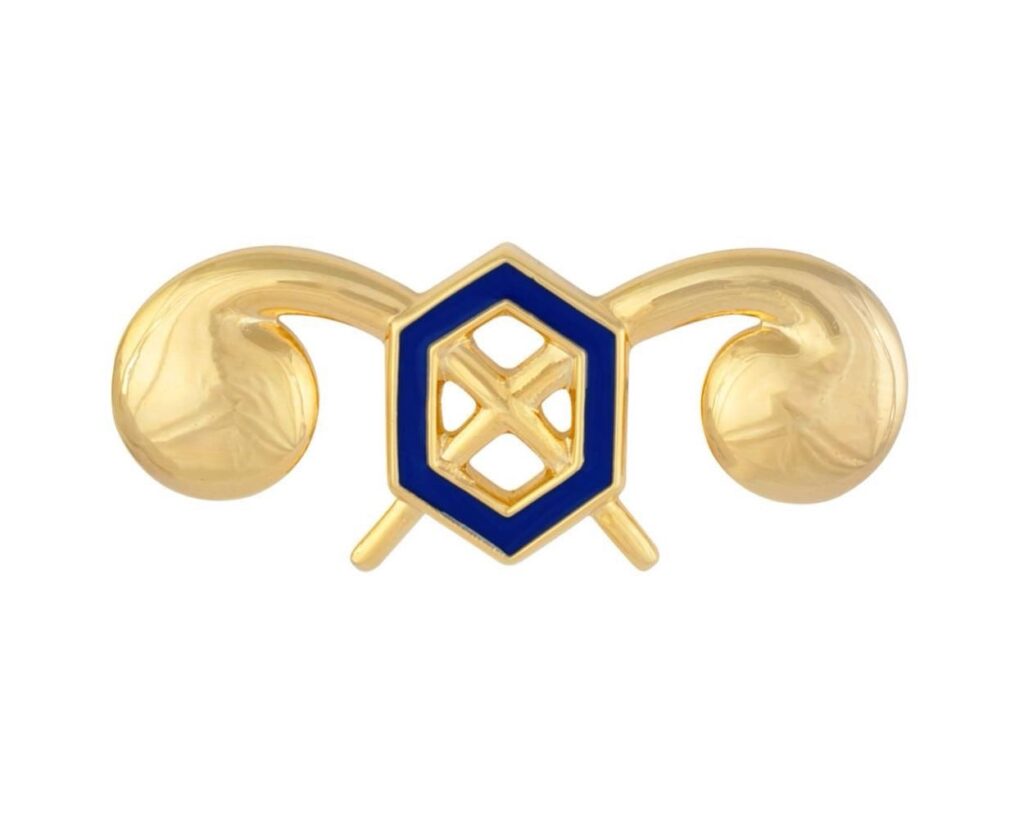
Nobody seemed quite sure what to do with me. For the moment, I was put in Headquarters as the “Installation Chemical Officer.” My big boss was Lieutenant Colonel Billy Joe Piper, the director of DPTSEC — the Directorate of Plans, Training, Mobilization & Security.
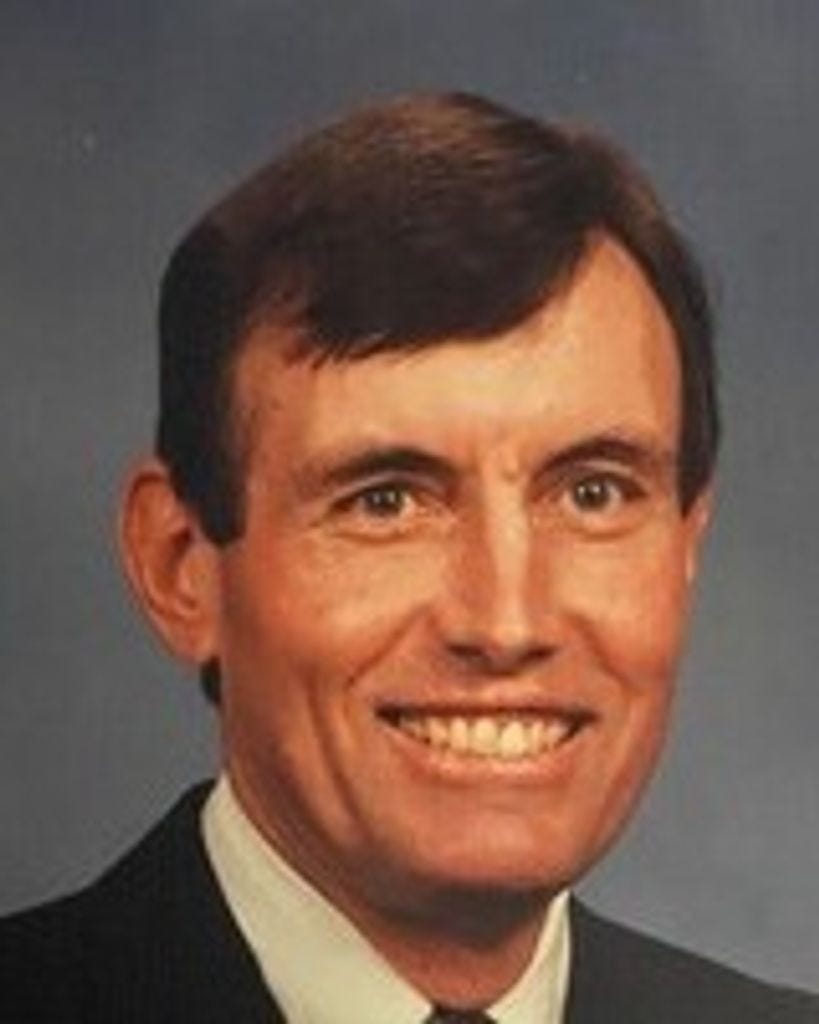
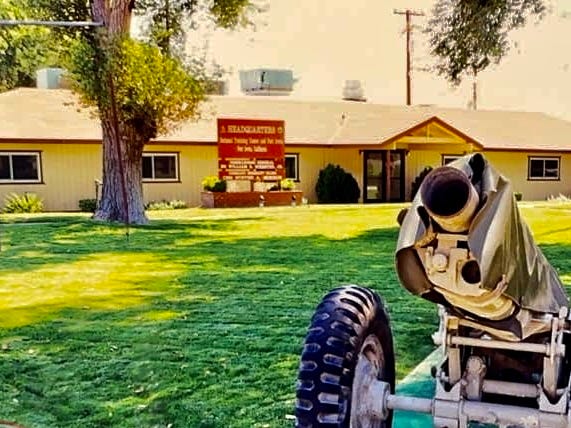
Day to day, though, I worked for Major Fuentes, a relaxed Cuban-American officer running the Training Department.
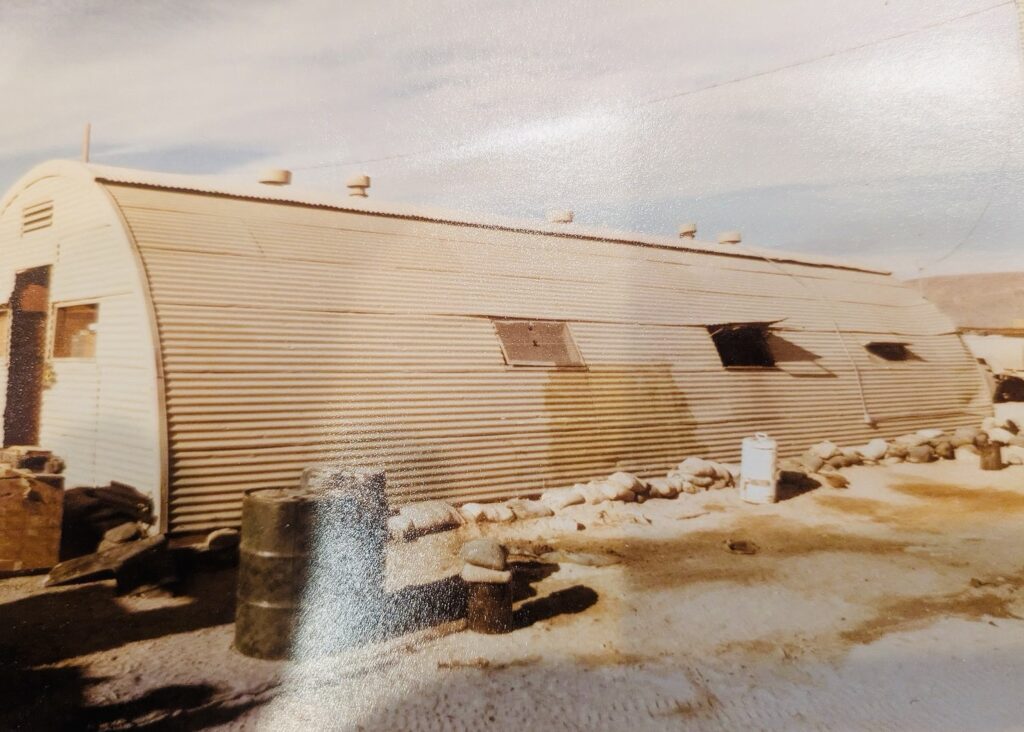
They set me up at a wooden field desk in an old, desert-sand–painted Quonset Hut, which I shared with two morbidly overweight Vietnam veteran sergeants who fit the definition of ROAD Scholars — “Retired on Active Duty.” One was Sergeant Maddox and I forgot the other’s name. Across the way sat an old aviation officer, Major Zupan, who also turned out to be my BOQ suite-mate. And scattered around the hut were about a half-dozen Range Control civilians, desert-hardened and full of stories. It was a strange mix of soldiers, semi-retired lifers, and salty civilians. And there I was — a brand-new chemical officer — trying to figure out where I fit in while helping to bring order to the Army’s version of the Wild West.
My New Office and Quarters
I tried my best to be excited about my first assignment as a brand-new lieutenant, but the reality hit me fast. My “office” was nothing more than a beat-up Quonset Hut with two of the most combat un-ready sergeants I had ever met sitting next to me. When they drove me over to my Bachelor Officers’ Quarters, I thought maybe things would look up. Instead, my new home turned out to be an old, dilapidated building that looked like it had survived a war of its own. Inside, I had a bed with sheets, a pillow, and a scratchy wool Army blanket. There was a wooden desk with a lamp and chair, and no air conditioning — just an ancient contraption called a “swamp cooler” that struggled hopelessly against the desert heat. And to make matters worse, I was assigned to share a bathroom with none other than Major Zupan.
Major Zupan Goes AWOL
Major Terry Zupan was no ordinary officer. He was a decorated U.S. Army pilot and Vietnam veteran who had been shot down one too many times and carried those demons with him ever since.
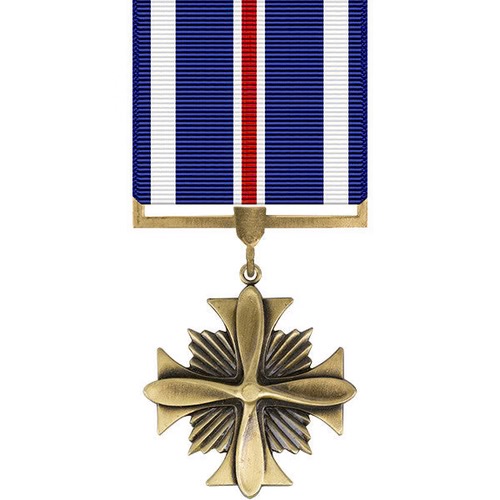
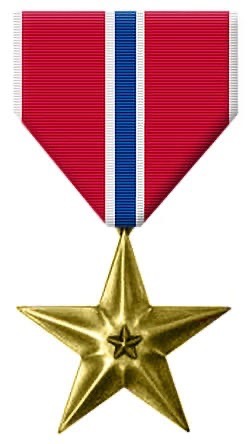
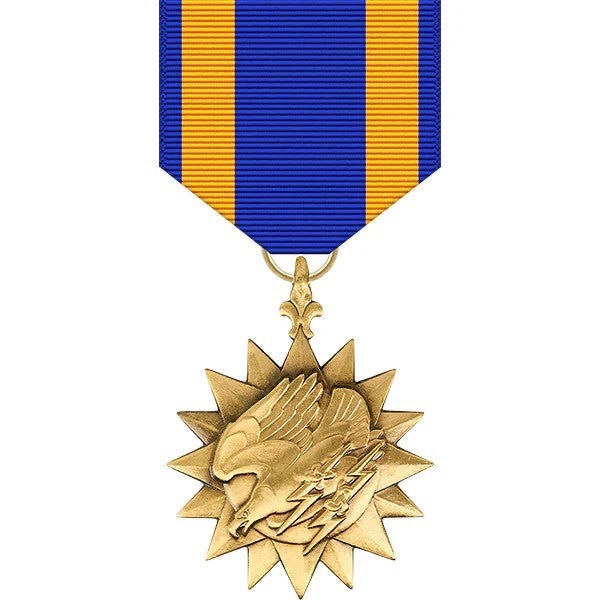
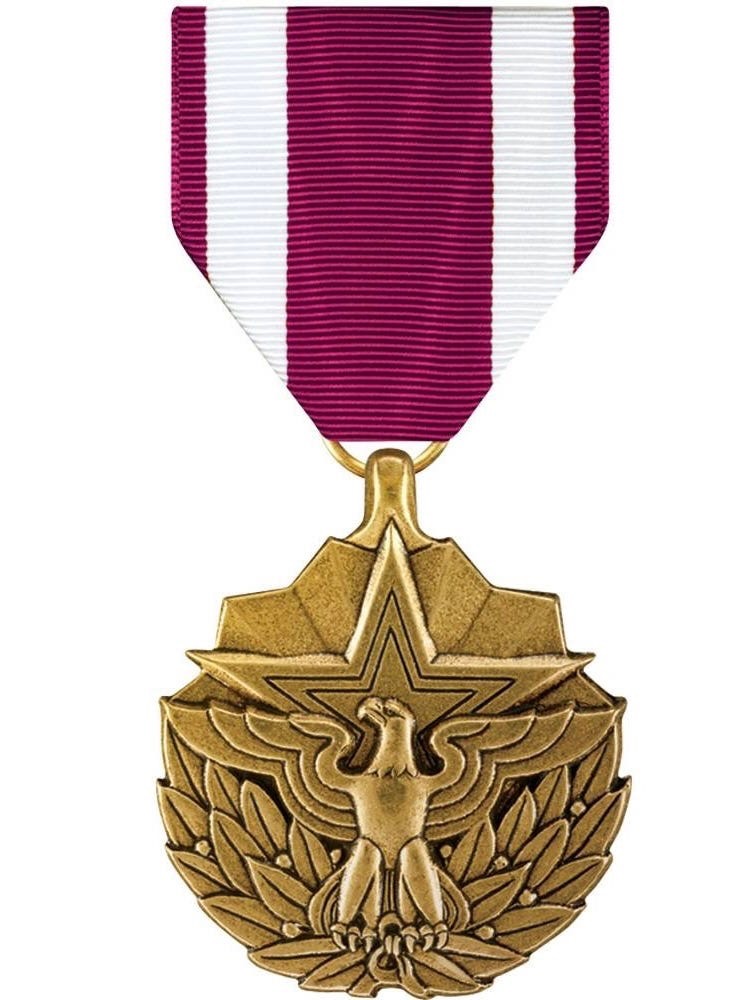
Over the course of his career, he had logged more than 950 combat flight hours and earned the Distinguished Flying Cross, the Bronze Star Medal, the Air Medal, and an astounding 27 Oak Leaf Clusters for his meritorious achievement. But all of that honor and heroism had left scars that no medal could heal. By the time I met him at Fort Irwin, he was a severely alcoholic man living with ghosts he could not outrun.
Most nights ended the same way — Zupan stumbling back from the Officer’s Club, slurring his words, and then throwing up and suffering diarrhea simultaneously in our shared bathroom. I would lie in bed with my pillow pressed tight over my ear, trying to block out the sounds and the smell, only to have him attempt drunken, half-intelligible conversations through the night.
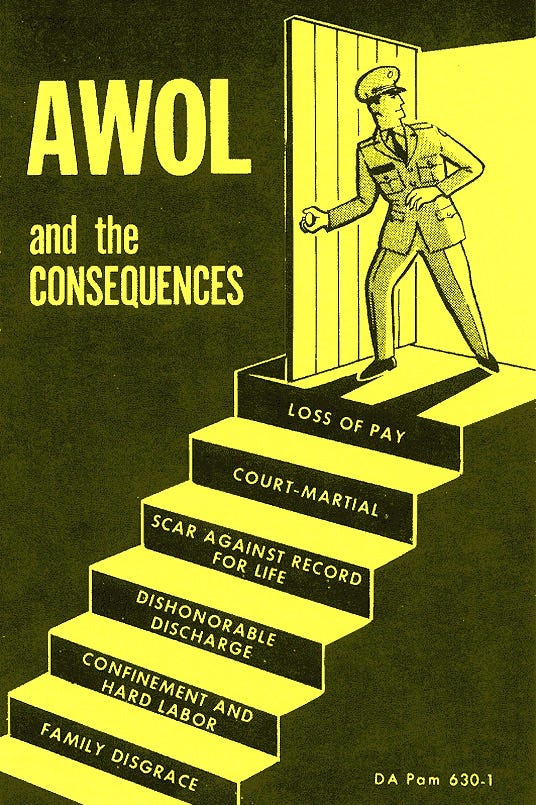
Then one morning I woke up and, for the first time, didn’t have to fight Zupan for the shower. I showered, shaved, dressed, and ate breakfast at the mess hall as usual. But when I got to the Quonset Hut at DPTSEC, there was still no sign of him. The day went on, and finally LTC Fuentes asked me if I had seen Major Zupan. Nothing that day. Nothing the next.
Major Zupan Goes AWOL
After several days of silence, I was told to put him on official leave, which I did. Days kept passing, and then finally the phone rang. It was Zupan on the other end of the line, asking what was happening. I told him, “Sir, they’re looking for you.” “Who’s looking for me?” he asked. “The MPs, sir,” I said. He asked if I could put him on leave, and I replied, “I did, sir, but LTC Fuentes says you’re out of leave. You need to come back to post before the MPs go looking for you.”
Major Zupan Gets Article-15
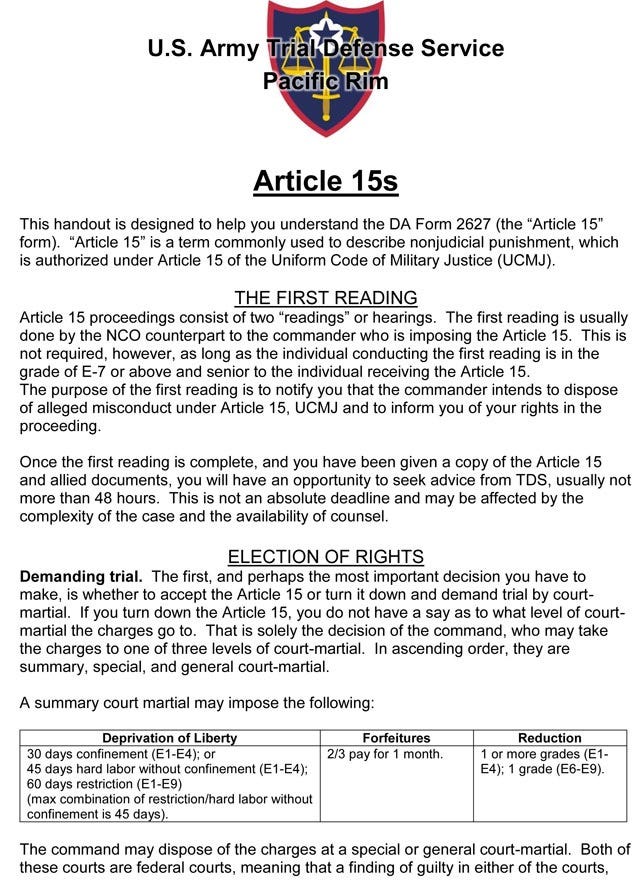
Zupan eventually returned and was fortunate to receive only an Article 15 non-judicial punishment rather than a court-martial — an outcome owed in large part to his decorated record and combat history. But the whole episode was just another preview of what life at this strange, chaotic place called Fort Irwin would be like.
Looking back, I realize that Major Zupan embodied a generation of soldiers who had given everything in Vietnam and returned broken, bearing invisible wounds that no one knew how to treat. Sharing a bathroom with him wasn’t just inconvenient — it was my first up-close lesson in the hidden cost of war and the heavy toll it could take on even the bravest among us.
Fort Irwin Has Little to Offer Off-Duty
I made it to my first Saturday at Fort Irwin and decided to explore the post and see what it had to offer. I quickly learned the answer: not much. The post exchange (PX) was tiny and only open two days a week. There was just one gas station — also open only two days a week. The post boasted a theater, an officers’ club, and an NCO/enlisted club.

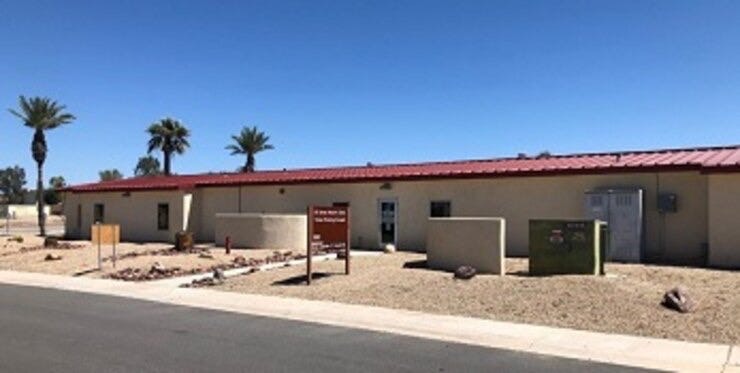
Weed Army Hospital stood ready to support both the permanent party and the rotating units. There was a swimming pool, a chapel, and a commissary with a small shoppette. Housing consisted of the BOQ, BEQ, and modest sections for married officer and enlisted families. Beyond that, there was a massive motor pool and an endless sea of sand.
Weed Army Community Hospital
Fort Irwin was blessed with a small but capable medical facility — Weed Army Community Hospital. One afternoon, I was escorting a dehydrated soldier there for treatment. As I was leaving the building, I nearly collided with a lieutenant colonel in an Army flight suit. His name tag caught my eye: beneath his name were a pair of distinctive wings, the letters “MD,” and the title Flight Surgeon.
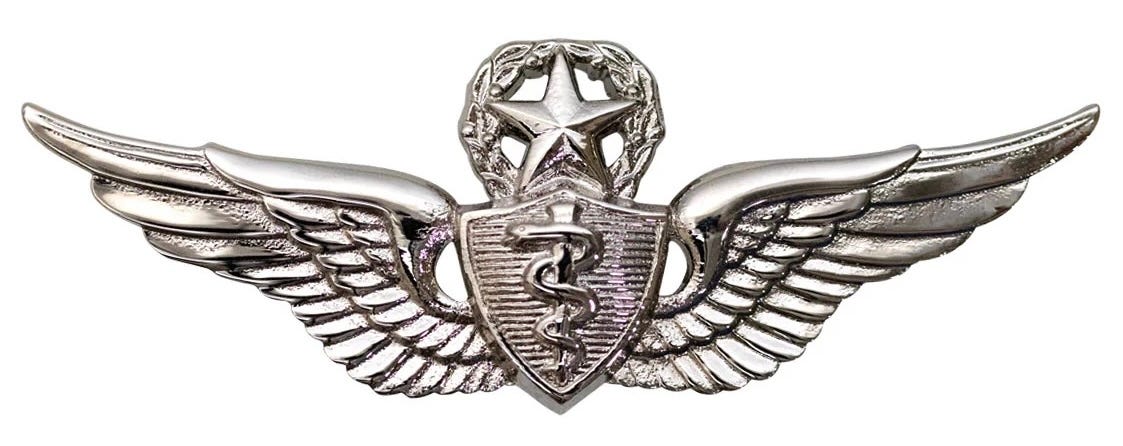
Curious, I asked what that meant. He introduced himself as Lieutenant Colonel David Lam, a physician specializing in aerospace medicine. He explained that his duties included flying with helicopter crews and caring for pilots and aircrew members on flight status. I was fascinated — I had never considered that a physician could be part of a flight team.
I remember blurting out, almost incredulous, “How can you fly if you wear glasses?” He smiled and explained that flight surgeons didn’t need perfect natural vision — only eyesight that could be corrected to 20/20.
Something shifted in me in that moment. That chance encounter planted a seed. I walked out of Weed Army Community Hospital that day, determined that someday I would become an Army flight surgeon myself. And a decade later, I did — serving at Fort Devens, Massachusetts, under the very same man I’d met by chance in the desert: Colonel David Lam.
My First Thanksgiving Alone
Thanksgiving Day 1981 came and I was excited to live out the traditions that I had grown up with. For years, I watched my father put on his Dress Blue uniform and take the family to the unit mess hall for Thanksgiving. It is a huge Army tradition. The mess hall would be decorated for Thanksgiving to include ice sculptures and carved butter, in addition to traditional roast turkey, stuffing, gravy and loads of pies.
I put on my dress blue uniform and went over to Leiutenant Hong to pick him up, and we walked over to the NTC Mess Hall, and there was nothing going on special at all. Everyone turned and looked at us in our Dress Blues like we were idiots. I was so embarrassed. We rushed over to the Officer’s Club to see if maybe that’s where Thanksgiving was being celebrated, but it was closed. I remember that Lieutenant Hong and I went back to the BOQ, removed our Dress Blues, and I drove us to Barstow and we ate our Thanksgiving meal at Denny’s.
Found Fort Irwin Very Boring
For a young lieutenant, there was very little to keep me entertained. The post was full of a couple thousand men and almost no single women. This was not the kind of first assignment I had pictured for myself when I dreamed of being an Army officer. Growing up in Germany, I had watched lieutenants living what looked like the good life — traveling across Europe, eating at restaurants, going to beer festivals and carnivals, dating beautiful German women, and joining in one military or civilian celebration after another. That was the picture I had in my mind of an officer’s life.
Post Chaplain and Chapel
What I did find, however, was the post chapel. I made friends with the post chaplain, a fellow Catholic, as well as his sacristan, the chaplain’s assistant. Just like I had done in college, I began attending daily Mass. It gave me some much-needed grounding and stability in a place that otherwise felt like the edge of nowhere.
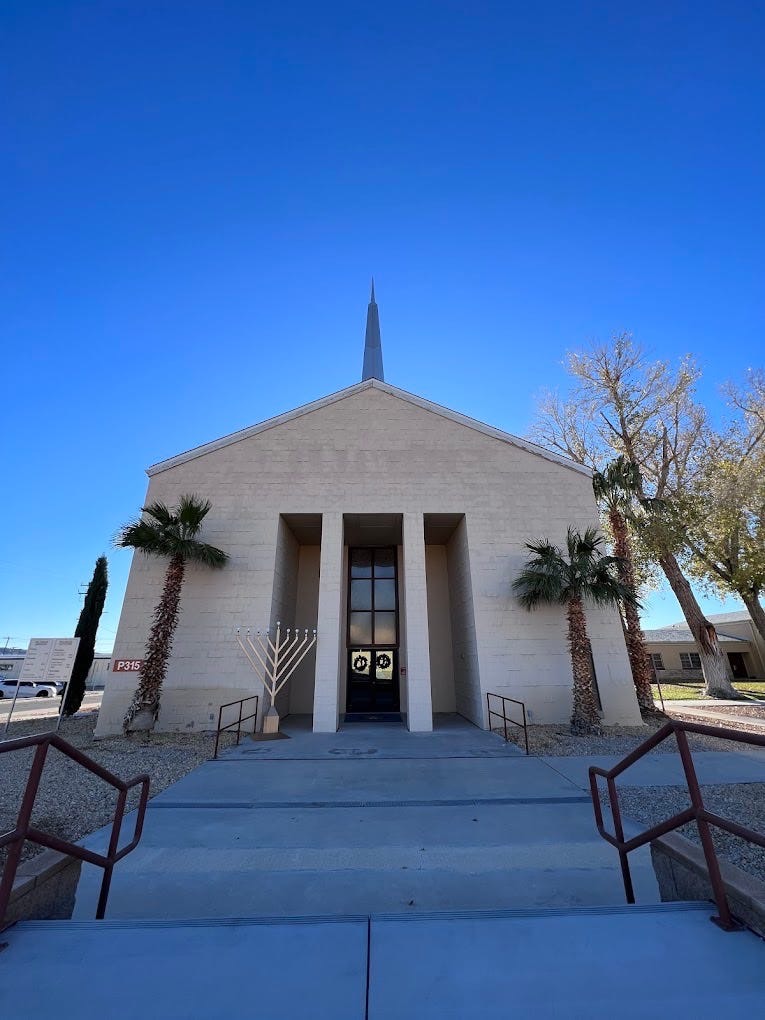
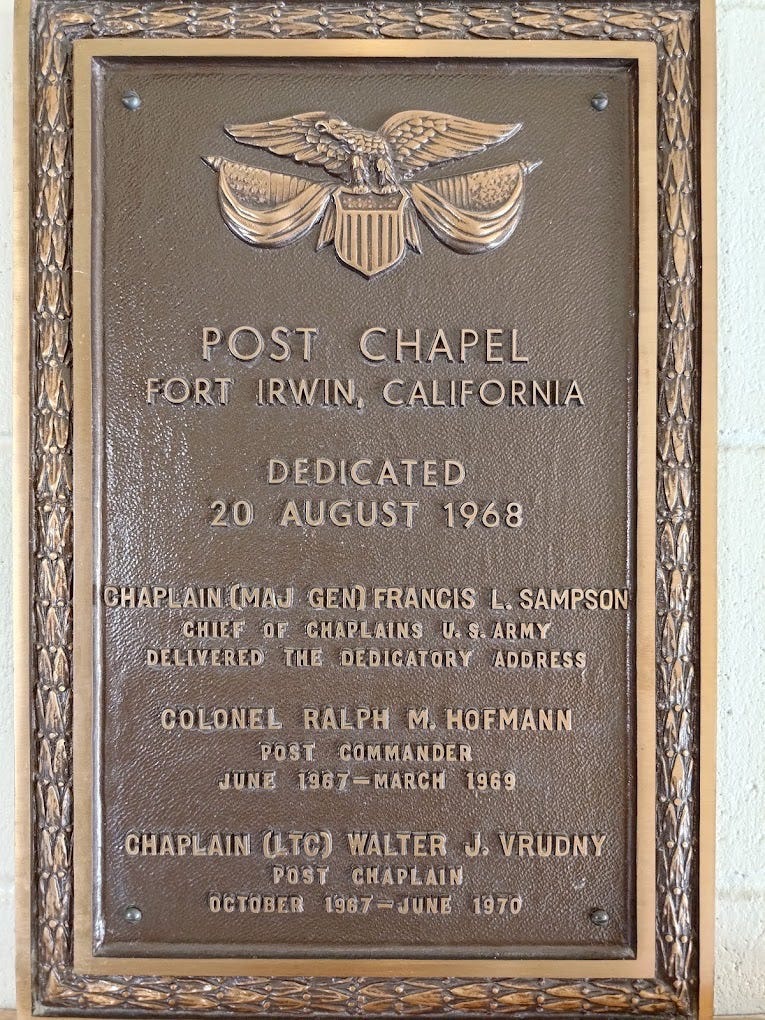
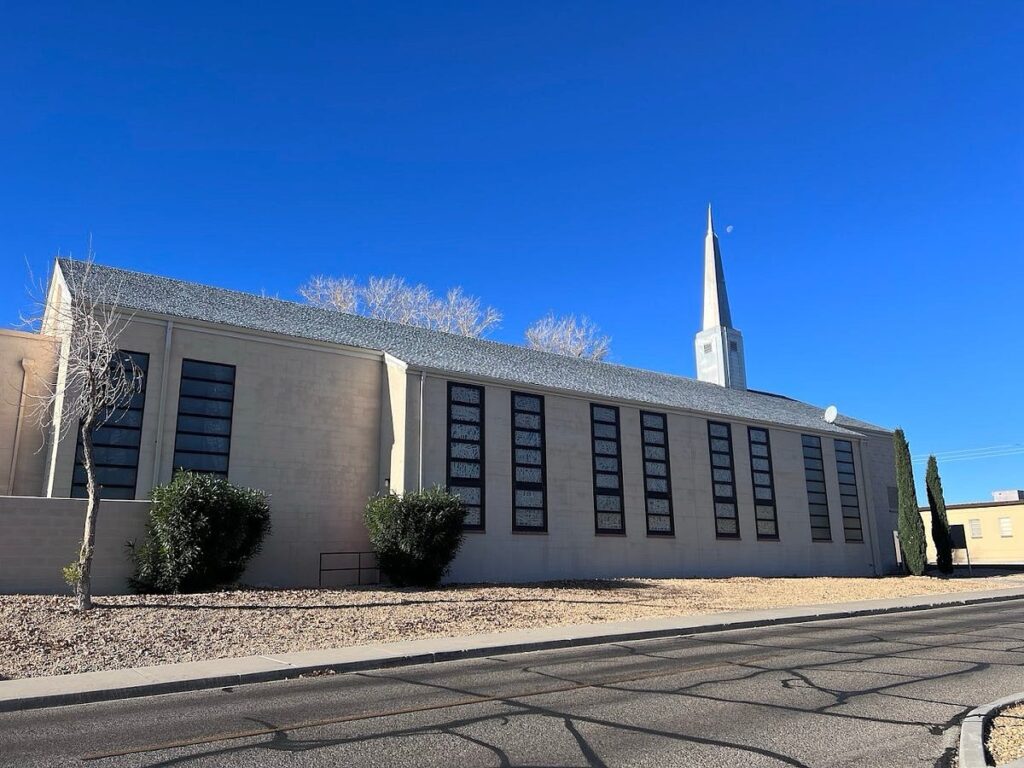
I was just getting settled into my new job, busy drafting new policies and regulations for Nuclear, Biological, and Chemical operations and training, when disaster struck.
Range Control Civilians Killed by Unexploded Ordnance
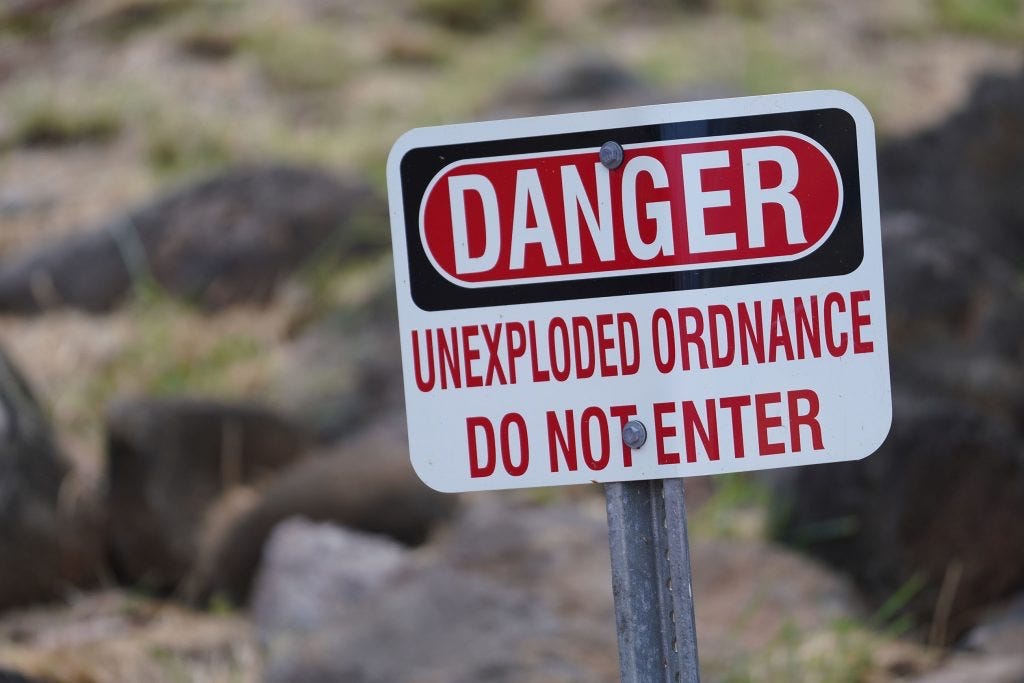
The Department of Defense civilians who worked in Range Control Operations under DPTSEC — men who shared that same beat-up Quonset Hut with me every day — were out in the field clearing a range. One of them moved an unexploded munition, most likely left over from World War II training days, and it detonated. Four of the men who worked alongside me were killed instantly.
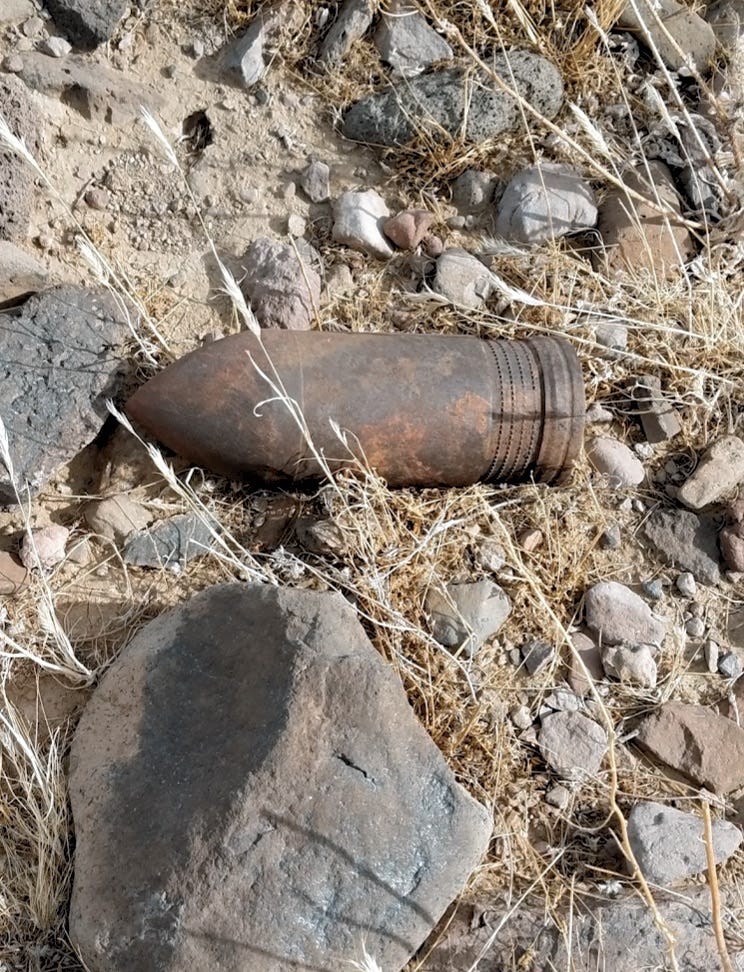
I had only been on the job a couple of weeks, and I struggled to comprehend the devastation. The suddenness of it. The loss of life. The realization that we were surrounded by hidden dangers, any one of which could claim us without warning. I was especially shaken when I learned the youngest of the Range Control gang had been among those lost — a young married man with a wife and two children at home. That hit me hard.
In those dark days, I found myself drawn even more to the chapel. My faith was the only way I could make sense of it all. I prayed for the men we lost, for their families, and for the strength to carry on in a place where danger seemed to lurk in the very ground beneath our feet. My Catholic faith had always been at the center of my life, but here in the desert, it became my anchor.
What struck me even more was how little the tragedy seemed to affect the hardened combat veterans I was surrounded by. For them, it was just another day of work at the National Training Center — another risk accepted as part of the job. That cold indifference was shocking to me as a young lieutenant. It showed me just how different life was going to be here at Fort Irwin.
Christmas Leave and Engagement in Boston
I had barely settled into my new life at Fort Irwin — still learning my way around the job as Installation Chemical Officer and adjusting to the desolate Mojave landscape — when it was suddenly time to fly across the country for Christmas leave. I was heading back to Boston, back to familiar streets and familiar faces, and most importantly, to see Mariann.
The details of that trip are hazy now, blurred by exhaustion and the mental fog I was already living in, but a few moments stand out clearly. I remember how proud I felt introducing Mariann to my extended family — many of them meeting her for the first time — and watching them welcome her with open arms. My Nana Pietrantoni hosted an engagement party at her house, where we celebrated with family, laughter, and a chocolate mousse cake. I can still remember thinking, with a strange mix of humor and superstition, that it was an ominous sign — chocolate mousse being my least favorite cake.
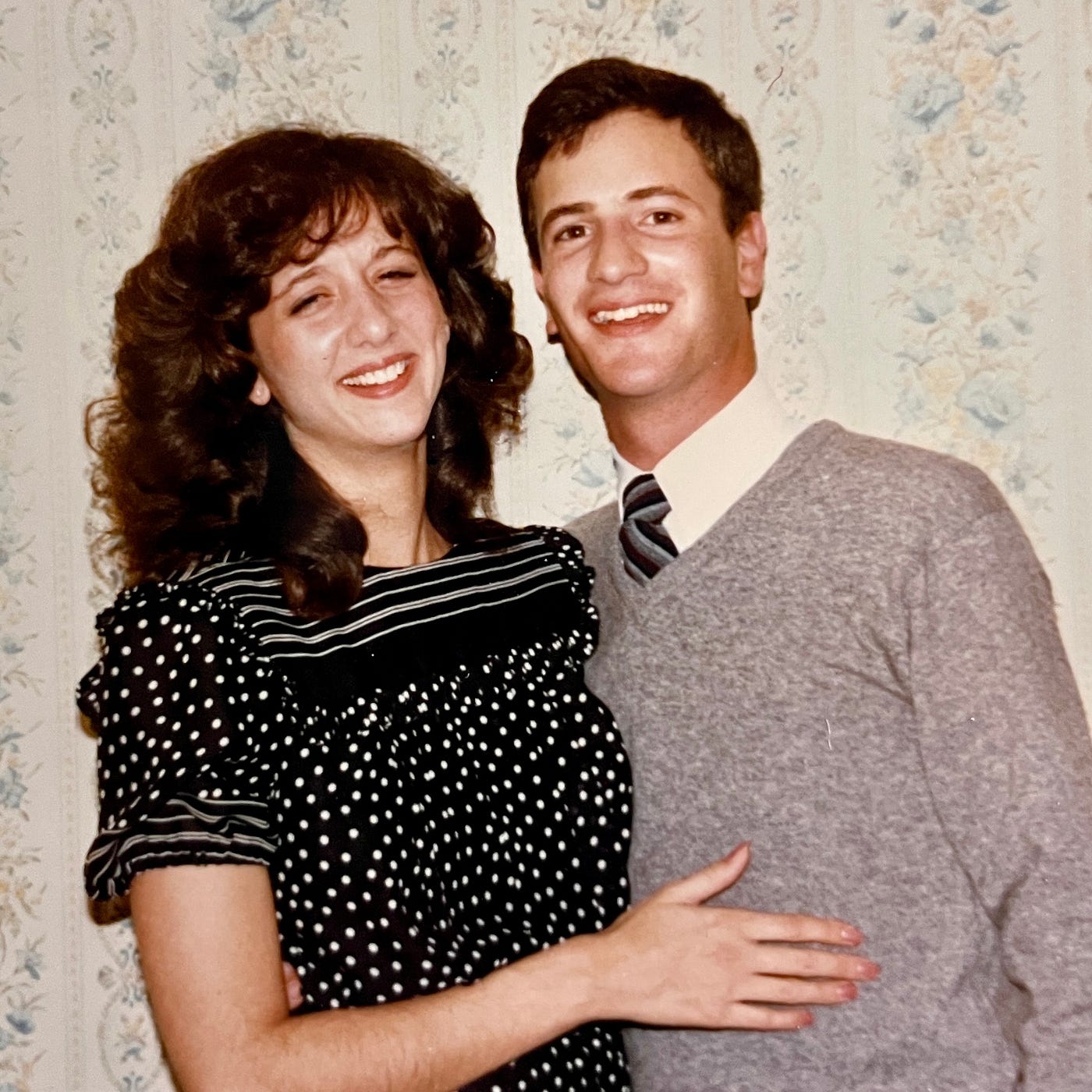
We exchanged engagement gifts and Christmas presents, and for a brief moment, I allowed myself to feel a sense of joy and normalcy. I took Mariann downtown to see the historical sites I loved and walked her through the spots that had shaped my life — including Harvard Square and the storied campus of Harvard College. And then, as quickly as it had begun, the visit was over. Mariann and I flew back to Chicago together, and I continued on alone to Fort Irwin — back to the desert, back to the isolation, and back to the difficult road that still lay ahead.
Air Florida 90 Disaster (13 January 1982)
Just a few weeks later, on Wednesday, January 13, 1982, I was in my BOQ room watching the news on my little portable black-and-white television when a special announcement came over the air. Air Florida Flight 90 had just taken off from National Airport in Washington, D.C., headed for Tampa, Florida, when it suffered a major malfunction due to severe icing. The aircraft struck the 14th Street Bridge and plunged into the icy Potomac River, killing seventy-four passengers and crew, along with four more people in their cars on the bridge.
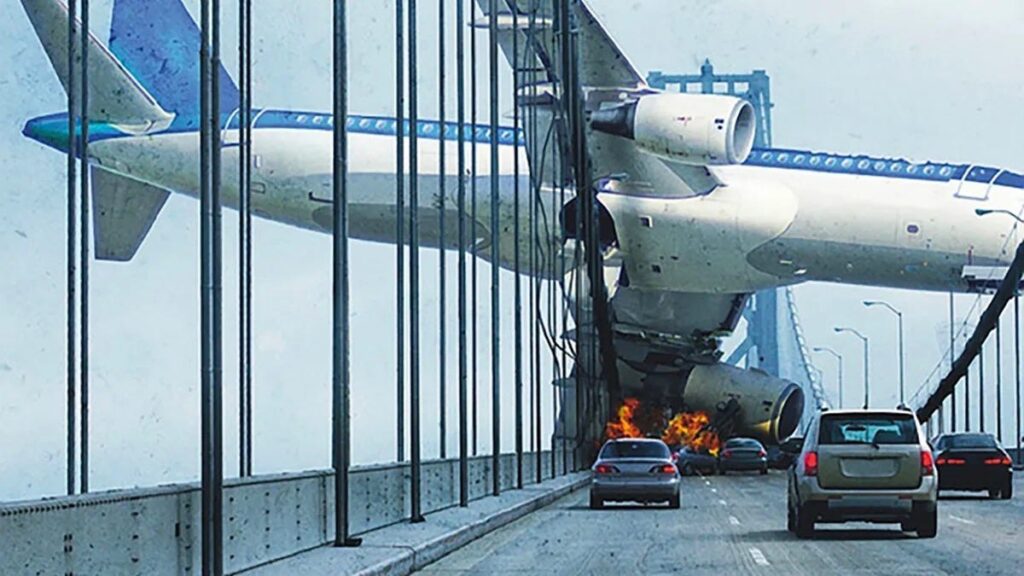
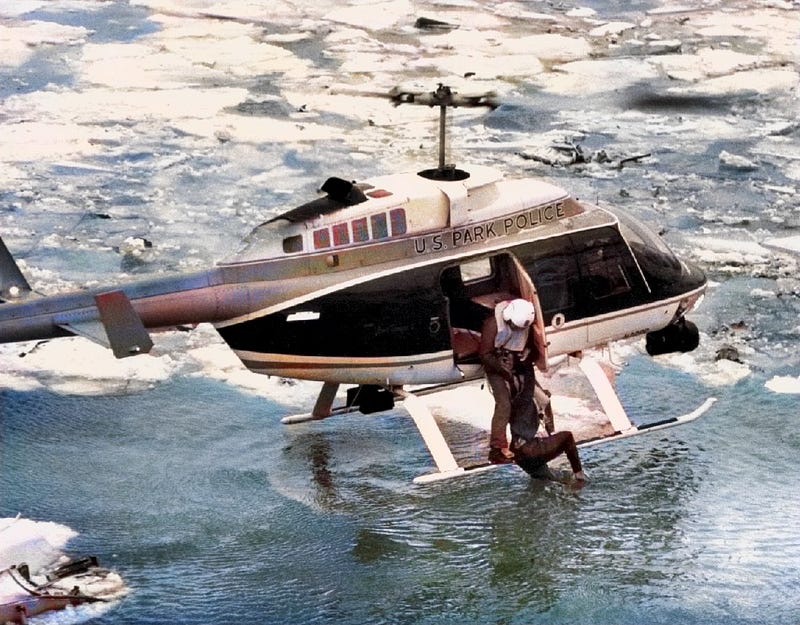
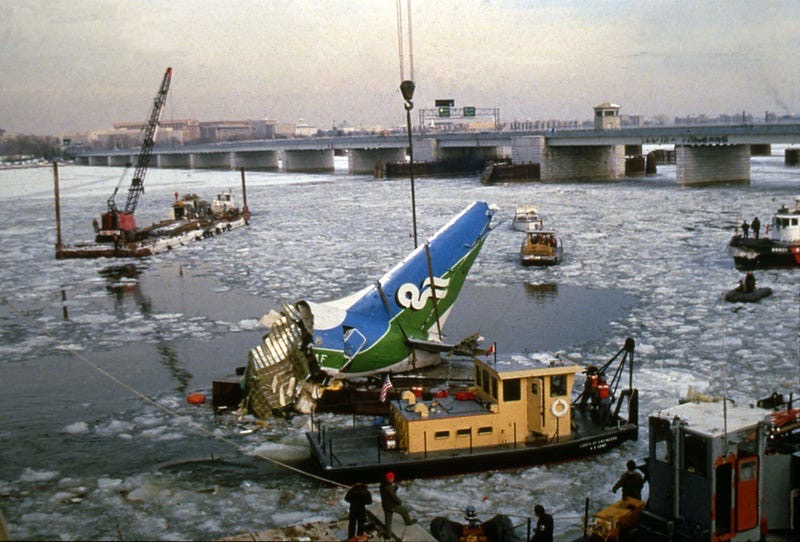
My uncle, Joe Carluccio — who we often visited during our years living in the D.C. area — was among the 74 souls killed in the crash. The news tore me apart. It was another shock in a string of tragedies, and it left me reeling. That disaster added to my growing obsession with safety, especially aviation safety, but also safety in general. Between the deaths on post and the sudden loss of my uncle, I became acutely aware of how fragile life really was — and how quickly it could be taken away. In those days, I found myself praying more than ever and having deeper conversations with the post chaplain, trying to make sense of the loss and strengthen my faith.
Quiet Off-Duty Life at Fort Irwin
While I was assigned to Headquarters and living in the BOQ, life was quiet — too quiet. It was a lonely time. I rarely interacted with Major Fuentes, and though I occasionally visited Colonel Billy Piper in his quarters, I wasn’t finding much camaraderie. Most of the other lieutenants were assigned to the Opposing Forces (OPFOR) and spent nearly thirty days a month out in the field. I did get to know a Second Lieutenant Hong, a Vietnamese-American quartermaster officer, a bit of a bookworm who was also living in the BOQ.
Death of Friend, Private Kenneth Cartie
Just a couple of months after settling into my new assignment at Fort Irwin, tragedy struck close to home. Private Kenneth Cartie, an Army brat I had first met years earlier during my family’s travels, was serving with the 6th Battalion, 31st Infantry (OPFOR). He had asked me to stand as his best man in his upcoming wedding, a request I accepted with honor. But on March 21, 1982, while his unit was parking M551 VISMODs — Sheridan tanks disguised as Soviet armor — a young, inexperienced driver gunned the accelerator at the wrong moment.
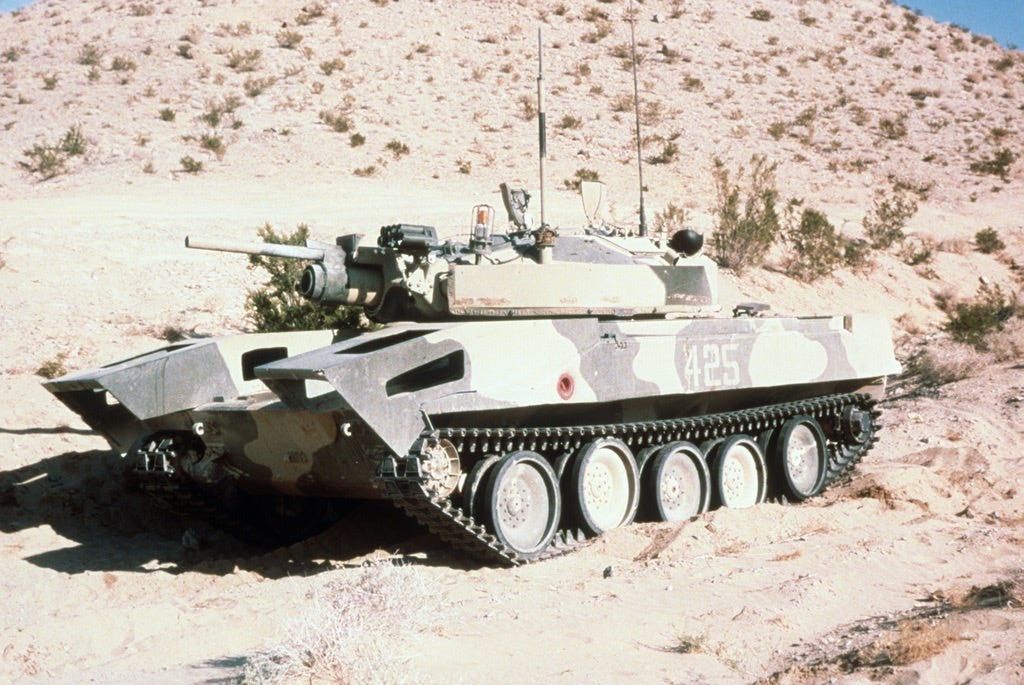
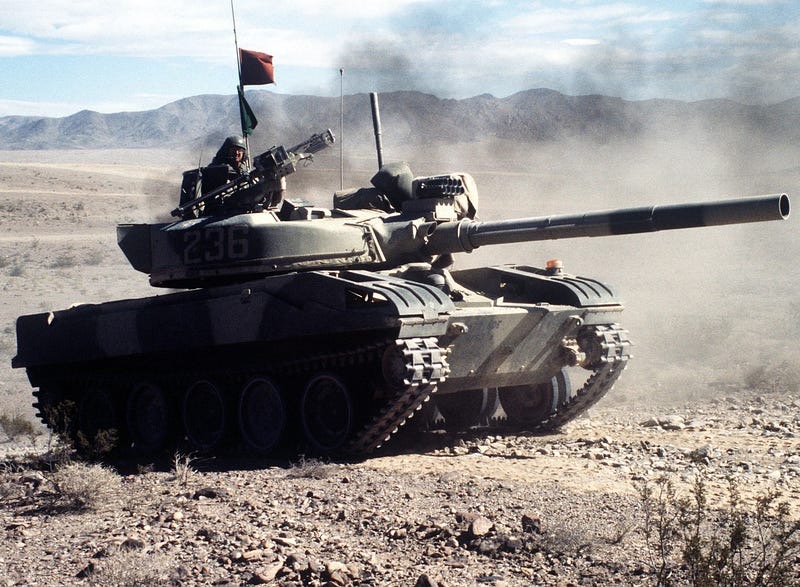
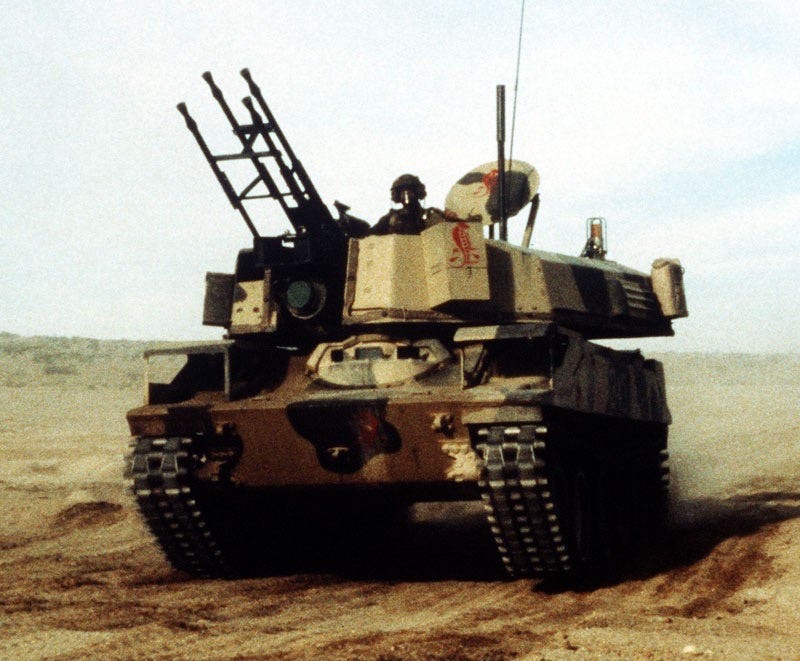
In an instant, Private Cartie was crushed between two tanks, cut in halfbefore the eyes of his comrades. It was gruesome, and it was devastating. I still carry the nightmares of that day. My father had always warned me as a boy to stay wary of tanks and tracked vehicles — they were dangerous, unpredictable beasts. Seeing Kenneth’s life end that way burned that warning forever into my mind.
The loss shook me to my core. I turned again to the post chaplain, seeking comfort in Scripture, talking through my questions about death, and holding fast to daily Mass. Prayer became my anchor. Without it, I don’t know how I could have stood upright.
But as if one tragedy weren’t enough, just a week later, disaster struck again — this time on a scale that dwarfed everything I had seen before.
Gallant Eagle-82 Disaster
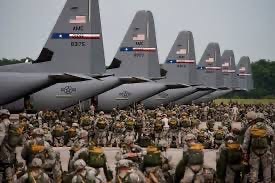
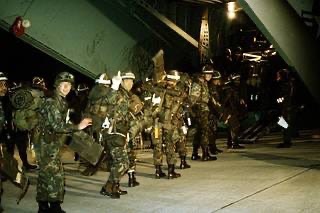
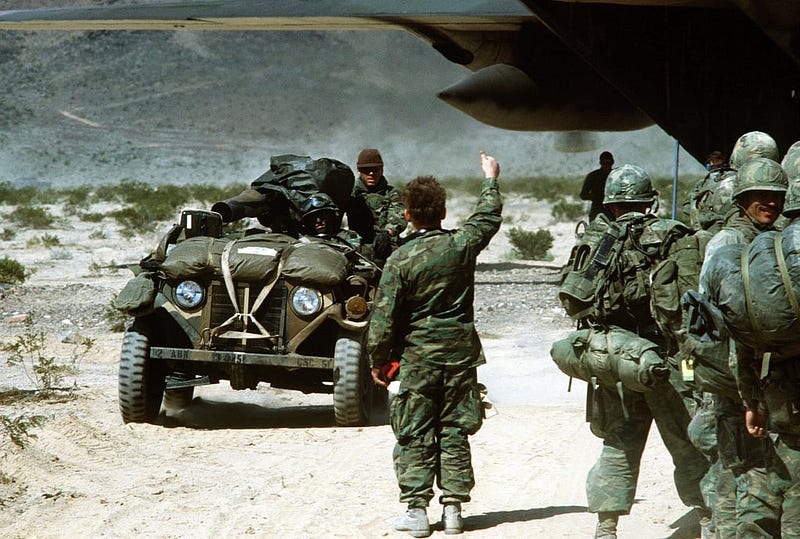
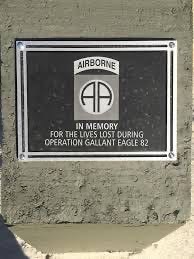
On March 30, 1982, I joined my commander, Colonel Billy Piper, on a desert ridgeline to observe Gallant Eagle-82, the largest peacetime airborne exercise in U.S. Army history. Nearly 3,000 paratroopers from the 82nd Airborne Division were jumping into the Mojave, ferried by 90 Air Force cargo planes. Through my Army field glasses, I watched the sky fill with parachutes — green canopies blossoming like flowers across the dawn. But the beauty turned to horror in an instant.
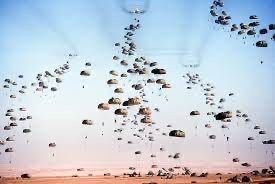
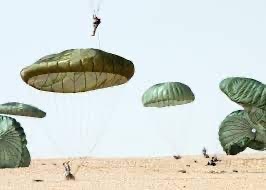
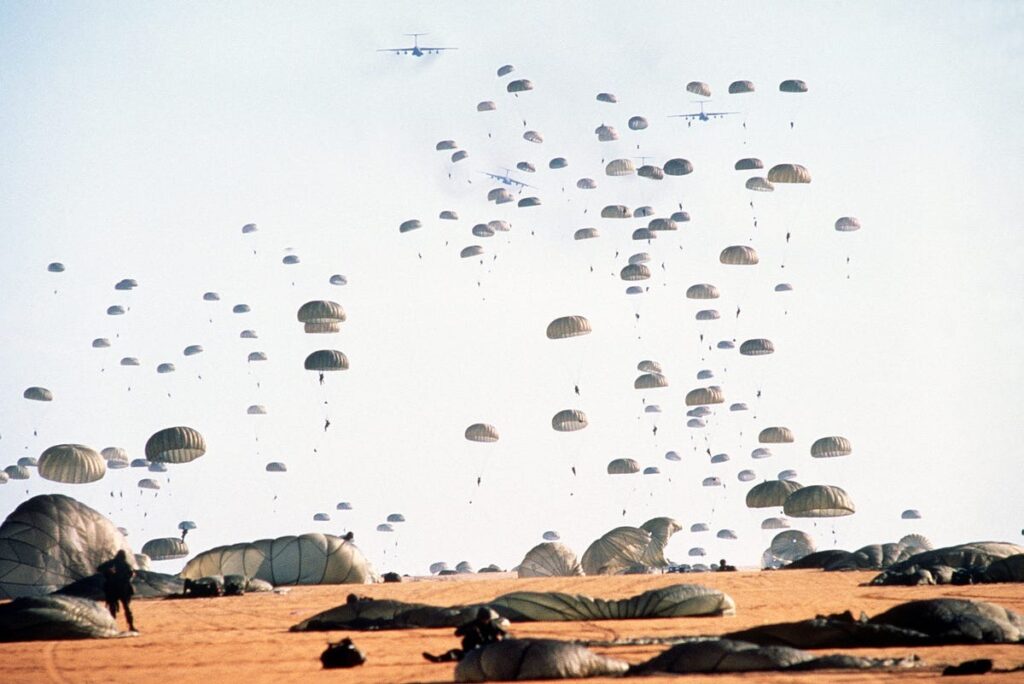
High winds whipped down from the mountains, twisting parachutes into deadly cigar-shaped “streamers.” I saw men pulling frantically at their white reserve chutes, some too low for them to open. One trooper slammed into a parked vehicle. Others hit the desert floor at full force, their bodies crumpling on impact. Some were dragged helplessly across the jagged terrain, gear tearing, helmets flying, limbs snapping. I will never forget the sound of bodies striking earth with a gruesome “thump”. From my perch on the OP, I was helpless but to watch it unfold.
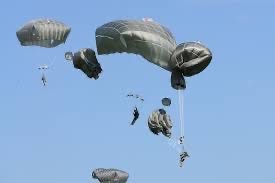
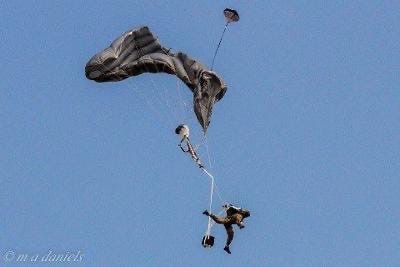
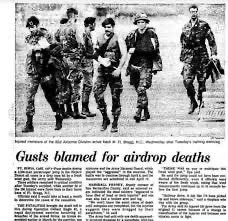
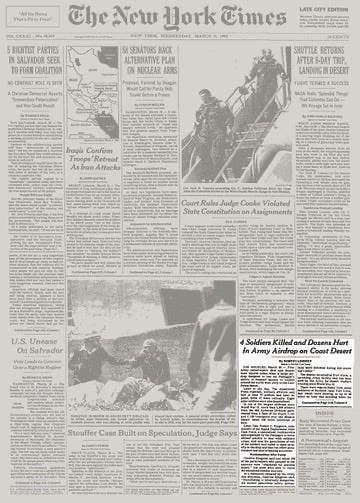
When the chaos subsided, four paratroopers were dead and over a hundred were wounded — twenty critically. Medics and helicopters swarmed in, but the damage was done.
The base mourned briefly, but then the exercise marched on. For most, it was “just another day” in training. But for me, the twin blows of losing Kenneth and then watching men fall to their deaths within a week of each other was almost unbearable. If not for the steady wisdom of Colonel Piper and the counsel of the post chaplain, I believe I would have been medically boarded out then and there.
Worsening PTSD
Gallant Eagle-82 was more than an exercise — it was a sentinel event in my life. Together with Private Cartie’s death, it became a defining trauma of my Fort Irwin assignment, one of the core experiences that planted the seeds of my PTSD.
I don’t remember ever sharing these stories with my father, or with anyone in my family, because I was ashamed of how shaken I was. I thought an Army officer was supposed to be ready for real combat, not rattled by training deaths. So I kept it all bottled inside. My family never knew the nightmares, the images burned into my memory, the constant sense that death was always a step away. They just knew that I had gone off to Fort Irwin a cheerful, optimistic Second Lieutenant — and returned a hardened, battle-scarred First Lieutenant without ever firing a shot in war.
The only place I allowed myself to open up was with the post chaplain. My Catholic faith had always been the center of my life, and in those dark months it became my anchor. Daily Mass, quiet prayer in the chapel, and long talks with the chaplain about death, grief, and the Bible were the only release I had. My faith kept me steady when I otherwise might have broken completely.
Nearly Died on Fort Irwin Road
As if everything else hadn’t been enough, the next blow comes on that goddamn stretch of asphalt we all call Fort Irwin Road — thirty-seven miles of winding, unforgiving desert highway between post and Barstow. In 1982, it’s just two narrow lanes with no shoulder, a death trap we all treat like a racetrack. Nobody drives it under sixty.

I’m dead tired, running on fumes after another brutal field rotation, and the steady hum of the road is hypnotic. My head keeps dipping — bobbing down, snapping up — and then one time, it doesn’t snap up fast enough.
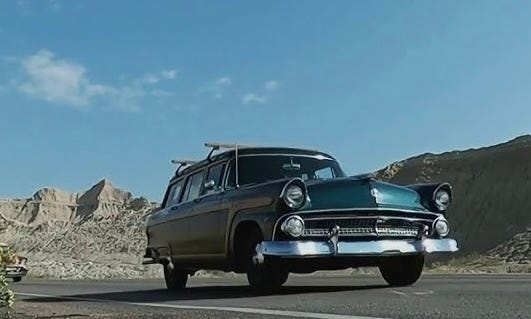
The front right tire drifts off into sand. I feel the wheel jerk, the sudden, sickening loss of control. My car veers left across the oncoming lane. In that split second, I see a station wagon coming at me — a mother behind the wheel, three kids standing on the front seat like it’s a playground. I can still see her face — mouth open in a scream, hands lifted off the wheel in terror — and those kids’ wide eyes staring straight into mine.
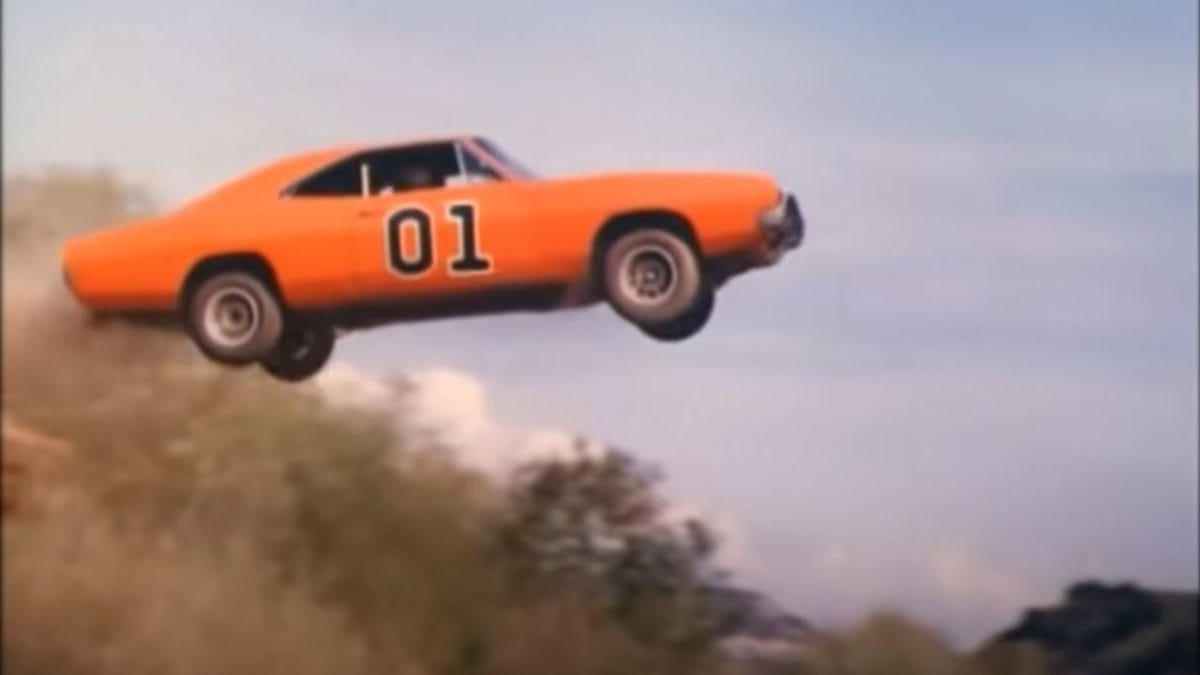
The car keeps sliding left, out of control, until the tires bite into a sand berm. Then I’m airborne. For a moment, it’s like a scene out of The Dukes of Hazzard— time slowing, my stomach floating — but this isn’t TV. The nose of the car slams into the desert, and then I’m flipping, end over end, until everything stops. Quiet.
Traumatic Brain Injury
When I come to, I’m upside down. My head’s pounding — probably knocked out cold for a while — and the roof is crushed down toward me. The only thing that saves me is the bucket seat snapping back flat. Every window is blown out, shards of jagged glass everywhere. When I fumble for the seatbelt, they slice into my hands and arms. I’m bleeding, and there’s warm fluid dripping onto me. For a terrifying second, I think it’s my blood.
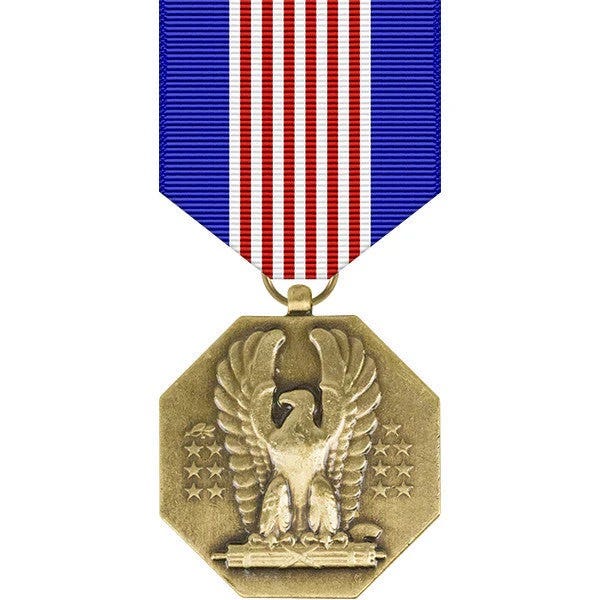
I crawl out through the blown-out driver’s side window and drag myself across the sand. The car’s smoking, so I keep low, belly to the ground, crawling toward the road. Dozens of soldiers are standing there, just watching. Not one of them moves. Not one. Rage boils up — white-hot and blinding. I scream at them, call them cowards, tell them they don’t deserve the damn uniform. I remember saying “No Soldiers Medals for you!” (the award for bravery saving a life in peacetime.) They scatter before I can read a single name tag.
Car is Totalled and Towed Away
I lie there on the roadside, alone, bleeding, and furious. The woman I almost killed offers to call a tow truck. No one offers me a ride. No one asks if I’m okay. The tow truck driver eventually shows up, hauls my wrecked Sapporo away, and dumps me in Barstow like a burden. I find a pay phone and call Lieutenant Hong to come get me.
When I call my boss, he doesn’t ask a single question. Just tells me to “shake it off” and be at work by 0500. “Yes, sir!” No sick call. No hospital. No nothing. That night, I ask Hong to sleep in my room. My head hurts so bad I’m not sure I’ll wake up. I even give him Mariann’s number — just in case I don’t.
That night changed something in me. The crash, the blood, the way everyone just stood there — it all carved a deeper scar into the person I was becoming. I stopped expecting anyone to save me. I stopped believing the Army would take care of its own. From that point on, I trusted no one but myself. And just as my faith in everything else was crumbling, the one steady thing left in my life — Mariann — was waiting on the other end of the phone, planning a future I wasn’t sure I deserved.
The Holy Sacrament of Matrimony
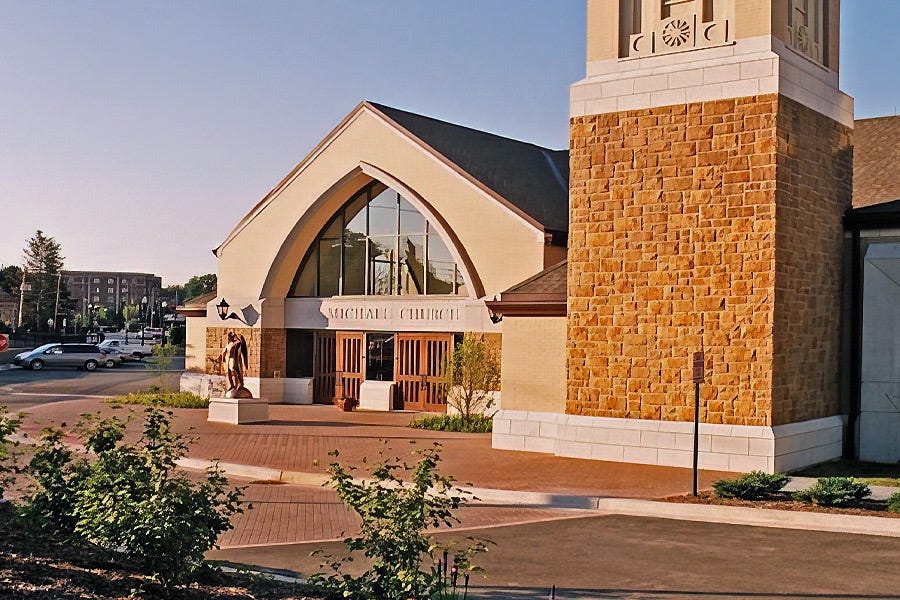
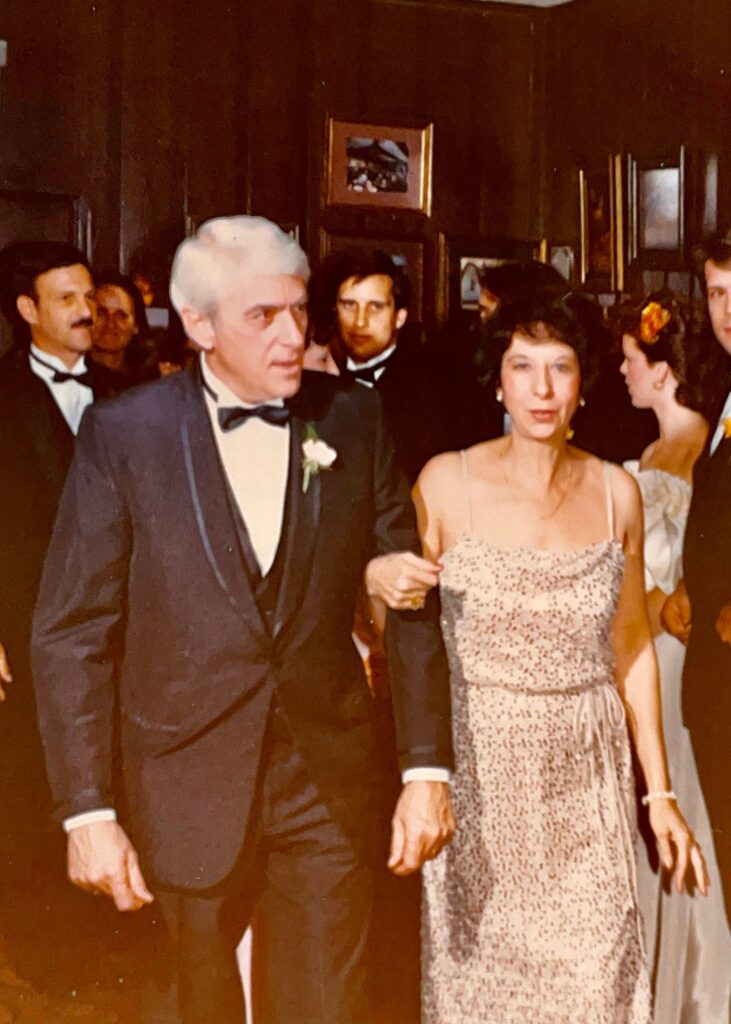
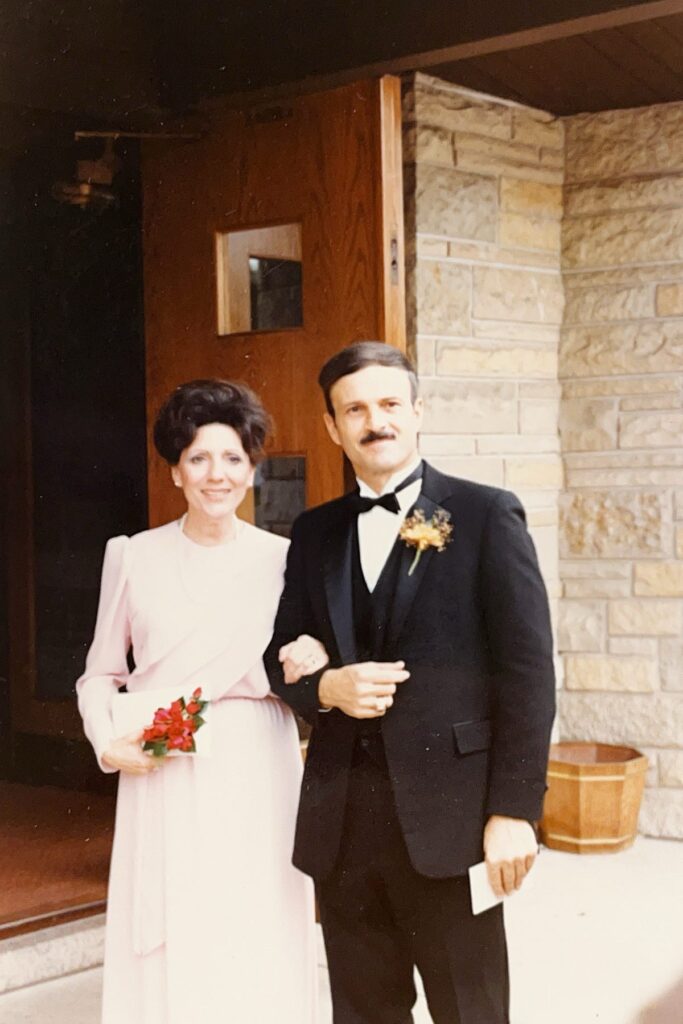
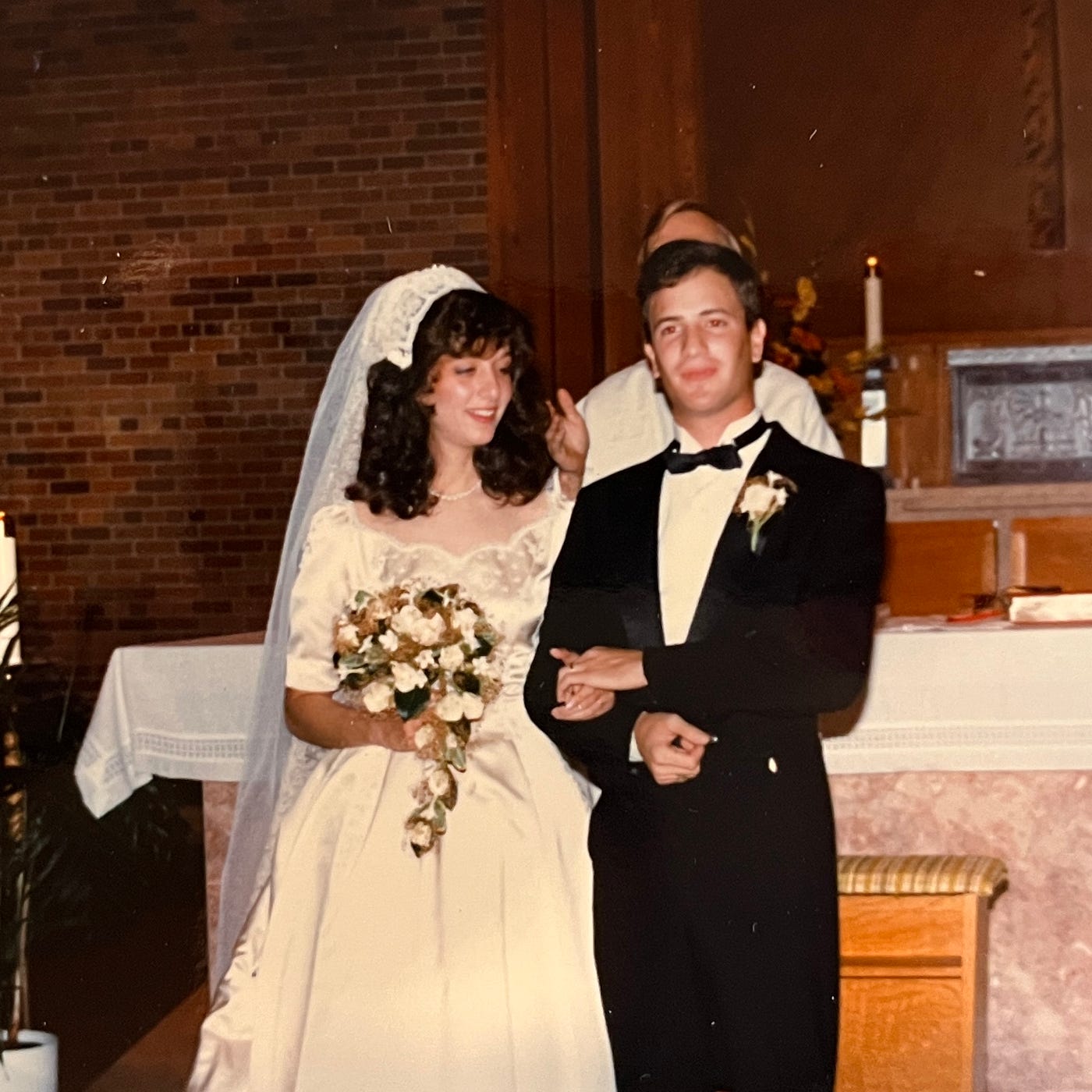
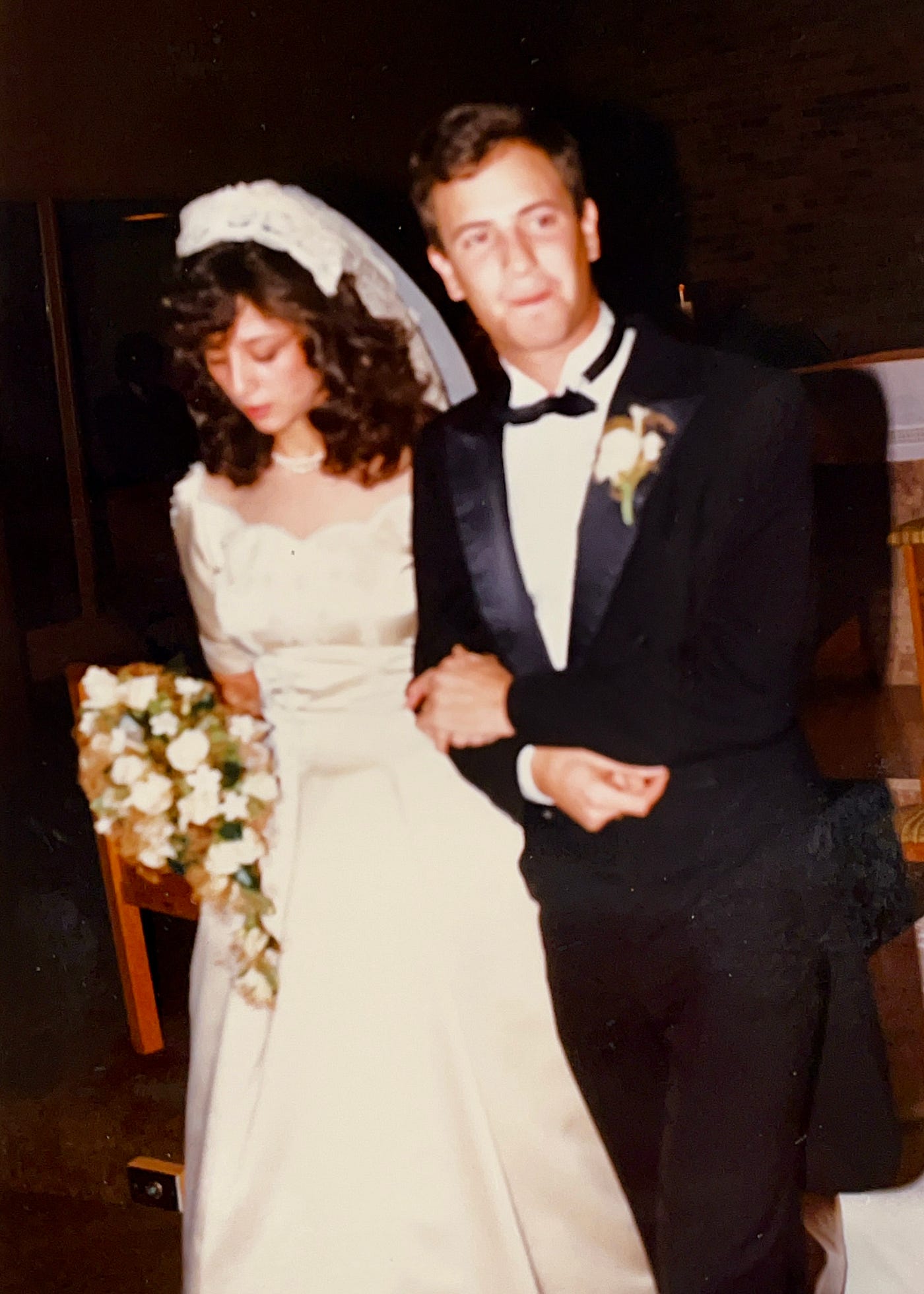
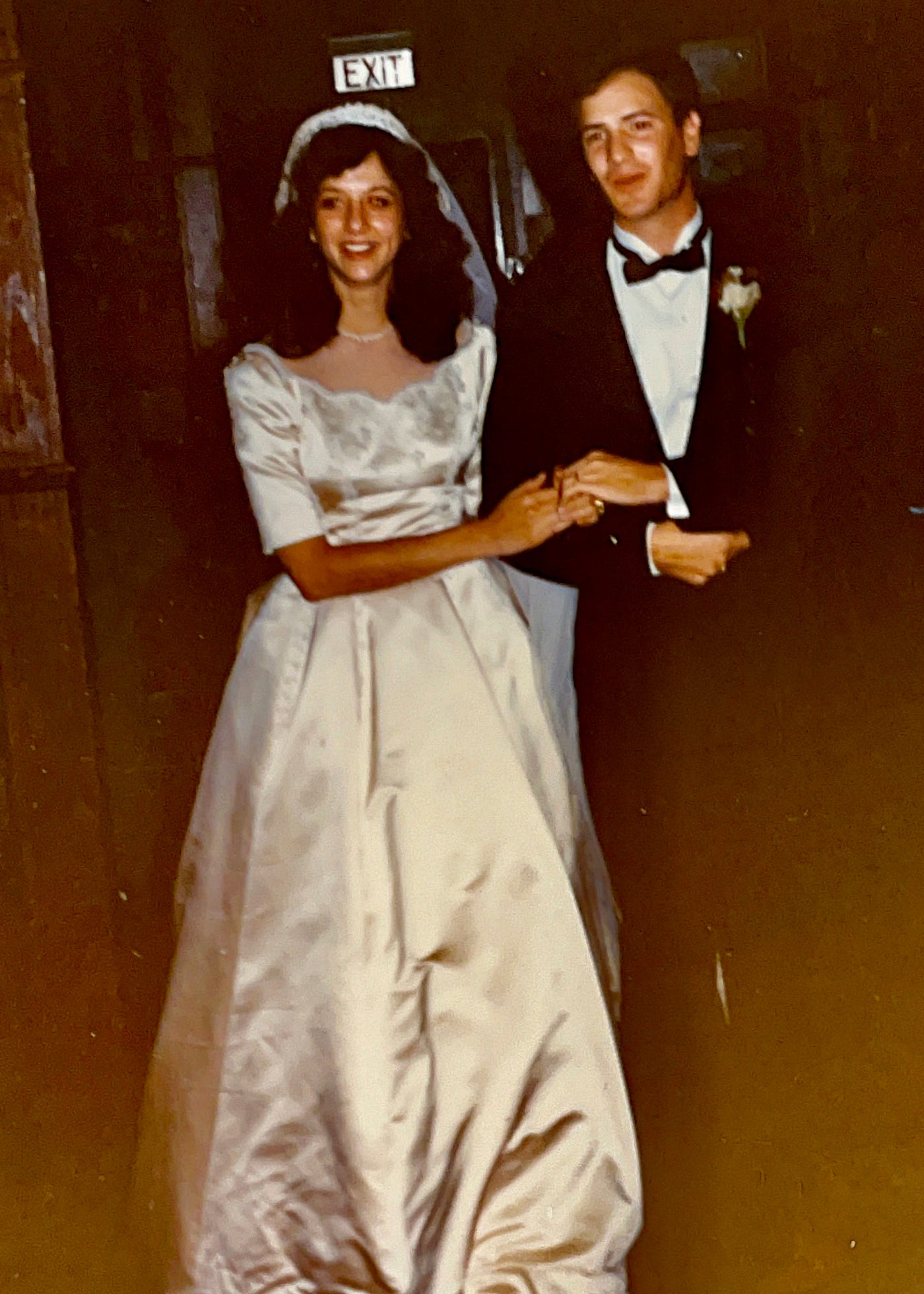
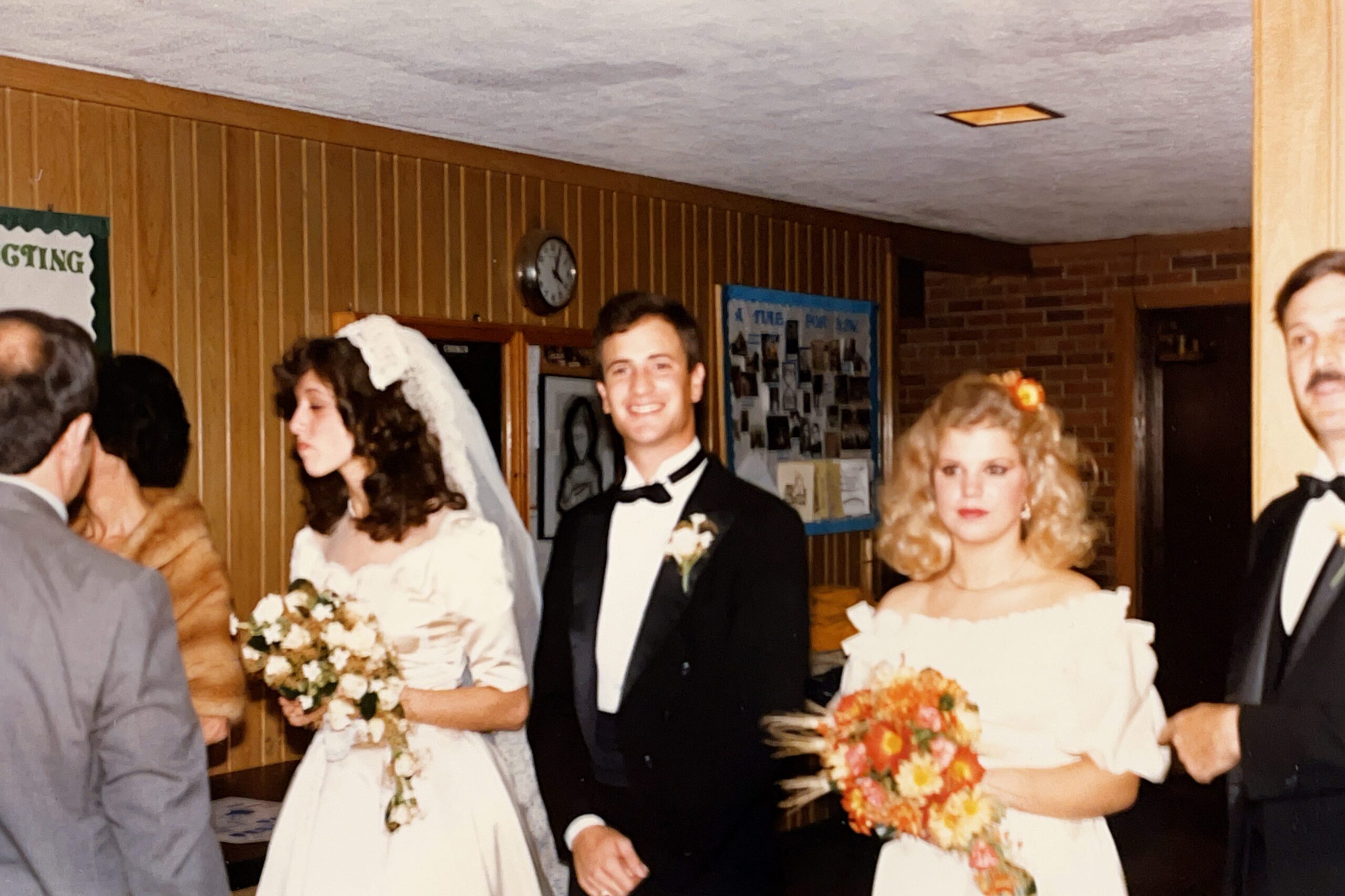
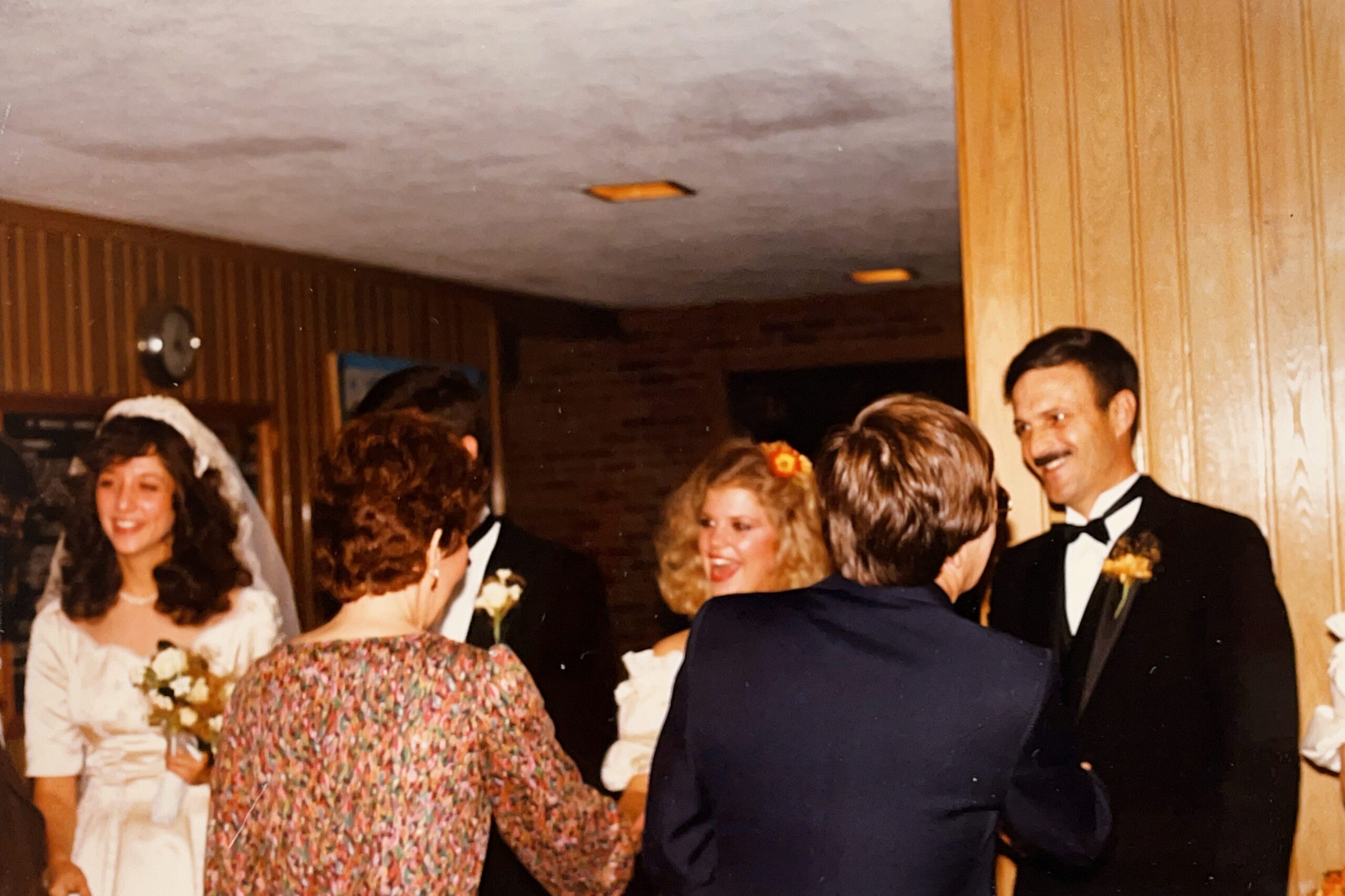
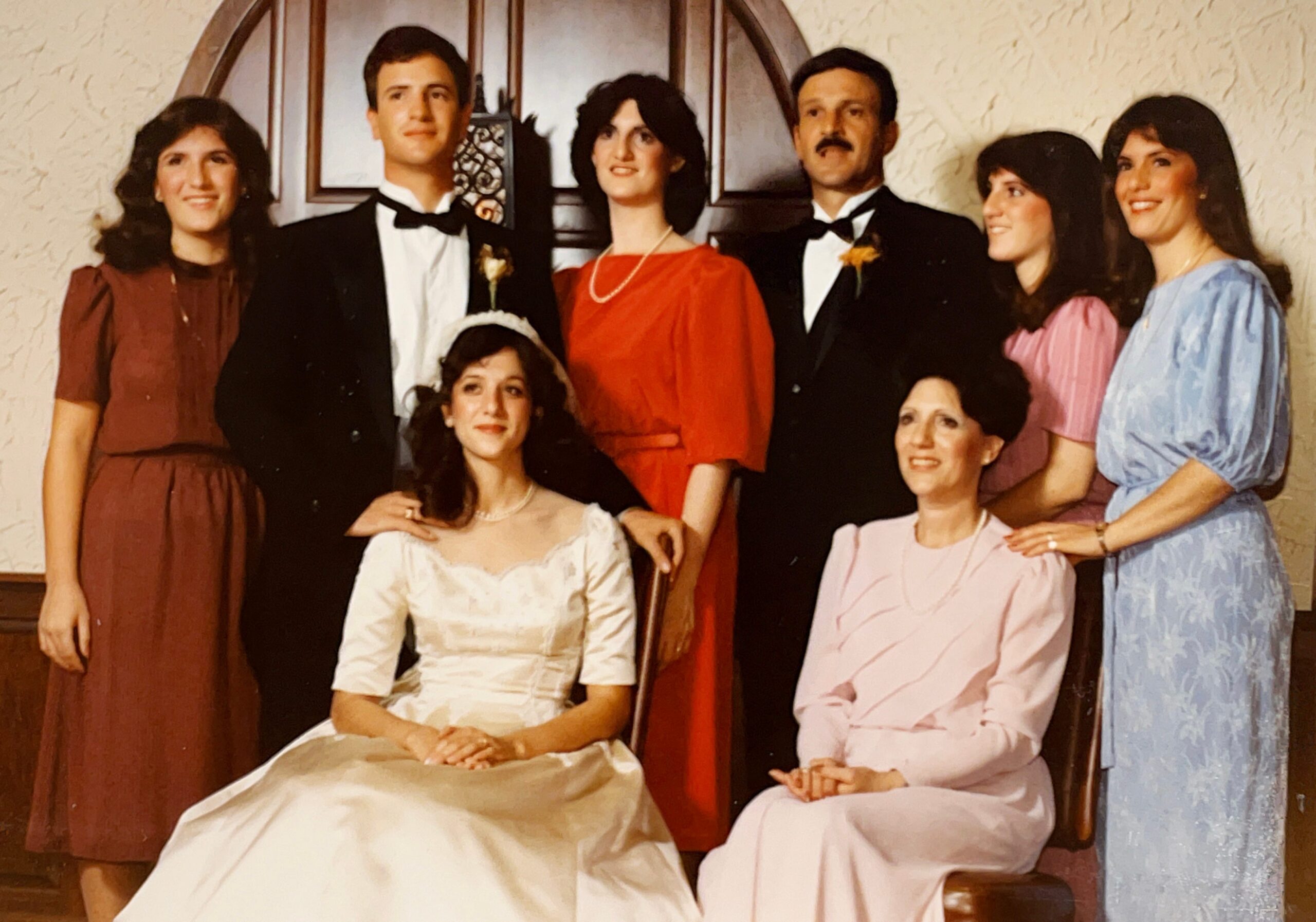
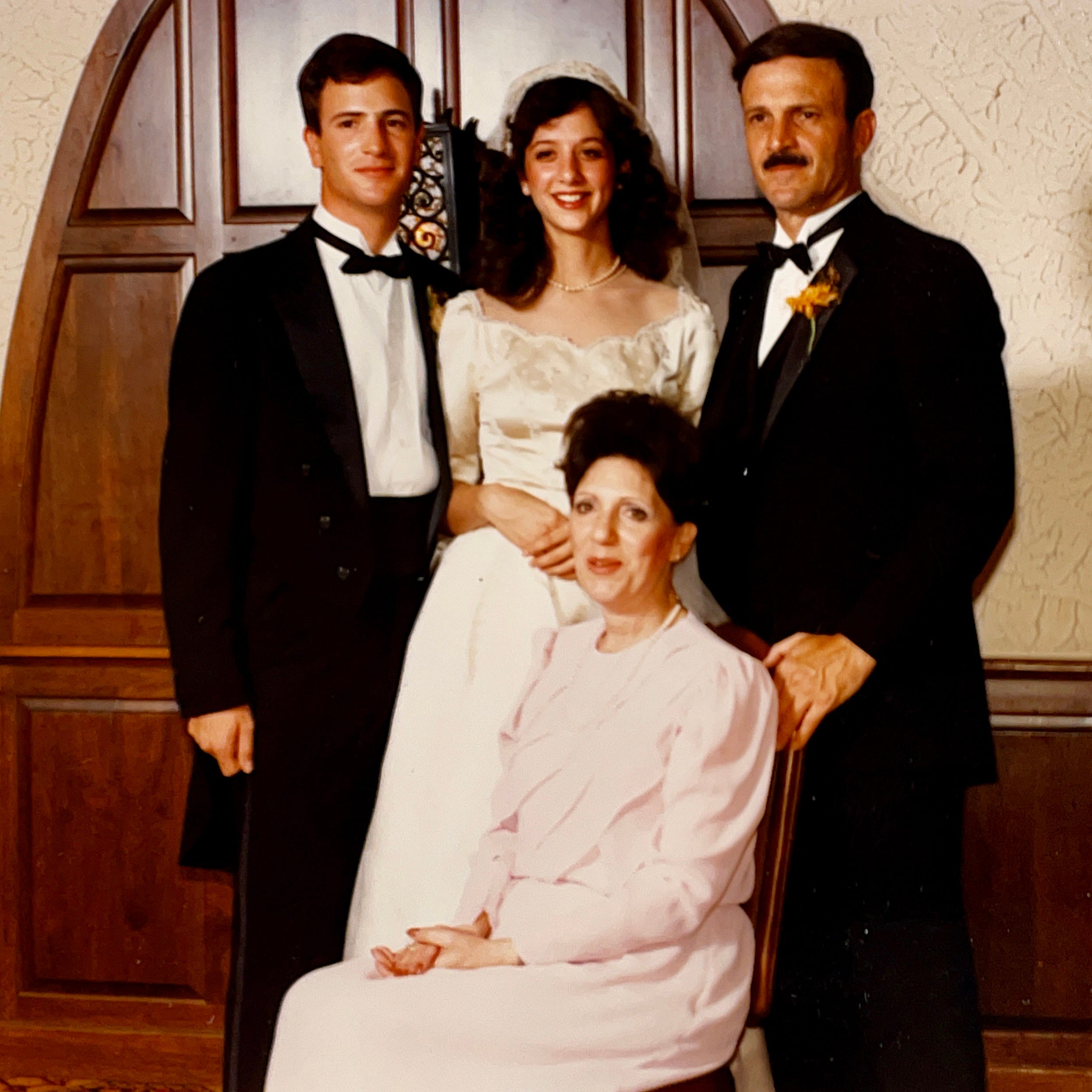
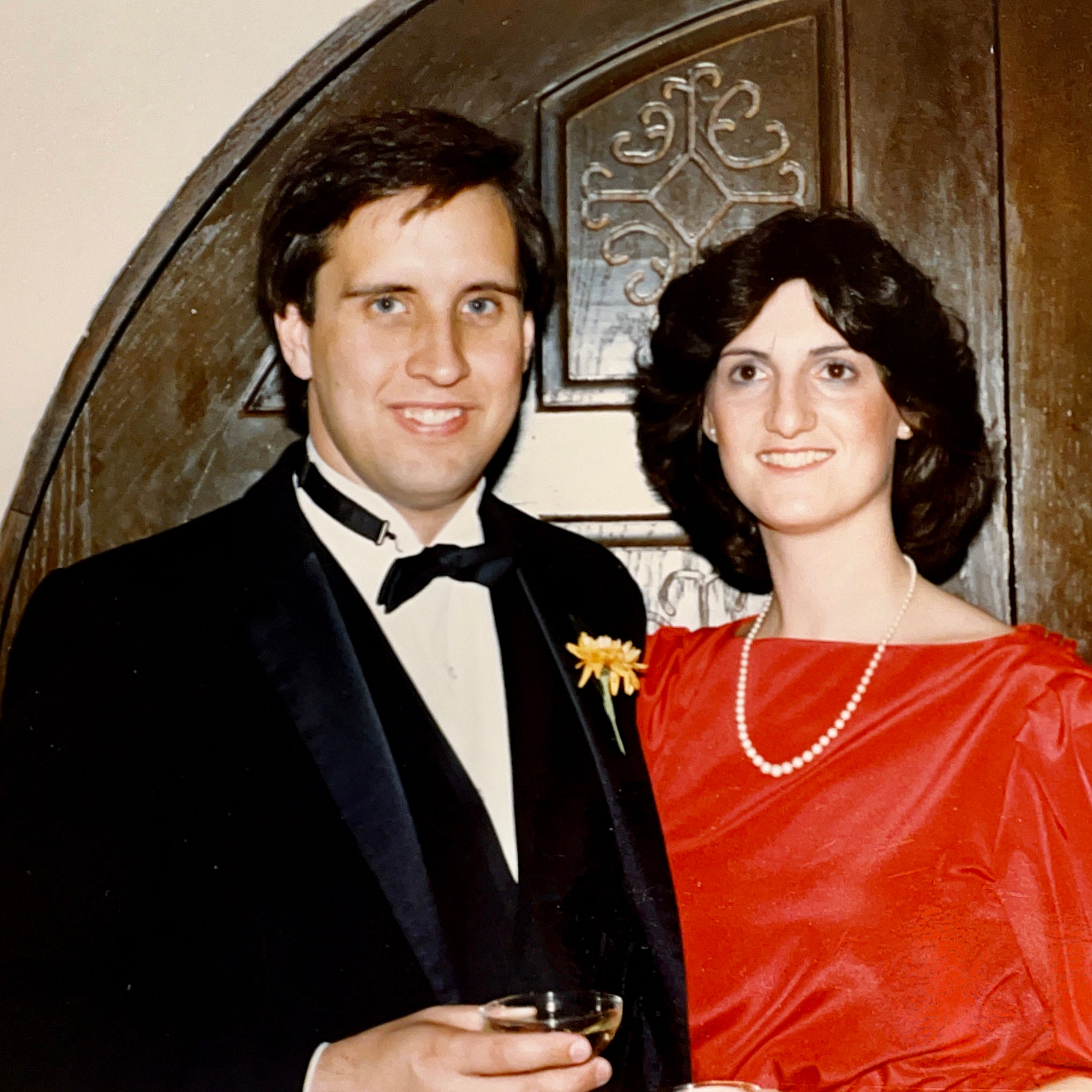
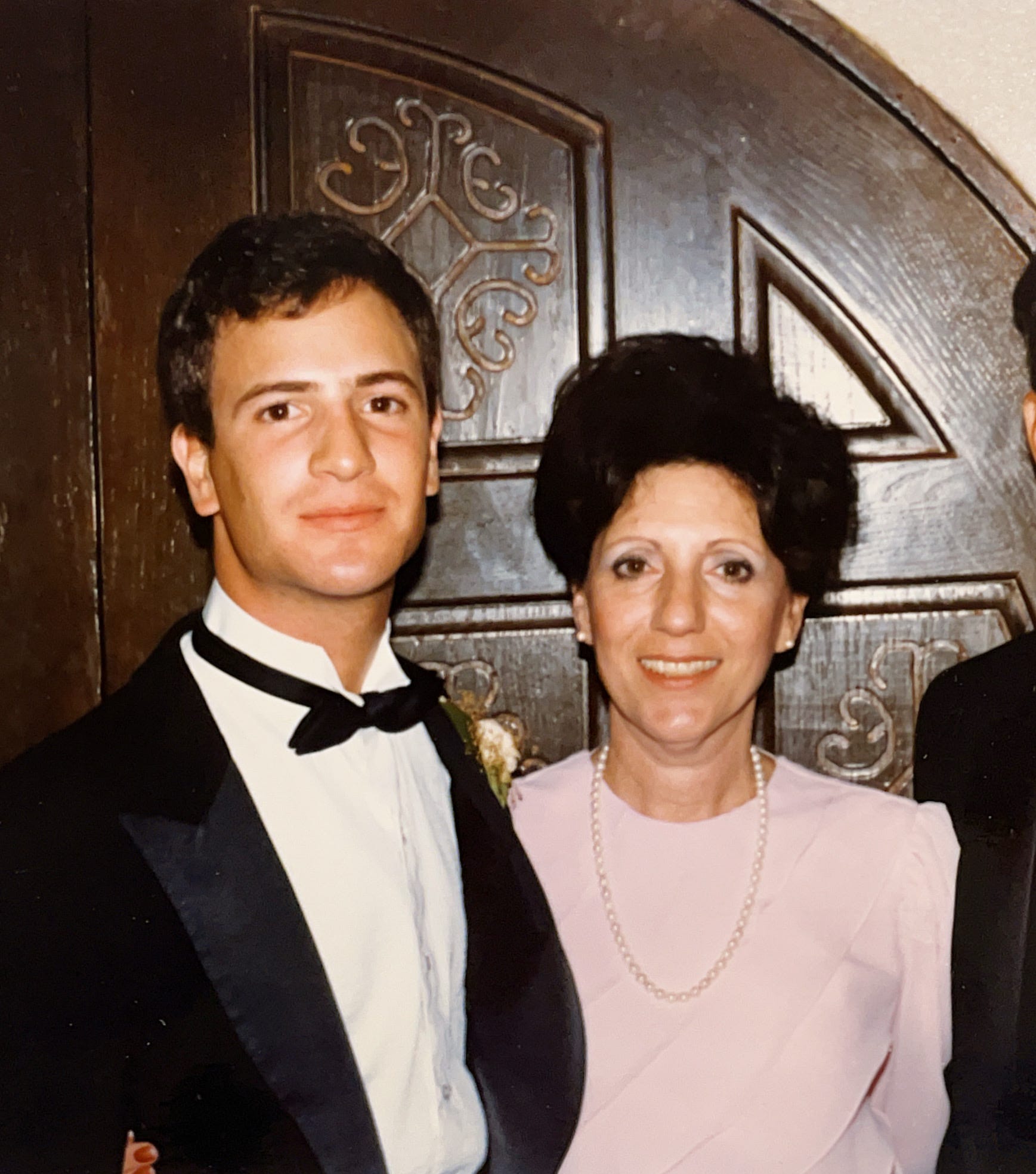
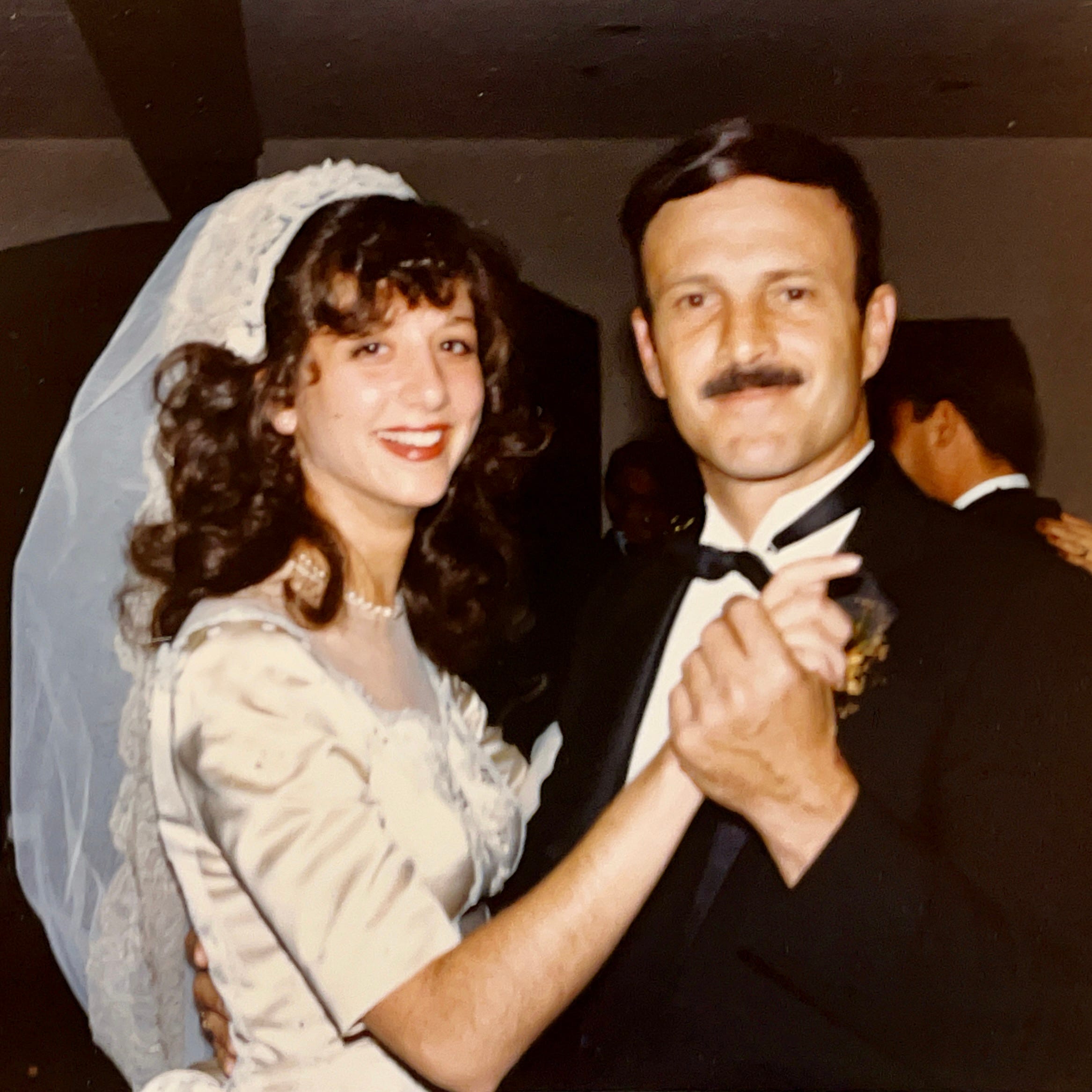
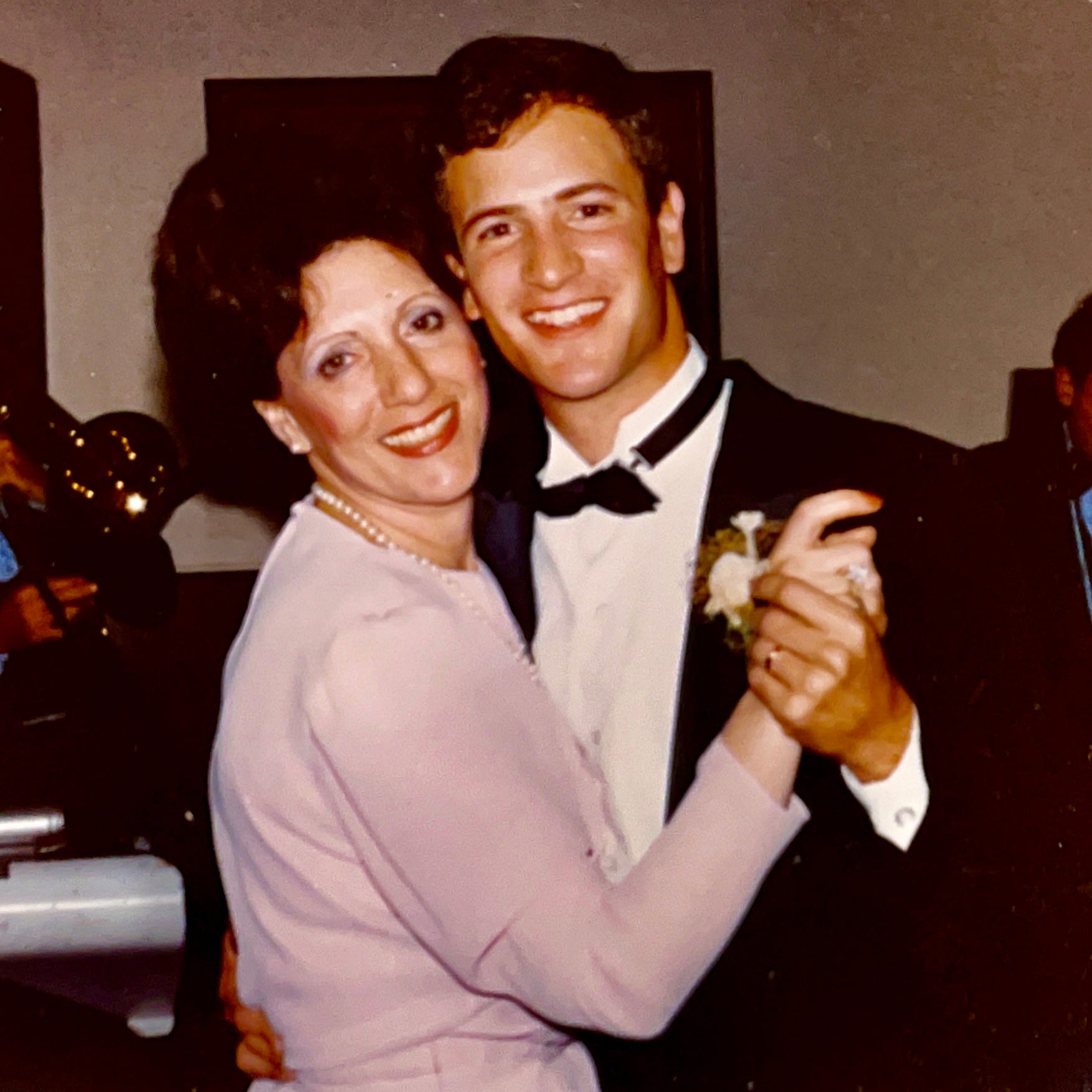
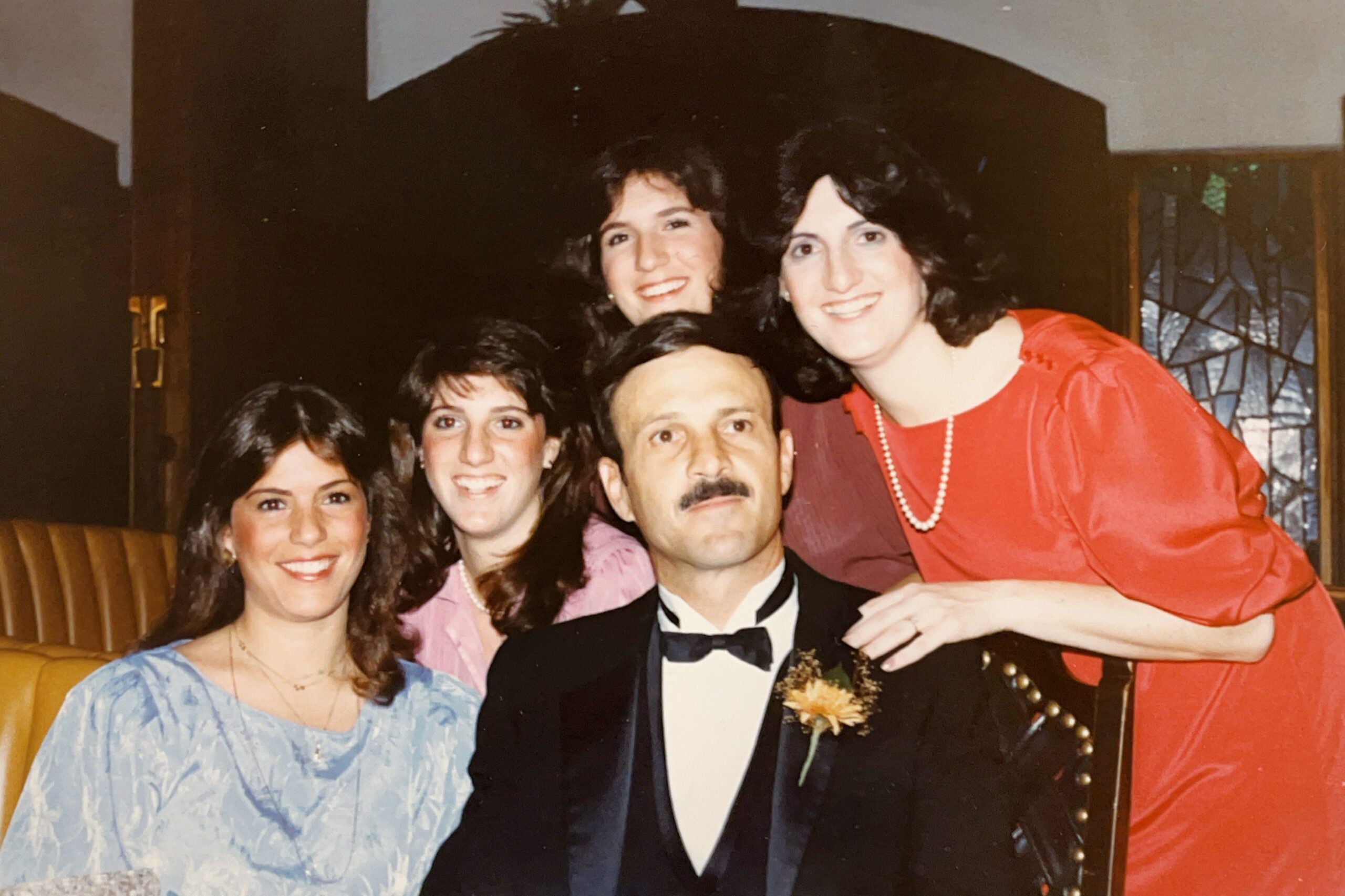
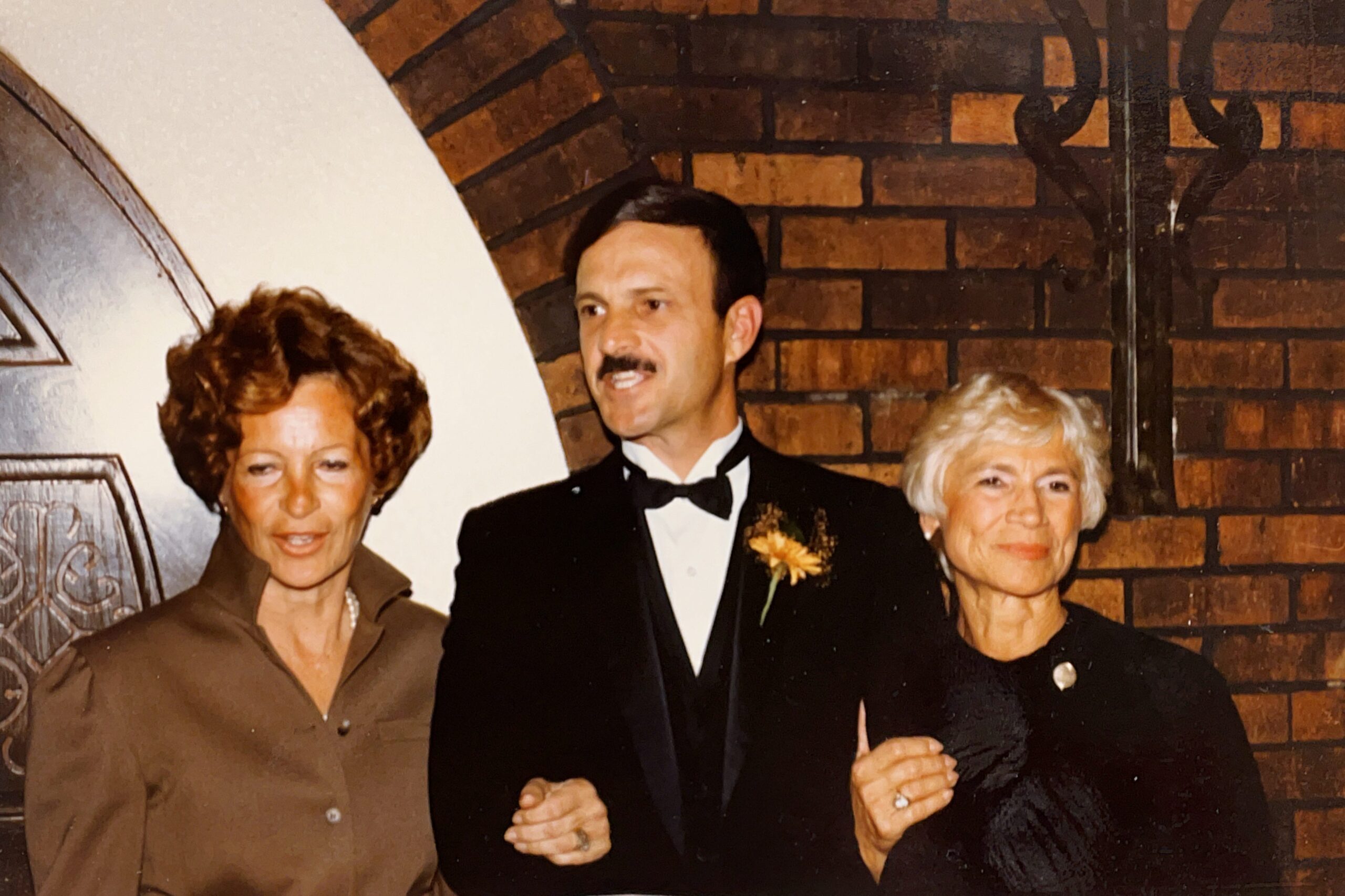
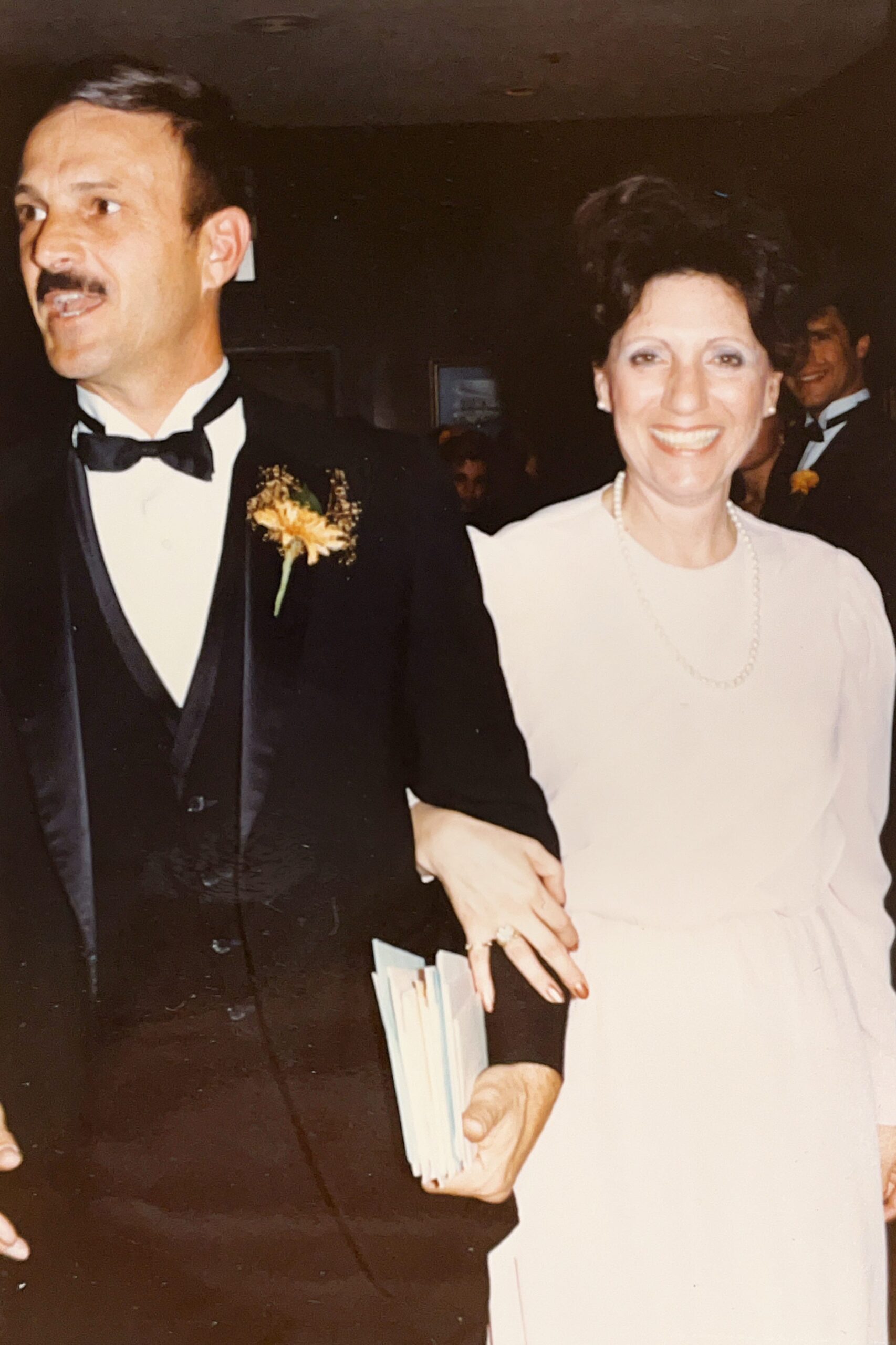
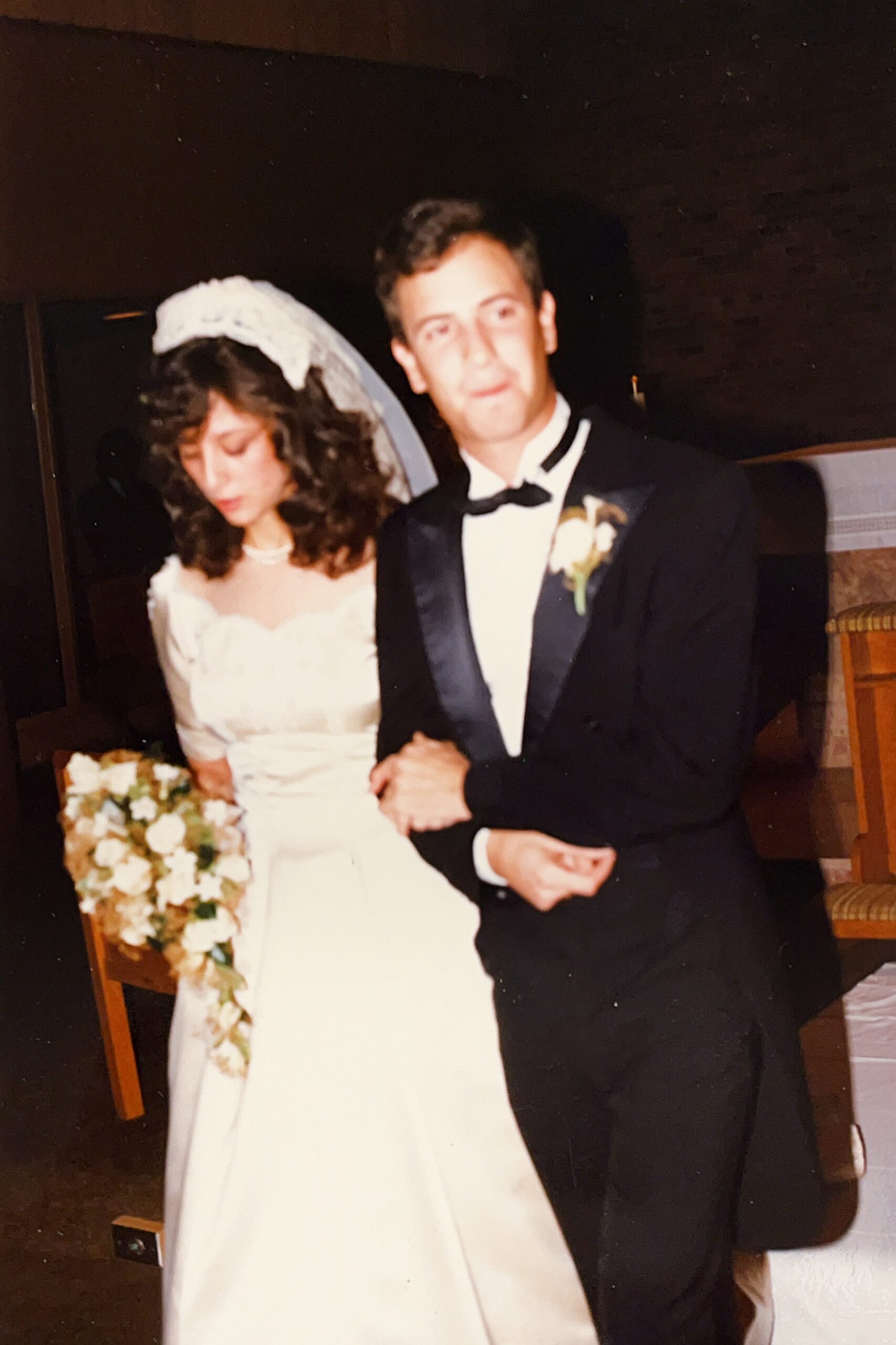
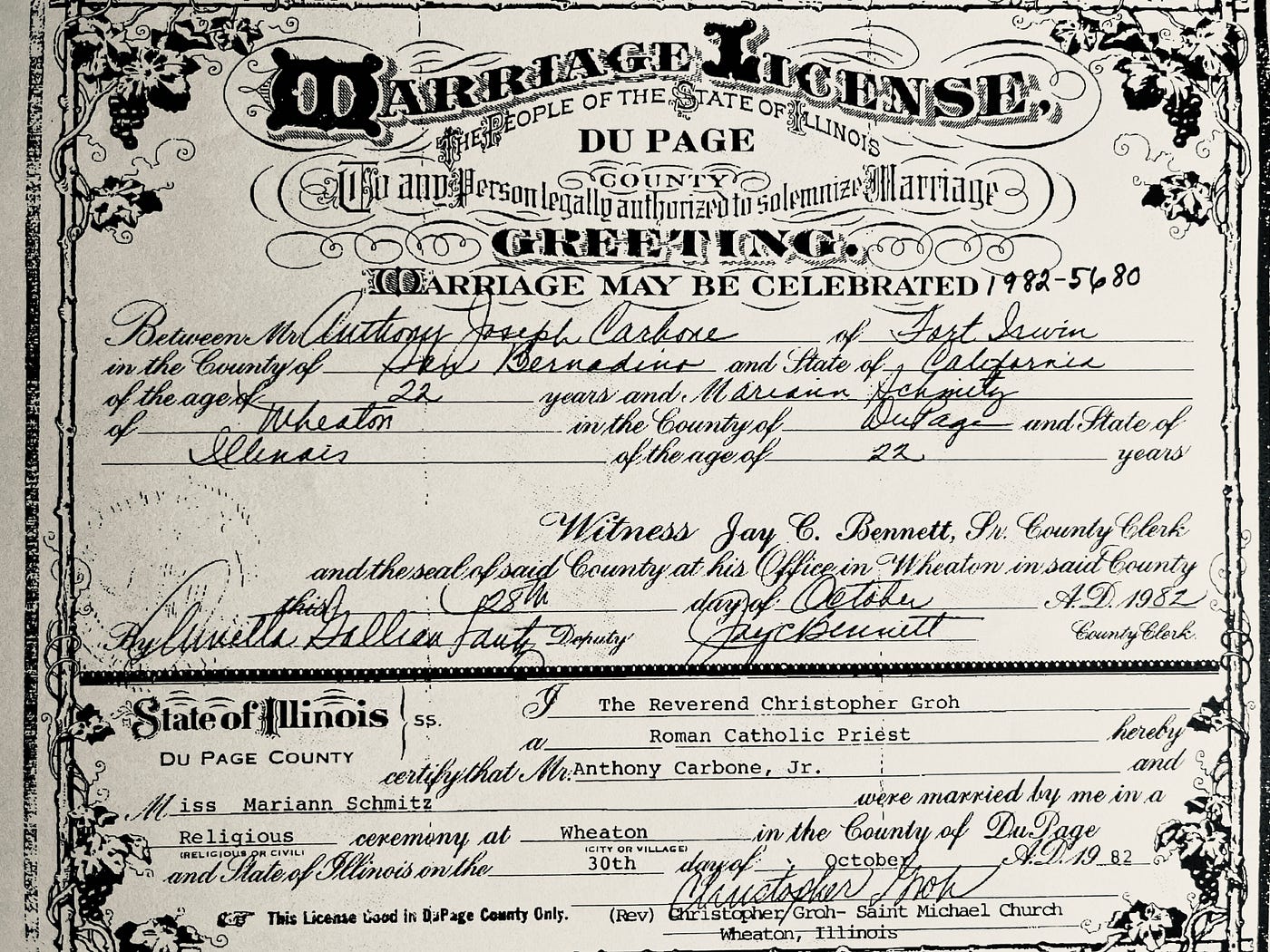
And then, amid the chaos and scars of that year, came the one bright, immovable point in my life — the day I married my Notre Dame sweetheart, Mariann Schmitz of Wheaton, Illinois. On October 30, 1982, we stood before God, family and friends at St. Michael’s Catholic Church in Wheaton, Illinois, and entered into the Holy Sacrament of Matrimony.
Parents of the Bride & Groom
Best Man and Ushers
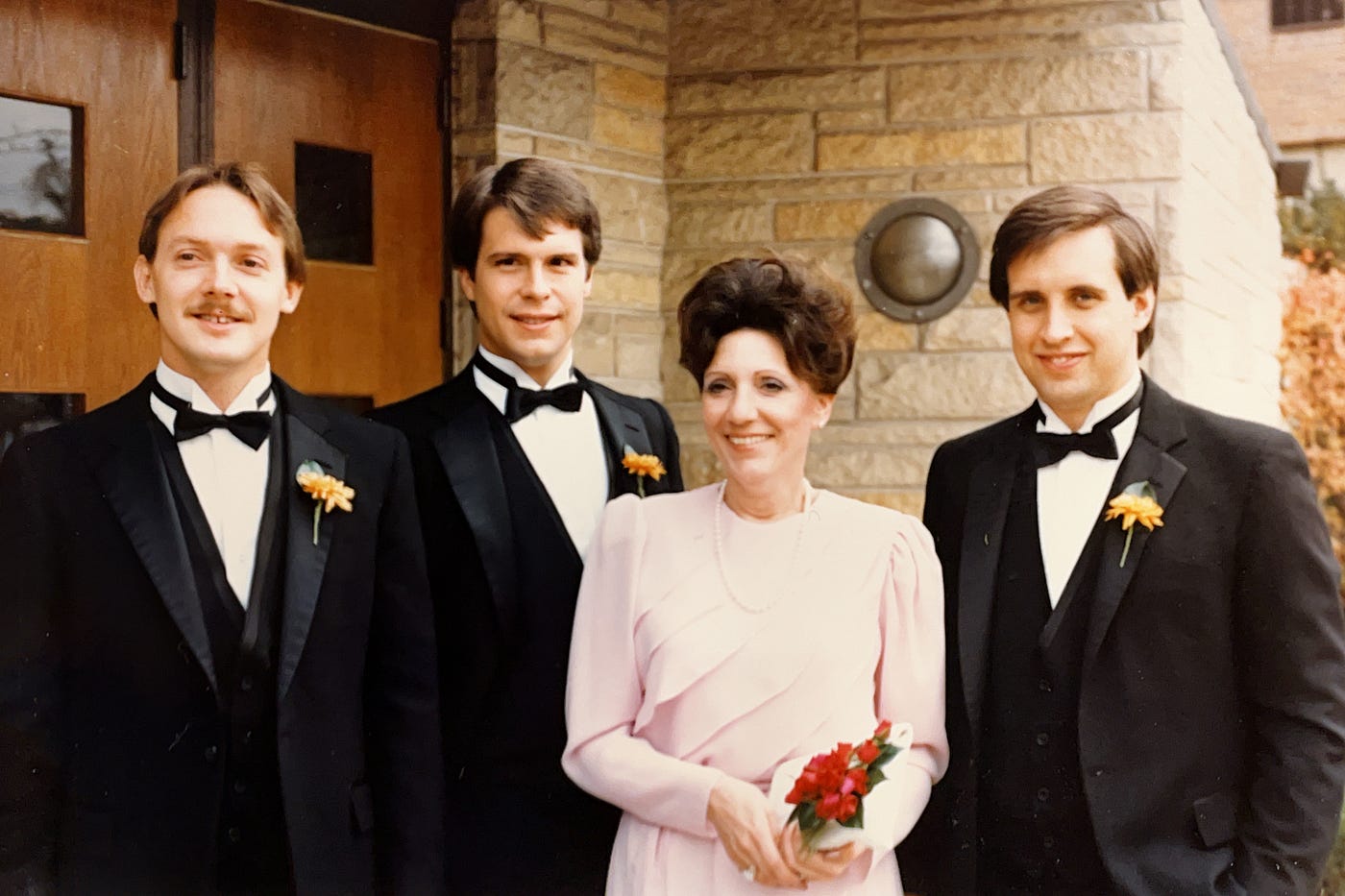
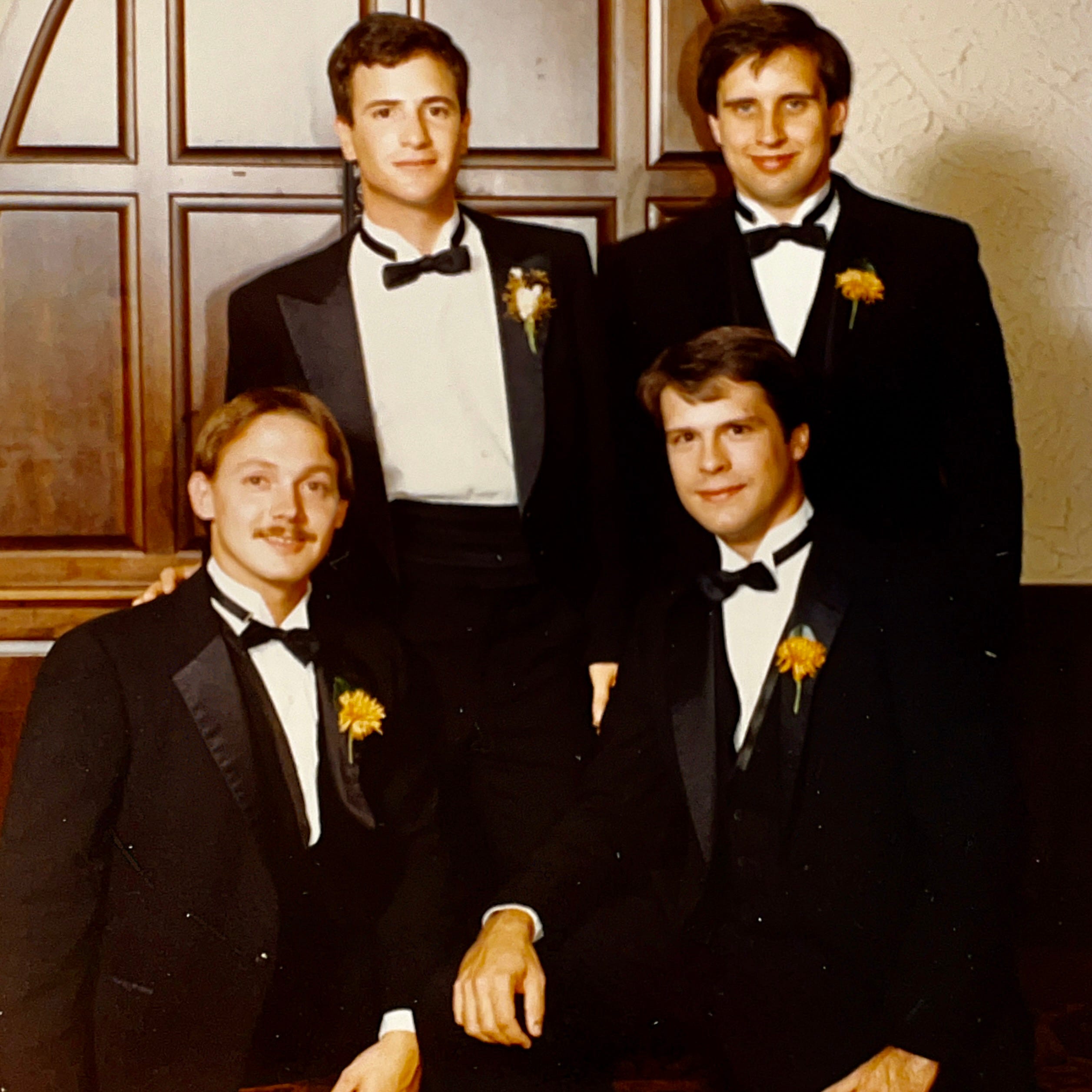
I wish I could say I played an active role in planning our wedding, but the truth is, I was too consumed by Fort Irwin — the operations, the trauma, the sleepless nights, and the accident — to be much help. Mari and I never even went through Pre-Cana. Mariann and her mother planned everything. All I had to do was show up. I asked my father to stand beside me as my Best Man. My ushers were my lifelong friends: Jeff Bell, Mark Sanchez — who had been with me since Mannheim — and my soon-to-be brother-in-law, Chris Brown.
Visitors from Boston to Washington DC
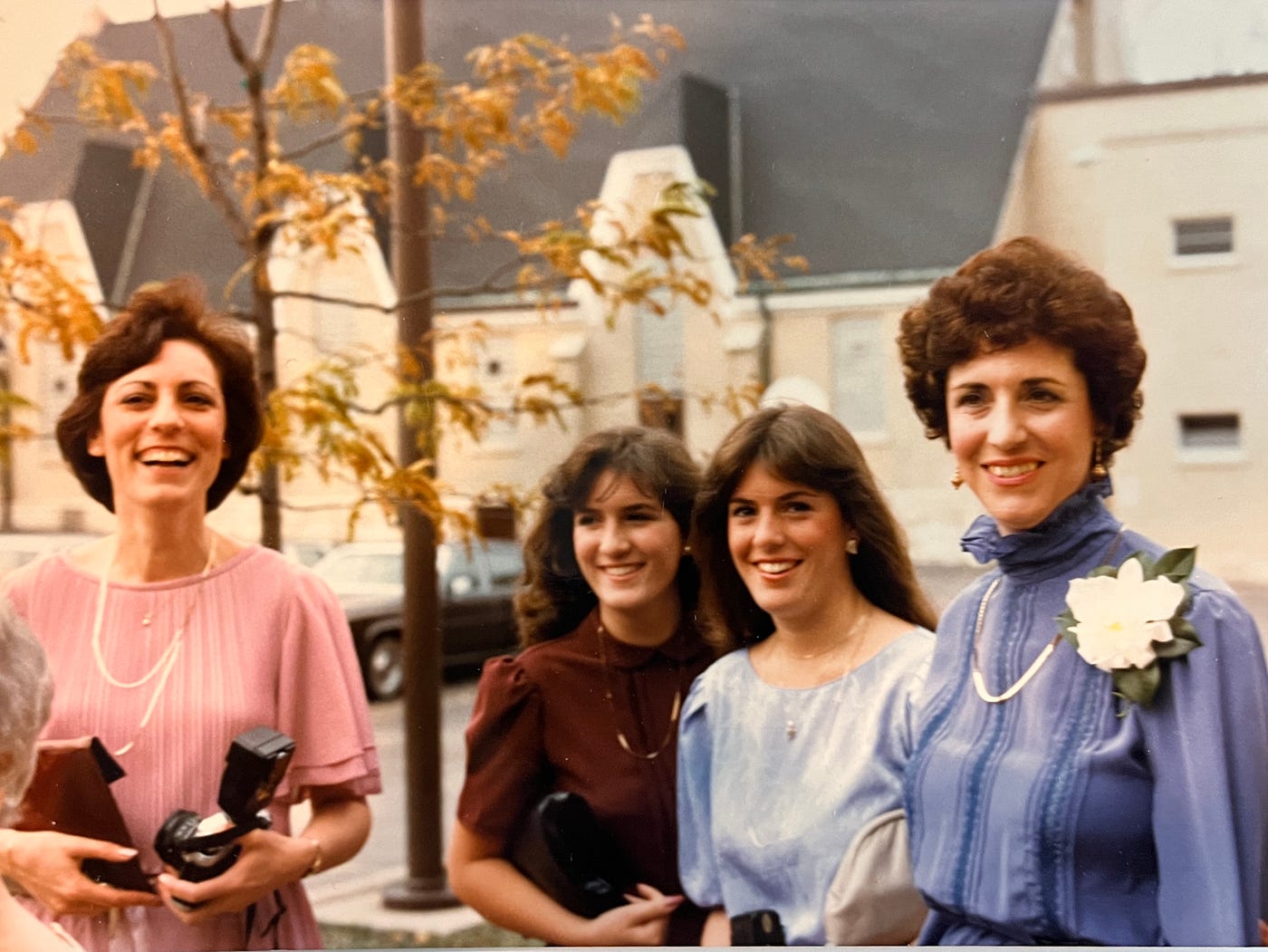
What still amazes me is how many people came. My entire family flew in from Boston — my mother and father, my four sisters, Nana Pietrantoni and her sister, my great Aunt Connie. My godmother, Auntie Yole. Uncle John and Auntie Rose Marie Antonelli. Auntie Cynthia and Auntie Norma Pietrantoni. Aunt Terry and Uncle Arthur McDonald. Even Mr. Richard Callen made the trip from Woodbridge, Virginia. They were all there to witness the moment when Mariann and I promised our lives to one another before God. And yet, I can’t remember most of it.
Waiting for My Bride
I was already deep in the grip of what I now know was PTSD. I was exhausted, haunted, and still reeling from the crash that nearly killed me. The second half of 1982 — including my own wedding — is a blur, like watching someone else’s life through frosted glass. I do remember a single, crystalline moment: standing alone in the sacristy before the ceremony, my father slipping out and leaving me in silence. Then the music began — a string quartet Mari had hired as a gift to me. They played Pachelbel’s Canon in D, one of my favorite pieces of classical music. To this day, just four notes of that melody can transport me back to that exact instant.
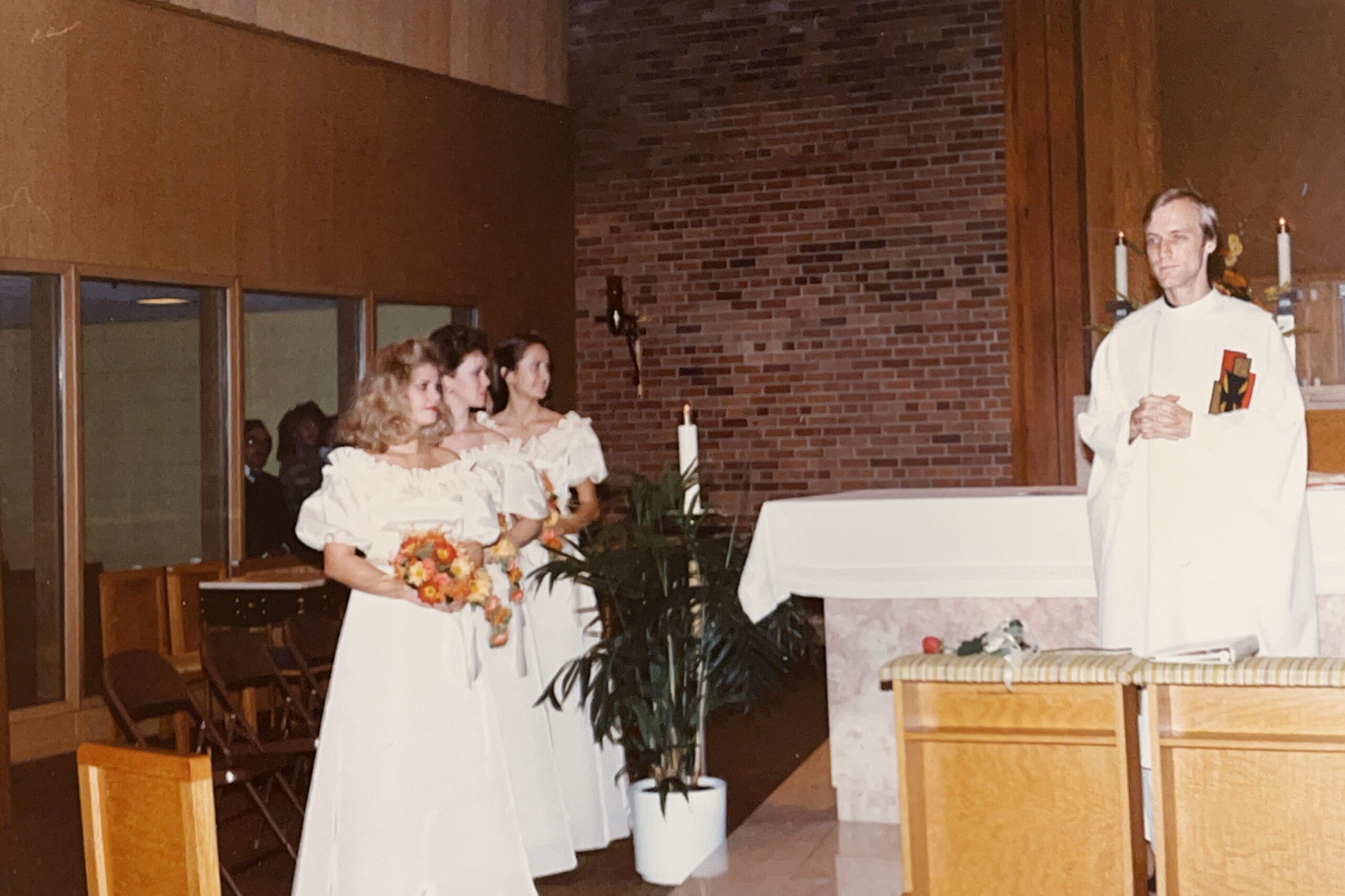
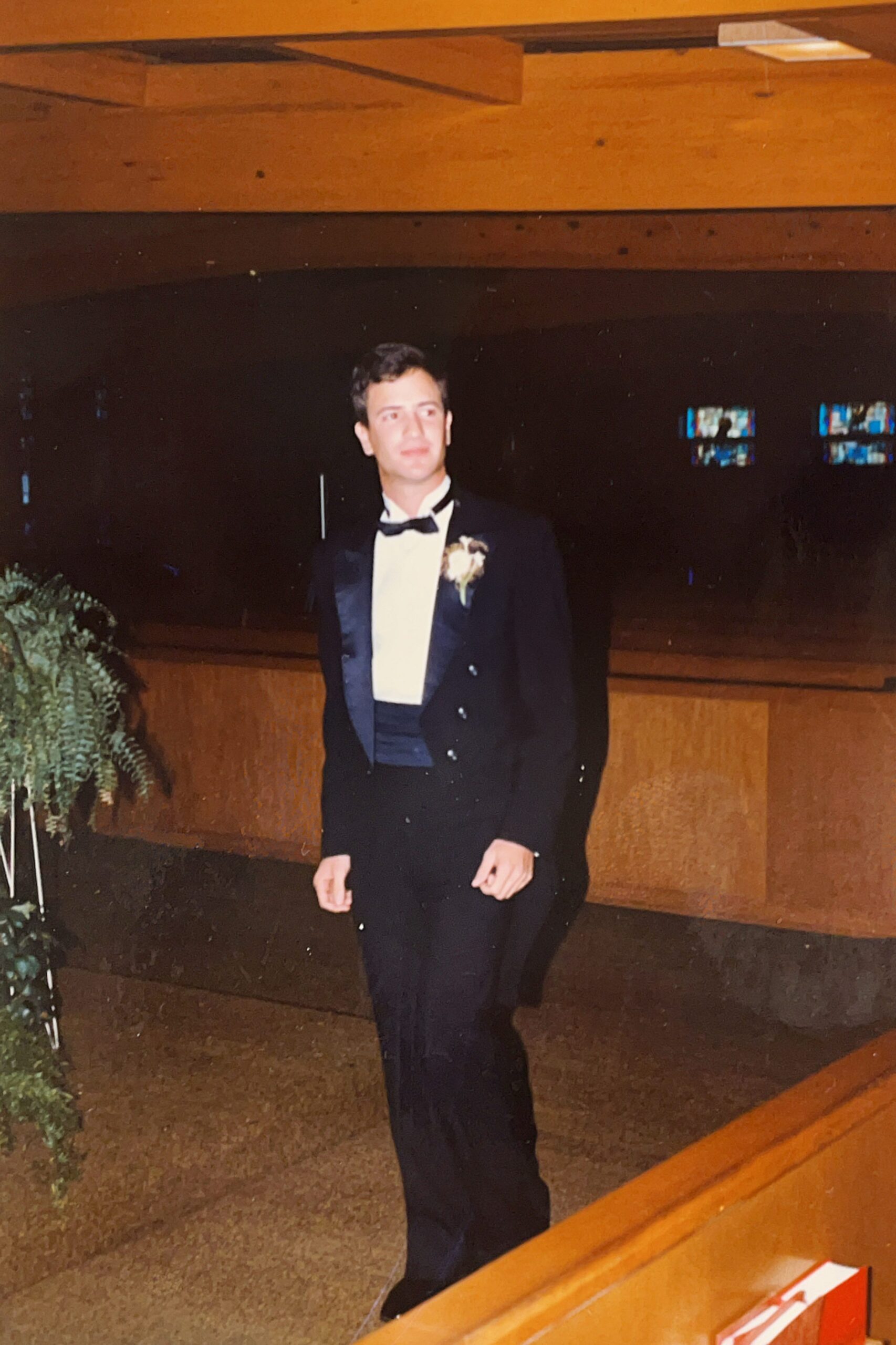
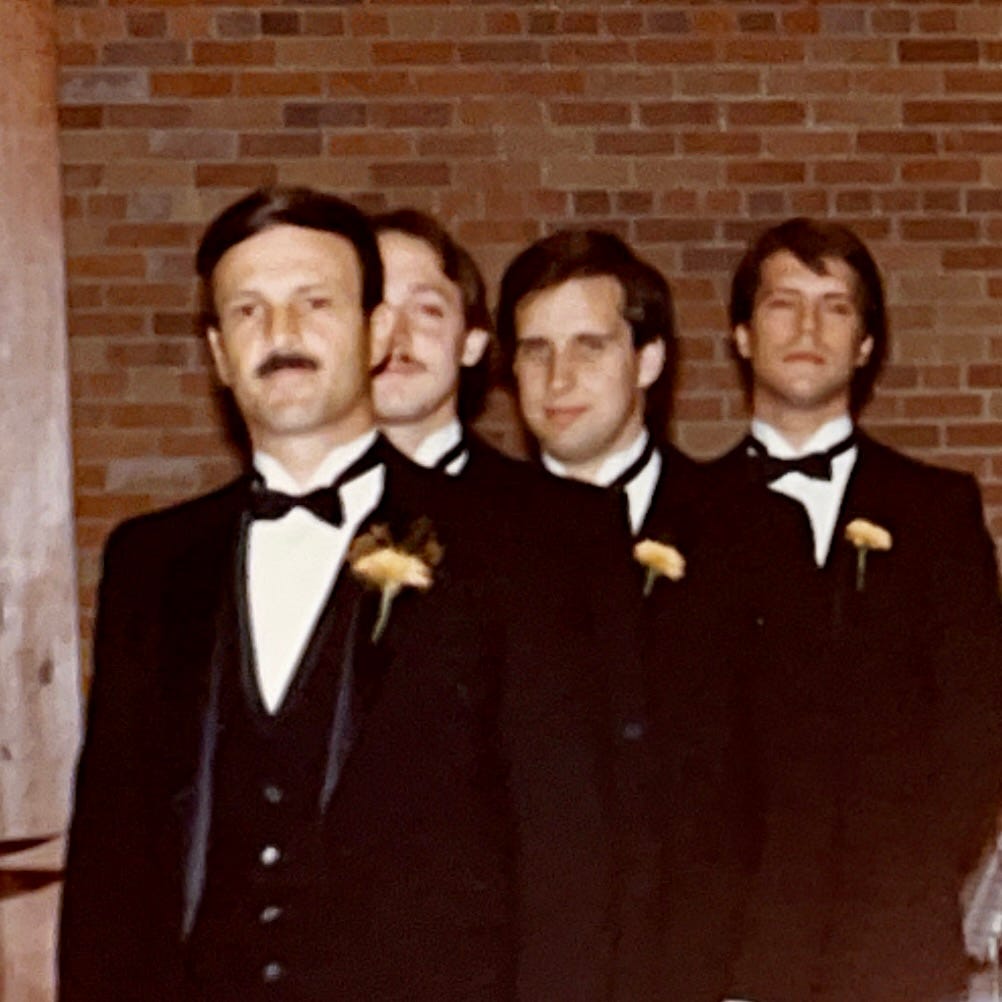
Sacrament of Holy Matrimony
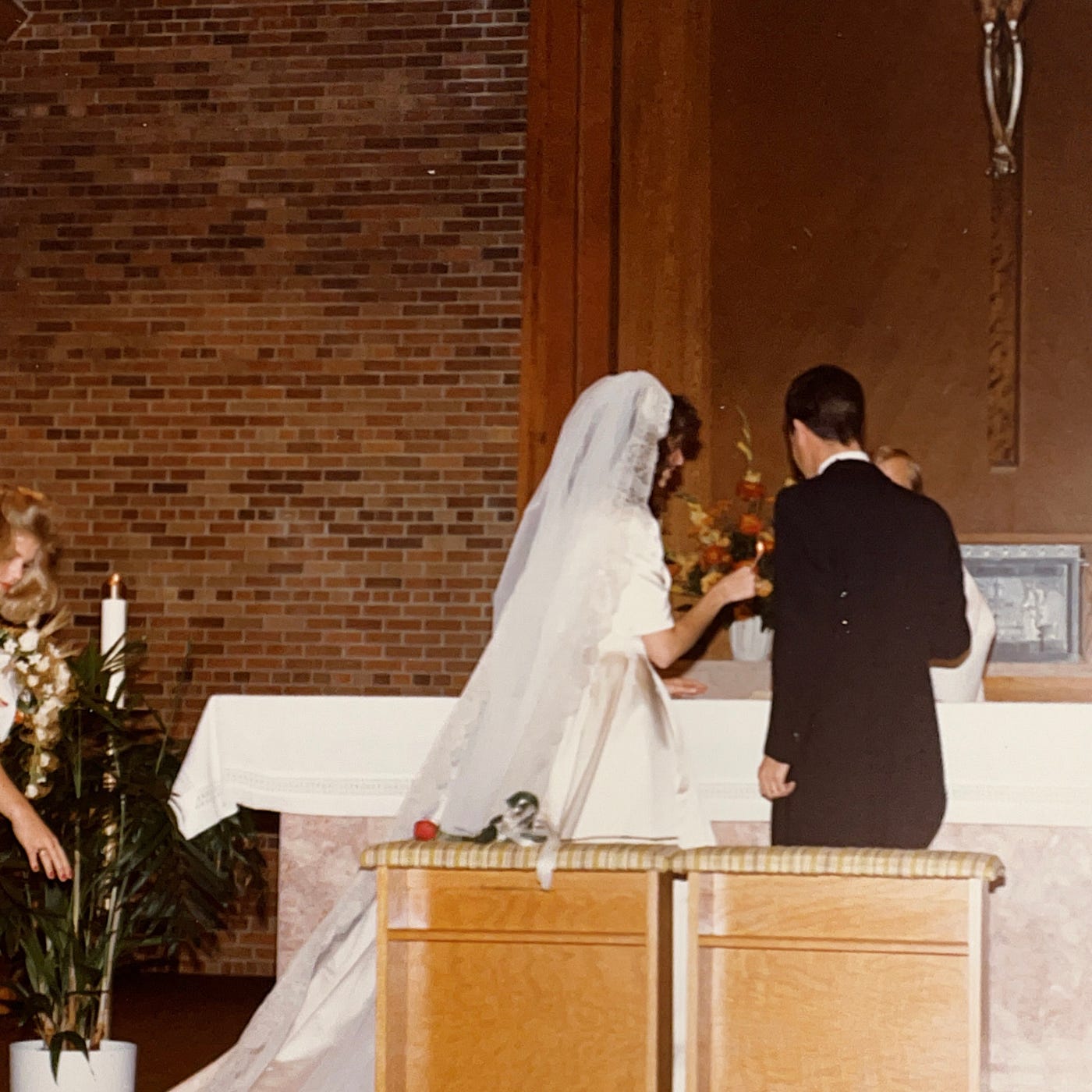
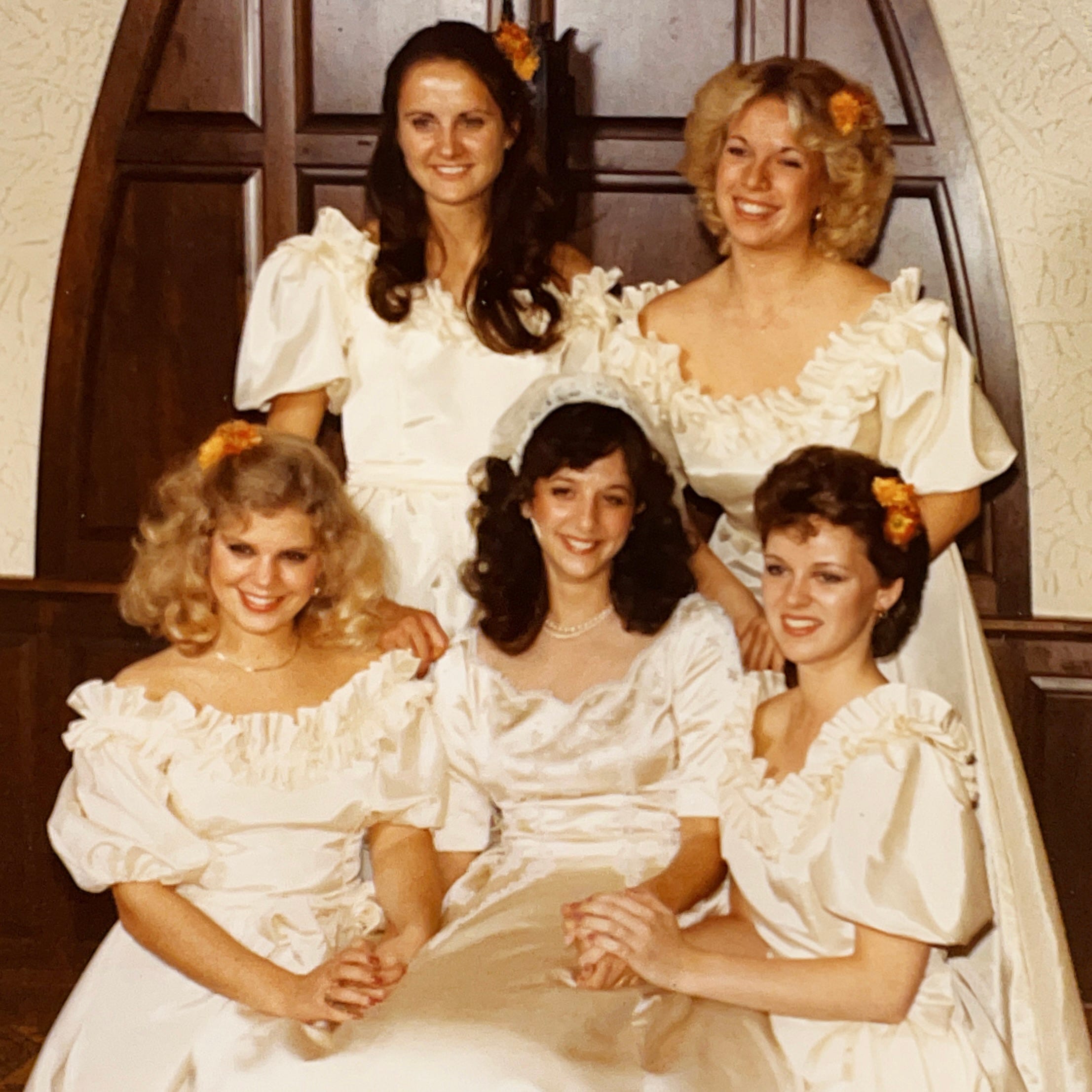
The only other memory that pierces the fog is Mariann herself — radiant and breathtaking, wearing her mother’s satin wedding gown. I remember staring at her and wondering how someone so beautiful, so intelligent, so faithful, so funny, so kind, could choose to marry me. But when I look at the photographs now, I see more than just a wedding. I see a young officer who was already sick, already broken — a man who was deeply in love with his soulmate but was too lost inside his own mind to truly be present.
Presenting Lieutenant and Mrs. Anthony Carbone
The Trauma of Fort Irwin and PTSD
I don’t remember our wedding night–don’t remember if we even had a honeymoon. But I do remember that I loved Mariann with everything I had — more than anyone will ever truly know, especially her.
Looking back now, that first year at Fort Irwin was the crucible that shattered something inside me. It was supposed to be the beginning of a promising career — a safe, non-combat assignment where I could grow into the officer I had trained to be. Instead, it became a year of relentless trauma: sudden death, gruesome accidents, unimaginable loss, and a deep loneliness I had no tools to process. I buried every emotion, ashamed that I was so shaken when others seemed unaffected.
And so I locked it all away — the nightmares, the anxiety, the guilt — and never spoke a word of it to my father, my family, or even to Mariann. I stood at the altar that October already broken inside, and no one knew. For decades, I would hide that damage behind achievements and credentials, never understanding how I managed to keep going — only that I did. But the truth is, everything that followed in my life was built on the fractured foundation of what happened to me in 1982.
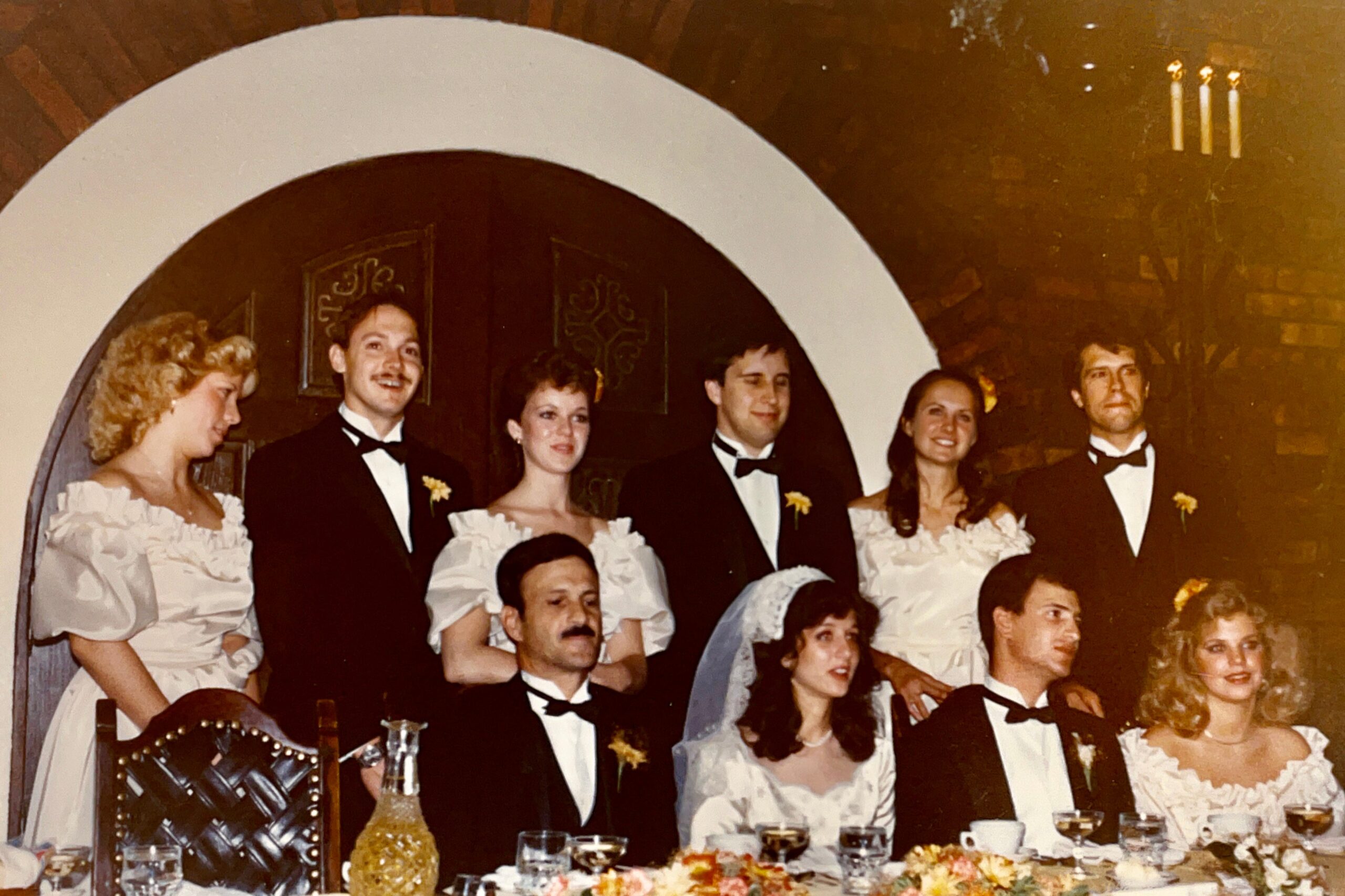
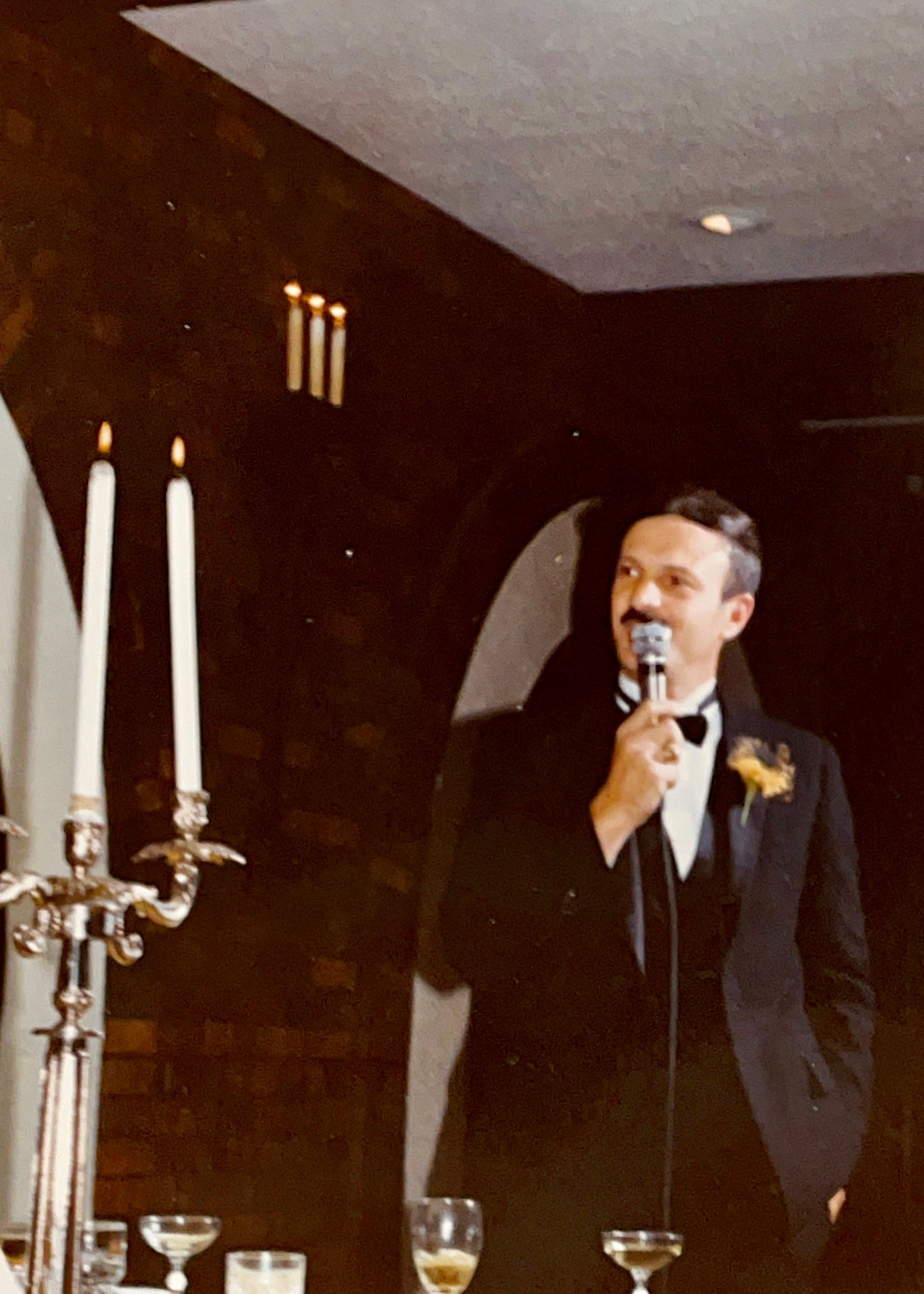
Our Wedding Reception
The Head Table
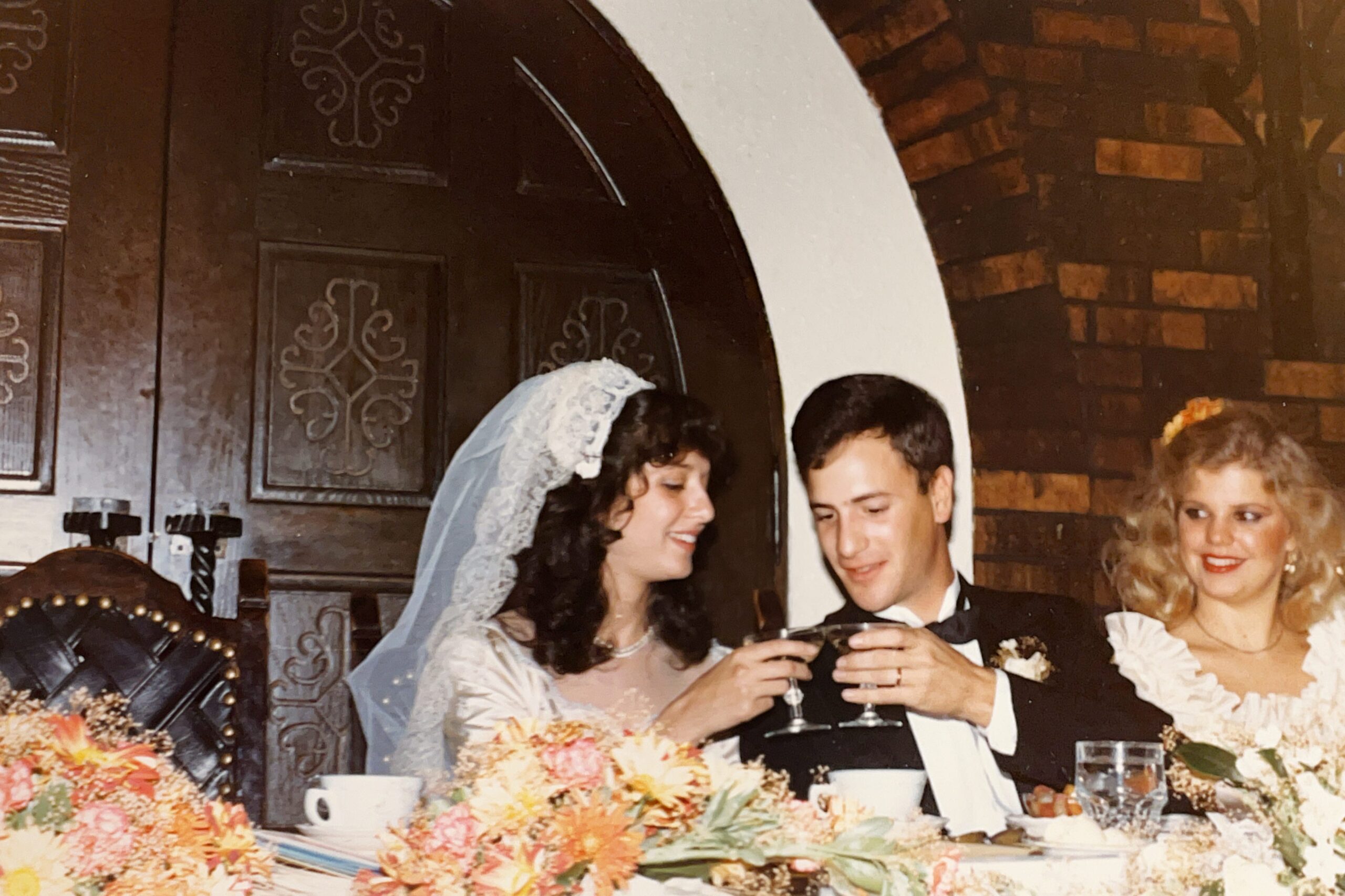
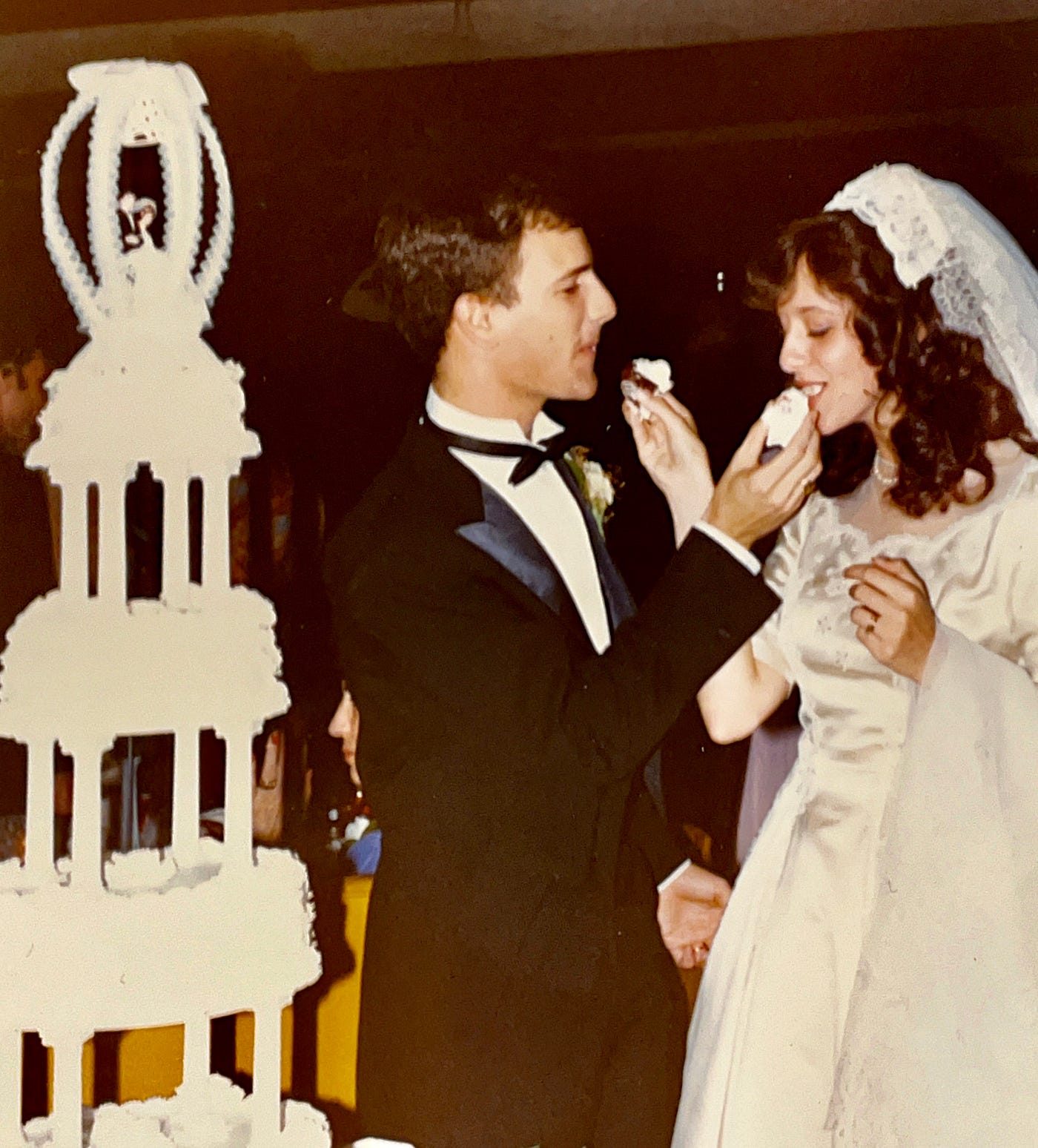
Sharing Our Wedding Cake
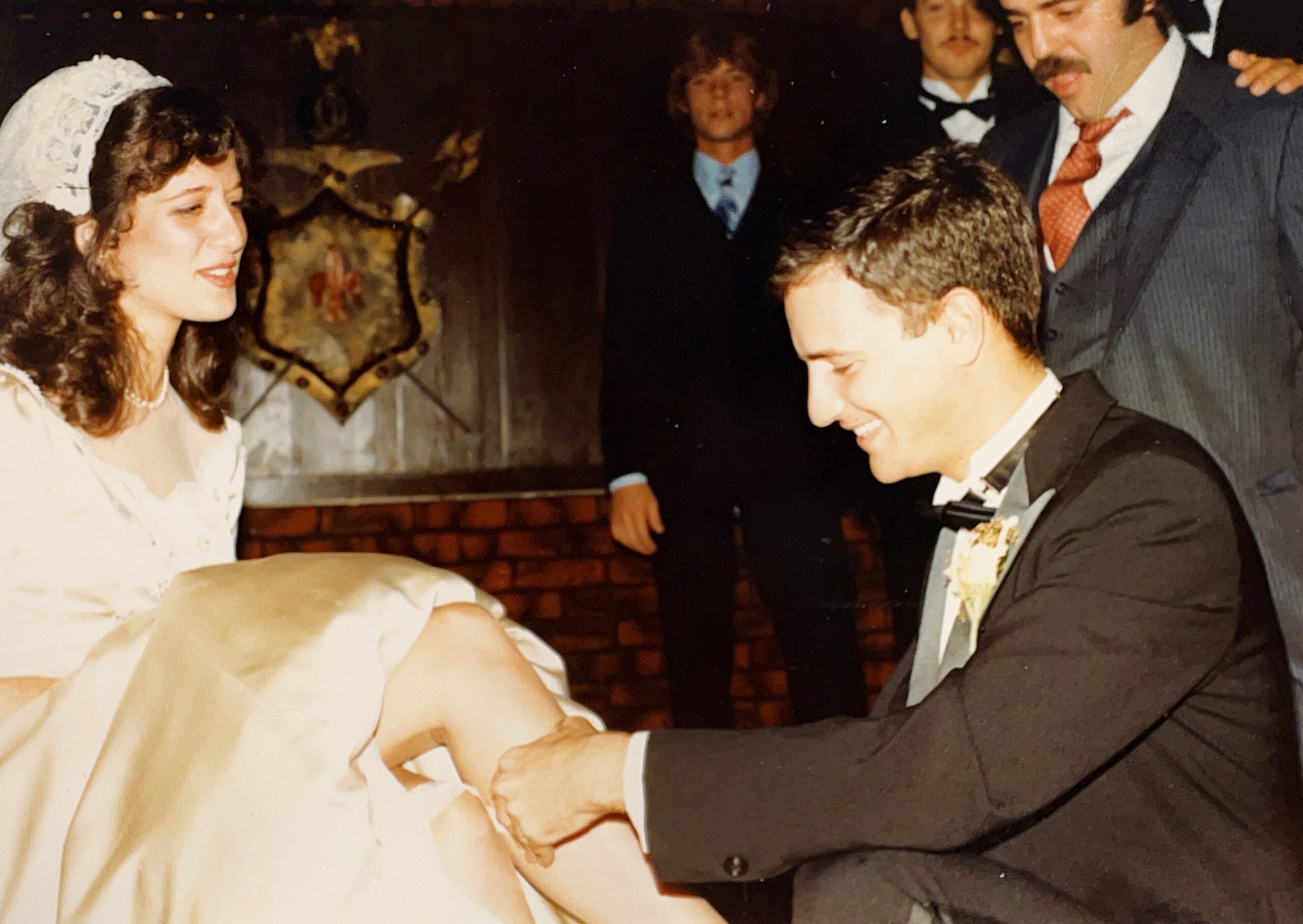
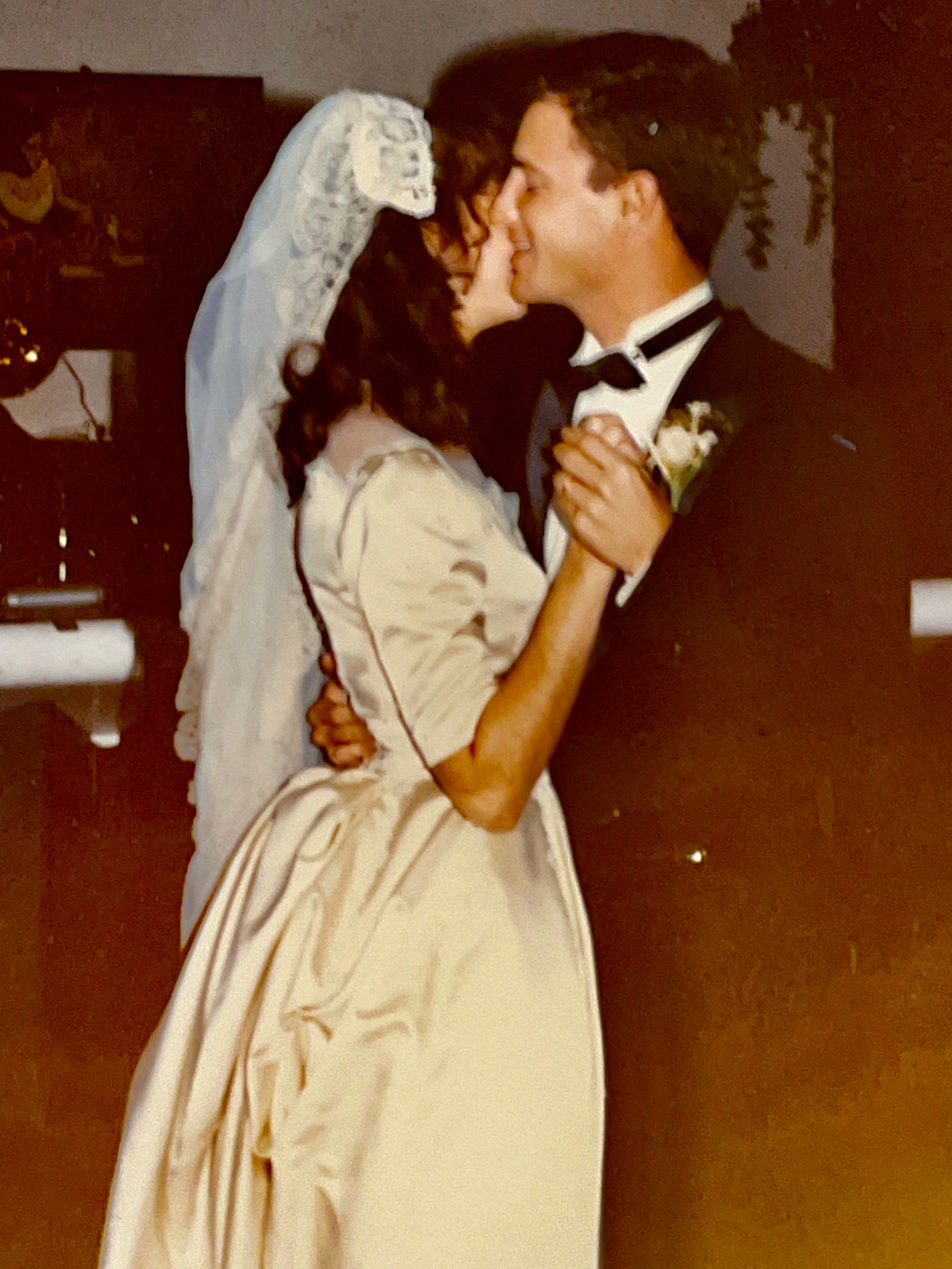
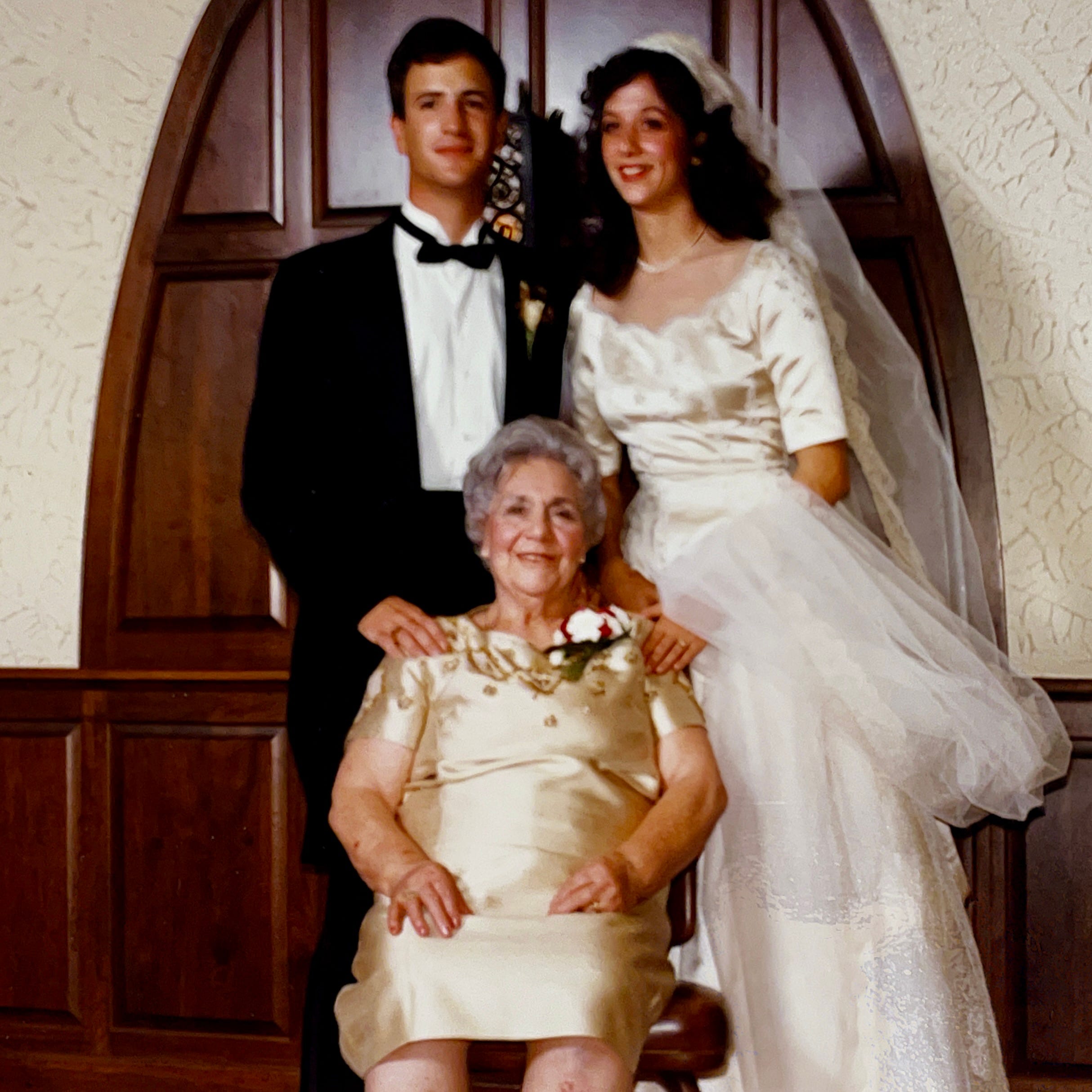
With Nana Pietrantoni
My Big Fat Italian Wedding
Buddy- It was a beautiful wedding ceremony! It was my first opportunity to reconnect with your family since our high school years in Germany. I’ve always felt like an extended member of your family. In retrospect it is just so unfortunate you were experiencing PTSD.
What a remarkable story. I can hardly wait to read more. When did you write most of this? (Or is it an on-going biography? Are you and Mari still married? Do you have children? I guess I’ll have to wait and find out when I read about it.
I’m writing this one chapter at a time. As you can imagine, it’s draining. My life has been just one big roller coaster ride and I want to write it down as I remember it. I’m going through the process of applying for PTSD disability with the VA, and this has helped me did up memories that I stashed away. Lost Mariann and more than that. Thank you for taking time to read my little story. It means so much to me.